









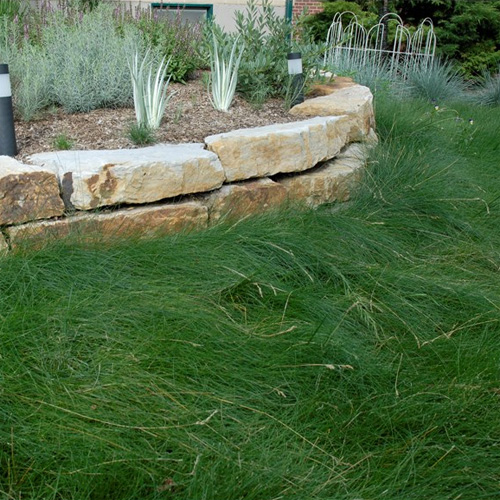
Sheeps Fescue Grass Seed
About...
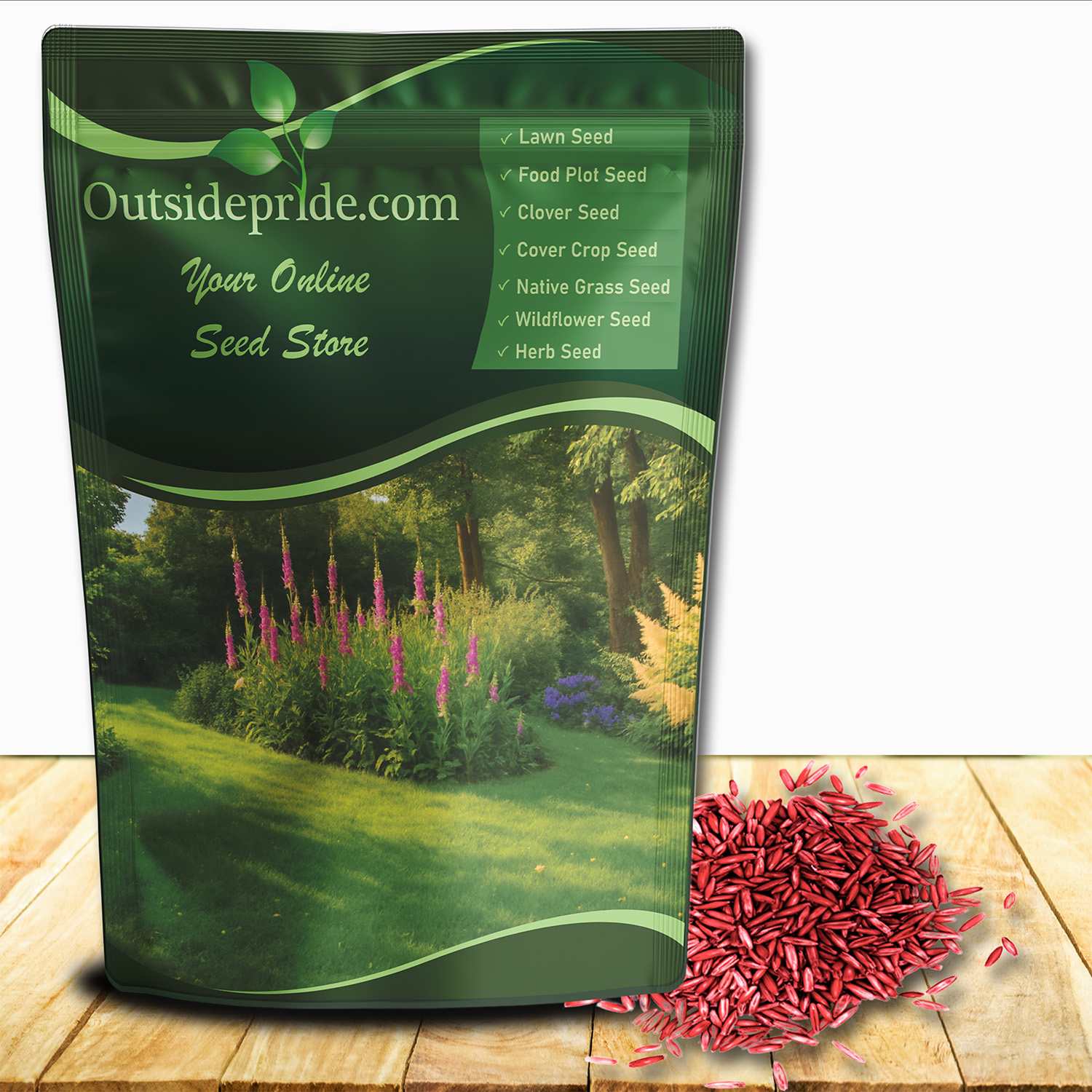
100% Pure, Raw Seed with 0.00% Other Crop & Weed. Sheep's fescue is a drought-resistant cool season bunch grass, somewhat hardier than any of the other fine-leaved fescues. Like hard fescue, this species does not produce much usable forage, but it provides excellent ground cover. Sheep's fescue grass seed is a great choice for naturalized areas or xeriscaping. Can be used in full sun or shade in the Northern half of the U.S. and shady areas in the Southern half of the U.S.
Trustpilot Reviews
A+ Seed
Fast shipping, quality fescue seed in the exact ratios of varieties i was looking for to plant a pollinator garden in minnesota
Read more on TrustpilotHigh quality seed (have used in past)
High quality seed (have used in past), delivered promptly- website easy to navigate to find what I needed- rough year with heat in MD so overseeding in fall to recover lawn (fescue)- looking forward to lawn filling back in
Read more on TrustpilotMORE FESCUE GRASS OPTIONS


100% Pure, Raw Seed with 0.00% Other Crop & Weed. Sheep's fescue is a drought-resistant bunchgrass, somewhat hardier than any of the other fine-leaved fescues. Like hard fescue, this species does not produce much usable forage, but provides excellent ground cover. It is often called Blue Sheep fescue or Blue Sheep's fescue due to its bluish-green colored grass blades. It is somewhat slow to establish; however, once established it is very persistent, winter-hardy, and drought-tolerant.
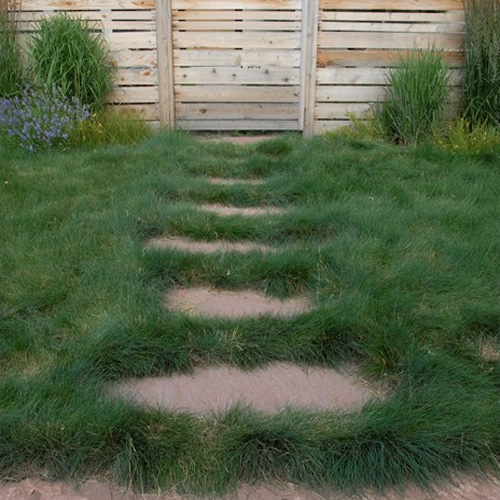
Blue sheep fescue grass is a short (dwarf type), semi-erect bunch-grass that forms dense tufts with numerous, stiff, rather sharp, bluish-green leaves. Its overall stature is very similar to hard fescue, but somewhat shorter. It is a fine fescue grass that is low growing. Sheep's fescue grass seed is a great choice for naturalized areas or xeriscaping and it can be mixed with wildflower seeds and will not dominate. It can be used as a grass seed for shade as well.
Planting
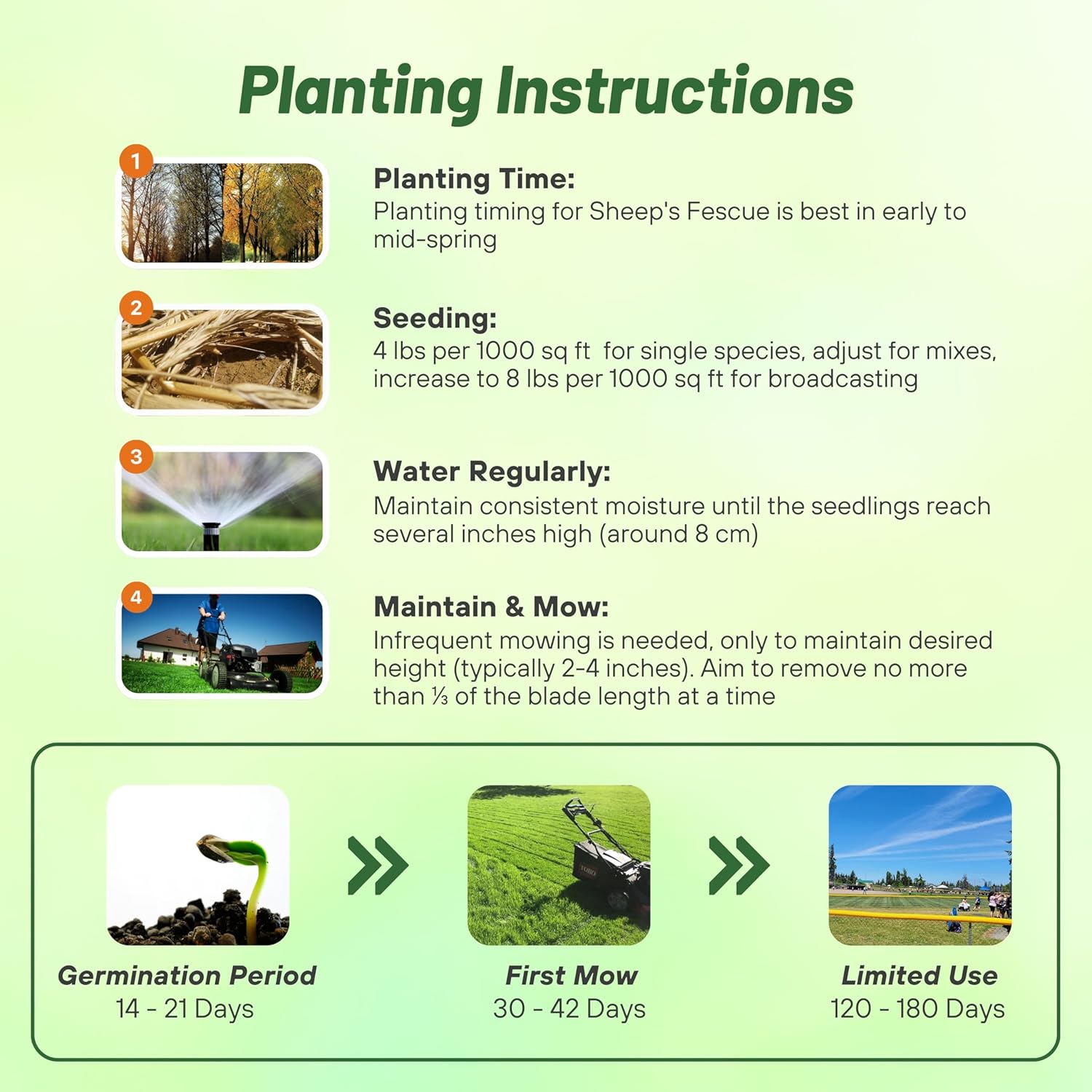
Blue sheep fescue may be seeded in the early fall to mid fall depending on your climate. It should be planted 8 weeks before frost so use that as your guide for planting time in the fall or plant in the spring when frost season is over and soil temperatures are warming up. Early fall seeding is preferred in the low rainfall areas. Do not cover the grass seed with more than 1/4 inch of soil, on a firm seedbed.
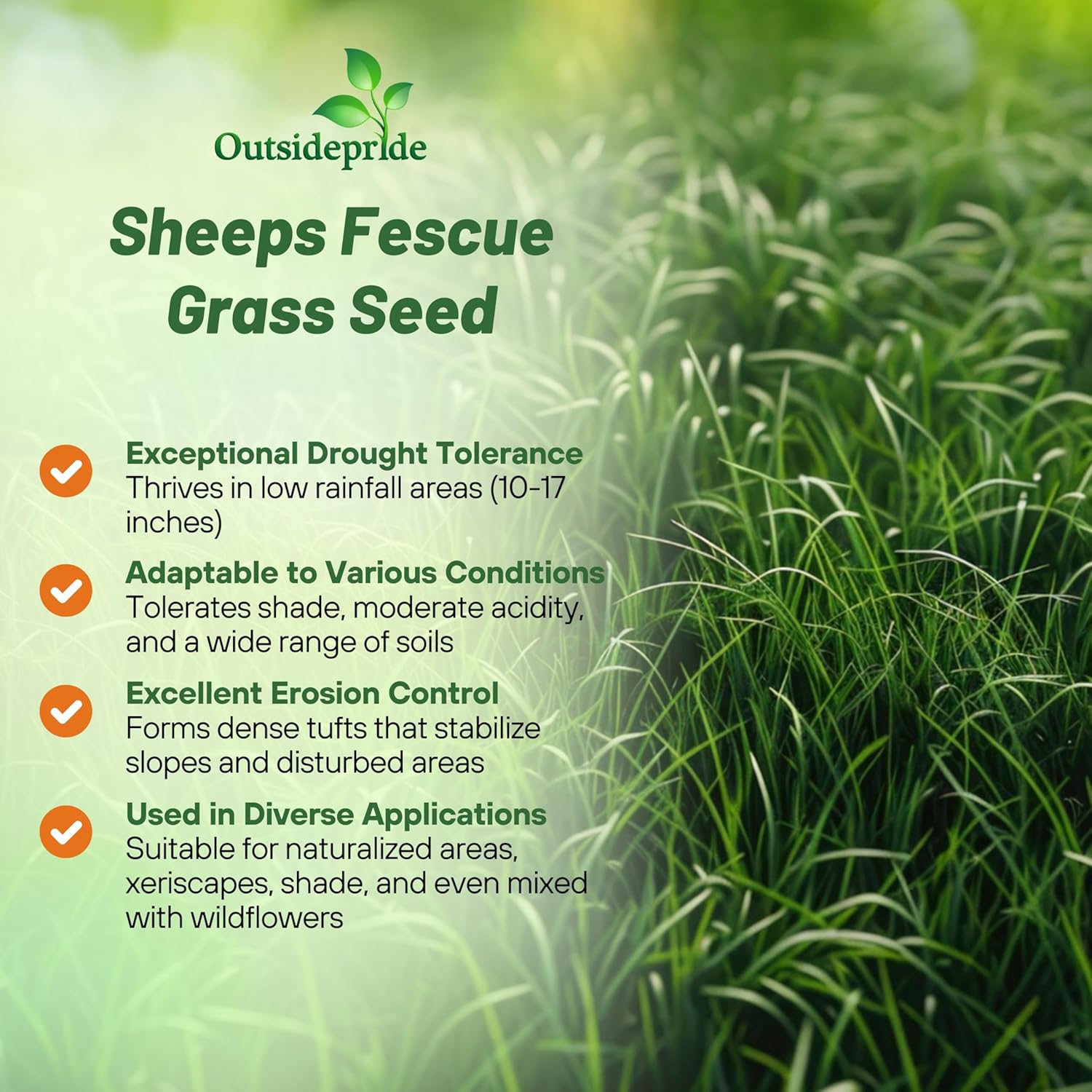
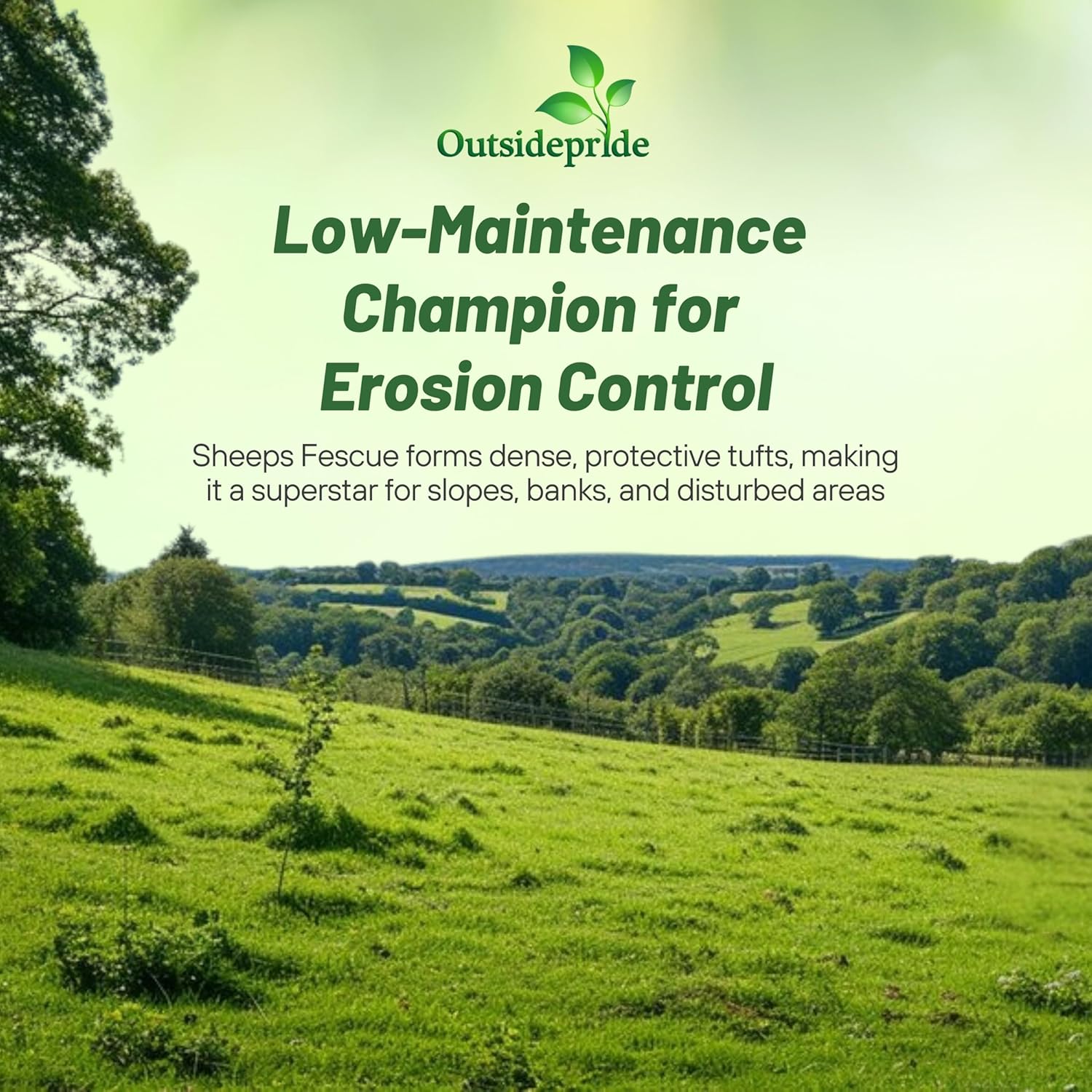
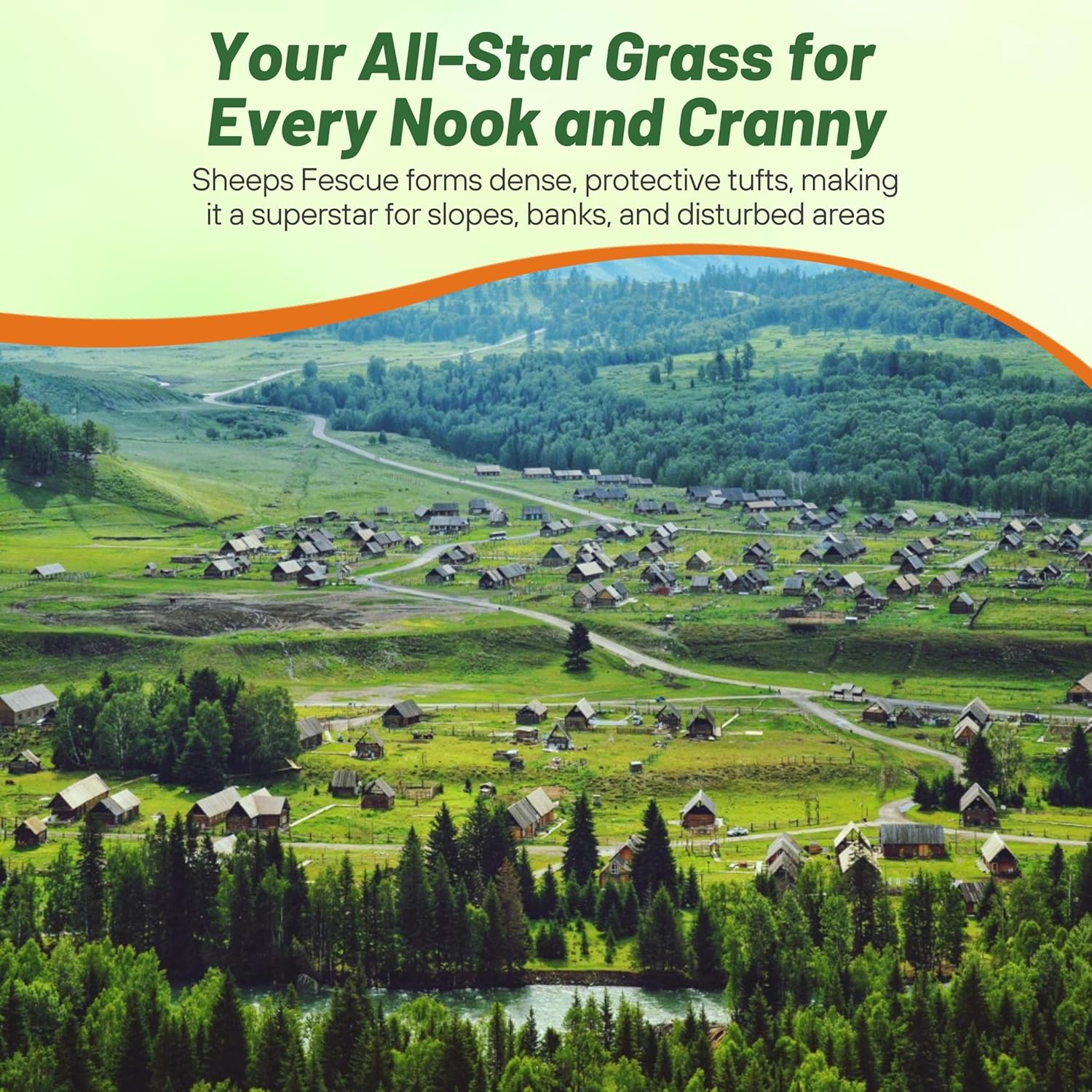
Blue sheep fescue is adapted to a wide range of soil conditions in areas of 12 inches or more annual precipitation. It is adapted to about the same climate as bluegrass, and can be grown in most northern, agricultural areas. It succeeds better than most grasses on sandy or gravelly soils. Sheep fescue grass tolerates shade and moderate acidity, making it best adapted to forests and foothills of the intermountain region. This species is best adapted for critical area stabilization, e.g., road cuts and fills, pipelines, forest clearcuts and turf. Sheep's fescue grass seed is recommended for controlling soil erosion in areas having an annual rainfall of 10 - 17 inches. It is well adapted for roadbanks, in terraces or diversions, as dryland turf, in waterways, on steep slopes planned for permanent cover, and other critical areas subject to erosion. It is not intended for livestock grazing although it is palatable. Blue sheep's fescue is resistant to common turf diseases. No insects have adversely affected it to date.
Planting Guide

SOWING TEMPERATURE
55F+

WHEN TO PLANT
Spring 55F or up to 8 weeks before first frost

AVERAGE GERM TIME
14 - 21 days

DAYS TO FIRST MOWING
26 - 32 days

PLANTING DEPTH
Surface to 1/4 Inch

SOWING METHOD
Broadcast or Drill

MOWING HEIGHT
2 - 2.5 inches

ENVIRONMENT
Full Sun to Partial Shade

ZONES
3 - 7
Grass Specifications

IDEAL FOR
Lawns, Low Maintenance Areas

PLANT CHARACTERISTICS
Fine Bladed, Shade Tolerance
ESTABLISHMENT RATE
Moderate

MOISTURE REQUIREMENTS
Moderate

ACIDIC SOIL TOLERANCE
Medium to High

SALINITY TOLERANCE
Low

COLD TOLERANCE
High

SHADE TOLERANCE
Excellent

WEAR TOLERANCE
Low

THATCH TENDENCY
Low to Medium

FERTILIZER NEEDS
Low

SEASON
Perennial

Frequently Asked Questions
Is Sheeps Fescue Adaptable To Different Soil Types?
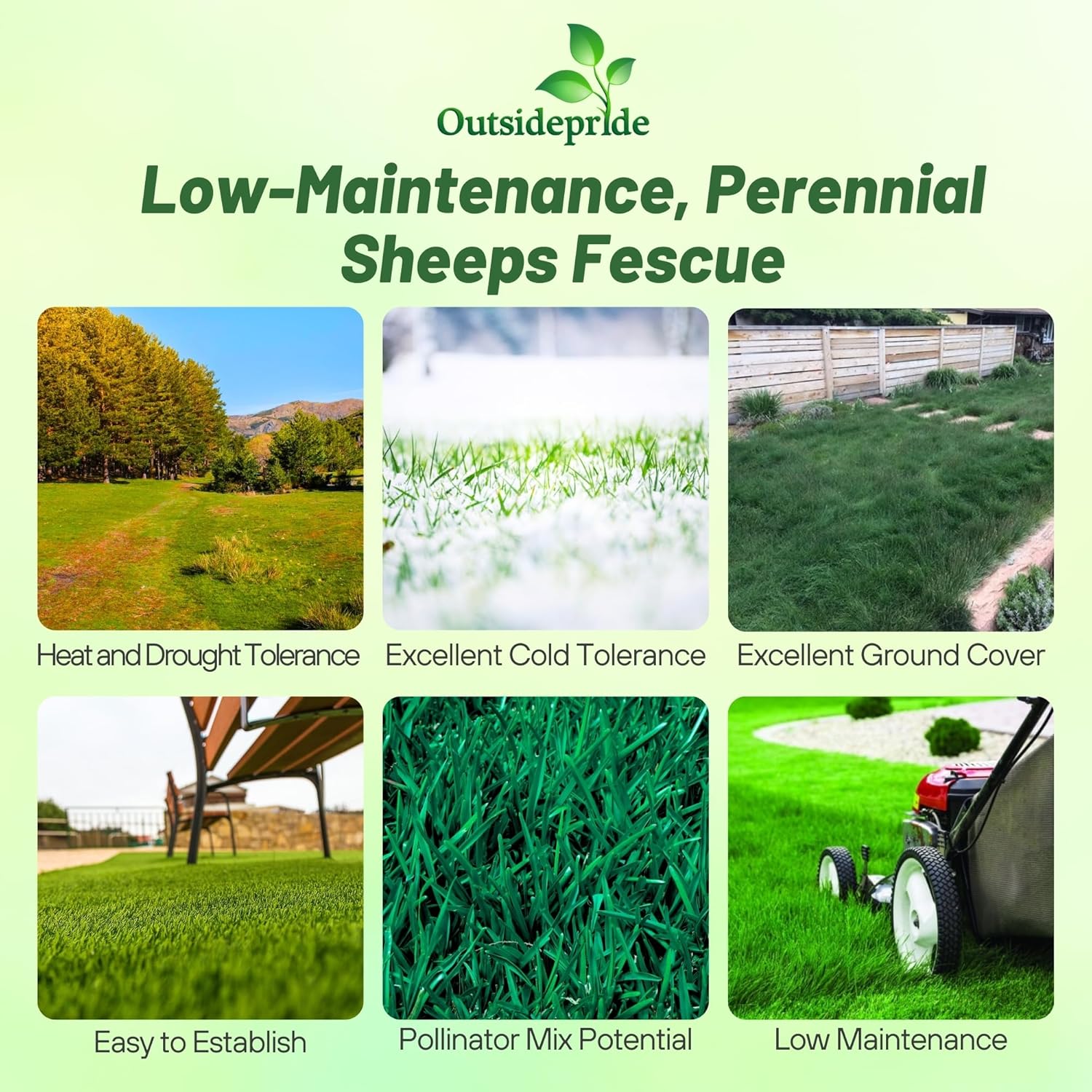
Sheeps fescue is adapted to a wide range of soil conditions in areas of 12 inches or more annual rainfall. It grows in similar climates as bluegrass & can be grown in most north areas. It succeeds better than most grasses on sandy or gravelly soils.
Does Sheeps Fescue Have Good Cold Tolerance?
Yes. It excels in cold climates due to its winter hardiness, dense tuft formation, and low-growing habit, which protect it from harsh winds and frost. Its leaves may also contribute to cold tolerance by reflecting sunlight.
Does Sheeps Fescue Have Good Heat and Drought Tolerance?
Yes. It is highly tolerant of heat and drought due to its deep root system. Its bluish-green leaves have a tough, waxy coating that reduces water loss through transpiration. Also, its ability to form dense tufts minimizes soil moisture evaporation.
What Color Is Sheeps Fescue?
The bluish-green color of this fine fescue helps the plant by reflecting more sunlight, which can lower the internal temperature of the plant. This adaptation helps the plant conserve moisture and protect it from both intense sunlight and heat.
Where Can Sheeps Fescue Be Grown?
It tolerates shade and moderate acidity, making it best adapted to forests and foothills of the intermountain region. This species is best adapted for critical area stabilization, like road cuts and fills, pipelines, forest clearcuts, and turf.
What Is The Seeding Rate & Planting Time?
New turf: Sow 4 - 5 pounds sheeps fescue grass seed per 1,000 square feet or 160 - 200 lbs/acre for broadcast seeding.
Over-seeding: Sow 2 - 2 1/2 pounds per 1,000 square feet or 80 - 100 lbs per acre for broadcast over-seeding.
Plant cool climate grass seed when soil temperature reaches 55 degrees in spring up until a minimum of 8 weeks before frost in fall
Videos