







From Frost to Fertility: The Power of Fall and Winter Cover Crops
As garden beds rest and the air cools, the soil beneath stays active—and hungry for nutrients. Planting fall and winter cover crop seeds protects and enriches that ground through the off season, so spring planting starts on healthier, more productive soil.
Why Focus on Fall and Winter Cover Crops?
Cold-weather cover crops transform what is often considered an “off season” into an opportunity for soil improvement. They shield the ground from erosion, replenish key nutrients, and prevent compaction from rain and snow. By keeping living roots in the soil, they also sustain beneficial microorganisms that contribute to long-term fertility.
Fall and winter cover crops make efficient use of an otherwise idle season for farmers, gardeners, and anyone managing open soil. Their growth stabilizes and balances the soil profile, setting the stage for early spring planting and better yields in the next growing cycle.
Meet the Cold-Weather Soil Builders
These hardy varieties earn their place in a cold-season rotation. Choose one focused crop or a blend, depending on whether you need deep tillage, nitrogen, forage, or all-around ground cover.
Soil Structure
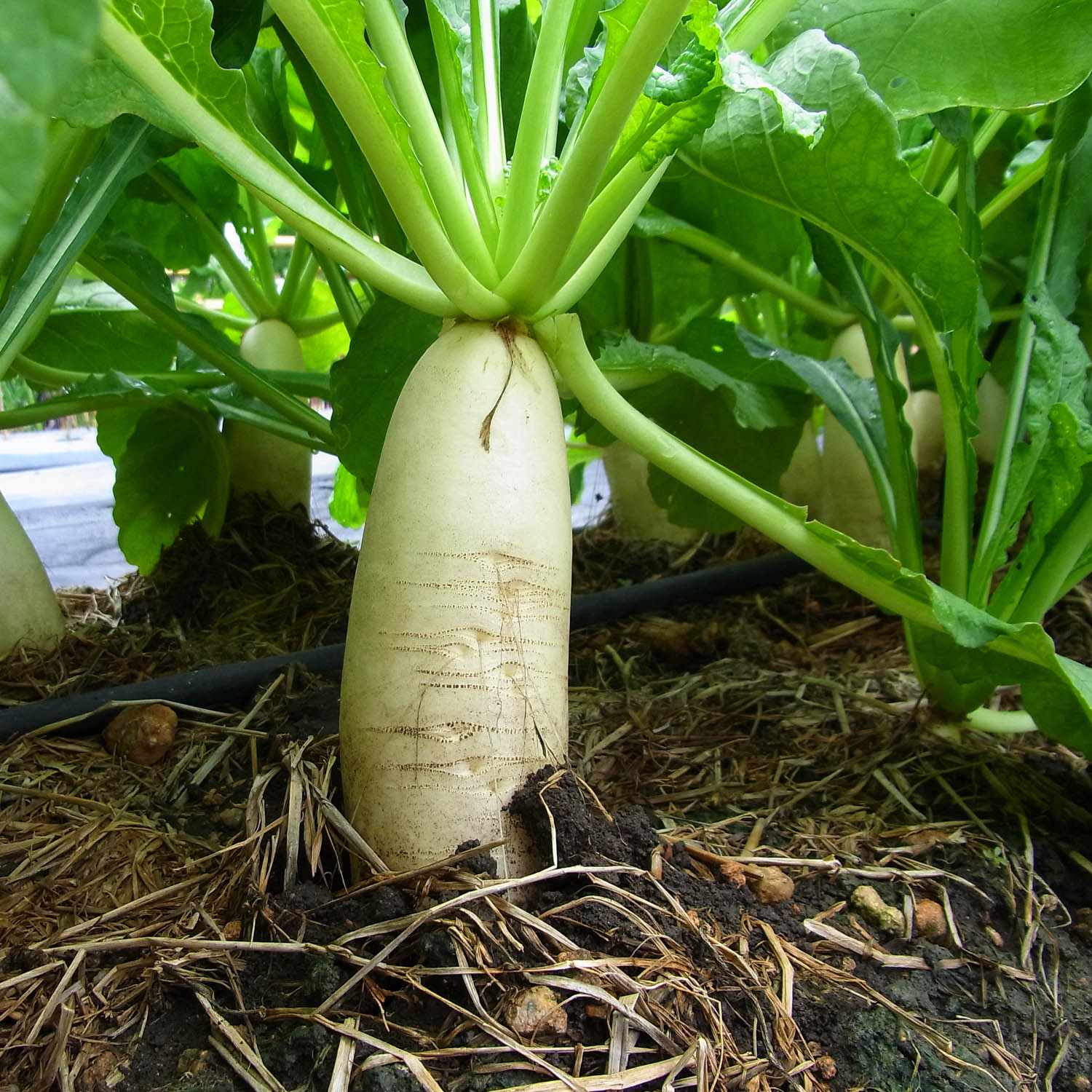
Daikon Radish
With long, sturdy taproots, Daikon Radish breaks through layers of tough, compacted soil that restrict water and air movement, improving soil structure and water infiltration. Planting Daikon Radish cover crop seeds helps protect soil from erosion and nutrient loss, keeping it fertile for spring planting. Its rapid growth also forms a dense canopy that blocks sunlight and prevents unwanted plants from taking root. Shop Daikon Radish → |
Dual Purpose
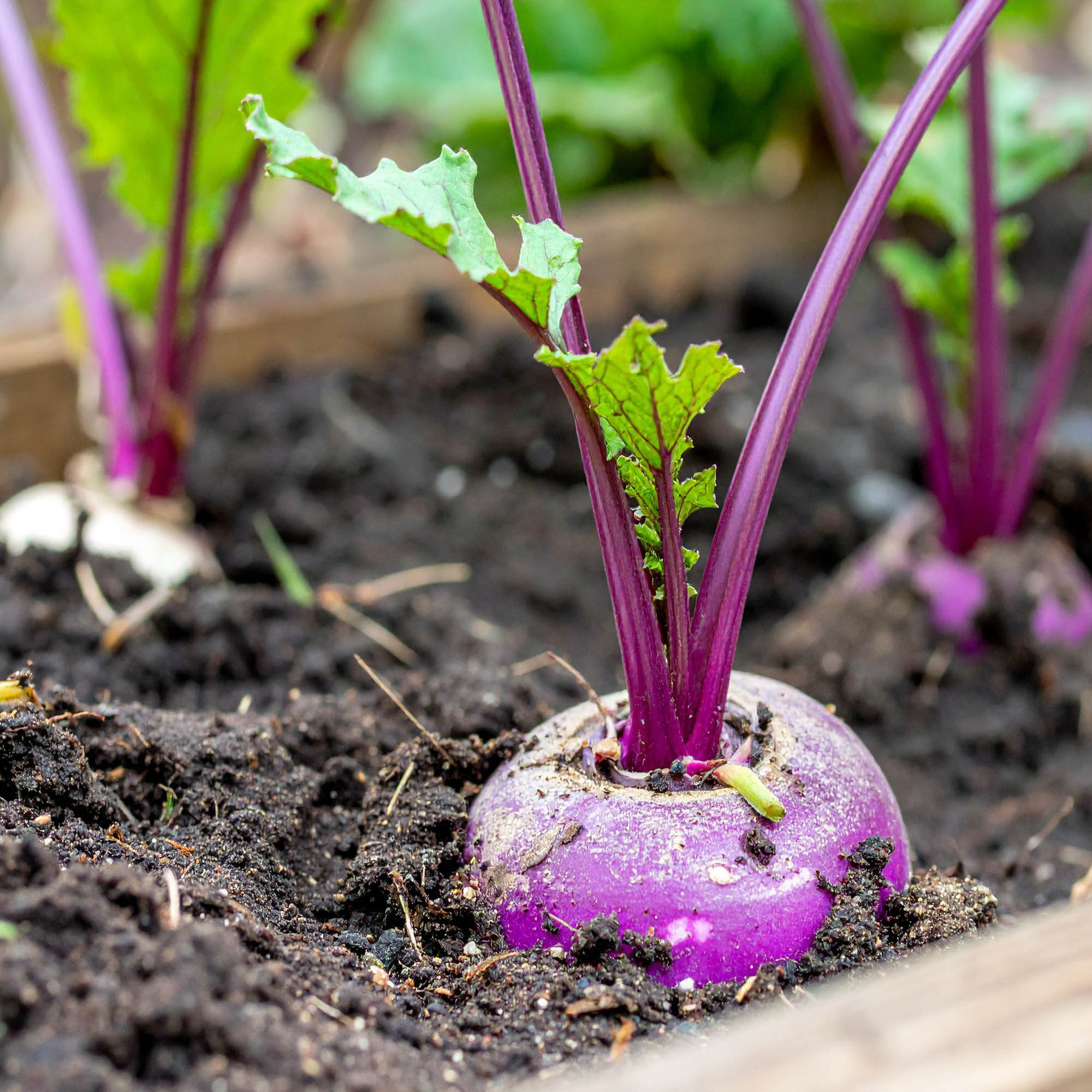
Purple Top Turnip
Purple Top Turnip offers benefits both above and below ground. Its leafy canopy shields the soil surface, while its robust roots contribute organic matter as they decompose. In some systems, the foliage can even serve as nutritious forage and deer food plots, making it a practical choice for diverse landscapes. Shop Purple Top Turnip → |
Nitrogen Fixer
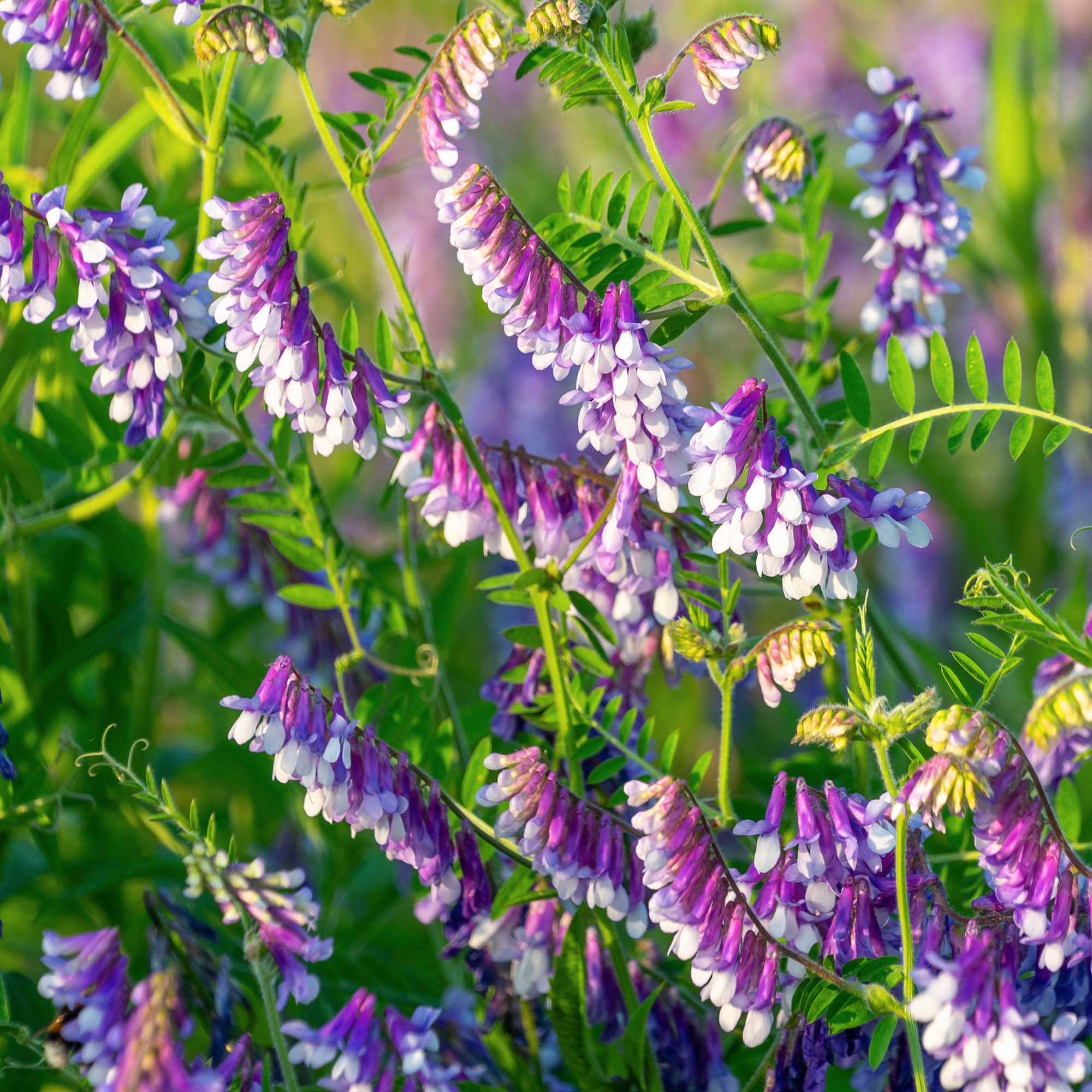
Hairy Vetch
Hardy and resilient, Hairy Vetch thrives in cold temperatures, tolerates frozen soil, and forms a thick mat of foliage that protects the soil from erosion. This legume draws nitrogen from the air and deposits it into the soil, enriching it for the next crop. Because of its late maturity, Hairy Vetch continues to provide valuable ground cover and nutrient content well into spring. Shop Hairy Vetch → |
All-Purpose Blend
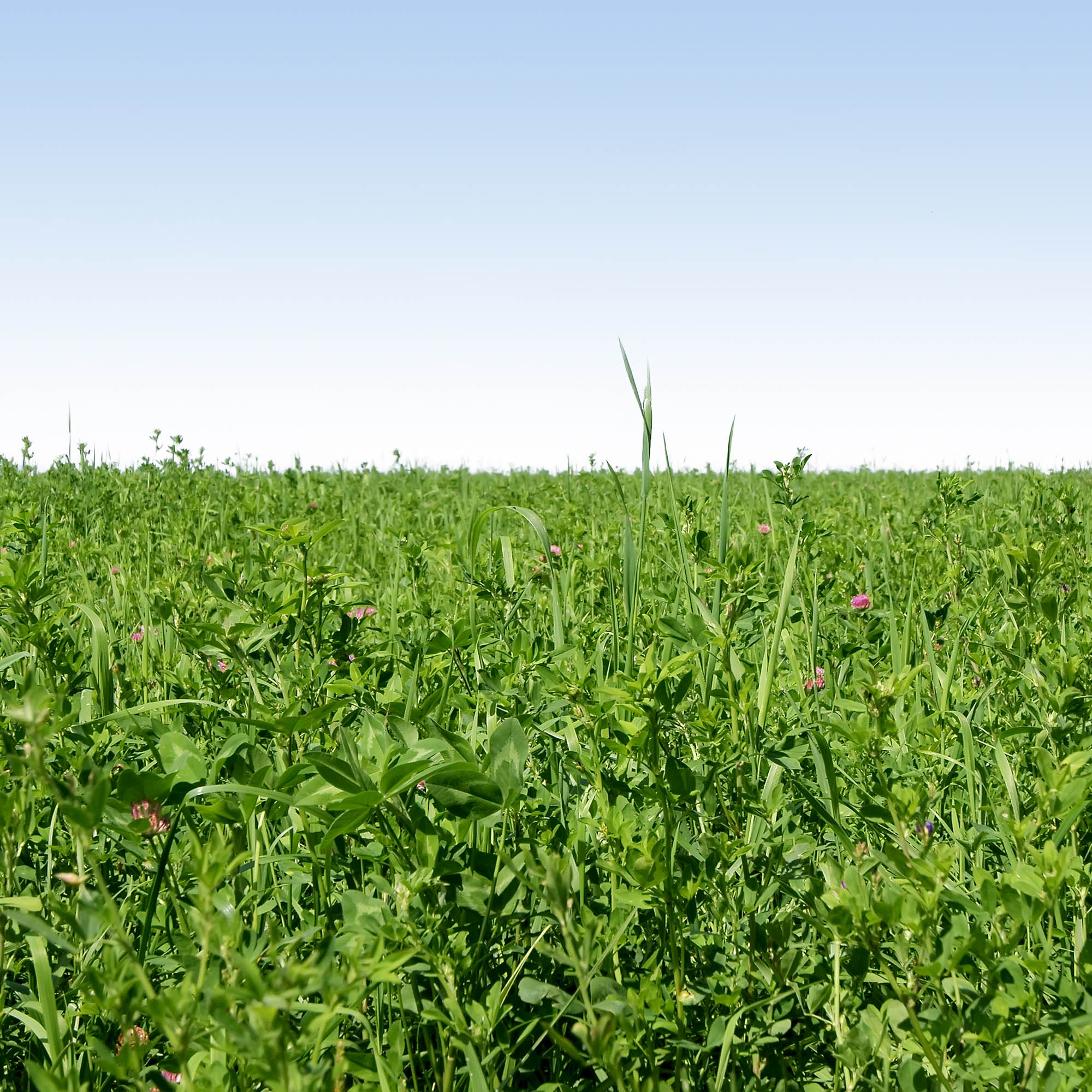
Gardenway
Designed as a versatile blend that establishes quickly, Gardenway is a mixture of triticale, peas, oats, vetch, annual ryegrass, and crimson clover. It forms a dense, green cover that guards against runoff and weeds while building organic matter efficiently, restoring balance to tired soils and promoting healthy microbial activity. Outsidepride’s Gardenway cover crop mix can be used as a winter cover crop in any area across the United States, making it a smart option for gardeners seeking dependable coverage and all-around improvement. Shop Gardenway → |
|
Pollinator Friendly
Crimson Clover
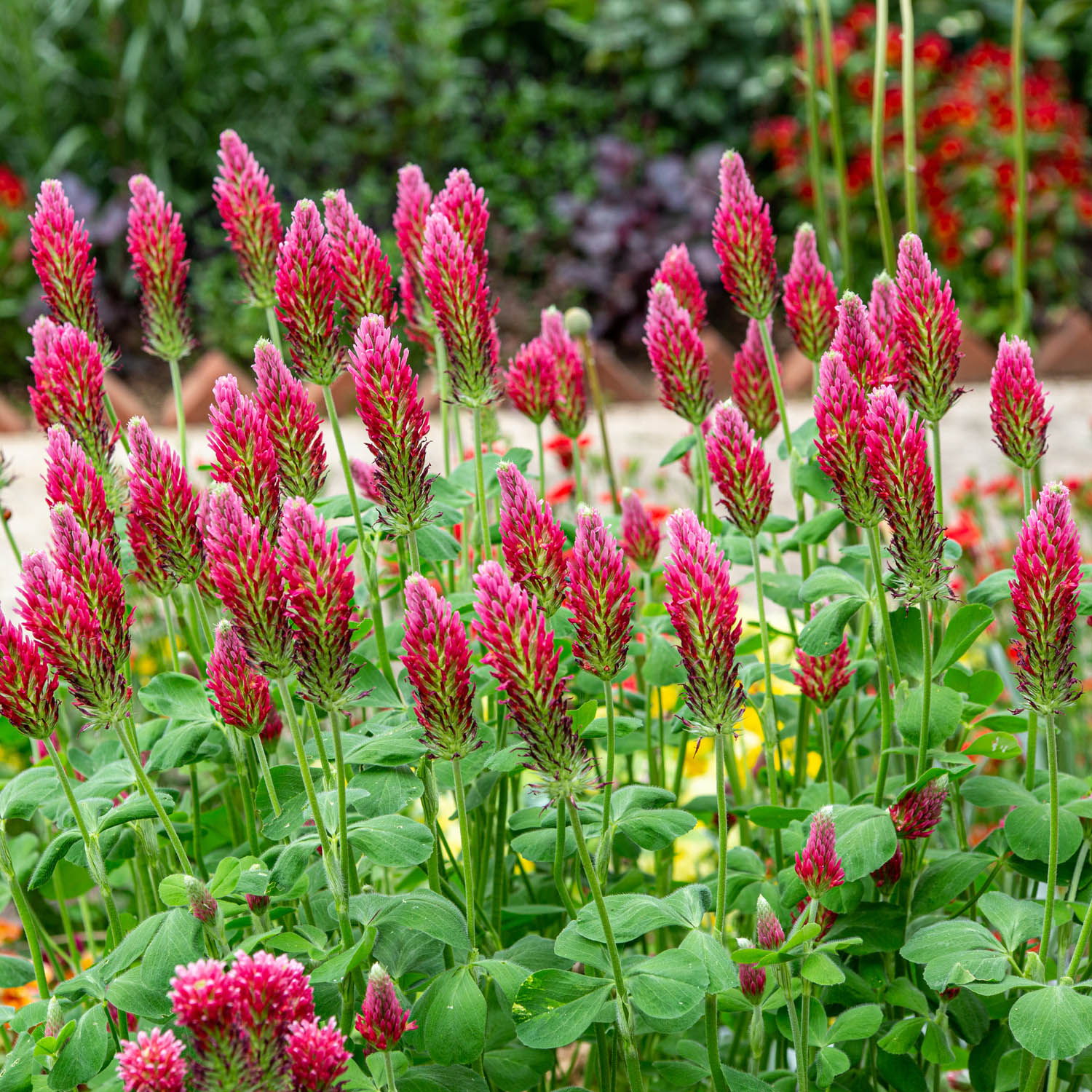
Crimson Clover, the fastest-growing annual clover, stands out not only for its soil benefits but also for its vibrant blooms. It presents a variety of benefits as a cover crop, including nitrogen fixation and weed suppression. Crimson Clover also decreases the impact of precipitation on the garden by slowing the runoff of water, which helps retain the soil. Coated with Nitro-Coat for better establishment, Crimson Clover makes for a great late-winter, high-protein grazing crop and thrives when planted with other grasses in the fall. Shop Crimson Clover → |
Spring Transition: Turning Growth into Gold
Cover crops serve as the foundation for a strong start to spring growth as the winter season fades. Allow them to reach maximum maturity, but terminate them before they go to seed. Cut the plants at the base using a mower, lopper, rototiller, or weed eater, and let the clippings decompose for about a week before incorporating them into the soil. As the plant matter breaks down, it releases valuable nutrients and improves soil warmth and texture—creating a nutrient-rich environment that supports early germination and vigorous root development. After two to three weeks, the soil will be ready for new planting.
A Fall and Winter of Renewal
Fall and winter cover crops are an investment in long-term soil vitality. Protect and replenish your ground now, and you set the stage for healthier plants and stronger yields year after year. Explore Outsidepride’s full range of cold-season cover crops, or visit www.outsidepride.com to plan your next season.
Shop Cover Crops