









-
CATEGORY ::
- All Seeds /
- All Cover Crop Seed

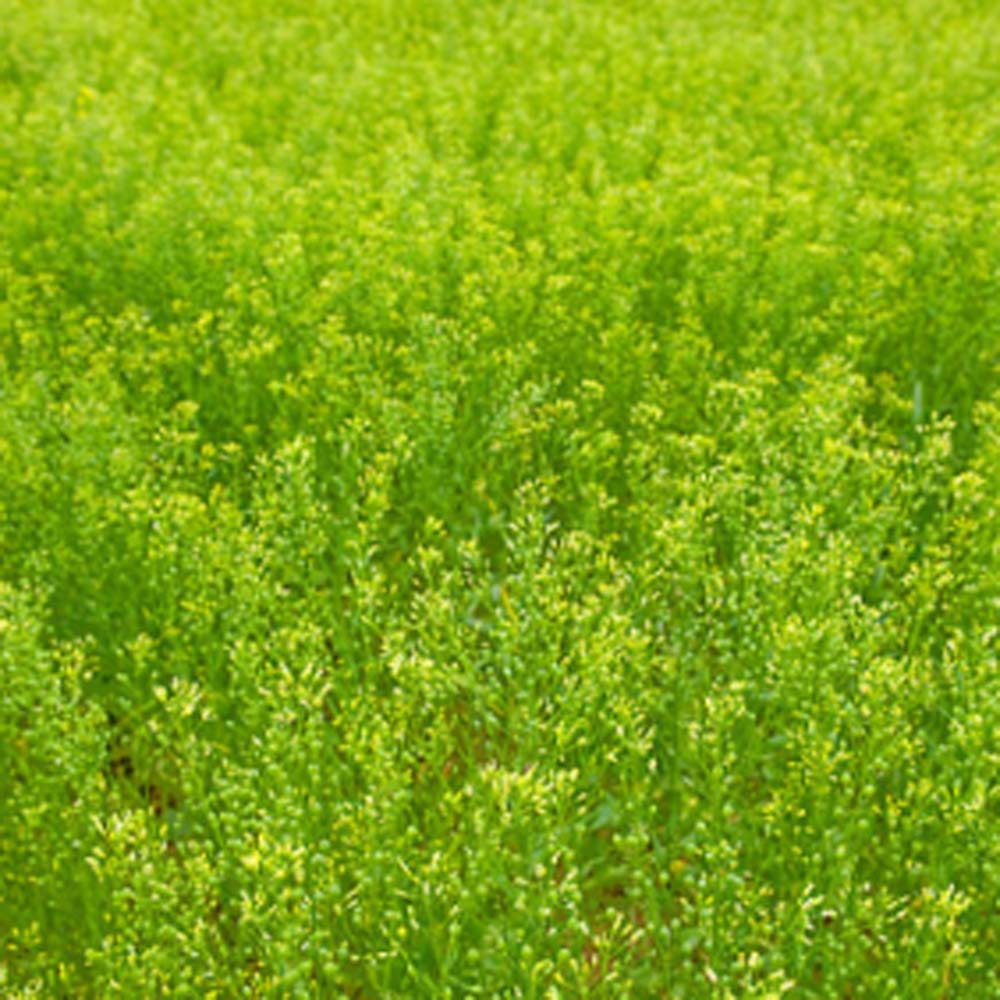
Camelina Seeds

LATIN NAME
Camelina sativa

SEASON
Annual

HEIGHT
12 - 48 inches

WHEN TO PLANT
Spring

MOISTURE REQUIREMENTS
Low

COLD TOLERANCE
Good

HEAT TOLERANCE
High

SHADE TOLERANCE
Good
DAYS TO MATURITY
85 - 100 days

IDEAL FOR
Edible oil, biodiesel, covercrop
About...
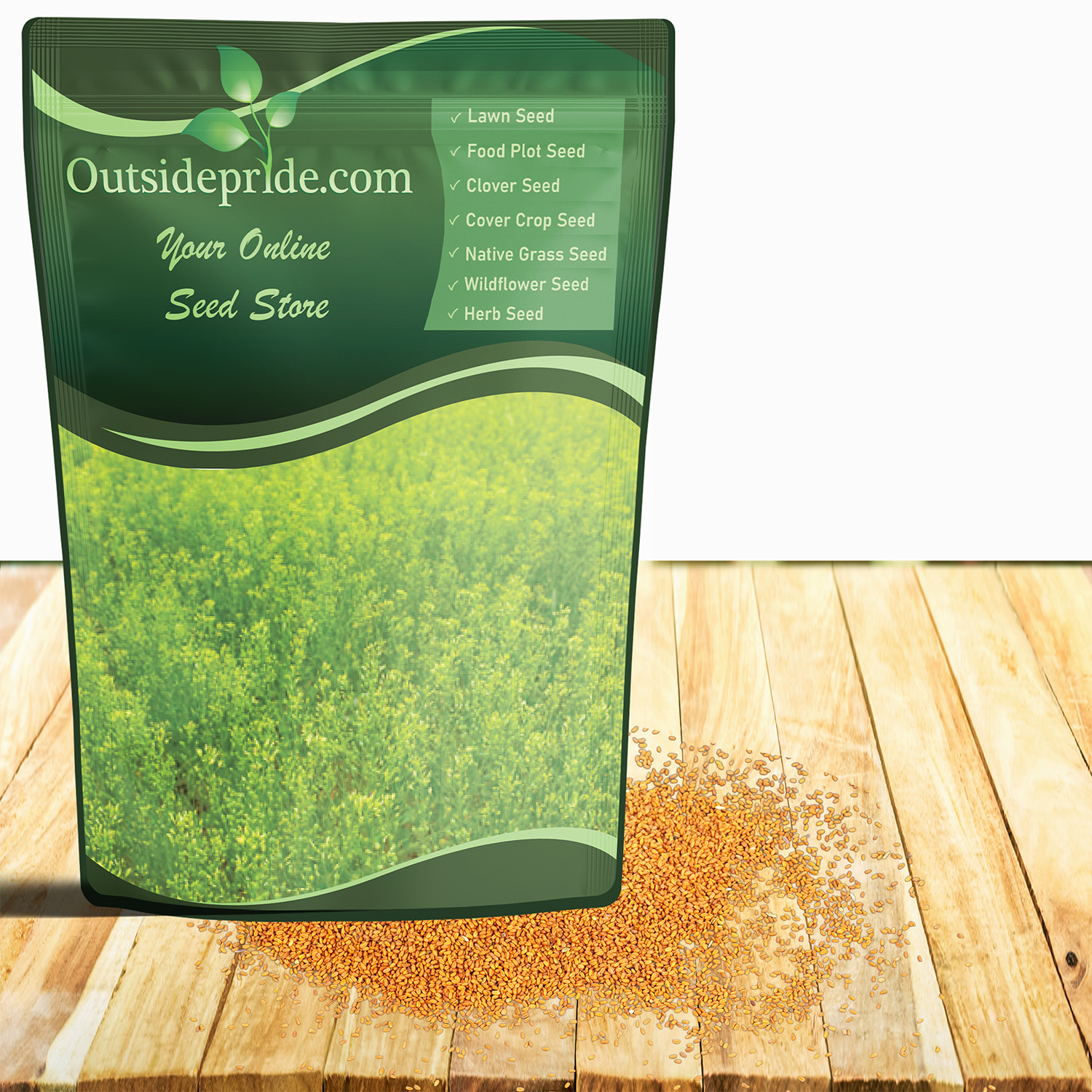
Camelina (Camelina sativa) - is an oilseed that is getting attention for its omega-3 nutritional attributes and as a possible, affordable source for biodiesel. It contains about 34 to 36 percent omega-3 oil. It has many names such as: usually known as camelina, gold-of-pleasure, or false flax, but also occasionally as wild flax, linseed dodder, German sesame, or Siberian oilseed.MORE COVER CROP OPTIONS

Planting Directions

SOWING TEMPERATURE
40F +

SEEDING RATE
8 - 10 lbs/acre
AVERAGE GERMINATION TIME
5 to 10 days

PLANTING DEPTH
1/4 - 1/2 inch

SOWING METHOD
Broadcast or drill

ENVIRONMENT
Full sun
USDA ZONES
3 - 9

ESTABLISHMENT RATE
Rapid
Camelina (Camelina sativa) - is an oilseed that is getting attention for its omega-3 nutritional attributes and as a possible, affordable source for biodiesel. It contains about 34 to 36 percent omega-3 oil. It has many names such as: usually known as camelina, gold-of-pleasure, or false flax, but also occasionally as wild flax, linseed dodder, German sesame, or Siberian oilseed.
Camelina is well suited for marginal soils. According to Montana State University (MSU) research, camelina has a lower break-even cost than wheat and canola. The seed can be broadcast or drilled. The seeds are dense and small at 345,000 to 465,000 seeds per pound. Yields vary depending on soils and rainfall. Based on MSU research, camelina will average 1,800 to 2,200 pounds per acre under 16- to 18-inch rainfalls. In other dryland research trials by MSU, camelina yields averaged 1,000 to 1,700 per acre. Yields drop with less rainfall and increase when using irrigation. Montana State suggests including camelina in a three- or four-year crop rotation.
Camelina can be grown as a cover crop either alone or more commonly as part of a cover crop mix. Mostly winter camelina is used as a cover crop for a fall to spring cover, but spring camelina can also be used depending on climate and seed availablity.
- Nitrogen fixation: Camelina holds onto nitrogen especially as an overwintered cover crops.
- Pollinator effect: Camelina will bloom earlier than most other flowering species so provides an early nectar source in spring.
- Soil aeration: Camelina has one main tap root that has been shown to help with compacted soils.
- Drought tolerance: Camelina is very drought tolerant once established compared to most other cover crops.
- Other benefits: It can grow well in the shade so good in a cover crop mix. It grows well in low fertility environments. It is also good at helping control erosion.