Red Monarda Flower Seeds For Planting | Scarlet Bee Balm Seed

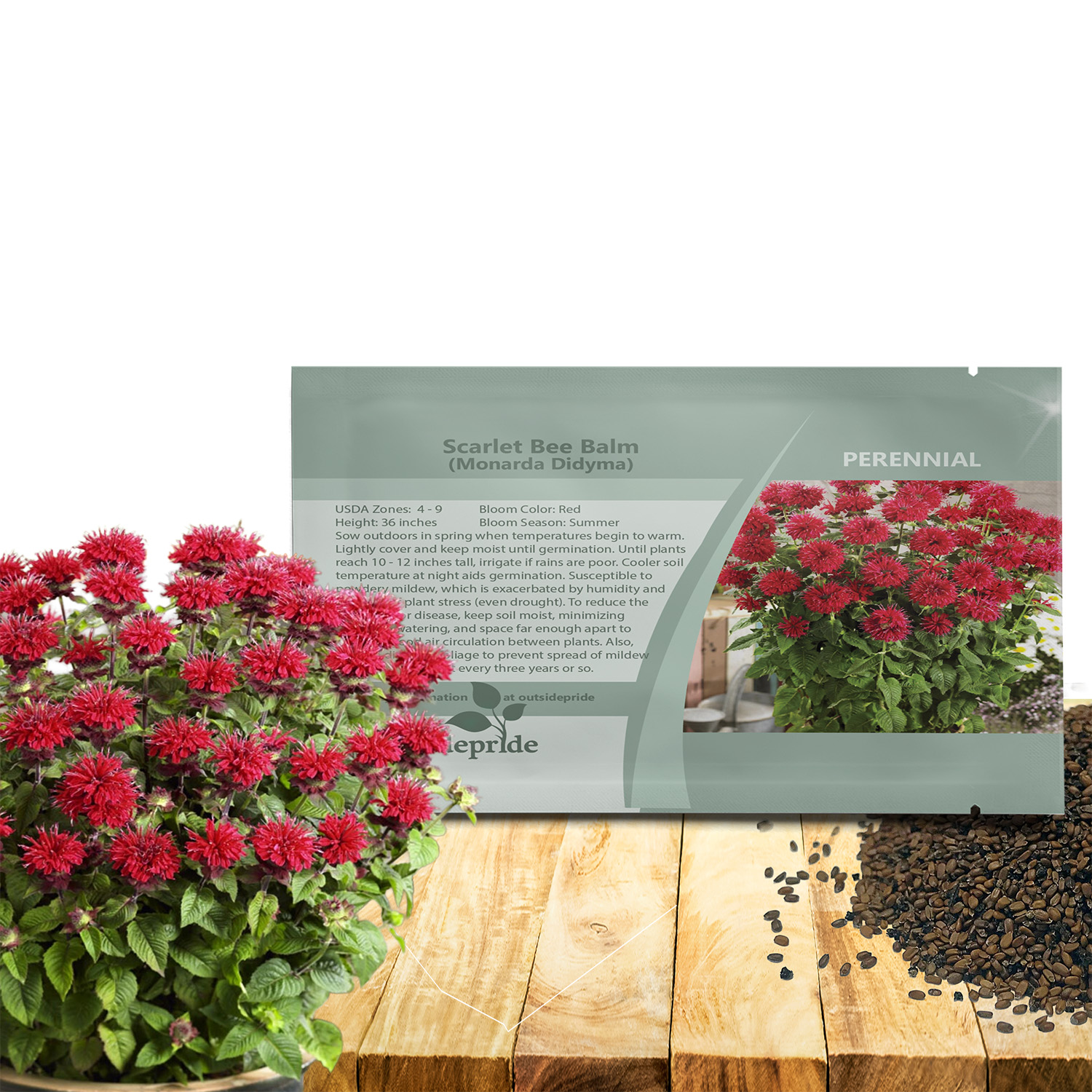
Monarda Didyma - Scarlet Beebalm

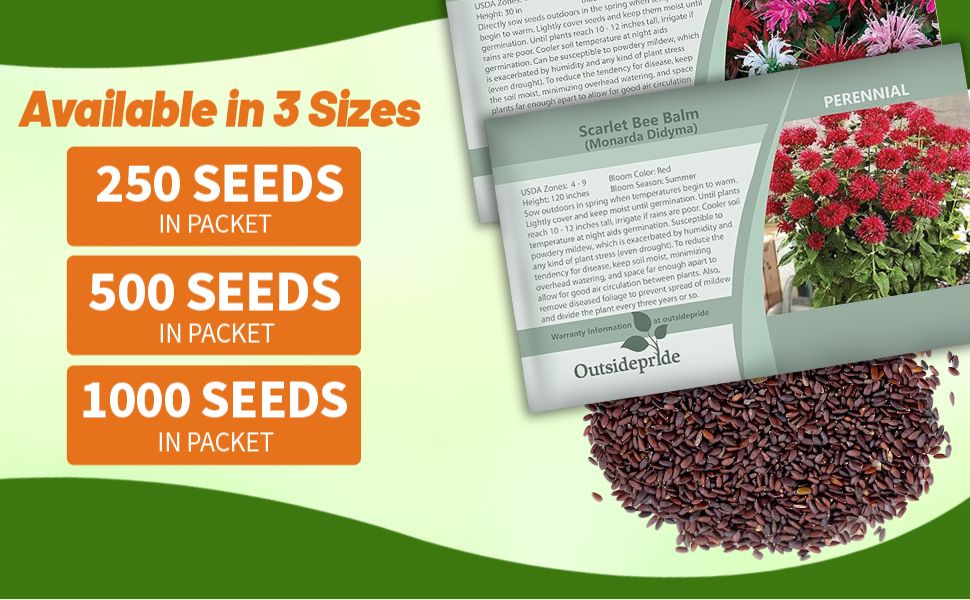
250 Seeds
.......................................................................................................................................................
4.99
500 Seeds
.......................................................................................................................................................
8.99

SEASON

Perennial

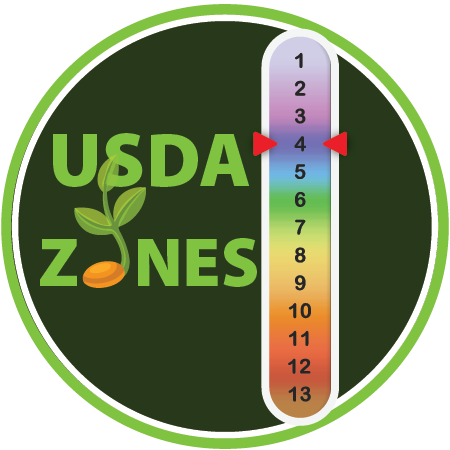
USDA ZONES

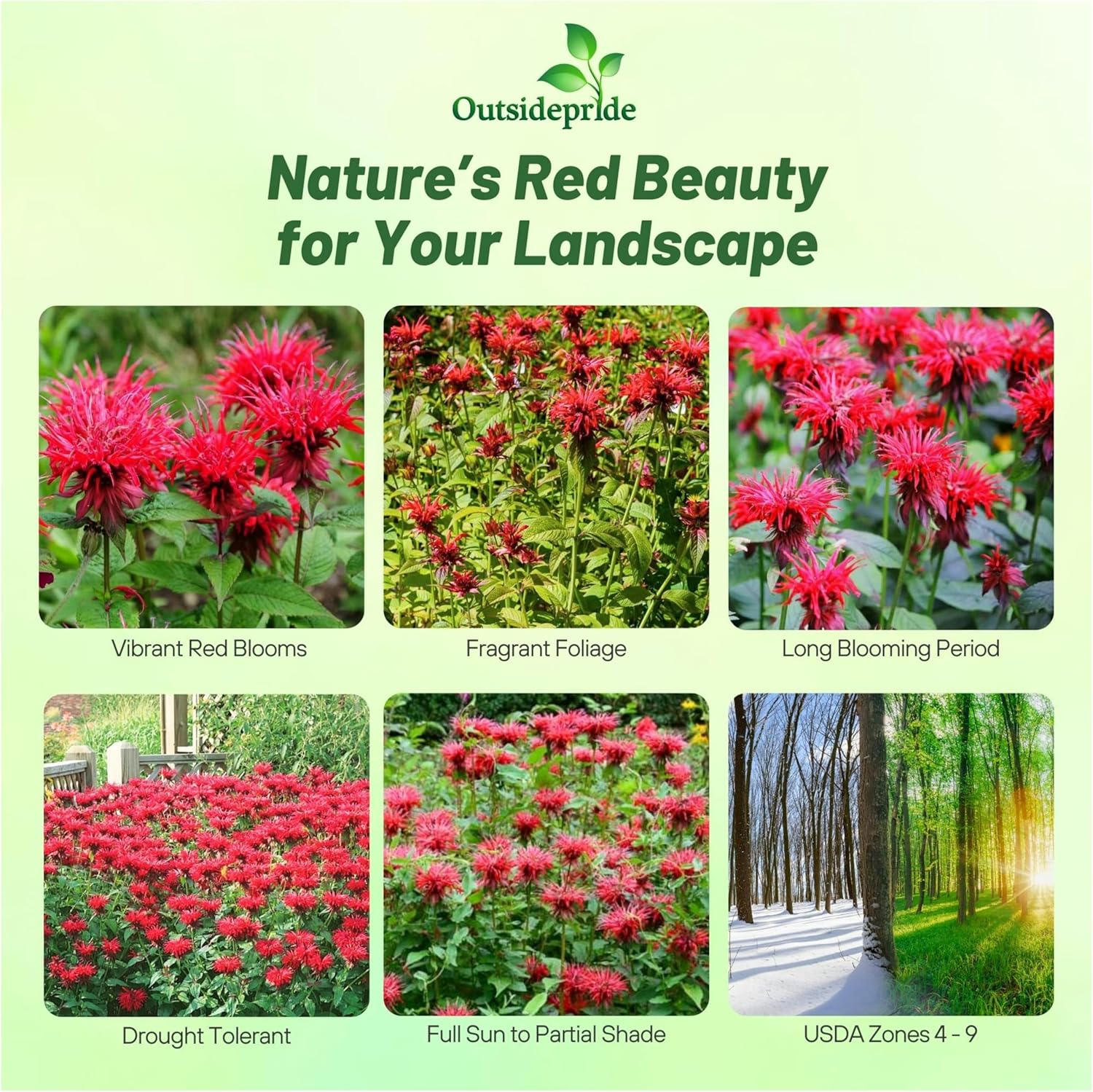
4 - 9

HEIGHT

36 inches

BLOOM SEASON

Summer

BLOOM COLOR

Red

ENVIRONMENT

Full sun to partial shade

SOIL TYPE

Well-drained, pH 6.1 - 7.3

DEER RESISTANT

Yes

About...

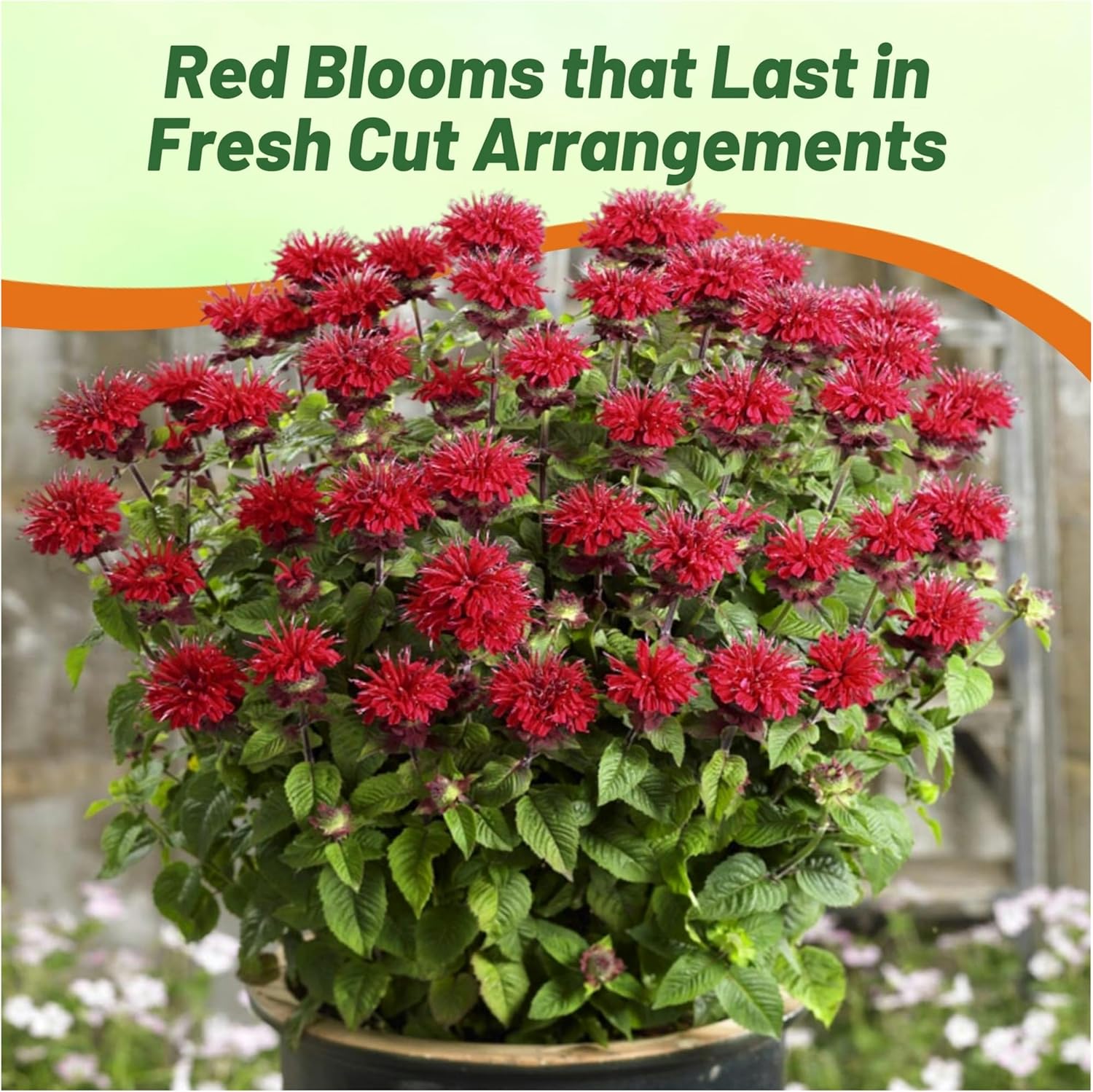
Scarlet Bee Balm (Monarda Didyma) - Monarda Didyma is a perennial herb known as Bergamot, Scarlet Monarda, Oswego Tea and Crimson Beebalm. It is very showy and will have everyone turning their heads. Scarlet Beebalm makes a great cut flower as well! The Monarda flowers are edible and the mint-scented leaves are used in teas or in potpourri. These flower seeds may be sown from early spring up until 8 weeks before the last frost in the fall.
ABOUT
FAQ's
VIDEOS

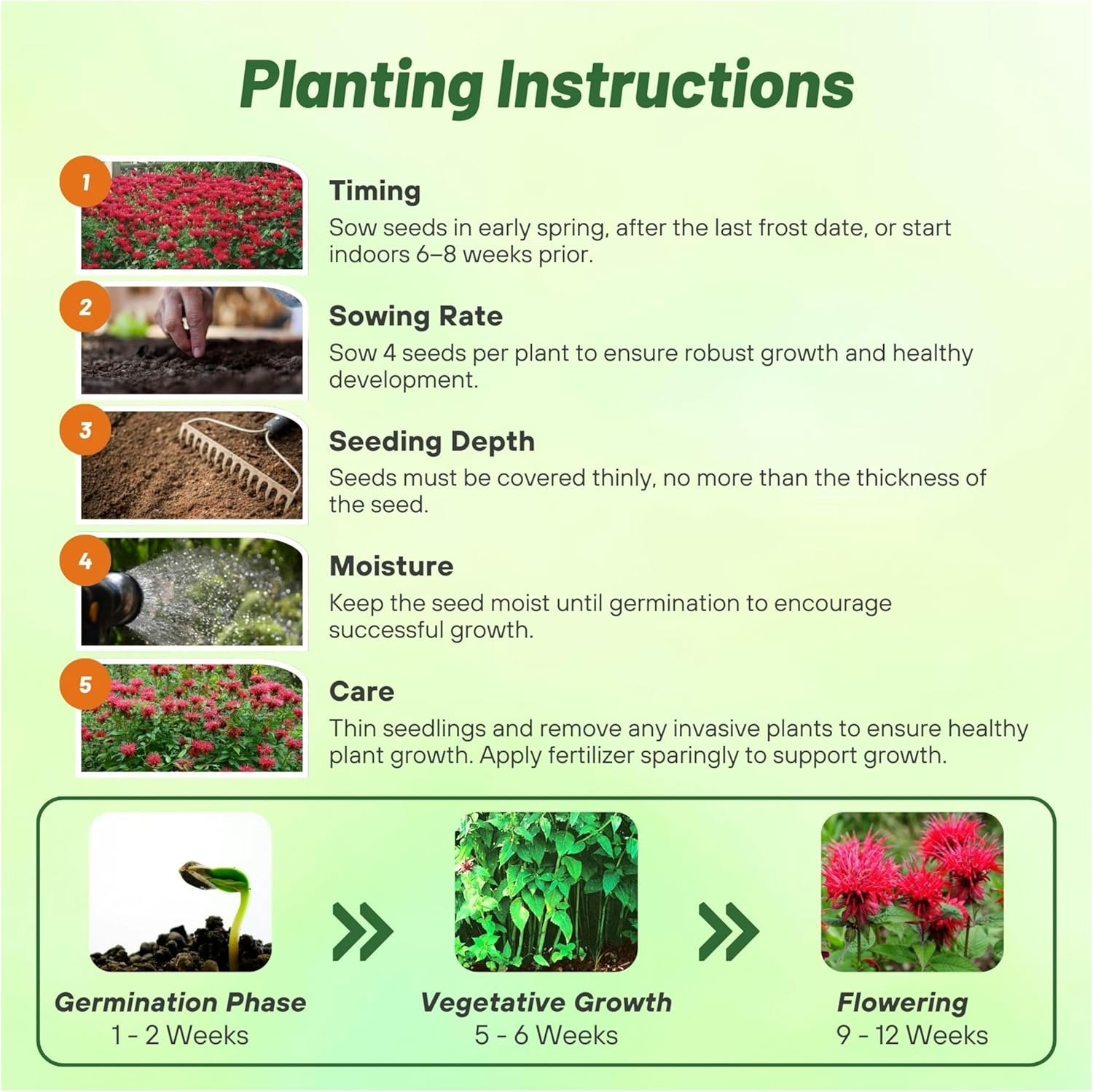
Planting Directions

TEMPERATURE

68F

AVERAGE GERM TIME

14 - 21 days

LIGHT REQUIRED

Yes

DEPTH

Seeds must be covered thinly, no more than the thickness of the seed

SOWING RATE

4 seeds per plant

MOISTURE

Keep seed moist until germination

PLANT SPACING

30 inches

CARE & MAINTENANCE

...less

Bee Balm plants (Monarda Didyma) are vibrant perennials that thrive in USDA Zones 4-9, reaching up to 36 inches tall. Its colorful blooms, ranging from scarlet to crimson to pink, attract pollinators like bees, butterflies, and hummingbirds. Perfect for full sun to partial shade, it thrives in well-drained soil with a pH of 6.1-7.3. Bee Balm is easy to grow from seed, with a germination time of 14-21 days. Its aromatic, mint-scented leaves can be used in teas or potpourri, while its beneficial properties make it a popular choice. Our deer-deterrent plant adds beauty and life to your garden and makes a great addition to flower and herb gardens.
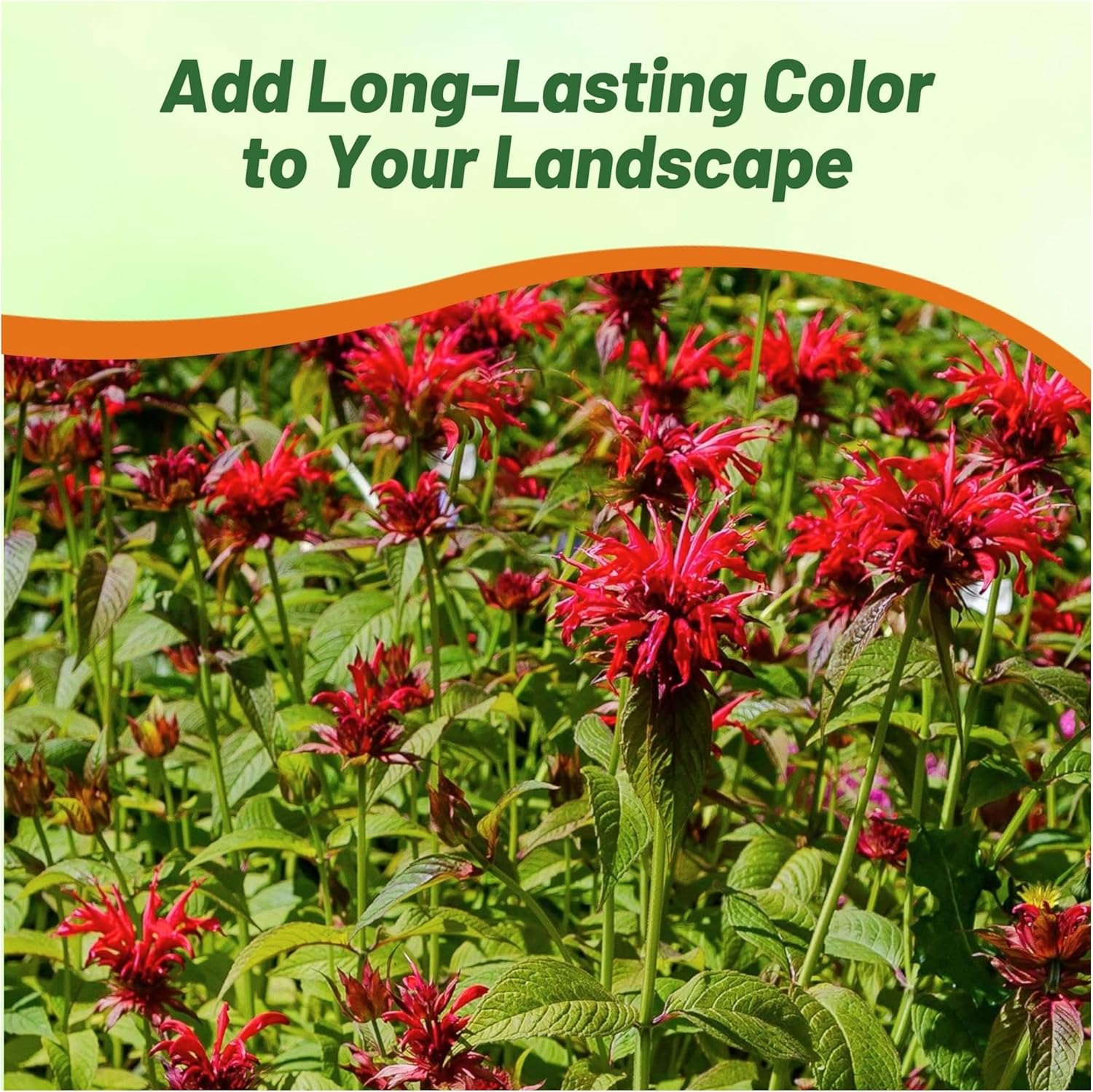
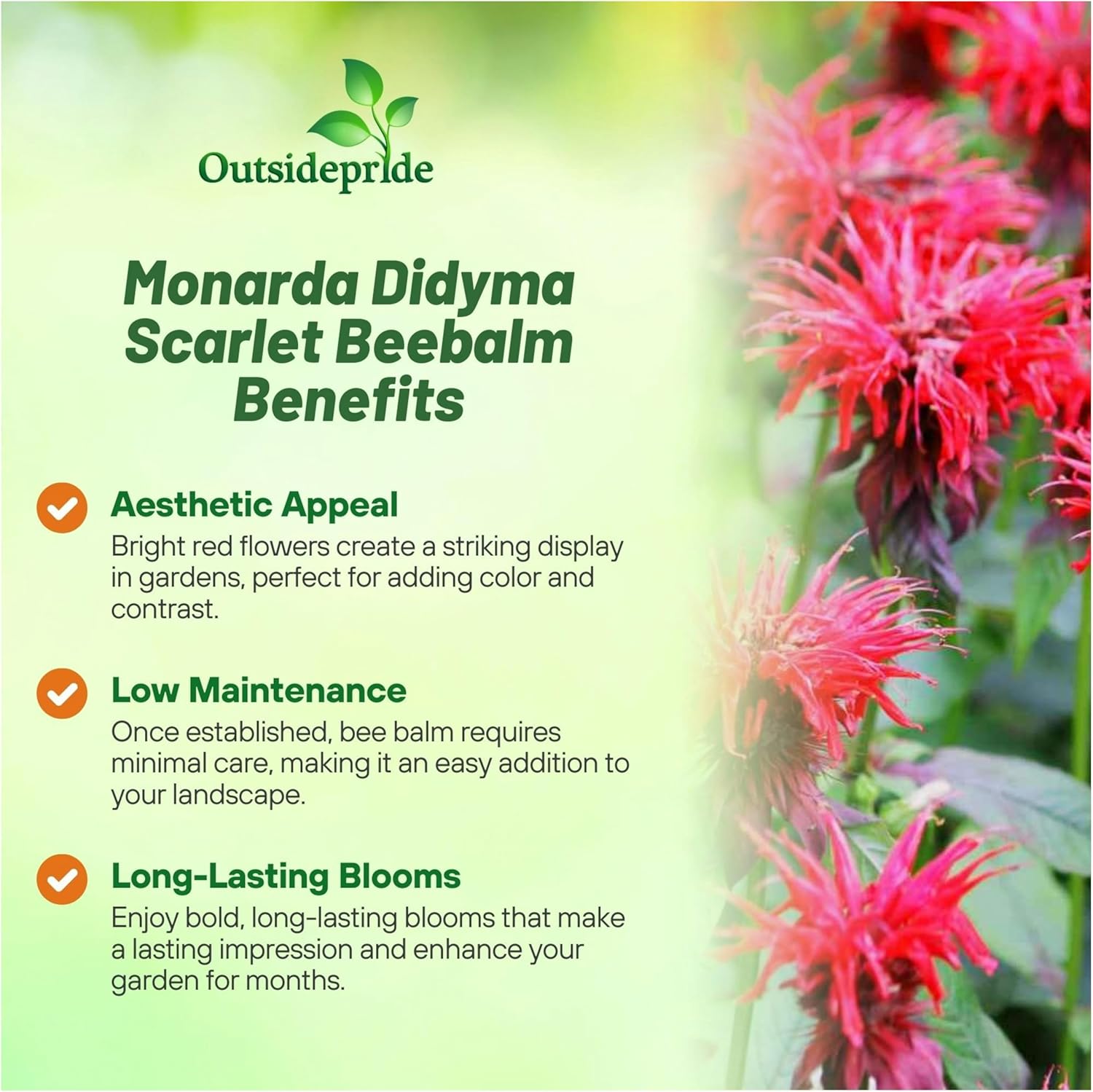
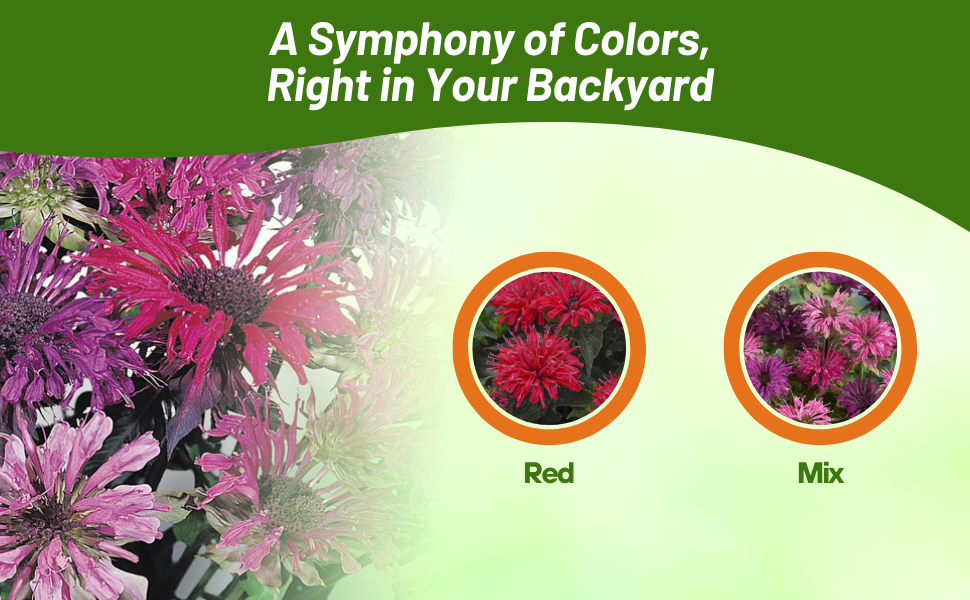
Add a symphony of colors right in your backyard with our Bee Balm (Monarda Didyma) Flower Seeds for planting herbs. Also known as Bergamot, Scarlet Monarda, Oswego Tea, and Crimson Beebalm, Our Monarda flowers produce vibrant edible blooms with mint-scented leaves. Bee Balm Mix showcases elegant shades ranging from scarlet to crimson to pink and sometimes white, adding a long-lasting elegance to your garden. At the same time, Scarlet Bee Balm's stunning bright red blooms provide an eye-catching flower that can also be used to enhance your culinary experience.
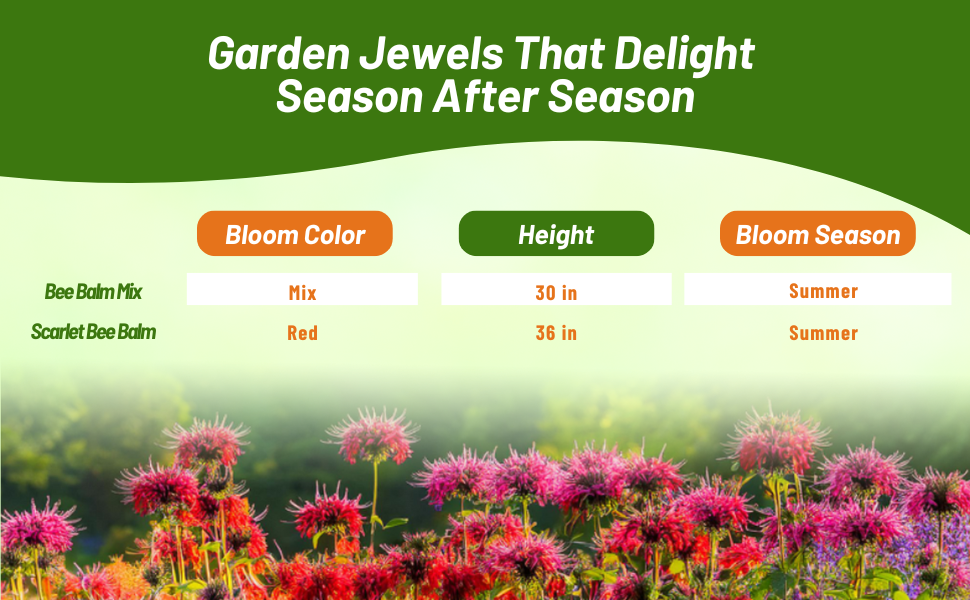
Garden Jewels That Delight Season After Season, Bee Balm Mix features a vibrant mix of blooms, reaching up to 30 inches in height and flourishing throughout the summer. Its striking colors add beauty and attract pollinators to your garden. Scarlet Bee Balm, with its bold red flowers, grows even taller at 36 inches, also blooming in the summer. Both varieties are perfect for adding height and vibrant color, making our perennial flower seeds a beautiful, long-lasting addition to any outdoor space.
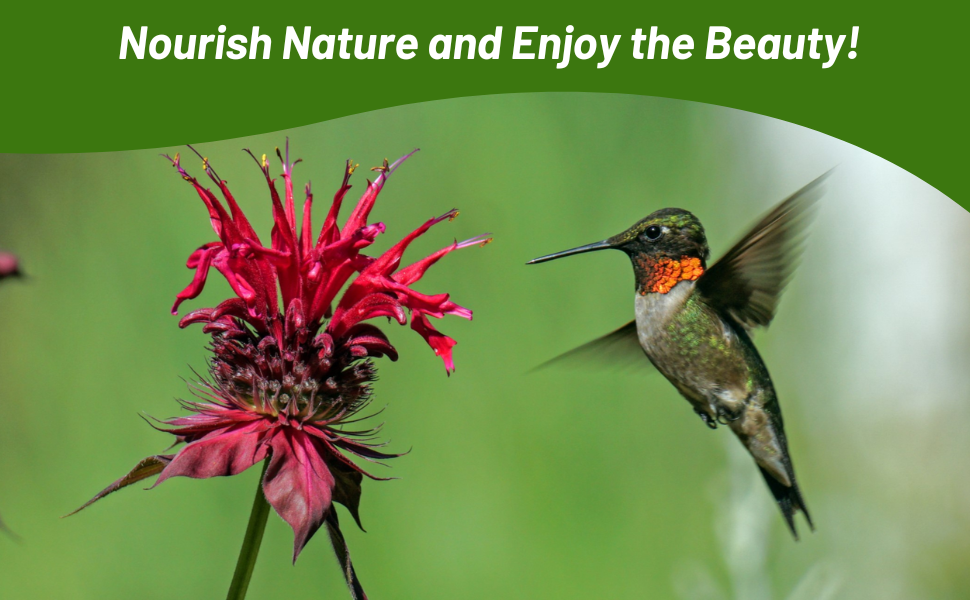
Nourish nature and enjoy the beauty of nature with mixed and scarlet red Bee Balm Seeds. Known for its vibrant and colorful blooms, Bee Balm loves sunny spots and attracts a variety of pollinators, enhancing garden habitat. Its tall, striking presence and aromatic leaves make it a perfect addition for creating dynamic garden beds or borders. Directly sow 4 Monarda seeds per plant outdoors in the spring when temperatures begin to warm with 30-inch spacing. Lightly cover the flower seeds and keep them moist until germination.

Scarlet Bee Balm (Monarda Didyma) - Scarlet Bee Balm is popular in flower gardens because it is easy to establish from Monarda Didyma seeds and nothing brings in the butterflies, hummingbirds, and bees like Monarda flowers. Monarda Didyma is a perennial herb known as Bergamot, Scarlet Monarda, Oswego Tea and Crimson Beebalm.

Common Questions

Q

Will monarda attract pollinators to my garden?

A

Monarda are loved by butterflies, hummingbirds as well as beneficial pollinators.

Q

Will deer eat my plants?

A

No, the monarda plant is resistant to deer and rabbits.

Q

Do I need to deadhead my flowers?

A

To encourage more blooms, you will need to deadhead your flowers.

Q

Should I divide my plants?

A

Yes, plants should be divided every three years.

Q

When do I prune my monarda plants?

A

A yearly light pruning can be done if you want to keep your plants bushy. Pinch off the tips of the stems in the spring. In fall cut plants down to a few inches for healthy new spring growth.

Videos

HOW ITS MADE