









-
CATEGORY ::
- All Seeds /
- All Flower Seeds /
- All Gerbera Seeds

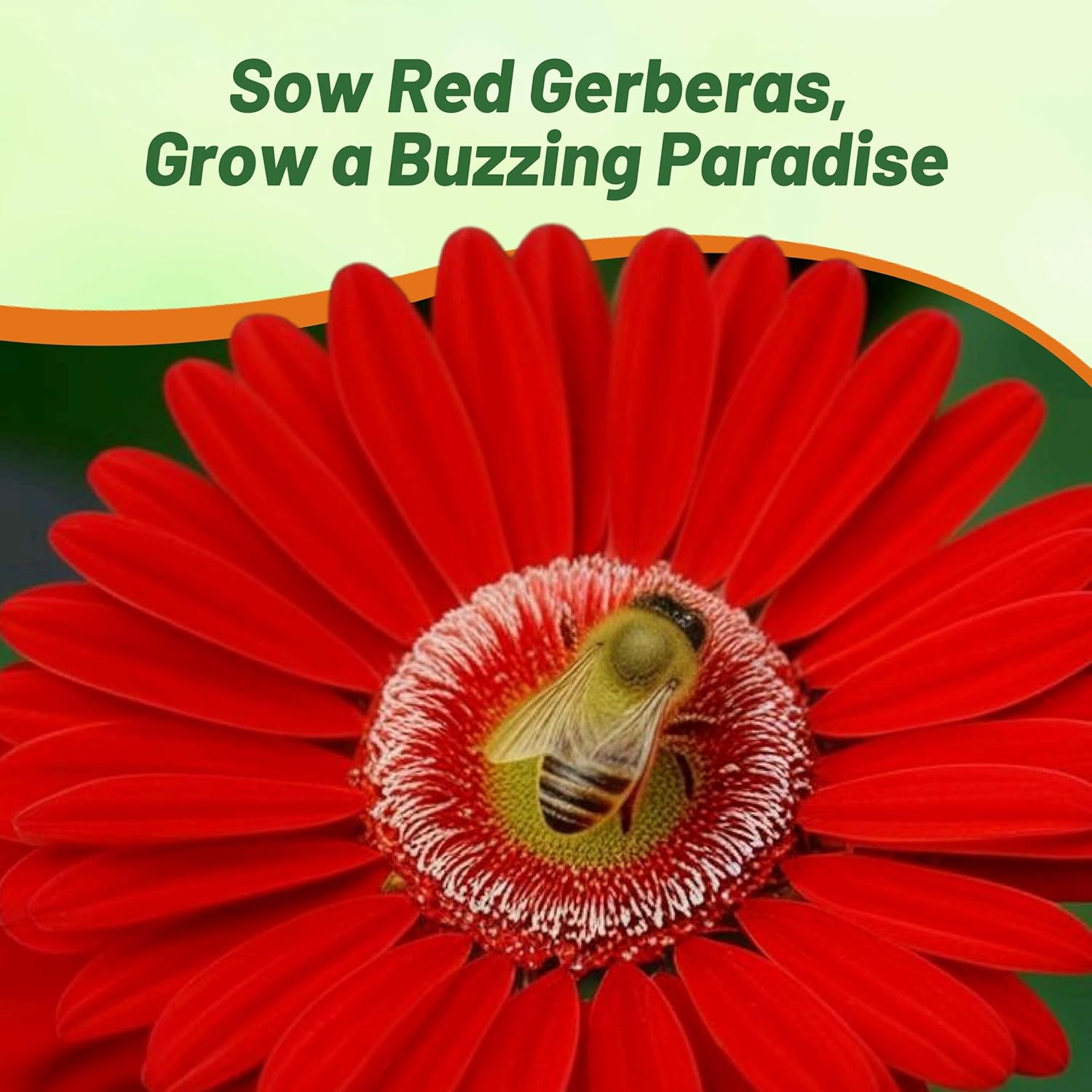
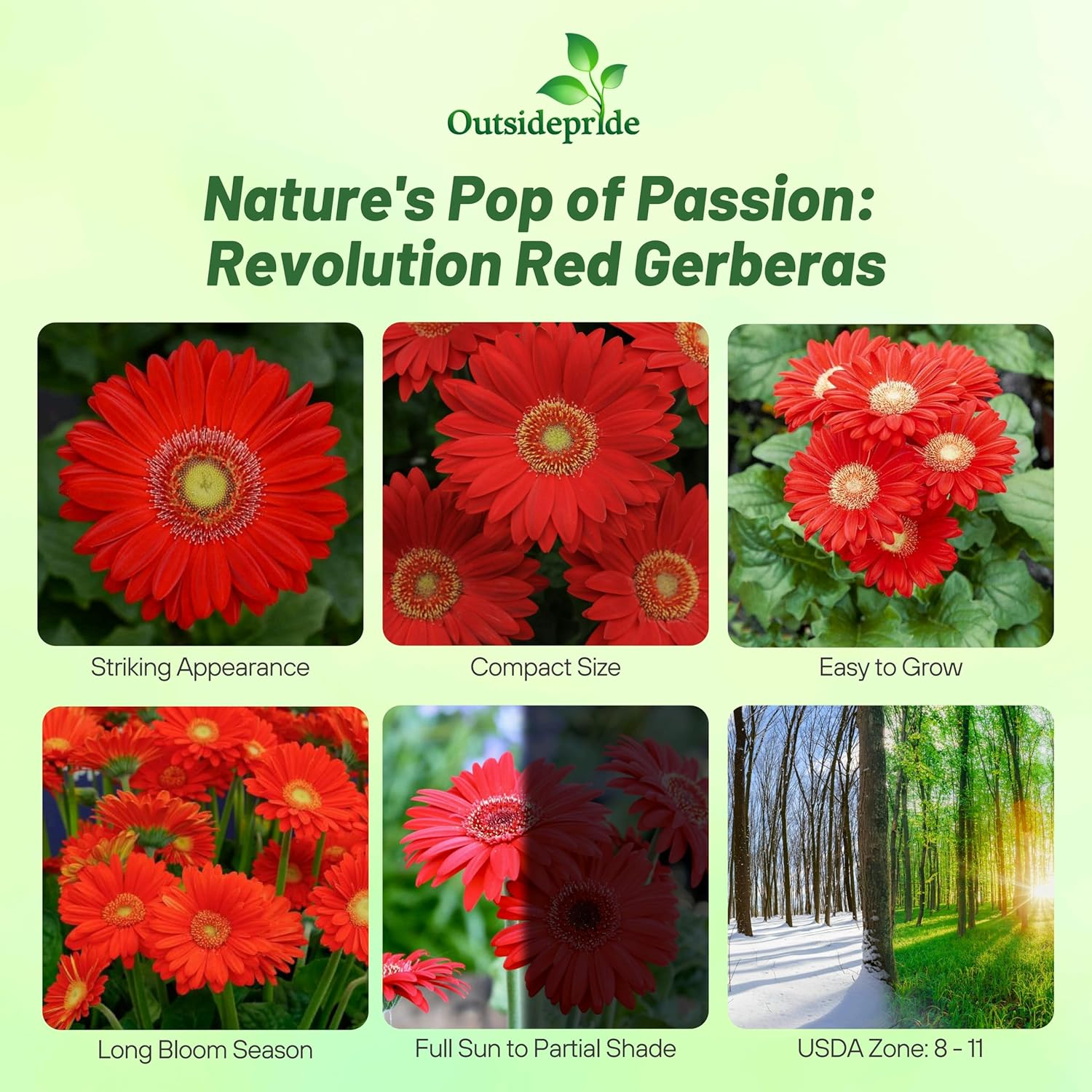
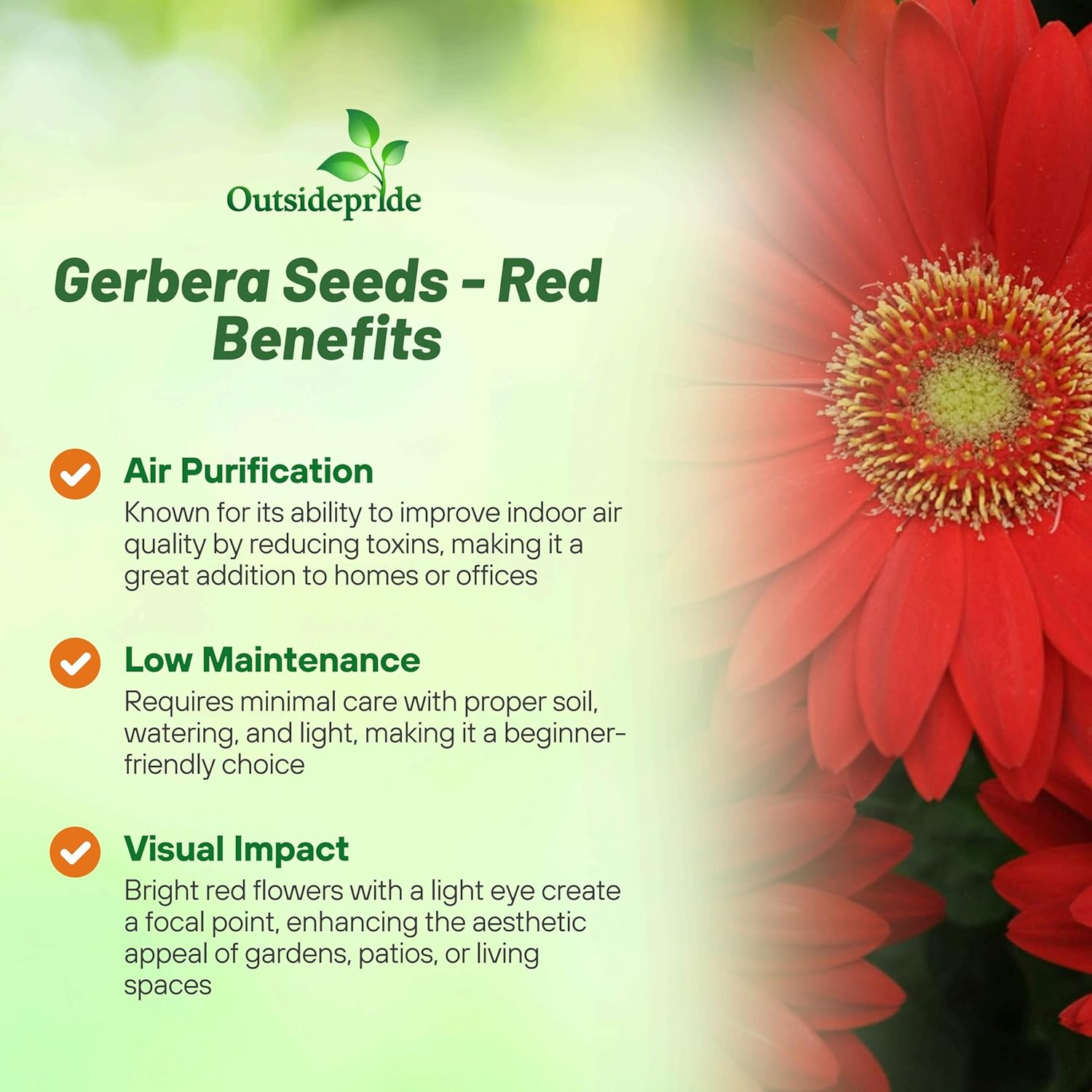

Gerbera Seeds - Red

SEASON
Perennial

USDA ZONES
8 - 11

HEIGHT
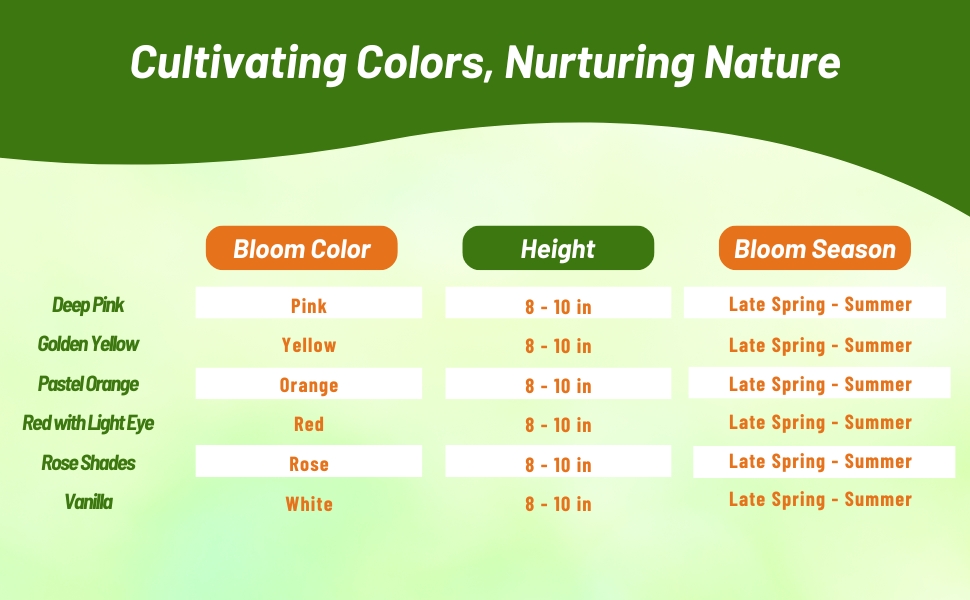
8 - 10 inches

BLOOM SEASON
Late spring to late summer

BLOOM COLOR
Red

ENVIRONMENT
Full sun to partial shade

SOIL TYPE
Rich, well-drained, pH 6.1 - 7.5

DEER RESISTANT
Yes
HOUSE PLANT
Yes

About...
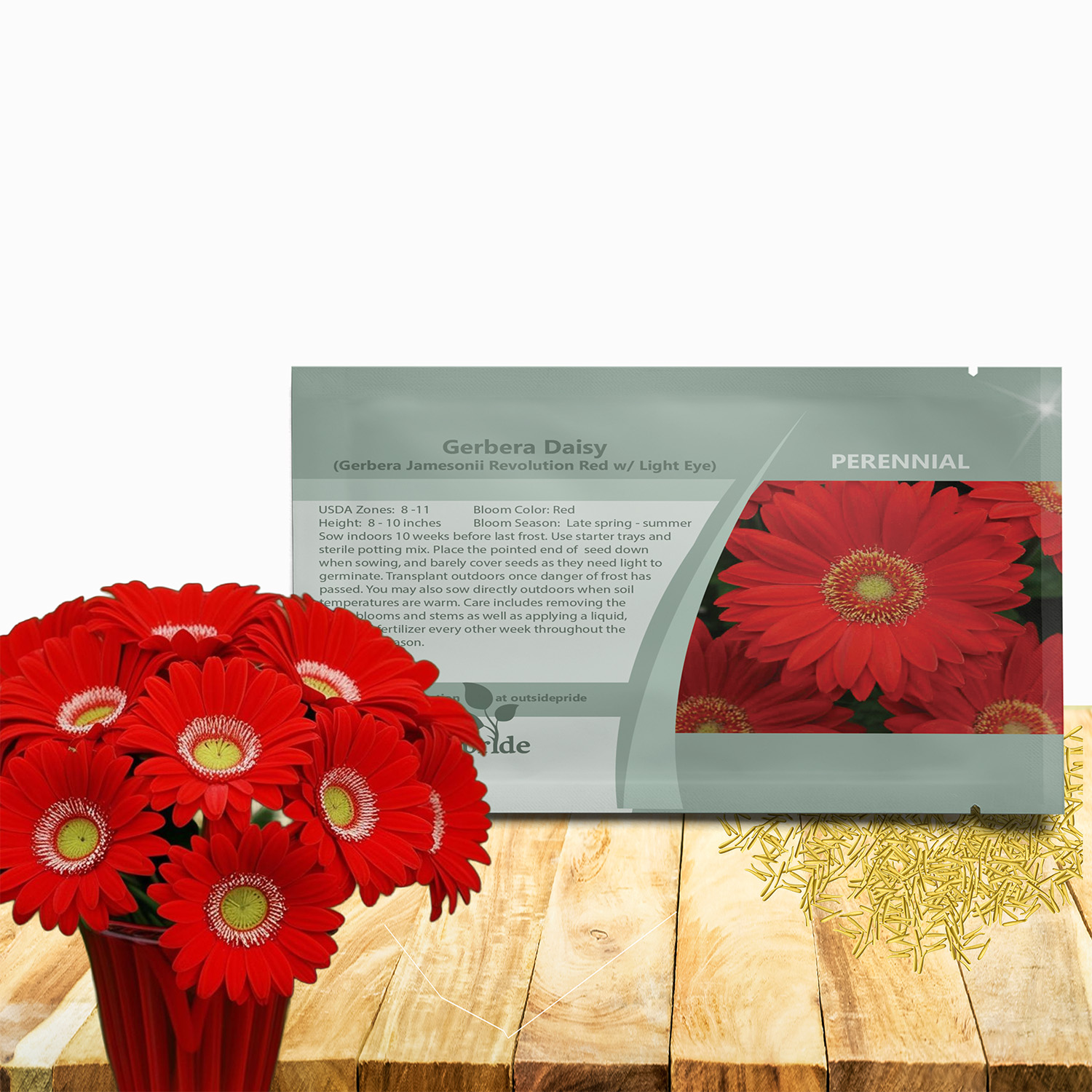
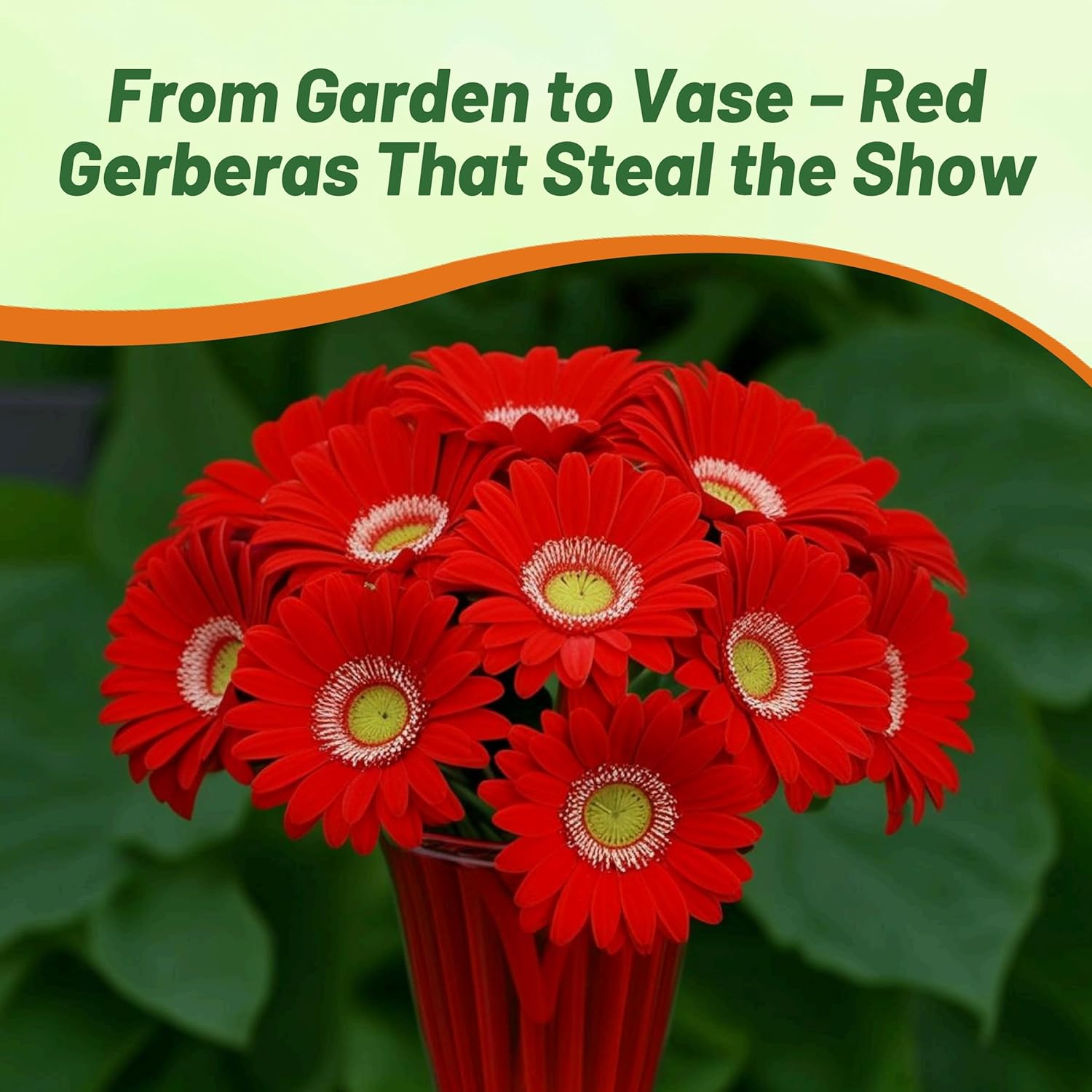
Gerbera Daisy (Gerbera Jamesonii Revolution Red w/ Light Eye) - Nothing demands more attention in the flower bed than this red Gerbera Daisy! Your neighbors will admire these flowers, and you will know that you grew them from Gerber seeds! With mounding foliage that is slightly hairy, thick strong stems, and 4 - 5 inch dazzling red blooms.
Planting Directions

TEMPERATURE
70F

AVERAGE GERM TIME
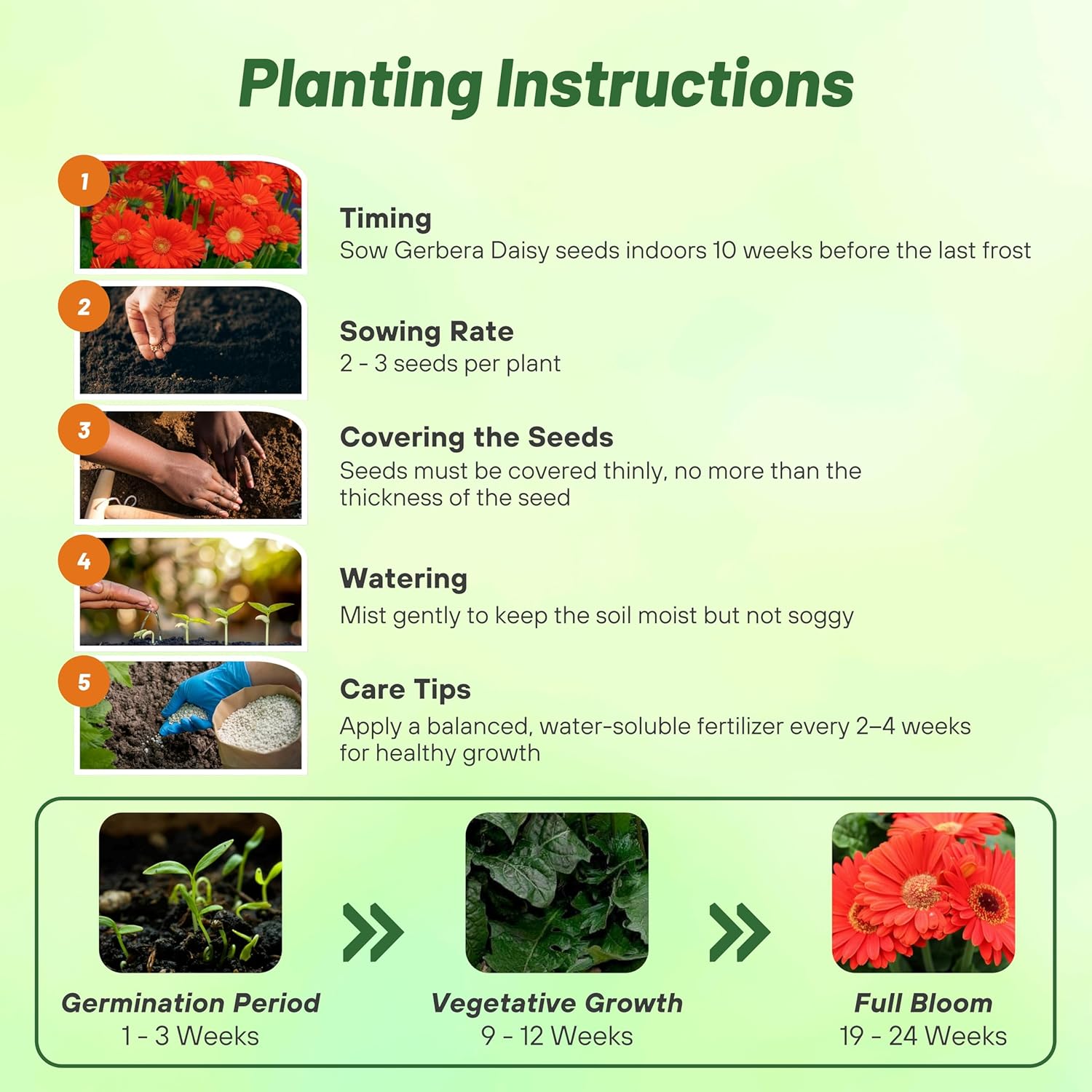
10 - 21 days

LIGHT REQUIRED
Yes

DEPTH
Seeds must be covered thinly, no more than the thickness of the seed

SOWING RATE
2 - 3 seeds per plant

MOISTURE
Keep seed moist until germination

PLANT SPACING
10 - 15 inches
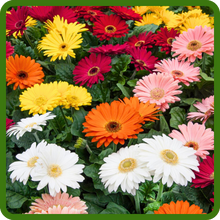
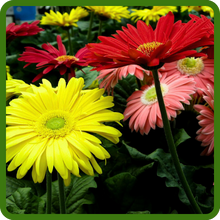
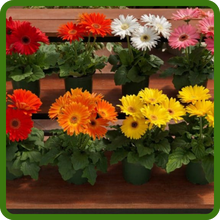
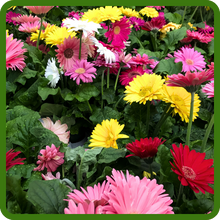
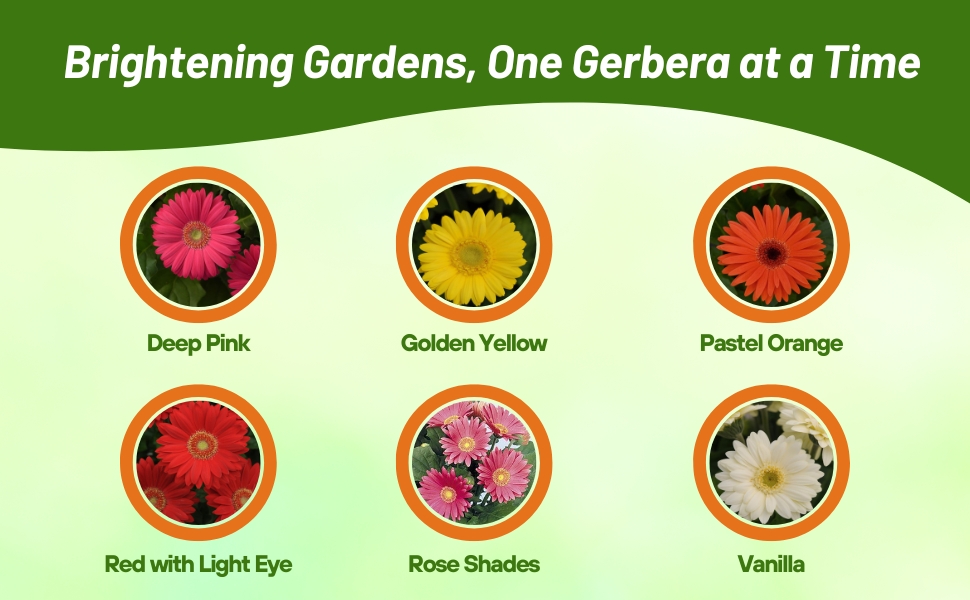
Gerbera Daisy (Gerbera Jamesonii Revolution Red w/ Light Eye) - Nothing demands more attention in the flower bed than this red Gerbera Daisy! Your neighbors will admire these flowers, and you will know that you grew them from Gerber seeds! With mounding foliage that is slightly hairy, thick strong stems, and 4 - 5 inch dazzling red blooms, this Gerbera Daisy is a main stay for the sunny flower bed.
Gerbera Jamesonii plants are native to South Africa and are a tender perennial. They grow everywhere as a colorful annual, and have a tremendously long bloom season. Gerbera Daisy plants are also a good bedding item, and of course a mainstay of the cutting garden as well as an indoor house plant. The Gerbera Daisy flower loves full sun or partial shade and appreciates deep, rich soil with compost and other organics worked in.
Sow Gerbera Daisy seeds indoors 10 weeks before the last frost. Use starter trays and sterile potting mix. Place the pointed end of the flower seed down when sowing, and barely cover the seeds as they need light to germinate. Transplant outdoors once danger of frost has passed. You may also sow Gerbera Daisy seed directly outdoors when soil temperatures are warm. Gerbera Jamesonii care includes removing the spent blooms and stems as well as applying a liquid, balanced fertilizer every other week throughout the blooming season.
Common Questions
Can Gerbera daisies be grown indoors?
Gerbera daisies are commonly initiated indoors from seeds, but they thrive best when grown outdoors in the long run, requiring plenty of sunlight and nutrient-rich soil. Although Gerbera daisies are occasionally presented as potted gifts, they usually do not have a long lifespan or bloom repeatedly.
Are Gerbera daisies easy to grow?
Gerbera daisies can thrive outdoors with proper care. To grow them successfully, it's essential to monitor their water, light, and soil conditions diligently.
My plants are getting excessively bushy, what can I do?
If foliage is getting too bushy, remove some of the clustered center leaves to let in more sunlight.
How get I get my gerbera to give me more blooms?
Fertilizing your plants every 2 weeks with a high phosphorus, bloom boosting fertilizer can help. If you are amid summer the heat can suppress blooms, try moving them indoors until the hot weather passes.
My leaves are turning yellow, why?
Yellowing of lower leaves or the discoloration of plant tissue between green veins is often a sign of iron deficiency, which can impact flower production. This deficiency may stem from insufficient iron in the soil or fertilizer, or a soil pH above 6.2. Factors like temperatures below 68 degrees F, waterlogged soil, and unhealthy roots can also hinder nutrient absorption. Monitor temperatures, soil moisture, pH levels, and root condition to identify the underlying issue. Adjust soil pH if necessary or introduce iron chelates. Remember to avoid overwatering to maintain plant health.
Do I need to prune my gerbera plants?
Deadheading will extend your bloom season. As blooms fade, deadhead or prune the flower stems to the leaves where they emerge. Also to keep your plants looking tidy and encourage new leaf growth, pinch or trim older fading leaves.
Videos