










-
CATEGORY ::
- All Seeds /
- All Flower Seeds /
- All Hibiscus Seeds
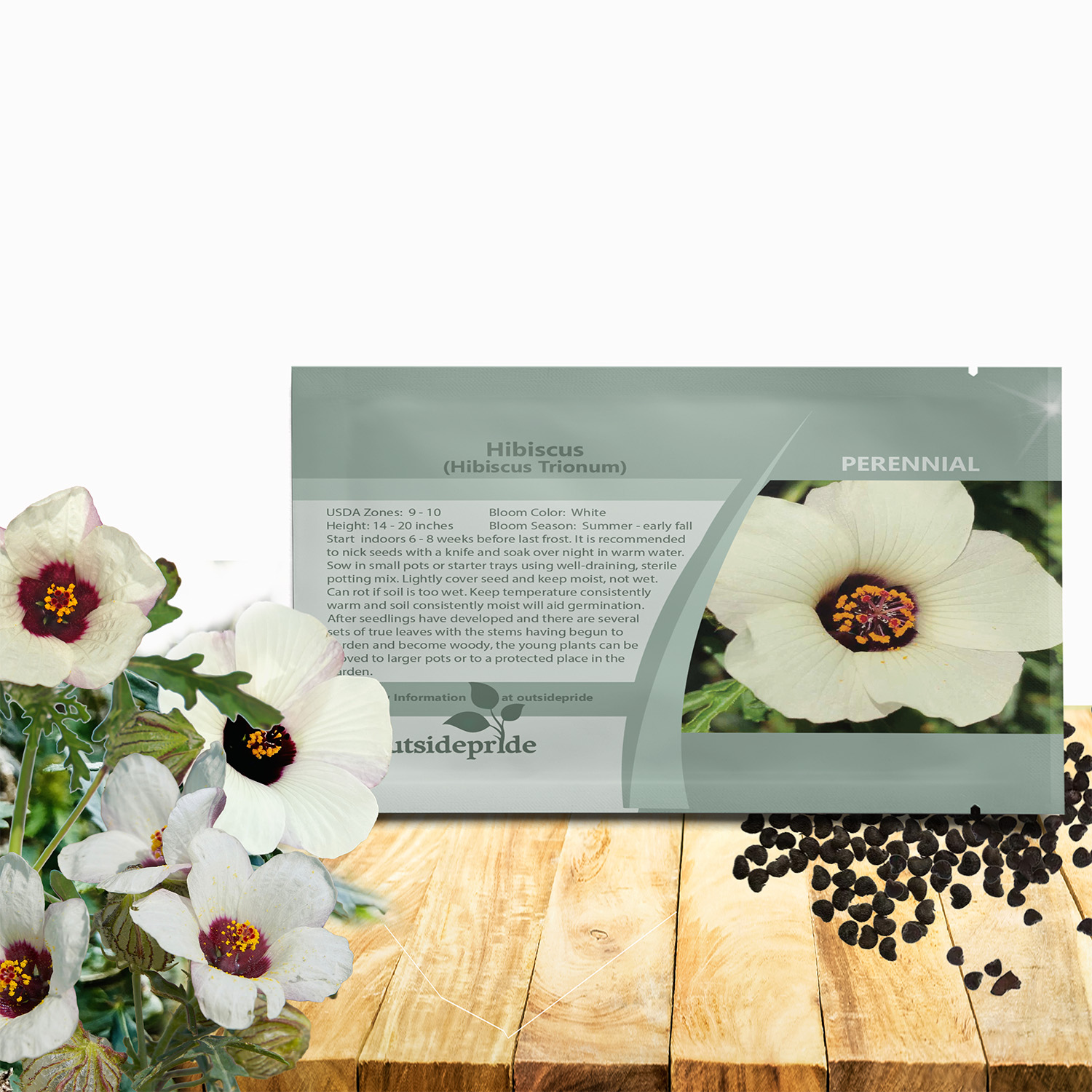

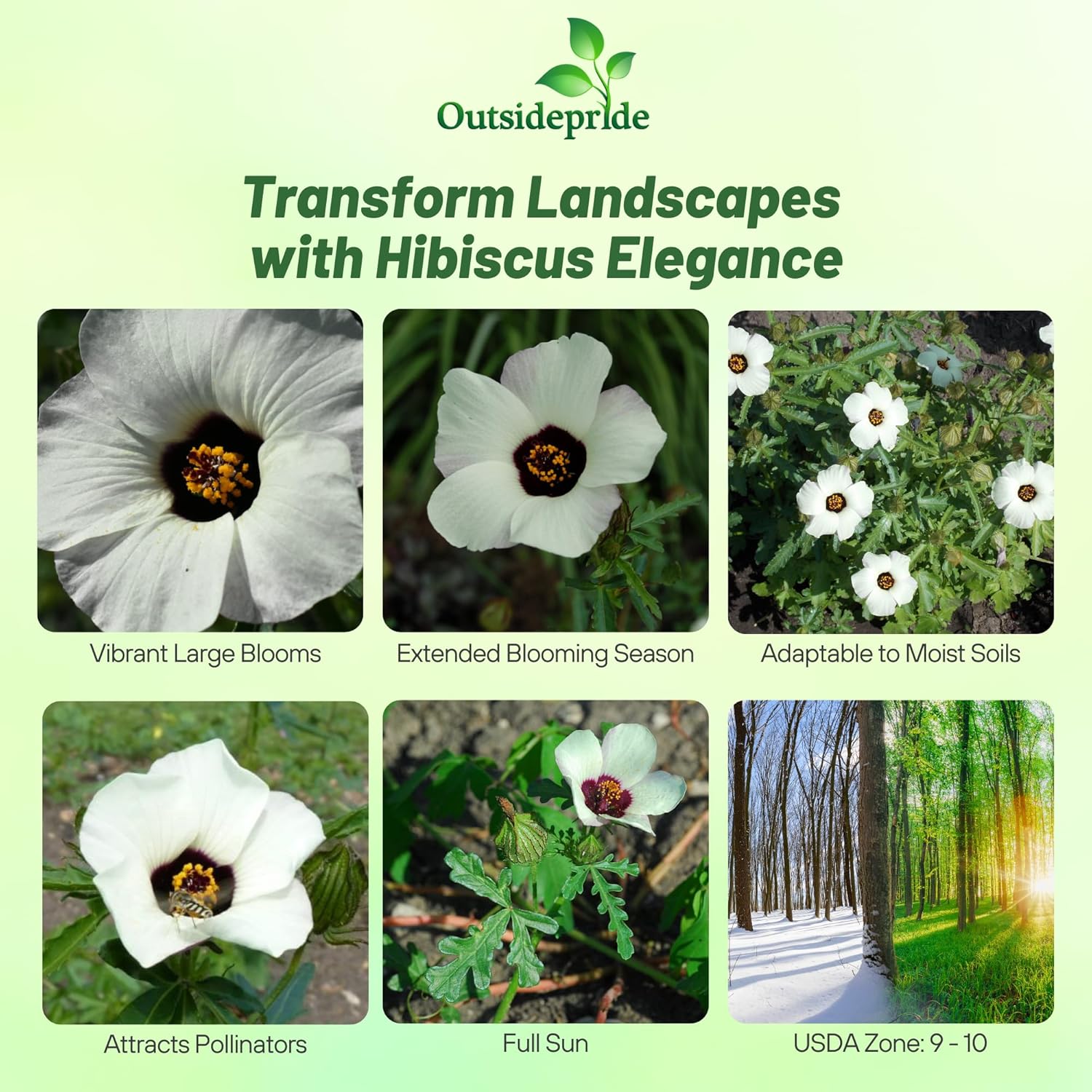
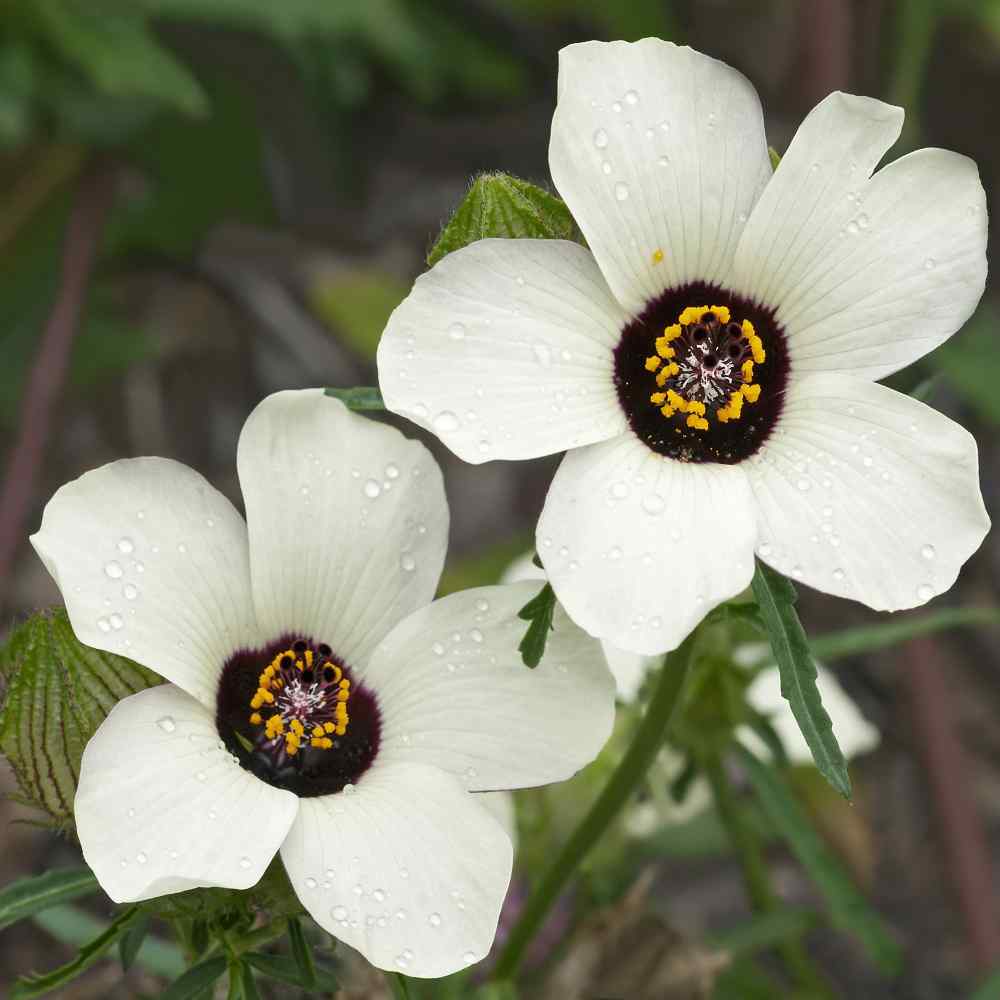
Hibiscus Seeds - Trionum

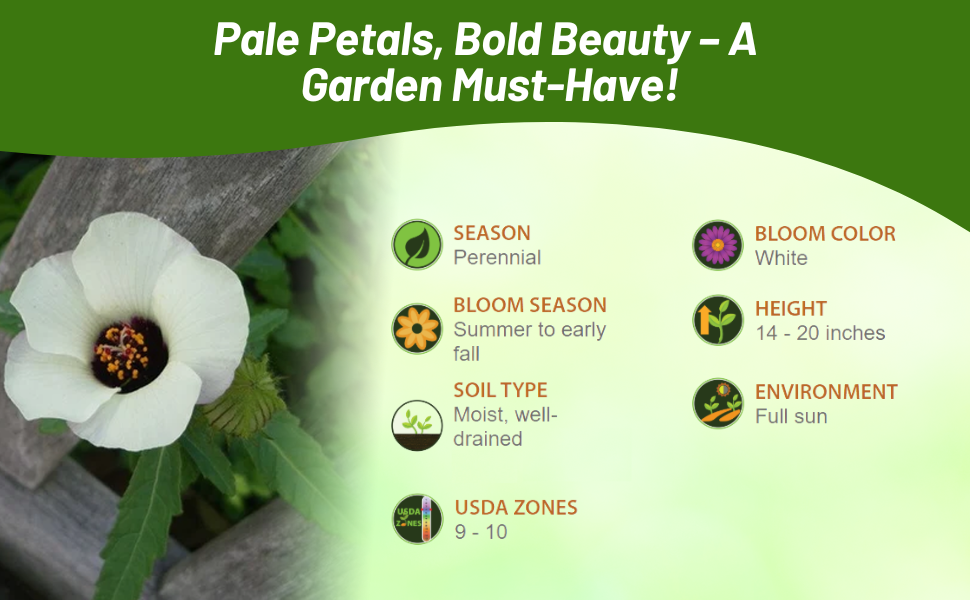
SEASON
Perennial
USDA ZONES
9 - 10

HEIGHT
14 - 20 inches

BLOOM SEASON
Summer to early fall

BLOOM COLOR
White

ENVIRONMENT
Full sun

SOIL TYPE
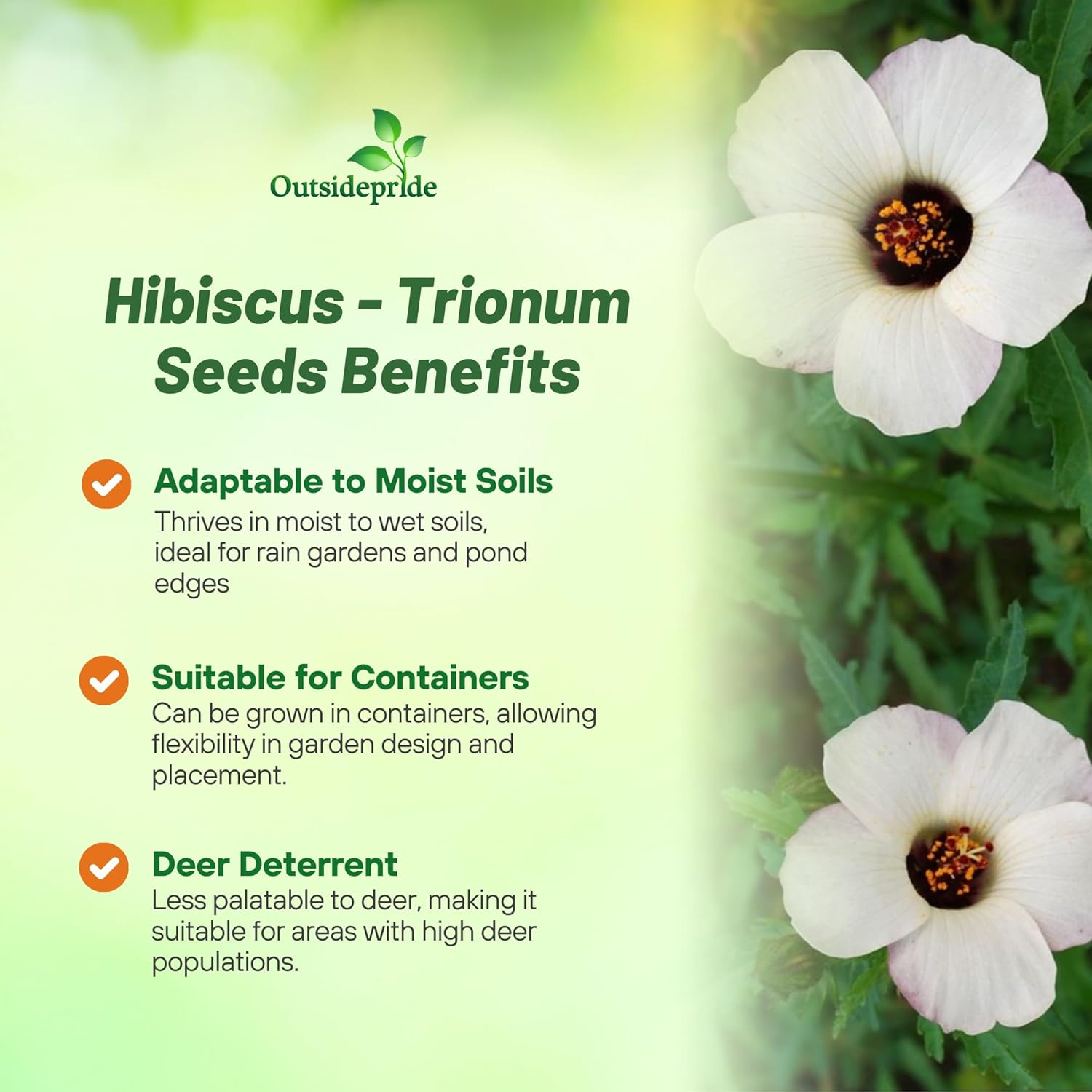
Moist, well-drained, pH 5.8 - 6.8

DEER RESISTANT
No

About...
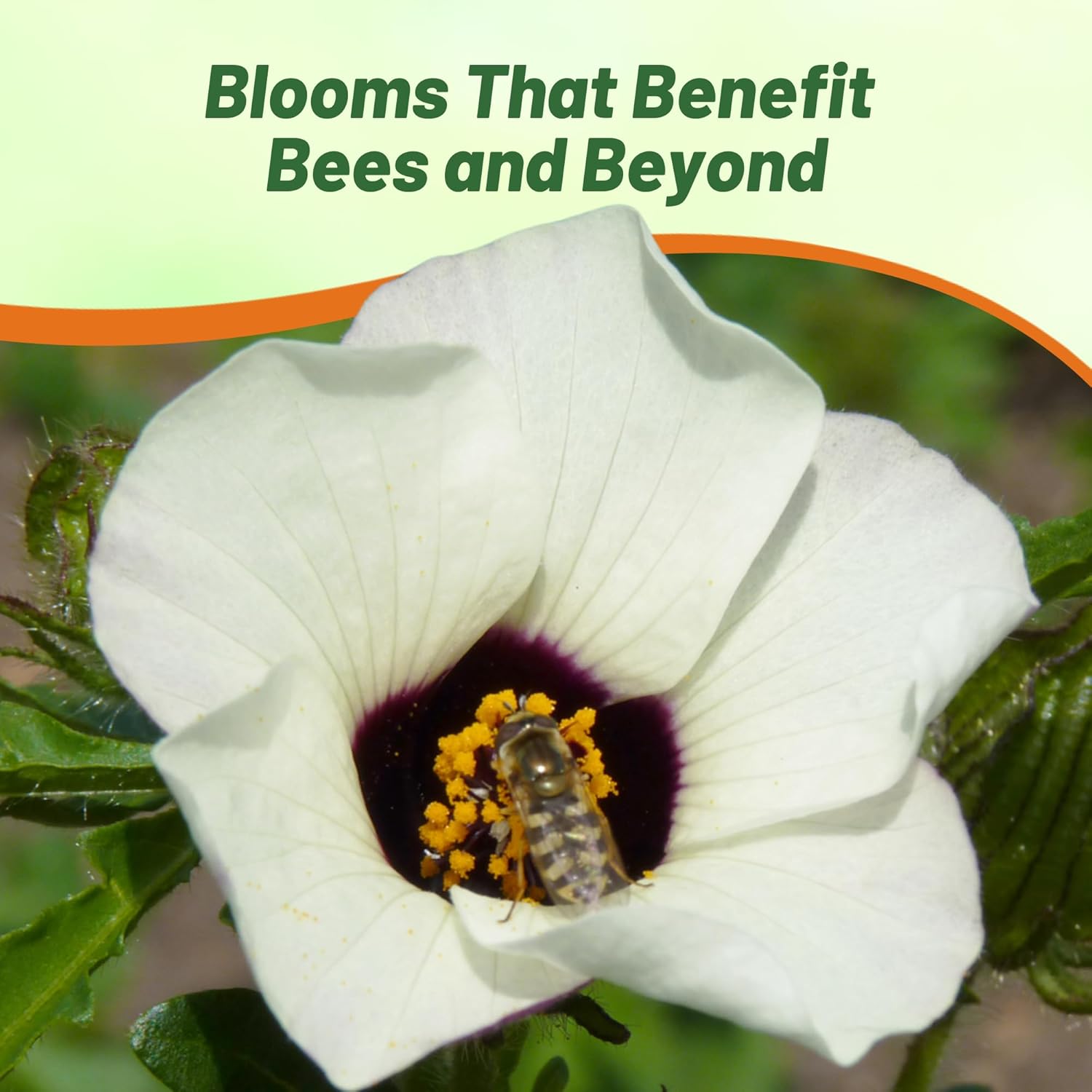
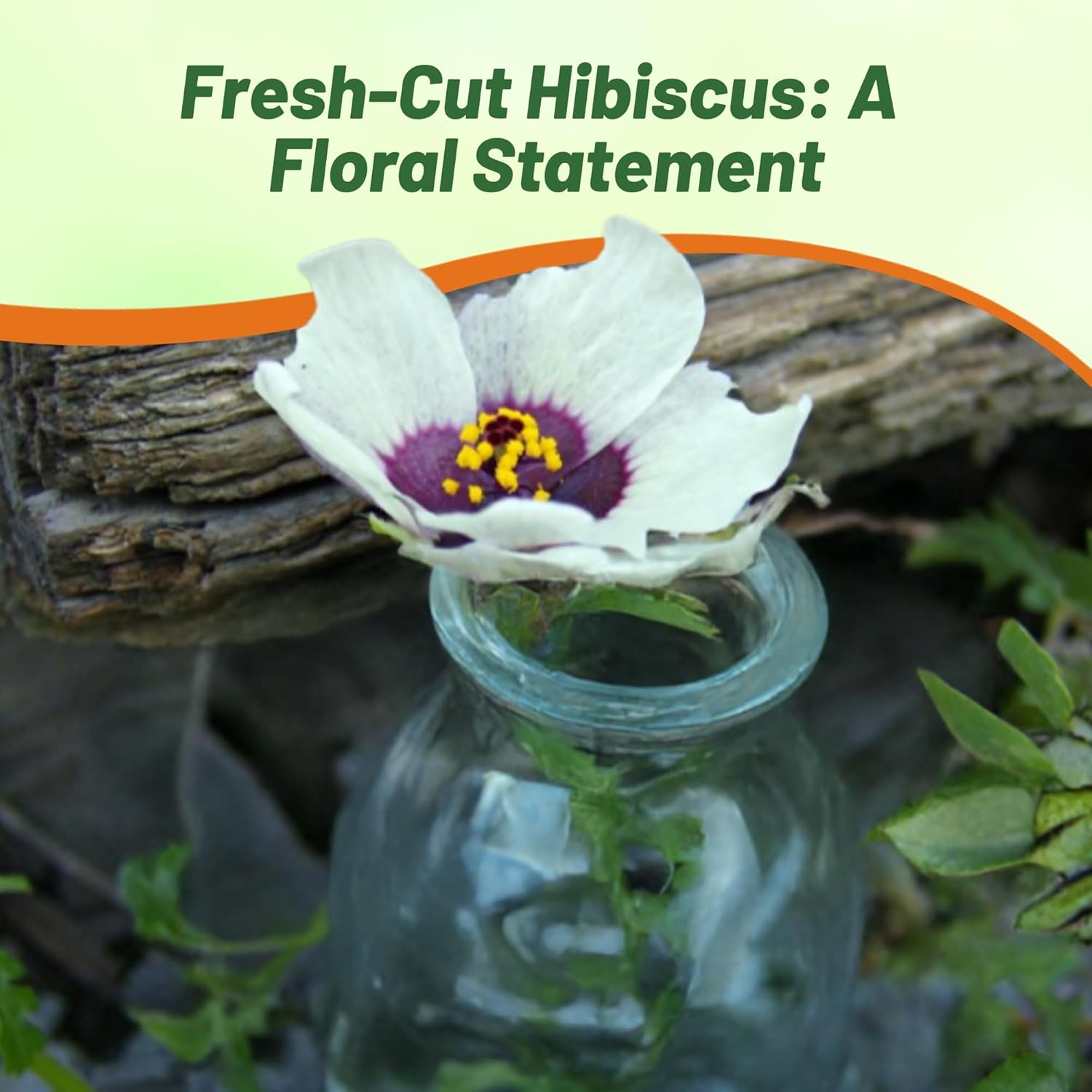
(Hibiscus Trionum) - If you enjoy large, dramatic flowers in the landscape, you will want to start these flower seeds! It grows as an annual, and provides large 3 - 4 inch silvery blooms with chocolate-purple centers.MORE HIBISCUS OPTIONS

Planting Directions
TEMPERATURE
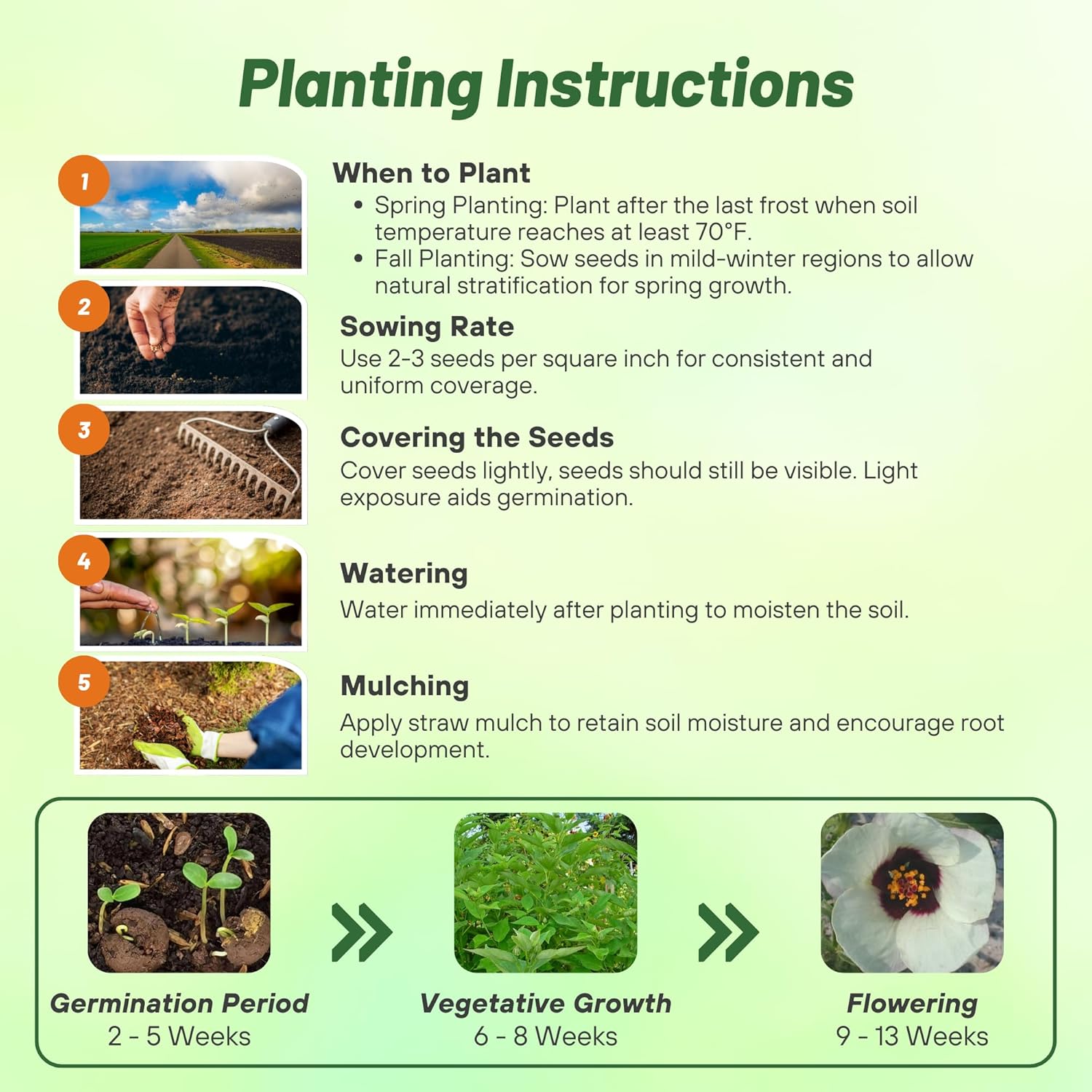
70F
AVERAGE GERM TIME
14 - 21 days

LIGHT REQUIRED
Yes

DEPTH
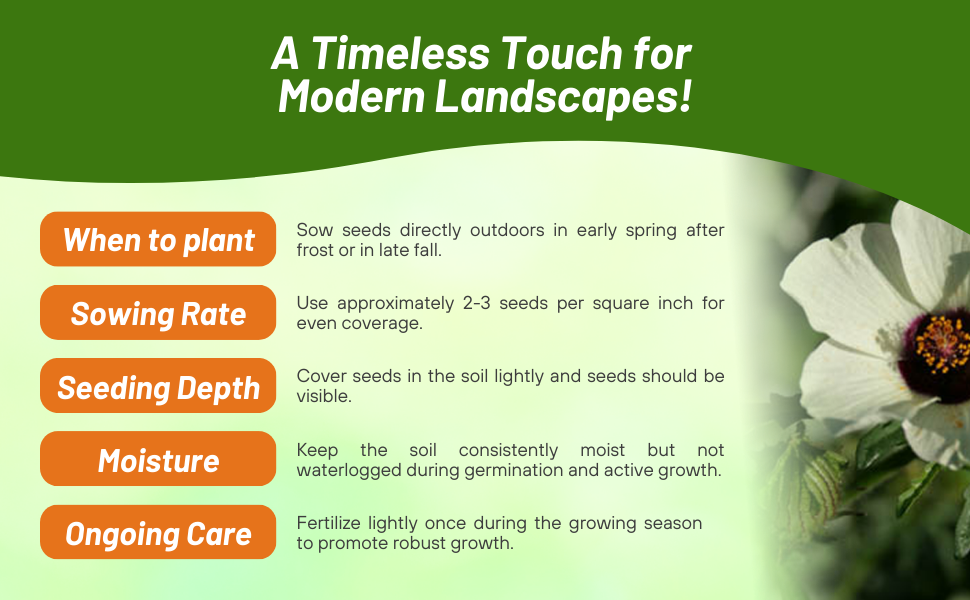
Cover lightly, seed should be visible

SOWING RATE
2 - 3 seeds per plant

MOISTURE
Keep seed moist until germination

PLANT SPACING
12 - 18 inches
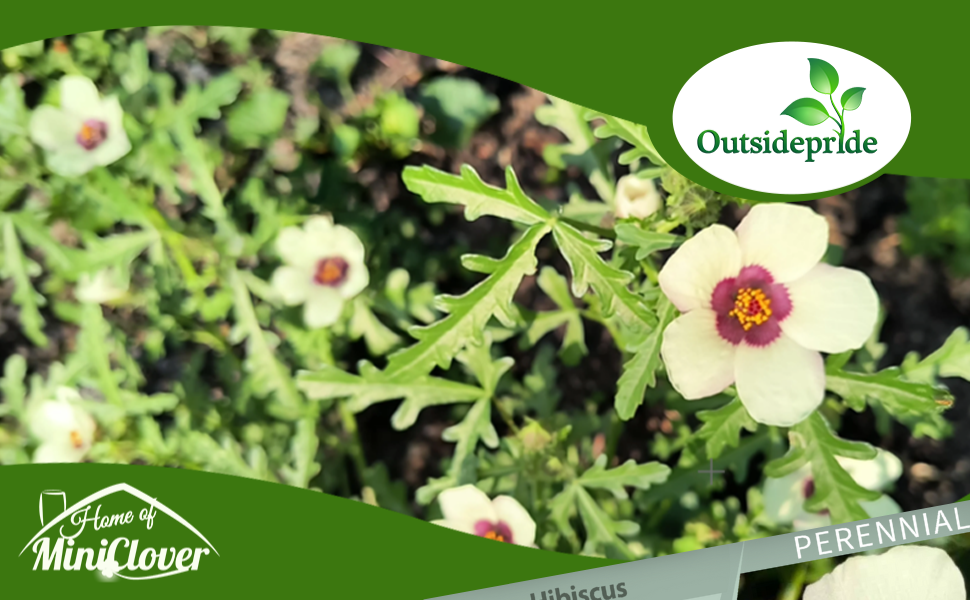
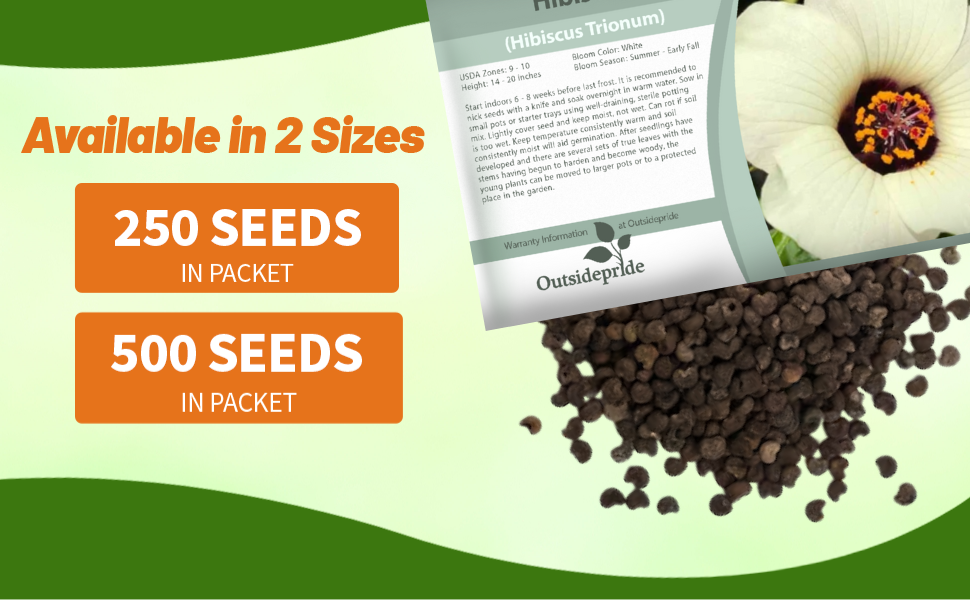
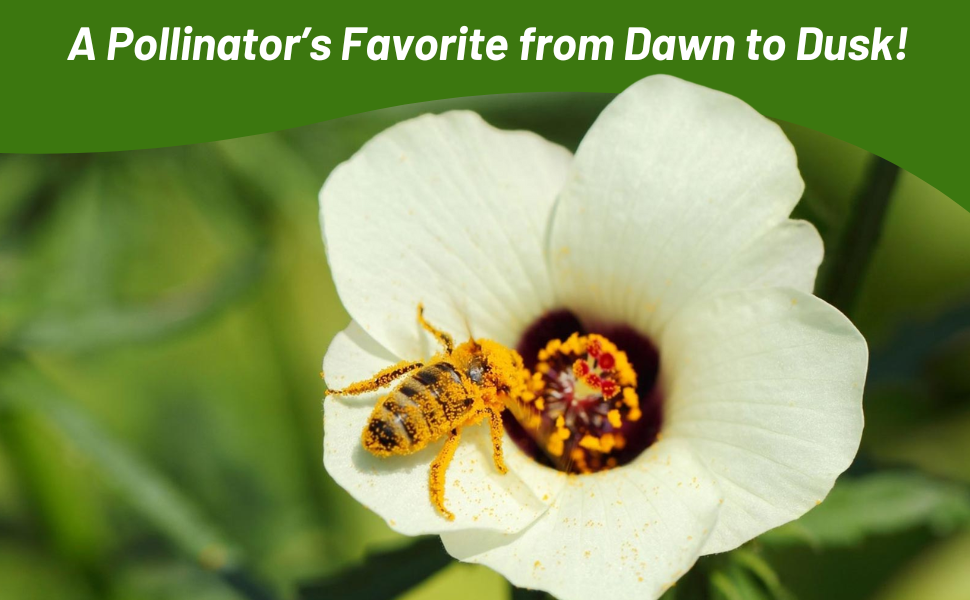
Hibiscus (Hibiscus Trionum) - If you enjoy large, dramatic flowers in the landscape, you will want to start Hibiscus seeds! This Hibiscus plant grows as an annual, but in frost free zones or if wintered indoors, will grow as a perennial. It provides exotic, large 3 - 4 inch silvery blooms with chocolate-purple centers. These large, showing blooms are short-lived but constantly are being replaced with fresh, new blooms. Heat tolerant and a lover of full sun, this well-branched, bushy plant is a stand out in the summer garden!
Growing Hibiscus seeds is not complicated. Start the flower seeds indoors 6 - 8 weeks before the last frost is predicted. Most gardeners recommend nicking the seeds with a knife and soaking them over night in warm water. Sow the flower seeds into small pots or starter trays using well-draining, sterile potting mix. Lightly cover the seed and keep moist, but not soggy. Keeping the temperature consistently warm and the soil consistently moist will aid germination. After seedlings have developed and there are several sets of true leaves with the stems having begun to harden and become woody, the young Hibiscus plant can be moved to larger pots or to a protected place in the garden. These tender young plants should be introduced to the sun gradually over several days.
WARNING: This plant is listed as noxious in the state of WA. We can not ship to WA so your order will be canceled.
Common Questions
Do I need to prune my hibiscus?
Maintain the health and shape of your plants by removing any dead, damaged, or overcrowded stems. Pruning is best done in late winter or early spring before new growth starts. To promote bushier growth, pinch back the tips of young plants. When growing plants in containers, regular pruning is essential to manage size and promote a fuller appearance.
Do I need to fertilize hibiscus?
Apply a well-balanced all-purpose fertilizer or one rich in potassium and phosphorus to promote lush foliage and robust growth. Use the fertilizer in spring as new growth emerges and reapply in mid-summer if necessary. Always adhere to the instructions on the package regarding the application rate and frequency.
What is the best way to water my plants?
Maintain soil moisture consistently, avoiding waterlogging. Regularly water the plants, especially in hot, dry spells. Decrease watering during cooler months when growth is slower. Water at the plant's base to prevent wetting the foliage, reducing the risk of fungal diseases.
Videos