










-
CATEGORY ::
- All Seeds /
- All Flower Seeds



Leadplant Seeds

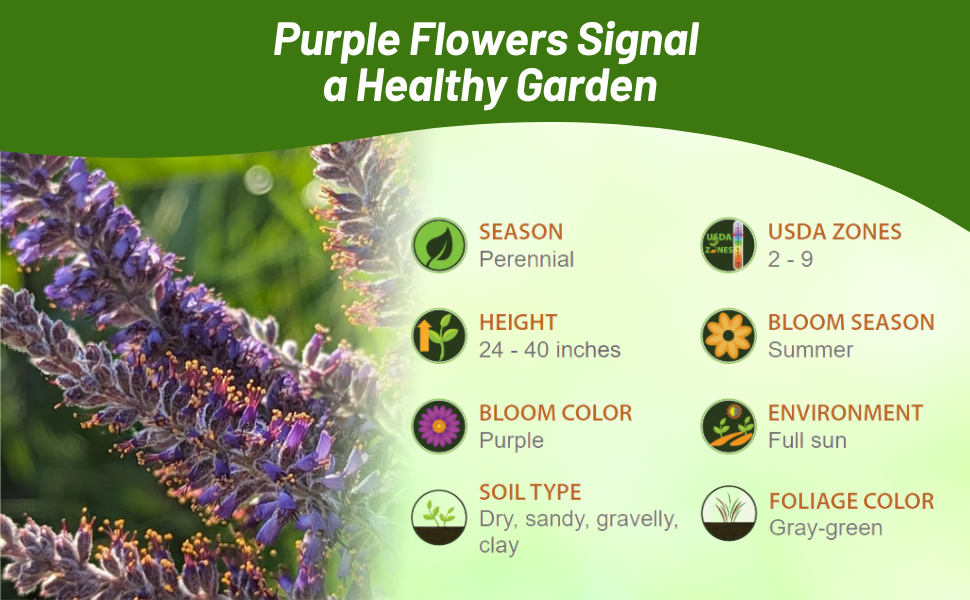
SEASON
Perennial
USDA ZONES
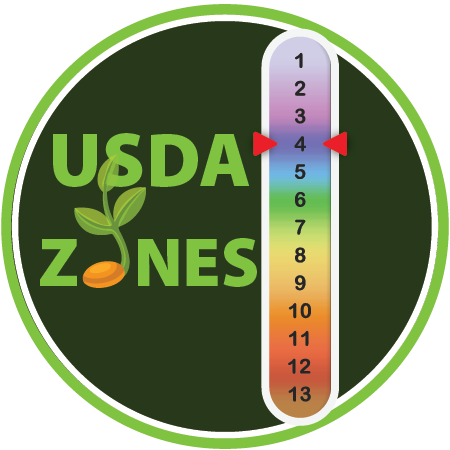
2 - 9

HEIGHT
24 - 40 inches

BLOOM SEASON
Summer

BLOOM COLOR
Purple

ENVIRONMENT
Full sun

SOIL TYPE
Dry, sandy, gravelly, clay, pH 6.6 - 8.5

DEER RESISTANT
Yes

FOLIAGE COLOR
Gray-green

LATIN NAME
Amorpha canescens

About...
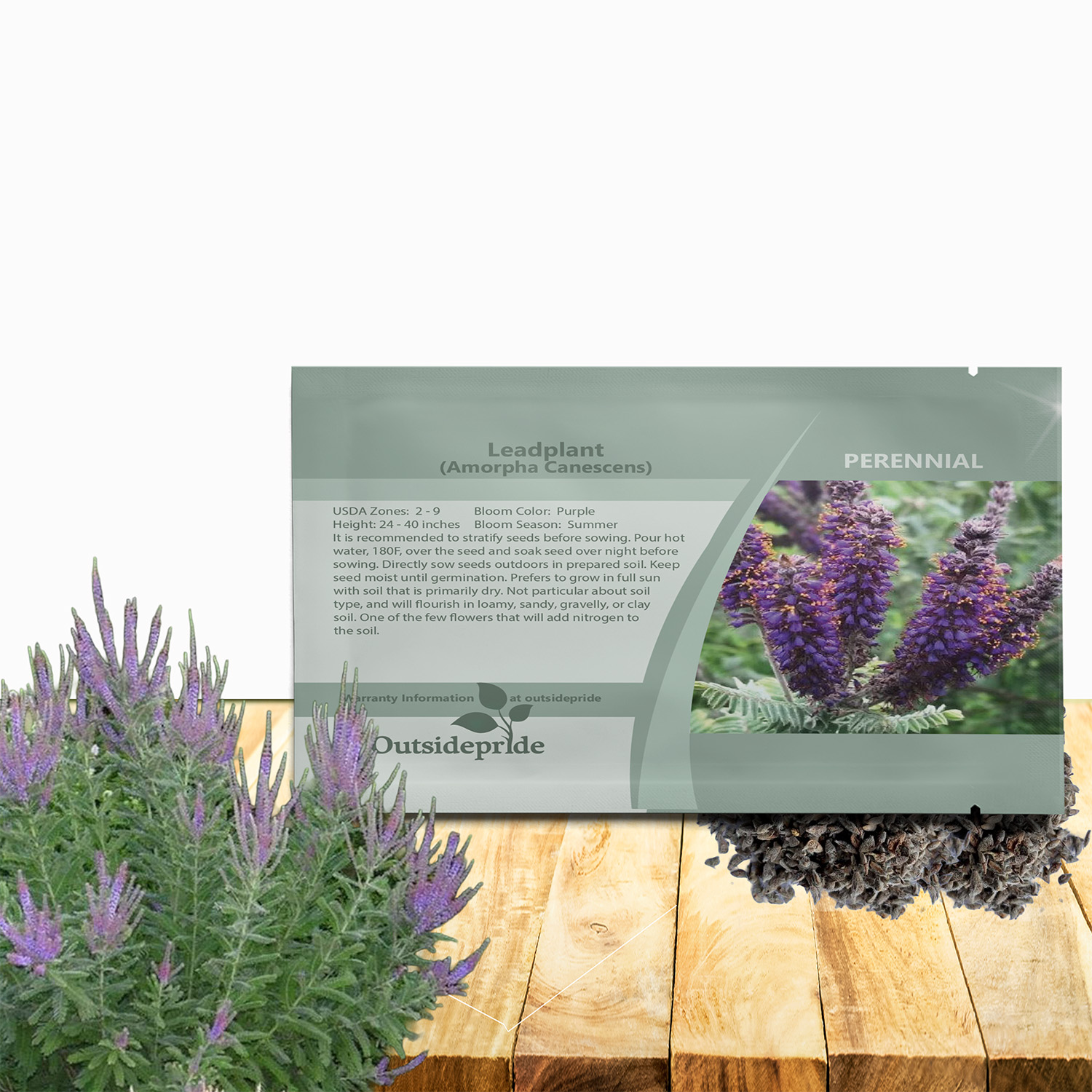
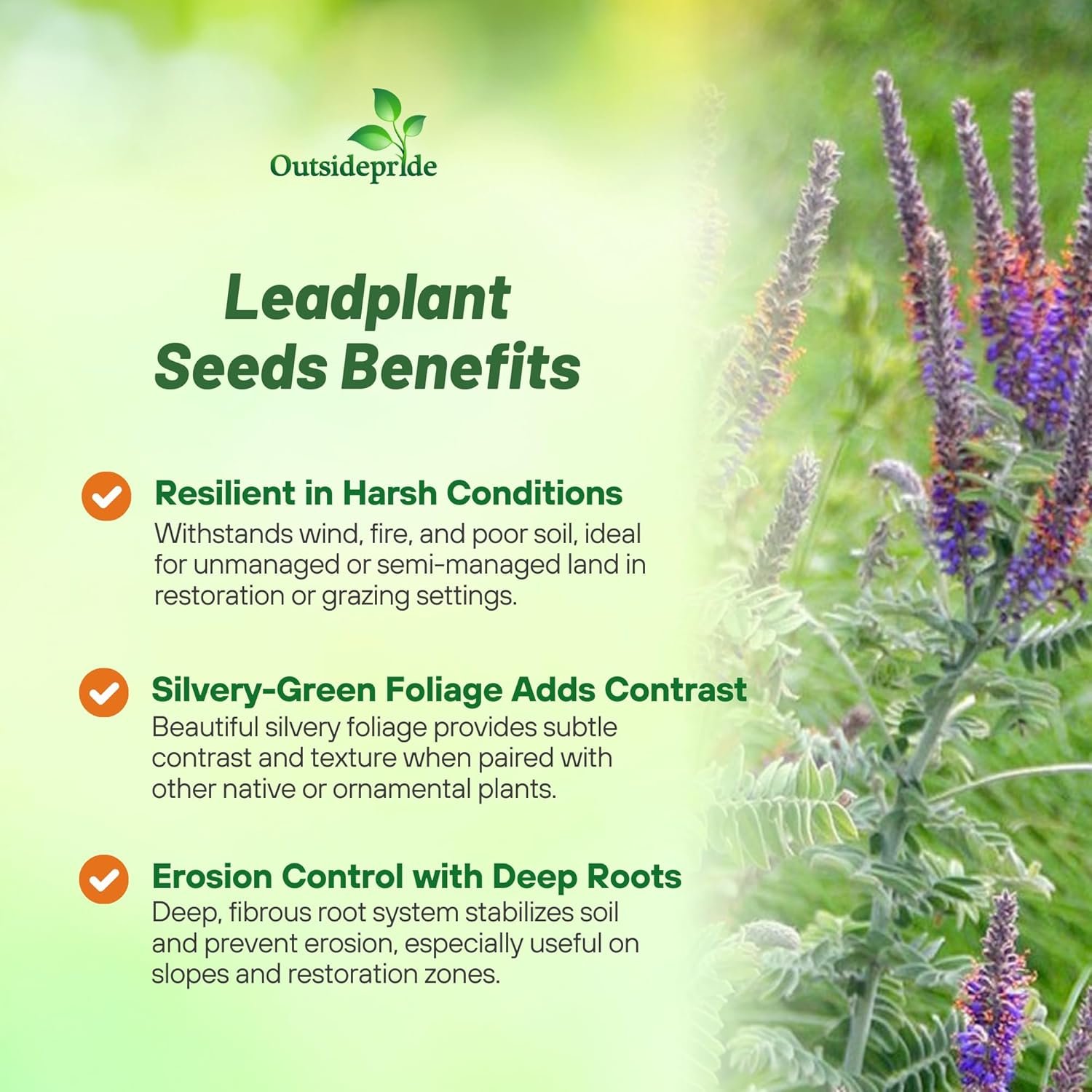
Leadplant (Amorpha Canescens) - Grow this shrub for the butterfly garden from Leadplant seeds! This shrub-like perennial will reach 24 - 40 inches in height and is usually semi-erect. Lead Plant uses include erosion control, prairie restoration, wildlife and livestock.MORE FLOWER OPTIONS

Planting Directions

TEMPERATURE
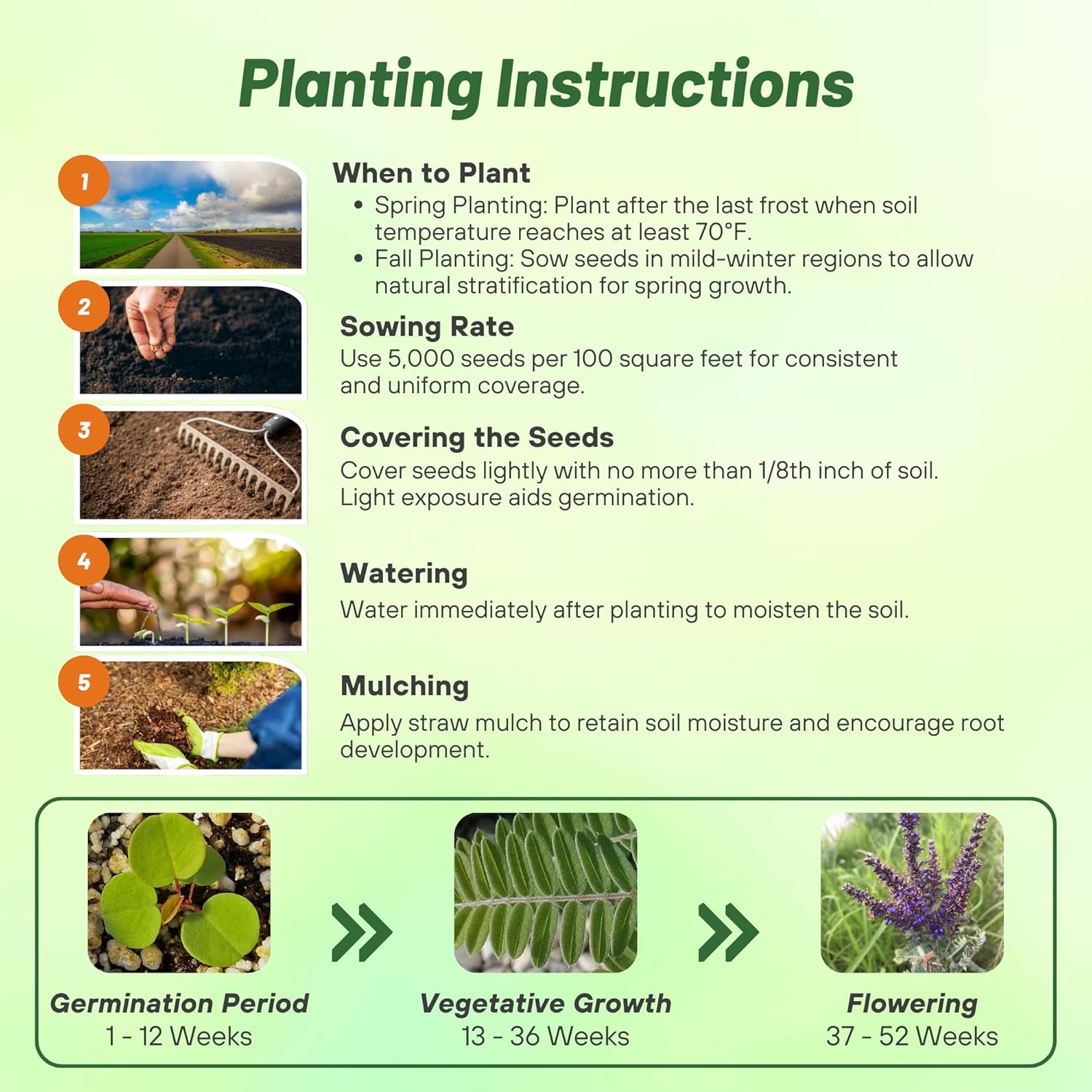
70F

AVERAGE GERM TIME
21 - 28 days

LIGHT REQUIRED
Yes

DEPTH
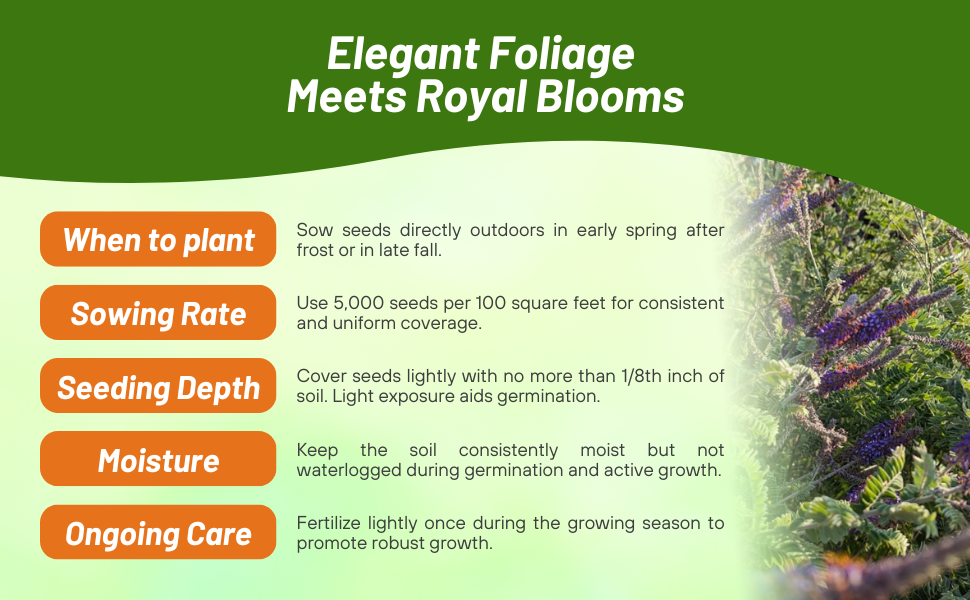
1/8 inch

SOWING RATE
5,000 seeds per 100 square feet

MOISTURE
Pour 180F water over seeds, let soak overnight. Keep seed moist until ...more Pour 180F water over seeds, let soak overnight. Keep seed moist until germination occurs...less

PLANT SPACING
18 - 30 inches
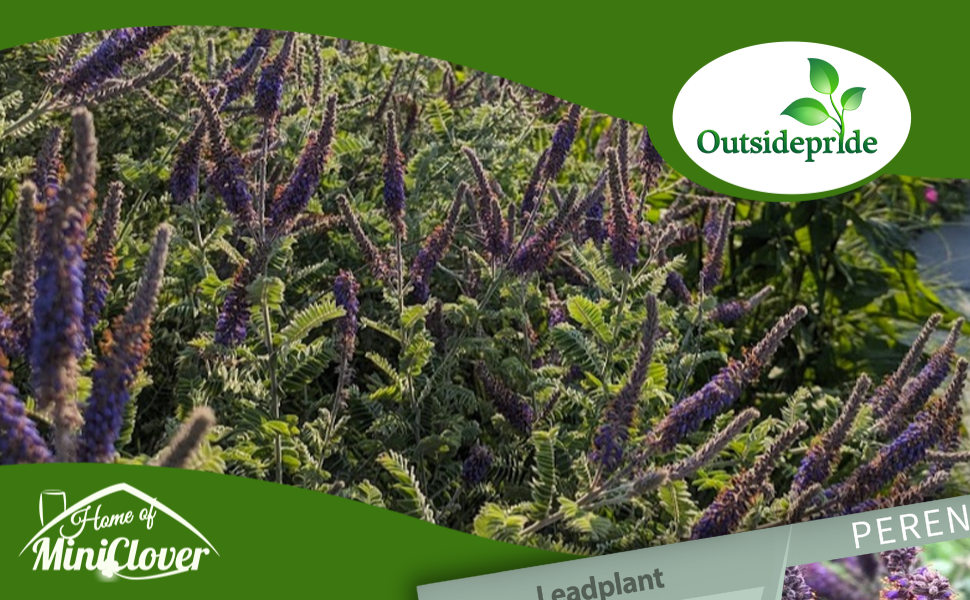
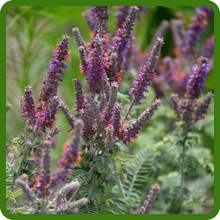

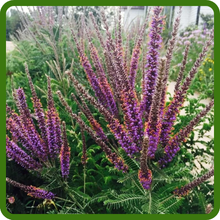
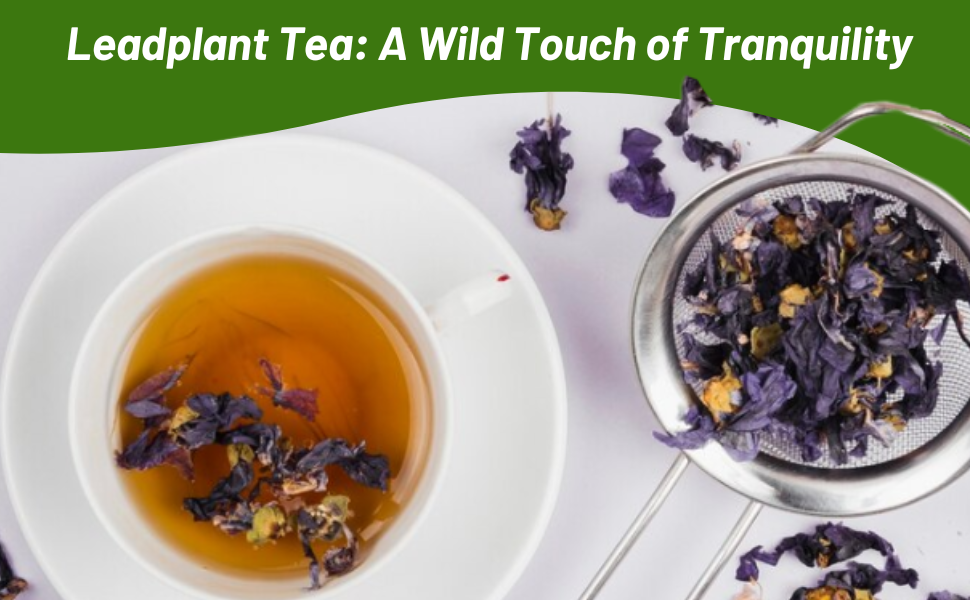
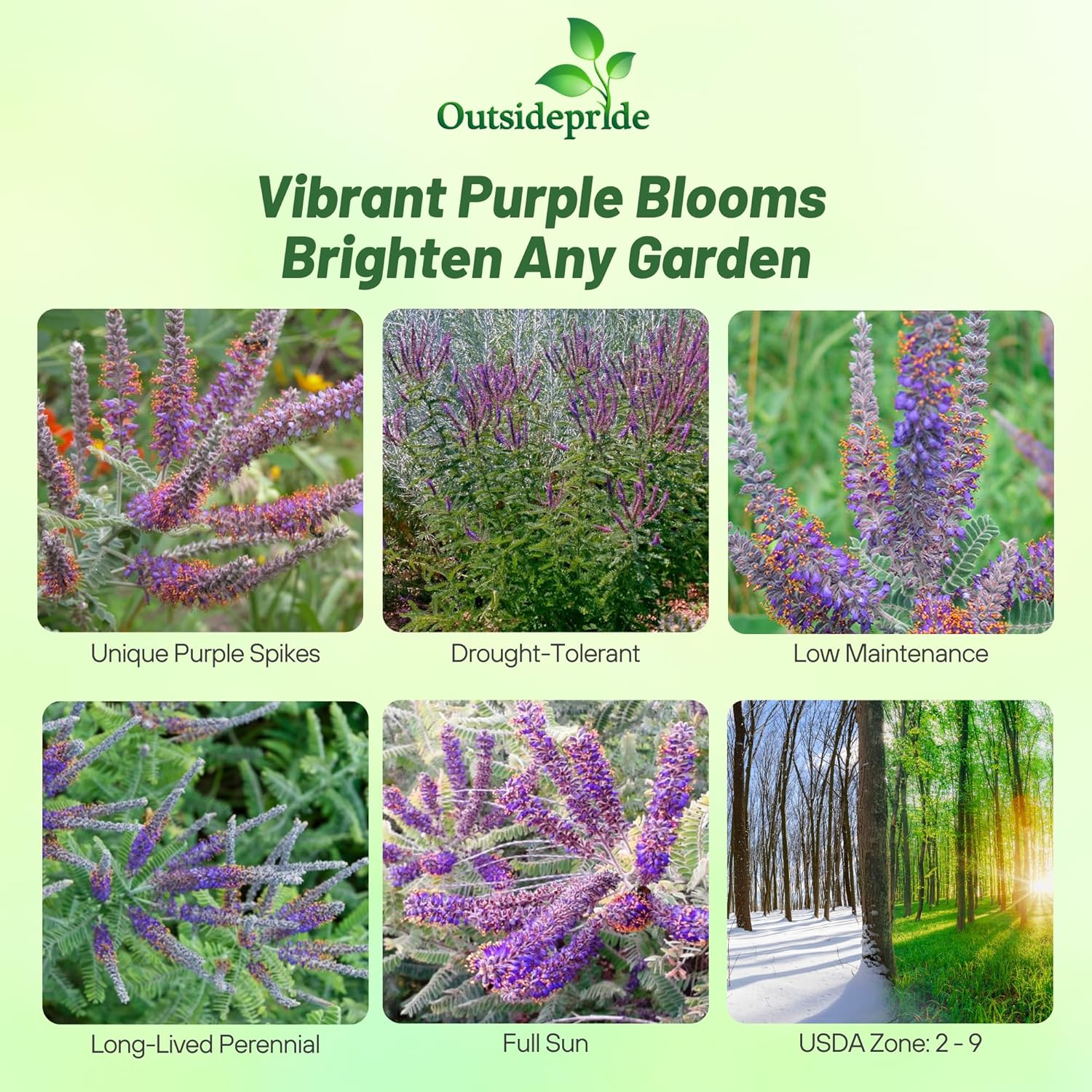
Leadplant (Amorpha Canescens) - Grow this shrub for the butterfly garden from Leadplant seeds! This shrub-like perennial will reach 24 - 40 inches in height and is usually semi-erect. In partially shaded situations, it will sprawl along the ground in the direction of greater sunlight. The young stems are light green and covered with white hairs. The leaves are whitish to gray-green and the bloom spikes are full of purple flowers. Leadplant uses include erosion control, prairie restoration, wildlife and livestock.
Amorpha Lead Plant prefers to grow in full sun and with soil that is primarily dry. Leadplant is not particular about soil type, and will flourish in loamy, sandy, gravelly, or clay soil. Leadplant Amorpha Canescens is one of the few flowers that will actually add nitrogen to the soil. It is also high in protein and eaten by livestock, rabbits and deer. Leadplant has very deep roots, and is appropriate for xeriscaping. It is easy to grow from flower seeds, but it is slow to develop and may take a couple of years to flower if grown from seeds.
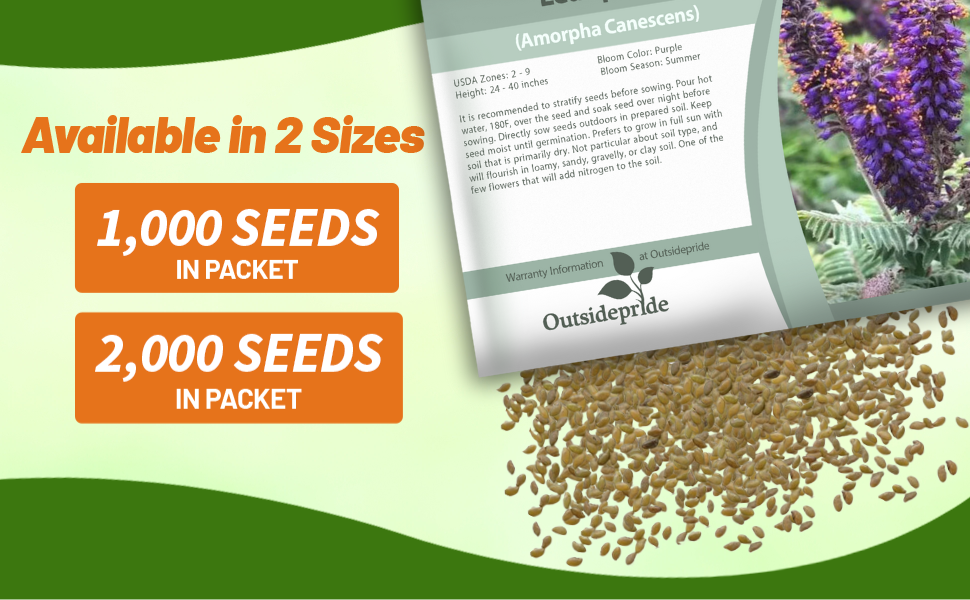
It is recommended to stratify Leadplant seeds before sowing. Pour hot water, 180F, over the flower seed and soak the seed over night before sowing. Directly sow Lead Plant seeds outdoors in prepared soil. Keep the flower seed moist until germination.
Common Questions
What are some good areas to use leadplant around my landscape?
Leadplant is great for beds and borders, wildflower gardens, prairies, meadows and for erosion control on slopes and banks.
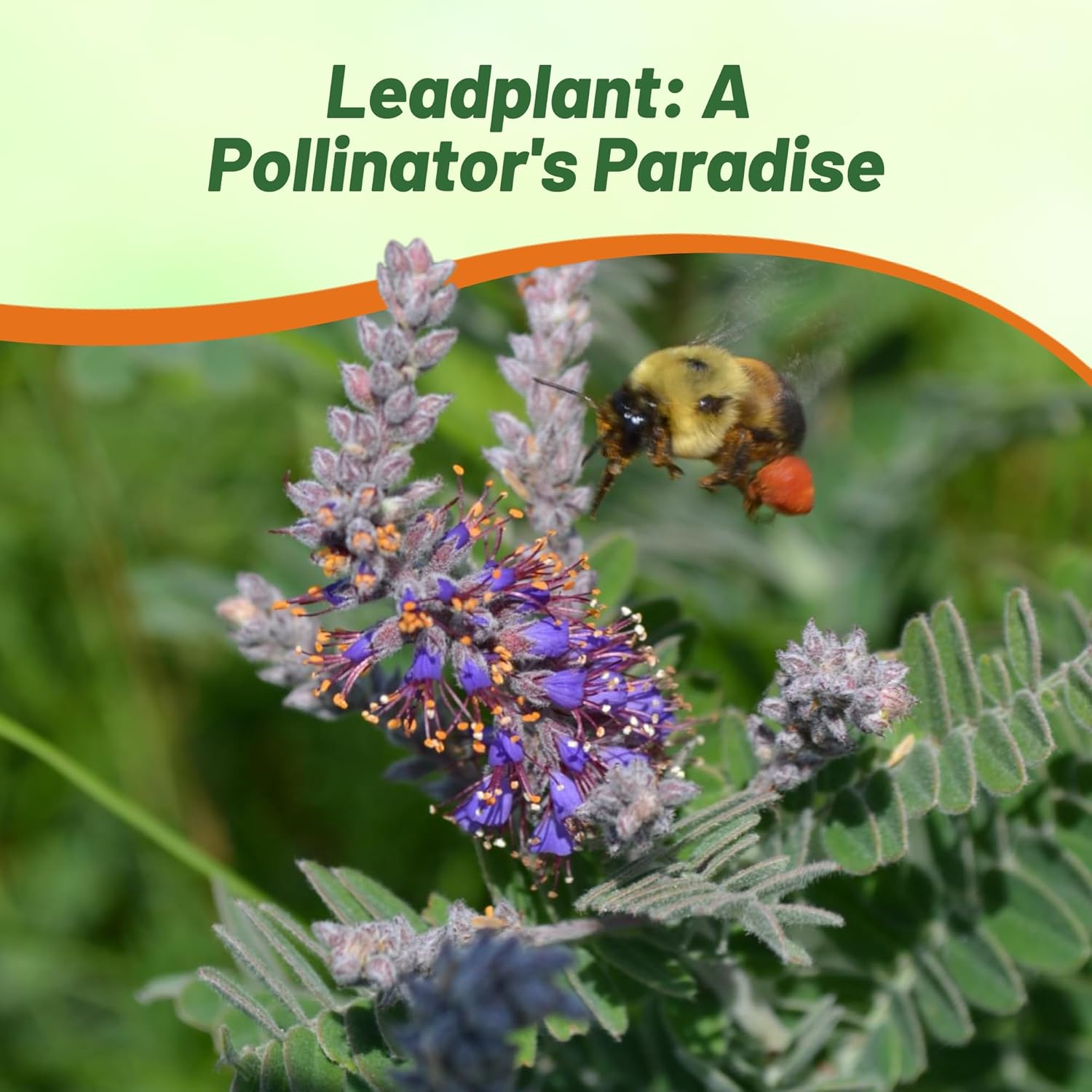
Will leadplant attract pollinators?
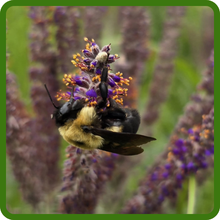
Yes, bees, butterflies, moths and beneficial insects are attracted to leadplant.
Videos