








-
CATEGORY ::
- All Seeds /
- All Flower Seeds /
- All Nasturtium Seeds
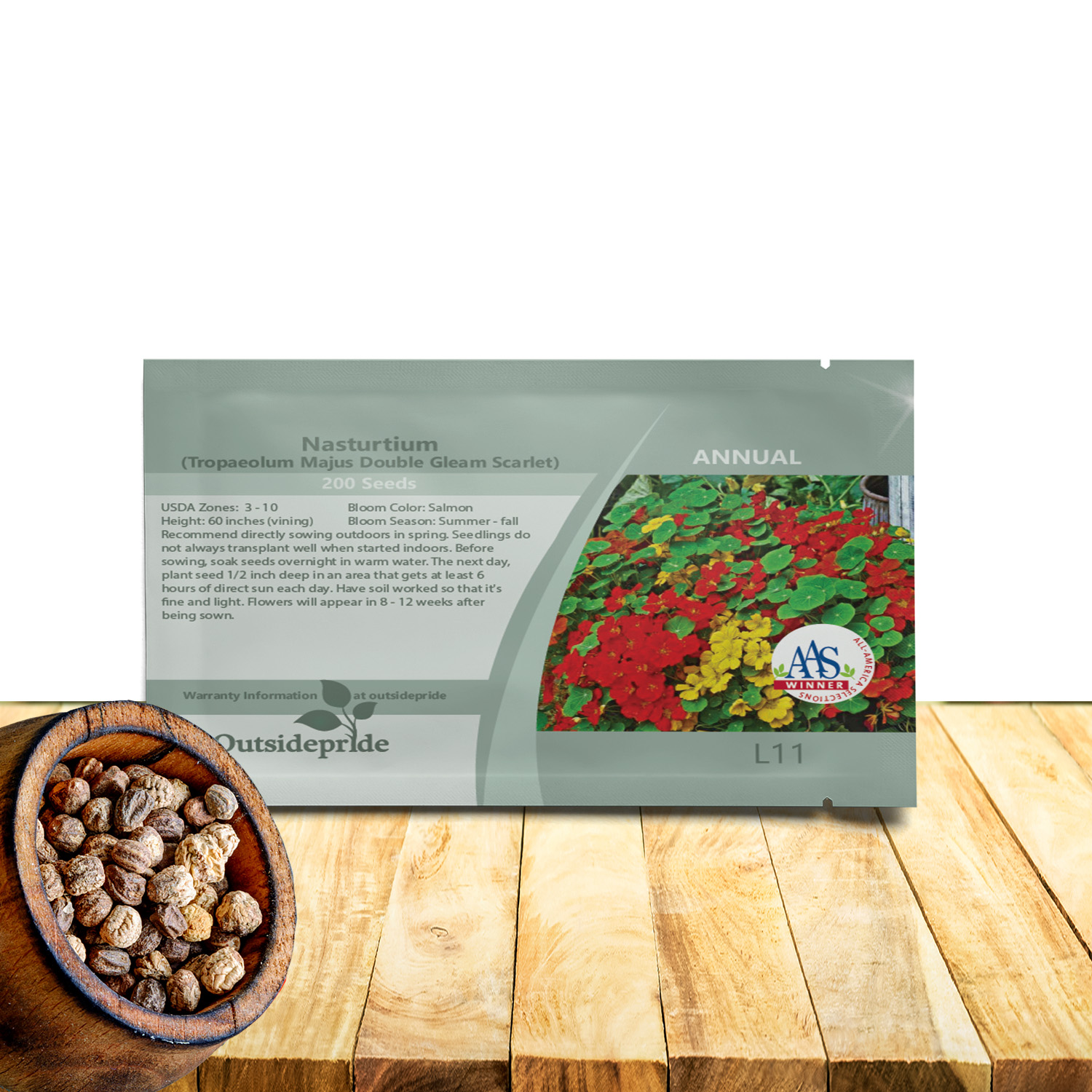

Nasturtium Seeds - Scarlet

SEASON
Annual

USDA ZONES
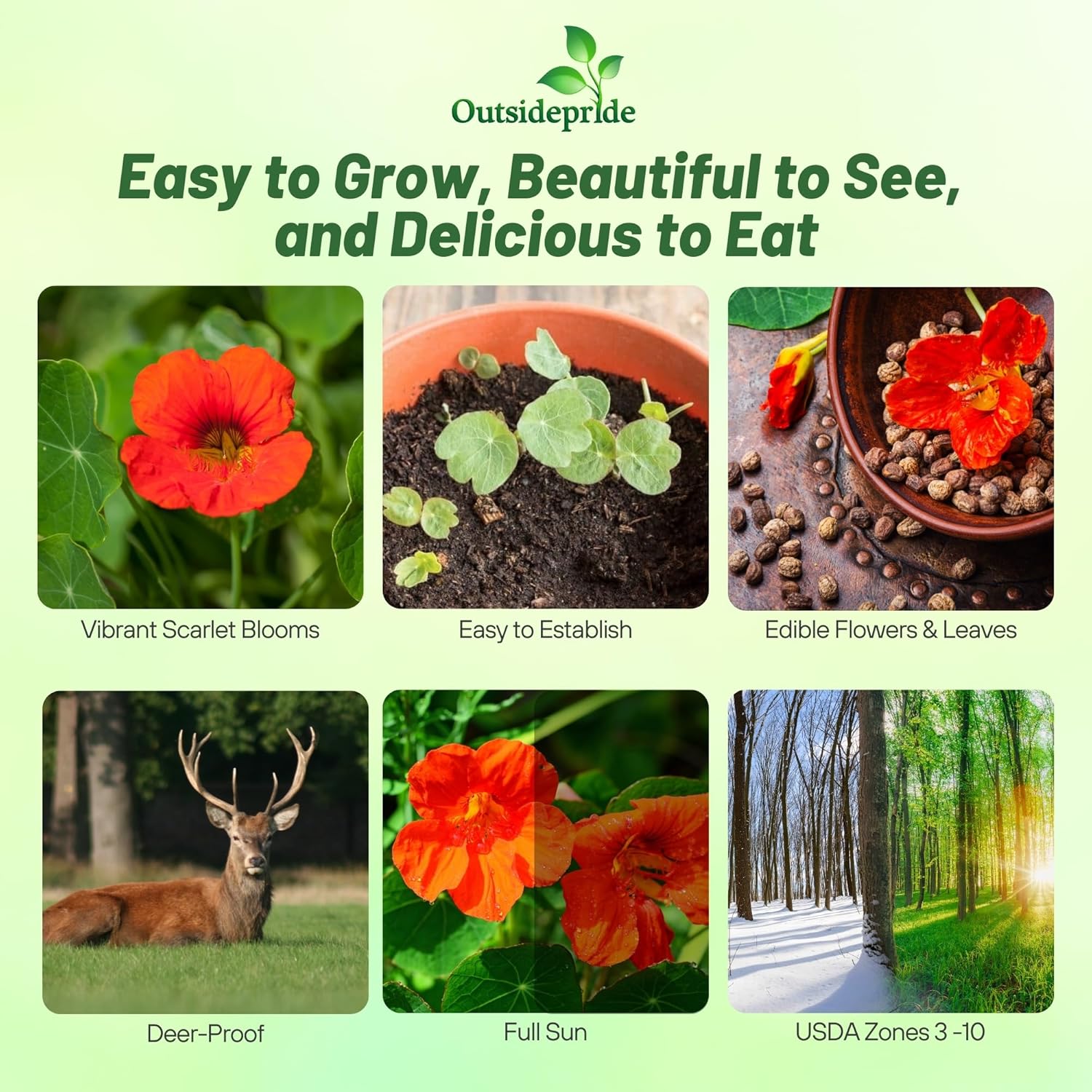
3 - 10

HEIGHT
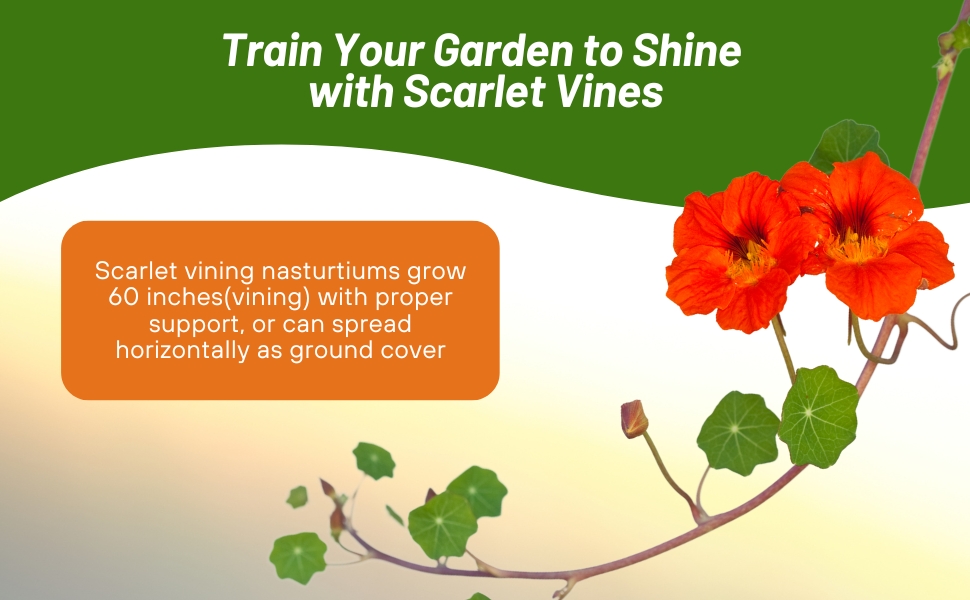
60 inches (vining)

BLOOM SEASON
Mid summer through fall

BLOOM COLOR
Scarlet

ENVIRONMENT
Full sun

SOIL TYPE
Well-drained, pH 6.1 - 7.8

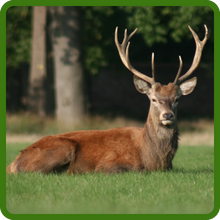
DEER RESISTANT
Yes

AAS WINNER
1935

About...
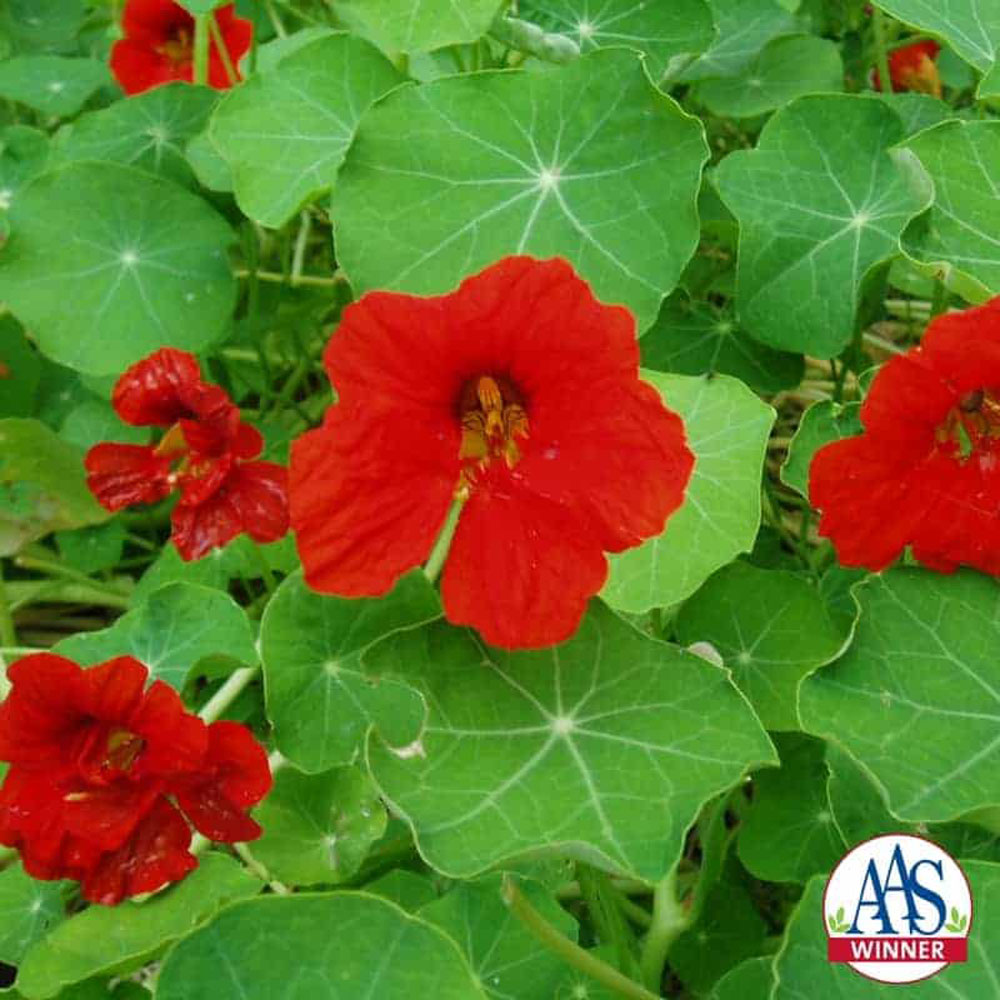
(Tropaeolum Majus Double Gleam Scarlet) - Nothing is more cheery and delightful than nasturtiums growing in the flower garden! They are easy to establish from seeds, and they are reliable for a great display every summer through fall. Many varieties have been derived from Tropaeolum Majus, including climbing, dwarf, and bushy plants.
MORE NASTURTIUM OPTIONS

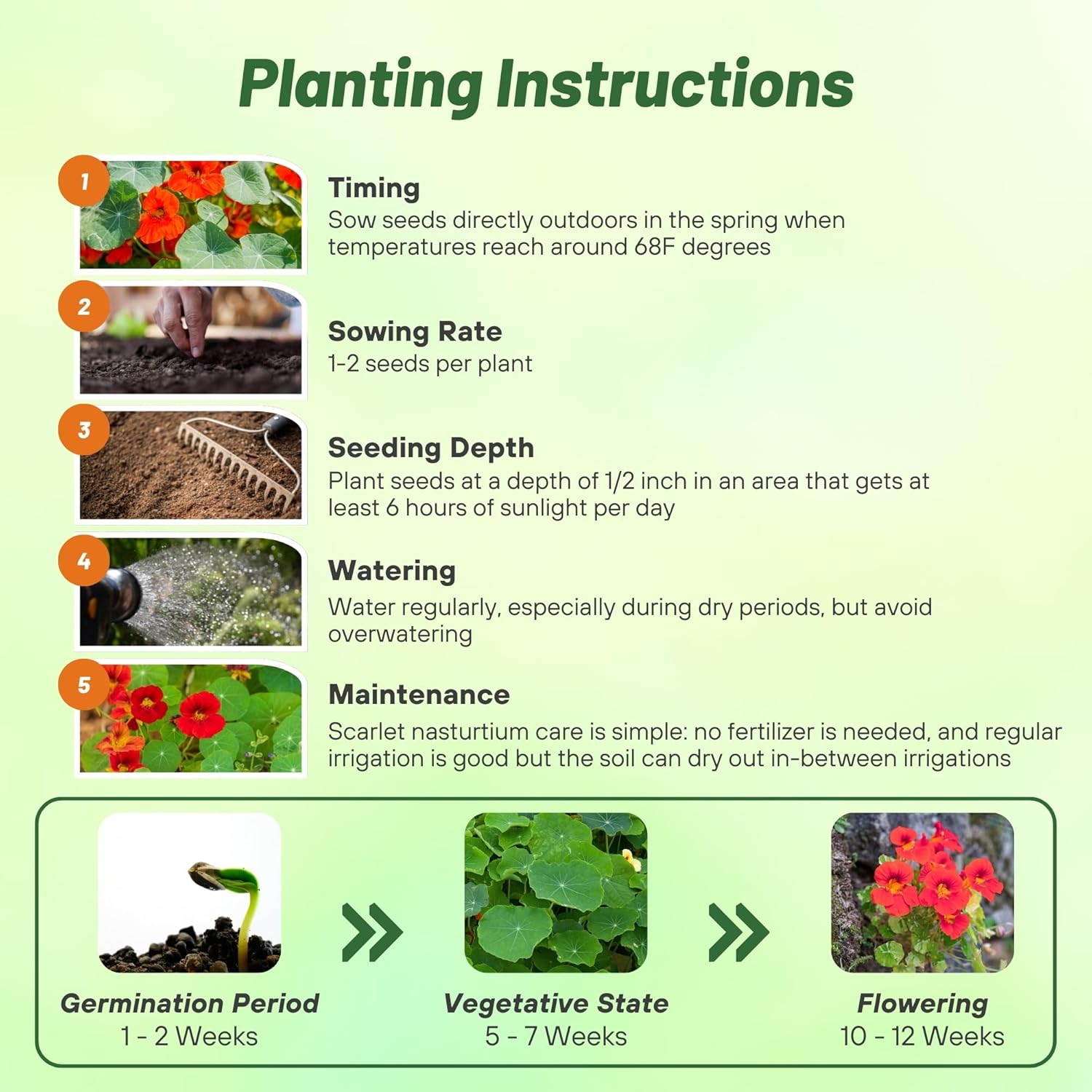
Planting Directions

TEMPERATURE
68F

AVERAGE GERM TIME
7 - 10 days

LIGHT REQUIRED
No

DEPTH
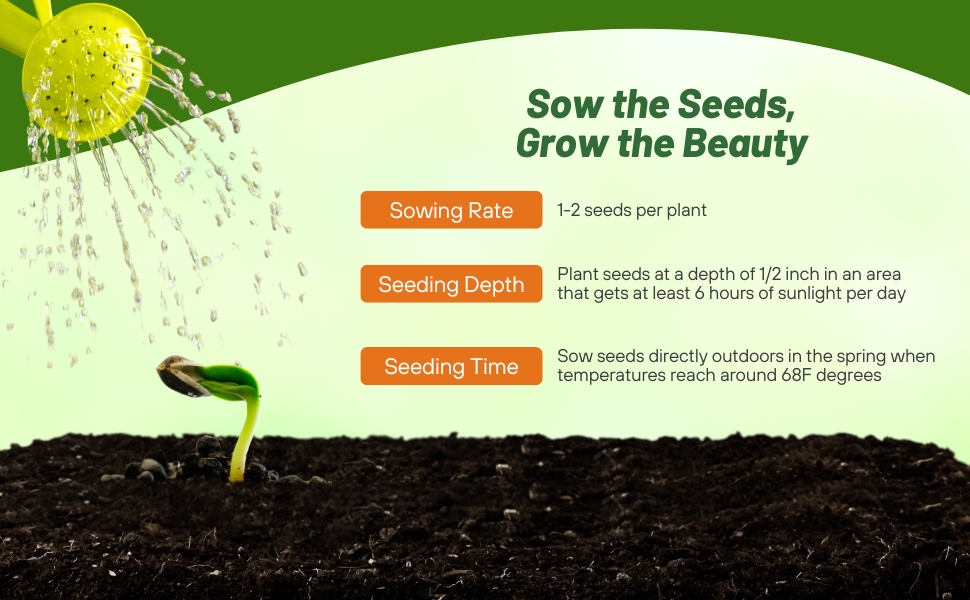
1/2 inch

SOWING RATE
1 - 2 seeds per plant

MOISTURE
Keep seeds moist until germination

PLANT SPACING
8 - 12 inches
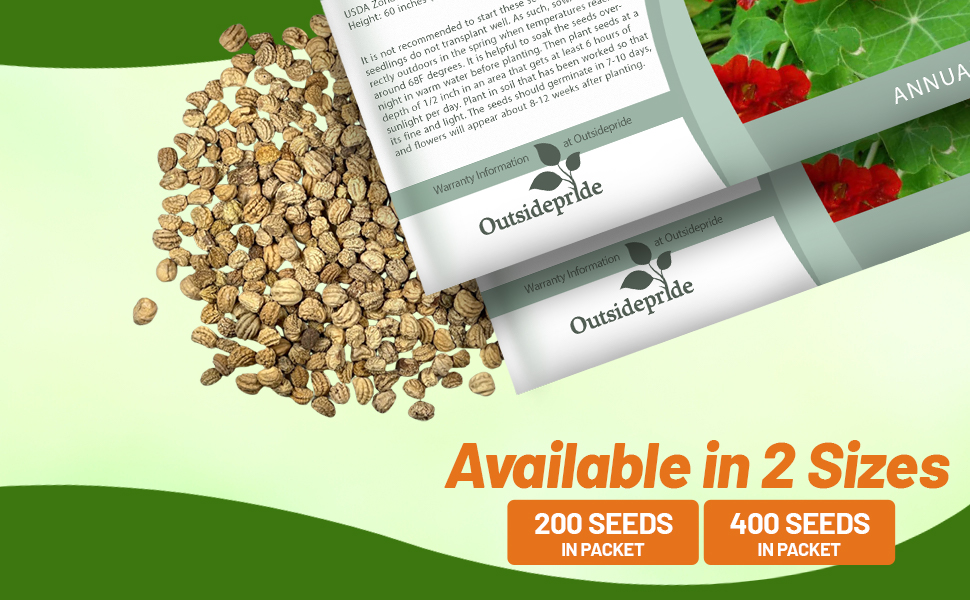
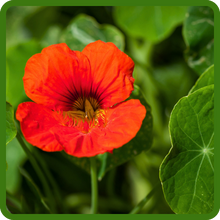

Nasturtium (Tropaeolum Majus Double Gleam Scarlet) - Nothing is more cheery and delightful than these popular annuals growing in the flower garden! They are easy to establish from seeds, and they are reliable for a great display every summer through fall. Many varieties have been derived from Tropaeolum Majus, including climbing, dwarf, and bushy plants. The scarlet gleam flowers are about 1 - 2 inches in diameter and are a brilliant shade of scarlet. All parts of the plant have a peppery taste, similar to arugula or water cress. In ancient times, this large flower seed was even ground up and was used as pepper. Another name for the plant is Nasturtium Indian Cress.
Scarlet nasturtium care is simple: no fertilizer is needed, and regular irrigation is good but the soil can dry out in-between irrigations. These vining climbers are used as companion plants for the vegetable garden. It is said that the peppery-flavored leaves ward off many insects. Tropaeolum Majus plants will grow anywhere as an annual, but they will only survive as a perennial in frost-free zones.
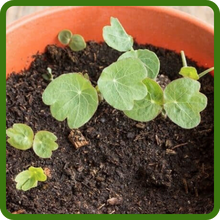
It is recommend to directly sow seeds outdoors in spring. The seedlings do not always transplant well into the garden when started indoors. Before sowing the flower seed, soak the seeds overnight in warm water. The next day, plant the seeds 1/2 inch deep in an area that gets at least 6 hours of direct sun each day. Have the soil worked so that it's fine and light. The flowers will appear in 8 - 12 weeks after being sown from flower seeds.
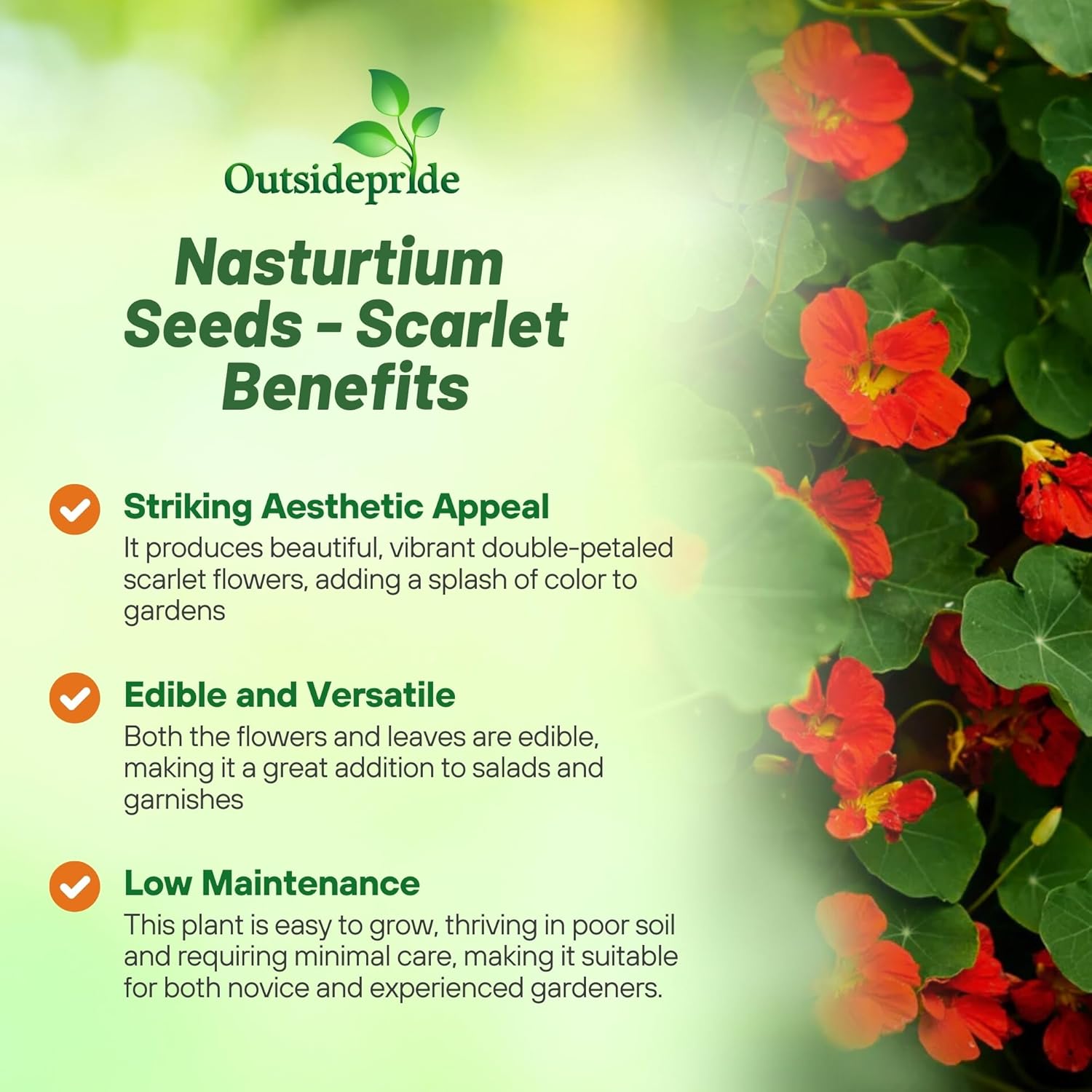
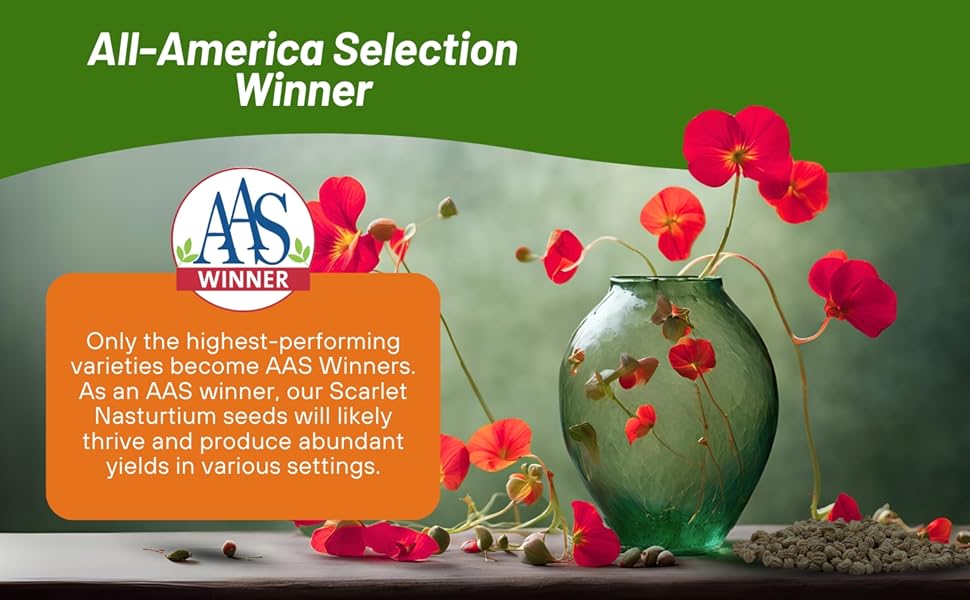
1935 AAS Flower Winner. 1935 AAS Gold Medal Winner with bright scarlet blooms and a semi-trailing habit adds fragrance and color to hanging baskets, window boxes, containers, or when spilling over a low wall. Makes a good ground cover in beds and does well on a trellis or fence. Prefers not to be fertilized. Rich moist soils produce lovely foliage but few blooms. The edible peppery tasting flowers and leaves can be used in salads and sandwiches.
Common Questions
Are the flowers edible?
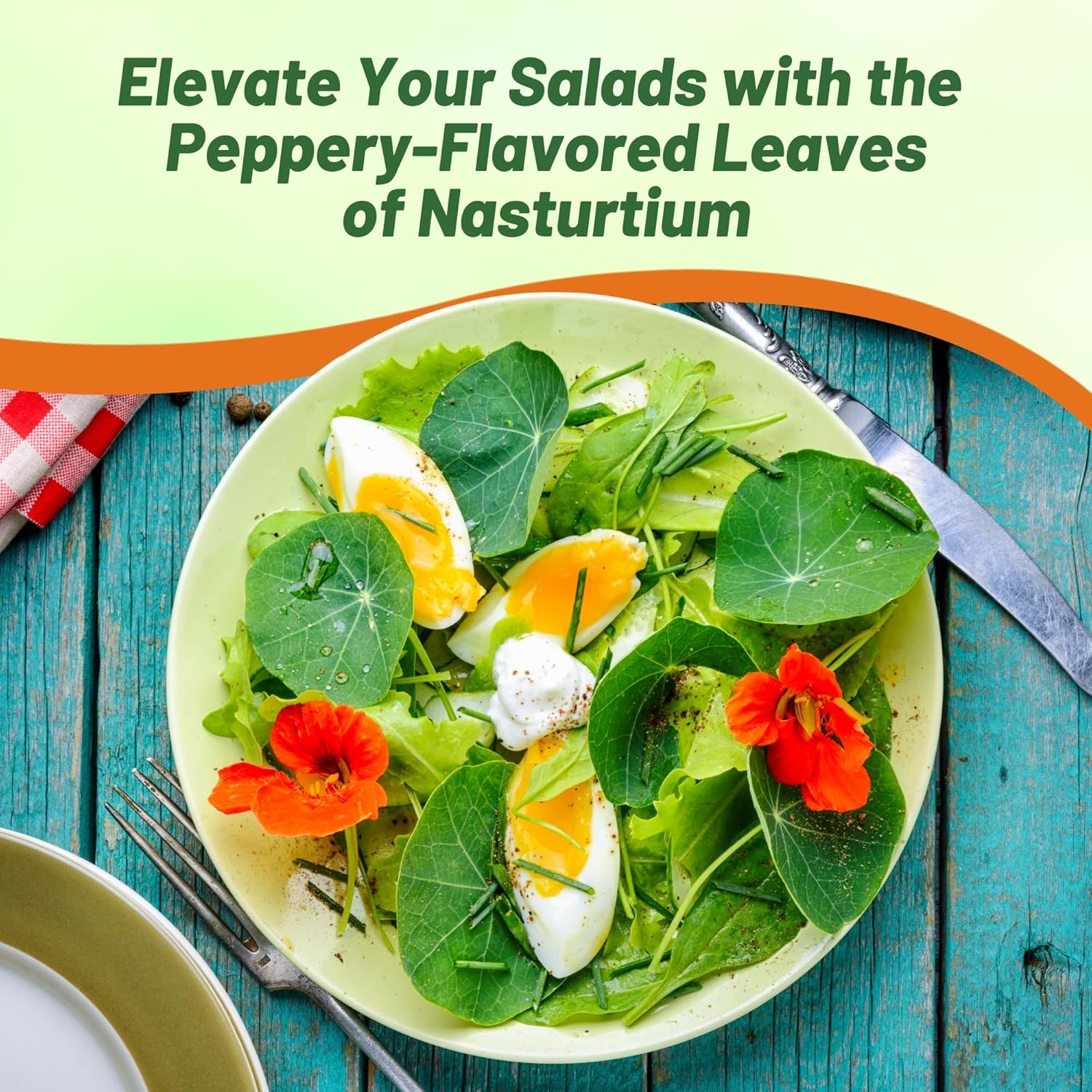
Yes, flowers have a peppery taste and are used to garnish salads or other dishes. Young leaves have a flavor like watercress and are good in salads.
Why didn’t my nasturtiums flower?
Nasturtiums like a poor soil so be very careful not to over fertilize the plants. The result is pretty plants but no flowers.
Why didn’t my seeds germinate?
Nasturtiums have a thick seed coat and should be soaked or filed with a nail file before sowing to aid in germination.
Do nasturtiums attract pollinators to my garden?
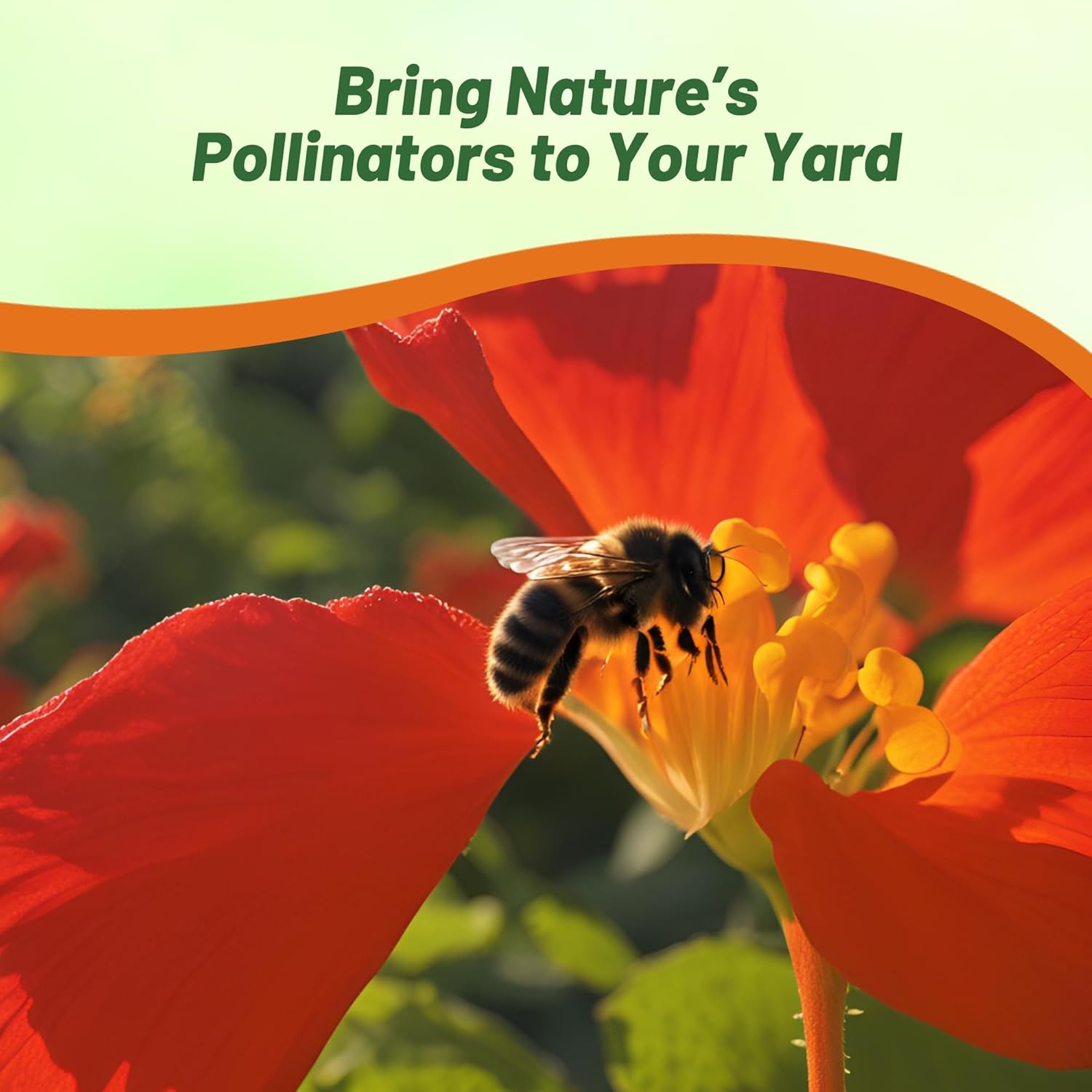
Yes, nasturtiums attract bees, butterflies, hummingbirds and other pollinators are drawn to these flowers.
What plants will benefit from using nasturtiums as a companion plant?
Nasturtiums make a good companion for: broccoli, Brussels sprouts, cabbage, cauliflower, cucumbers, kale, kohlrabi, pumpkins, radish, squash, tomato, and potato.
What are some recommended flowers to plant with nasturtiums?
Sunflowers, lavender, marigold, cosmos, zinnia and asters all look lovely and grow well with nasturtiums.
Do I need to deadhead my flowers?
Yes, to prolong your bloom season you will need to deadhead the flowers.
Videos