








-
CATEGORY ::
- All Seeds /
- All Flower Seeds /
- All Nasturtium Seeds
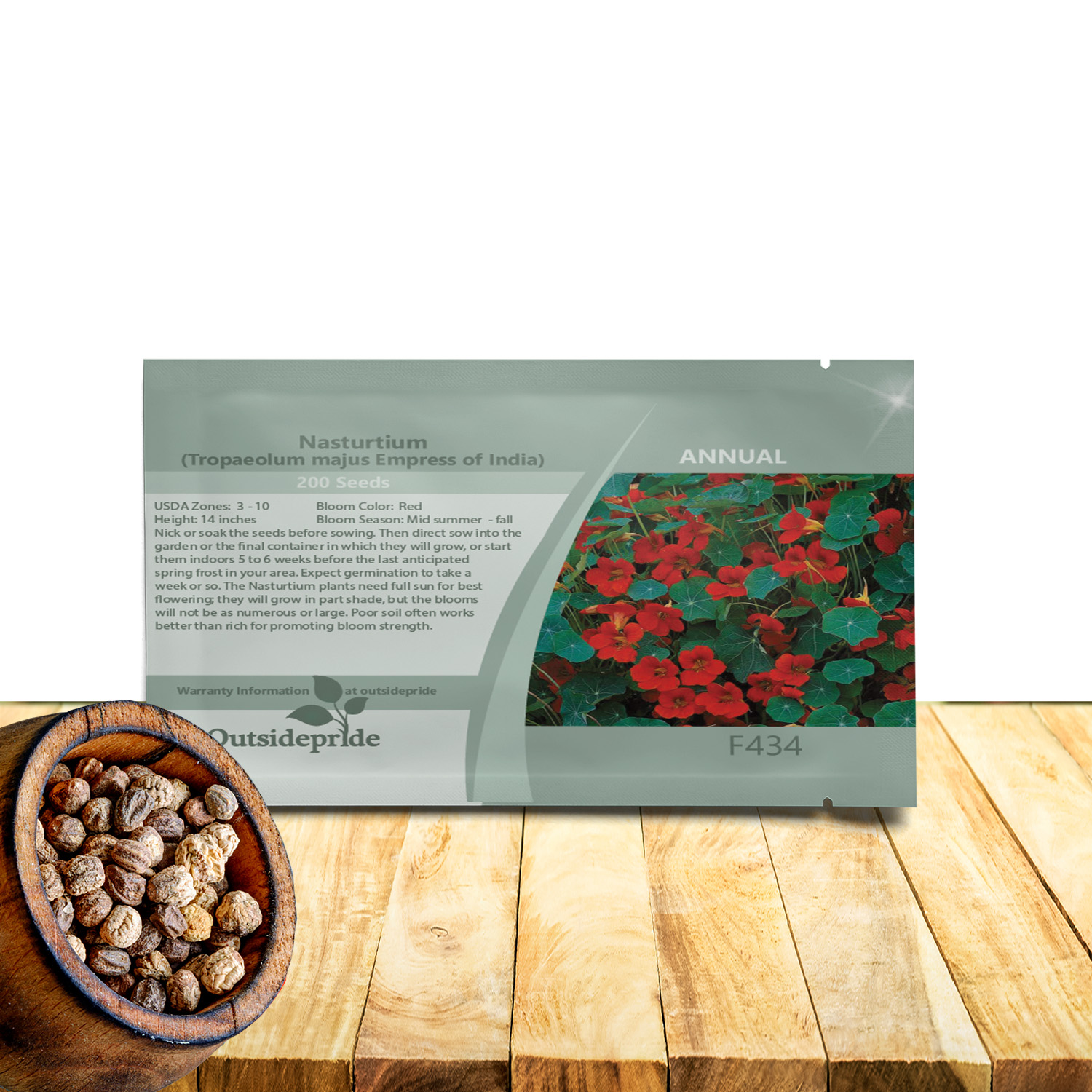

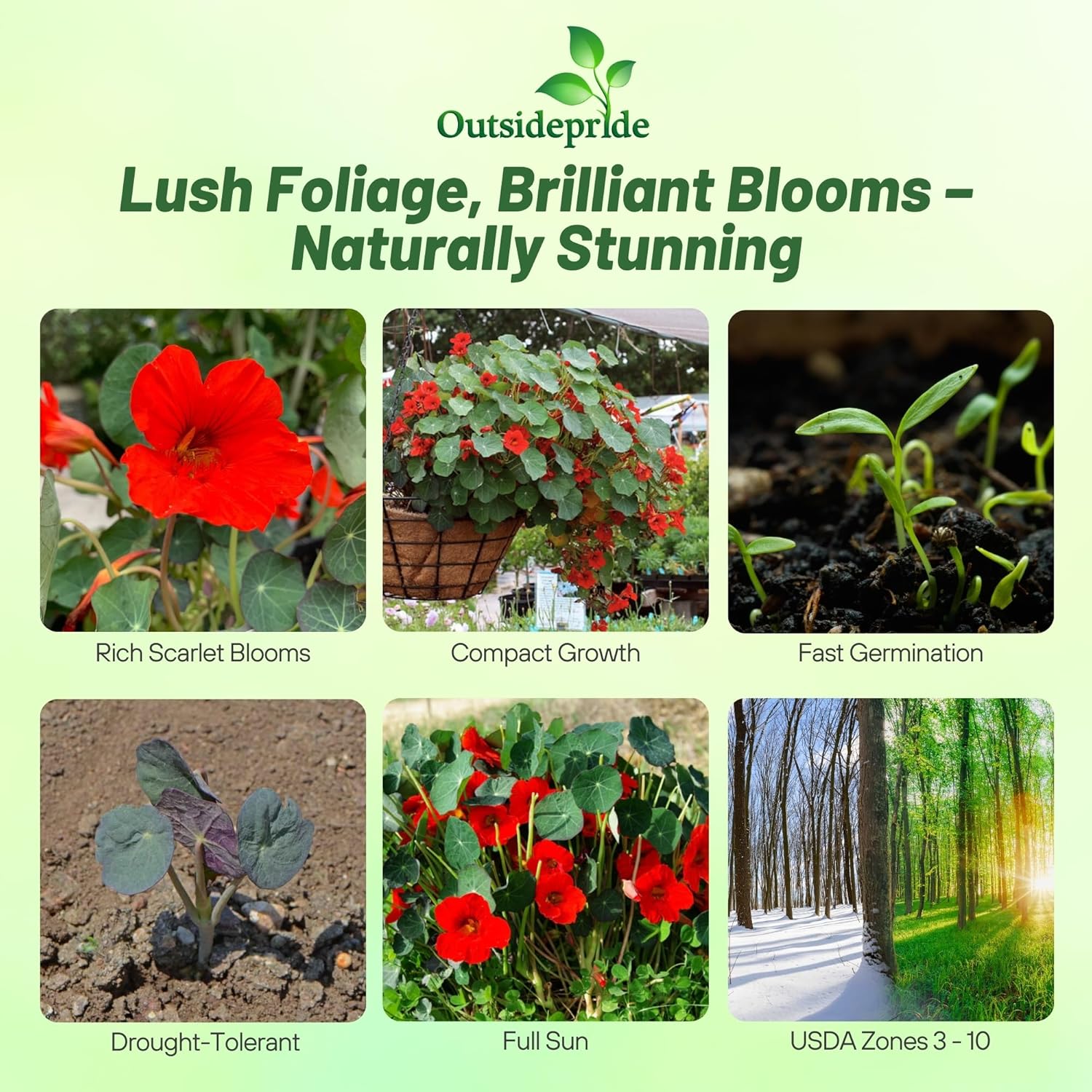
Nasturtium Seeds - Empress of India

SEASON
Annual

USDA ZONES
3 - 10

HEIGHT
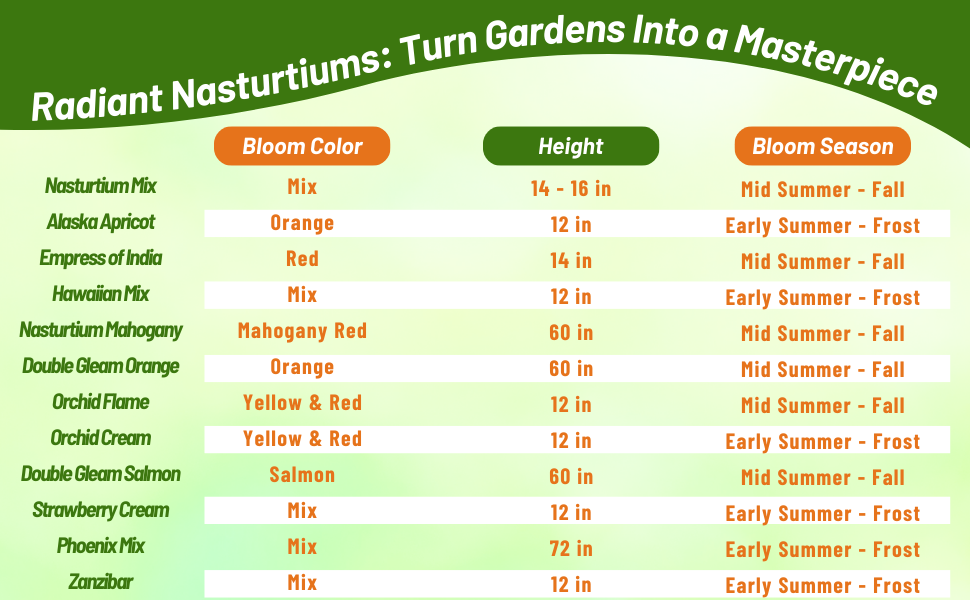
14 Inches

BLOOM SEASON
Mid summer through fall

BLOOM COLOR
Red

ENVIRONMENT
Full sun

SOIL TYPE
Well drained, pH 6.1 - 7.8

DEER RESISTANT
Yes

About...
Nasturtium (Tropaeolum majus Empress of India) - This classic nasturtium has dark blue-green foliage and brilliant crimson flowers on 12 - 14 inch mounded plants. This variety has been grown in the United States since the 1890s, and today it is perfect for everyone’s favorite contemporary gardening method: containers.MORE NASTURTIUM OPTIONS

Planting Directions

TEMPERATURE
68F

AVERAGE GERM TIME
7 - 10 days

LIGHT REQUIRED
No

DEPTH
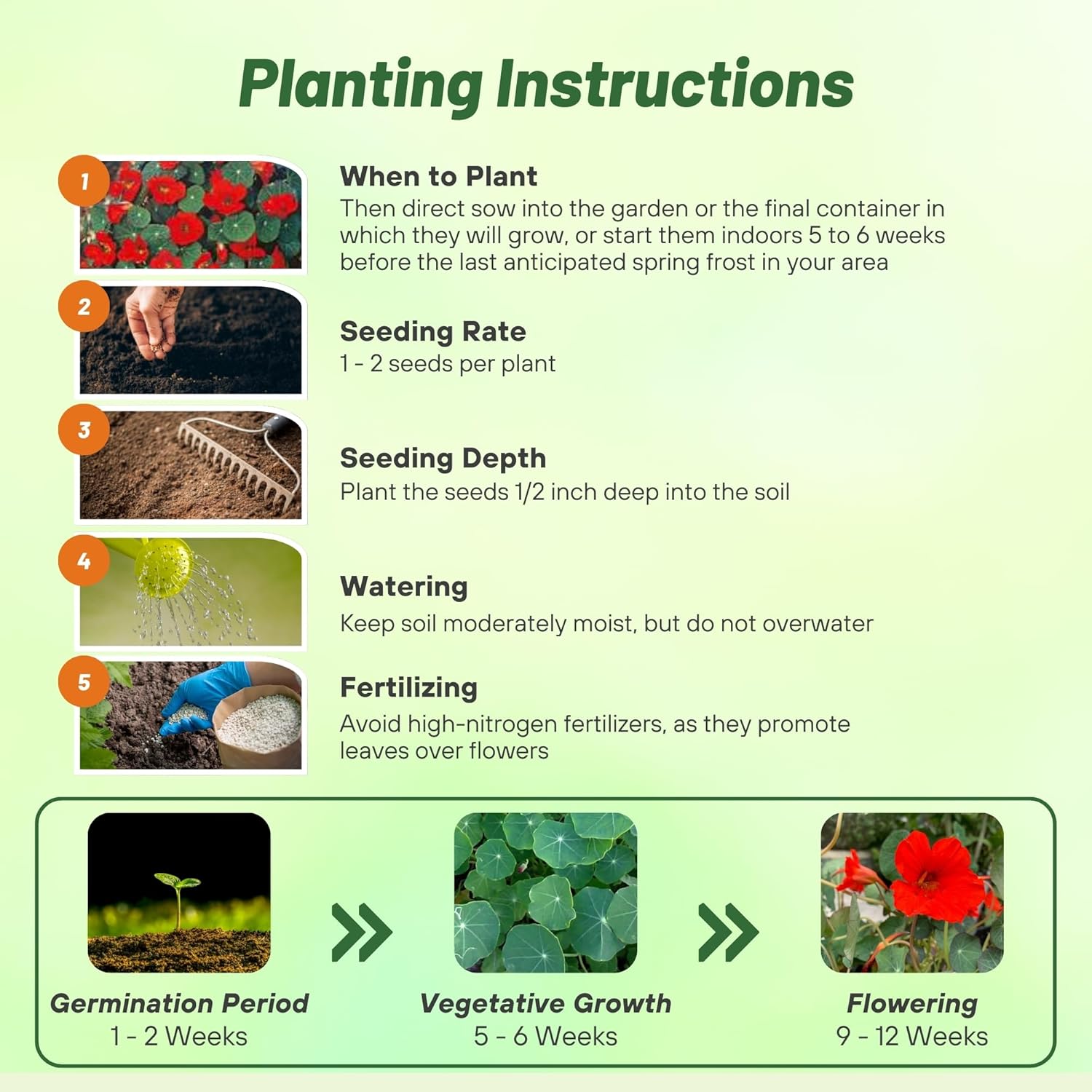
1/2 inch

SOWING RATE
1 - 2 seeds per plant

MOISTURE
Keep seeds moist until germination
PLANT SPACING
8 - 12 inches
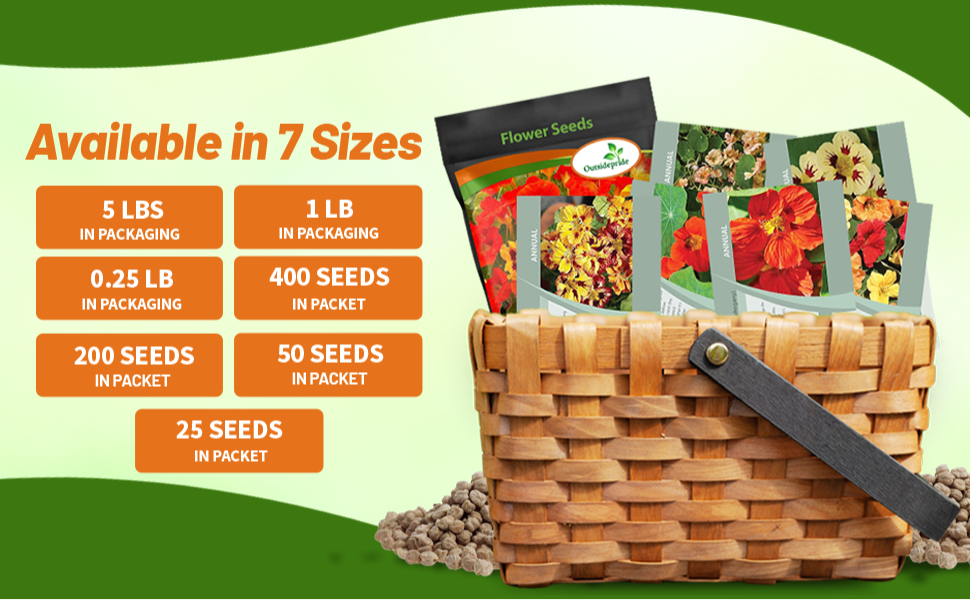
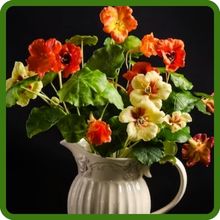
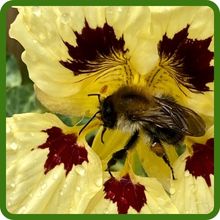
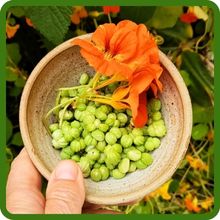
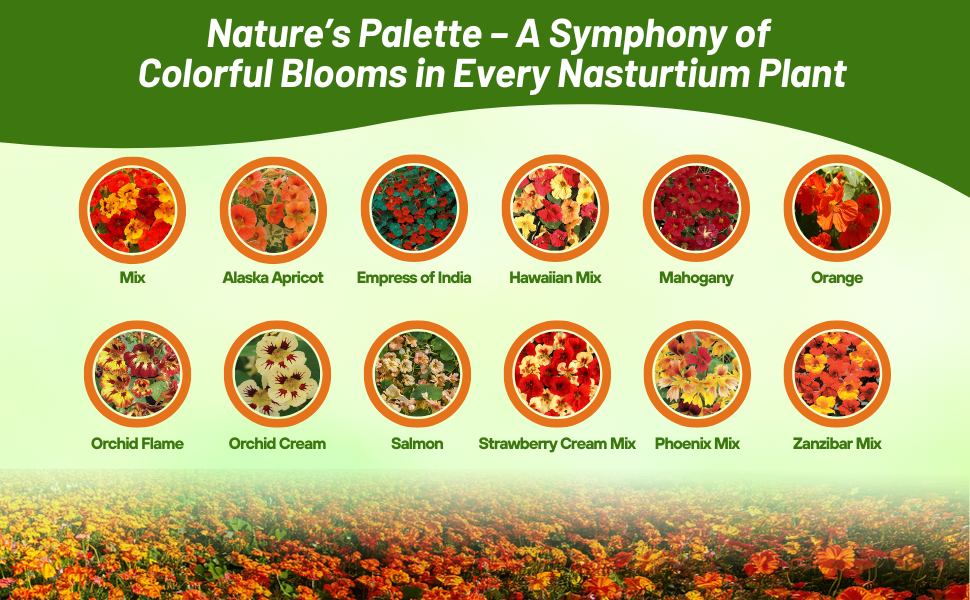
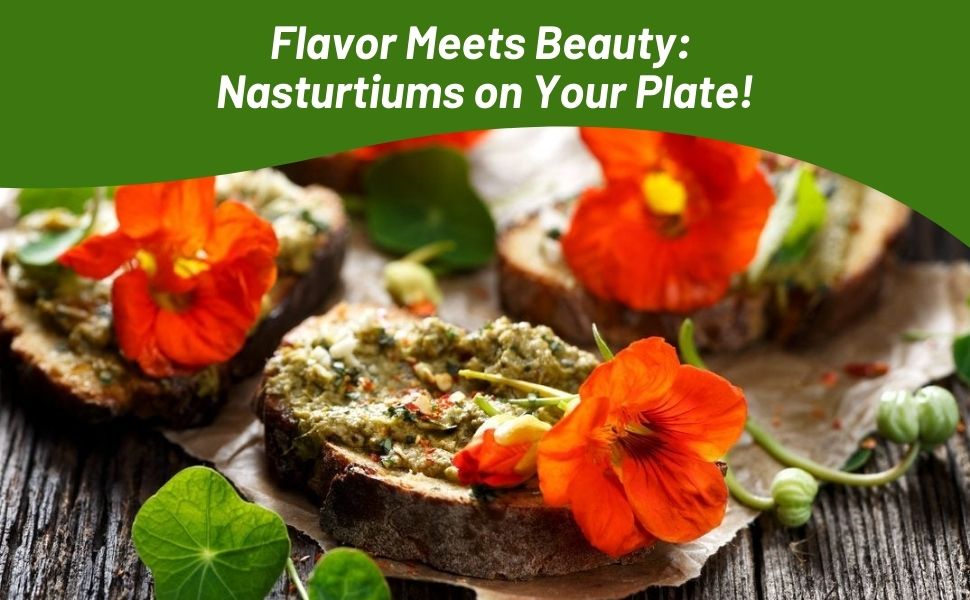
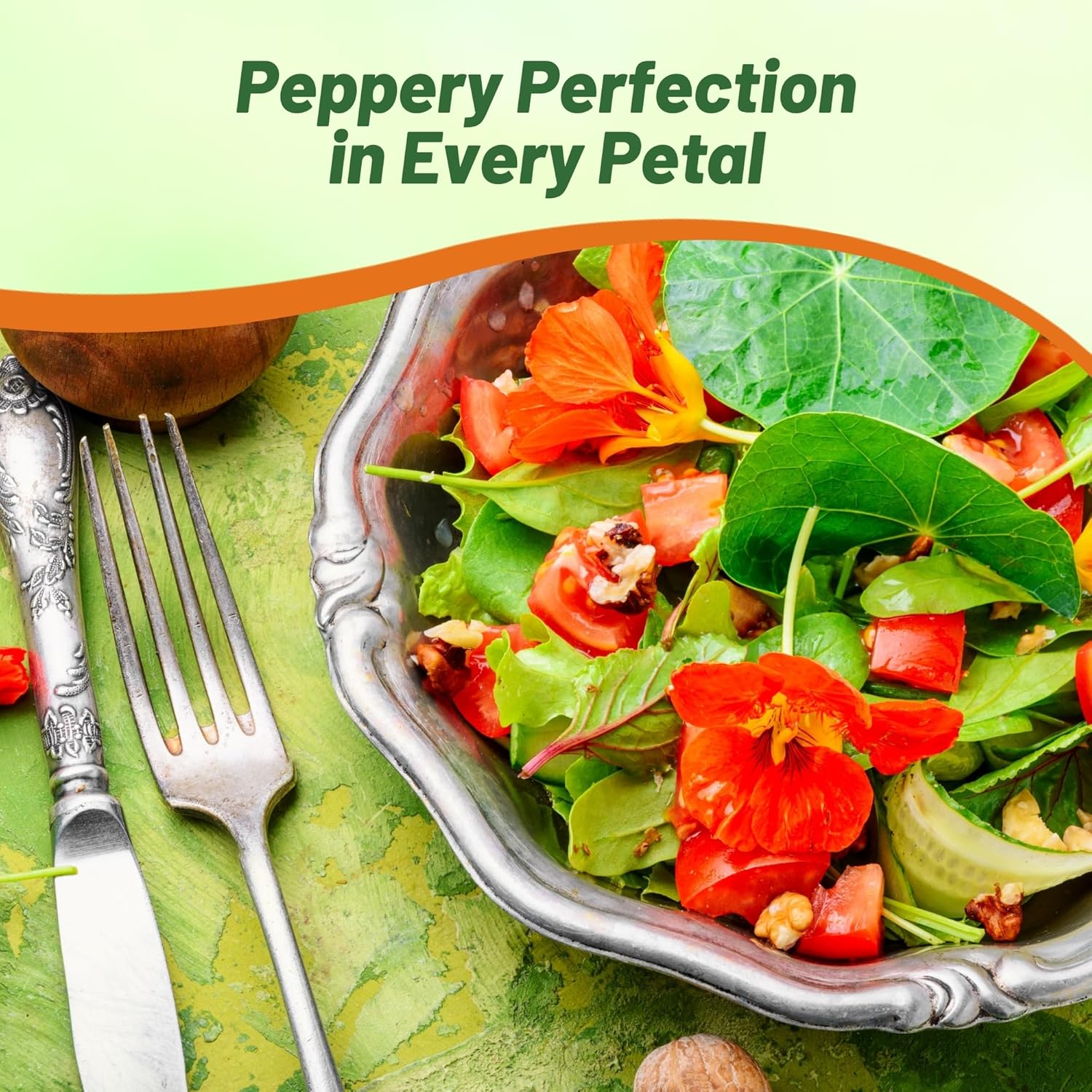
Nasturtium (Tropaeolum majus Empress of India) - This classic nasturtium has dark blue-green foliage and brilliant crimson flowers on 12 - 14 inch mounded plants. This variety has been grown in the United States since the 1890s, and today it is perfect for everyone’s favorite contemporary gardening method: containers. Empress of India Nasturtium, is a stunning garden accent. Beyond the garden, the edible flowers and leaves can add style and color to plates as a garnishment or as a peppery addition to salads and pastas.
Nasturtium is easy to grow from seed. Nick or soak the seeds before sowing. Then direct sow into the garden or the final container in which they will grow, or start them indoors 5 to 6 weeks before the last anticipated spring frost in your area. Expect germination to take a week or so. The Nasturtium plants need full sun for best flowering; they will grow in part shade, but the blooms will not be as numerous or large. Poor soil often works better than rich for promoting bloom strength.
Common Questions
Are the flowers edible?
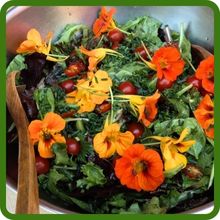
Yes, flowers have a peppery taste and are used to garnish salads or other dishes. Young leaves have a flavor like watercress and are good in salads.
Why didn’t my nasturtiums flower?
Nasturtiums like a poor soil so be very careful not to over fertilize the plants. The result is pretty plants but no flowers.
Why didn’t my seeds germinate?
Nasturtiums have a thick seed coat and should be soaked or filed with a nail file before sowing to aid in germination.
Do nasturtiums attract pollinators to my garden?
Yes, nasturtiums attract bees, butterflies, hummingbirds and other pollinators are drawn to these flowers.
What plants will benefit from using nasturtiums as a companion plant?
Nasturtiums make a good companion for: broccoli, Brussels sprouts, cabbage, cauliflower, cucumbers, kale, kohlrabi, pumpkins, radish, squash, tomato, and potato.
What are some recommended flowers to plant with nasturtiums?
Sunflowers, lavender, marigold, cosmos, zinnia and asters all look lovely and grow well with nasturtiums.
Do I need to deadhead my flowers?
Yes, to prolong your bloom season you will need to deadhead the flowers.
Videos