

Limnanthes Douglasii Seeds - Meadowfoam Ground Cover Seed

Limnanthes Douglasii Seeds

1000 Seeds
.......................................................................................................................................................
4.99
2000 Seeds
.......................................................................................................................................................
8.99

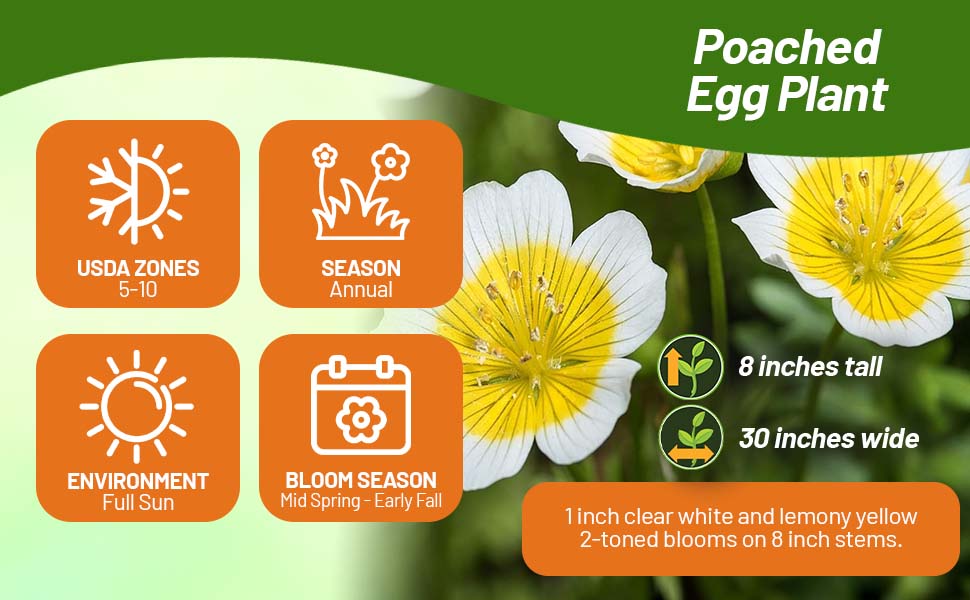
SEASON

Annual

USDA ZONES

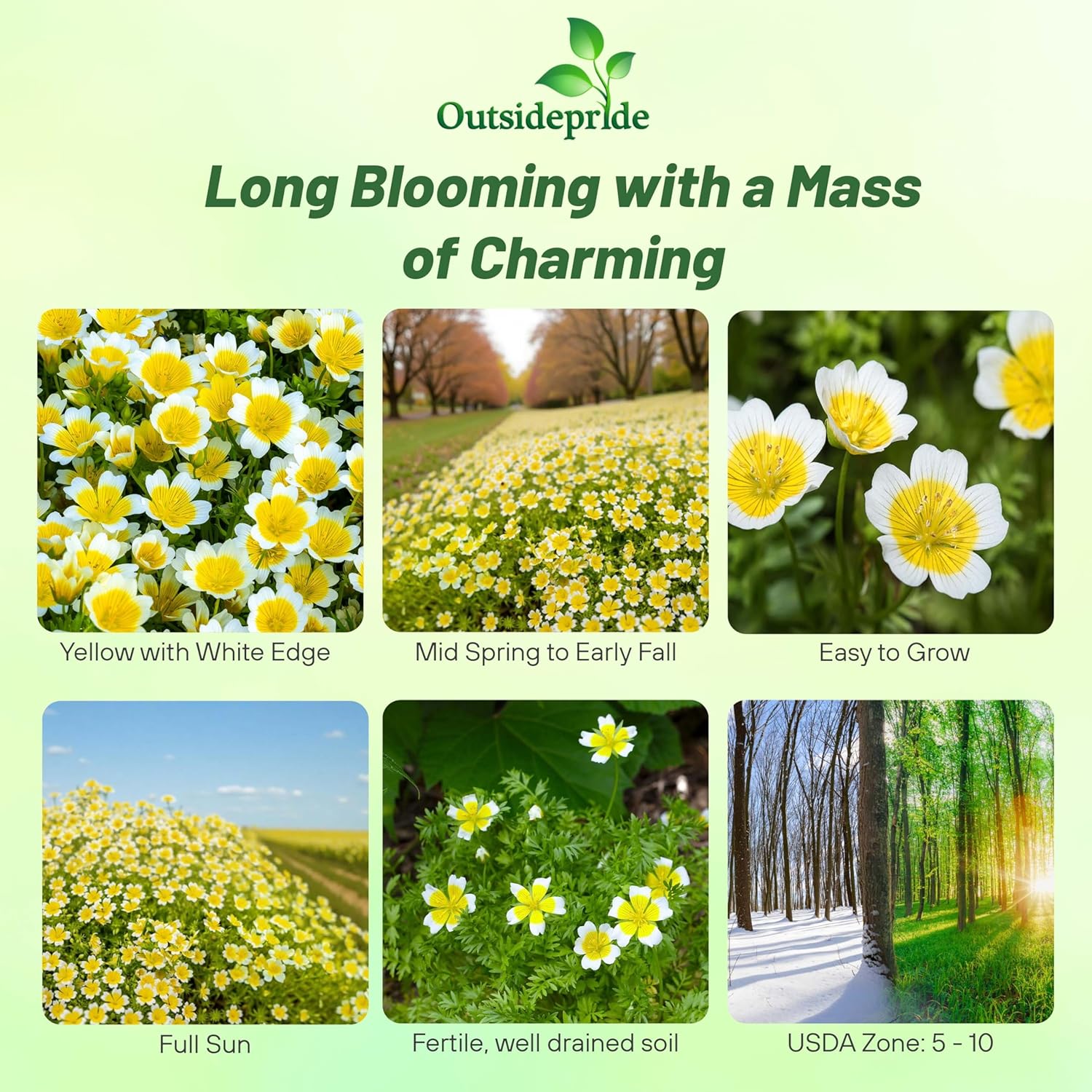
5 - 10

HEIGHT

8 inches

WIDTH

30 inches

BLOOM SEASON

Mid spring to early fall

BLOOM COLOR

Yellow with white edge

GROWTH RATE

Fast

ENVIRONMENT

Full sun

DEER RESISTANT

Yes

LATIN NAME

Limnanthes douglasii

About...

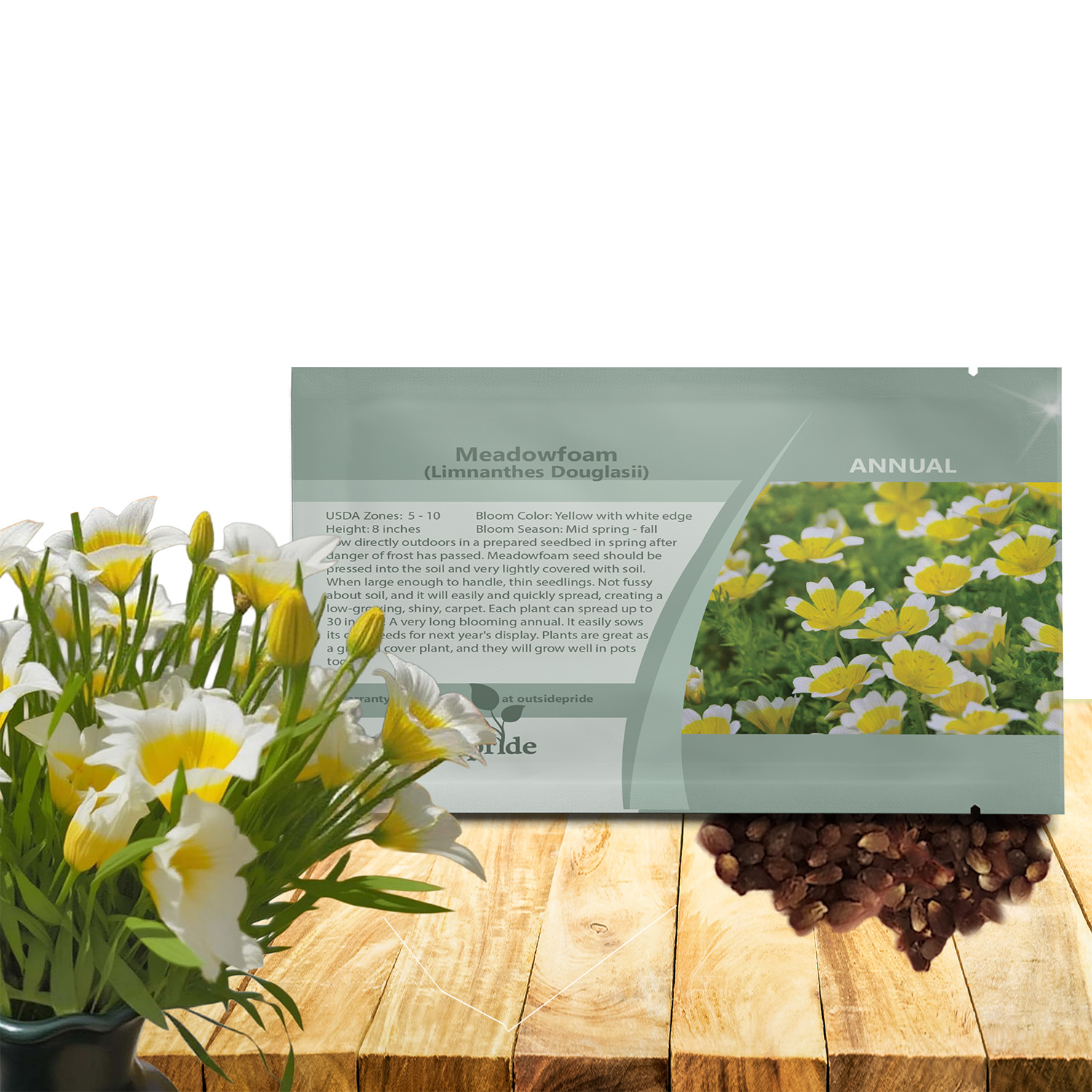
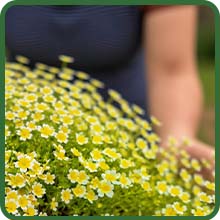
Meadowfoam (Limnanthes Douglasii) - Grow Limnanthes Douglasii seeds for this annual that is native to California. Limnanthes is commonly called Poached Egg Plant or Meadowfoam, and it is not only visually very striking and attractive, but it also has a very nice aroma as well.
ABOUT
FAQ's
VIDEOS

Planting Directions

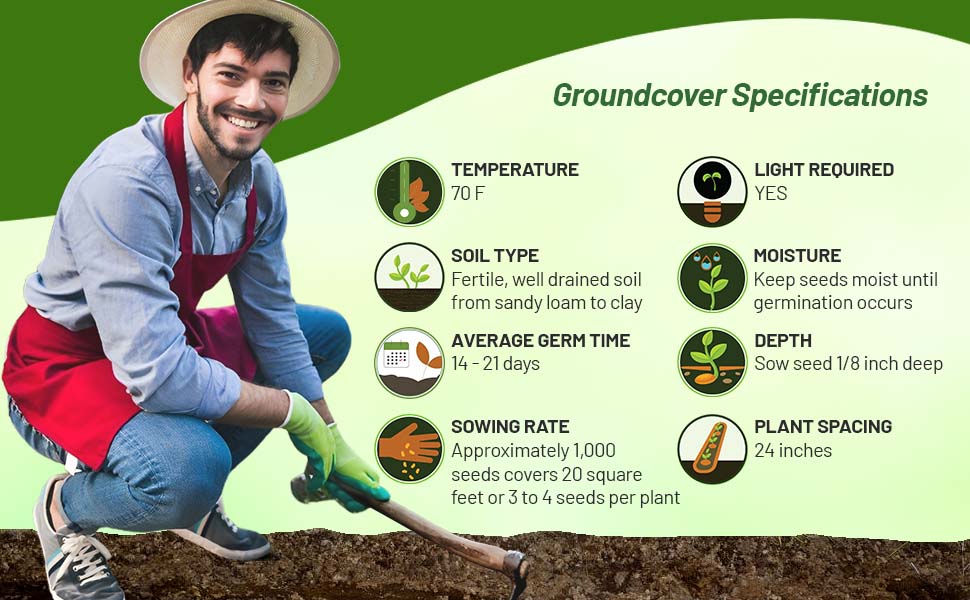
TEMPERATURE

70F

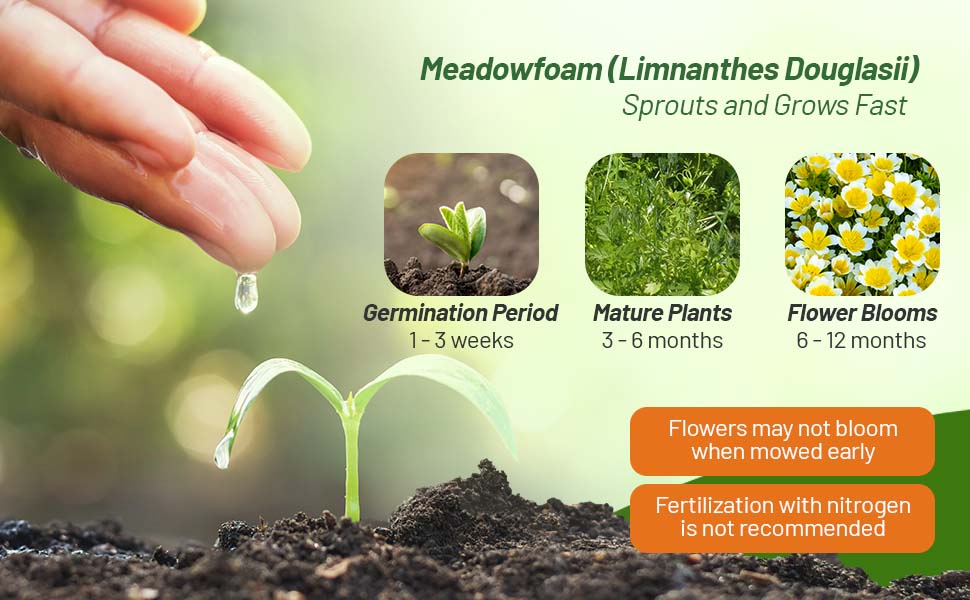
AVERAGE GERM TIME

14 - 21 days

LIGHT REQUIRED

Yes

DEPTH

Sow seed 1/8 inch deep

SOIL TYPE

Fertile, well draind soil from sandy loam to clay

SOWING RATE

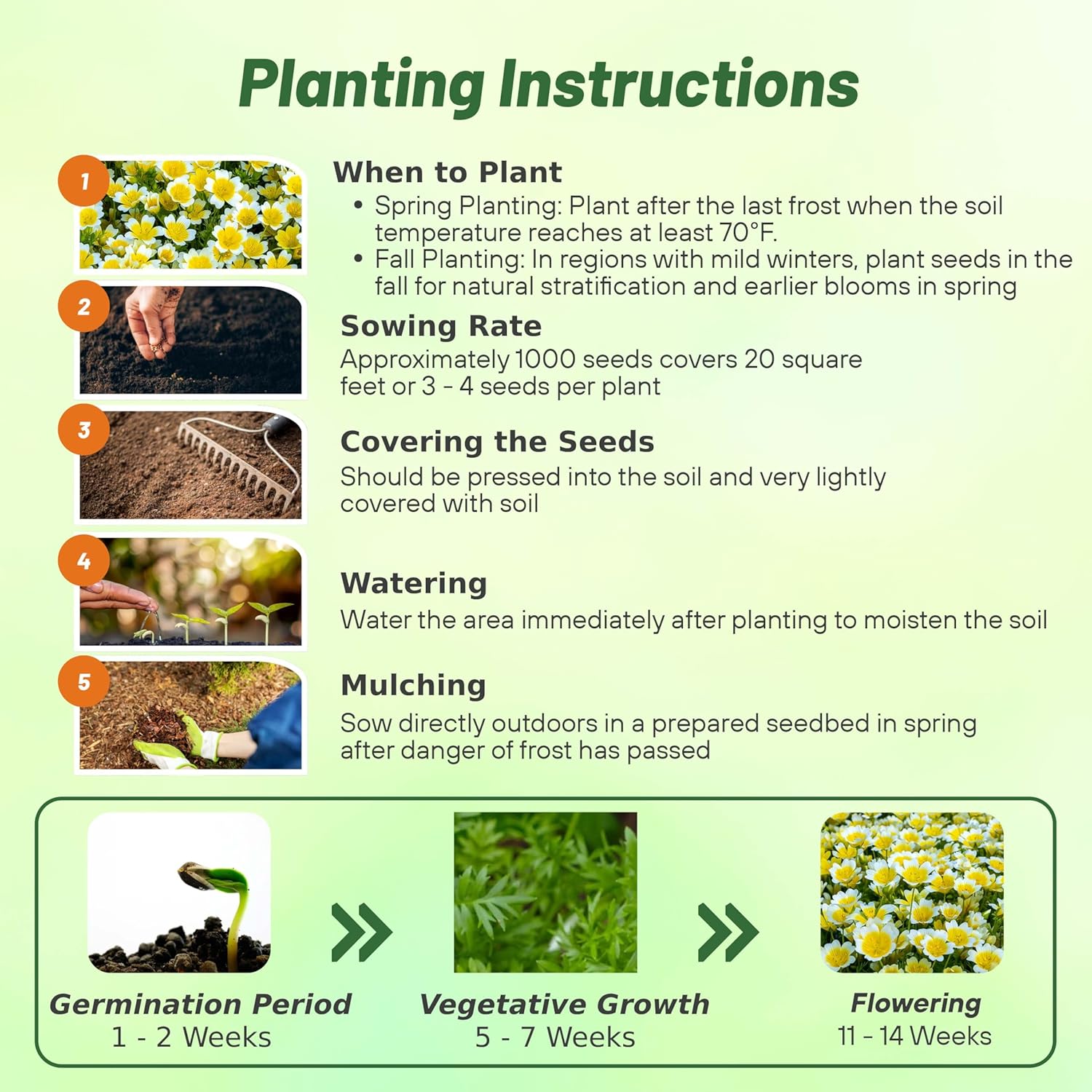
Approximately 1000 seeds covers 20 square feet or 3 - 4 seeds per plant

MOISTURE

Keep seeds moist until germination occurs

PLANT SPACING

24 inches

Meadowfoam Poached Egg Plant Flowers
Meadowfoam Poached Egg Plant Seed Packet For Planting
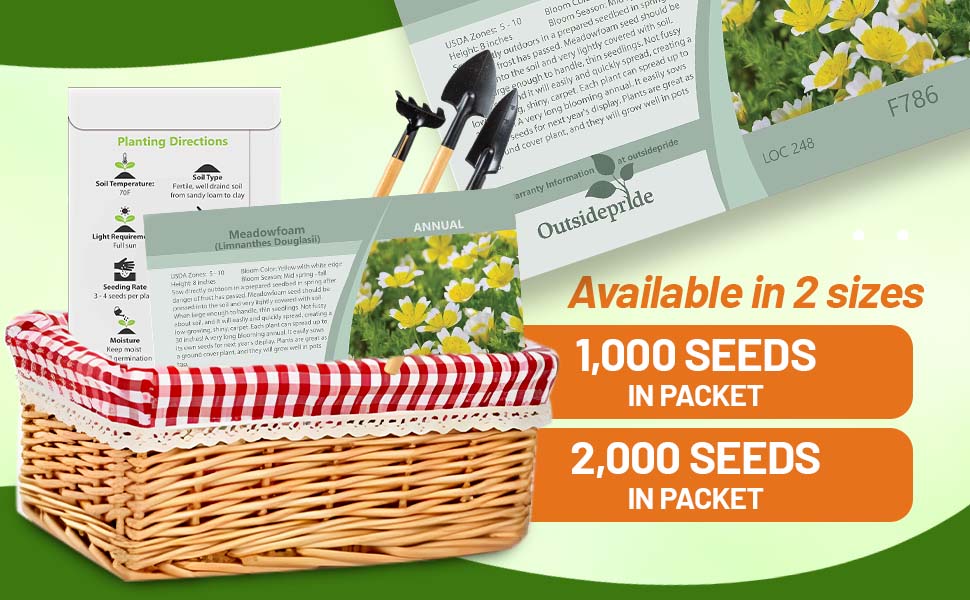
Add a splash of color and support local pollinators with Outsidepride Meadowfoam Poached Egg plant seeds (Limnanthes douglasii). Available in 1,000 and 2,000 seed packets, perfect for creating a stunning display of yellow and white blooms that resemble poached eggs. Easy to grow and low-maintenance, these wildflowers thrive in various soil conditions, making them ideal for gardeners of all skill levels. Whether enhancing a flower bed or starting a pollinator-friendly meadow, these vibrant blooms will bring beauty and biodiversity to your outdoor space.
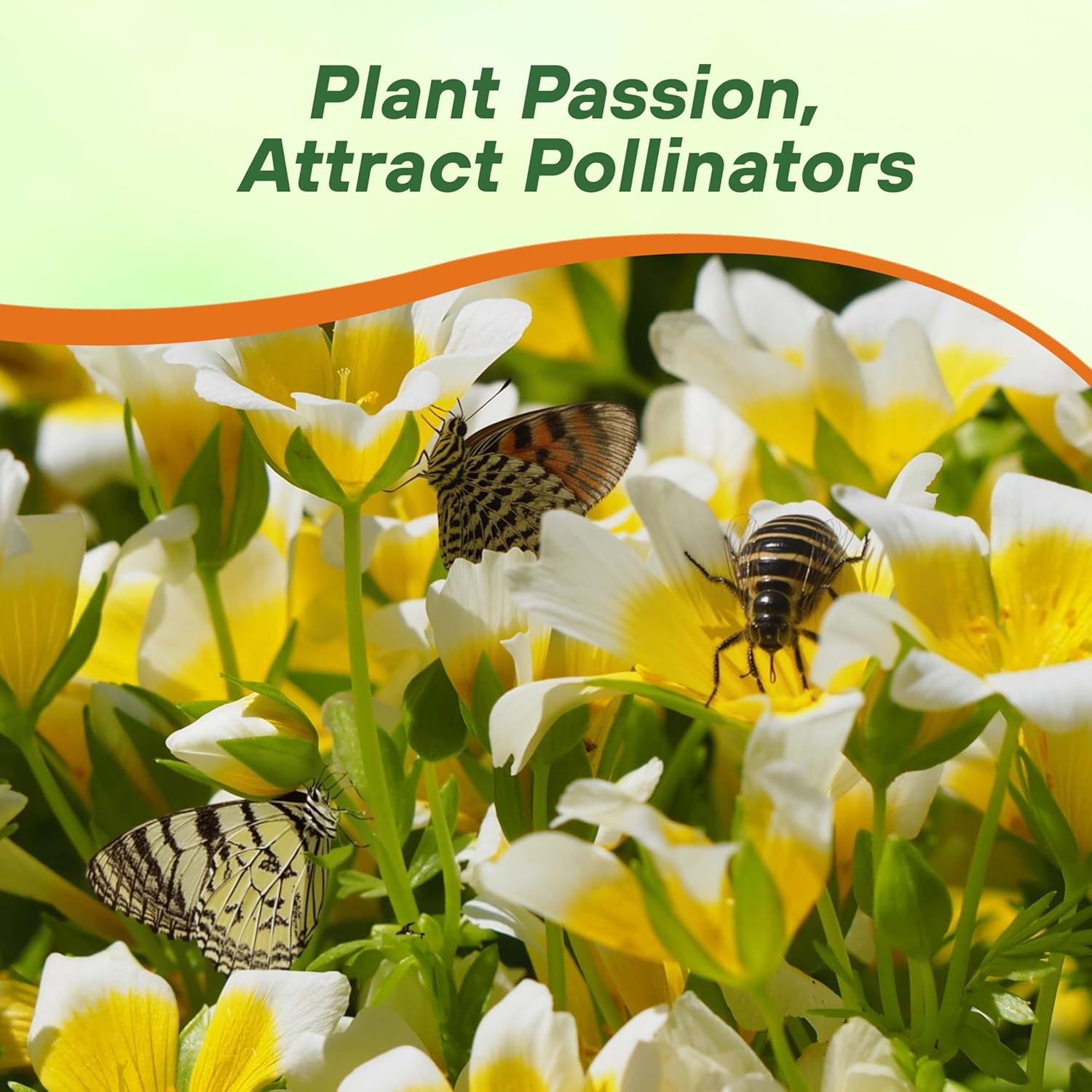
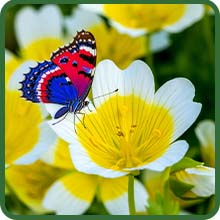
Butterfly Pollinating Meadowfoam Poached Egg Plant
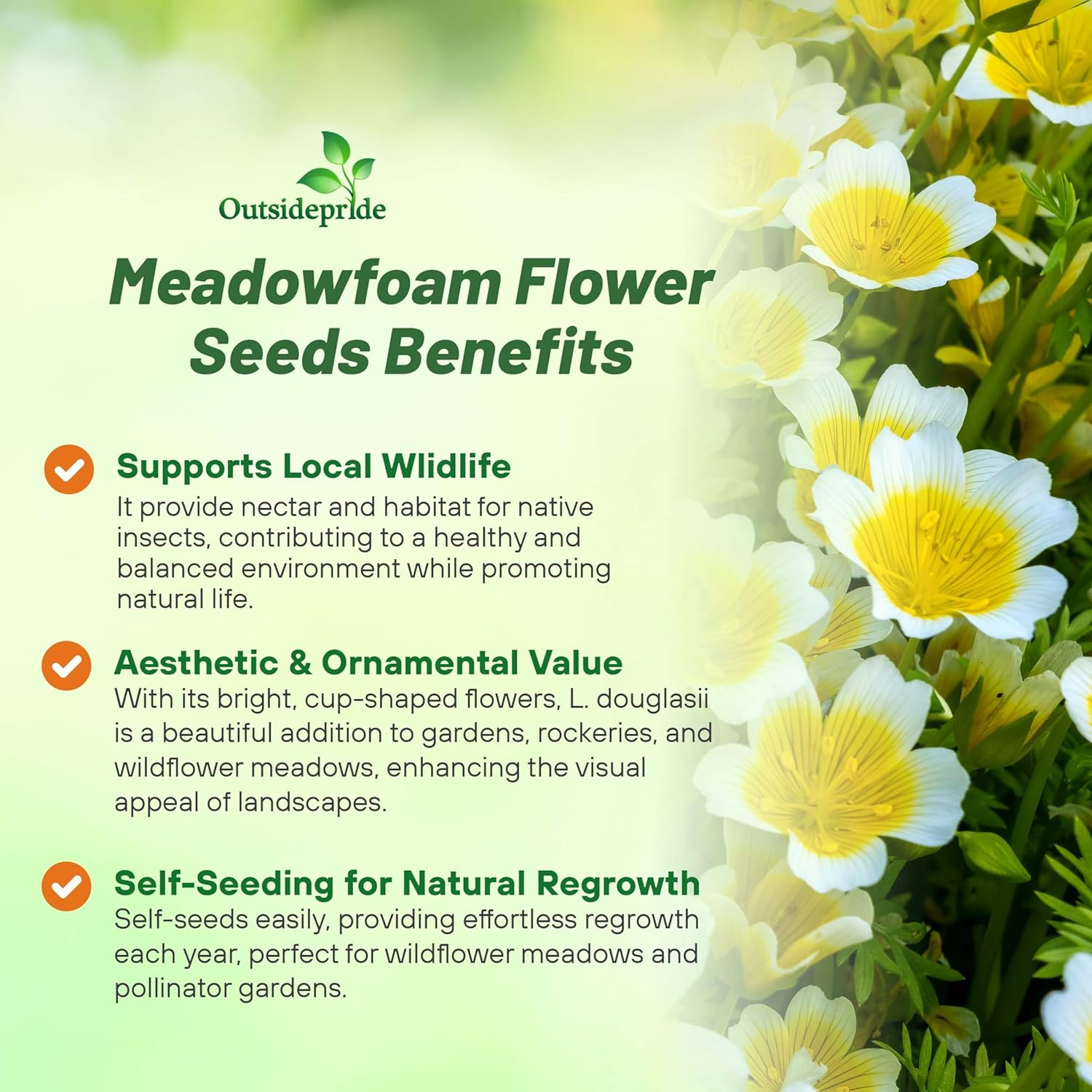
Supports Local Wildlife
Meadowfoam wild flowers provides nectar and habitat for native insects, contributing to a healthy and balanced habitat while promoting healthy environment.
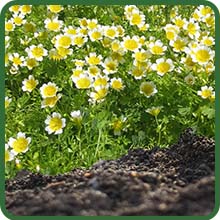
Dense Flowering LImnanthes Meadowfoam Poached Egg Plant
Improves Soil Health
Meadowfoam flower seeds helps retain soil moisture and enhances soil quality by preventing compaction and promoting beneficial microbial activity.
Compact Growth of Meadowfoam Poached Egg Plant Limnanthes
Aesthetic & Ornamental Value
With its bright, cup-shaped flowers, Limnanthes Douglasii is a beautiful addition to gardens, rockeries, and wildflower meadows, enhancing the visual appeal of landscapes.
Low Maintenance Meadowfoam Poached Egg Plant
Low Maintenance & Easy to Grow
This plant thrives in moist conditions, grows rapidly, and requires minimal care, making it an excellent choice for gardeners looking for an easy-to-maintain wildflower.
Dwarf, Compact Meadowfoam Poached Egg Plant Ground Cover
Transform your garden with Outsidepride Meadowfoam Poached Egg Plant Seeds (Limnanthes douglasii), an easy-to-grow wildflower that thrives in USDA zones 5-10. This sun-loving annual produces charming 1-inch blooms with crisp white petals and bright lemon-yellow centers, creating a striking contrast. Growing up to 8 inches tall and spreading 30 inches wide, these flowers sit atop delicate 8-inch stems, forming a lush, pollinator-friendly ground cover. Blooming from mid-spring through early fall, Meadowfoam is perfect for garden beds, borders, and wildflower meadows, bringing effortless beauty and biodiversity to your landscape.
Fast Growing Meadowfoam Poached Egg Plant Ground Cover
The Meadowfoam garden seeds offer gardeners an opportunity to cultivate Limnanthes douglasii, commonly known as the Poached Egg Plant. This annual wildflower is celebrated for its vibrant yellow and white blooms, which resemble poached eggs and add a cheerful touch to any garden. Beyond its aesthetic appeal, Meadowfoam is low-maintenance and thrives in various soil conditions, making it ideal for novice and experienced gardeners. Its flowers attract beneficial pollinators, supporting local wildlife. Sowing these annual wildflower seeds can enhance garden biodiversity while providing visual delight throughout the blooming season.
Planting Directions for Meadowfoam Poached Egg Plant Flower Seeds
Outsidepride Meadowfoam pollinator flower seeds provide an excellent ground cover option for gardeners seeking vibrant, low-maintenance beauty. Best grown in temperatures around 70°F, this sun-loving annual flourishes in fertile, well-drained soil ranging from sandy loam to clay. With an average germination time of 14-21 days, these seeds should be sown at a depth of 1/8 inch and kept moist until germination occurs. A sowing rate of approximately 1,000 seeds covers 20 square feet, or plant 3-4 seeds per individual plant with 24-inch spacing for optimal growth. Reaching a height of 8 inches with a 30-inch spread, these two-toned white and yellow blooms on delicate 8-inch stems create a lush, pollinator-friendly groundcover from mid-spring to early fall.

Meadowfoam (Limnanthes Douglasii) - Grow Limnanthes Douglasii seeds for this annual that is native to California. Limnanthes is commonly called Poached Egg Plant or Meadowfoam, and it is not only visually very striking and attractive, but it also has a very nice aroma as well. Limnanthes Poached Egg Plant is not fussy about soil, and it will easily and quickly spread, creating a low-growing, shiny, carpet. Each meadowfoam plant can spread up to 30 inches! Poached Egg Limnanthes is a very long blooming annual with a mass of charming, 1 inch clear white and lemony yellow 2-toned blooms on 8 inch stems. It easily sows its own flower seeds for next year's display. Meadowfoam plants are great as a ground cover plant, and they will grow well in pots too.

Sow Limnanthes Douglasii seeds directly outdoors in a prepared seedbed in spring after danger of frost has passed. Meadowfoam seed should be pressed into the soil and very lightly covered with soil. When large enough to handle, thin the Poached Egg Plant seedlings. 


Common Questions

Q

What are these flowers used for in the landscape?

A

These are great for beds and borders, city gardens, prairie gardens, cottage gardens and in containers.

Q

Do these flowers attract any pollinators?

A

Yes, these flowers will reward your garden by attracting bees, butterflies and pollinating insects.

Q

Do I need to prune at the end of their bloom season?

A

Yes, these should be pruned back after they are done flowering.

Videos

HOW ITS MADE