
Linaria Alpina Seeds - Alpine Toadflax Ground Cover Seed

Linaria Alpina Seeds

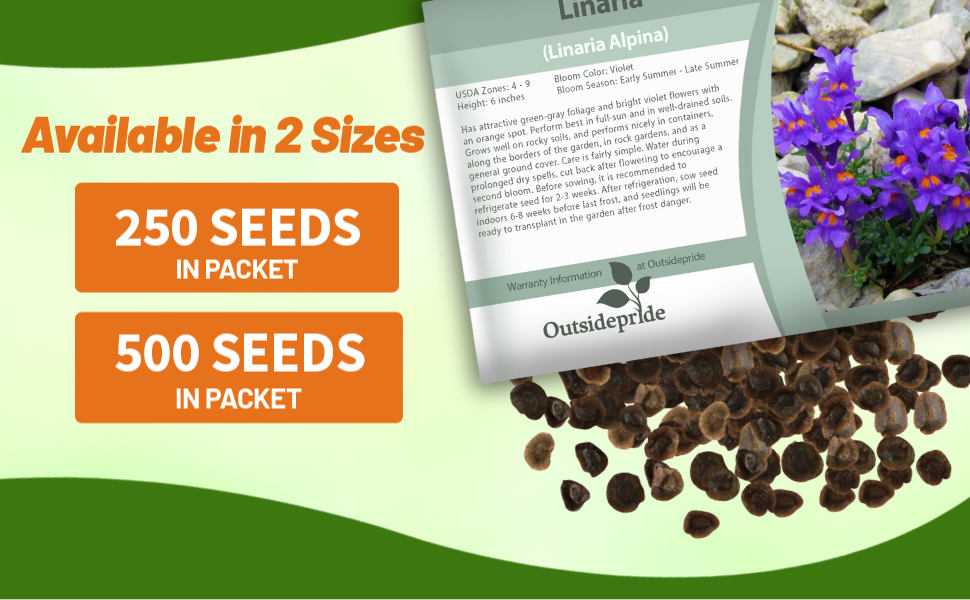
250 Seeds
.......................................................................................................................................................
4.99
500 Seeds
.......................................................................................................................................................
8.99

SEASON

Perennial

USDA ZONES

4 - 9

HEIGHT

6 inches

WIDTH

12 inches

BLOOM SEASON

Early summer to late summer

BLOOM COLOR

Violet

GROWTH RATE

Moderate

ENVIRONMENT

Full sun to partial shade

DEER RESISTANT

Yes

SOIL TYPE

Well-drained, sandy, pH 5.8 - 7.2

LATIN NAME

Linaria alpina

About...

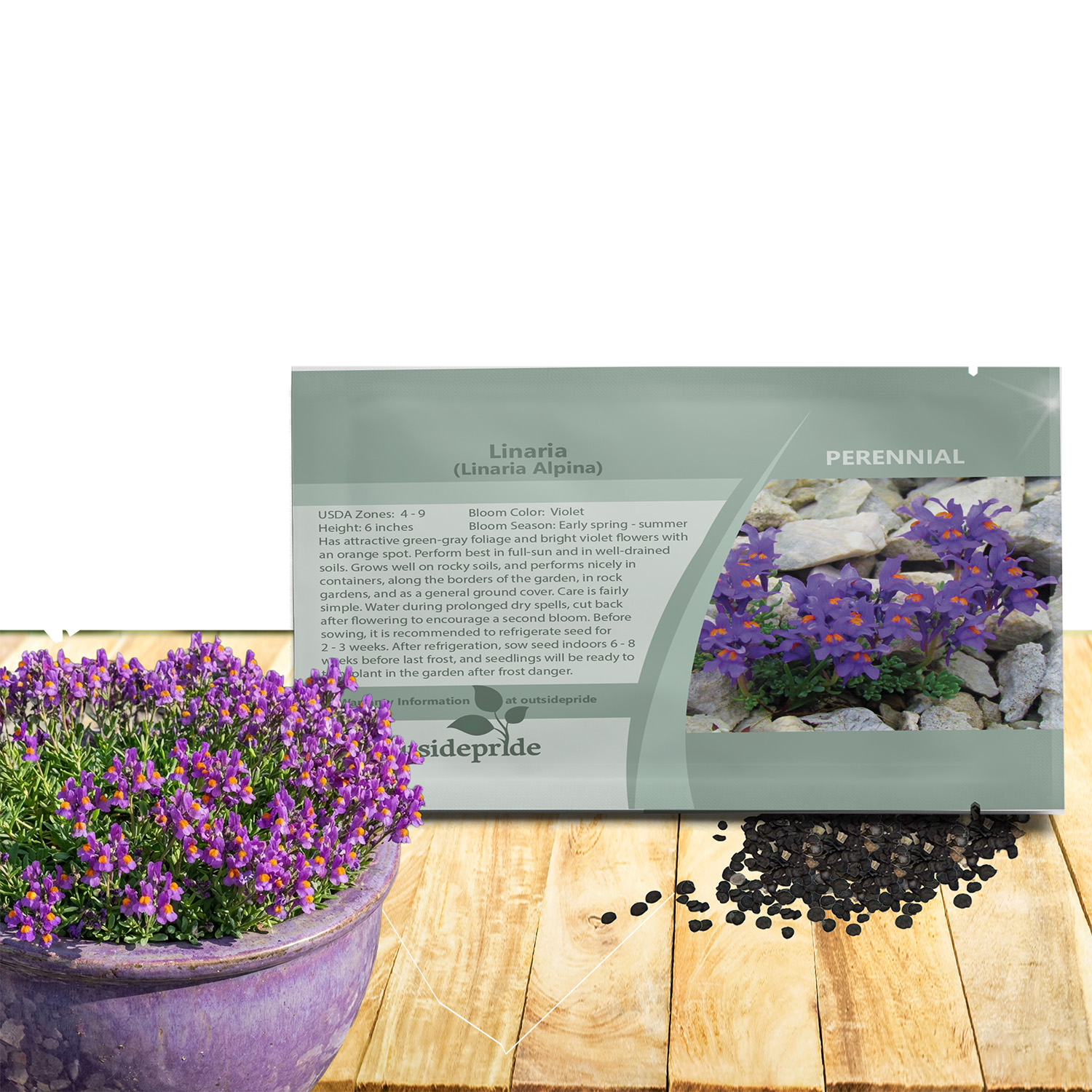
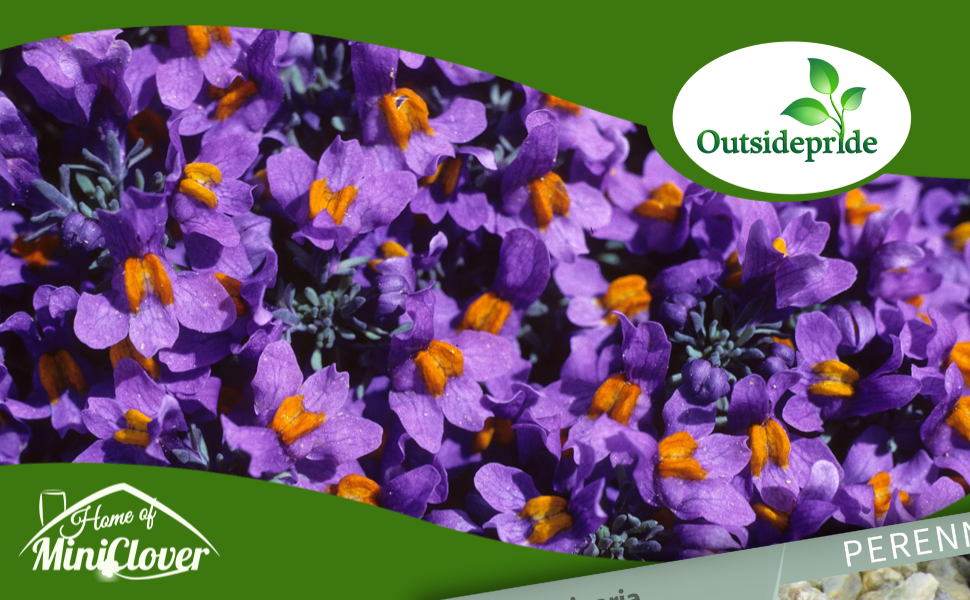
Linaria (Linaria Alpina) - This tiny trailing perennial is sometimes called Alpine Toadflax. It works well as a low-growing ground cover plant and establishes easily with Linaria seeds. Linaria Alpina has attractive green-gray foliage and bright violet flowers with an orange spot.
ABOUT
FAQ's
VIDEOS

Planting Directions

TEMPERATURE

60 - 70F

AVERAGE GERM TIME

14 - 21 days

LIGHT REQUIRED

Yes

DEPTH

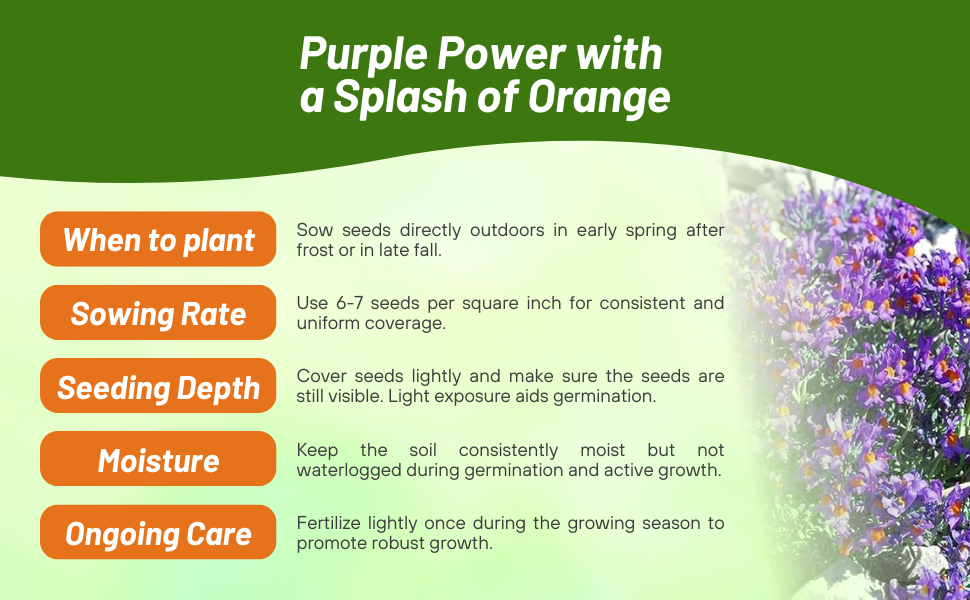
Lightly cover

SOWING RATE

6 - 7 seeds per plant or approximately 1000 seeds cover 20 square feet

MOISTURE

Keep soil slightly moist, but not wet until germination

PLANT SPACING

12 inches

NOTE

For detailed directions for indoor and outdoor planting, please ...more For detailed directions for indoor and outdoor planting, please Click Here...less

CARE & MAINTENANCE

Linaria...less
Alpine Toadflax Ground Cover Plants
LInaria Alpina Toadflax Seed Packets For Sale
Outsidepride Alpine Toadflax Ground Cover Seeds (Linaria alpina) are perennial wildflowers ideal for USDA zones 4–9. This low-growing plant reaches 4–6 inches in height and spreads 8–12 inches wide, producing vibrant violet flowers from early to late summer. It can be grown in well-drained, rocky soil and prefers full sun to partial shade. Known for its self-seeding nature and pollinator-friendly blooms, Alpine Toadflax is great for stone gardens and naturalized landscapes. Available in packaging sizes of 250 and 500 seeds.
Striking Violet Flowers of Alpine Toadflax
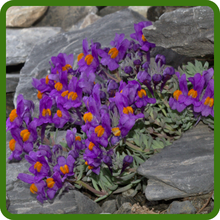
Striking Violet Flowers
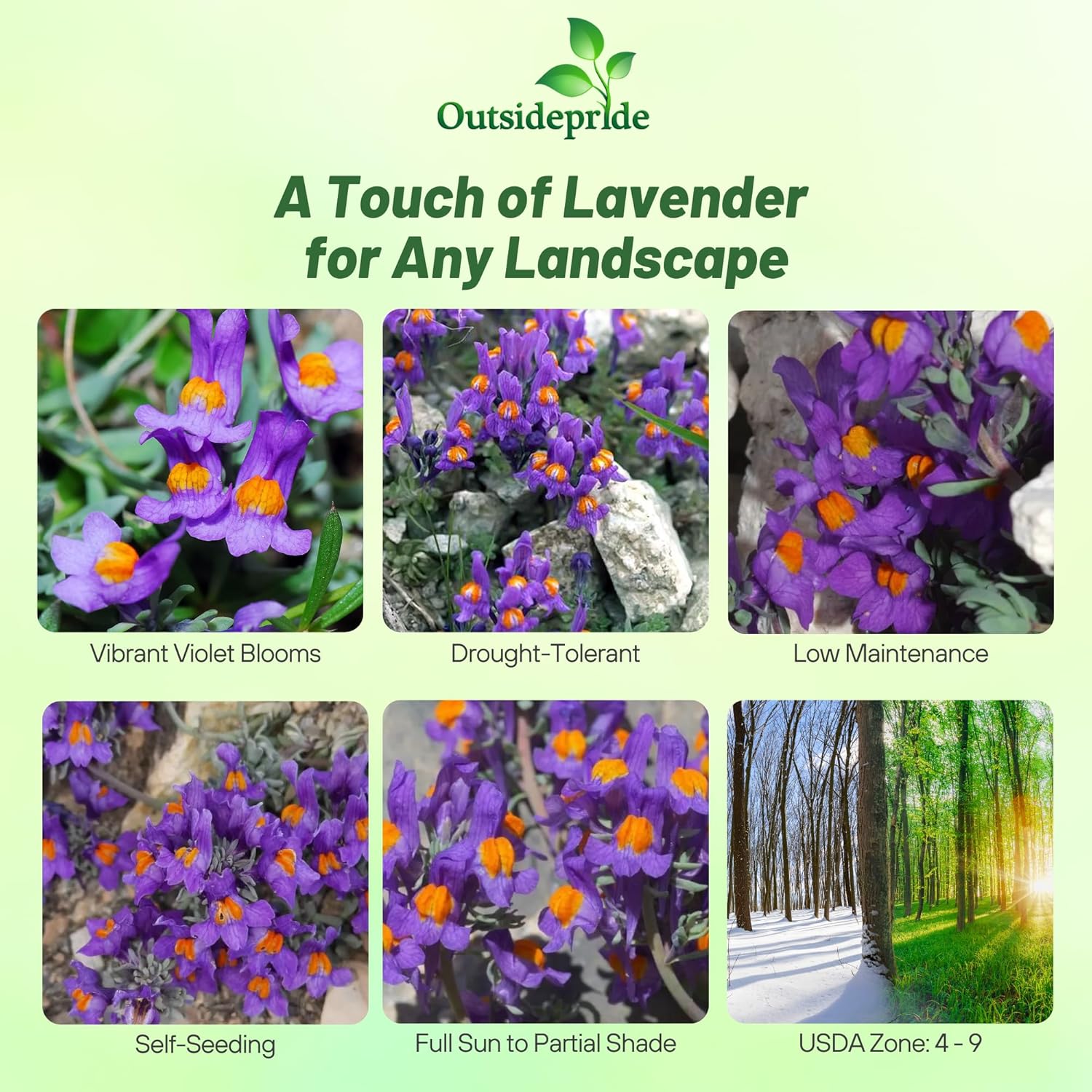
Alpine toadflax produces vibrant violet flowers that stand out against its low-growing foliage. These striking blooms appear in clusters and add visual interest to rock gardens and alpine settings, contributing to the appeal of perennial wildflower seeds and ground cover plants.
Self-Seeding Perennial Alpine Toadflax
Self-Seeding Perennial
Linaria alpina is a self-seeding perennial that spreads naturally over time. This characteristic allows the plant to maintain and expand its coverage without frequent replanting, making it a great choice among ground cover seeds perennial options.
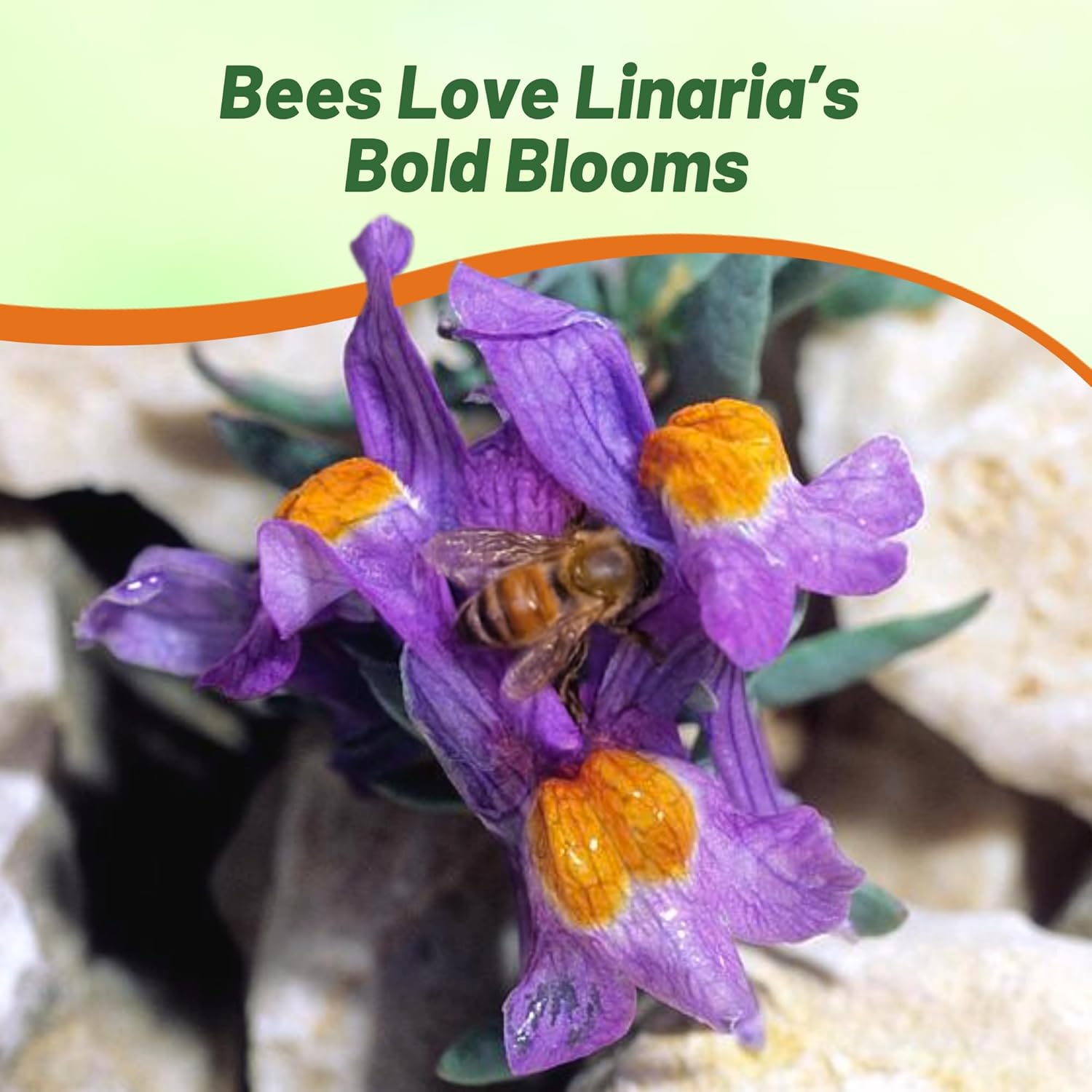
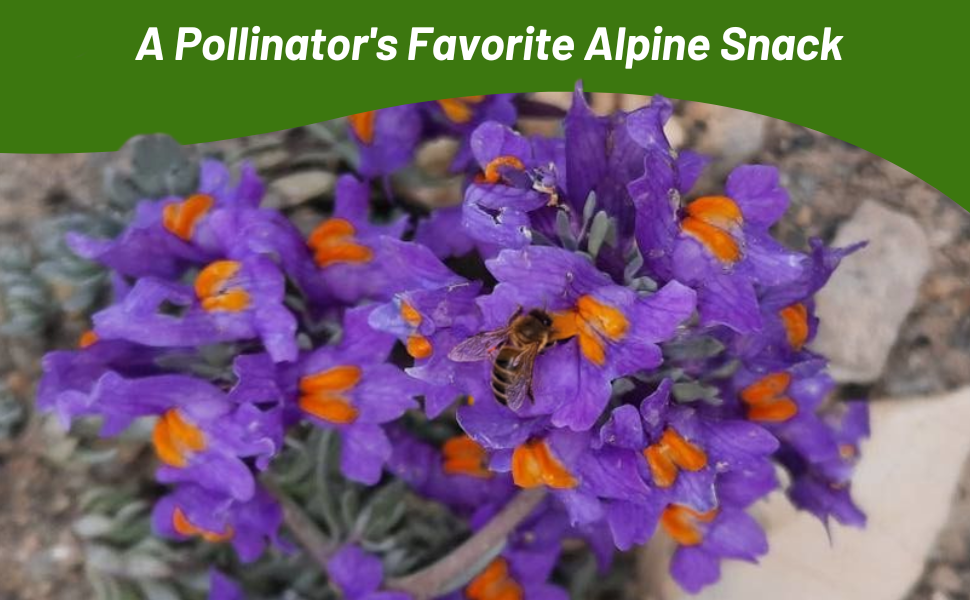
Pollinator-Friendly Blooms Attract Bees of Linaria Alpine Toadflax
Pollinator-Friendly Blooms
The violet flowers of alpine toadflax attract pollinators such as bees and butterflies. These blooms provide nectar and pollen, supporting pollination activity and complementing the natural poise of gardens and wildflower seed mixes.
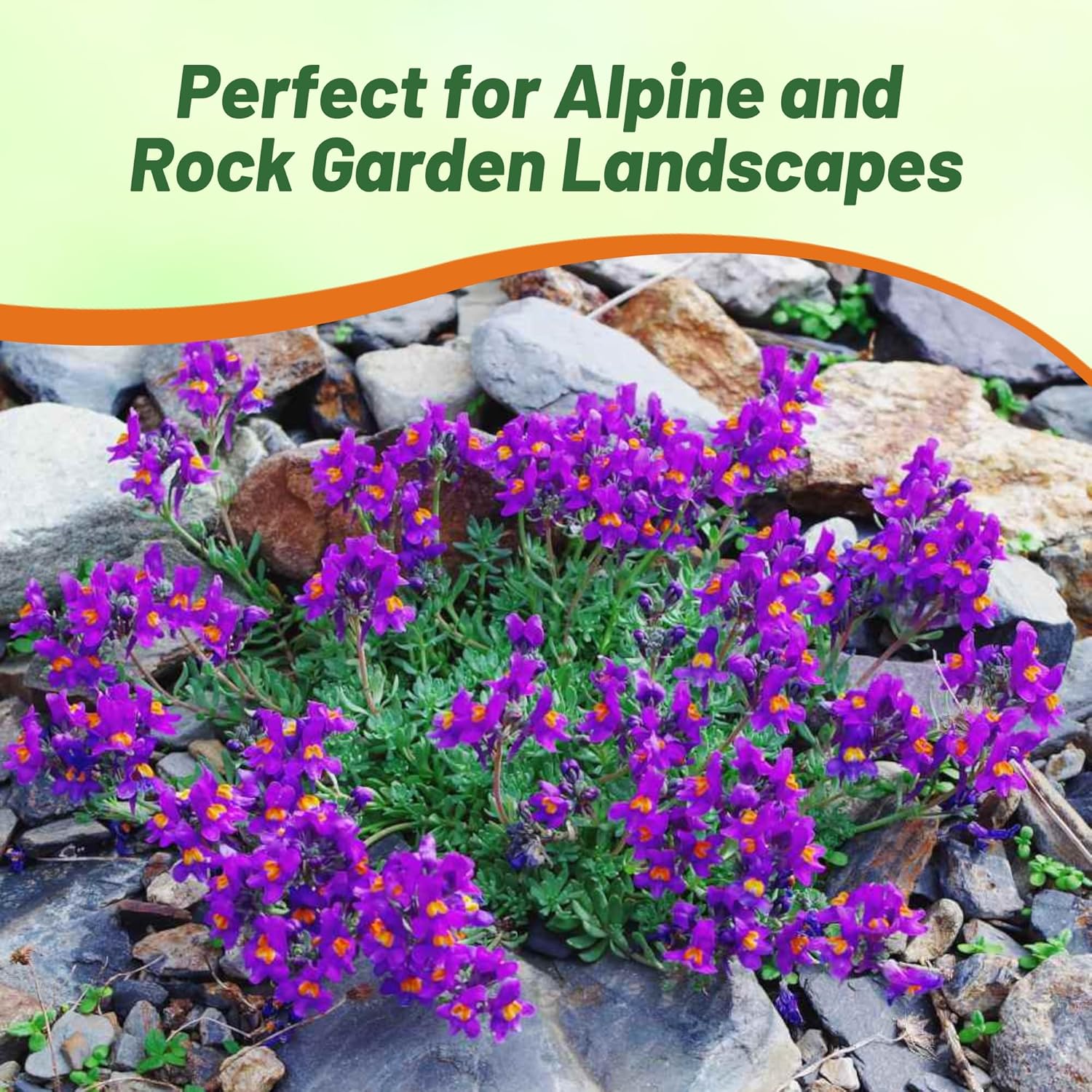
Alpine Toadflax Suitable for Rock Gardens and Walls
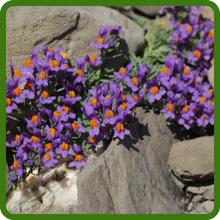
Suitable for Rock Gardens
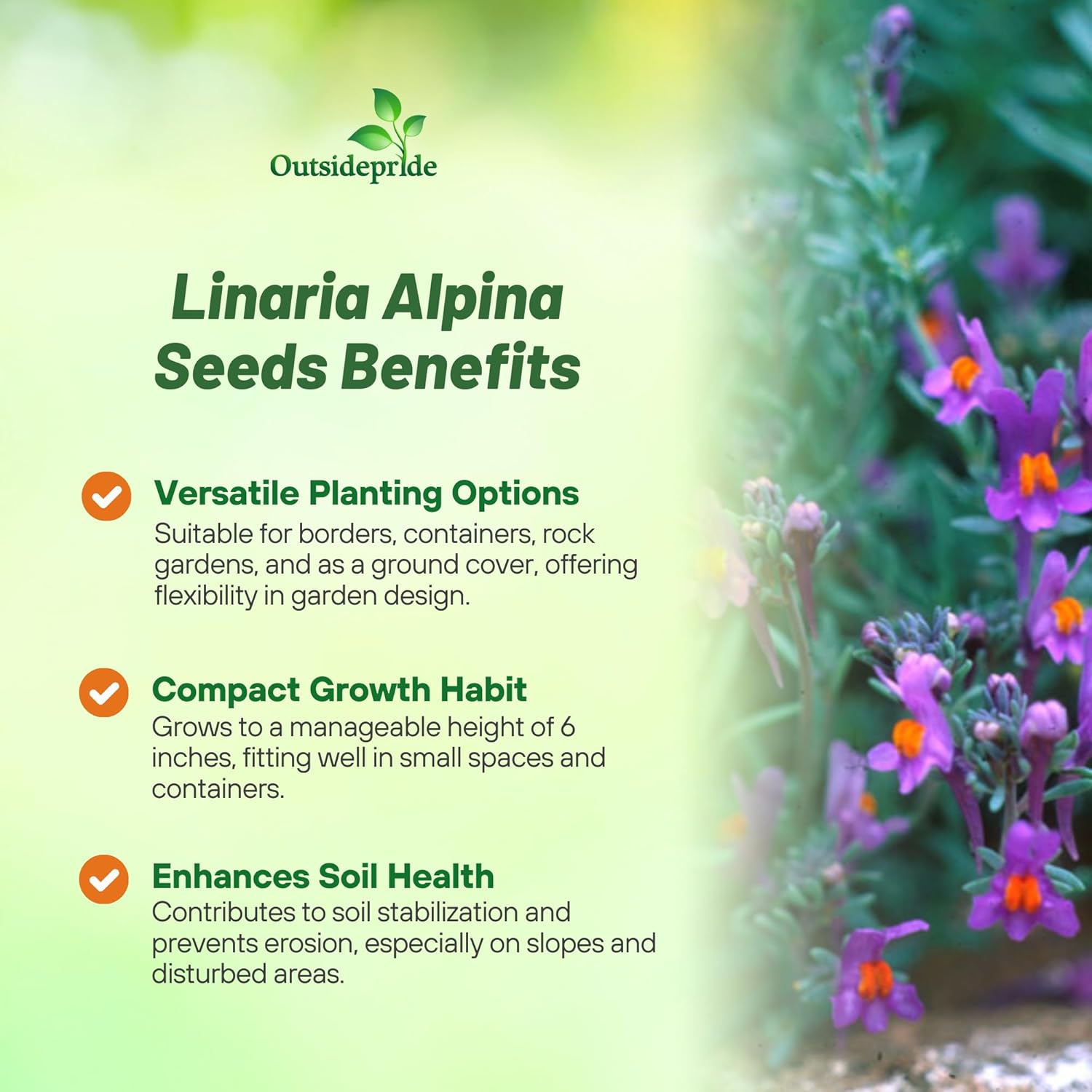
Alpine toadflax thrives in rocky, well-drained soils, making it well-suited for rock gardens. Its compact growth habit and colorful flowers add texture and color to stone landscapes, complementing other ground cover plants and perennial wildflower seeds.
Perennial Rock Garden Alpine Toadflax Ground Cover Plant
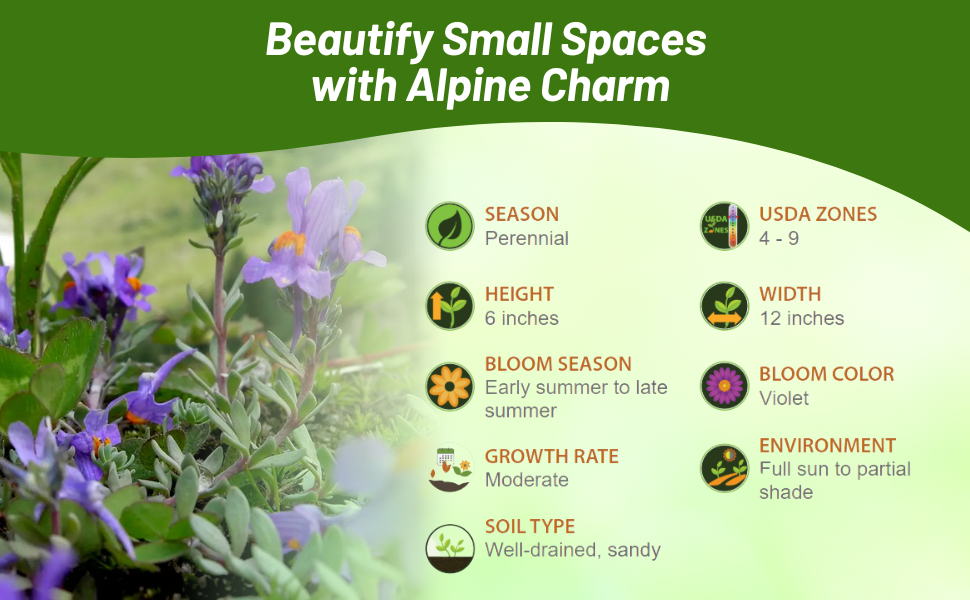
Linaria alpina, a perennial wildflower seed, grows 4–6 inches tall and spreads 8–12 inches wide. It blooms from early summer to late summer with striking violet flowers. Suitable for USDA zones 4–9, this ground cover can be planted in full sun to partial shade and well-drained rocky soils. The plant can withstand light foot traffic and is often used in stone gardens and naturalized areas. Its self-seeding nature helps maintain coverage over time, making it a reliable choice among ground cover seeds perennial for alpine and garden settings.
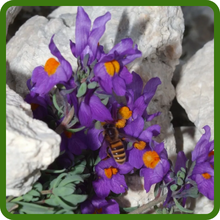
Pollinator Bee on Linaria Alpine Toadflax in Rock Garden
Alpine toadflax produces violet flower clusters that attract pollinators, including bees and butterflies. These nectar-rich blooms provide valuable resources during the growing season, encouraging pollination and contributing to your garden areas. The plant’s low, spreading growth habit allows easy access for pollinators while adding vibrant color to stone gardens and ground cover plantings. Its presence gives the ongoing activity of pollinating species, making it a beneficial addition to perennial wildflower seed mixes and outdoor planting schemes.
Planting Directions & Care For Alpine Toadflax Drought Tolerant Plants
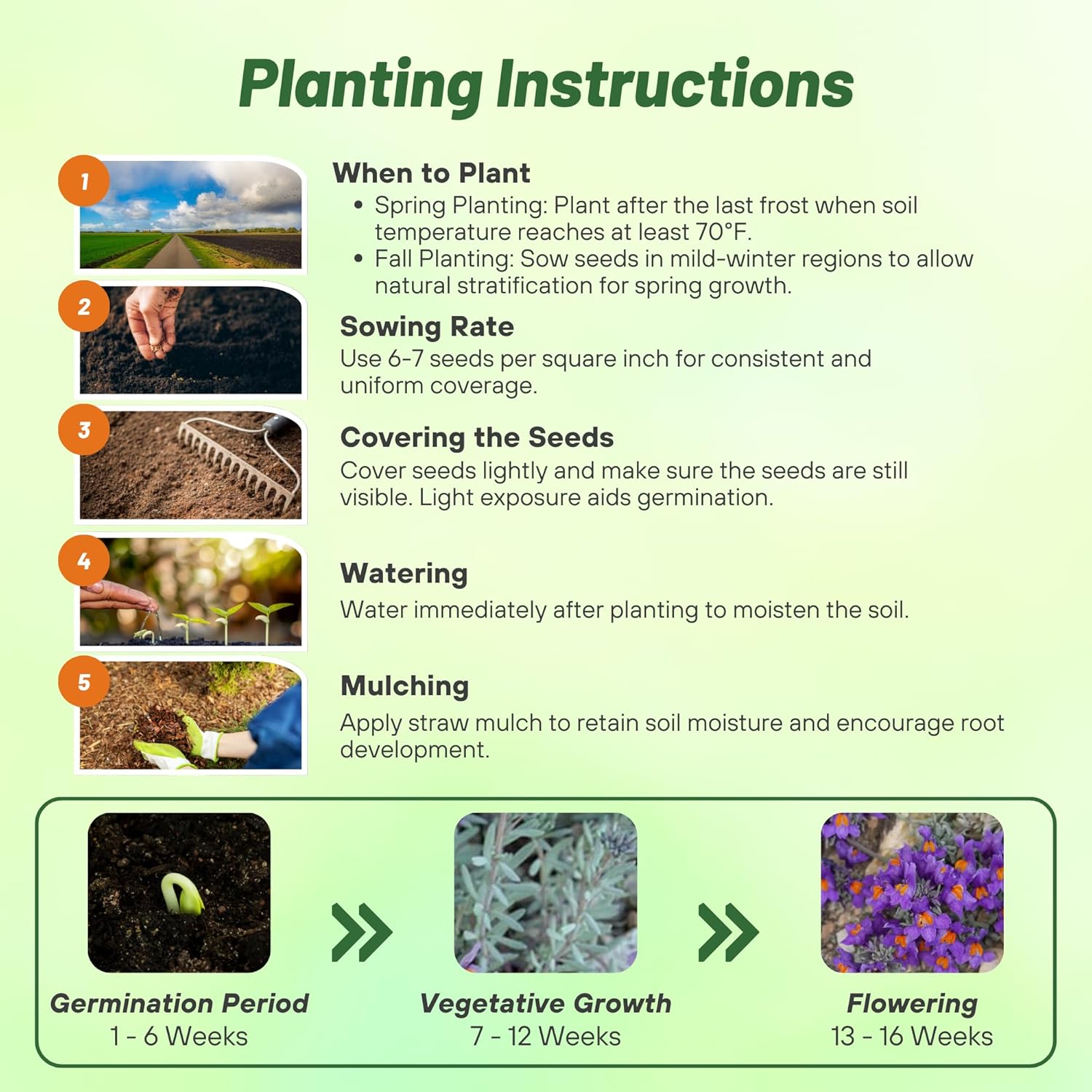
To plant Linaria alpina seeds, sow them on the soil surface or lightly cover with a thin layer of well-drained soil in a sunny to partially shaded location. Keep soil moist but not waterlogged until germination, which may take 14–21 days. Space plants 12 inches apart to allow spreading. This perennial wildflower seed thrives in rocky or sandy soils and tolerates light foot traffic. Regular watering during establishment encourages healthy growth and long-lasting ground cover in gardens or naturalized areas.

Linaria (Linaria Alpina) - This tiny trailing perennial is sometimes called Alpine Toadflax. It works well as a low-growing ground cover plant and establishes easily with Linaria seeds. Linaria Alpina has attractive green-gray foliage and bright violet flowers with an orange spot. It's very eye catching! Linaria Alpina flowers perform best in full-sun and in well-drained soils. Alpine Toadfloax grows well on rocky soils, and it performs nicely in containers, along the borders of the garden, in rock gardens, and as a general ground cover. Alpine Toadflax care is fairly simple. Water during prolonged dry spells, and cut back after flowering to encourage a second bloom.

Before sowing Linaria Alpina seeds, it is recommended to refrigerate the ground cover seed for 2 - 3 weeks. After refrigeration, sow the Alpine Toadflax seed indoors 6 - 8 weeks before the last frost, and the seedlings will be ready to transplant into the garden after frost danger has passed. 

Common Questions

Q

What are some common areas linaria alpina plants are used?

A

Gravel gardens, rock gardens, cottage or informal gardens and patio containers are all great ways to use linaria alpina plants.

Q

Do I need to prune my plants?

A

Yes, after flowering prune back plants to prevent self-seedings.

Videos

HOW ITS MADE