

Polygonum Capitatum Seed - Pink Knotweed Ground Cover Seeds

Polygonum Capitatum Seeds

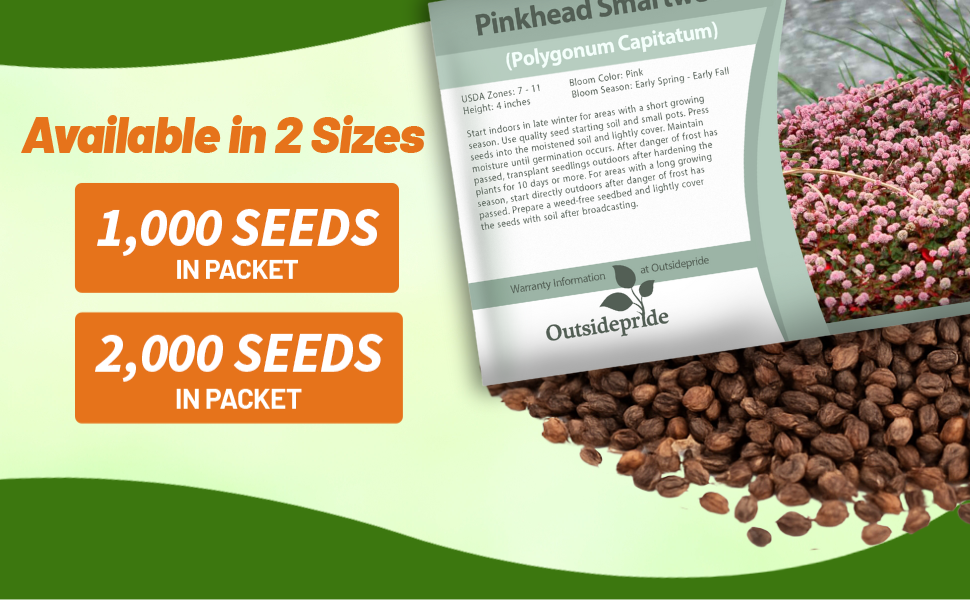
1000 Seeds
.......................................................................................................................................................
4.99
2000 Seeds
.......................................................................................................................................................
8.99

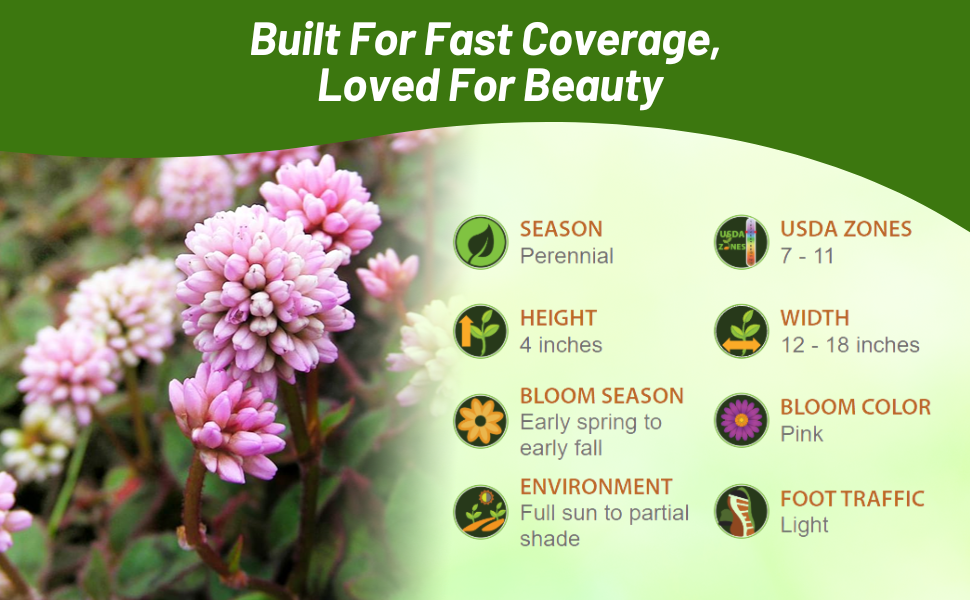
SEASON

Perennial

USDA ZONES

7 - 11

HEIGHT

4 inches

WIDTH

12 - 18 inches

BLOOM SEASON

Early spring to early fall

BLOOM COLOR

Pink

ENVIRONMENT

Full sun to partial shade

FOOT TRAFFIC

Light

DEER RESISTANT

Yes

About...

Pinkhead Smartweed (Polygonum Capitatum) - Polygonum Capitatum seeds can be grown to form a low-growing, spreading ground cover. A synonymous botanical name is Persicaria Capitata, and it has many common names: Pinkhead Smartweed, Pink Knotweed, Pink Clover, and Pink Fleece Flower. Pink Knotweed uses include containers, baskets, edging the front of the border or as ground cover plants.
ABOUT
FAQ's
VIDEOS

Planting Directions

TEMPERATURE

70 - 75F

AVERAGE GERM TIME

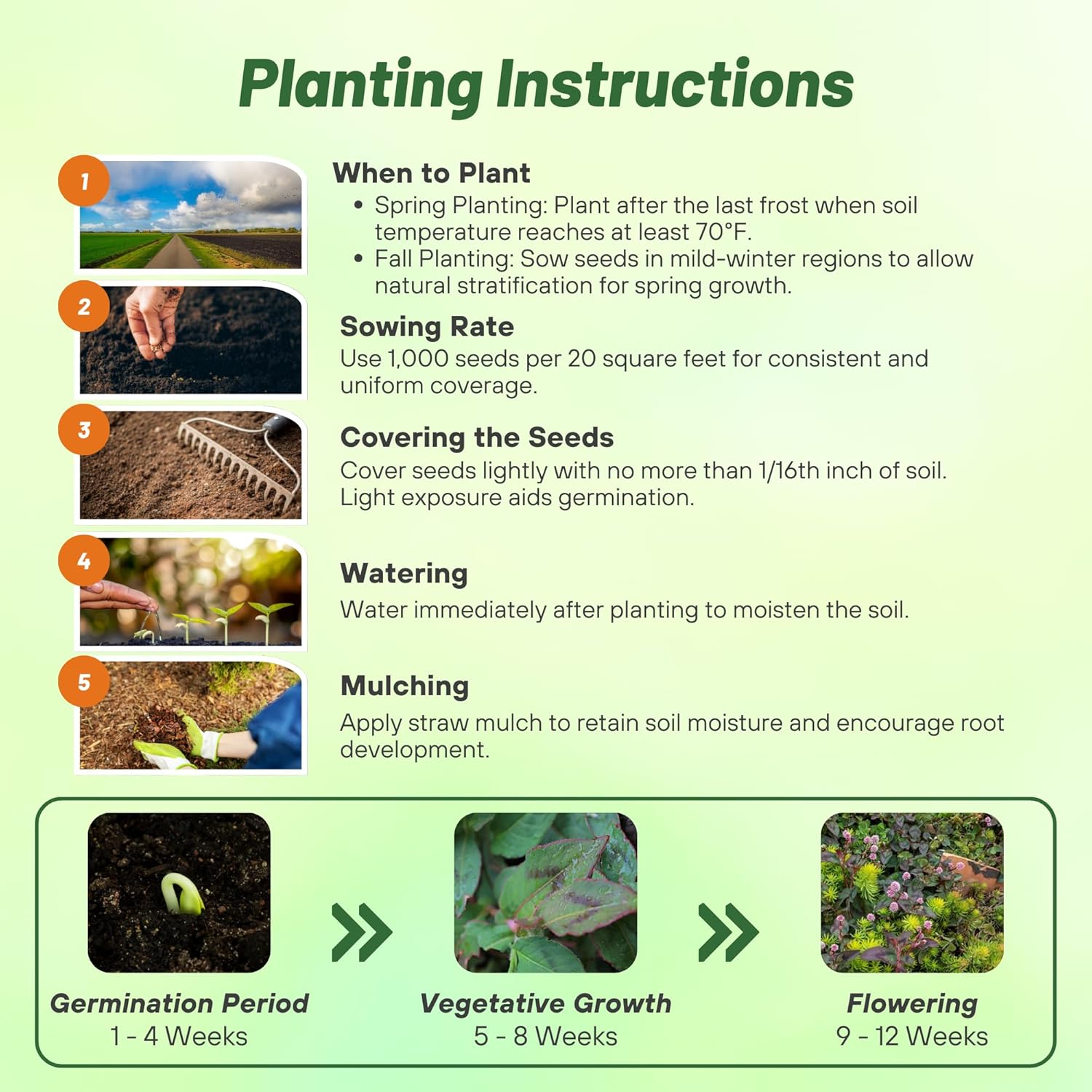
21 - 60 days

LIGHT REQUIRED

Yes

DEPTH

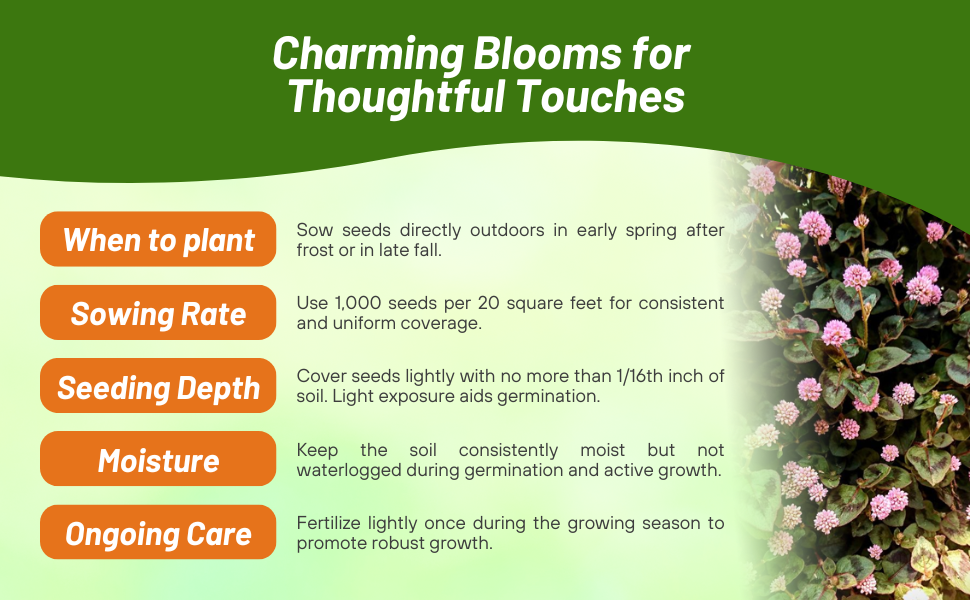
Surface sow and lightly cover 1/16 inch

SOIL TYPE

Grows in a variety of soil types from sandy loams to clay

SOWING RATE

Approximately 1000 seeds covers 20 square feet

MOISTURE

Keep seeds moist until germination

PLANT SPACING

12 - 18 inches
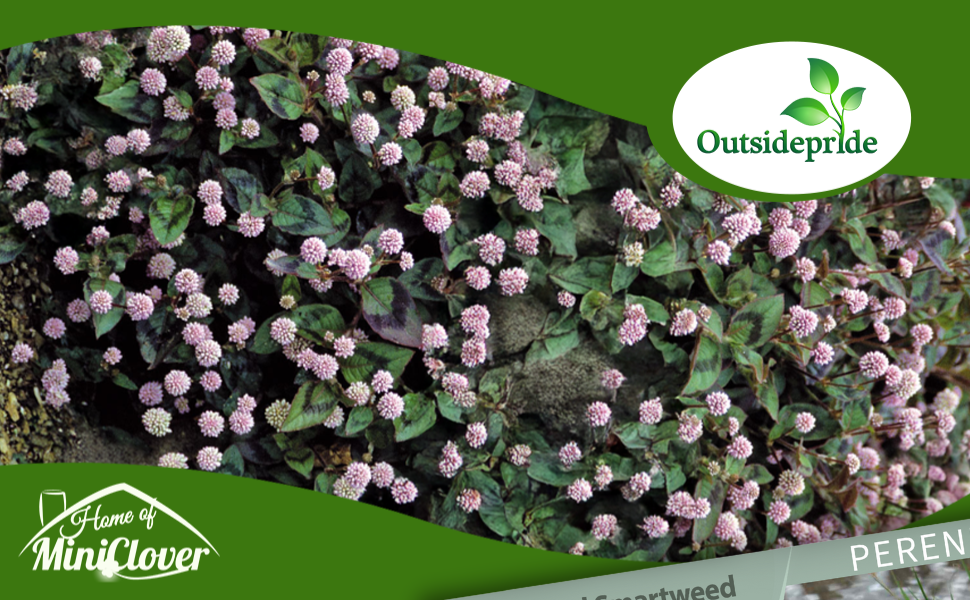
Low Growing Pinkhead Smartweed Flowers
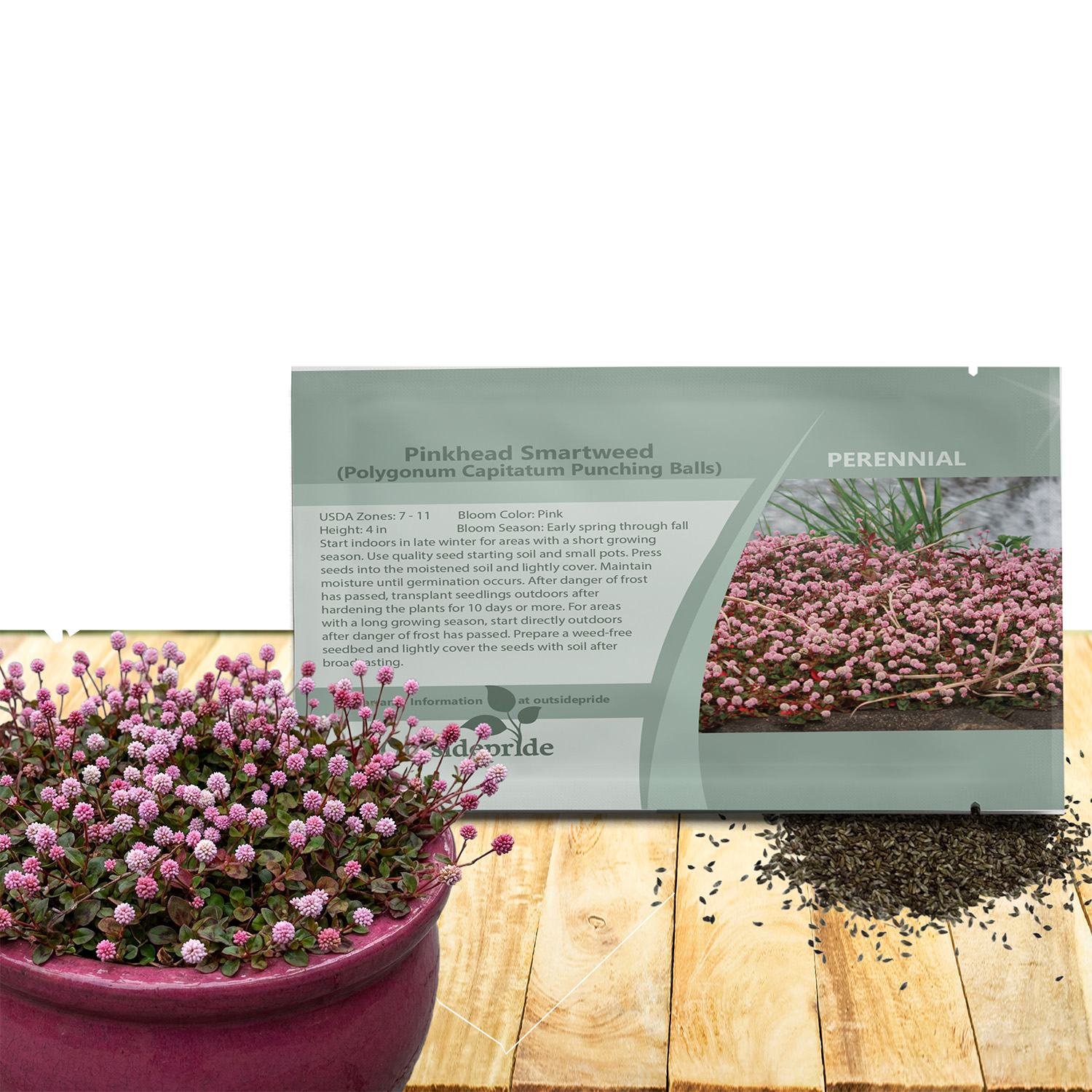
Polygonum Capitatum Pinkhead Smartweed Seed Packet
Outsidepride Pinkhead Smartweed Seeds (Polygonum capitatum) are a smart seed option suited for USDA zones 7–11. This perennial ground cover grows 4 inches tall and spreads 12–18 inches wide, producing delicate pink flower clusters from early spring to early fall. It thrives in full sun to partial shade and has light foot traffic. Known also as Pink Knotweed or Pink Clover, it adapts to various soil types and is unwanted by deer. Packaging sizes include 1000 and 2000 seeds, suitable for lawn seeds, shady grass seed, or ground cover seed applications.
Delicate Pink Flower Clusters of Smartweed
Delicate Pink Flower Clusters
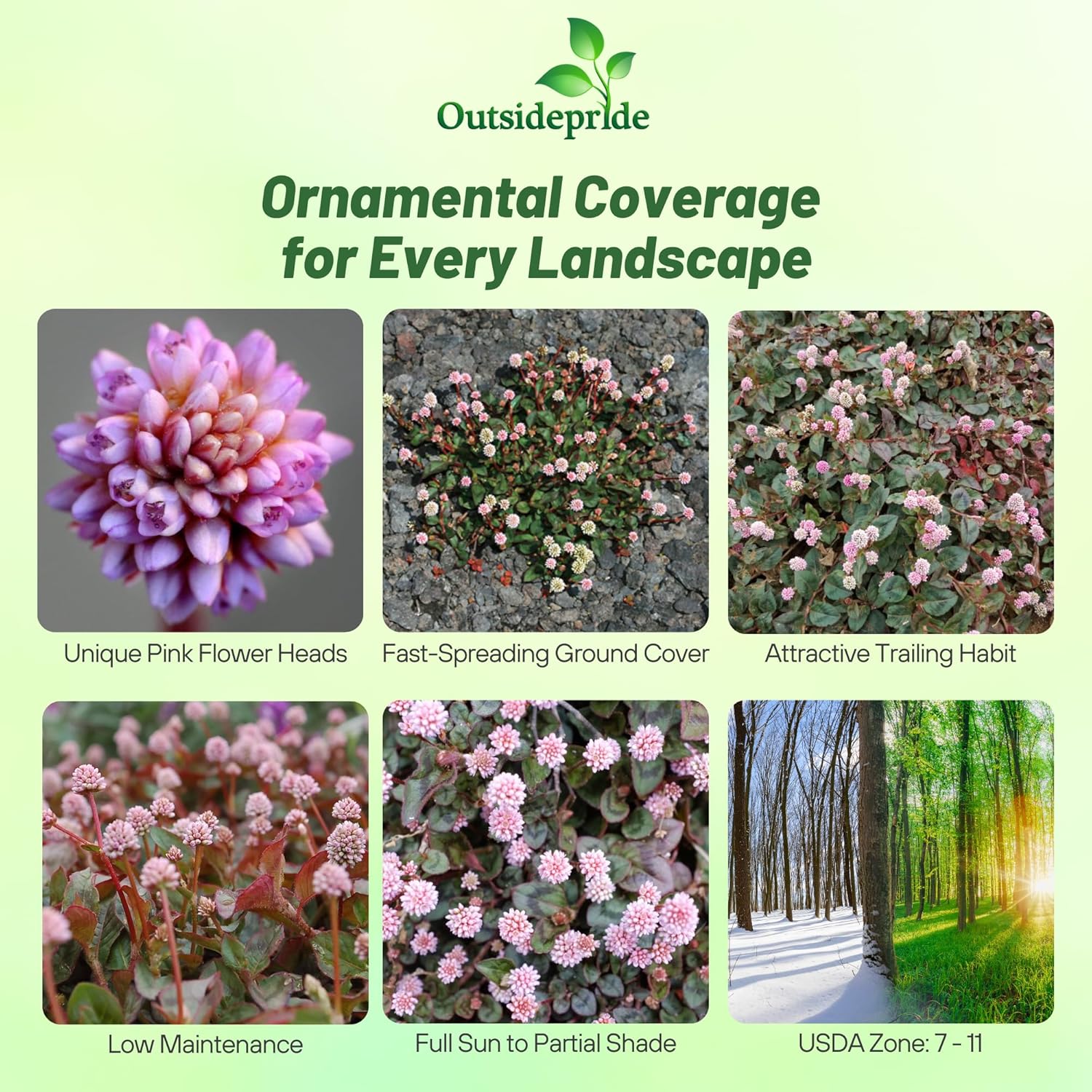
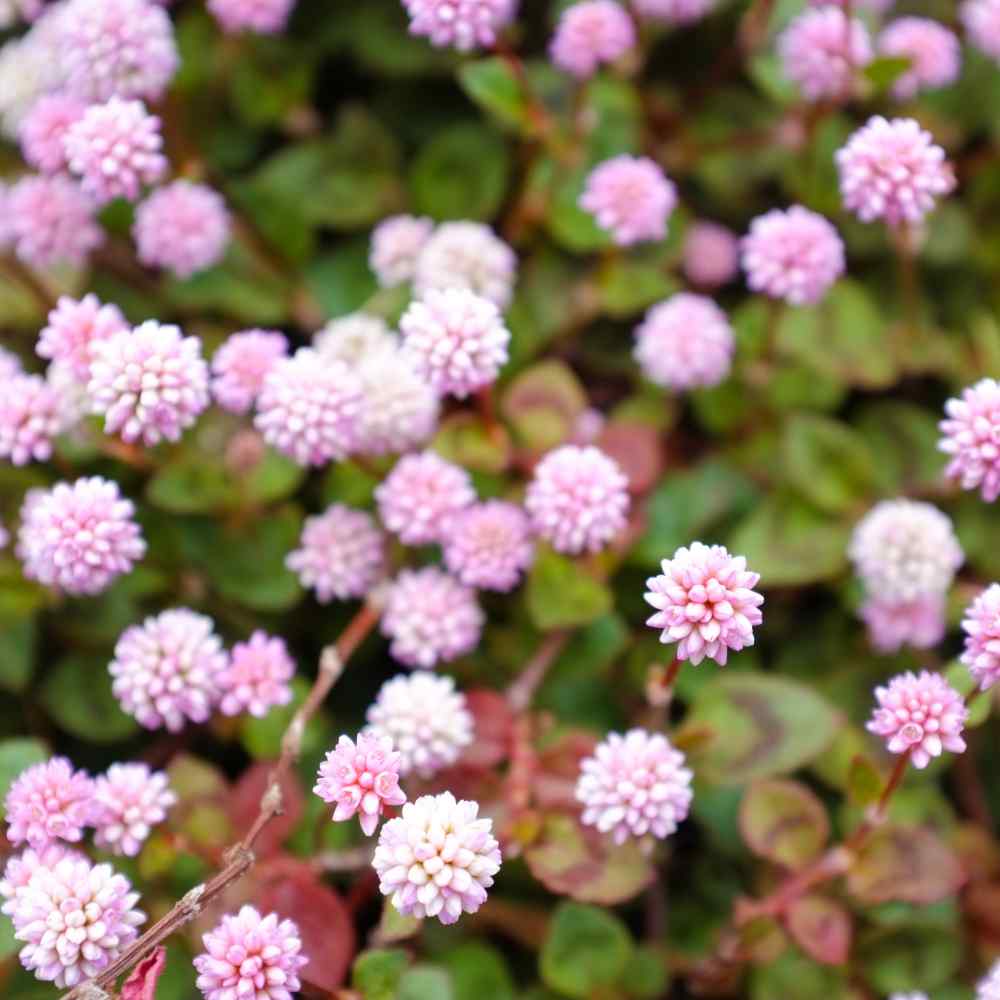
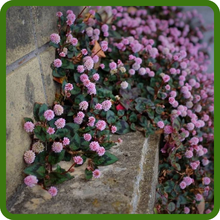
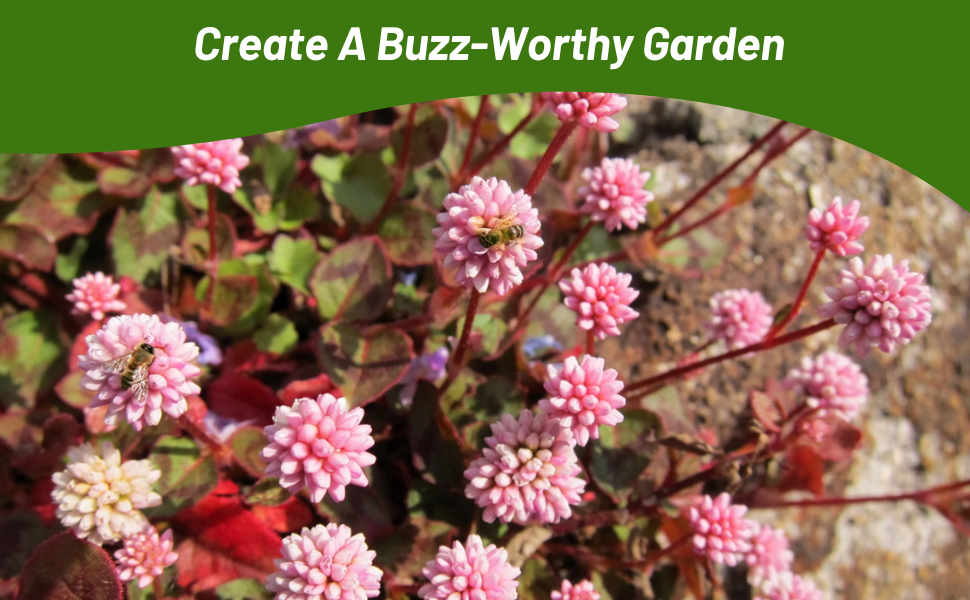
The pinkhead ground cover flower plant produces delicate clusters of small pink flowers that bloom from early spring through early fall. These blossoms add soft color and texture to stone or garden settings, complementing the low-growing foliage and creating an attractive ground cover.
Pollinator Friendly Choice of Pinkhead Smartweed
Pollinator Friendly Choice
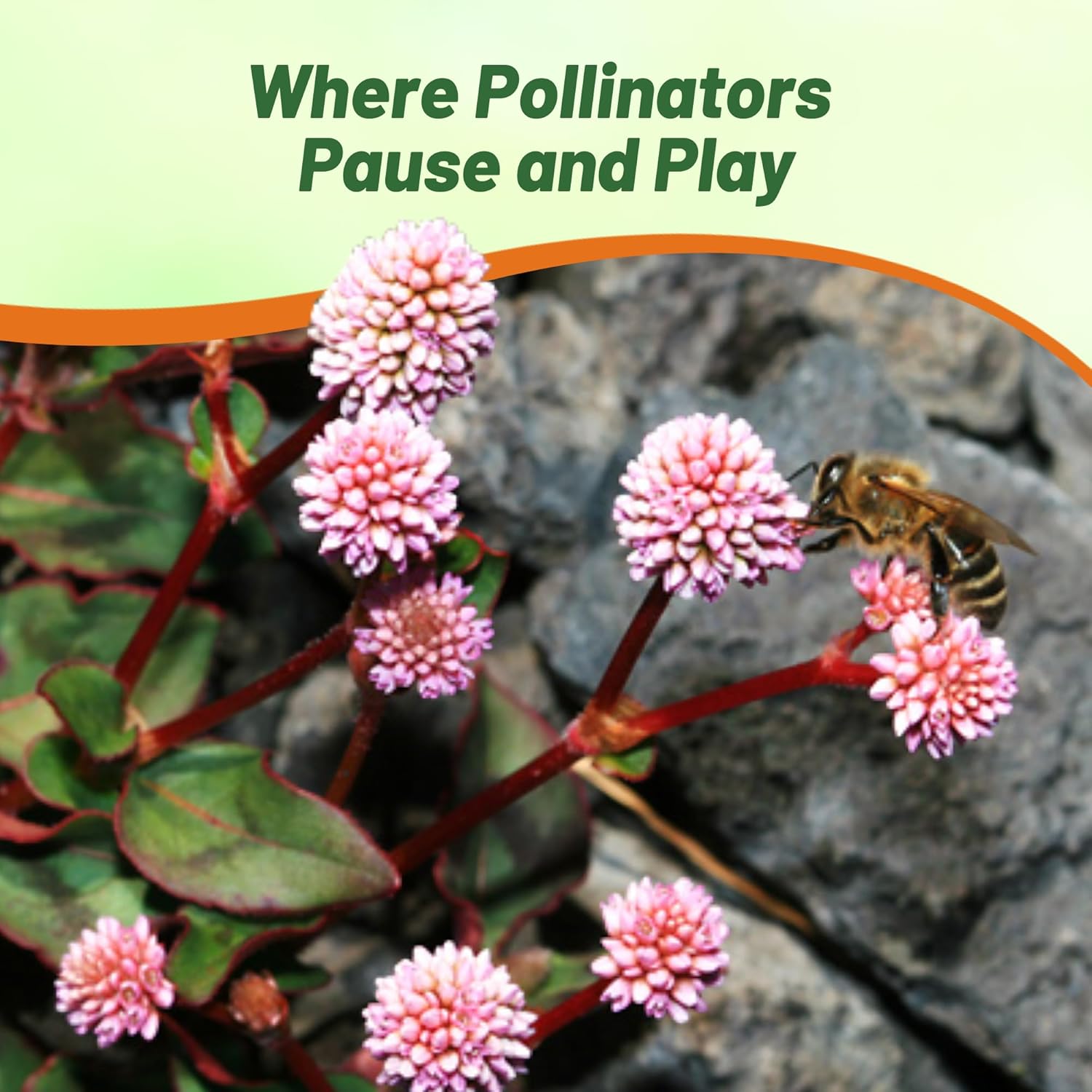
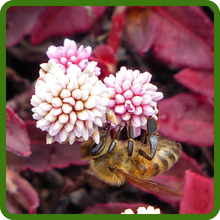
Pinkhead smartweed plants attract beneficial pollinators such as bees by providing nectar-rich flowers. This pollinator-friendly choice supports local pollination activity, contributing to garden health and encouraging variability within the planting area.
Low Maintenance & Low Growing Pinkhead Ground Cover Plants
Low Maintenance Beauty
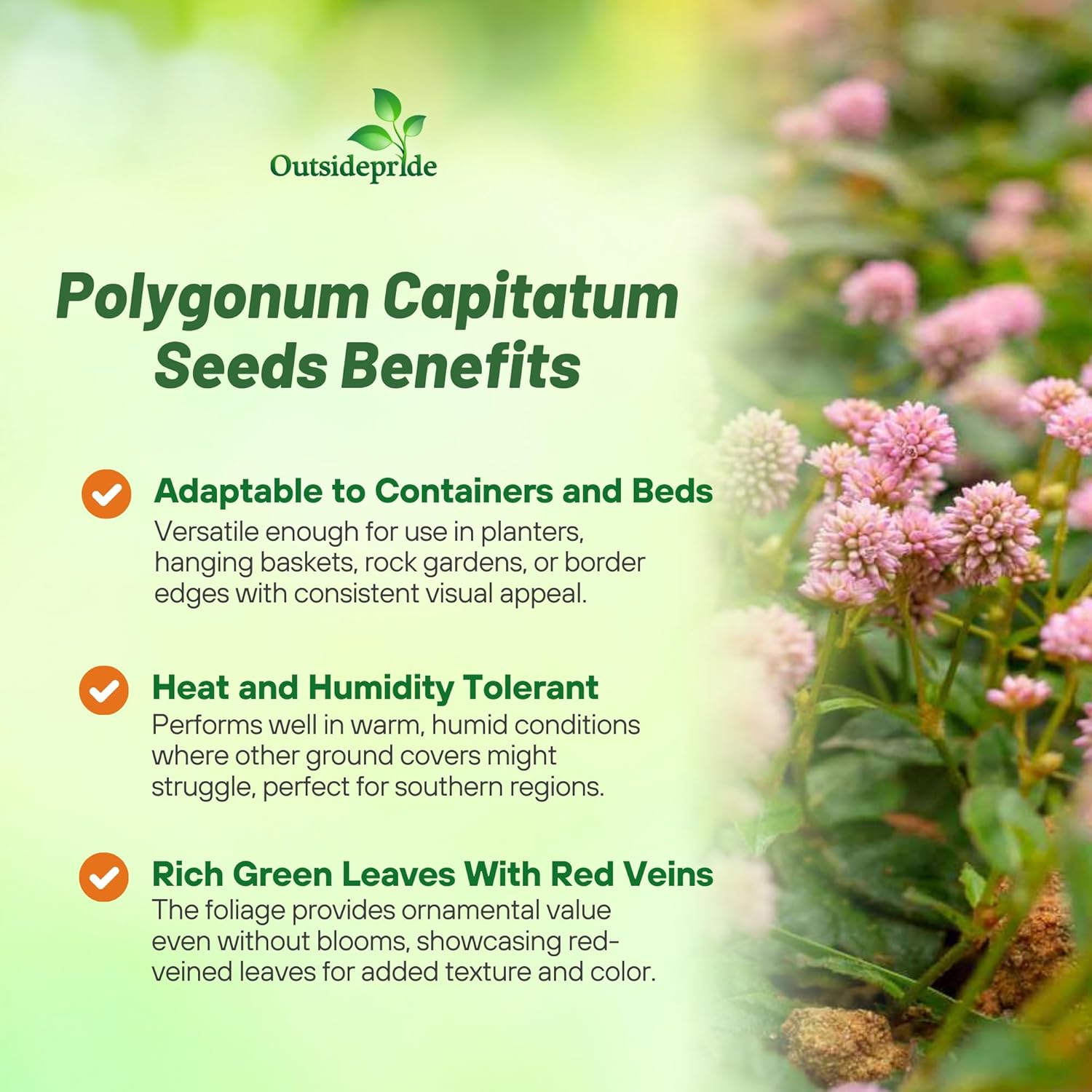
The pinkhead ground cover exhibits a low maintenance growth habit, spreading steadily without requiring frequent care. Its tolerance for different soil types and light foot traffic makes it a practical option for gardeners seeking an easy-to-manage ground cover with visual appeal.
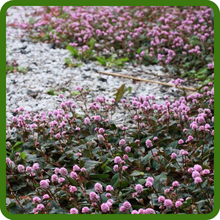
Ground-Hugging Growth Habit of Polygonum Pinkhead Smartweed
Ground-Hugging Growth Habit
Polygonum capitatum grows with a ground-hugging habit, forming dense mats that cover soil surfaces efficiently. This spreading growth reduces weed competition and stabilizes soil, making it suitable for use on slopes, pathways, or as a lawn seed alternative in shaded areas.
Perennial Polygonum Pinkhead Smartweed Ground Cover Plants
Polygonum capitatum, known as Pinkhead smartweed, grows 4 inches tall and spreads 12–18 inches wide. Blooming from early spring to early fall, it produces clusters of pink flowers that thrive in USDA zones 7–11. This smart seed grows well in full sun to partial shade and tolerates light foot traffic, making it suitable for lawn seeds, shady grass seed mixes, or ground cover seeds. It adapts to a variety of soil types, including sandy loams and clay. Its spreading habit makes it a versatile ground cover for garden beds, stone edges, or pathways.
Pollinating Bees on Pinkhead Smartweed Drought Tolerant Ground Cover
The pink clusters of Polygonum capitatum flowers are small but visually striking, attracting pollinators like bees and butterflies. These nectar-rich blooms appear throughout the growing season, supporting pollinator activity. The plant’s compact, spreading foliage creates a lush carpet that contrasts with the vibrant flower heads, adding texture and color to garden spaces. As part of ground cover seeds, it contributes to both aesthetics and function.
Planting Directions & Care for Pinkhead Smartweed Ground Cover Plants
To plant Polygonum capitatum ground cover seeds, surface sow or lightly cover seeds about 1/16 inch deep in well-prepared, weed-free soil after frost risk passes. Seeds can be started indoors 4–6 weeks before the last frost or sown directly outdoors. Maintain consistent moisture until germination, which may take 21–60 days. Space plants 12–18 inches apart to allow spreading. This smart seed tolerates various soil types and light foot traffic, making it suitable for shady grass seed mixes or lawn seed alternatives in USDA zones 7–11.

Pinkhead Smartweed (Polygonum Capitatum Punching Balls) - Polygonum Capitatum seeds can be grown to form a low-growing, spreading ground cover. A synonymous botanical name is Persicaria Capitata, and it has many common names: Pinkhead Smartweed, Pink Knotweed, Pink Clover, and Pink Fleece Flower. Pink Knotweed uses include containers, baskets, edging the front of the border or as ground cover plants. It looks especially lovely in raised beds or containers where it can spill over the edges. Pinkhead Smartweed is praised for its burgundy tinted foliage and small coral-pink round flower heads. It is a tough, easy-to-grow ground cover for sun or shade with a long bloom season.

Start Polygonum Capitatum seeds indoors in late winter for areas with a short growing season. Use quality seed starting soil and small pots. Press the ground cover seeds into the moistened soil and lightly cover. Maintain moisture until germination occurs. After danger of frost has passed, transplant the Pink Knotweeds seedlings outdoors after hardening the ground cover plants for 10 days or more. For areas with a long growing season, start the Knotweed ground cover seeds directly outdoors after danger of frost has passed. Prepare a weed-free seedbed and lightly cover the seeds with soil after broadcasting.


Common Questions

Q

How are plants used in the landscape?

A

These are versatile plants that are commonly used as a ground cover, it can also be grown in containers, used for edging in your borders or planted in raised beds. These are a good choice for erosion control as well.

Q

Can I prevent the spreading of plants?

A

Yes, deadhead your blooms before they go to seed to prevent unwanted plants.

Videos

HOW ITS MADE