










-
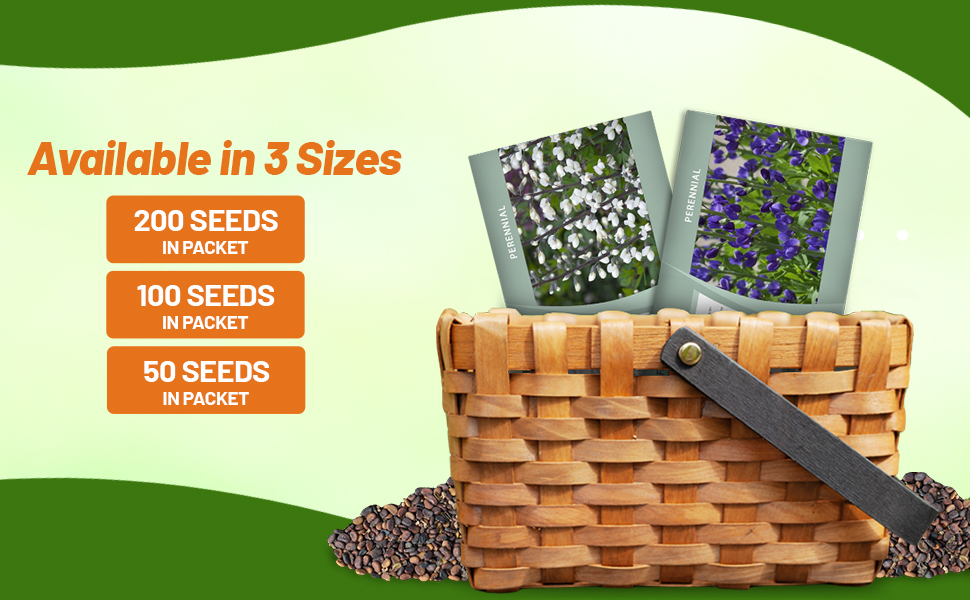
CATEGORY ::
- All Seeds /
- All Flower Seeds /
- All Baptisia Seeds
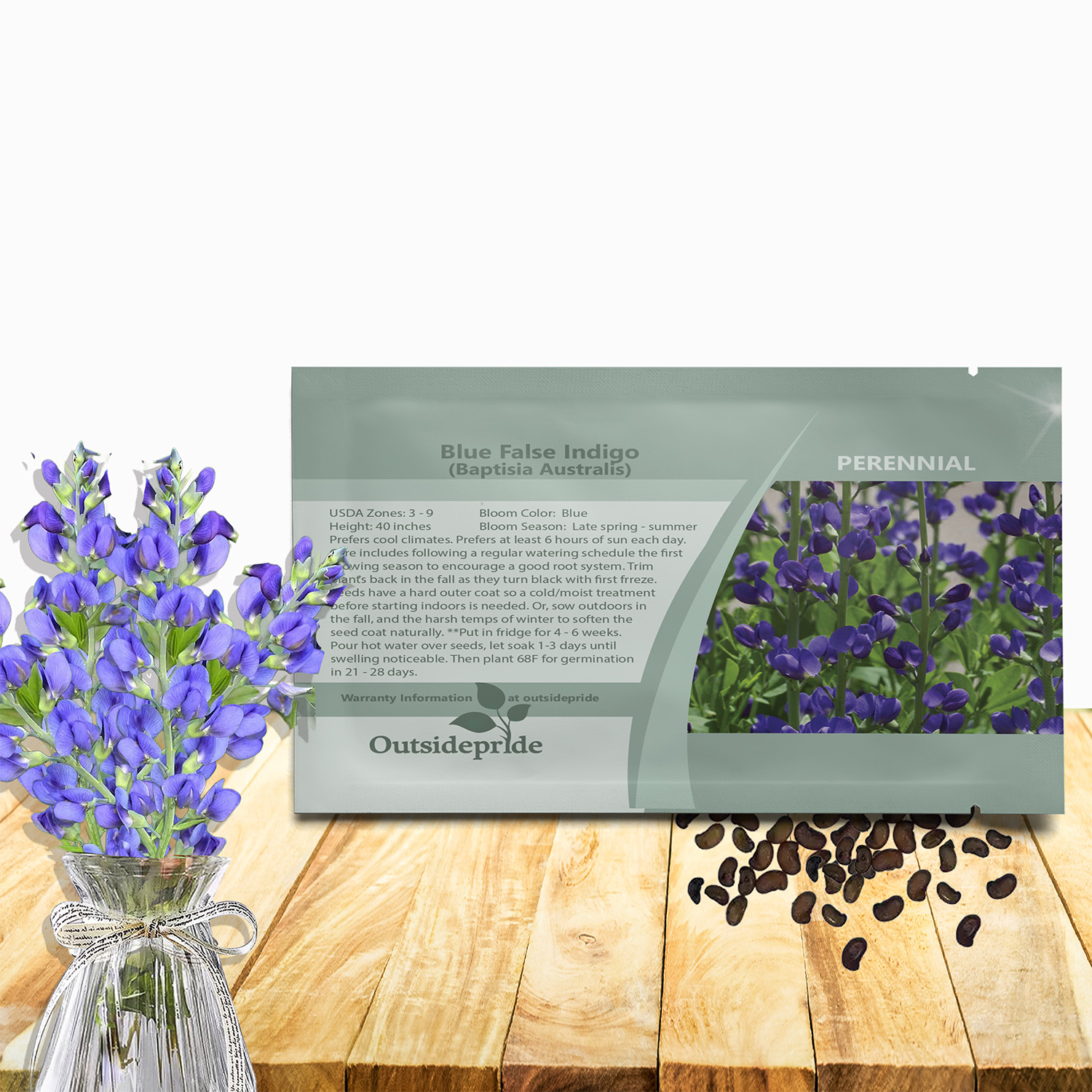


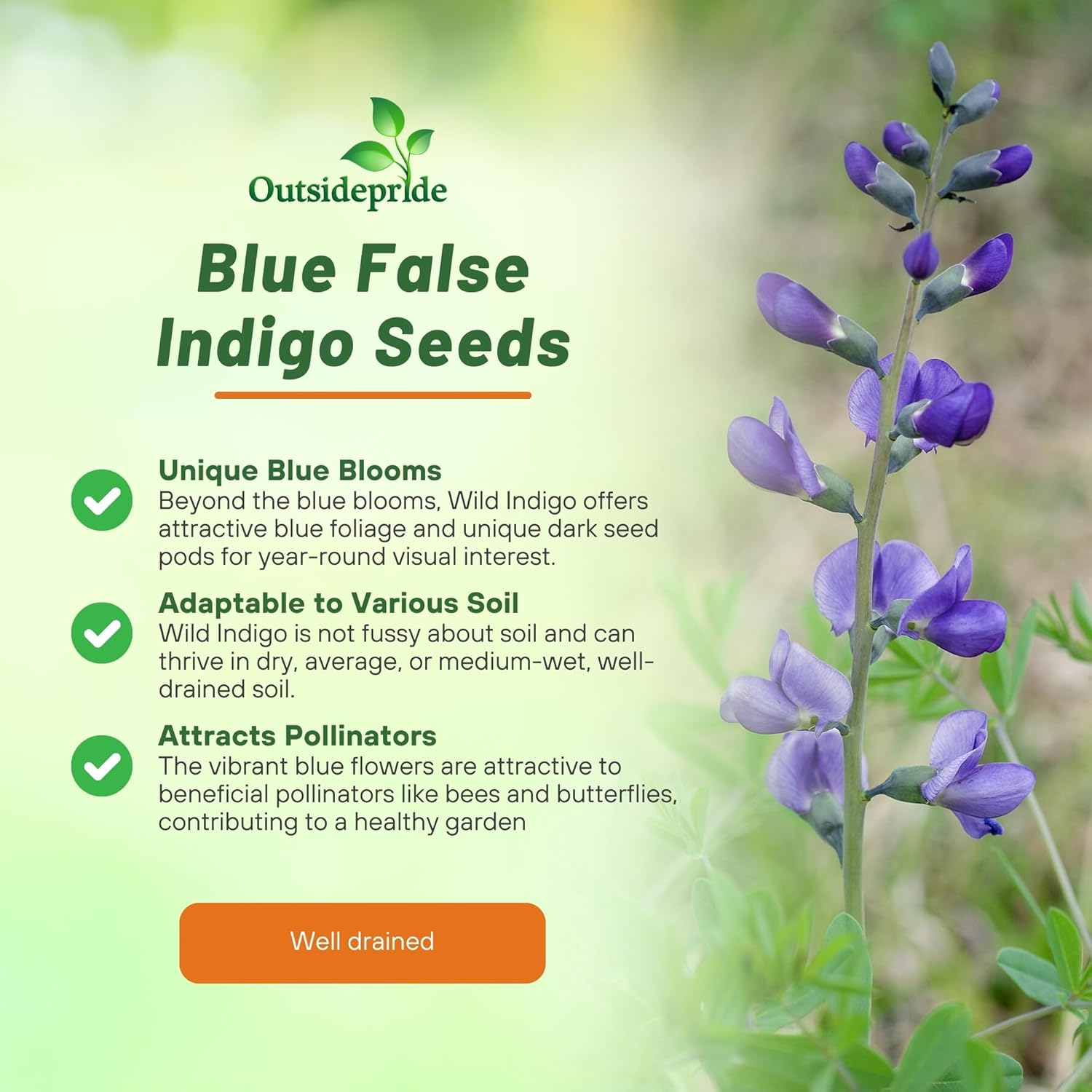


Blue False Indigo Seeds

SEASON
Perennial

USDA ZONES
3 - 9

HEIGHT
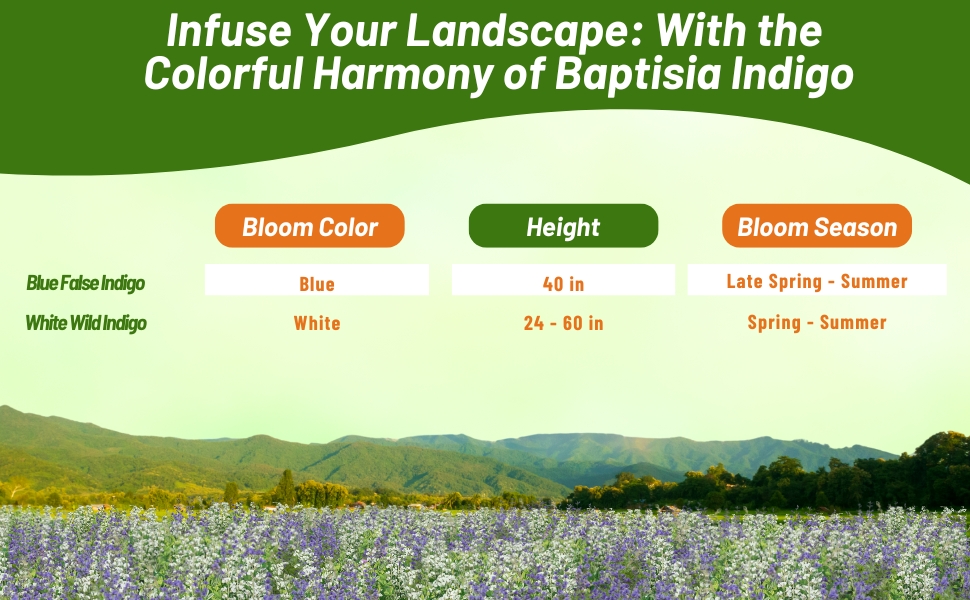
40 inches

BLOOM SEASON
Late spring through summer

BLOOM COLOR
Blue

ENVIRONMENT
Full sun to partial shade

SOIL TYPE
Well drained, pH 5.8 - 6.8

DEER RESISTANT
Yes

HOUSE PLANT
No

About...
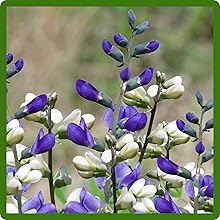
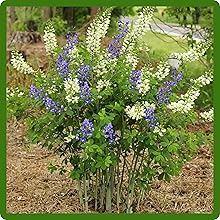
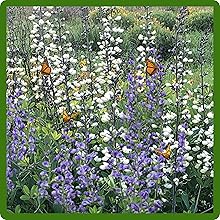
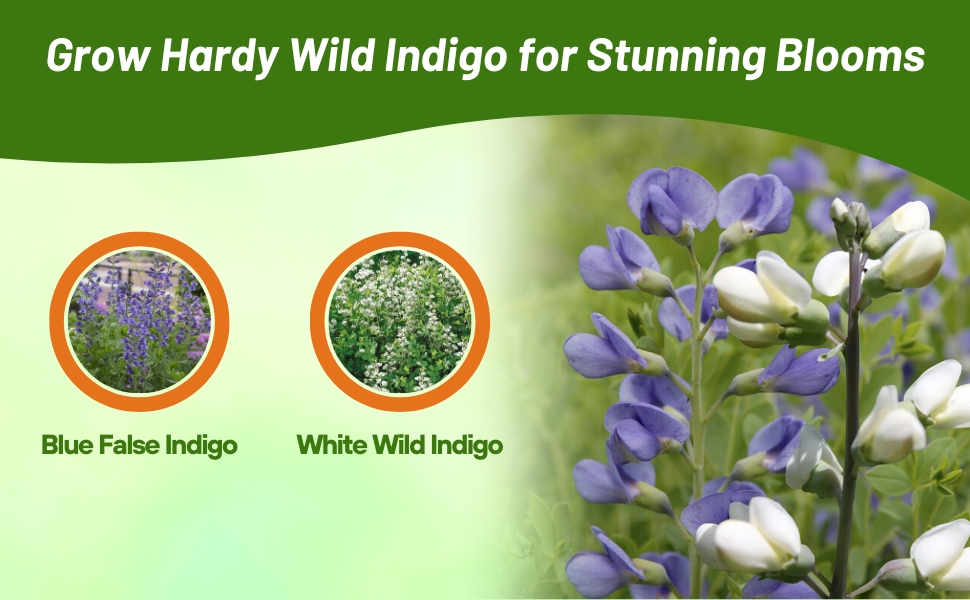
Blue False Indigo (Baptisia Australis) - Native to the United States, False Indigo grows well from flower seeds, and historically the plants used to be in demand for the dye that was made from the blue flowers. This shrub-like hardy perennial is in the pea family and prefers cool climates, but is drought tolerant.MORE BAPTISIA OPTIONS

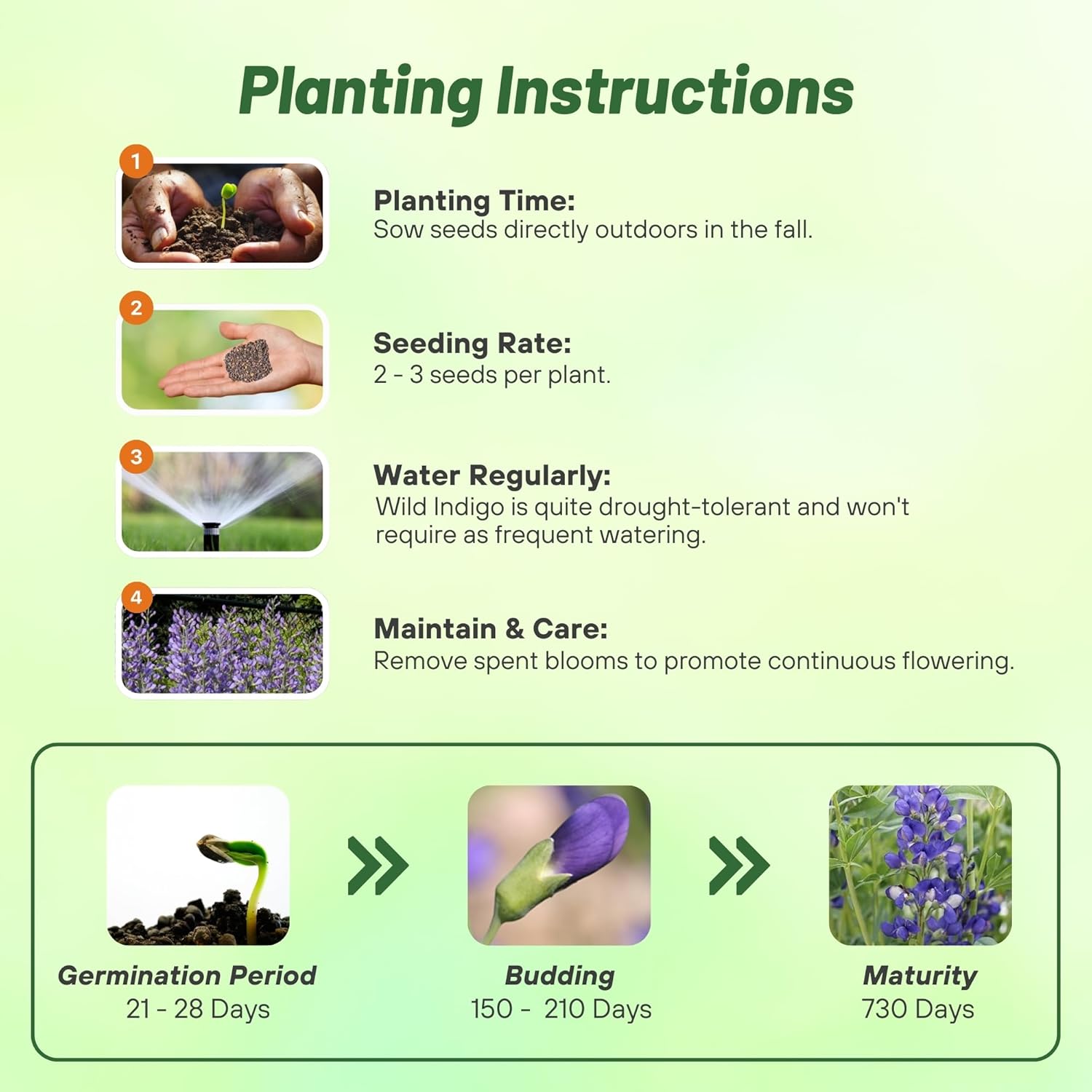
Planting Directions

TEMPERATURE
68F

AVERAGE GERM TIME
Put in fridge for 4 - 6 weeks. Pour hot water over seeds, let soak 1-3...more Put in fridge for 4 - 6 weeks. Pour hot water over seeds, let soak 1-3 days until swelling noticeable. Then plant 68F for germination in 21 - 28 days....less

LIGHT REQUIRED
Do not leave in direct sunlight

DEPTH
Surface sow and lightly cover no more than 1/8th inch

SOWING RATE
2 - 3 seeds per plant

MOISTURE
Keep seeds moist until germination

PLANT SPACING
24 - 36 inches


Common Questions
Are false indigo plants invasive or aggressive spreaders?
False indigo, is not classified as invasive. Nonetheless, it can self-seed and gradually expand to cover a specific area.
How can I use false indigo in the landscape and with what other plants?
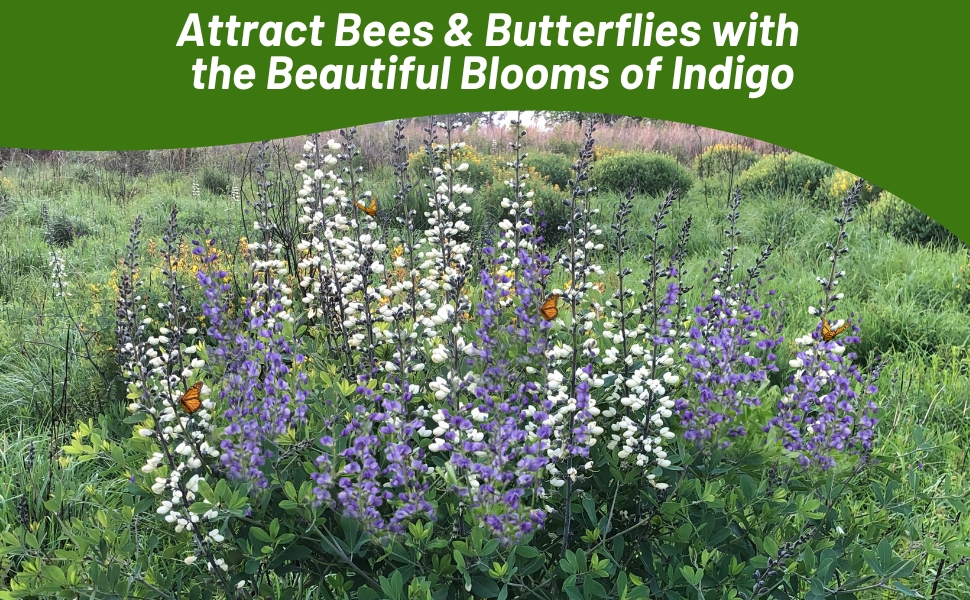
Excellent companion plants for false indigo are late spring bloomers such as peonies, spiky plants like salvia, and tall alliums. This plant is a wonderful choice for wildlife gardens as it attracts various butterfly species. To support its growth, position it among other plants to prevent the branches from sprawling under the weight of the flowers and seed pods.
Do I need to deadhead my plants?
If you do not remove the faded flowers, your false indigo plant will produce appealing seed pods resembling pea pods that darken and rustle in the wind. To avoid this, simply trim back your false indigo plant lightly after it has finished flowering.
Videos