










-
CATEGORY ::
- All Seeds /
- All Flower Seeds
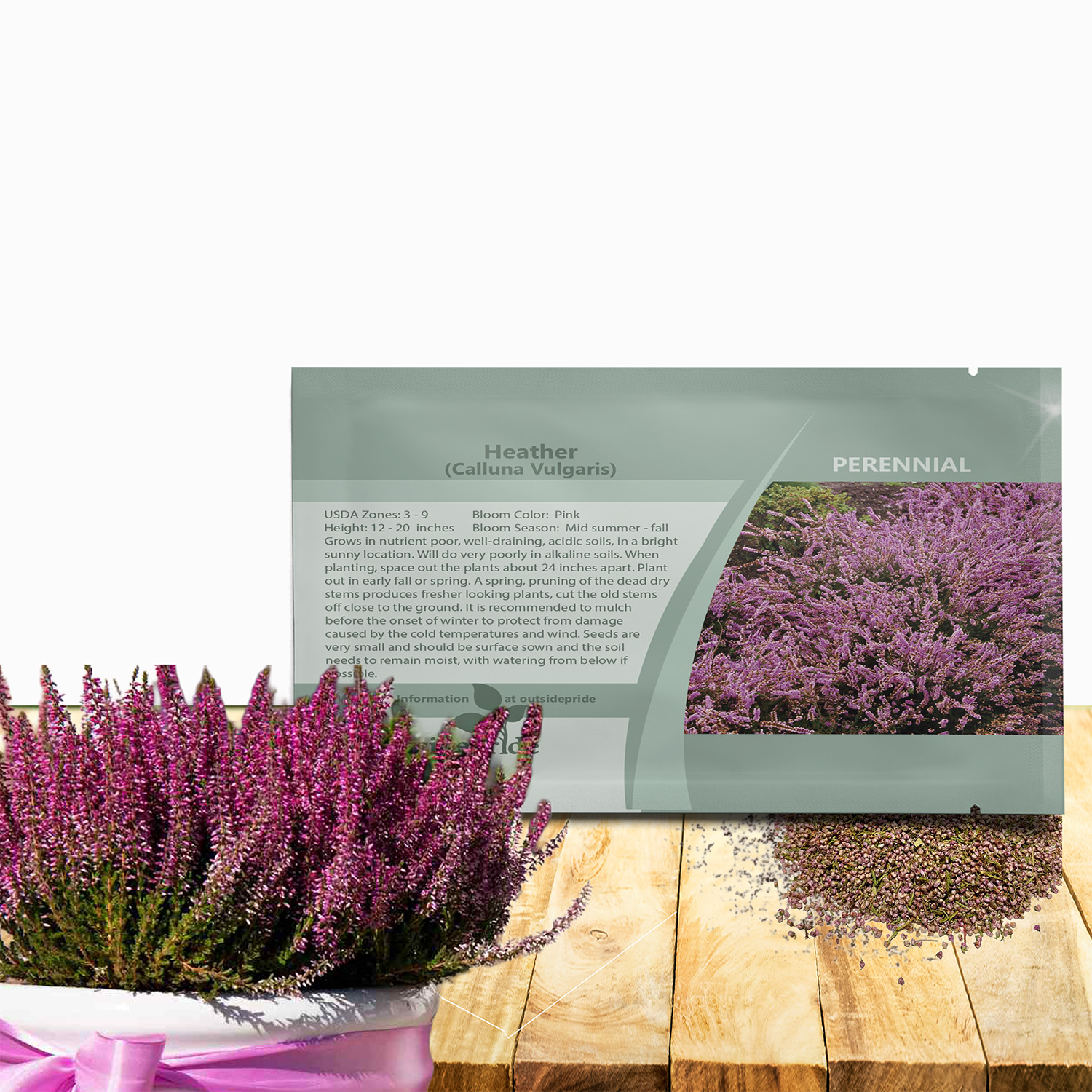


Heather Seed

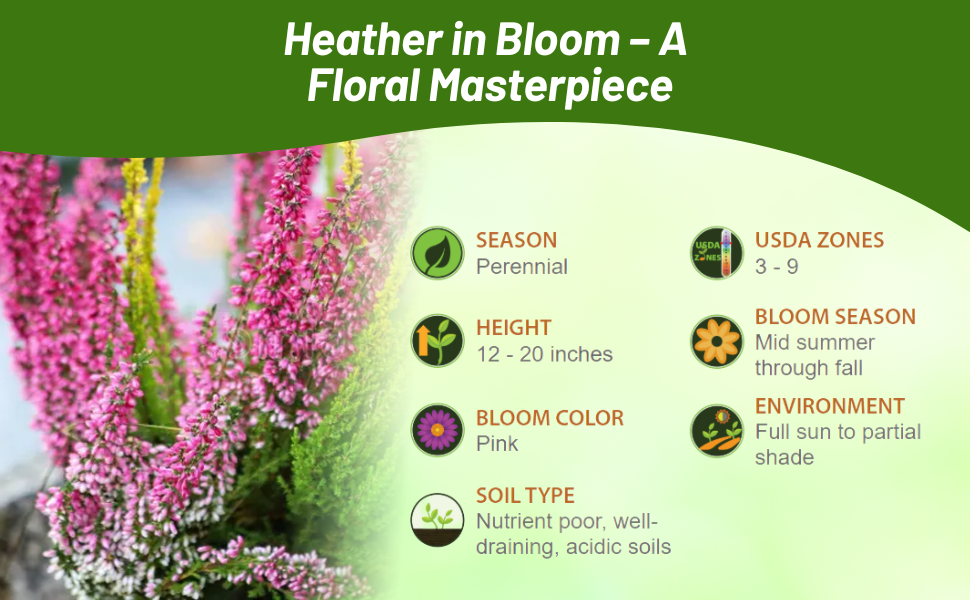
SEASON
Perennial

USDA ZONES
3 - 9

HEIGHT
12 - 20 inches

BLOOM SEASON
Mid summer through fall

BLOOM COLOR
Pink

ENVIRONMENT
Full sun to partial shade

SOIL TYPE
Nutrient poor, well-draining, acidic soils

DEER RESISTANT
Yes

LATIN NAME
Calluna vulgaris

About...
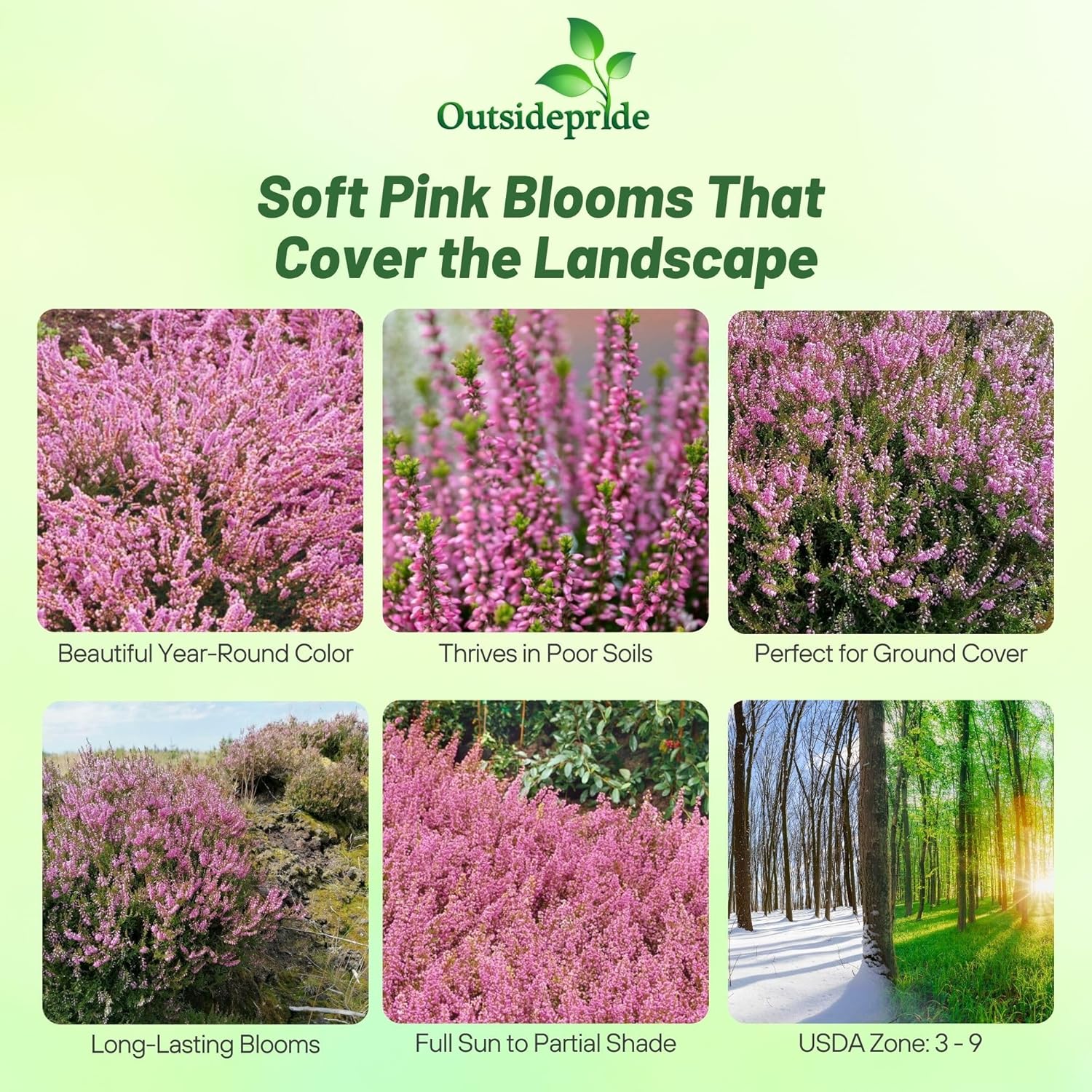
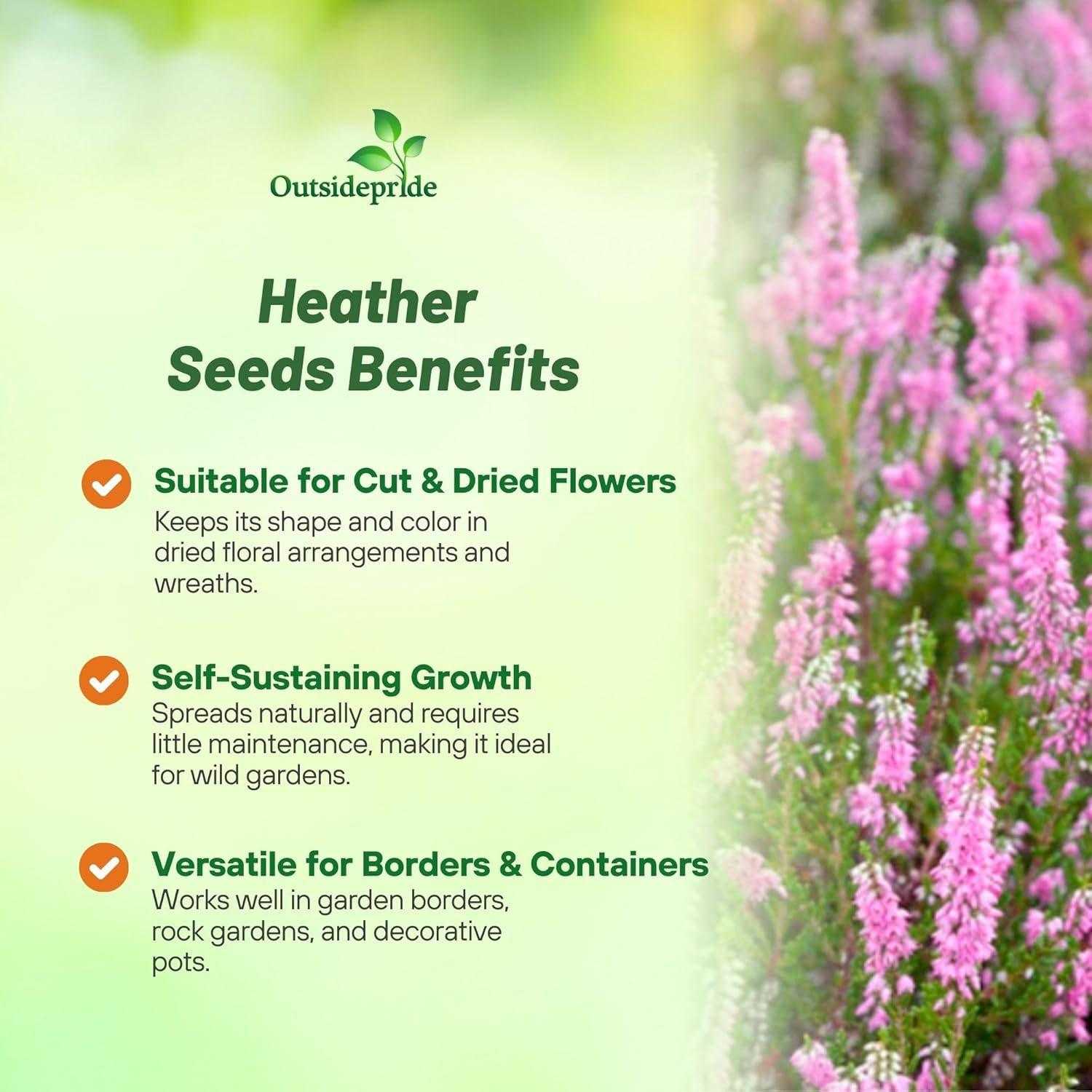
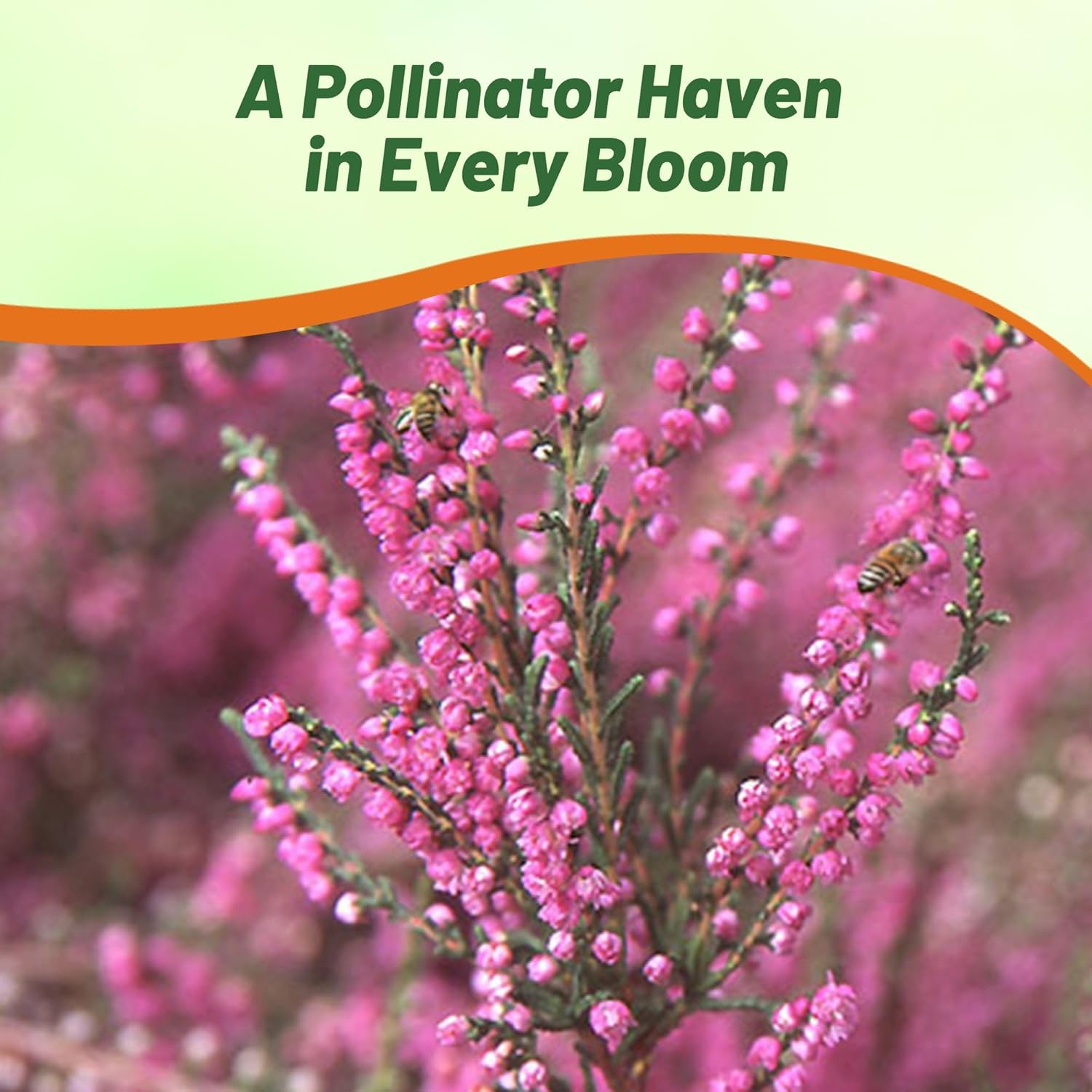
Heather (Calluna Vulgaris) - Scotch heather, an evergreen ground cover or low shrub for sun, blooms during late summer in various shades of red or pink. Heather thrives in USDA zones 3 to 9. This low-growing shrub definitely demonstrates year-round beauty, whether from its abundant summer blooms or its ever-changing foliage.MORE FLOWER OPTIONS

Planting Directions

TEMPERATURE
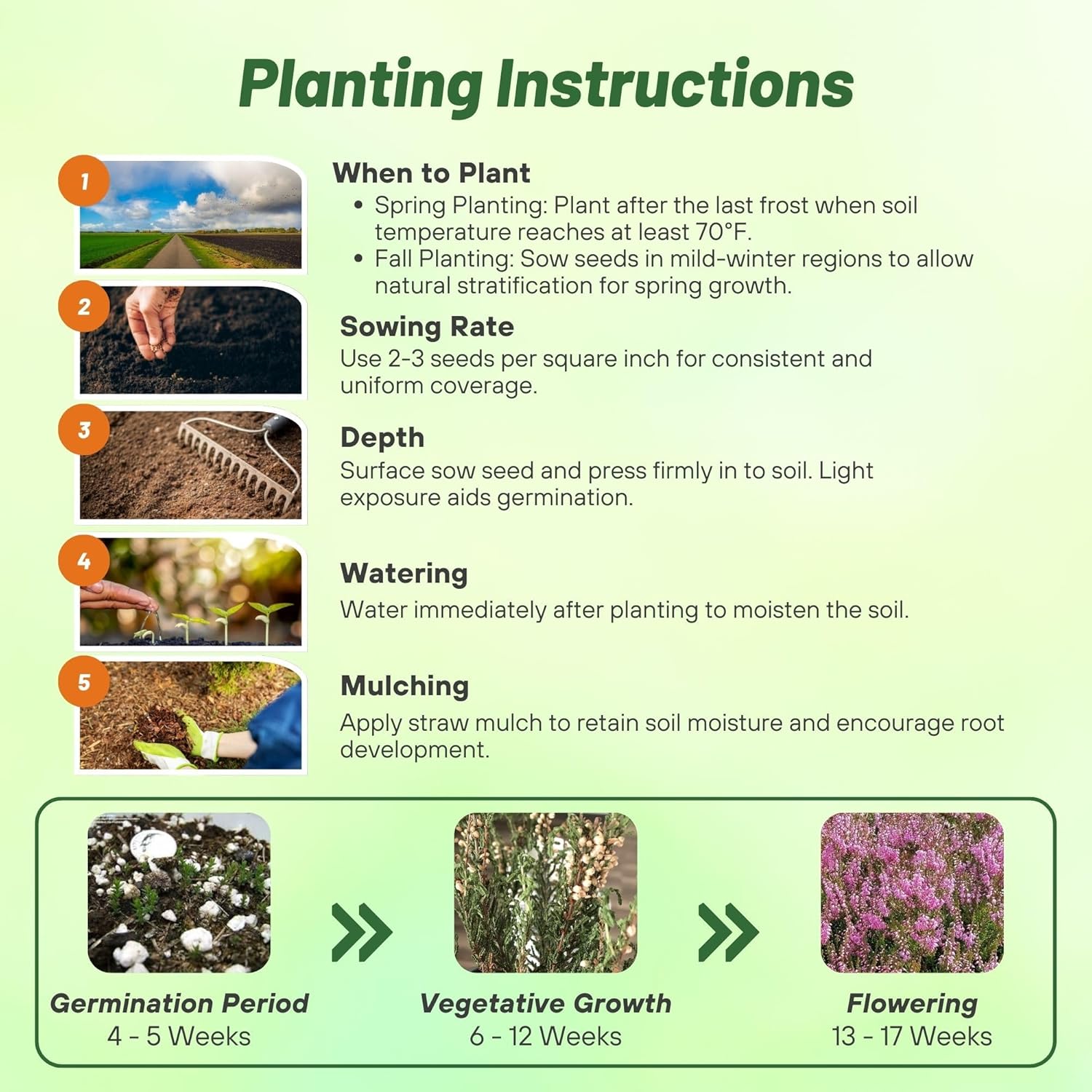
55 - 70F

AVERAGE GERM TIME
28 - 35 days

LIGHT REQUIRED
Yes

DEPTH
Surface sow seed and press firmly in to soil

SOWING RATE
2 - 3 seeds per plant

MOISTURE
Keep seeds moist until germination

PLANT SPACING
24 inches
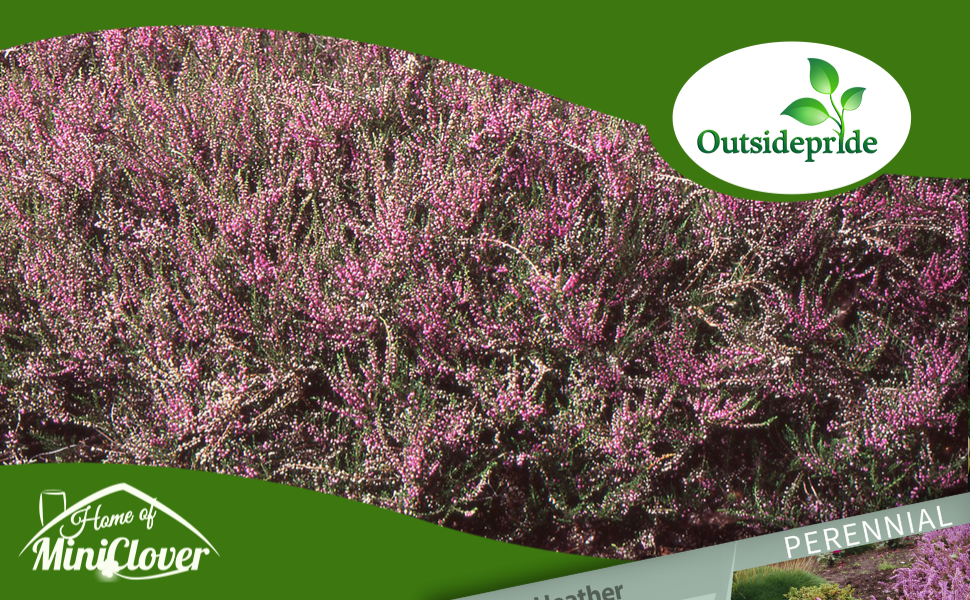
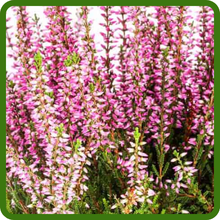
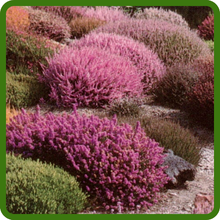
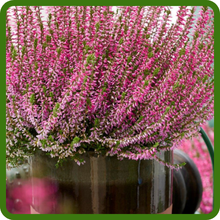
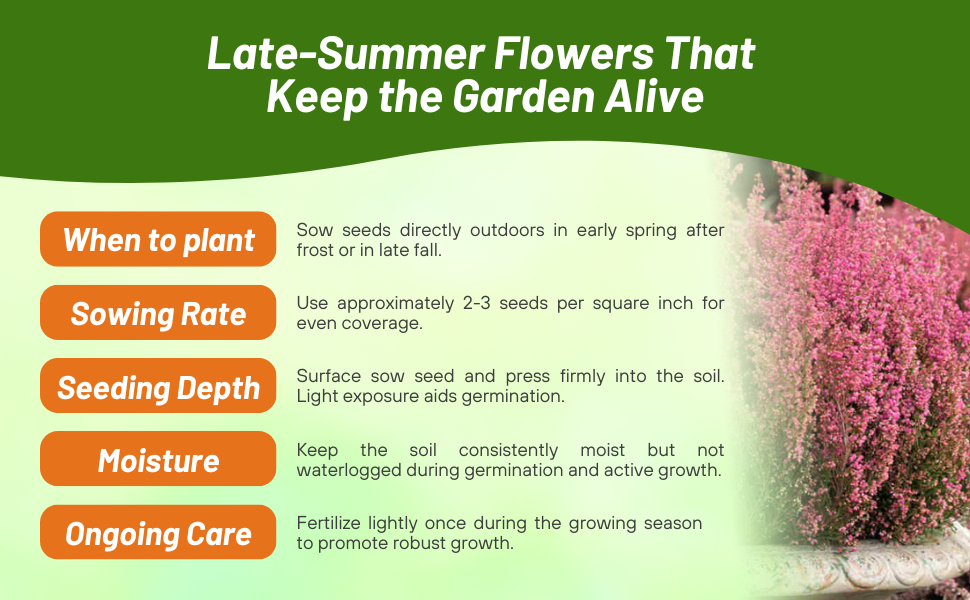
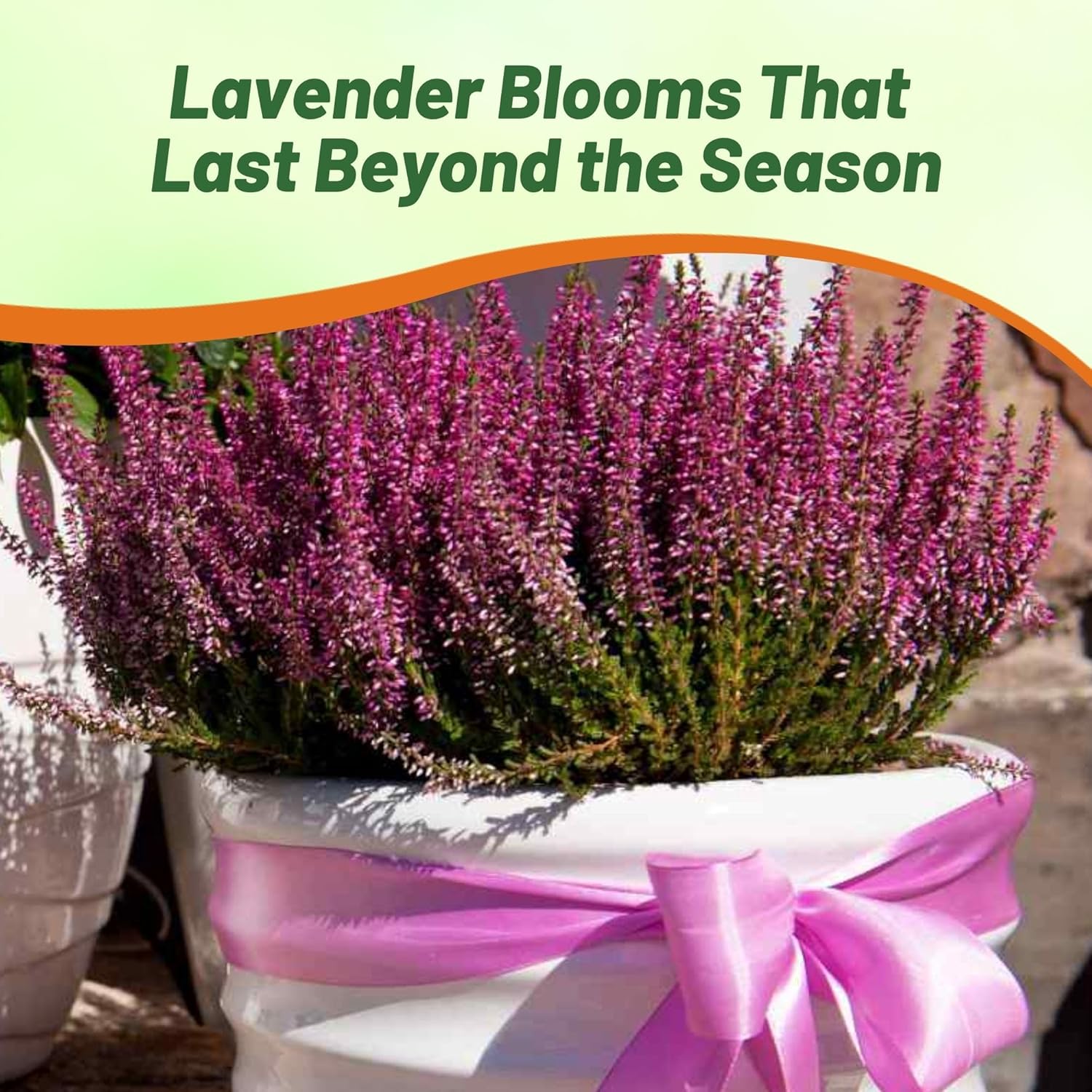
Heather (Calluna Vulgaris) - Scotch heather, an evergreen ground cover or low shrub for sun, blooms during late summer in various shades of red or pink. Heather thrives in USDA zones 3 to 9. This low-growing shrub definitely demonstrates year-round beauty, whether from its abundant summer blooms or its ever-changing foliage. Heather works great for use in sun-soaked garden spots from the border to along the driveway. You can even plant heather in a pot and grow as a house plant!
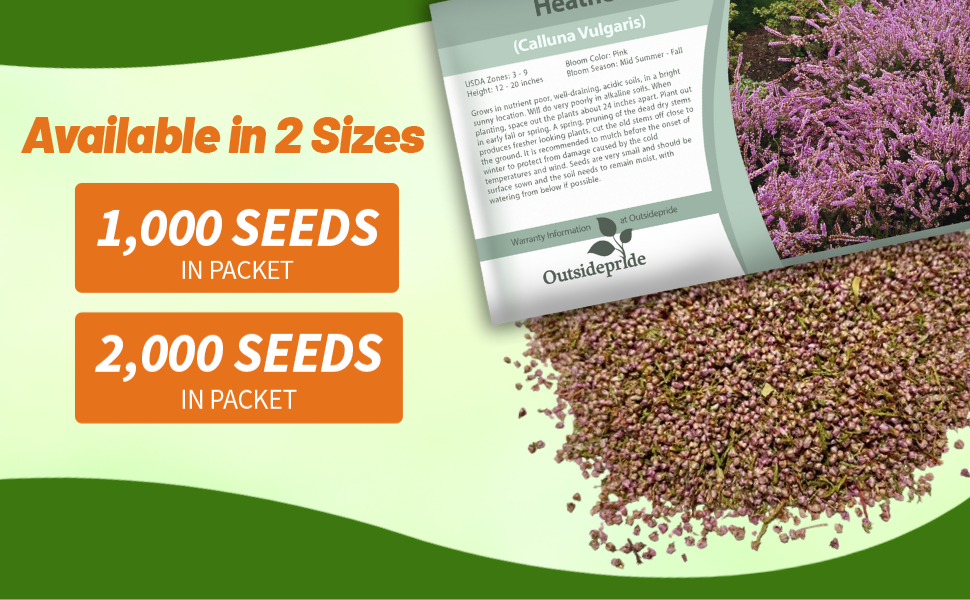
Heathers grow in nutrient poor, well-draining, acidic soils, in a bright sunny location. Calluna vulgaris will do very poorly in alkaline soils. When planting in the ground, space out the plants about 24 inches apart. Plant out in early fall or spring. A spring, pruning of the dead dry stems produces fresher looking plants, cut the old stems off close to the ground. It is recommended to mulch before the onset of winter to protect from damage caused by the cold temperatures and wind. Heather seeds are very small and should be surface sown and the soil needs to remain moist, with watering best done from below if possible.
Common Questions
Where should I plant heather?
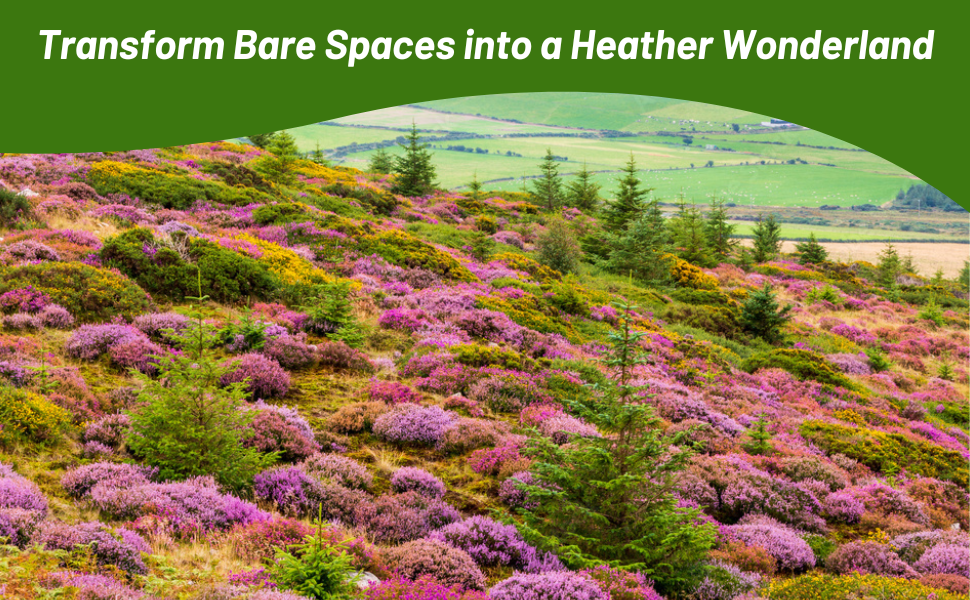
Heather shrubs thrive in poor, rocky soil and can withstand salt spray, making them ideal for coastal hillsides. Shorter varieties work well as ground covers or in rock gardens, while taller types can be planted in rows to create borders.
Is heather toxic to pets?
No, fortunately, heather is not toxic to either people or animals.
My heather foliage is turning brown, what is wrong?
If the leaves of your heather plant are turning brown, check if they feel dry and brittle as this could indicate the plant is in distress. To determine its health, snap off a single stem. A pliable, green or white interior indicates life, while easy breakage suggests the plant may be dying or dead. Sudden death during the growing season often points to root rot. In this case, remove the plant, avoid replanting heather in the same area for a few years, and dispose of the affected plant. If the plant shows signs of life but has drainage problems, uproot it and examine the roots. Trim any dark brown or black areas with sanitized scissors, treat with an antifungal solution, and replant in well-draining soil in a different location to potentially revive the plant.
Do I need to deadhead my flowers?
You do not need to deadhead heather. You can clip off flower spikes as they fade to encourage new growth.
Videos