








-
CATEGORY ::
- All Seeds /
- All Flower Seeds /
- All Petunia Seeds


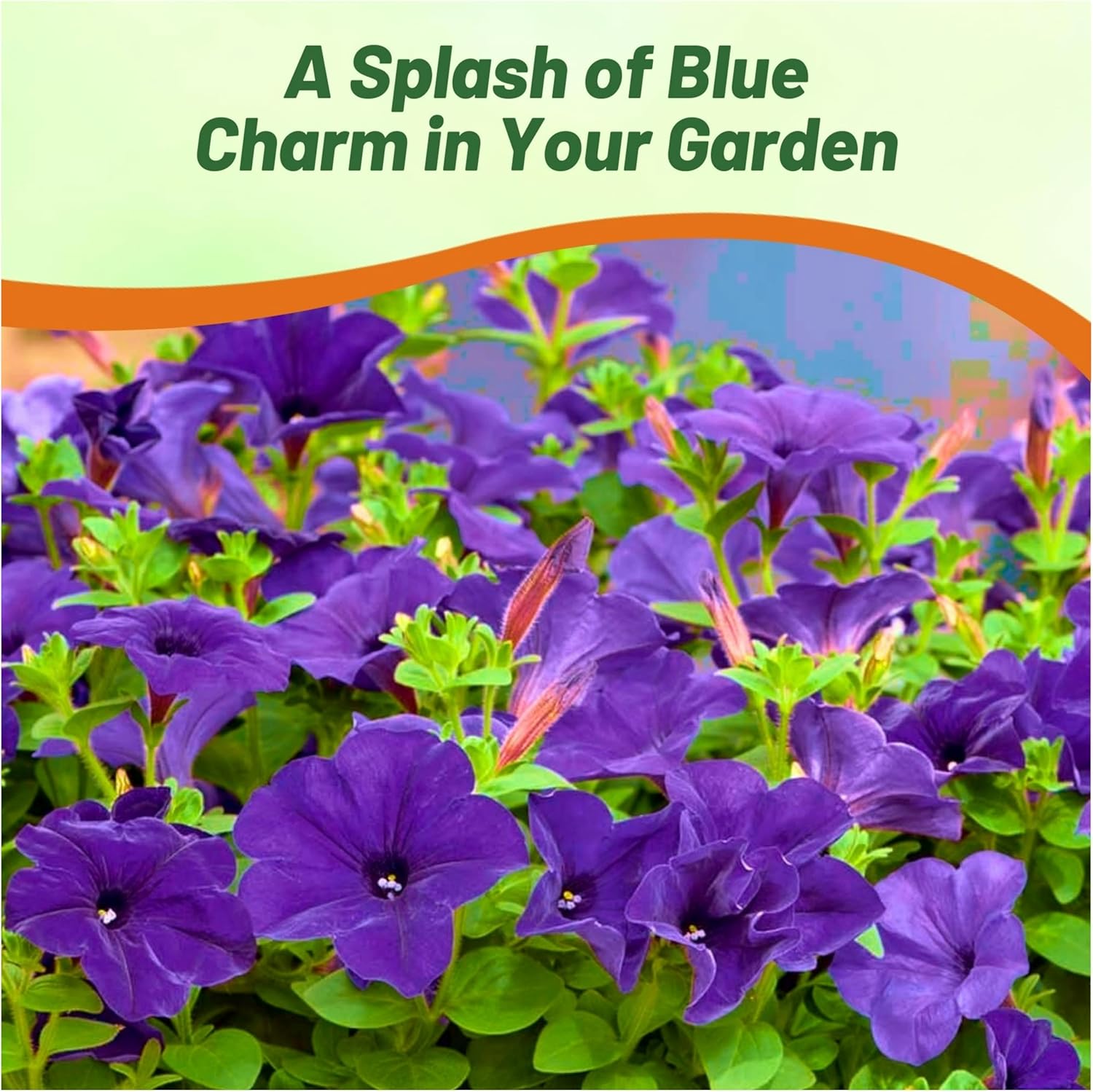
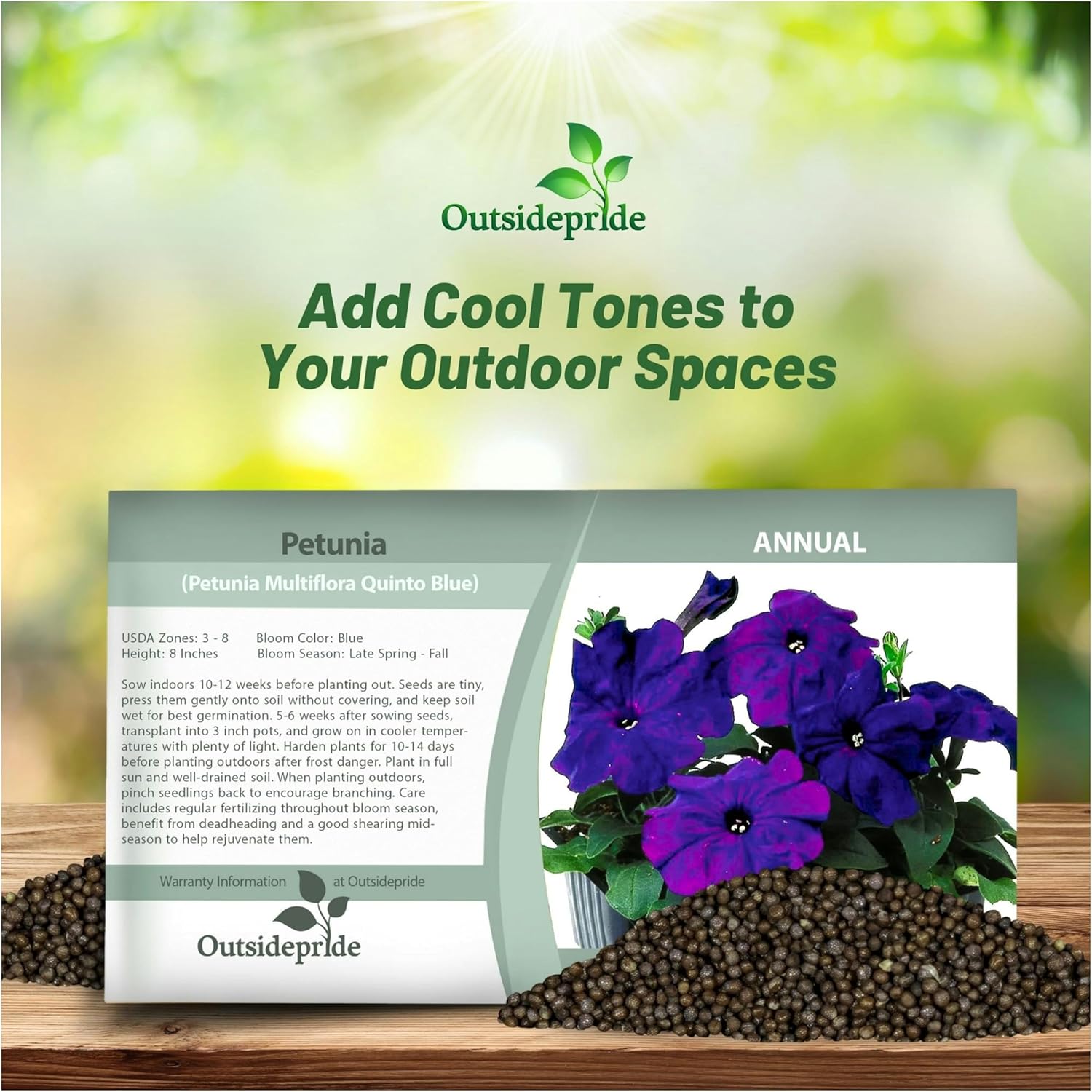
Petunia Multiflora Seeds - Blue

SEASON
Annual

USDA ZONES
3 - 8

HEIGHT
8 inches

BLOOM SEASON
Late spring through fall

BLOOM COLOR
Blue

ENVIRONMENT
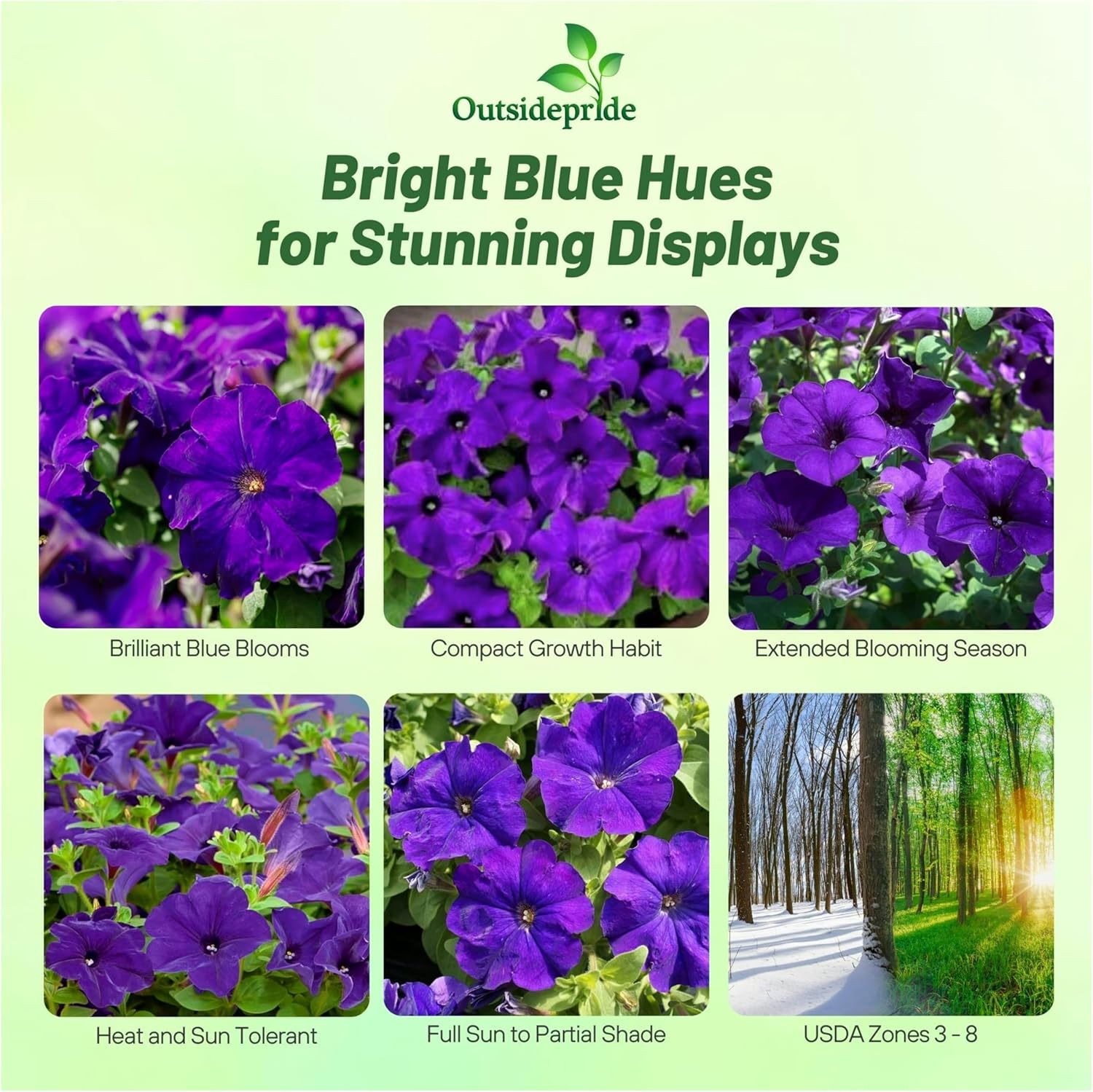
Full sun to partial shade

SOIL TYPE
Well-drained, pH 5.6 - 6.6

DEER RESISTANT
No
HOUSE PLANT
Yes

About...
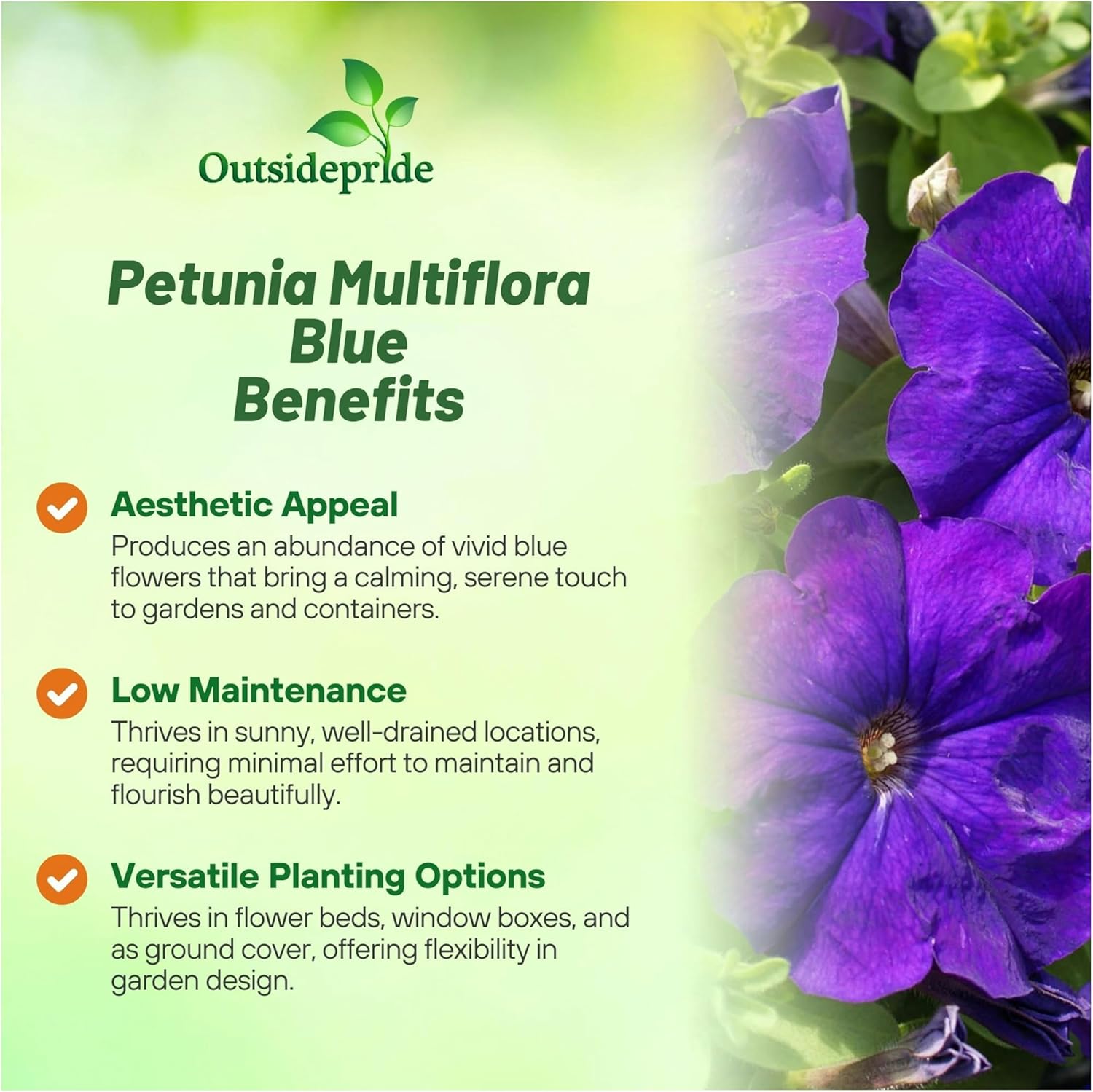
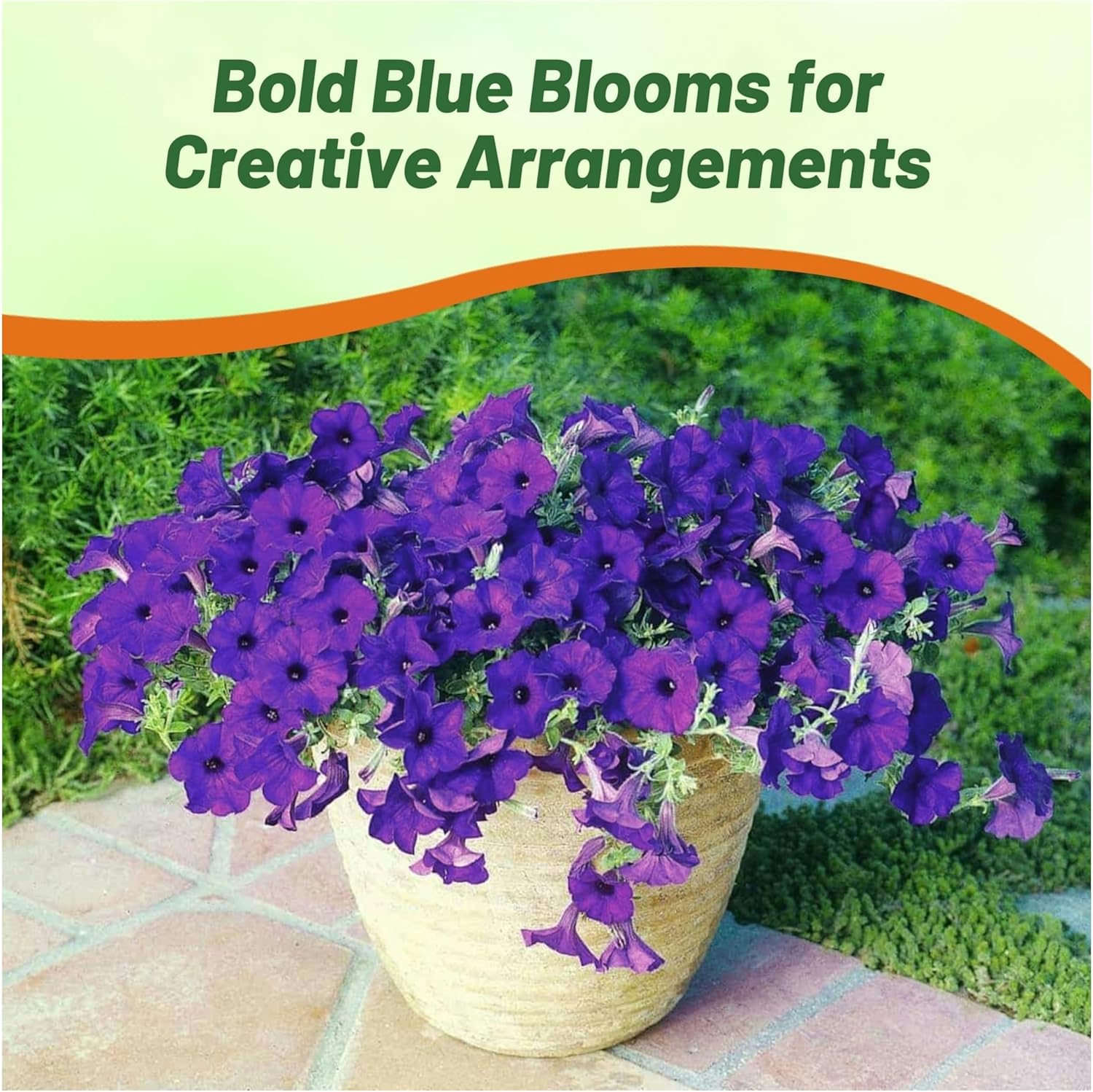
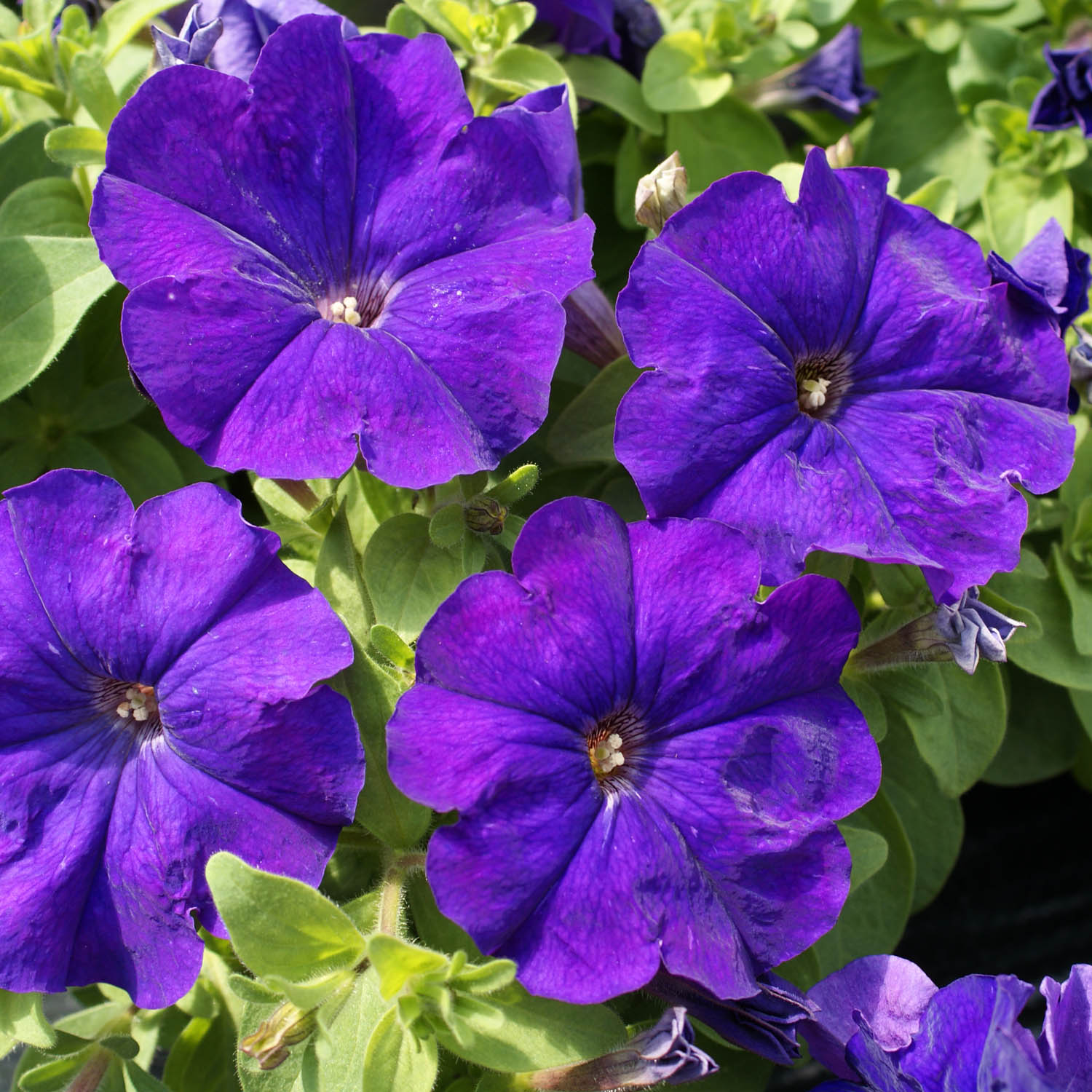
Petunia (Petunia Multiflora Quinto Blue) - Whether trying to fill window boxes, hanging baskets, or a flower bed, this blue flower will be perfect for you. It establishes easily from Petunia seeds, and the dwarf, compact plants get absolutely smothered by blue flowers. What a gorgeous display!
MORE PETUNIA OPTIONS

Planting Directions

TEMPERATURE
72 - 76F

AVERAGE GERM TIME
7 - 14 days

LIGHT REQUIRED
Yes

DEPTH
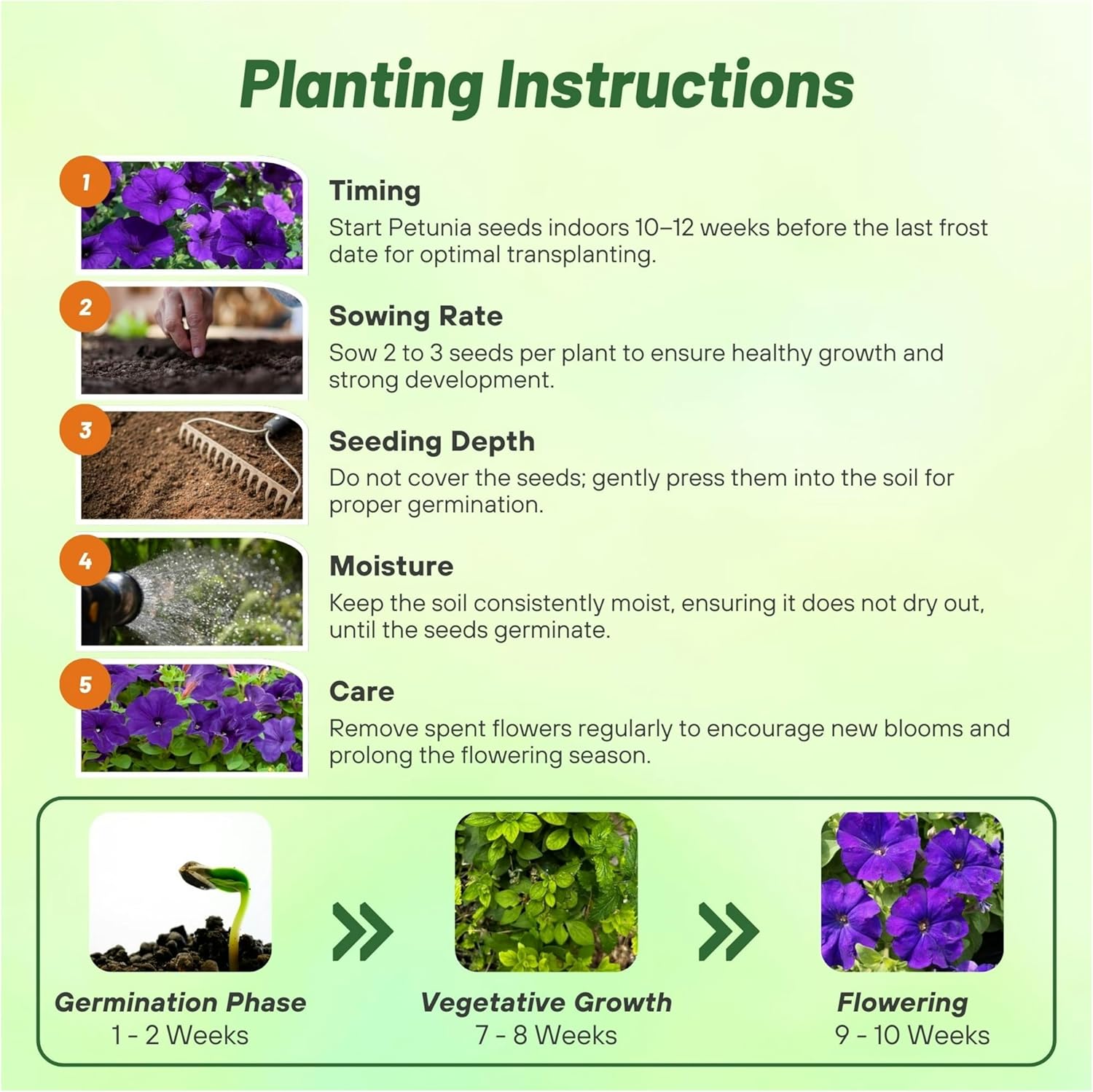
Do not cover the seed but press into the soil

SOWING RATE
2 - 3 seeds per plant

MOISTURE
Keep soil wet for best germination

PLANT SPACING
9 - 12 inches

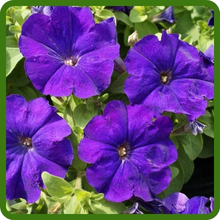
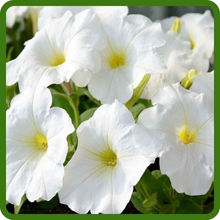
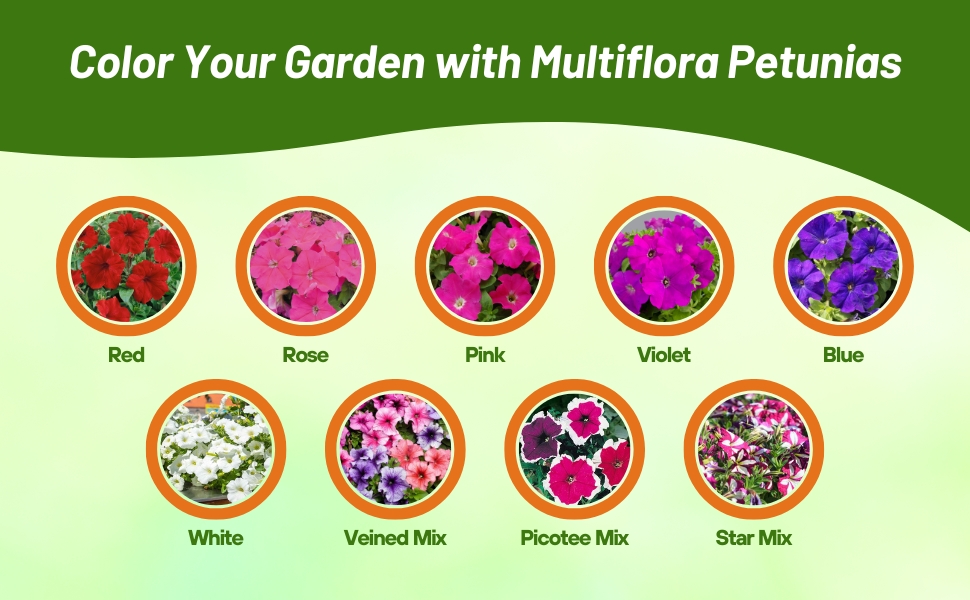
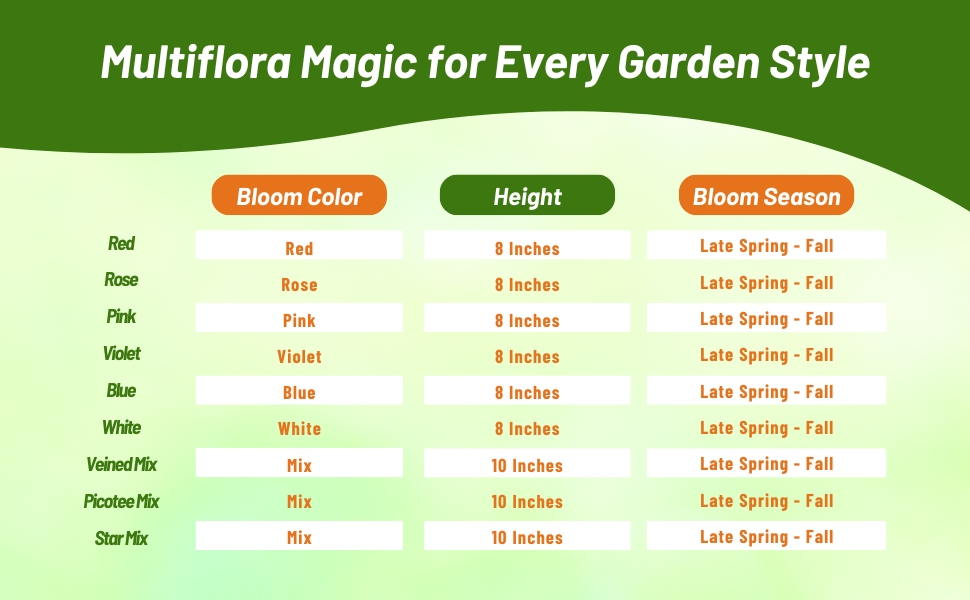
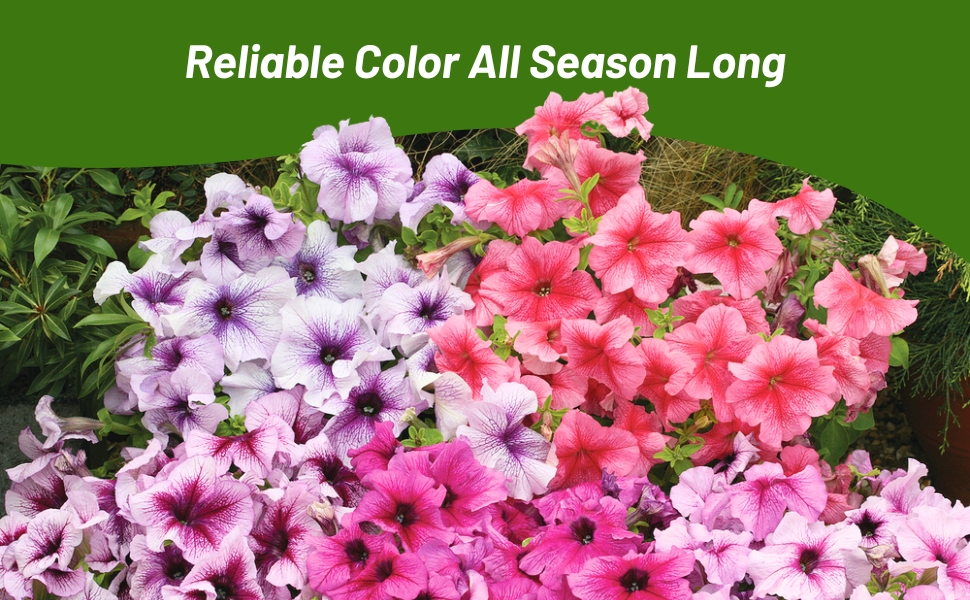
Petunia (Petunia Multiflora Quinto Blue) - Whether trying to fill window boxes, hanging baskets, or a flower bed, this blue Petunia will be perfect for you. It establishes easily from Petunia seeds, and the dwarf, compact plants get absolutely smothered by blue flowers. What a gorgeous display! Multiflora blue plants have medium-sized blooms, about 2 inches across, and they are extremely prolific. They are also more disease tolerant and withstand rain better than the larger Grandiflora variety.
Sow Petunia seeds indoors 10 - 12 weeks before planting out. The flower seeds are extremely tiny, so press them gently onto the soil surface without covering, and keep the soil wet for the best germination. Placing the trays or containers on top of the refrigerator is beneficial as the heat from the appliance keeps the flower seeds consistently warm. Five or six weeks after sowing the seeds, transplant seedlings into 3 inch pots, and grow on in cooler temperatures with plenty of light. Harden young plants for 10 - 14 days before planting outdoors after last frost date. Plant Petunias in full sun and well-drained soil. When planting outdoors, pinch the young seedlings back to encourage branching.
Common Questions
Do I need to deadhead my flowers?
Yes, you will need to deadhead your flowers to encourage more blooms.
Do petunia’s attract any pollinators?
Yes, butterflies and hummingbirds both enjoy these flowers.
What are some good ways to use in my landscape?
Beds, borders, edging, ground cover, hanging baskets or containers are all wonderful ways to use petunia’s around your garden or landscape.
My plants leaves are turning yellow, why?
Yellow leaves are a sign of low nitrogen or iron, not enough water, not enough sunlight or poor drainage. Review your growing conditions to try and determine the cause.
My flowers and leaves are looking wilted, what do I do?
Check soil moisture, it is most likely that your plant needs more water.
What are some common companion plants?
Geraniums, osteopermum, verbena and salvia all are beautiful companion plants.
Videos