










-
CATEGORY ::
- All Seeds /
- All Flower Seeds /
- All Rudbeckia Seeds
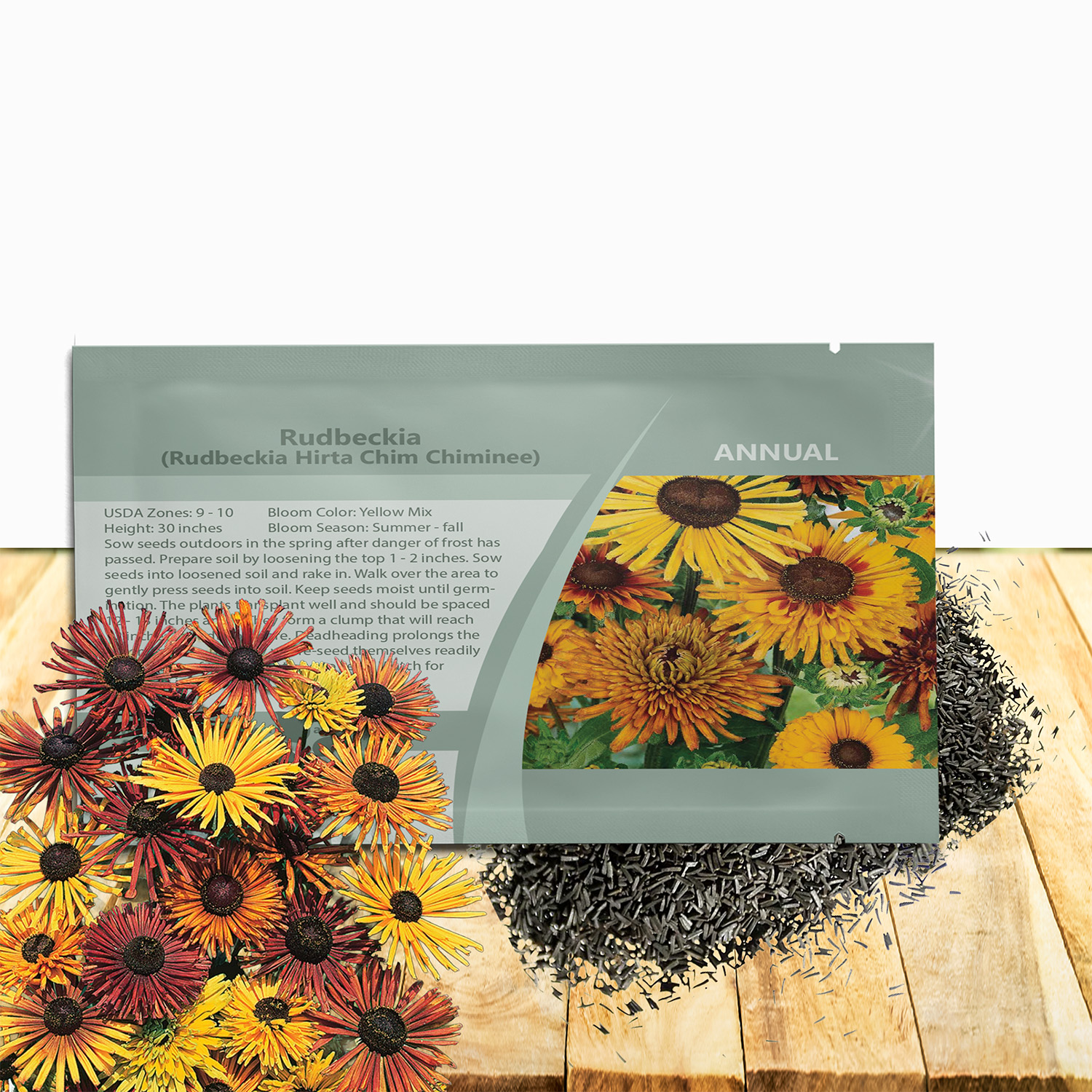

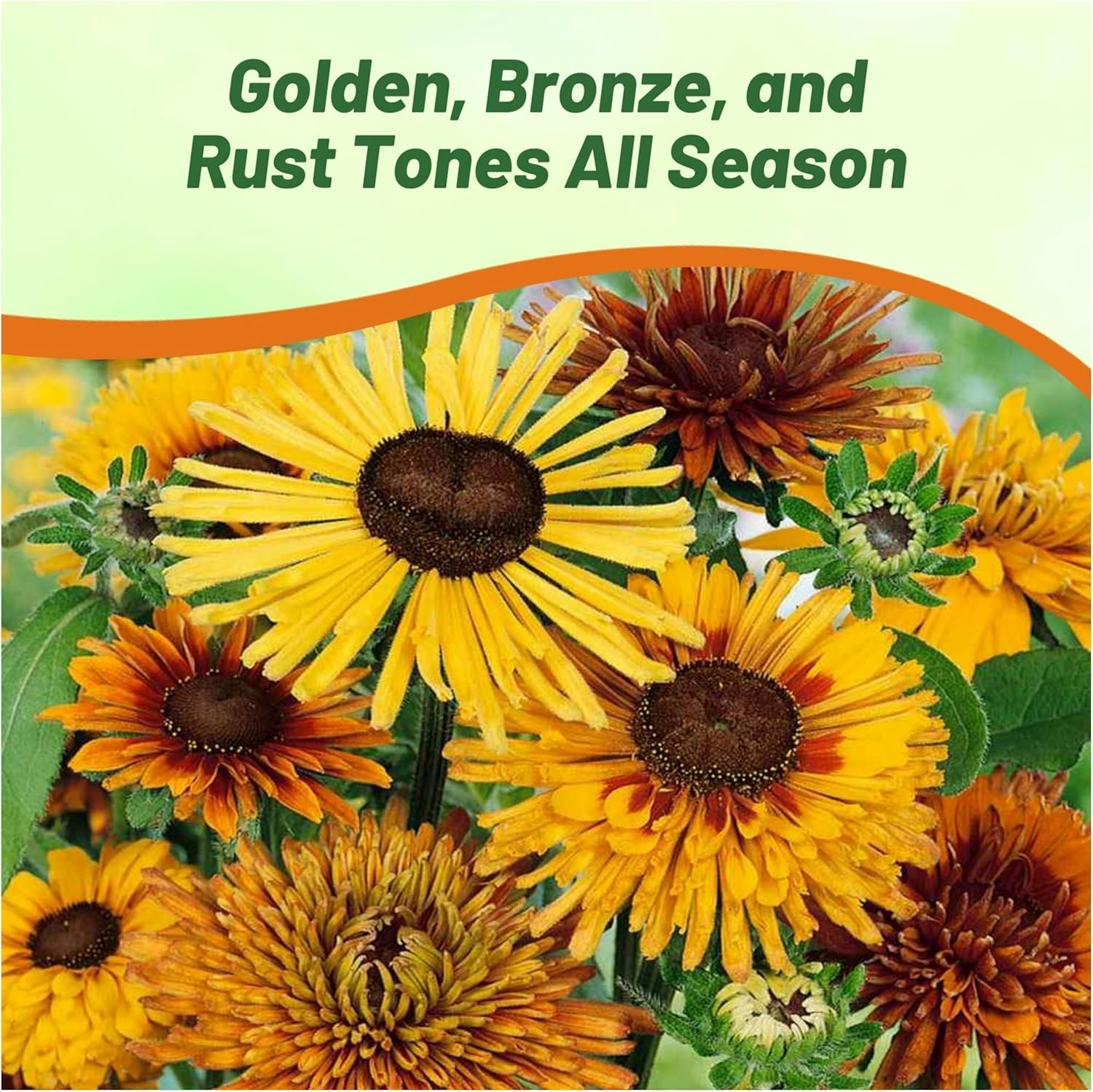

Rudbeckia Hirta Seeds - Chim Chiminee

SEASON
Perennial

USDA ZONES
9 - 10

HEIGHT
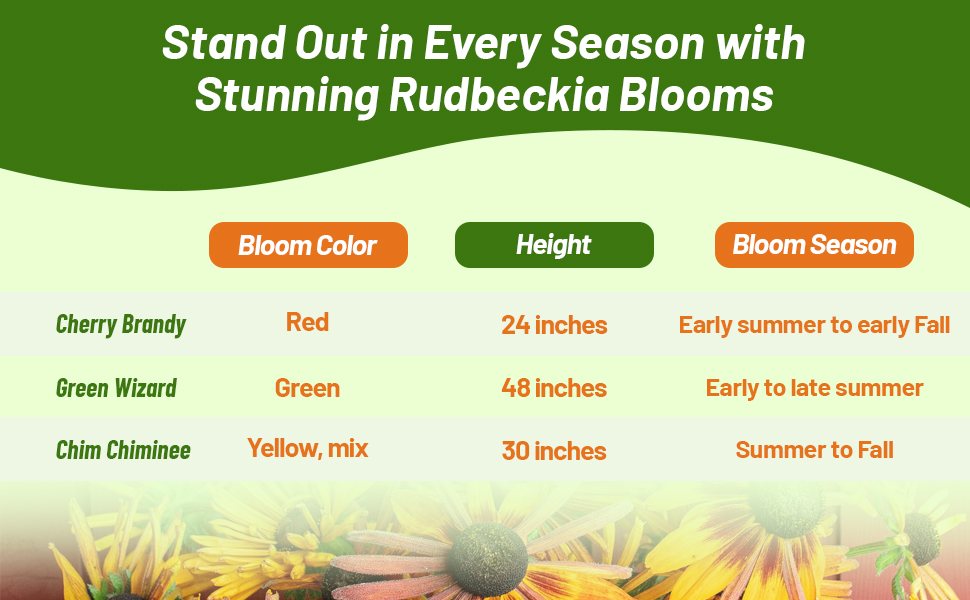
30 inches

BLOOM SEASON
Summer to Fall

BLOOM COLOR
Yellow, mix

ENVIRONMENT
Full sun

SOIL TYPE
Average, well-drained soil. Tolerates poor soil

DEER RESISTANT
Yes

About...
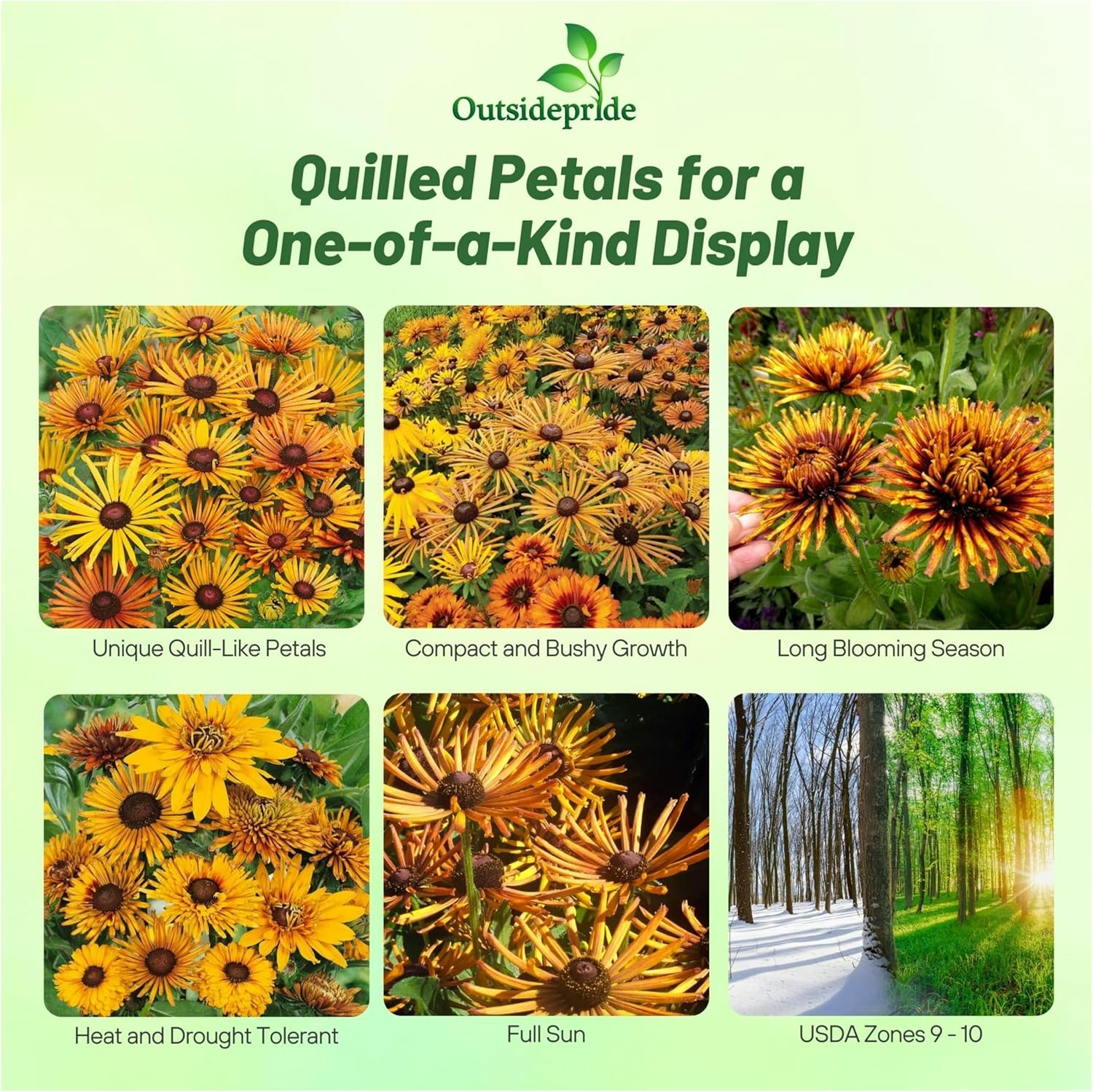
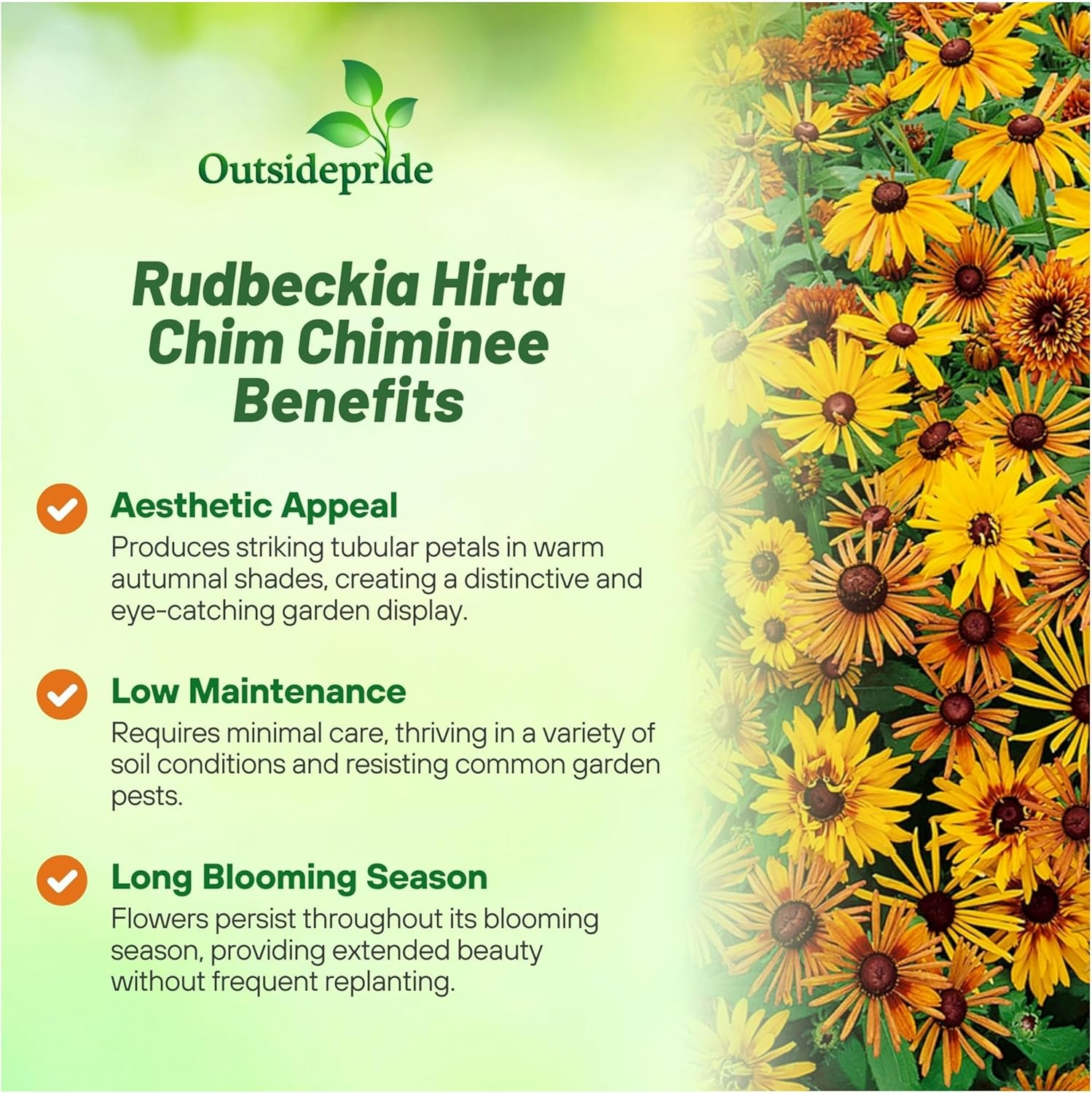
Rudbeckia (Rudbeckia Hirta Chim Chiminee) - This Rudbeckia mix has unique, quilled petals. Its 4 – 6 inch blooms are in shades of yellow, milk chocolate, bronze, and gold. Multi-branching plants are excellent for cutting. Outstanding in borders and xeriscape landscaping where water conservation is required.MORE RUDBECKIA OPTIONS

Planting Directions

TEMPERATURE
68 - 72F

AVERAGE GERM TIME
8 - 14 days

LIGHT REQUIRED
Yes

DEPTH
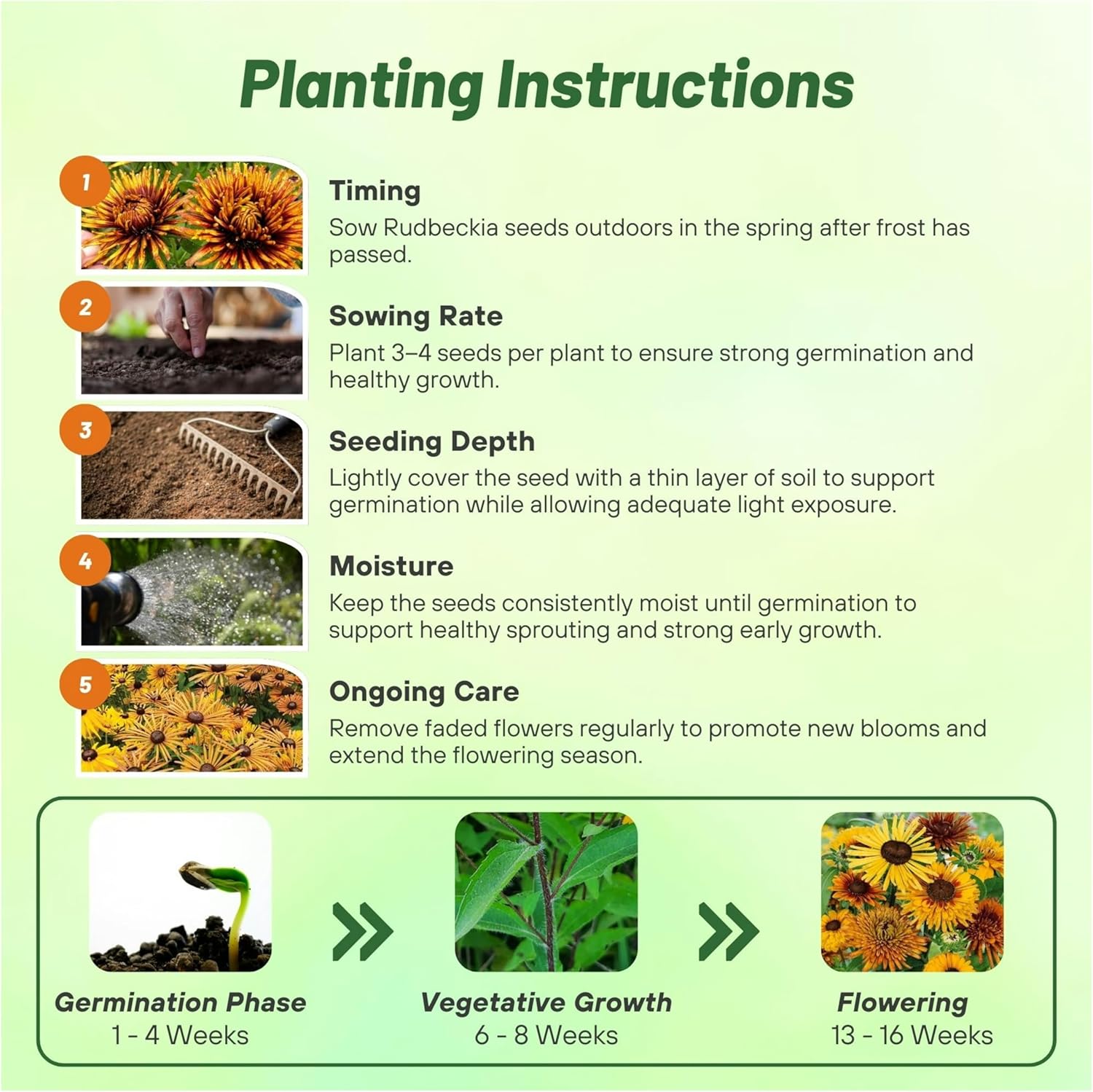
Cover seed very lightly

SOWING RATE
3 - 4 seeds per plant

MOISTURE
Keep seeds moist until germination

PLANT SPACING
12 - 18 inches


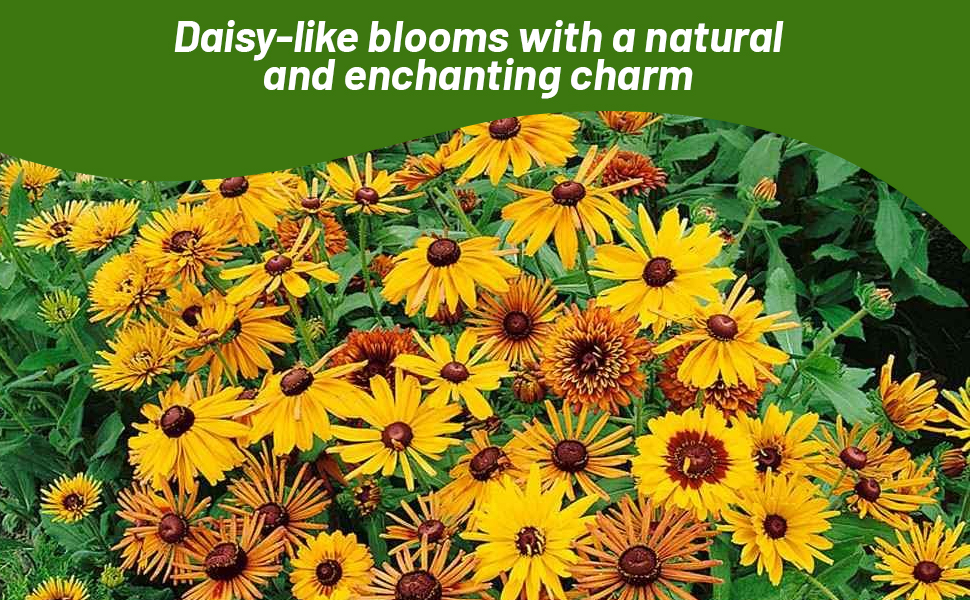
Rudbeckia (Rudbeckia Hirta Chim Chiminee) - This Rudbeckia mix has unique, quilled petals. Its 4 – 6 inch blooms are in shades of yellow, milk chocolate, bronze, and gold. Multi-branching drought tolerant plants are excellent for cutting. Outstanding in borders. Also known as blackeyed Susan and gloriosa daisy. Tender perennial in USDA Zones 9 - 10, but may over winter in colder climates. Excellent for borders, butterfly or cut flower xeriscape gardens.
How To Grow Rudbeckia From Seed: Sow Rudbeckia seeds outdoors in the spring after the danger of frost has passed. Prepare soil by loosening the top 1 - 2 inches and removing any weeds. Sow the seeds into the loosened soil and rake in. Walk over the area to gently press the flower seeds into the soil. Keep the flower seeds moist until germination. The plants transplant well and should be spaced 12 - 18 inches apart. They form a clump that will reach 12 inches in width or more. Rudbeckia Flower Care: Deadheading prolongs the bloom season, but they will re-seed themselves readily if you leave a few blooms to go to seed. Watch for seedlings in subsequent years.
Common Questions
What are good perennial companion plants for black-eyed Susan?
Black-eyed Susans and various Rudbeckia plants beautifully enhance the vibrant hues of blue and purple flowers, such as Veronica. They also pair wonderfully with other jewel tones, including Sedum 'Autumn Joy', purple coneflowers, and New England asters.
How do you winterize black-eyed Susan?
Black-eyed Susans are resilient to winter conditions, thriving in USDA zone 3, which means they don’t require winterization. However, the plants do benefit from having their stalks cut back in the fall and being covered with a generous layer of mulch.
Can I use it as a cut flower?
Yes, these flowers are excellent for long lasting cut flowers.
Do flowers attract any pollinators?
Yes, butterflies and song birds are attracted to these flowers.
Do I need to deadhead my spent blooms?
Yes, to encourage a longer bloom season you will need to deadhead any spent blooms.
What are some good ways to use these flowers?
These are spectacular in mass plantings, perennial borders, cottage gardens, cut flower gardens, or in prairies and meadows.
Videos