










-
CATEGORY ::
- All Seeds /
- All Flower Seeds /
- All Rudbeckia Seeds
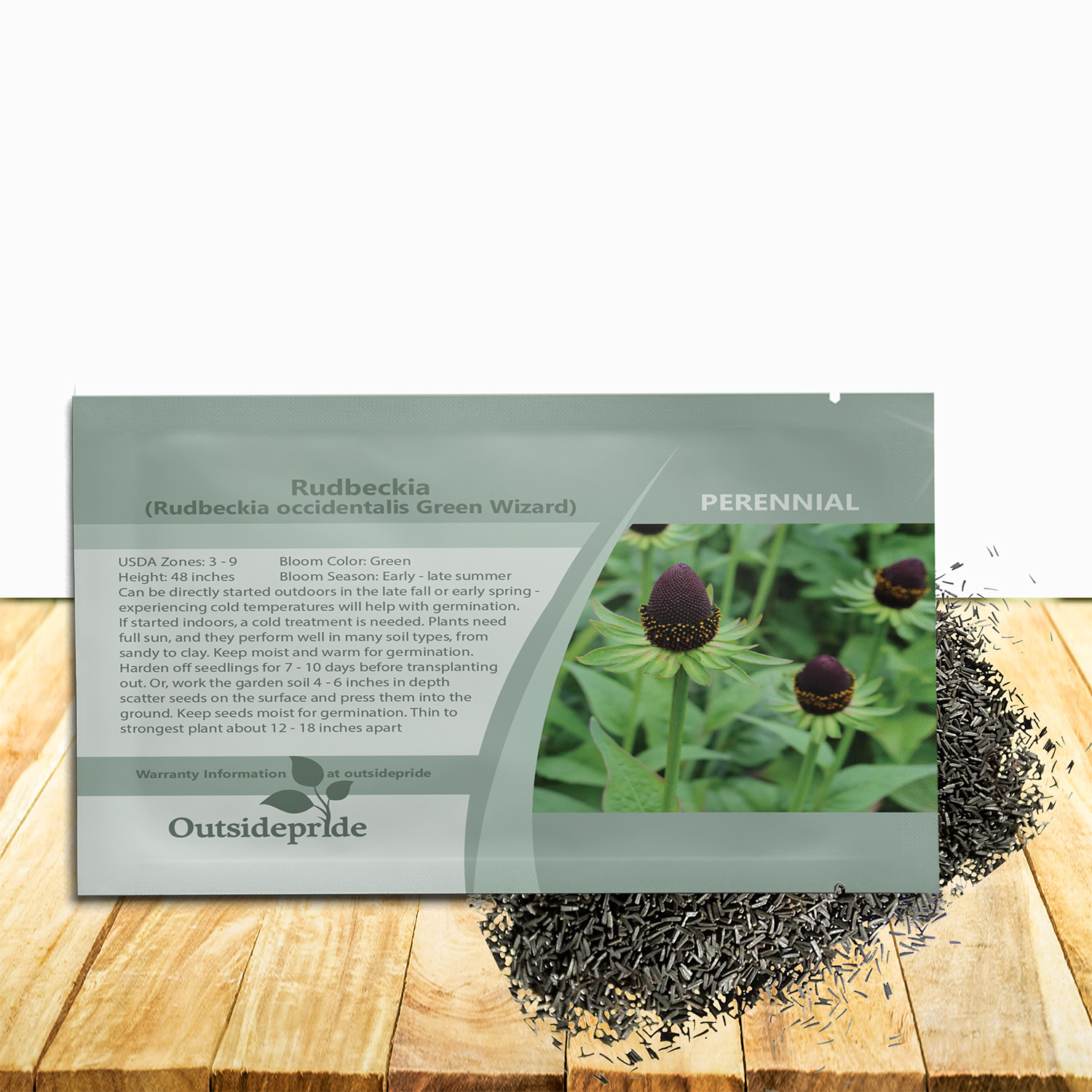

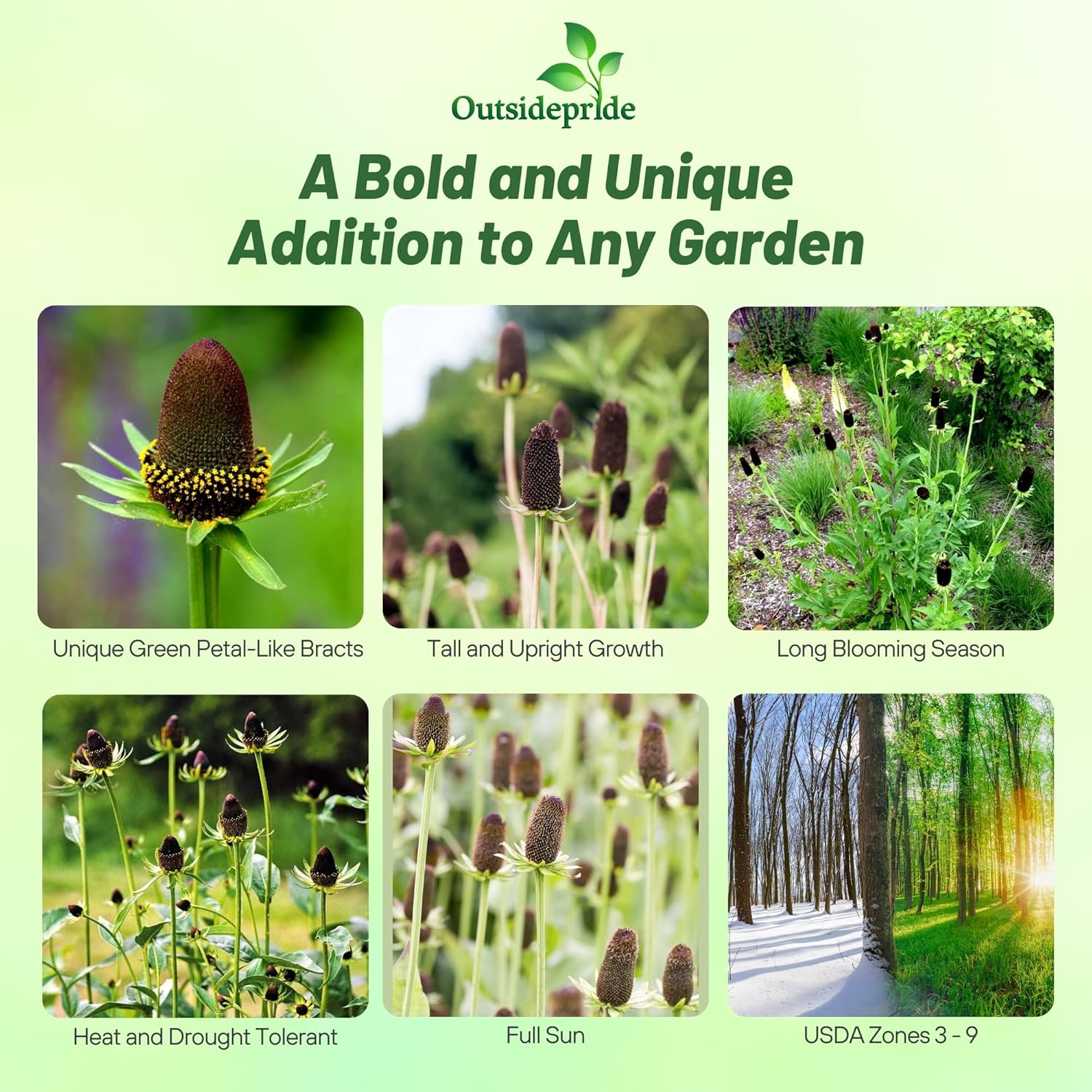
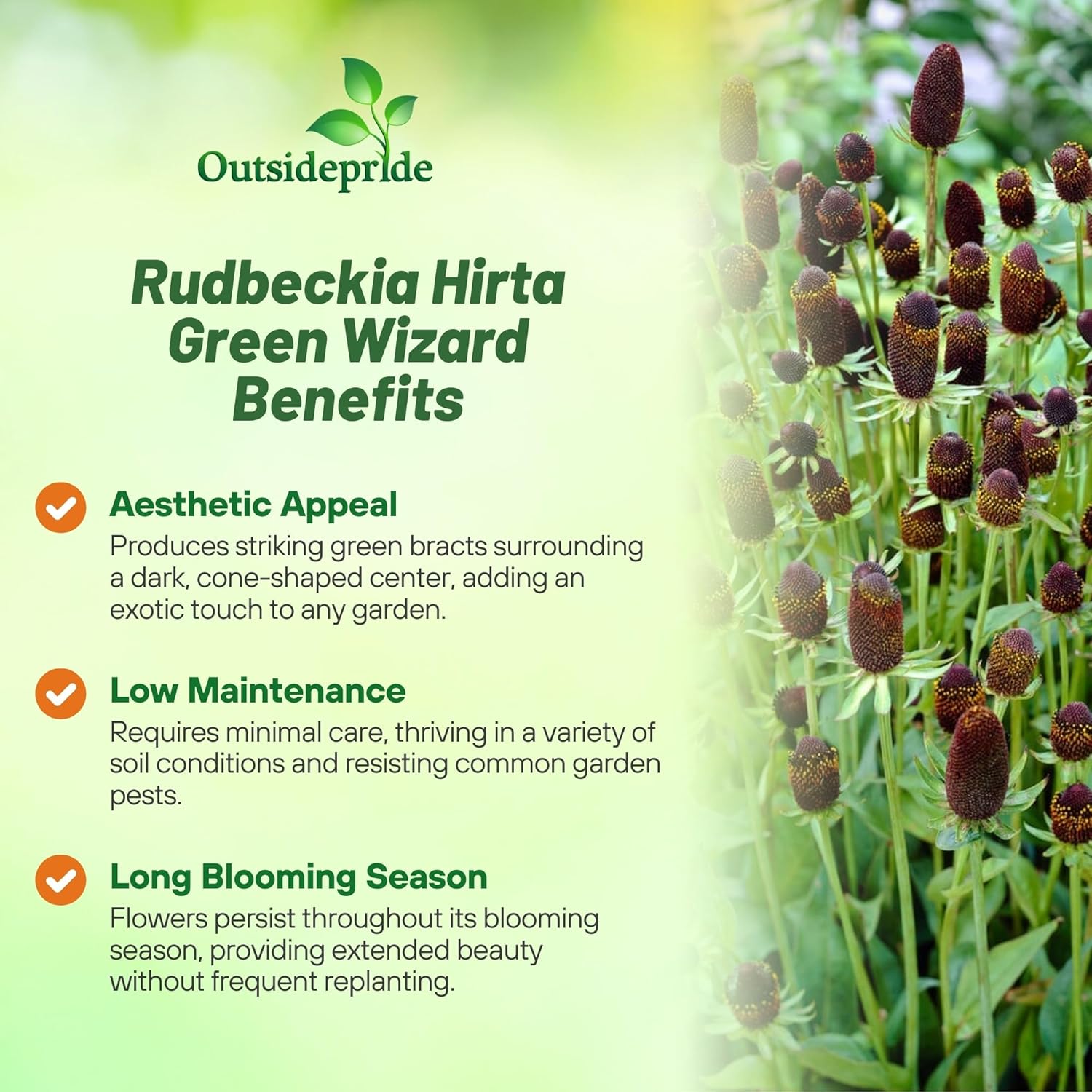

Rudbeckia Hirta Seeds - Green Wizard

SEASON
Perennial
USDA ZONES
3 - 9

HEIGHT
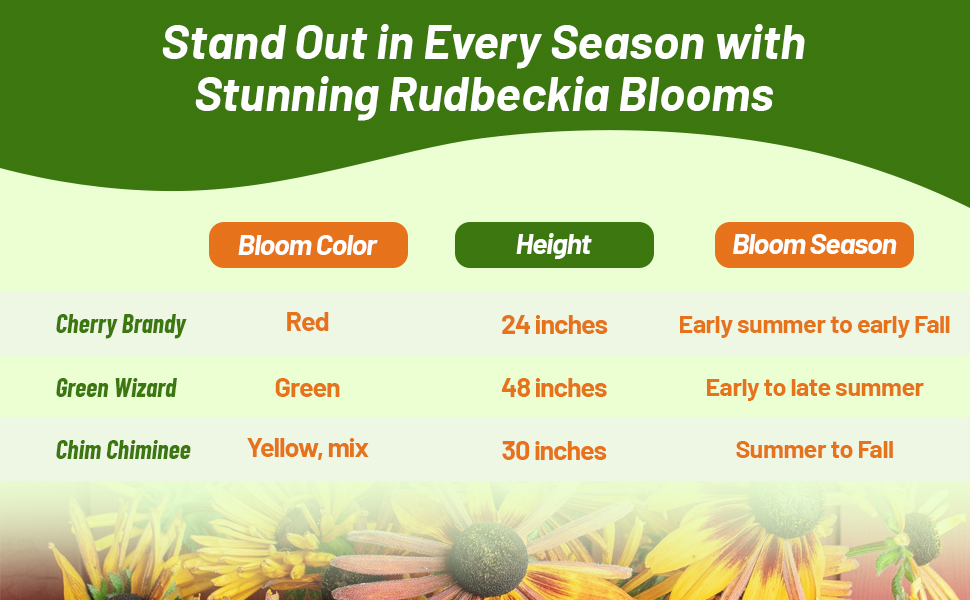
48 inches

BLOOM SEASON
Early to late summer

BLOOM COLOR
Green

ENVIRONMENT
Full sun

SOIL TYPE
Fertile, preferably heavy soil that is rich in organic matter

DEER RESISTANT
Yes

About...
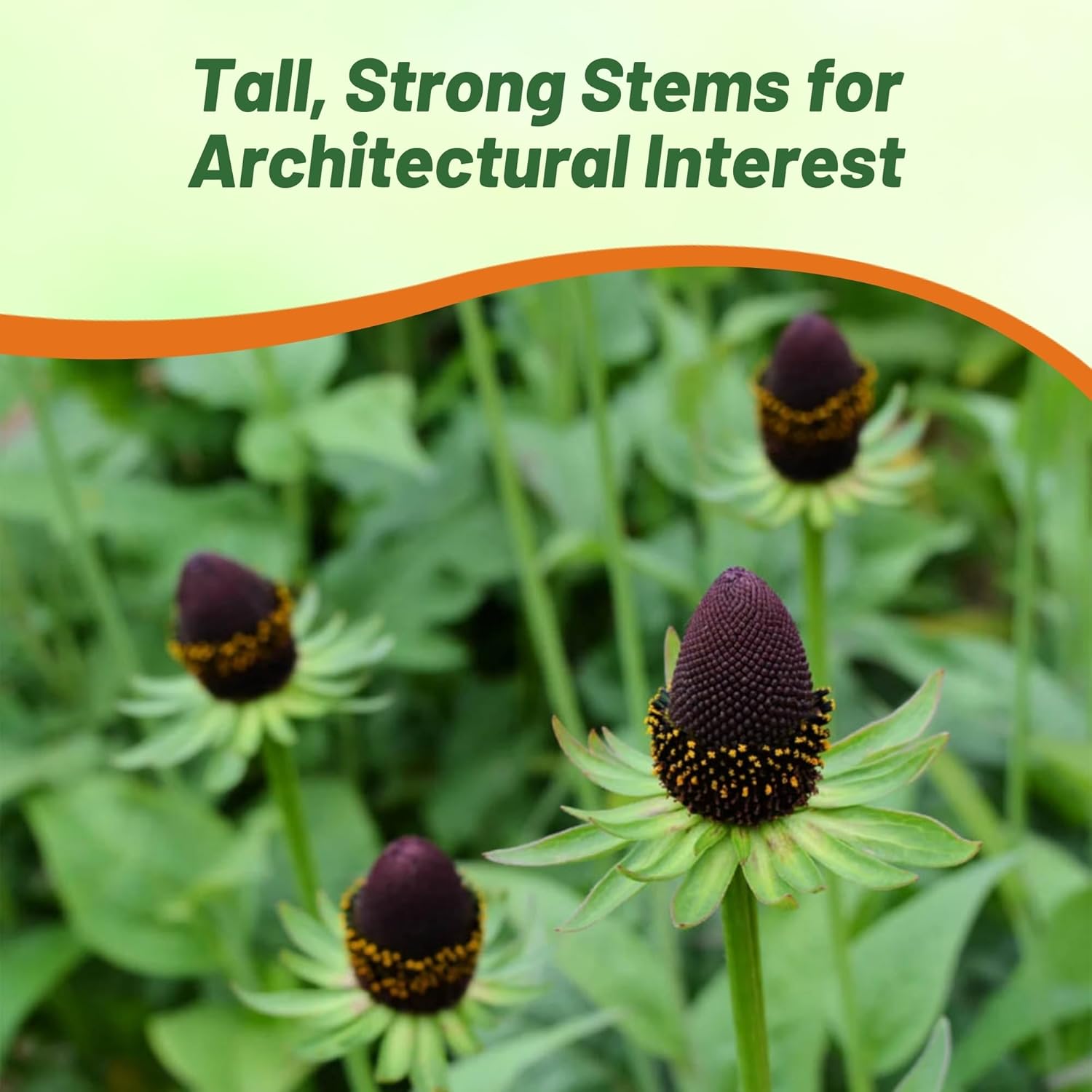
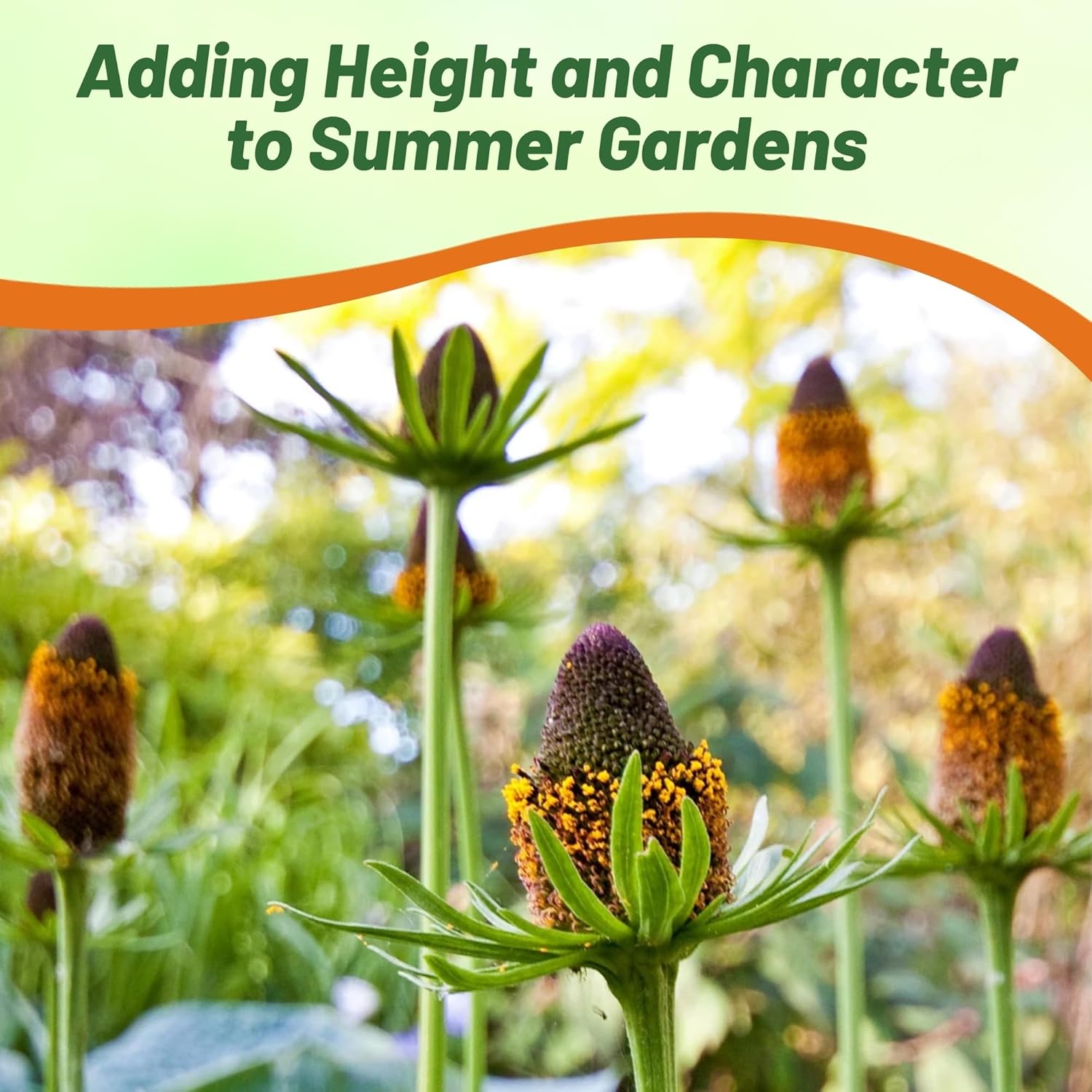
Rudbeckia (Rudbeckia occidentalis Green Wizard) - A curious and extraordinary perennial that is very different from the flashy colors of other rudbeckias. With no obvious petals, the bright green sepals of Rudbeckia "Green Wizard" surround a black central cone.MORE RUDBECKIA OPTIONS

Planting Directions

TEMPERATURE
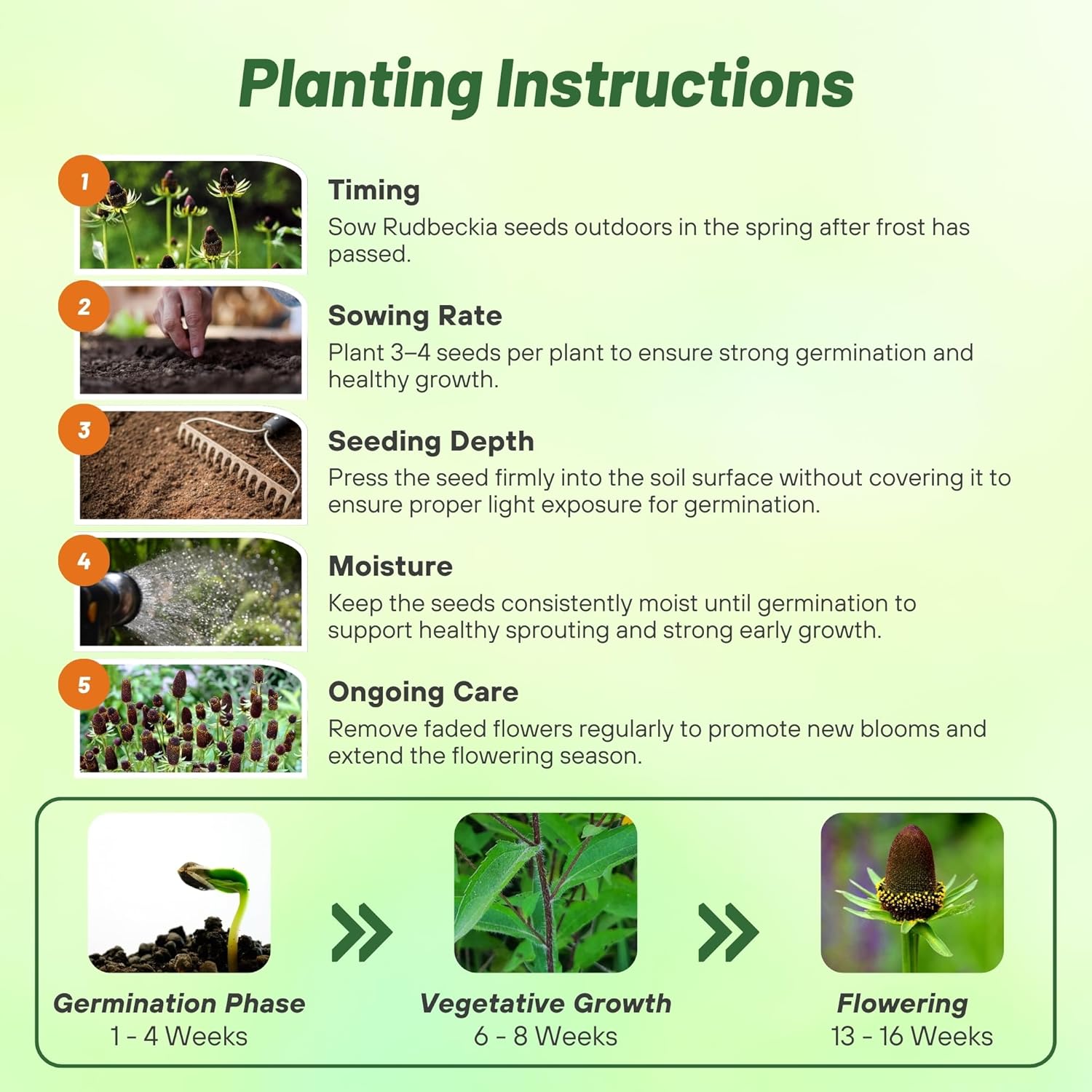
70F

AVERAGE GERM TIME
7 - 30 days

LIGHT REQUIRED
Yes

DEPTH
Do not cover seed but press into soil

SOWING RATE
3 - 4 seeds per plant

MOISTURE
Keep seeds moist until germination

PLANT SPACING
24 inches


Rudbeckia (Rudbeckia occidentalis Green Wizard) - A curious and extraordinary perennial that is very different from the flashy colors of other rudbeckias. With no obvious petals, the bright green sepals of Rudbeckia "Green Wizard" surround a black central cone. This tall variety creates an interesting spectacle for the back of borders in late summer and makes an unusual fresh cut flower that is long lasting in water, or can used in dried arrangements. Easy to grow, quickly forming a good sized plant with plenty of lush green foliage, and always a talking point.
Rudbeckia occidentalis, commonly called western coneflower, is a perennial coneflower that is native to moist mountain meadows, seeps and streambanks, typically at elevations from 4000 to 9000 feet, in the western U.S. from Washington to Montana south to California, Utah and Wyoming. Deadhead faded rudbeckia flowers to encourage more blooms to be produced. Cut plants down to the crown at the end of the season and cover with a dry mulch of straw or wood chippings to protect from winter extremes.
Common Questions
What are good perennial companion plants for black-eyed Susan?
Black-eyed Susans and various Rudbeckia plants beautifully enhance the vibrant hues of blue and purple flowers, such as Veronica. They also pair wonderfully with other jewel tones, including Sedum 'Autumn Joy', purple coneflowers, and New England asters.
How do you winterize black-eyed Susan?
Black-eyed Susans are resilient to winter conditions, thriving in USDA zone 3, which means they don’t require winterization. However, the plants do benefit from having their stalks cut back in the fall and being covered with a generous layer of mulch.
Can I use it as a cut flower?
Yes, these flowers are excellent for long lasting cut flowers.
Do flowers attract any pollinators?
Yes, butterflies and song birds are attracted to these flowers.
Do I need to deadhead my spent blooms?
Yes, to encourage a longer bloom season you will need to deadhead any spent blooms.
What are some good ways to use these flowers?
These are spectacular in mass plantings, perennial borders, cottage gardens, cut flower gardens, or in prairies and meadows.