










-
CATEGORY ::
- All Seeds /
- All Ground Cover Seeds /
- All Dichondra Seeds
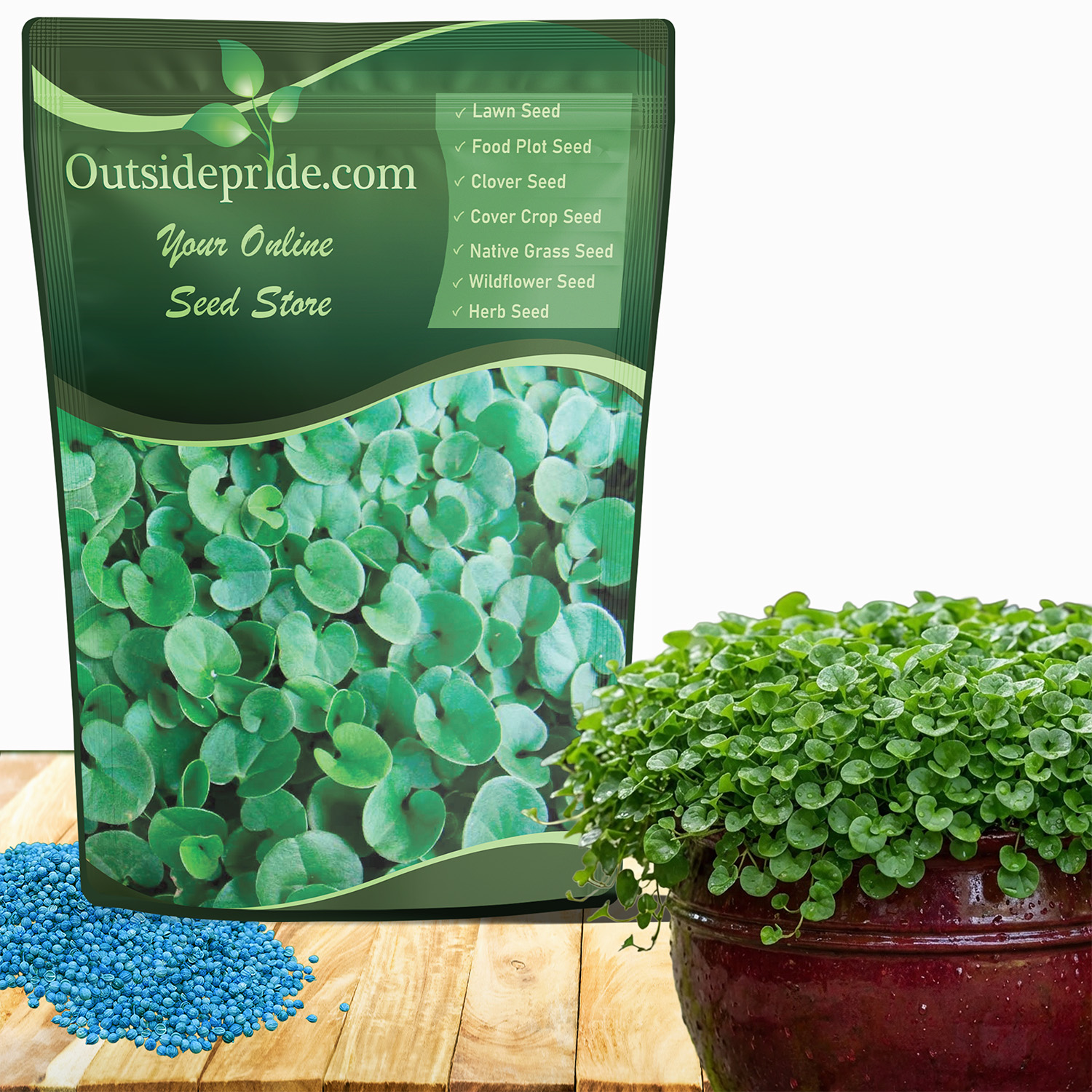


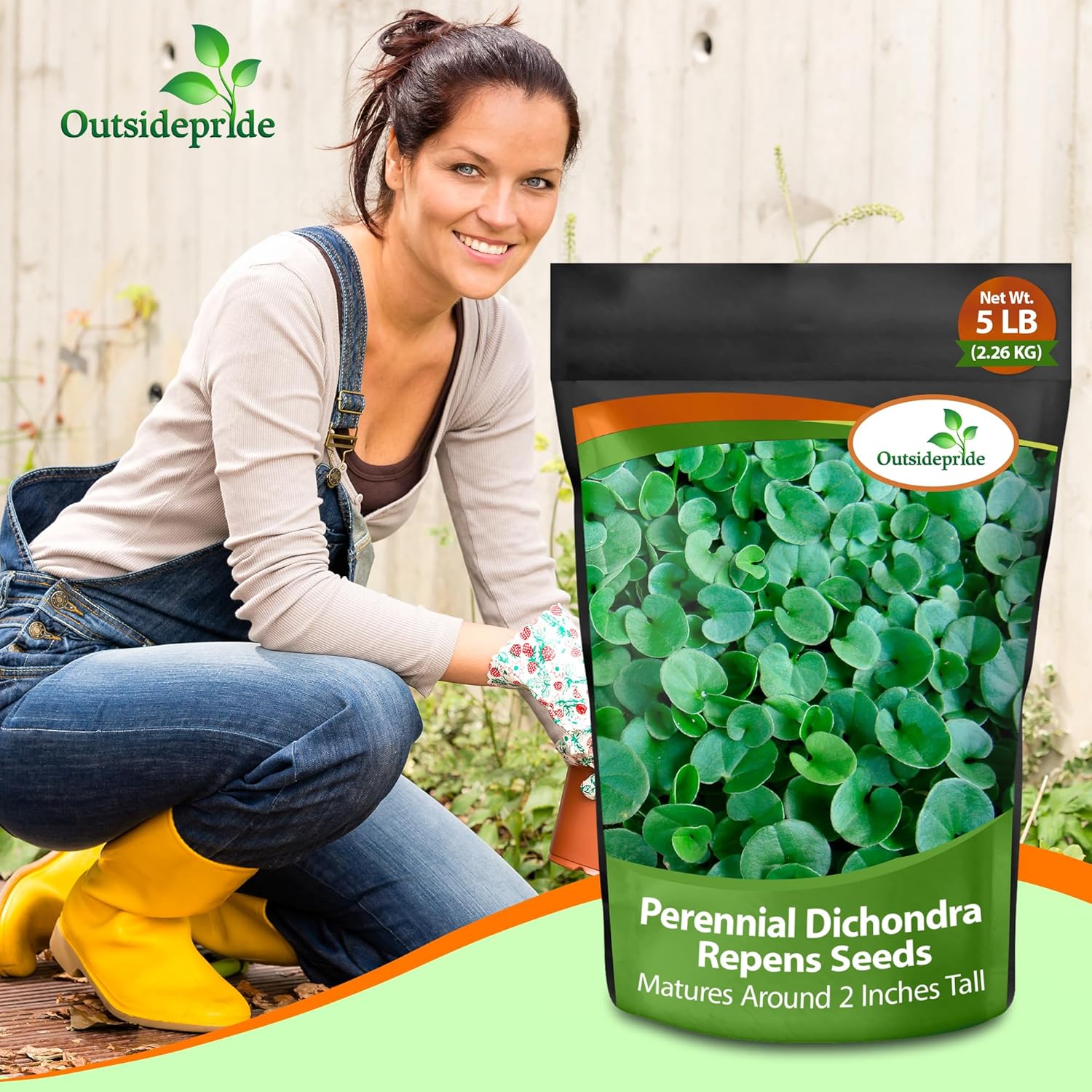

Dichondra Repens Seeds

SEASON
Perennial
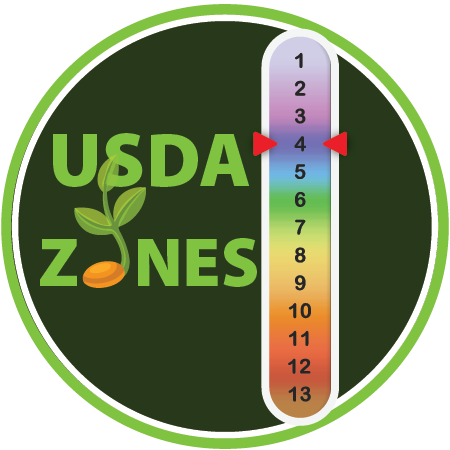
USDA ZONES
8 - 11

HEIGHT
2 inches

WIDTH
36 inches

ENVIRONMENT
Full sun to partial shade

FOOT TRAFFIC
Light
DEER RESISTANT
Yes

SOIL TYPE
Loamy, well drained, pH of 5.5 to 6.2

FOLIAGE COLOR
Bright green

About...
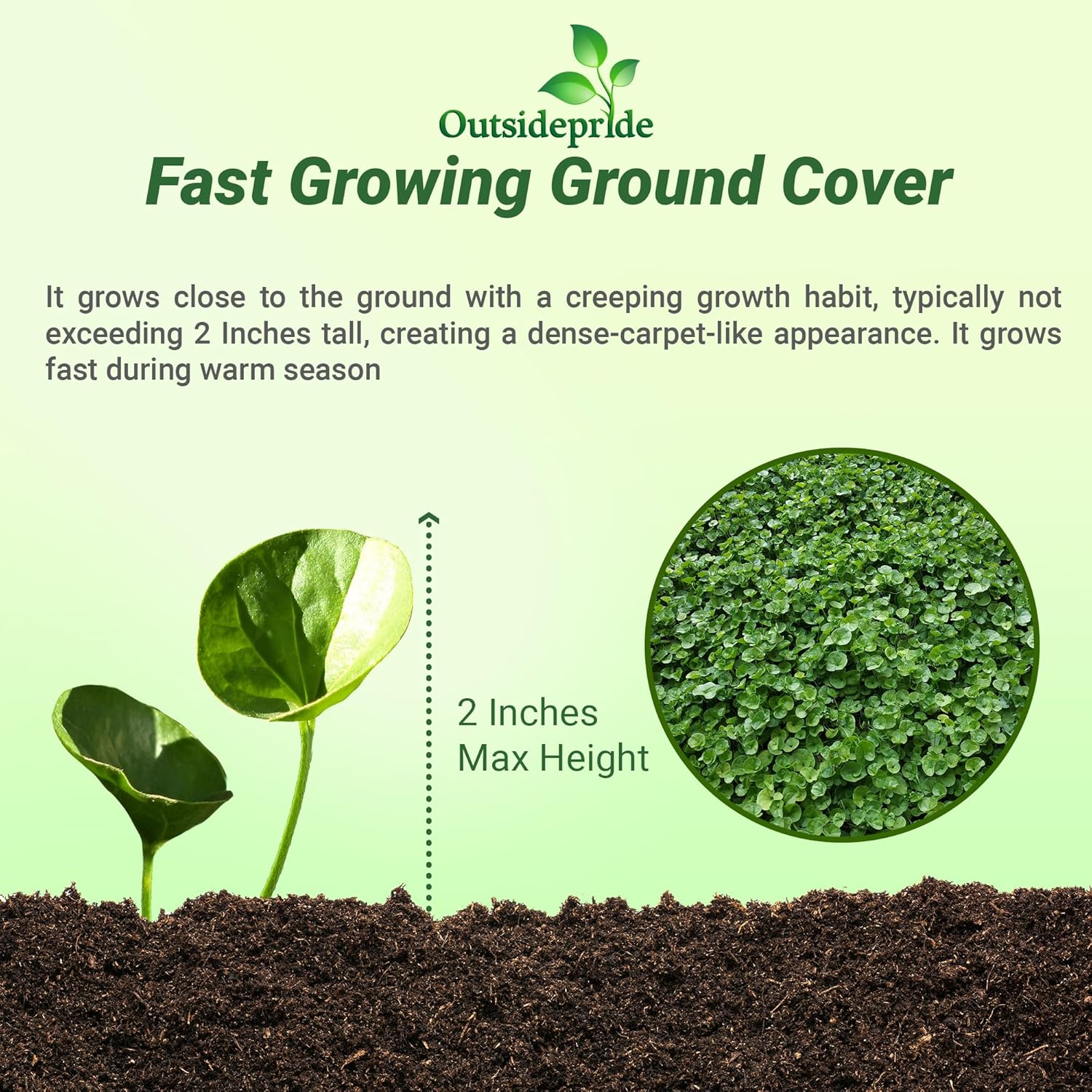
Dichondra (Dichondra Repens) - This is a perennial ground cover plant which has a prostrate or creeping growth habit with circular leaves and entire margins that is grown from Dichondra seed. It grows very close to the ground, (usually not over 2 inches tall) and is a warm season fast growing ground cover.MORE DICHONDRA OPTIONS

Planting Directions

TEMPERATURE
72 - 76F

AVERAGE GERM TIME
7 - 14 days

LIGHT REQUIRED
Yes

DEPTH
Press into soil but do not cover

SOWING RATE
1 lb per 500 square feet

MOISTURE
Keep seeds moist until germination

PLANT SPACING
18 inches

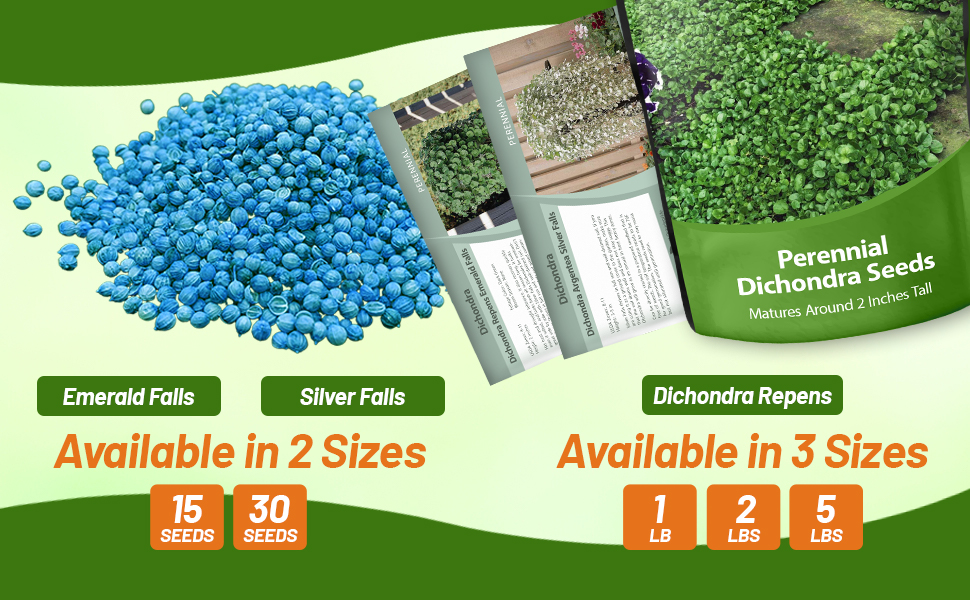

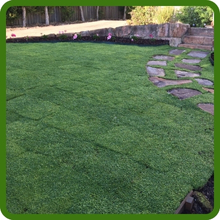
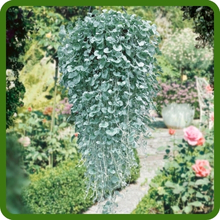
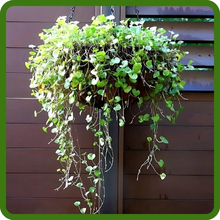
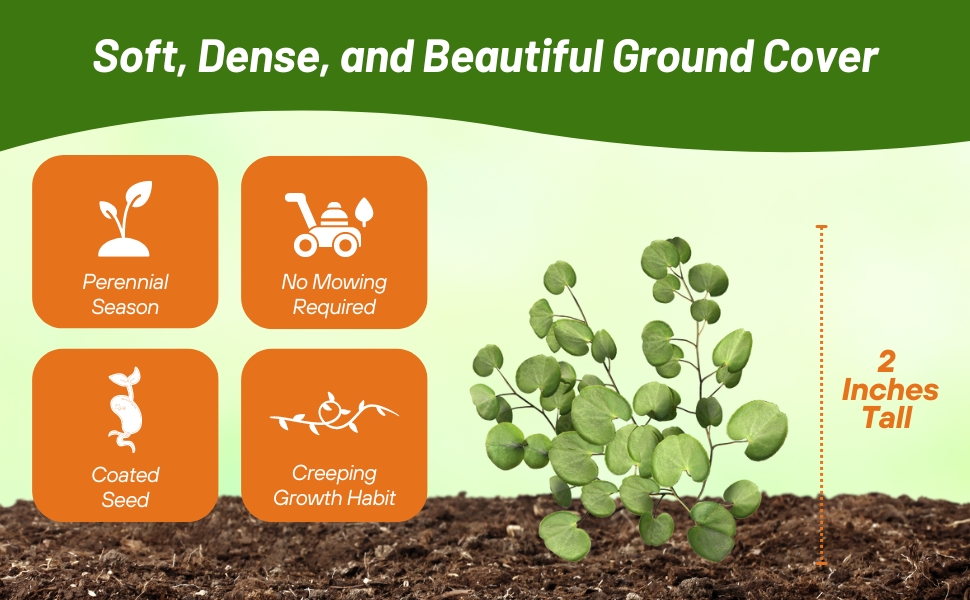

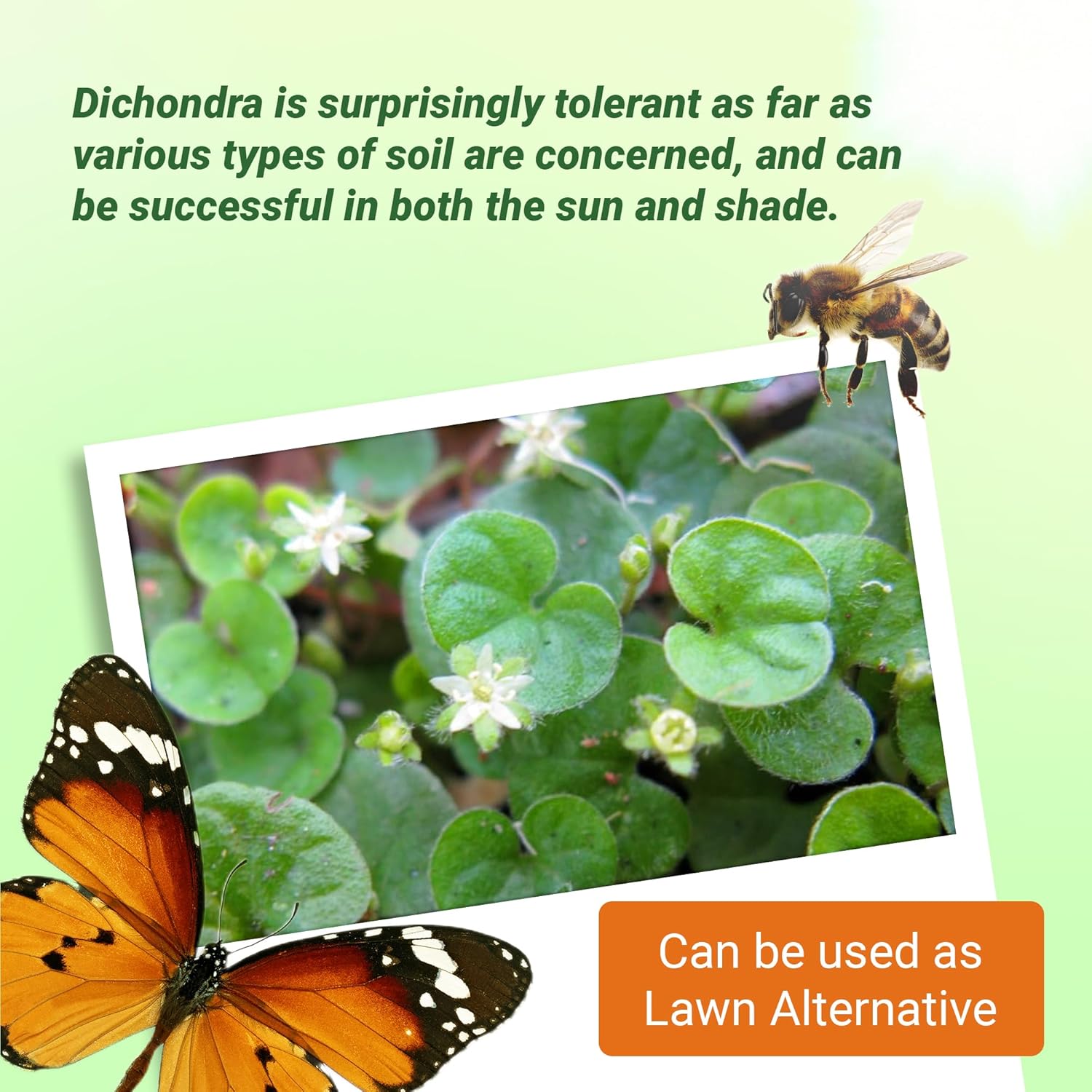
Dichondra (Dichondra Repens) - This is a perennial ground cover plant which has a prostrate or creeping growth habit with circular leaves and entire margins that is grown from Dichondra seed. It grows very close to the ground, (usually not over 2 inches tall) and is a warm season fast growing ground cover. It is adapted to warmer climates, but will retain its striking green color during winter temperatures as low as 20 - 25 degrees Farenheit with only slight leaf browning. Dichondra has broad, almost circular leaves (looks similar to clover) and when mowed low establishes a thick dense carpet look. Dichondra is now used in many ground cover situations where normal grasses may not do as well. It has a bright green color and a very good feel underfoot.
Dichondra is highly resistant to diseases and will grow in partial shade to full sun. Beautiful in landscaping areas of no maintenance where adapted, and does not need to be mowed. When used in lawn situations it can be mowed for an even, smooth finish. Dichondra Repens is commonly called Kidney Weed, Dichondra Pony Foot, or Lawn Leaf. It grows so easily from ground cover seeds that it can be used as a lawn alternative to create a Dichondra Repens lawn.
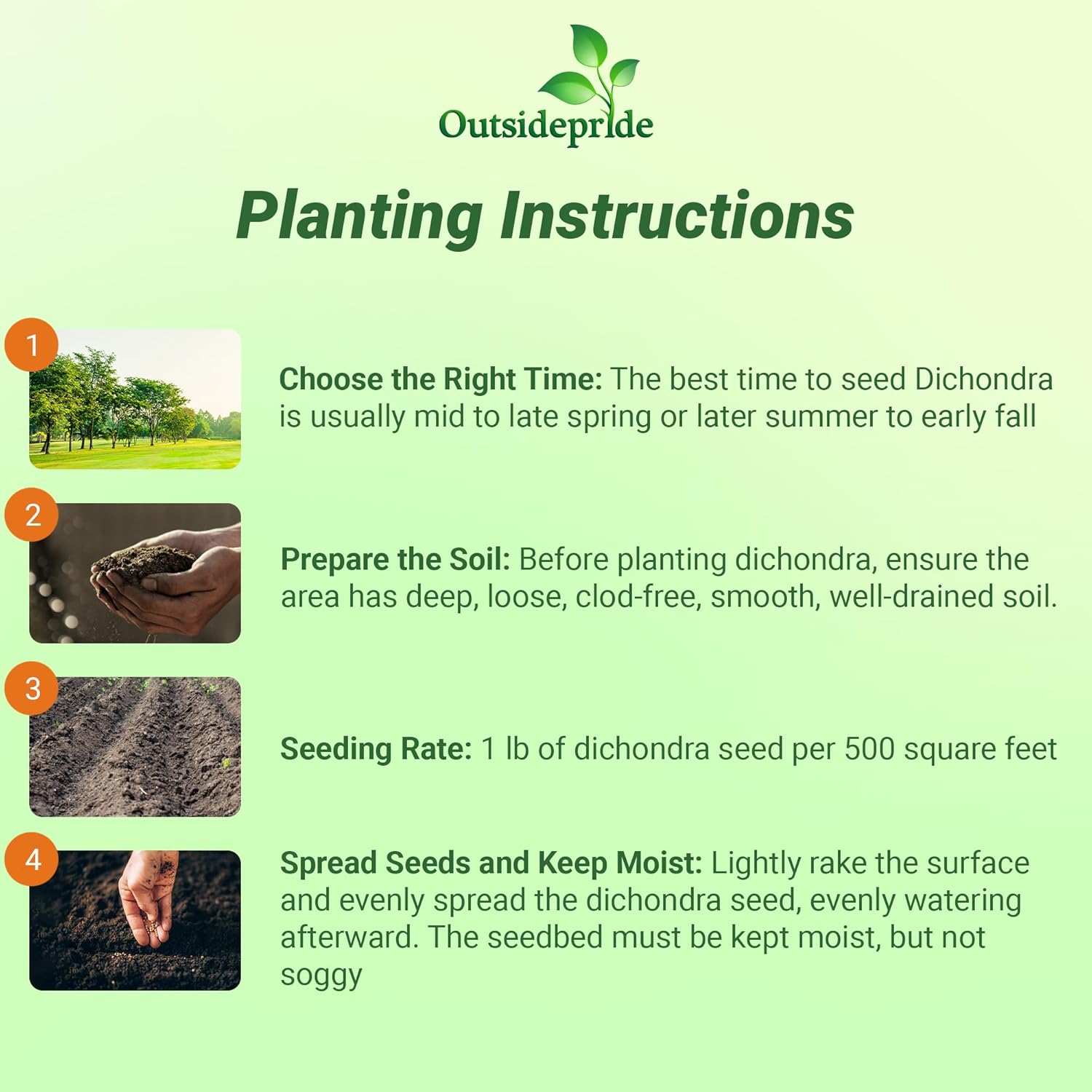
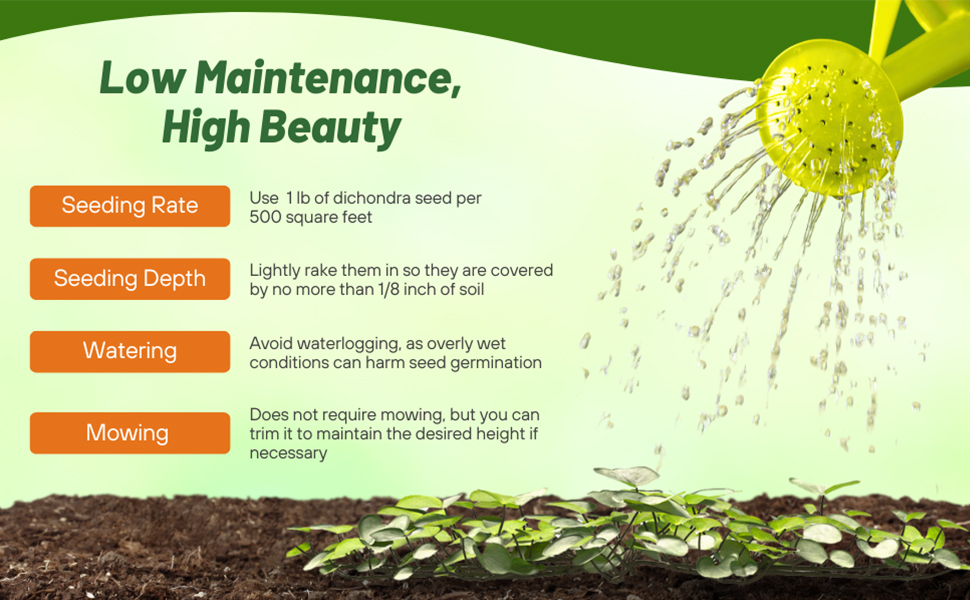
Planting - To plant dichondra ground cover seed you need a thoroughly prepared seedbed and weed free in the beginning. Dichondra is very hard to remove weeds from so make sure you pull out all weeds in the area before you plant your dichondra. Deep, loose, clod-free, smooth, well-drained soil is best for dichondra ground cover plantings. Lightly rake the surface and evenly spread the dichondra seed, evenly watering afterward. The seedbed must be kept moist, but not soggy. A seed sprout may die if it does not have water. Frequency of watering will depend how hot and how sunny it is. It may be necessary to water 3 to 4 times a day to keep the seedbed moist. Dichondra ground cover seed needs warm soil before it can sprout. The best time to seed dichondra is when temperatures are in the 70's range and night time temps are in the 50's range. This is usually mid to late spring or late summer to early fall. When soil temperatures are too low, seed sprouting and establishment will take much longer or may not occur at all. If possible, rake in the seed lightly into the soil or cover with a very light layer of peat moss to help hold moisture as the seed sprouts. Our dichondra seed is coated, so it helps retain moisture without these steps.
Dichondra seed will sprout in 7 - 14 days during warm (70 degrees or warmer) weather. The first leaves will be long and narrow and will not look like dichondra in the beginning. After the seed has all sprouted you can let the ground dry out in between waterings. It is a common mistake to water dichondra ground cover plants too often and too lightly after it is established. This can cause shallow rooting which just makes it more susceptible to disease. Each irrigation should add one inch of water to the soil. You can easily measure this be putting several tuna fish cans out in the area you are watering and see how long it takes to fill them one inch. If it takes 30 minutes, then you know 30 minutes of watering will provide approximately 1 inch of water to the plant roots. Dichondra ground cover plants require water on a deep and infrequent basis and needs to slightly dry out between waterings.
Fertilizing - You can fertilize dichondra monthly with 1/2 - 1 lb of nitrogen. Do not apply fertilizers when the dichonda plants are wet and after fertilizing irrigate the area to wash fertilizer off leaves and on to the soil.
Mowing - Many people use dichondra as a lawn alternative; therefore, you can mow your dichondra to the height you want to maintain it at. For the nicest appearance if dichondra, mow approximately every two weeks at a height of 1 1/2" - 2" during the summer months and you can mow as low as 3/4" during the winter months. Mowing at this lower height during the winter will encourage a dense, small leaved turf and help keep weed seed out. Just as with a lawn grass, do not cut too much dichondra off at one time. If you cut too much off at one time, it will cause the ground cover plants to look, "scalped." Bagging the clippings is typically better with dichondra if you are mowing only every two weeks. If you are mowing once a week, then mulching is most likely acceptable.
Weed Control - Keeping your dichondra healthy and dense is the first line of weed control. Pre-emergent herbicides can also be used after your dichondra is established. These types of herbicides will keep any type of seed from germinating so make sure your dichondra is well established and quit using pre-emergent herbicide approximately 8 weeks before overseeding your dichondra. You may also use post-emergent herbicides for grassy weeds like quackgrass and crabgrass. You can NOT use herbicides (containing 2-4D) on your dichondra or it will also kill the dichondra. Broadleaf weeds are difficult to control in dichondra if proper care is not taken which is true of most ground cover plants. Manual labor is typically required for broadleaf weeds.
Insects and Disease - There are a few insects that can cause problems for dichondra. The most common are: flea beetles, cutworms, and the weevil. All three of these are fairly easy to kill with insecticides if they present a problem. Preventing a disease before it gets starts is always the best policy. Maintaining healthy dichondra is the best way to accomplish disease prevention. A few tips to keep your dichondra healthy are: remove dichondra clippings instead of mulching them if you mow infrequently, water less frequently and 1" at a time, and fertilize 1/2 - 1 lb of nitrogen a month during the growing season.
Coated Seed - Dichondra seed is coating with a clay coating to make the seed easier to spread as well as help the seed retain water which aids in germination.
Best Planting Zones: 7 - 11
Seeding Rate: 1 lb of dichondra seed per 500 square feet.
Common Questions
Can I use dichondra as a ground cover?
Yes, in zones 7 -11 this can be used as a perennial ground cover.
Does dichondra bloom?
Yes, but the flowers are insignificant.
Can I use it as a lawn alternative?
Yes, in zones 7 – 11 dichondra repens will work as a lawn alternative.
Videos