Drought Tolerant Hesperaloe Parviflora Red Yucca Garden Flower Plant Seeds

Yucca - Red

25 Seeds
.......................................................................................................................................................
4.99
50 Seeds
.......................................................................................................................................................
8.99

SEASON

Perennial

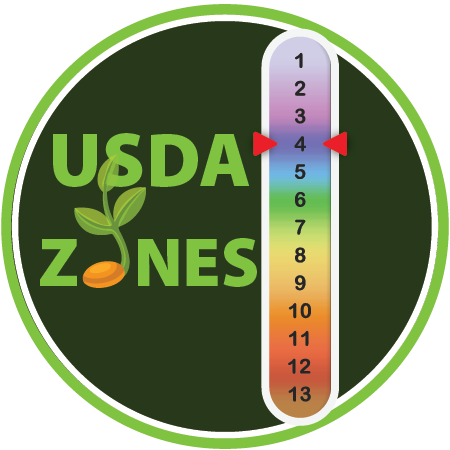
USDA ZONES

5 - 10

HEIGHT

36 - 60 inches

BLOOM SEASON

Spring through Fall

BLOOM COLOR

Red

ENVIRONMENT

Full sun to partial shade

SOIL TYPE

Sandy, well-drained soils
DEER RESISTANT

Yes

About...

Red Yucca (Hesperaloe parviflora) - Red yucca, a versatile and tough native Texas succulent, was named the newest Texas Superstar plant. Red Yucca is a member of the century plant family and is native to the deserts of Texas and northeastern Mexico. 
ABOUT
FAQ's
VIDEOS

Planting Directions

TEMPERATURE

55F - 70F

AVERAGE GERM TIME

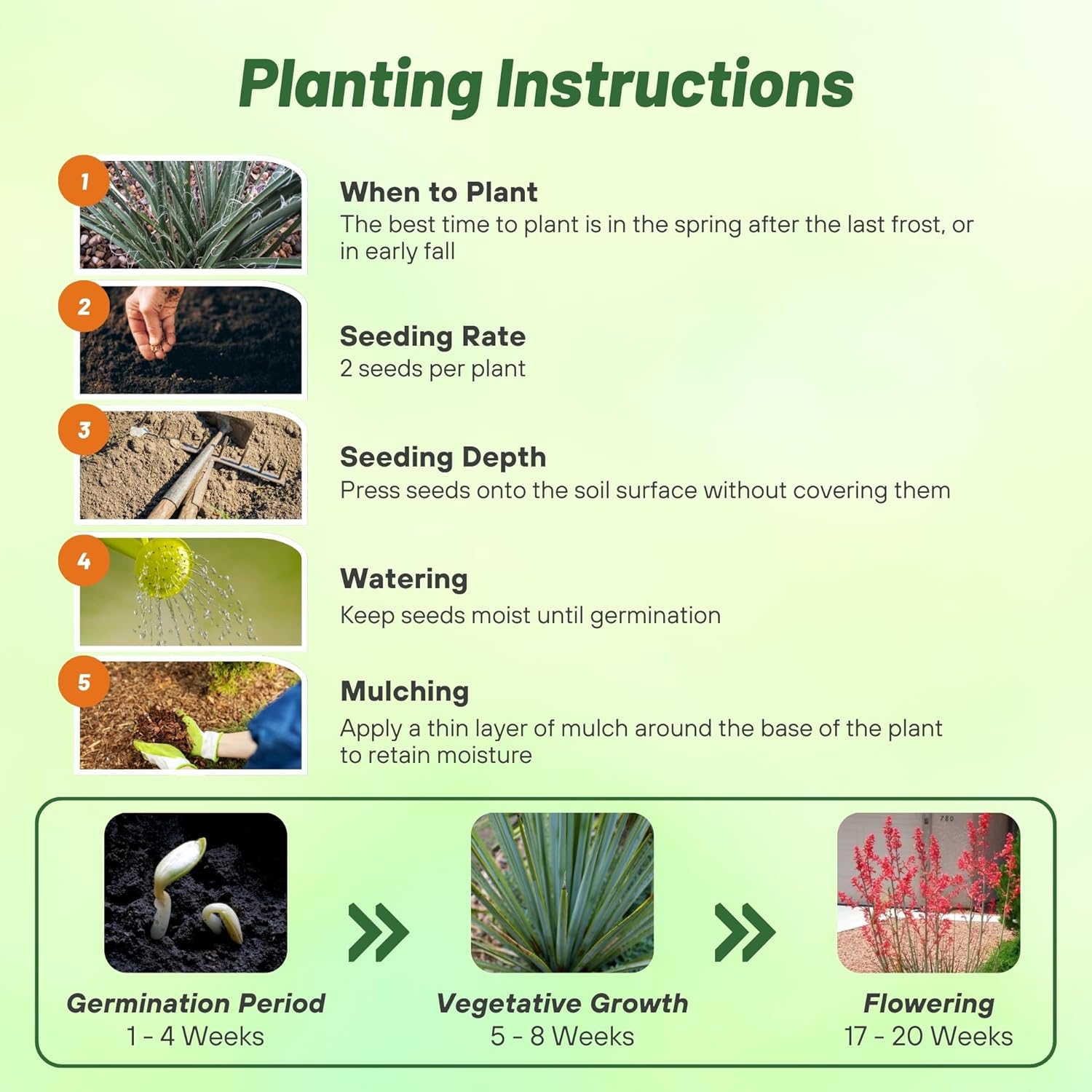
Some seeds will germinate within a week, others will take 4 - 6 weeks

LIGHT REQUIRED

Yes

DEPTH

Press seeds onto the soil surface without covering them

SOWING RATE

2 seeds per plant

MOISTURE

Keep seeds moist until germination
PLANT SPACING

48 - 60 inches
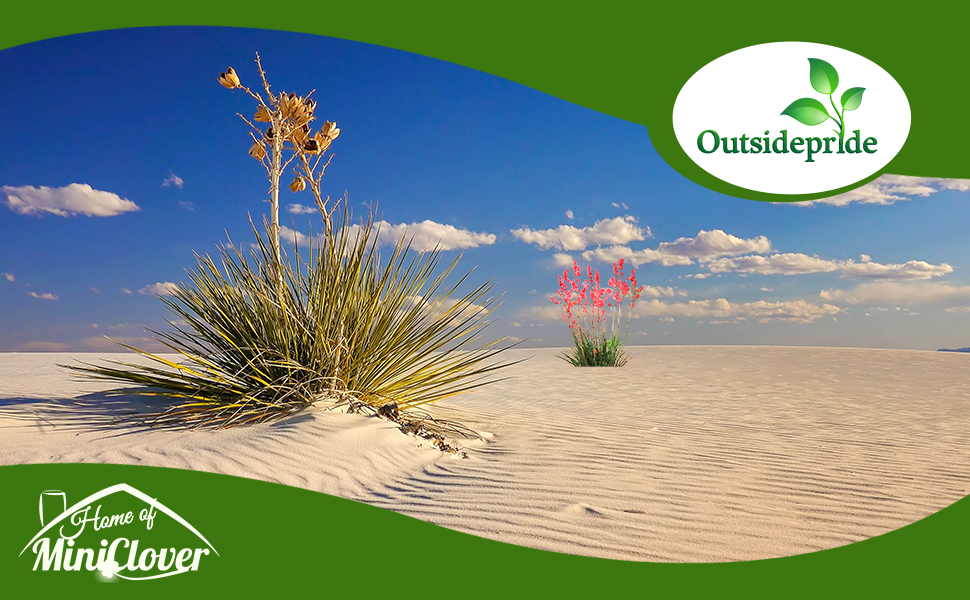
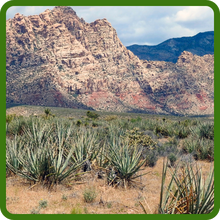
Yucca Plants in Desert
Yucca Seed Packets For Sale
Outsidepride Yucca Seeds includes Yucca filamentosa, Hesperaloe parviflora (Red Yucca), and Yucca glauca seeds for xeriscape and low-water gardens. These drought-tolerant perennials grow in USDA zones 4-10, reaching heights from 3 to 8 feet in full sun to partial shade with well-drained soils. They bloom from spring through fall, producing attractive flowers that draw butterflies and hummingbirds. Available in 4 different sizes of seed packets (25, 50 100, & 200 seeds), these drought tolerant plants are suitable for rock gardens, soil stabilization, borders, and landscaping projects.
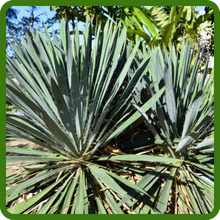
Long, Narrow, Arching Leaves of Yucca Plants
Long, Narrow, Arching Leaves
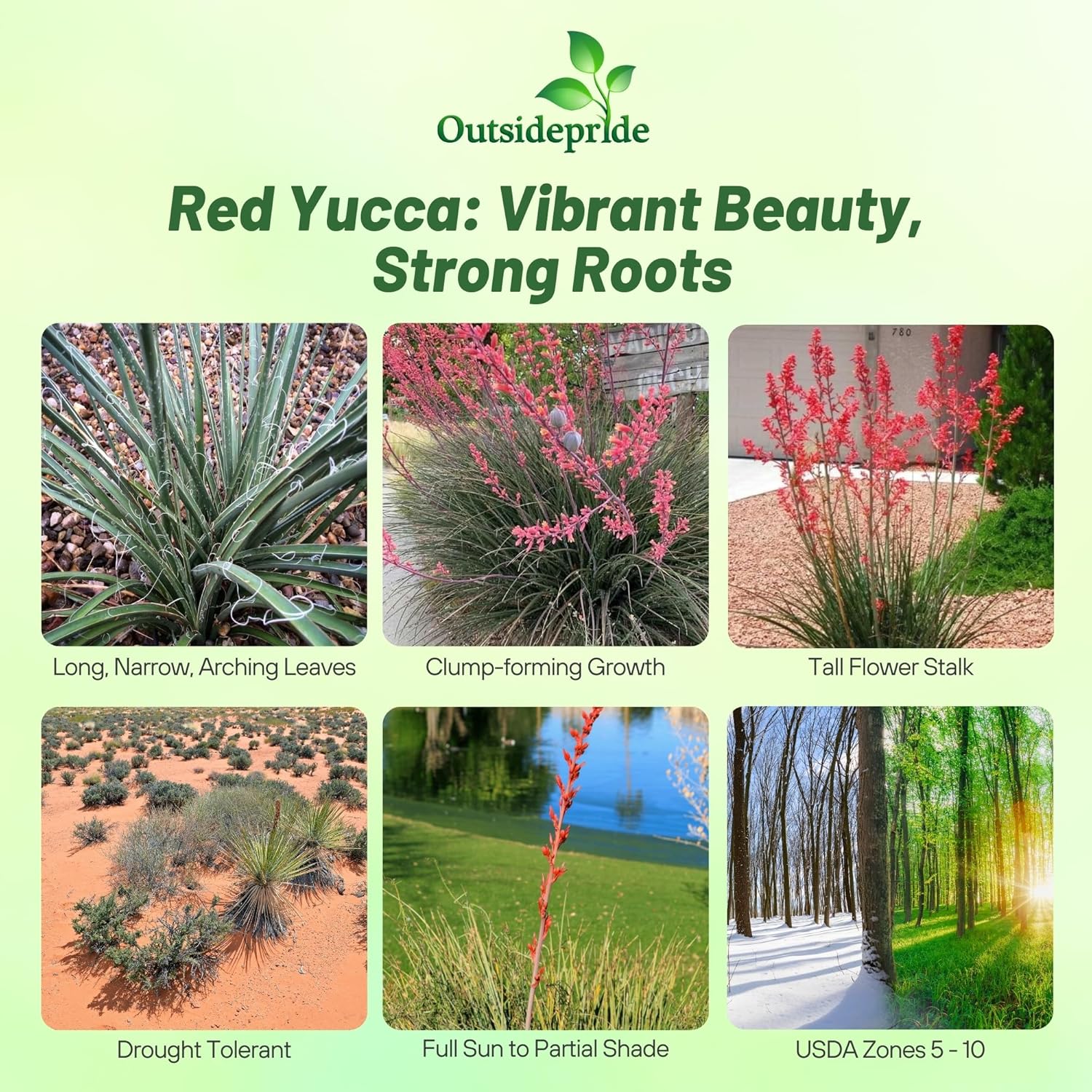
Our Yucca plants have long, narrow, arching leaves that grow in dense rosettes, providing excellent ground coverage. These tough, fibrous leaves reduce water loss and protect the plant in dry conditions. Their shape directs rainwater toward the roots, helping the plant survive in arid environments.
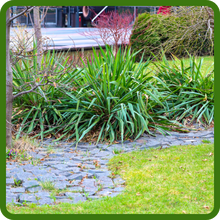
Clump-forming Growth of Yucca Plants
Clump-forming Growth
Forming dense clusters, Our Yucca spreads through offsets and fresh shoots from its base. This clump-forming growth stabilizes soil, reduces erosion, and allows our Yucca plant to expand coverage gradually. Connected shoots share resources, increasing resilience in challenging environments.
Tall Flower Stalks of Yucca Plants
Tall Flower Stalk
Rising high above the foliage, our Yucca’s tall flower stalks create a bold vertical accent in the landscape. These stalks showcase clusters of bell-shaped flowers that attract diverse pollinators, boosting the plant’s chances for seed production and adding seasonal visual interest.
Heat & Drought Tolerant Yucca Plants in Desert
Drought Tolerant
Our Yucca plants live up to their reputation for drought tolerance by using thick, fibrous leaves and deep roots to store and access water efficiently. This lets them endure long dry spells with little irrigation, making them well-suited for arid and water-scarce landscapes.
Adam
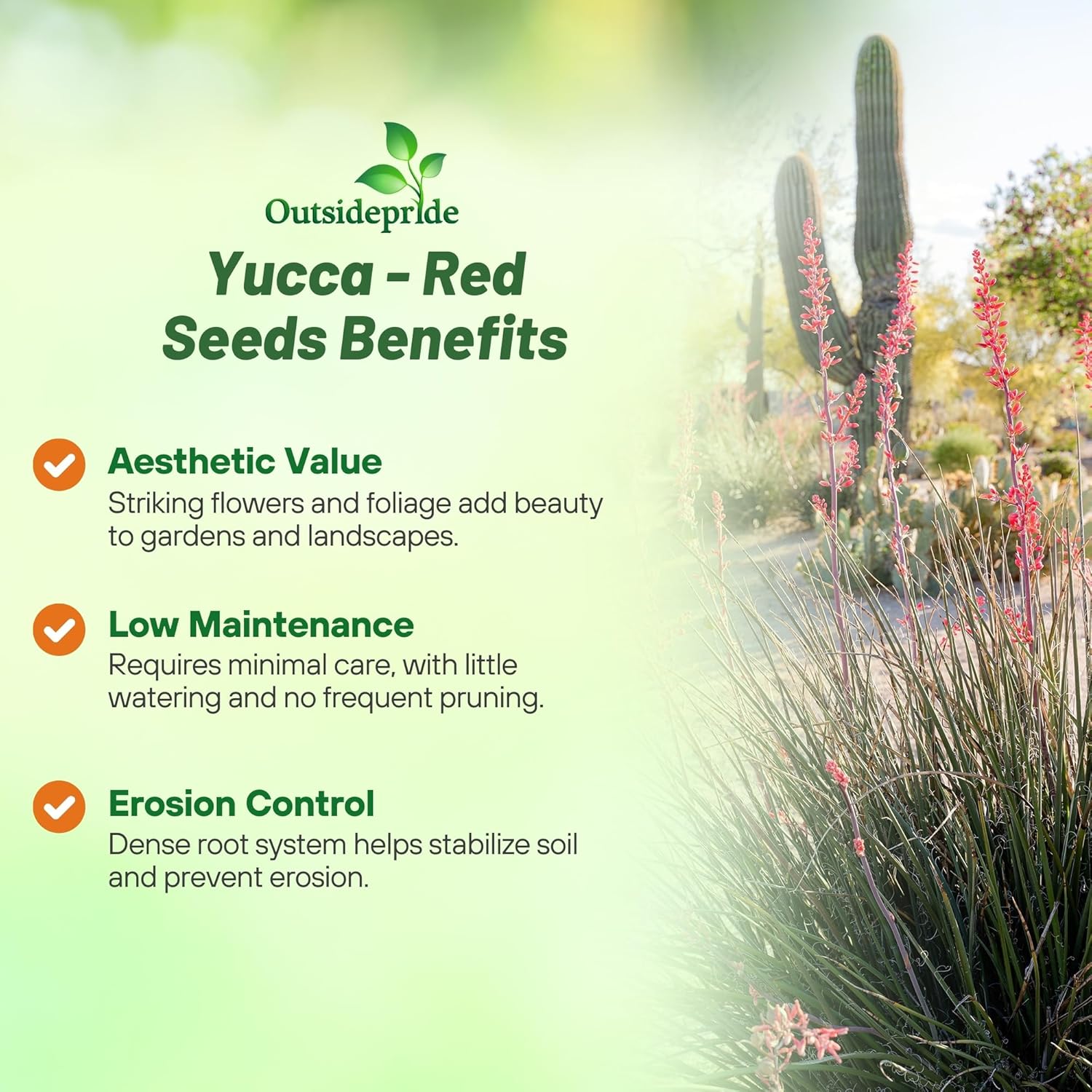
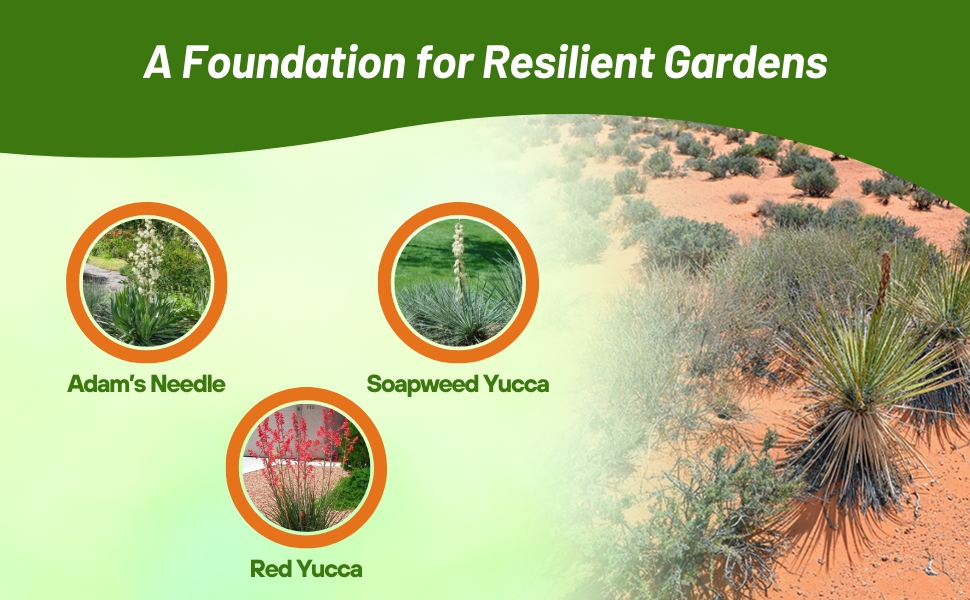
Providing a strong base for resilient gardens, our Yucca plants adapt well to harsh climates and require minimal upkeep. Each variety offers unique bloom colors that add to garden variety: Yucca filamentosa features creamy white flowers, Yucca glauca produces large white to pale green blooms, and Red Yucca (Hesperaloe parviflora) displays coral to salmon-pink flowers. These vibrant blooms provide extended flowering periods and attract various pollinators, contributing to a balanced garden while ensuring year-round interest and durability.
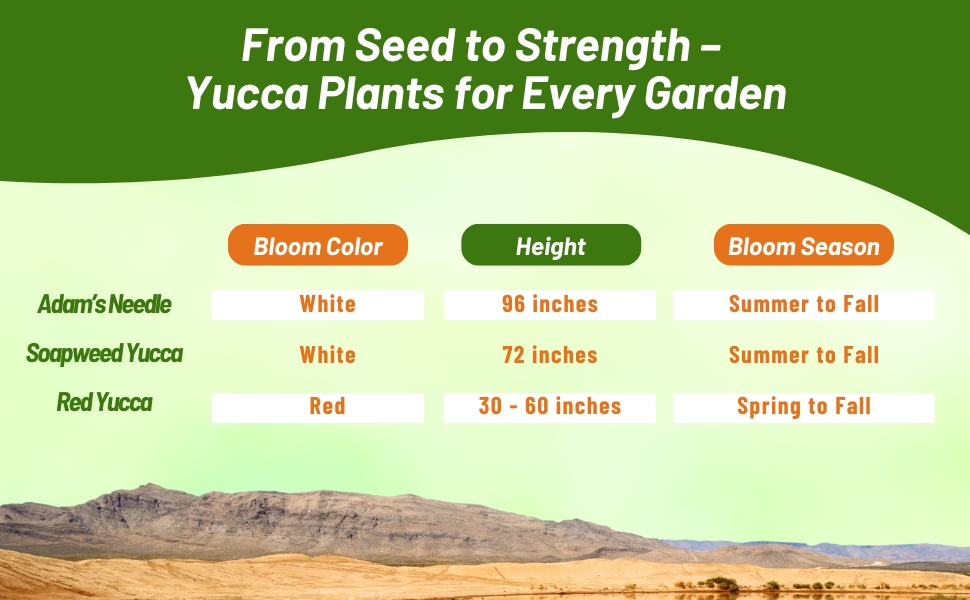
Chart of Different Bloom Season, Color, & Height of Yucca Plants
Starting from seed, our Yucca plants develop into sturdy additions for diverse gardens. Blooming from spring through fall, their colors range from creamy white and pale green to coral and salmon-pink. Heights vary between 3 to 8 feet, adapting to full sun or partial shade environments. Suitable for USDA zones 4-10, these perennials grow well in dry, well-drained soils and tolerate fluctuating temperatures. Their seasonal blooms and robust growth make them valuable for gardeners seeking durable, low-maintenance plants that establish strength over time.
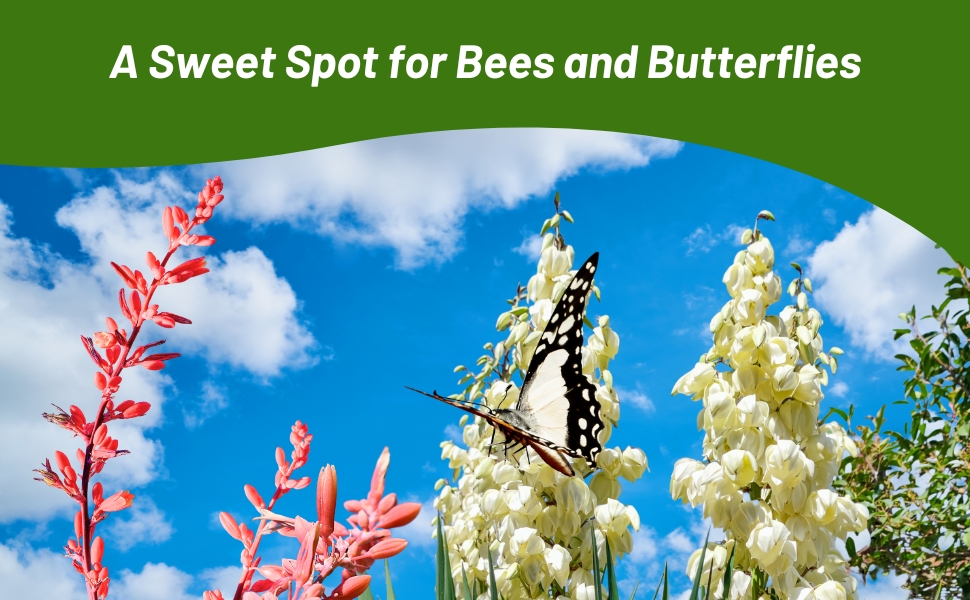
Pollinating Butterfly on Tall Flower Spikes of Yucca Plants
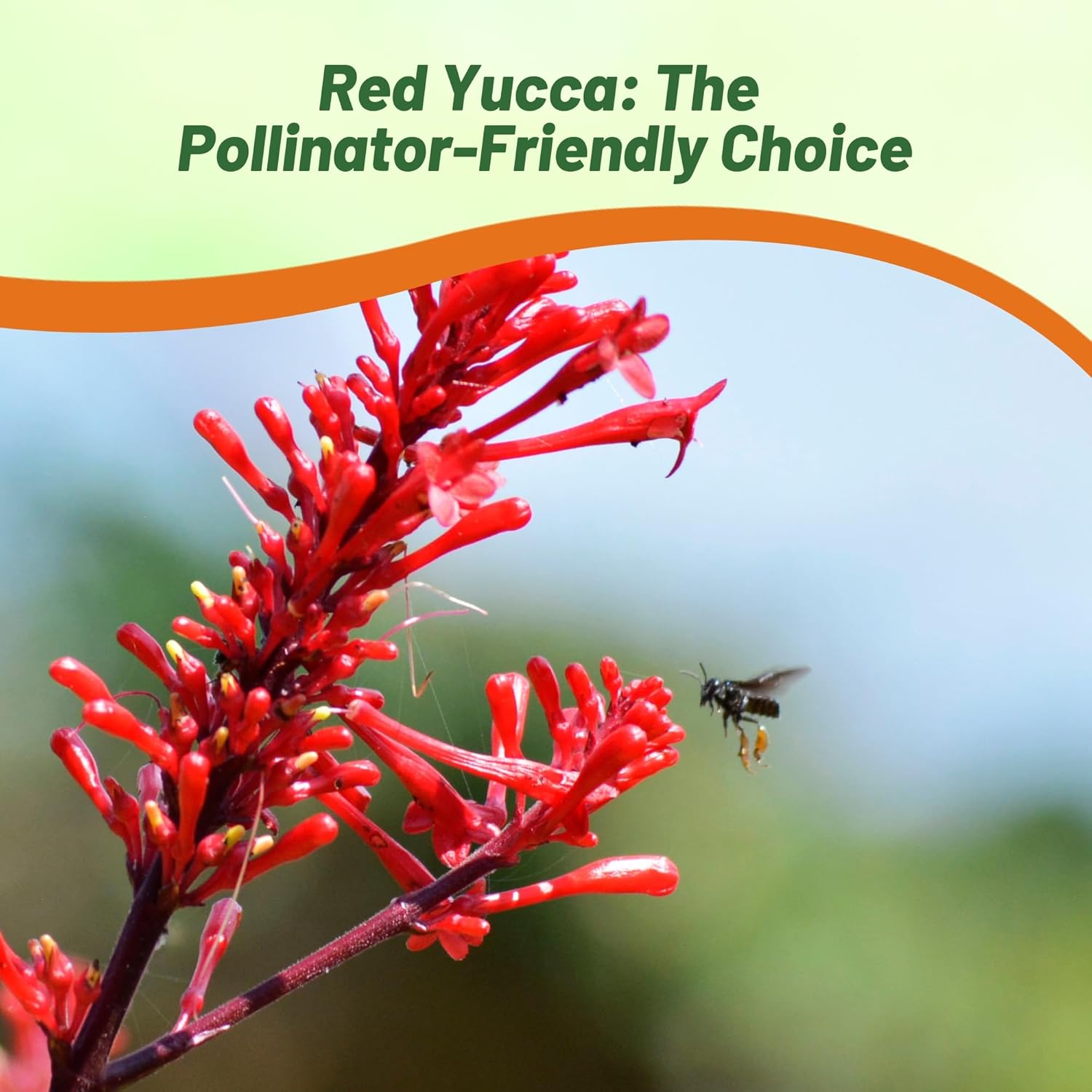
Our Yucca plants create a sweet spot for bees and butterflies by providing abundant nectar through their long-lasting blooms. To plant seeds, sow 2-3 seeds per spot, lightly covering them with quality soil. Maintain moist soil until germination, which takes about 14-21 days. Plant spacing should be around 8 to 10 feet to allow room for clump growth. Preferring full sun to partial shade and well-drained soils, following these steps encourages healthy development and vibrant flowers that attract pollinators throughout the growing season.

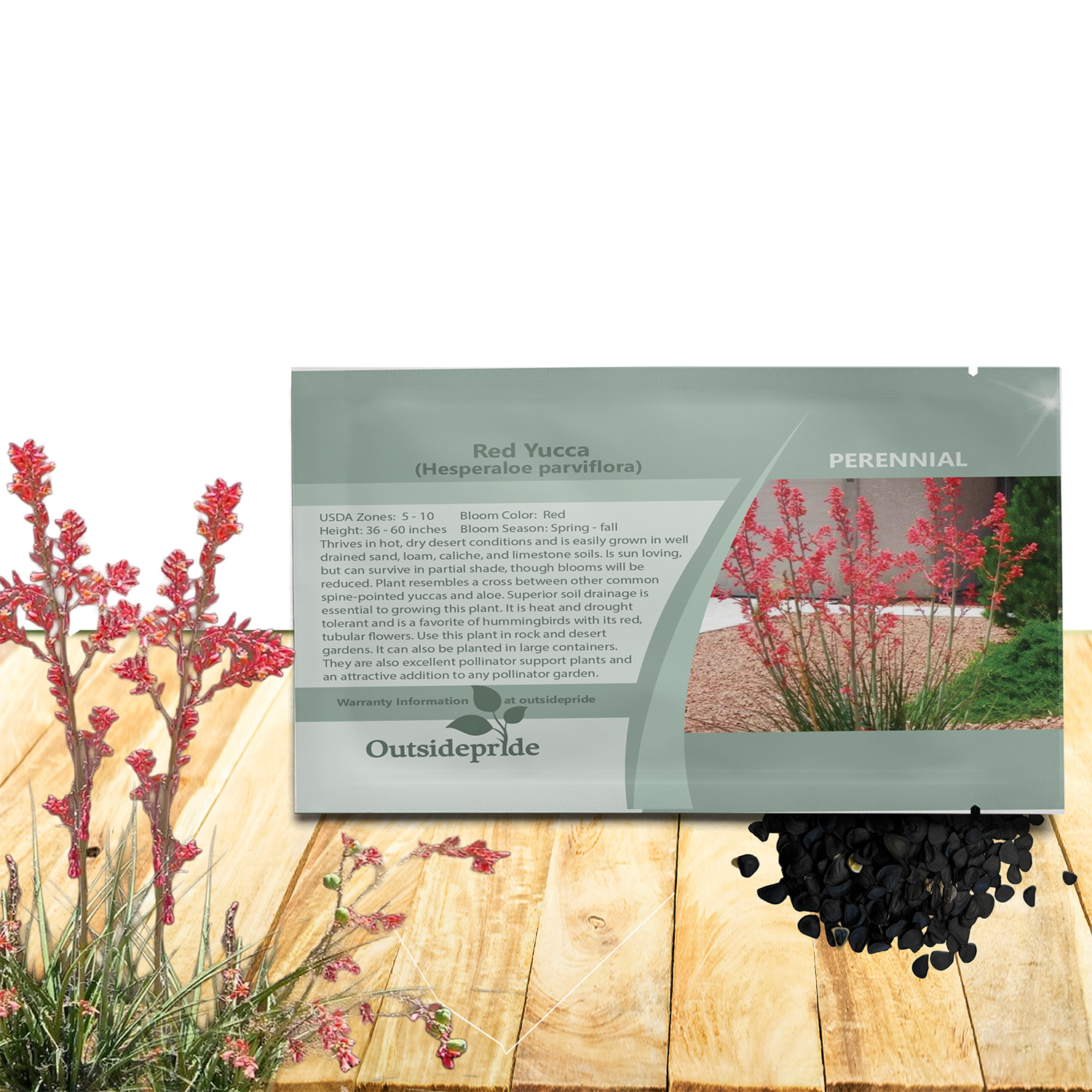
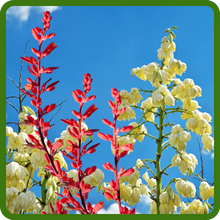
Red Yucca (Hesperaloe parviflora) - Red yucca, a versatile and tough native Texas succulent, was named the newest Texas Superstar plant. Red Yucca is a member of the century plant family and is native to the deserts of Texas and northeastern Mexico. It is also called: coral yucca, hummingbird yucca, pink yucca, soft-tip yucca, samadoque and redflower false yucca. Plant leaves are thicker than those of other yuccas, but more sword-shaped than aloe. Red yuccas’ dark green leaves arise from a slowly suckering clump forming a cluster of rosettes. Flowers are typically 4 - 5 inch pale pink spikes or narrow sparsely branched panicles of coral or salmon-pink. Rarely they are red or yellow, 1 - 2 inch tubular flowers with trumpet-shaped flared tips. They will often flower multiple times during the growing season.

It thrives in hot, dry desert conditions and is easily grown in well-drained sand, loam, caliche, and limestone soils. Red yucca is a sun-loving plant, but can survive in partial shade, though blooms will be reduced. The native plant resembles a cross between other common spine-pointed yuccas and aloe. Superior soil drainage is essential to growing this plant. It is heat and drought tolerant and is a favorite of hummingbirds with its red, tubular flowers. Use this plant in rock gardens and desert gardens. It can also be planted in large containers. They are also excellent pollinator support plants and an attractive addition to any pollinator garden.

In cooler winter climates, flowering occurs during the summer into fall but in warm winter climates, flowering will occur nearly year-round. The arching narrow green leaves are evergreen and attractive with fine, curling threads on the margins. Plants are very drought and heat tolerant once established. They also perform well in low fertility locations but will grow more vigorously where adequate nutrients are available.

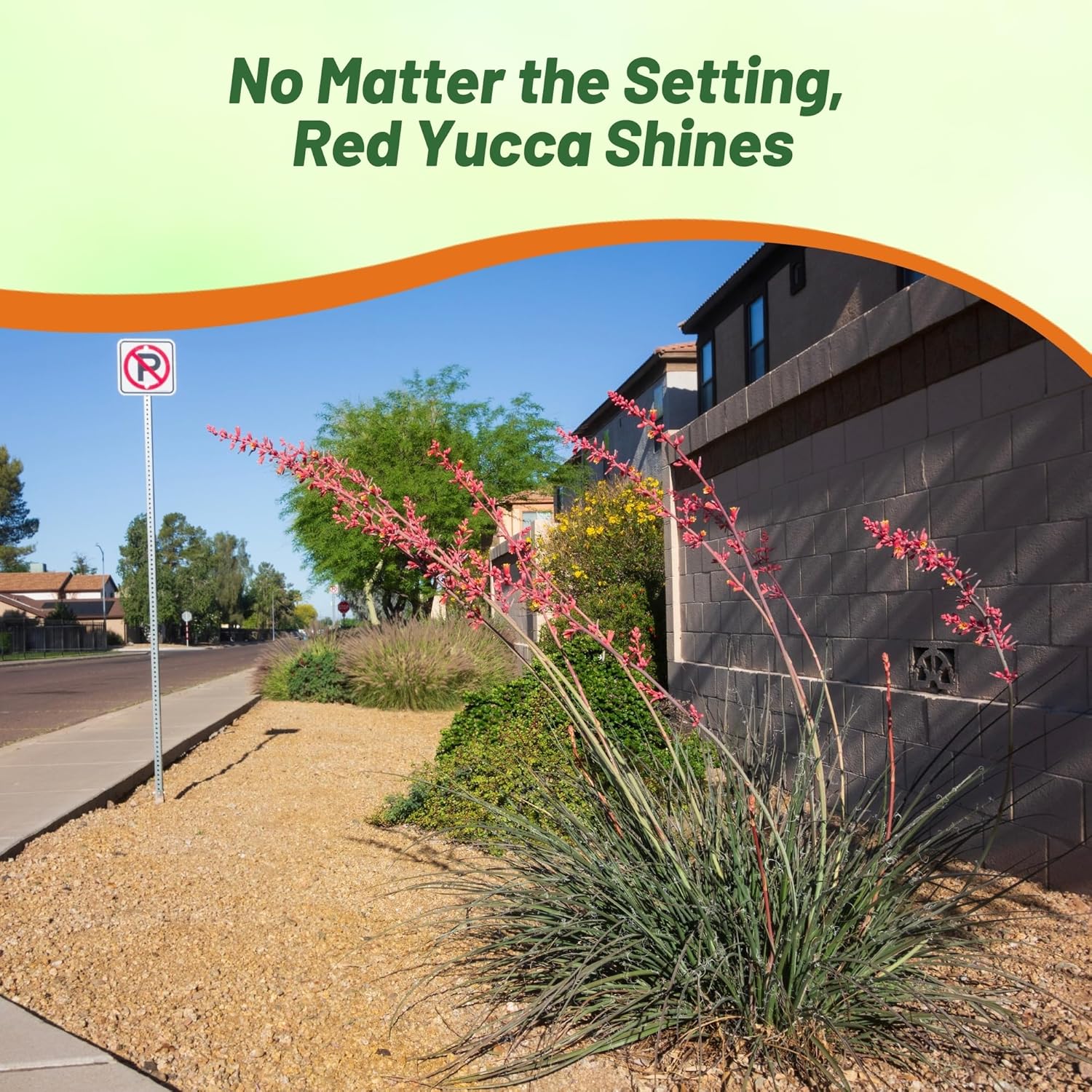
It is an obvious choice for rock gardens and xeriscape landscaping. Red yucca makes a nice accent or small-scale groundcover beneath mesquite, paloverde or other trees with light filtered shade. The lack of sharp points on the leaves, hence its alternate name of soft-leaf yucca, makes red yucca suitable for use where pedestrian traffic may contact it.

Common Questions

Q

Will hesperaloe parviflora attract any pollinators to the garden?

A

Yes, butterflies and hummingbirds are attracted to these flowers.

Q

Where are some good areas of a landscape to use these plants?

A

These are great for borders, garden beds, rock gardens or in containers.

Videos

HOW ITS MADE