









-
CATEGORY ::
- All Seeds /
- All Flower Seeds /
- All Gaillardia Seeds
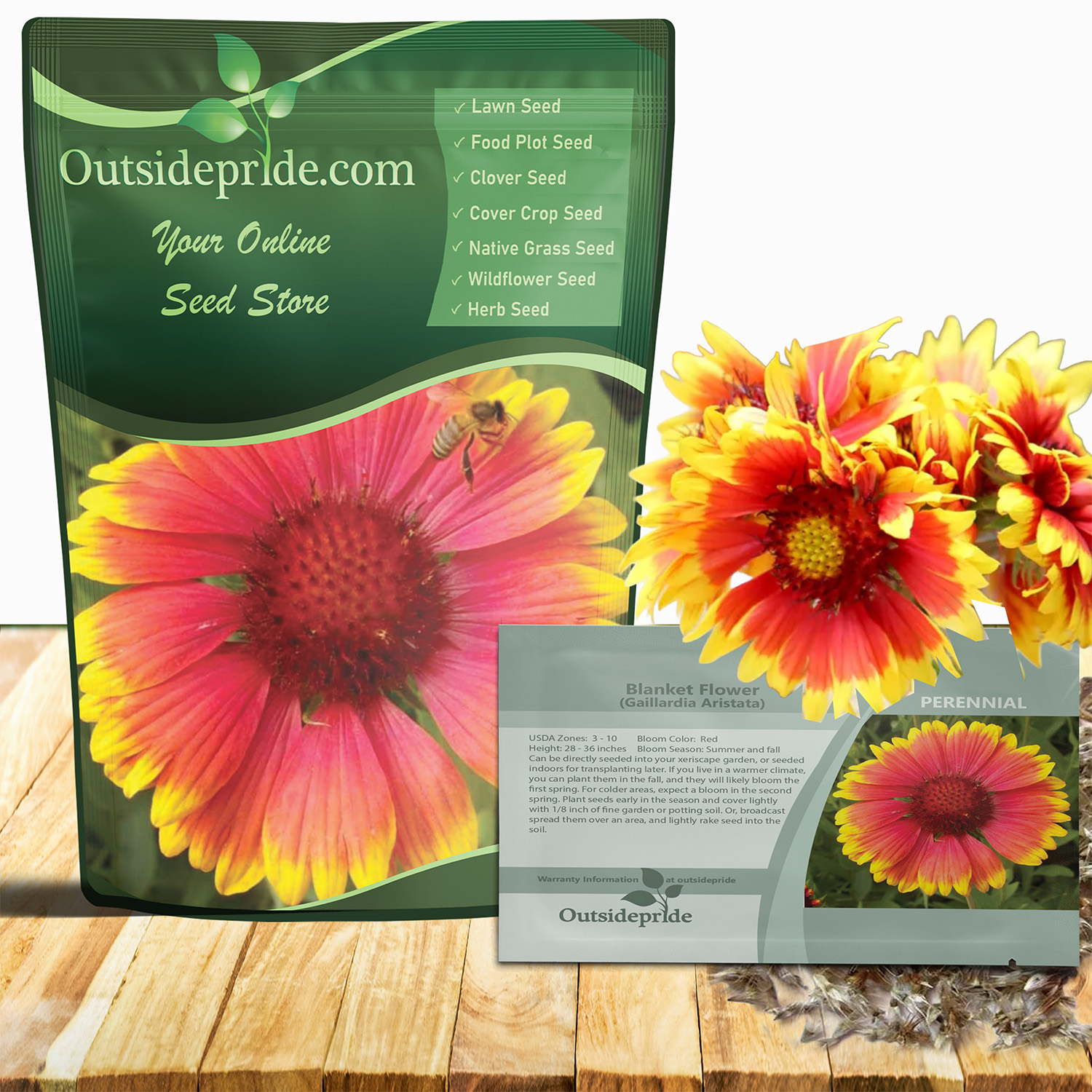

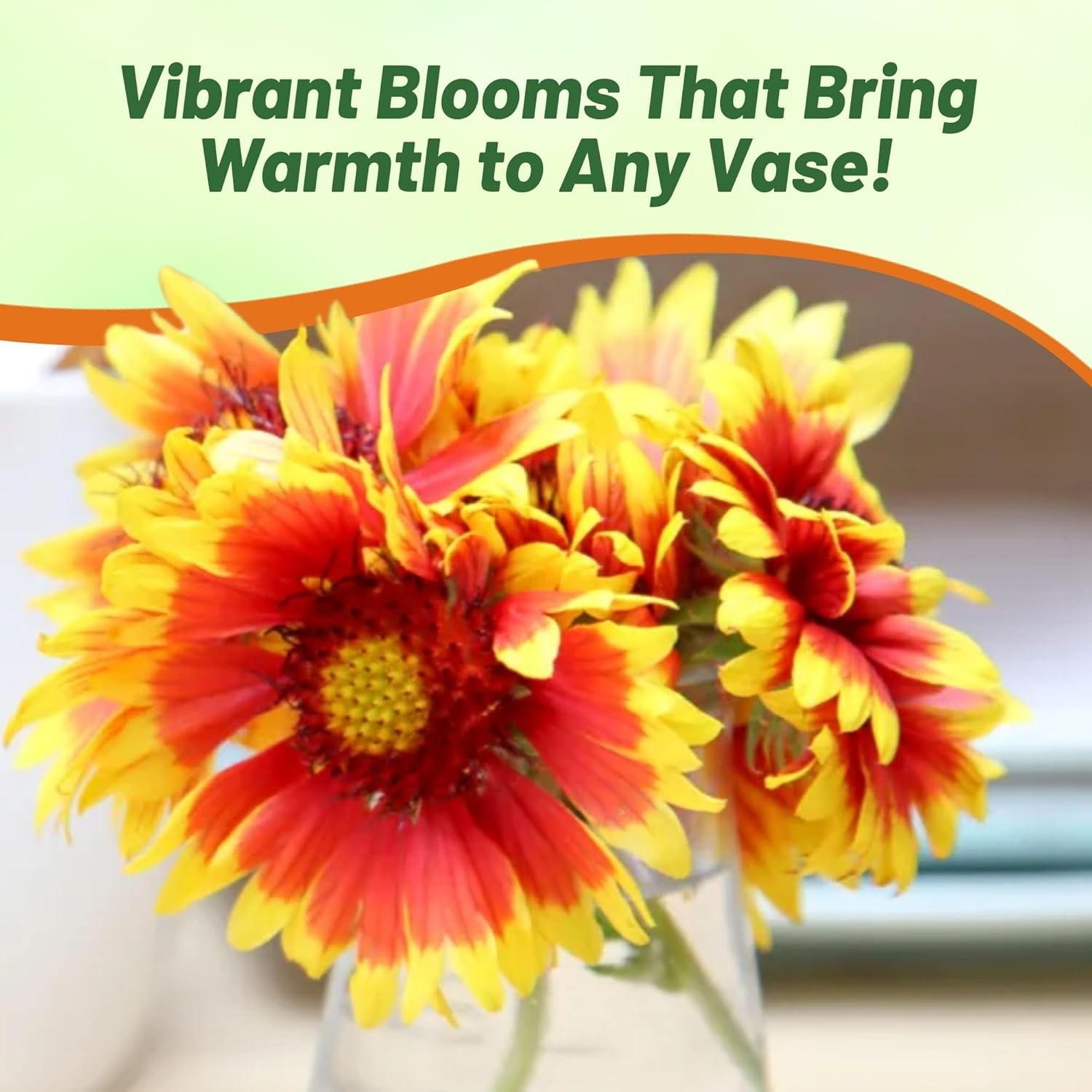

Gaillardia Seeds - Aristata

SEEDS PER POUND
131,995

SEASON
Perennial
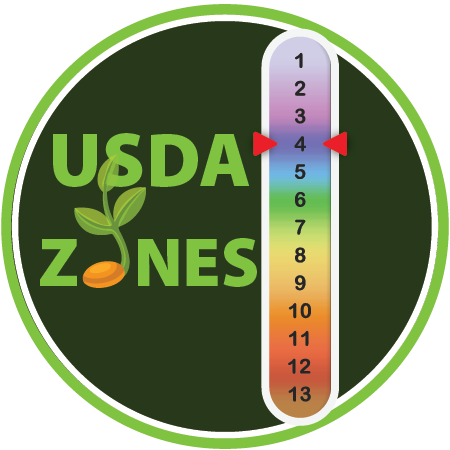
USDA ZONES
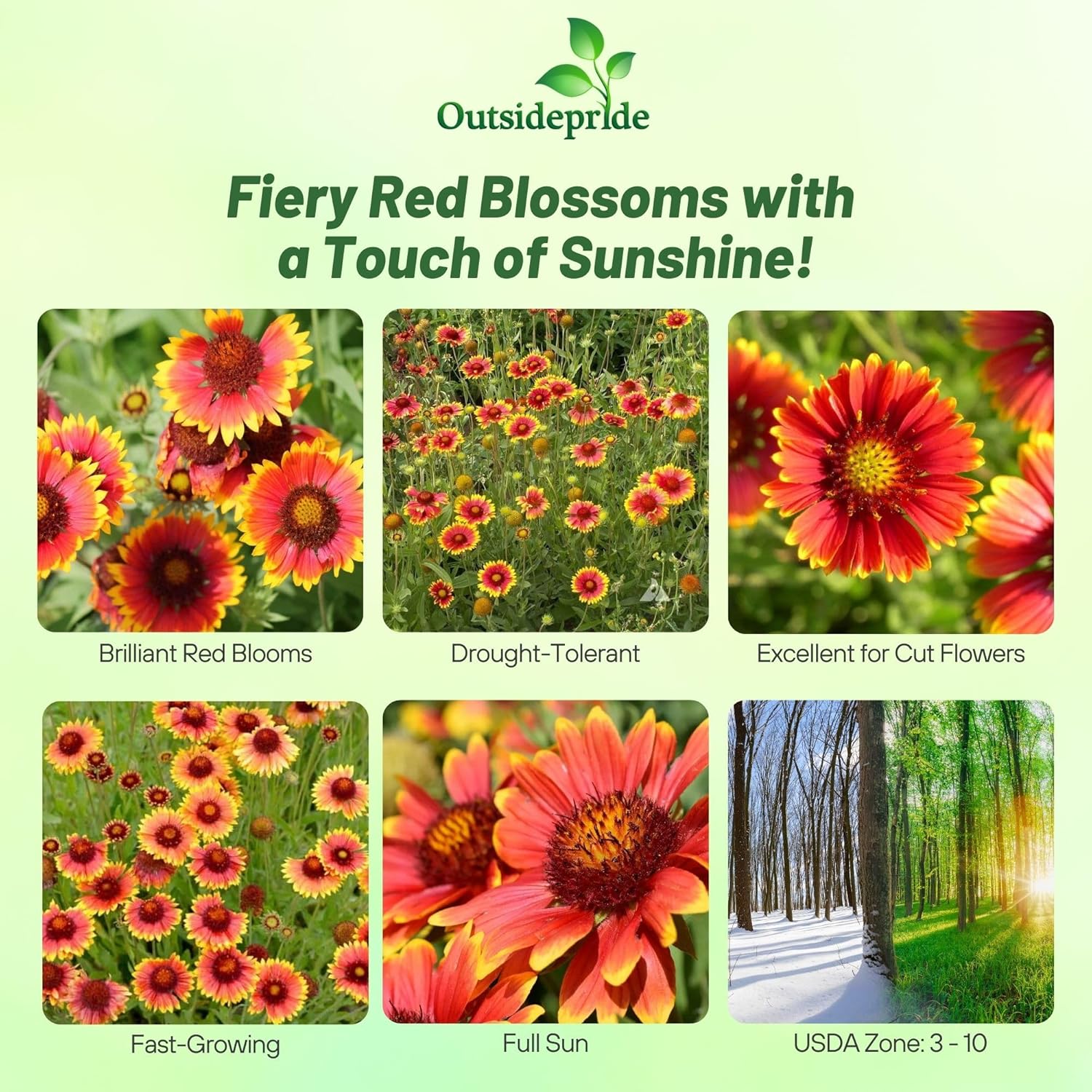
3 -10

HEIGHT
28 - 36 inches

BLOOM SEASON
Summer and fall

BLOOM COLOR
Red

ENVIRONMENT
Full sun

SOIL TYPE
Well-drained, lean, pH 6.2 - 7.2

DEER RESISTANT
Yes

About...
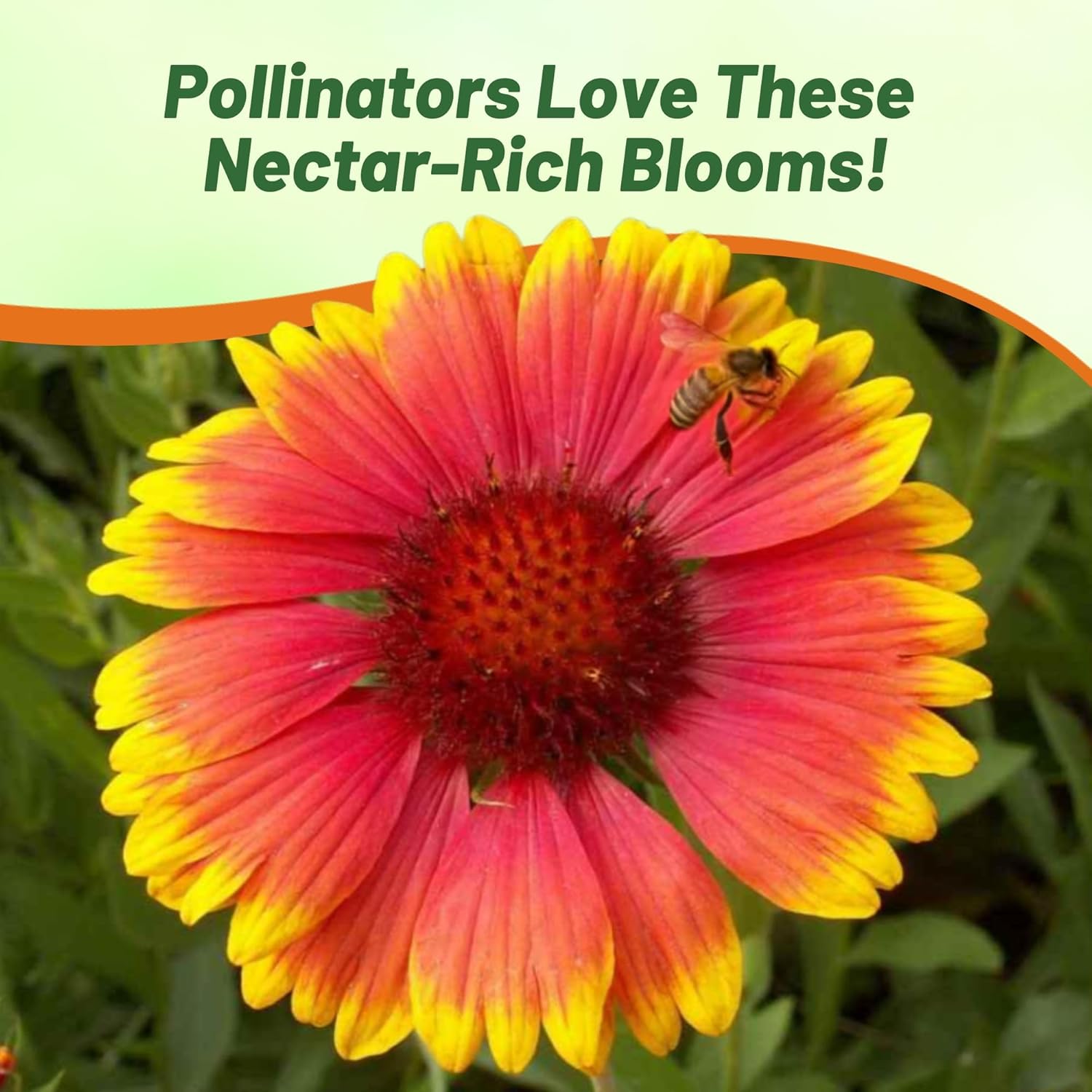
Blanket Flower (Gaillardia Aristata) - This water conserving perennial wildflower has large, daisy-like blooms and a tap root making it drought tolerant and carefree. It is well-suited to xeriscaping.
MORE GAILLARDIA OPTIONS

Planting Directions

TEMPERATURE
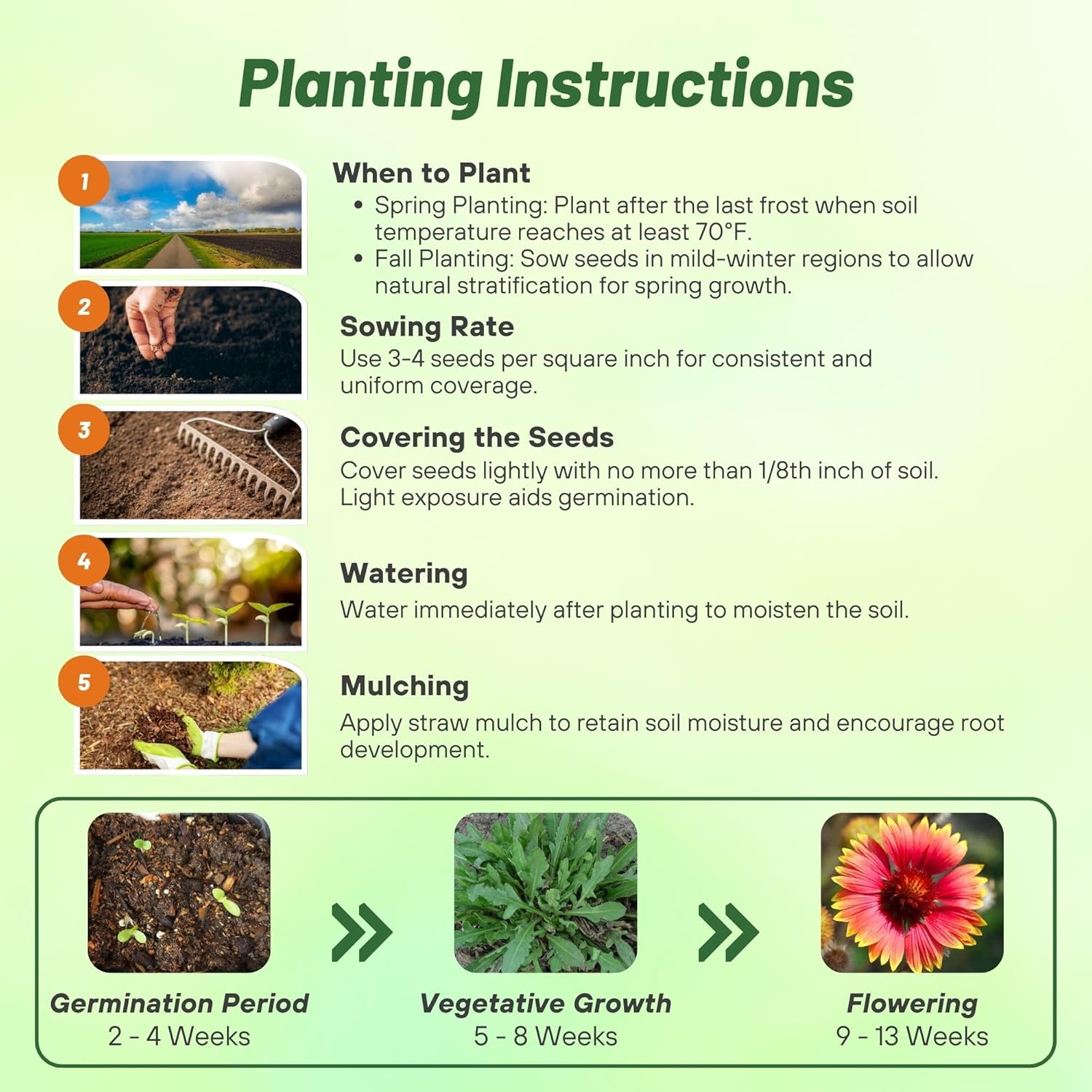
70 - 75F

AVERAGE GERM TIME
14 - 42 days

LIGHT REQUIRED
Yes

DEPTH
1/8 inch

SOWING RATE
4 ounces per 1,000 square feet or 10 lbs per acre or 3 - 4 seeds per plant

MOISTURE
Keep seeds moist until germination

PLANT SPACING
16 inches
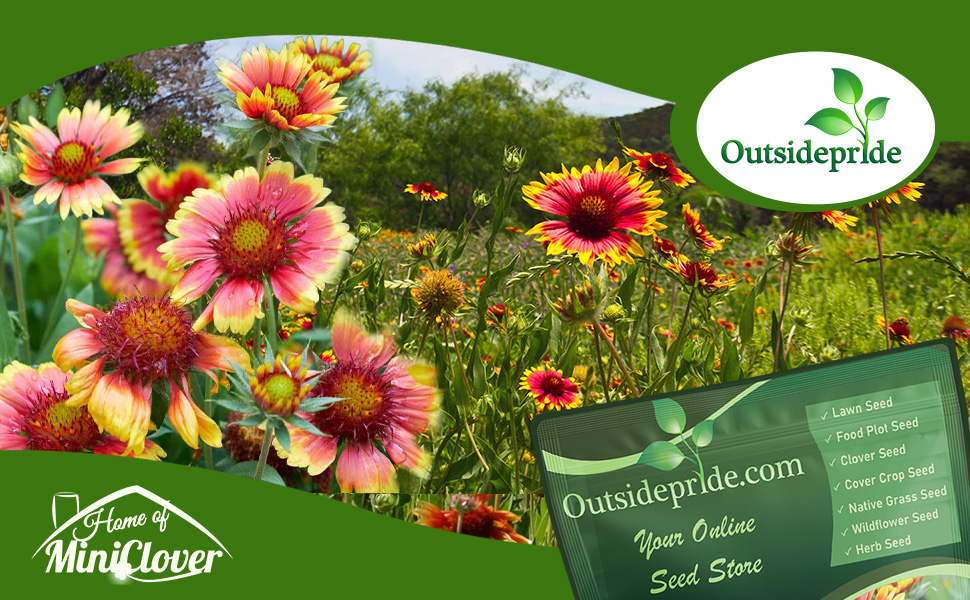

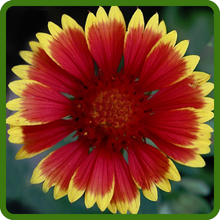
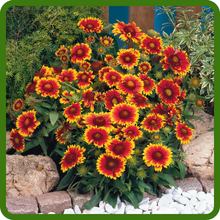
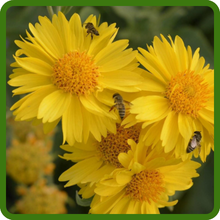

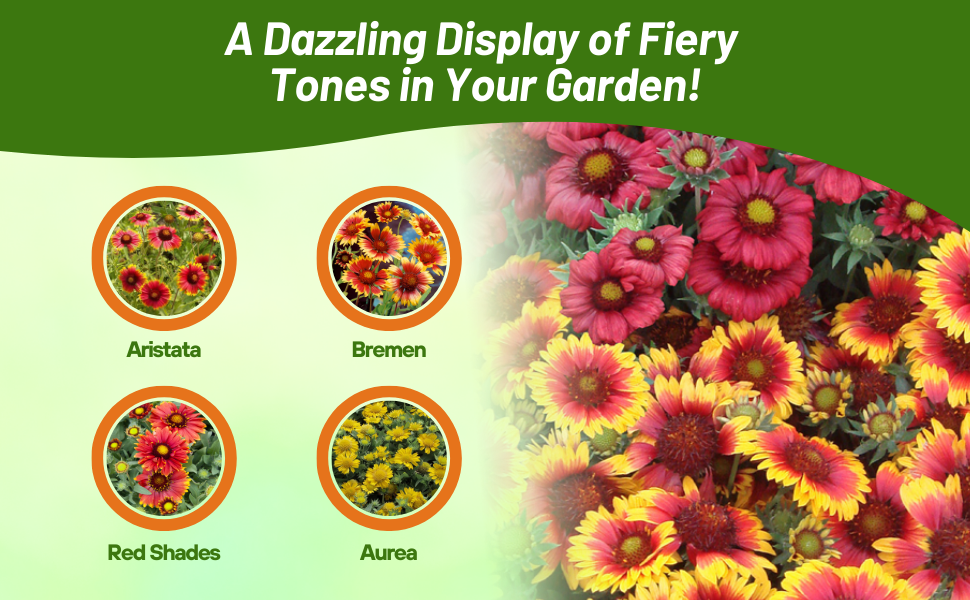
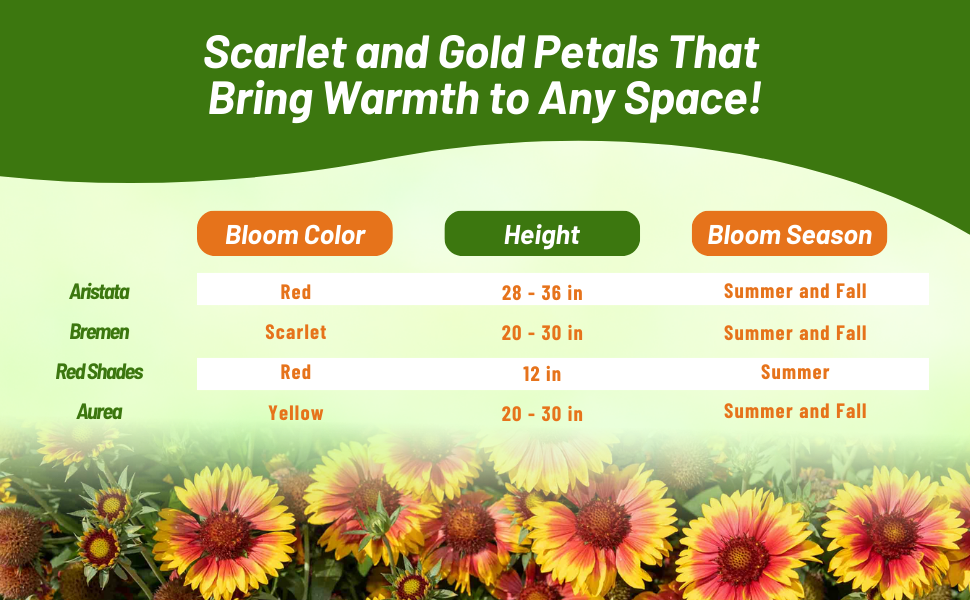

Blanket Flower (Gaillardia Aristata) - This perennial wildflower has large, daisy-like blooms and a tap root making it drought tolerant and carefree. It is well-suited to xeriscaping. This Blanketflower has big, long-lasting blooms which grow up to 4 inches across. The bi-colored flowers include orange, red, and yellow, and they bloom from early summer to fall if spent blooms are deadheaded. Gaillardias will tolerate a little crowding, but they perform best with ample space. This perennial wild flower will bloom the second year and every year after the initial planting. It grows in all regions of North America and will bloom during summer and fall. The may be planted in spring, summer, or fall as long as there is moisture to allow Blanket Flower wildflower seed to germinate.
Common Questions
Is blanket flower invasive?
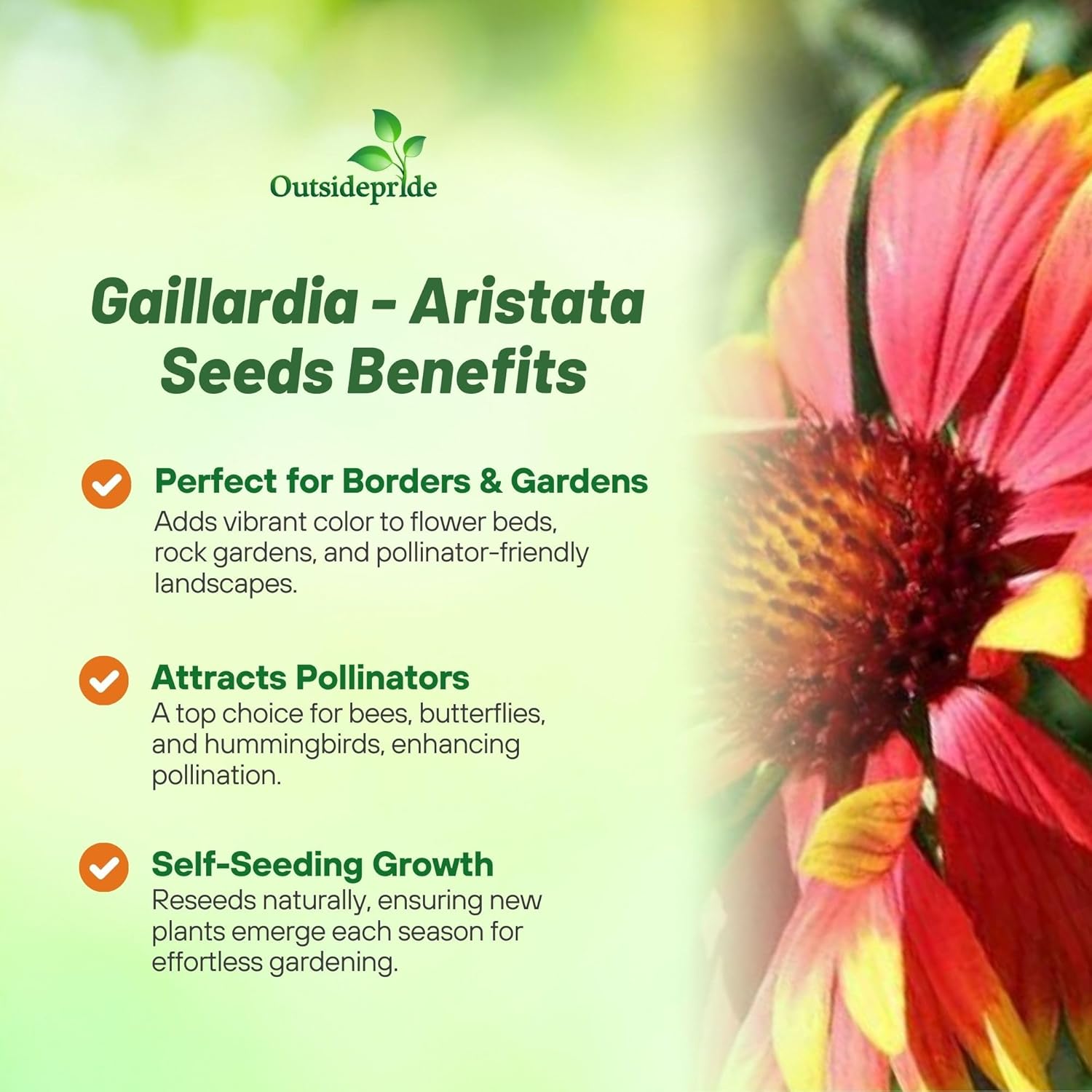
Though blanket flowers reseed themselves, they are not invasive and can be easily pulled up from unwanted places.
Does blanket flower bloom all summer?
Yes, blanket flowers bloom from early summer through the fall for long-lasting color.
What plants pair with blanket flower?
The bold, daisy-like blooms complement soft textures such as Coreopsis and cosmos, along with airy ornamental grasses. For added contrast, consider pairing them with spiky plants like Kniphofia or Crocosmia.
What are some good areas for using blanket flower in the landscape?
These flowers are suited well for beds and borders, containers, rock gardens, butterfly gardens, or prairies and meadows.
Will any pollinators be attracted to the flowers?
Yes, bees, birds and butterflies all enjoy these flowers.
Videos