










-
CATEGORY ::
- All Seeds /
- All Flower Seeds /
- All Poppy Seeds
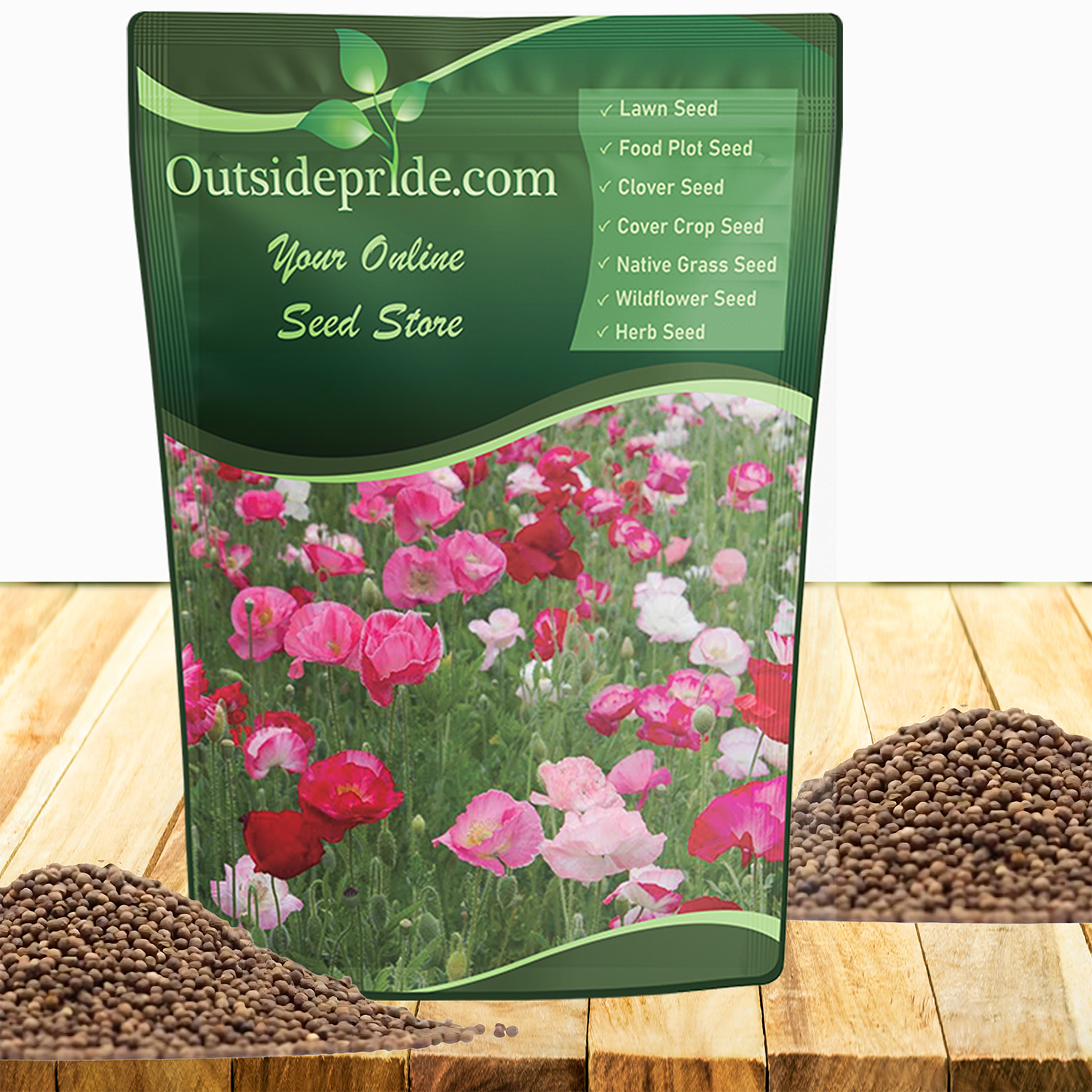





Poppy Seeds - Shirley

SEEDS PER POUND
3,401,942

SEASON
Annual

USDA ZONES
3 - 9

HEIGHT
12 - 15 inches

BLOOM SEASON
Summer

BLOOM COLOR
Mix

ENVIRONMENT
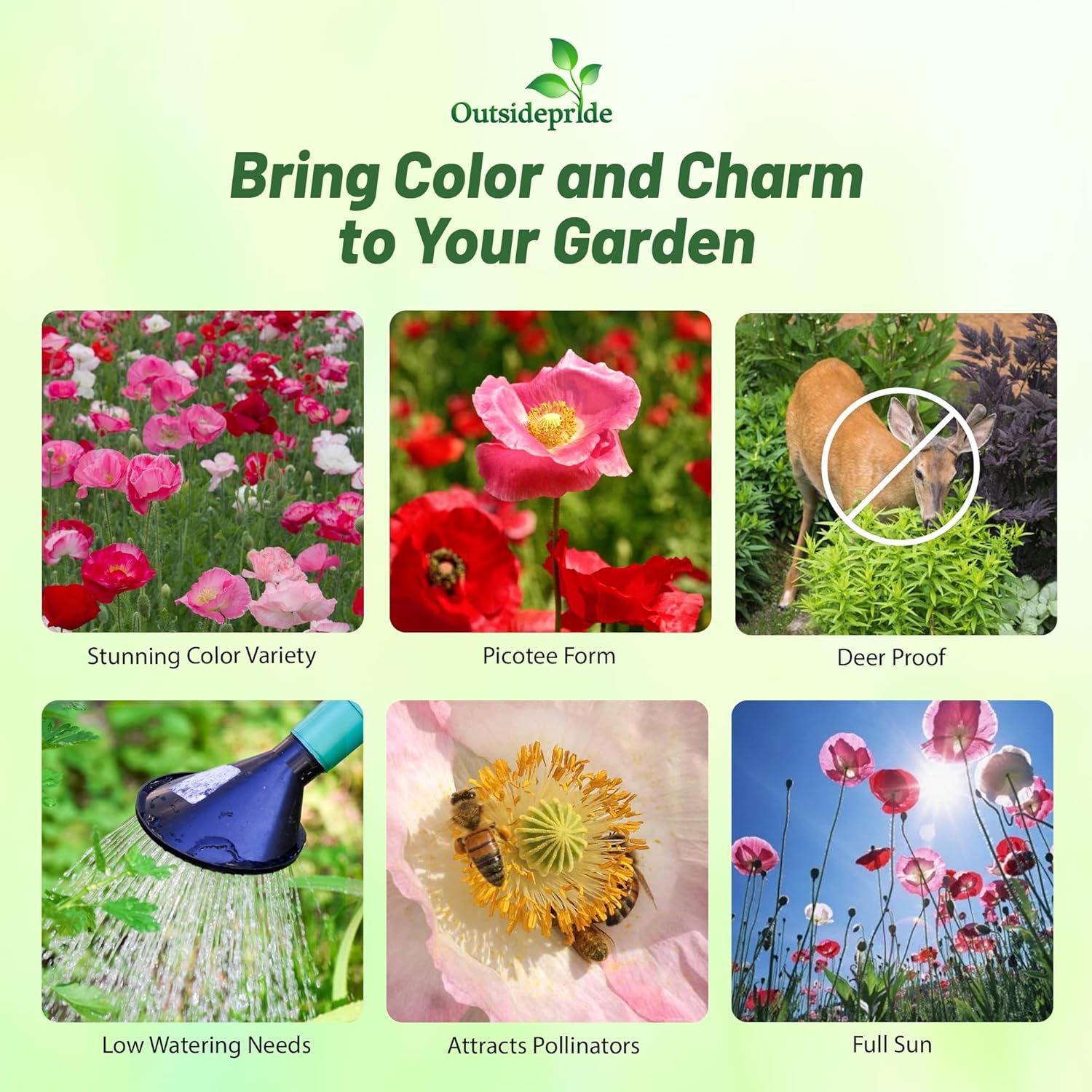
Full sun

SOIL TYPE
Loose, well-drained, pH 6.1 - 7.3

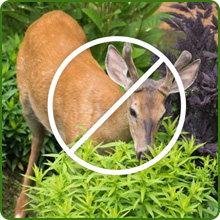
DEER RESISTANT
Yes

About...
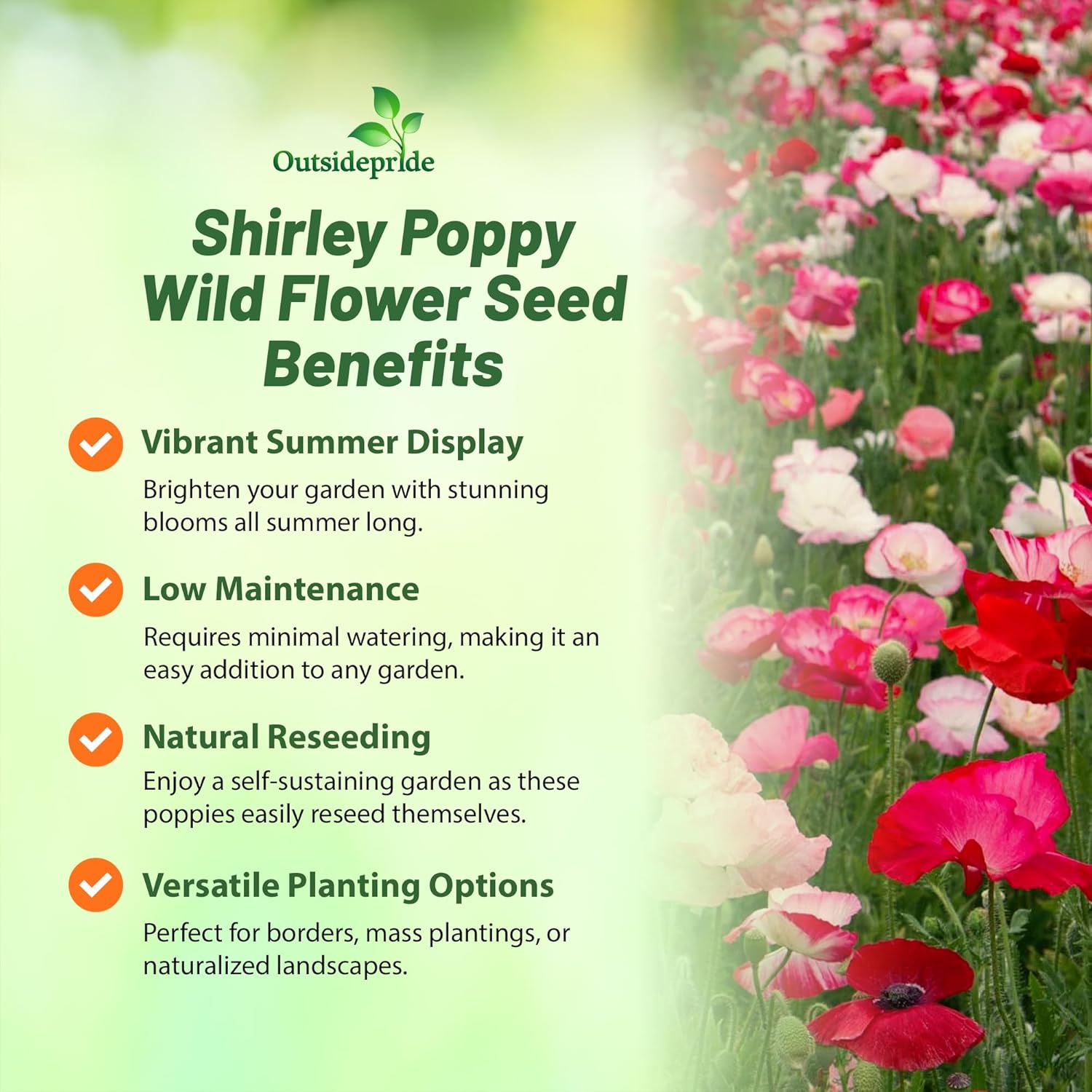
Shirley Poppy (Papaver Rhoeas) - The Shirley Poppy selection has semi-double and double forms, as well as flowers with a ring of contrasting color around the edge called the picotee form. Easily grown from Shirley Poppy seeds, xeriscape gardeners enthusiastically grow this variety for the wonderful display of diverse color and forms and water conservation.
MORE POPPY OPTIONS

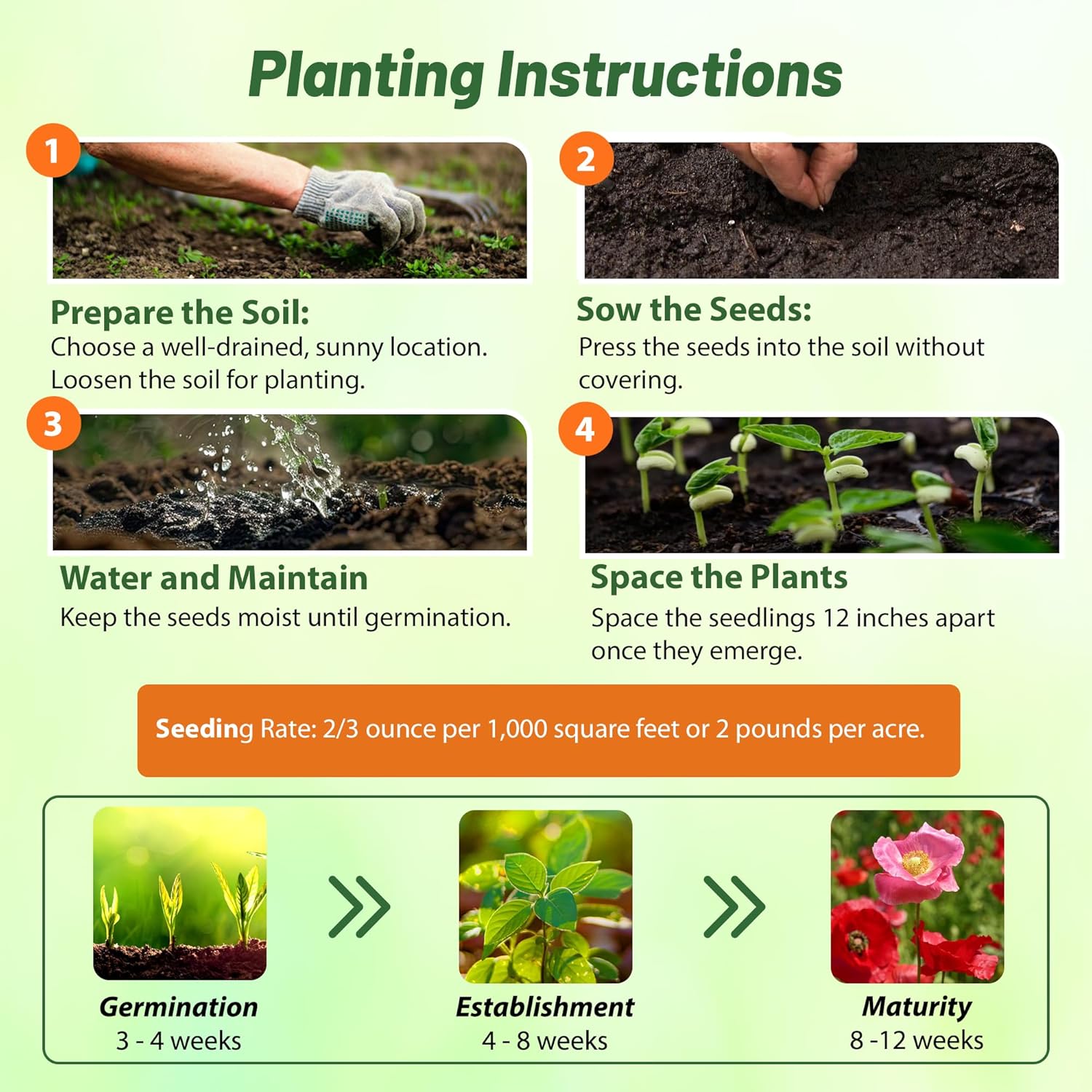
Planting Directions

TEMPERATURE
55 - 60F

AVERAGE GERM TIME
21 - 28 days

LIGHT REQUIRED
Yes

DEPTH
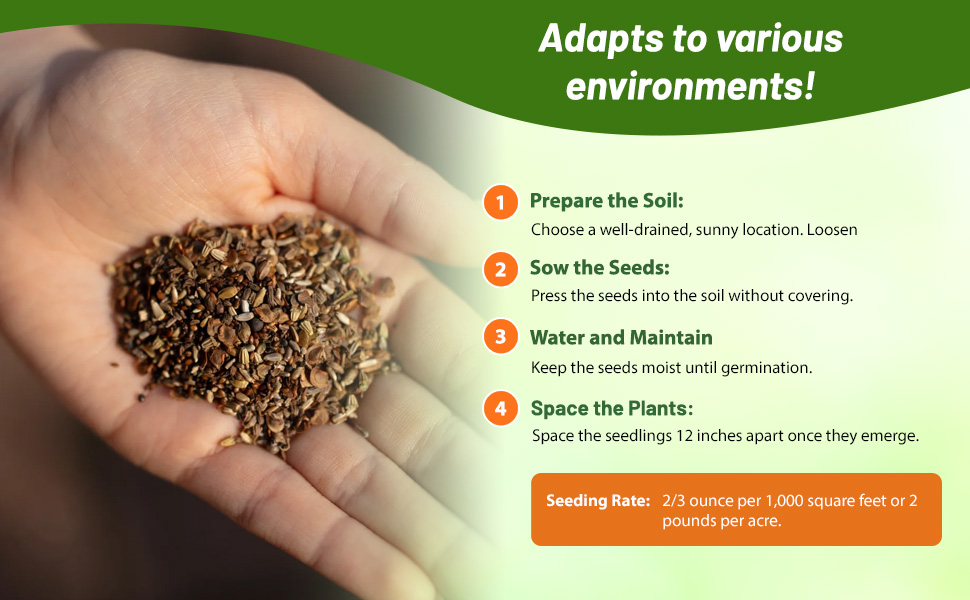
Do not cover the seed but press into the soil

SOWING RATE
2/3 ounce per 1,000 square feet or 2 pounds per acre

MOISTURE
Keep seeds moist until germination

PLANT SPACING
12 inches

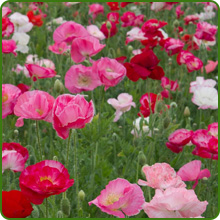
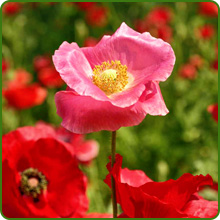


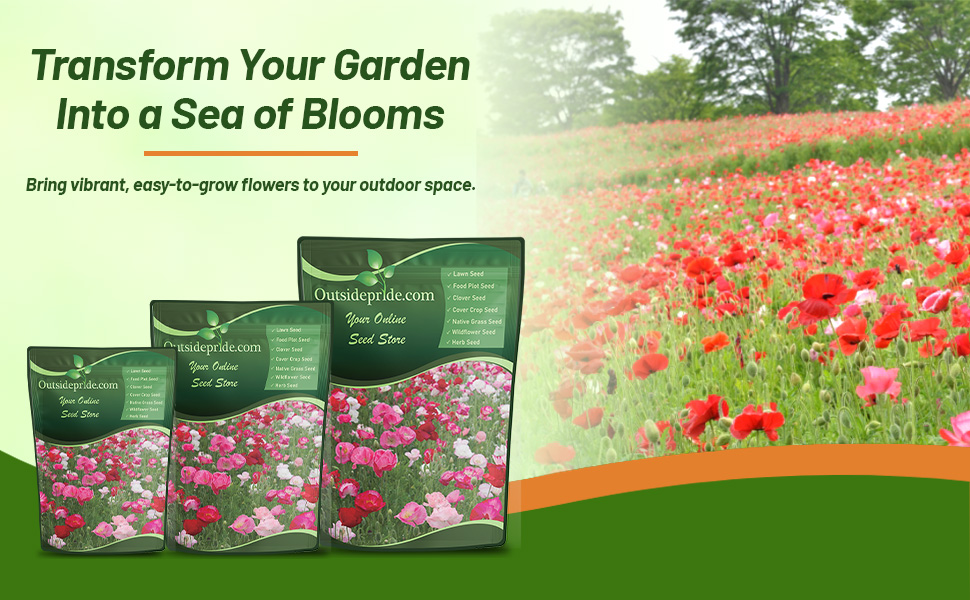
Shirley Poppy (Papaver Rhoeas) - The drought tolerant Shirley Poppy comes from Shirley, England, where in the 1880s, a local vicar carefully selected and hybridized Poppies in his own wild flower garden. Over many years he obtained a strain of Poppies ranging in colors from white to pale lilac to pink and red, and unlike the wild Poppies these had no dark blotches at the base of the petals. Over the years, further wildflower Poppy selection has created the semi-double and double forms, as well as flowers with a ring of contrasting color around the edge called the picotee form. Easily grown from Shirley Poppy seeds, xeriscape gardeners enthusiastically grow this variety for the wonderful display of diverse color and forms and water conservation. How to Grow Poppies: Directly sow Poppy seeds in early spring before frosts have finished. Shirley Poppies grow best in loose soil that drains well. Press the flower seeds firmly into the soil and keep the soil moist until germination.
Common Questions
Do I need to deadhead Papaver rhoeas?
This is optional; however, it will extend your bloom season.
Do I need to fertilizer Papaver rhoeas?
Typically, no. However, if you notice foliage and no flowers your plants may be in need of phosphorus-rich fertilizer.
Are these flowers fragrant?
They are not known for their scent, but they are valued highly for their blooms.
Videos