








-
CATEGORY ::
- All Seeds /
- All Flower Seeds /
- All Salvia Seeds
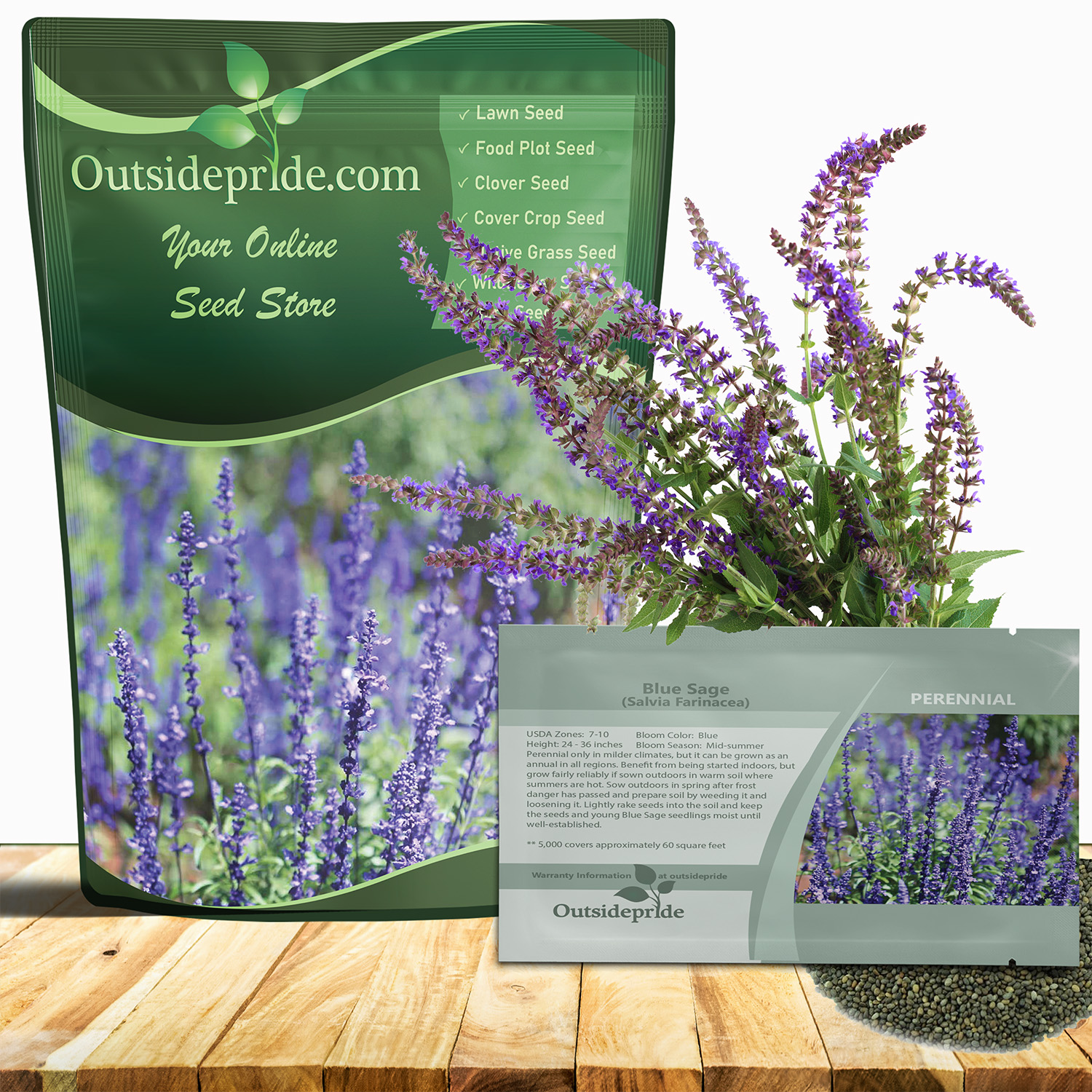


Sage Seeds - Blue Wildflower
SEEDS PER POUND
367,863

SEASON
Perennial
USDA ZONES
7 - 10

HEIGHT
24 - 36 inches

BLOOM SEASON
Mid-summer

BLOOM COLOR
Blue

ENVIRONMENT
Full sun to partial shade

SOIL TYPE
Well-drained, pH 5.5 - 6.5
DEER RESISTANT
Yes

About...
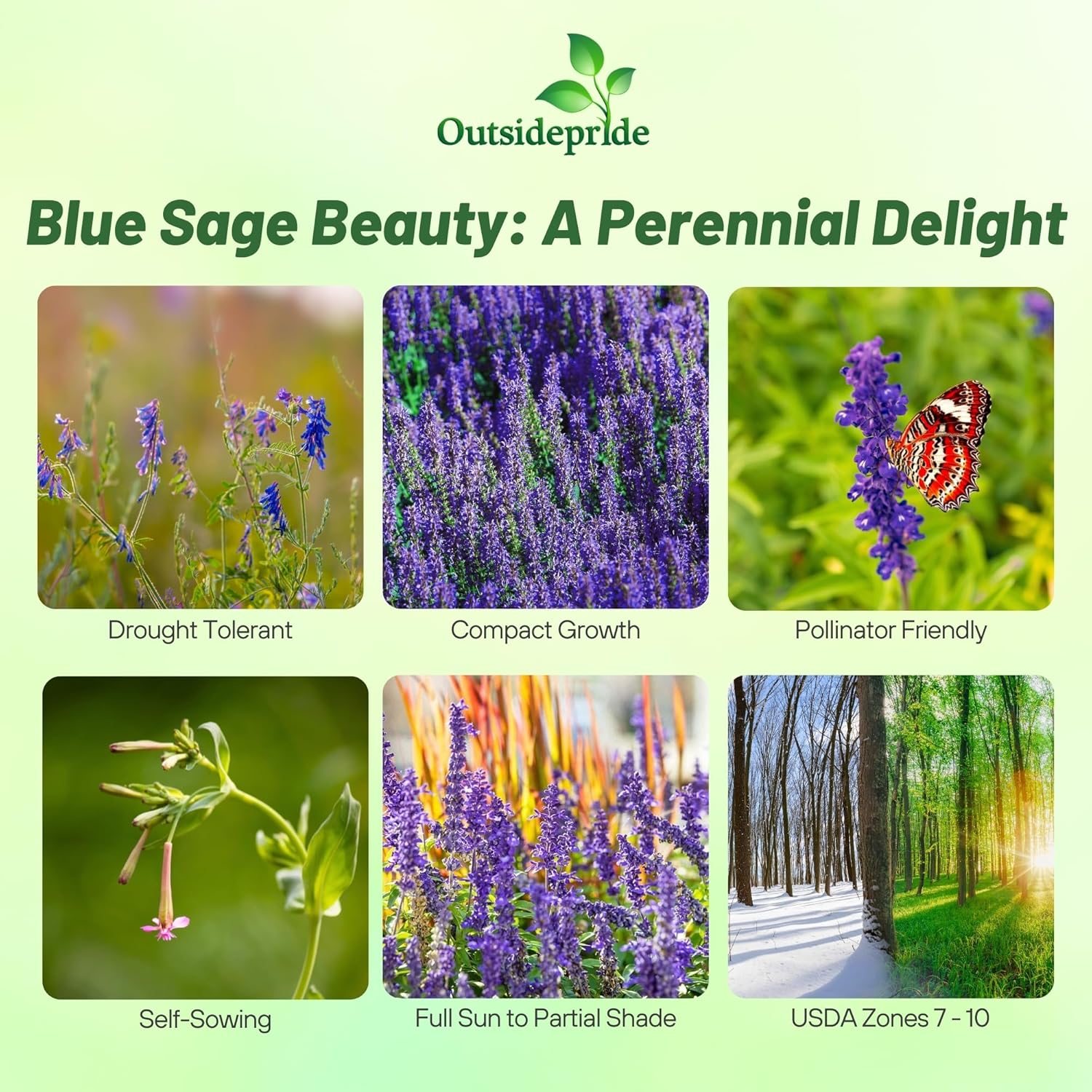
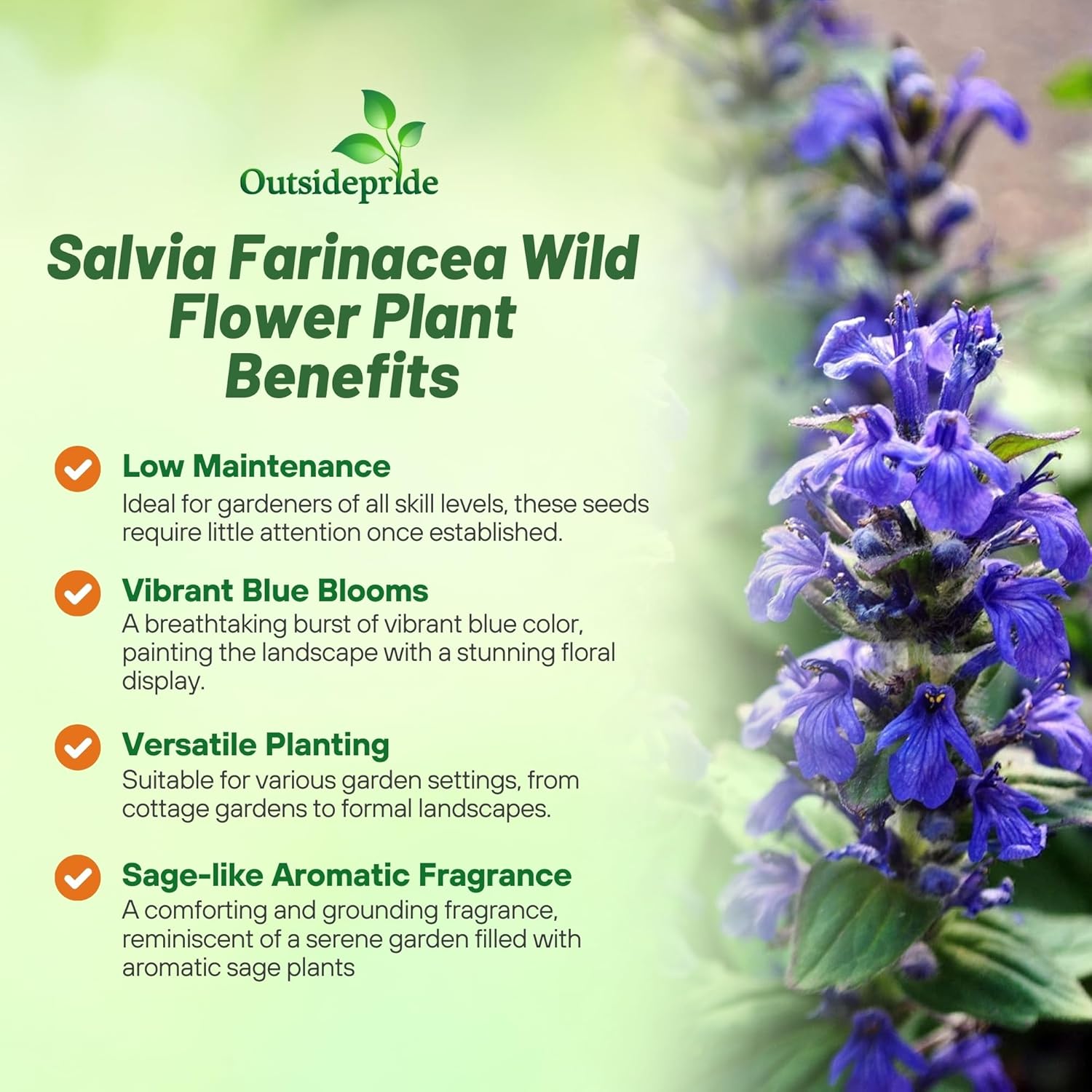
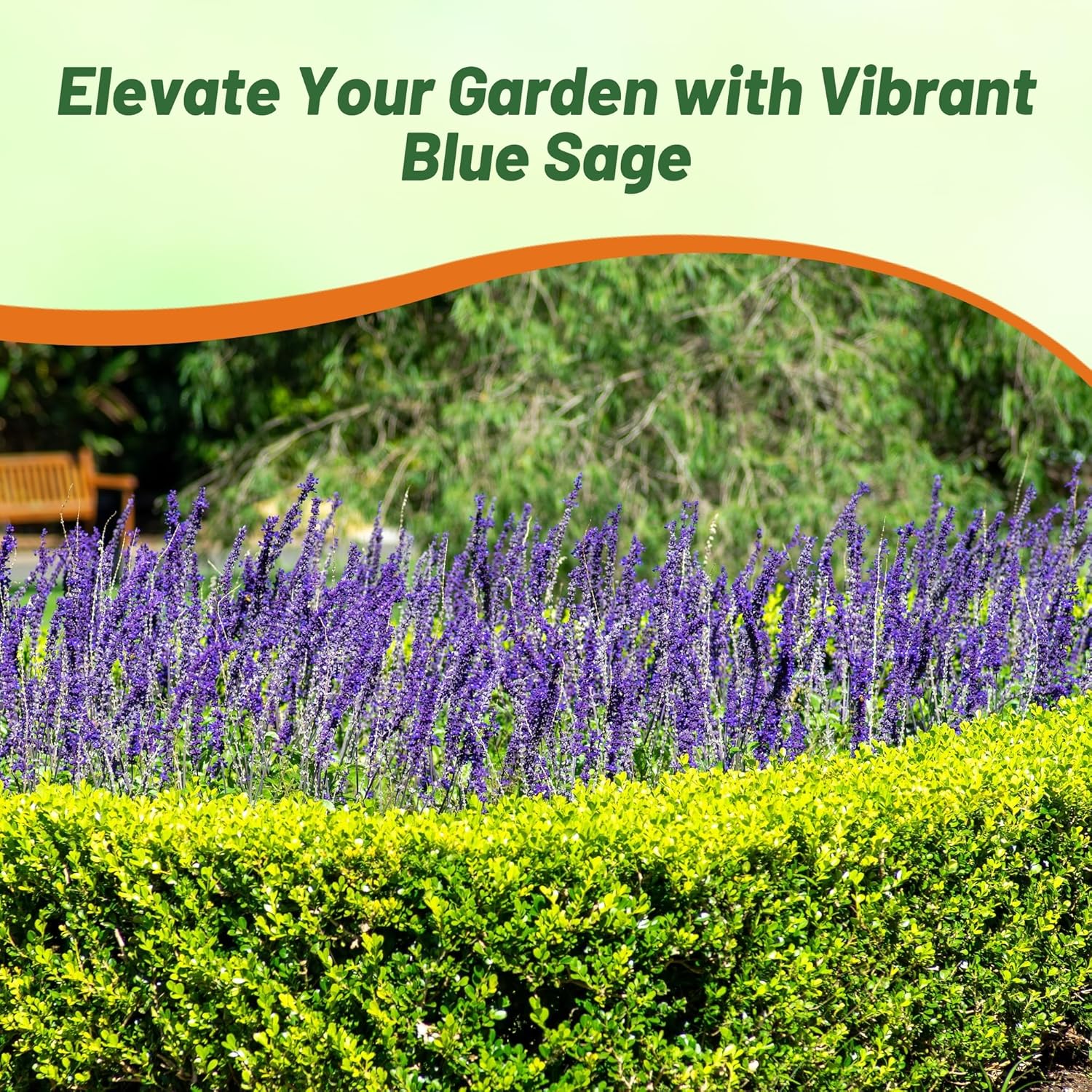
Blue Sage (Salvia Farinacea) - Blue Sage is perfect for the perennial border or the wild flower meadow. It is easily grown from Sage seeds, and it will attract butterflies and hummingbirds like a magnet! Plant Blue Sage drought tolerant wildflowers in a mass grouping for a dramatic display of blue for any sunny landscape setting.
MORE SALVIA OPTIONS

Planting Directions
TEMPERATURE
68 - 75F
AVERAGE GERM TIME
10 - 30 days
LIGHT REQUIRED
Yes

DEPTH
1/16 inch

SOWING RATE
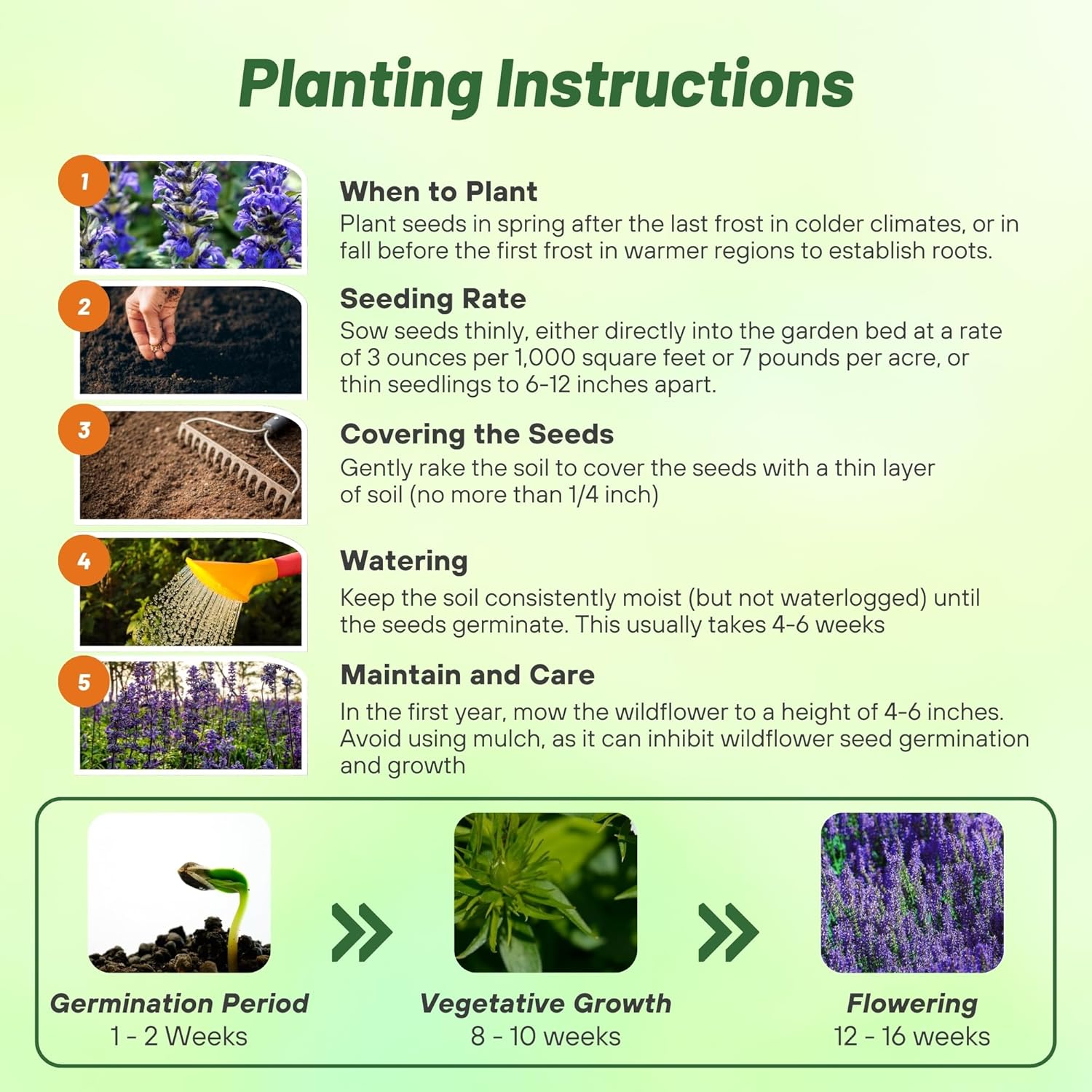
3 ounces per 1,000 square feet or 7 pounds per acre
MOISTURE
Keep seeds moist until germination
PLANT SPACING
12 - 18 inches
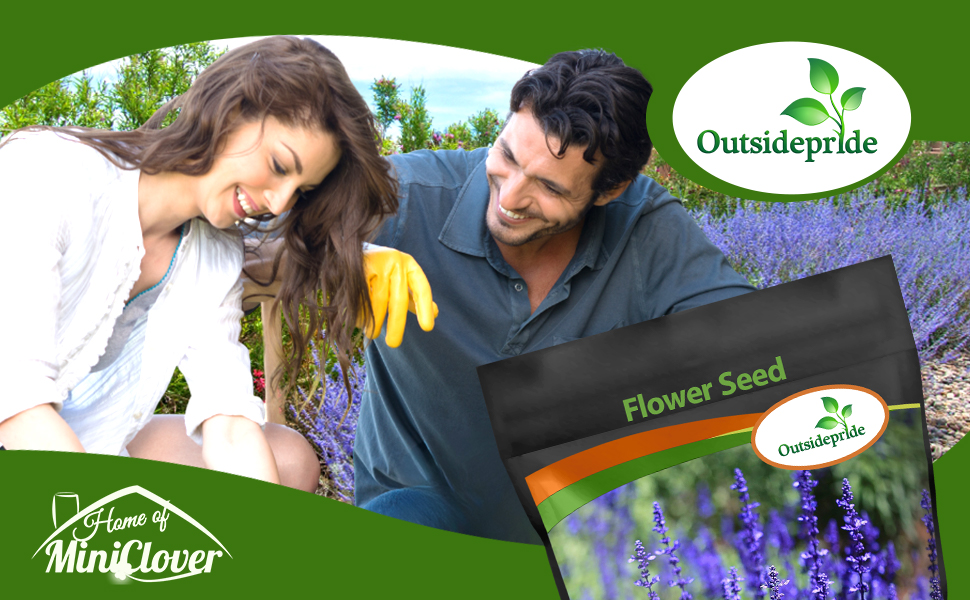
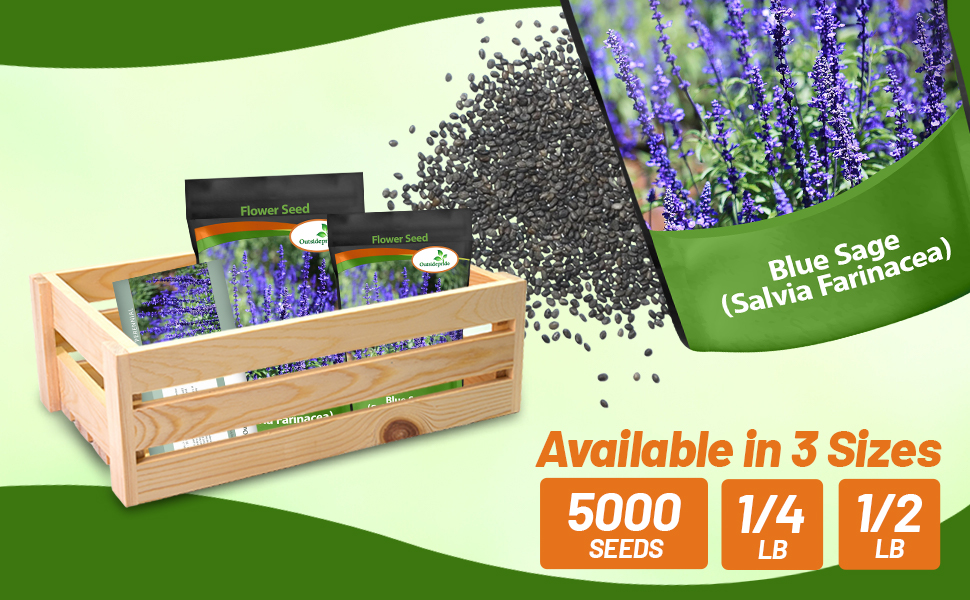
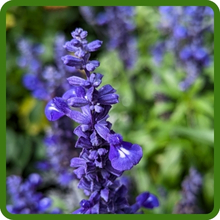
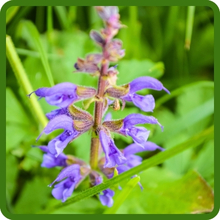
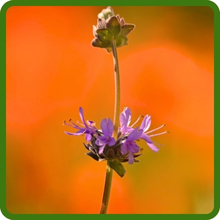
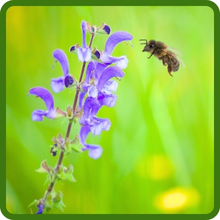
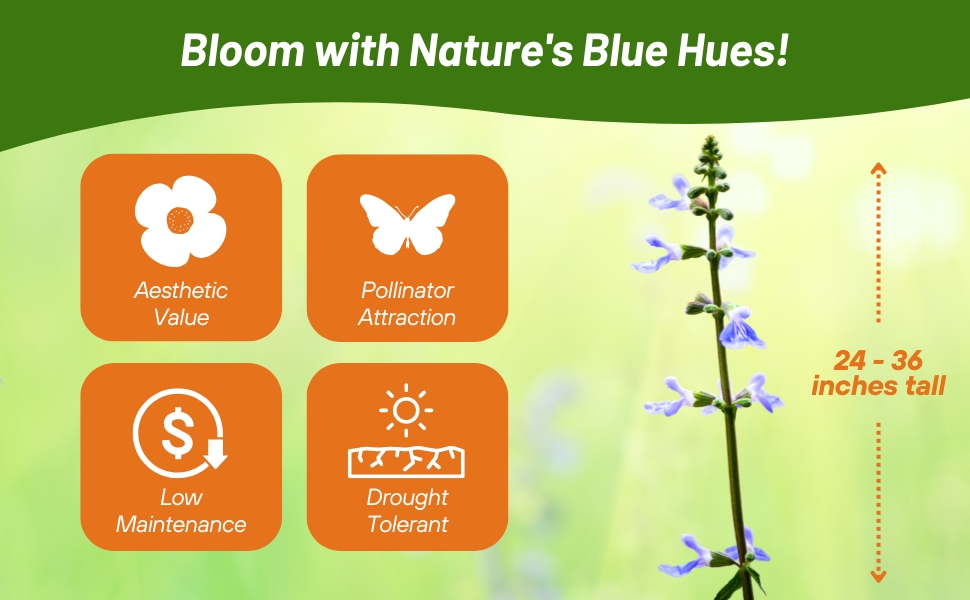
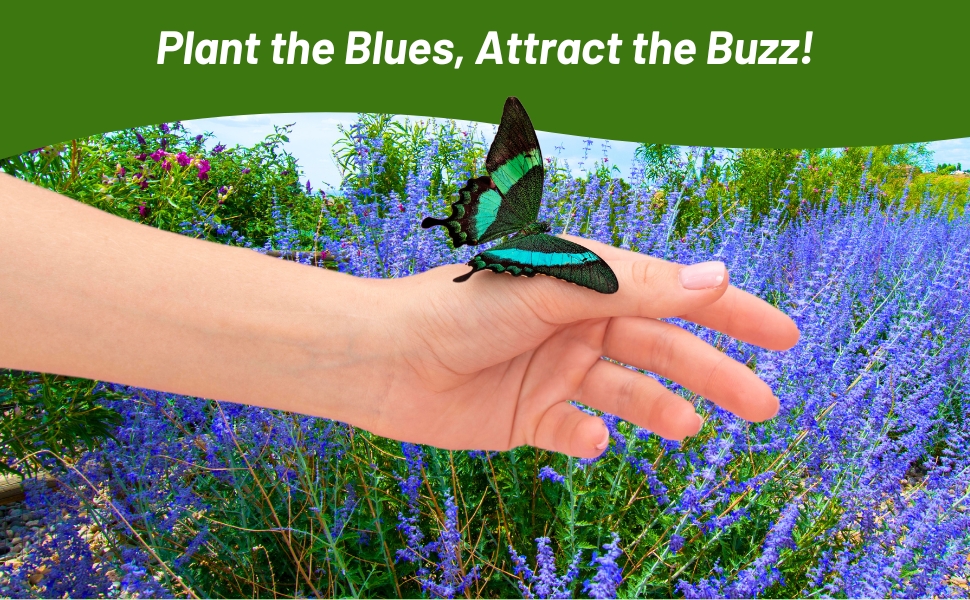
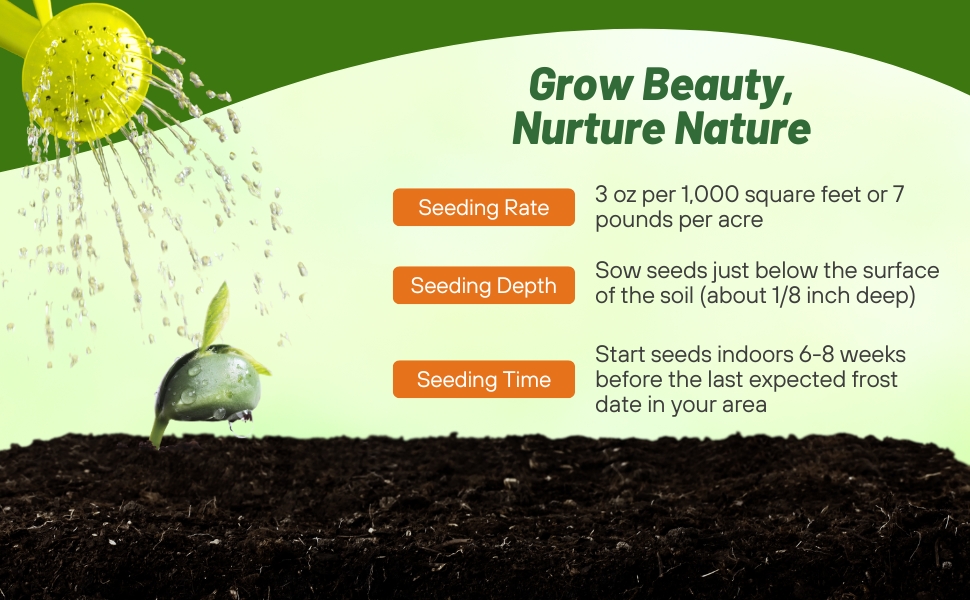
Blue Sage (Salvia Farinacea) - Blue Sage is perfect for the perennial border or the wild flower meadow. It is easily grown from Sage seeds, and it will attract butterflies and hummingbirds like a magnet! Plant Blue Sag drought tolerant wildflowers in a mass grouping for a dramatic display of blue for any sunny landscape setting. It is especially nice in cottage gardens, xeriscape rock gardens or wild flower gardens.
If you want to get an early jump, start these Blue Sage seeds indoors 10 weeks before last frost. Sow the wildflower seed in starter trays, press the seed into the soil and barely cover. Blue Sage seeds needs light to germinate. When the frost season has passed, transplant the Blue Sage seedlings into the garden 12 - 18 inches apart in a sunny location. Give them plenty of water in dry weather. In the southern half of the United States where temperatures can be extreme, this type of Salvia may need light to moderate shade instead of full sun. Blue Sage will do best in areas that have moderate humidity. After an extended period of flowering, trim the Salvia Farinacea plant back to produce a thicker and more compact foliage and a shorter flowering plant. The trim will delay flowering for a few days, but it is important in preventing leggy plants, and the blooms will come back heavily.
Common Questions
Will blue sage attract any pollinators to my garden?
Bees, butterflies and hummingbirds all enjoy the blue sage flowers.
Are salvias good as cut flowers?
Yes, they make excellent cut flowers.
Is salvia a good pollinator plant?
Yes, salvia attracts bees, butterflies and hummingbirds to the garden.
What are some good ways to use blue sage in my landscape?
Beds, borders, banks, containers, wall side borders, cut flower gardens, mediterranean gardens, informal gardens, courtyard and coastal gardens as all lovely ways to use the blue sage plants.
What are some good companion plants for blue sage plants?
Coneflower, cosmos, zinnia and rudbeckia are all very lovely planted along side the blue sage flowers.
Videos