
Lobelia Seeds - Lobelia Erinus Blue Carpet Ground Cover Seed

Lobelia Seeds - Blue Carpet

5000 Seeds
.......................................................................................................................................................
4.99
10000 Seeds
.......................................................................................................................................................
8.99

SEASON

Annual

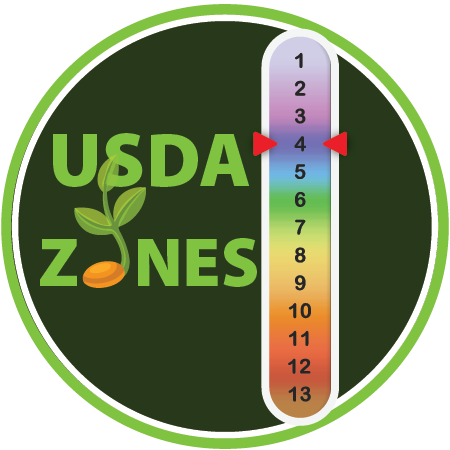
USDA ZONES

3 - 9

HEIGHT

4 - 5 inches

WIDTH

6 inches

BLOOM SEASON

Summer

BLOOM COLOR

Bright blue

GROWTH RATE

Moderate

ENVIRONMENT

Full sun to partial shade

SOIL TYPE

Well-drained soil, pH 5.5 - 6.5

DEER RESISTANT

Yes

About...

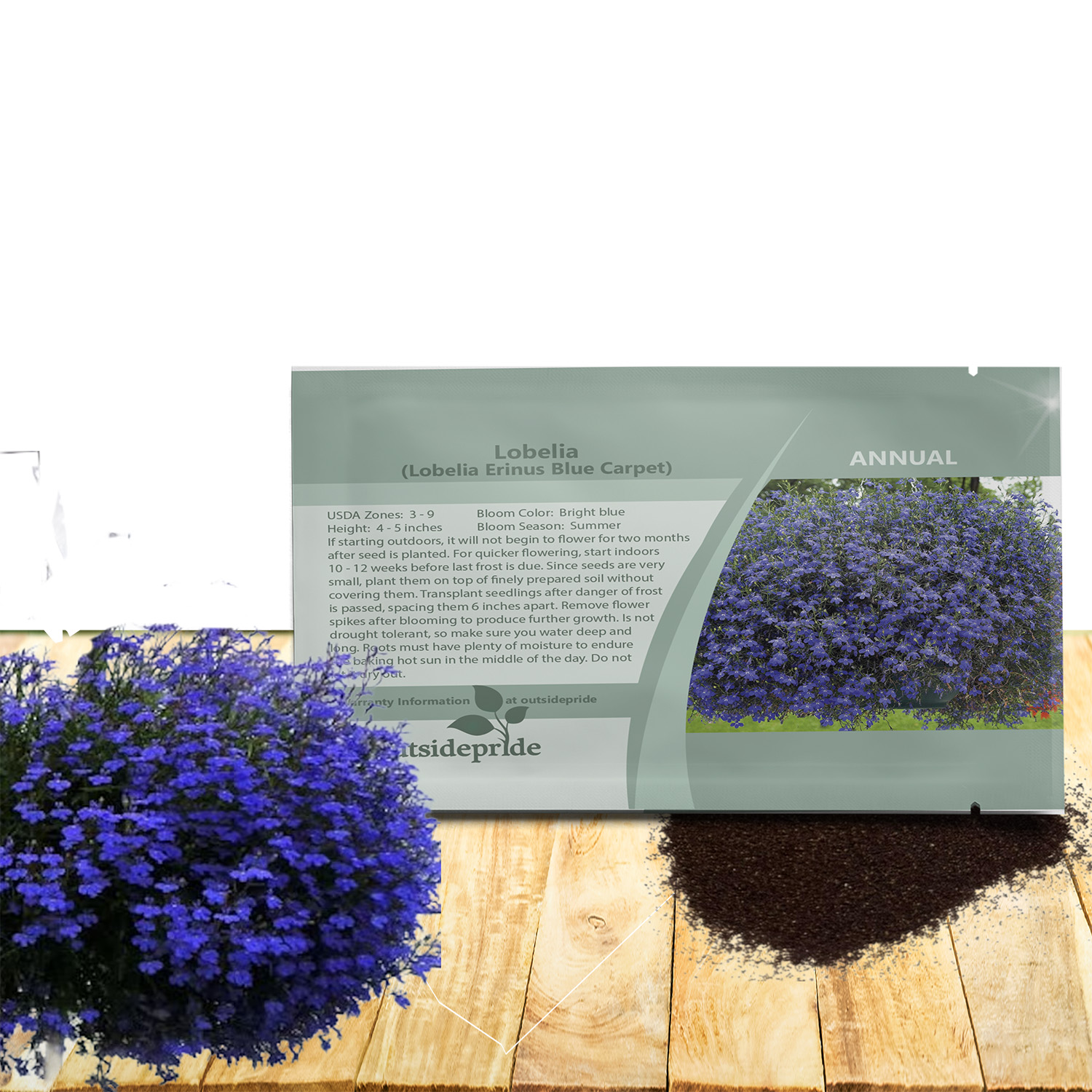
Lobelia (Lobelia Erinus Blue Carpet) - You will want to have this brilliant shade of bright blue in your landscape setting! Lobelia seeds are easy to start and quick to grow. Lobelia Blue Carpet is a very popular annual that adds striking color to many diverse settings.

ABOUT
FAQ's
VIDEOS

Planting Directions

TEMPERATURE

72F

AVERAGE GERM TIME

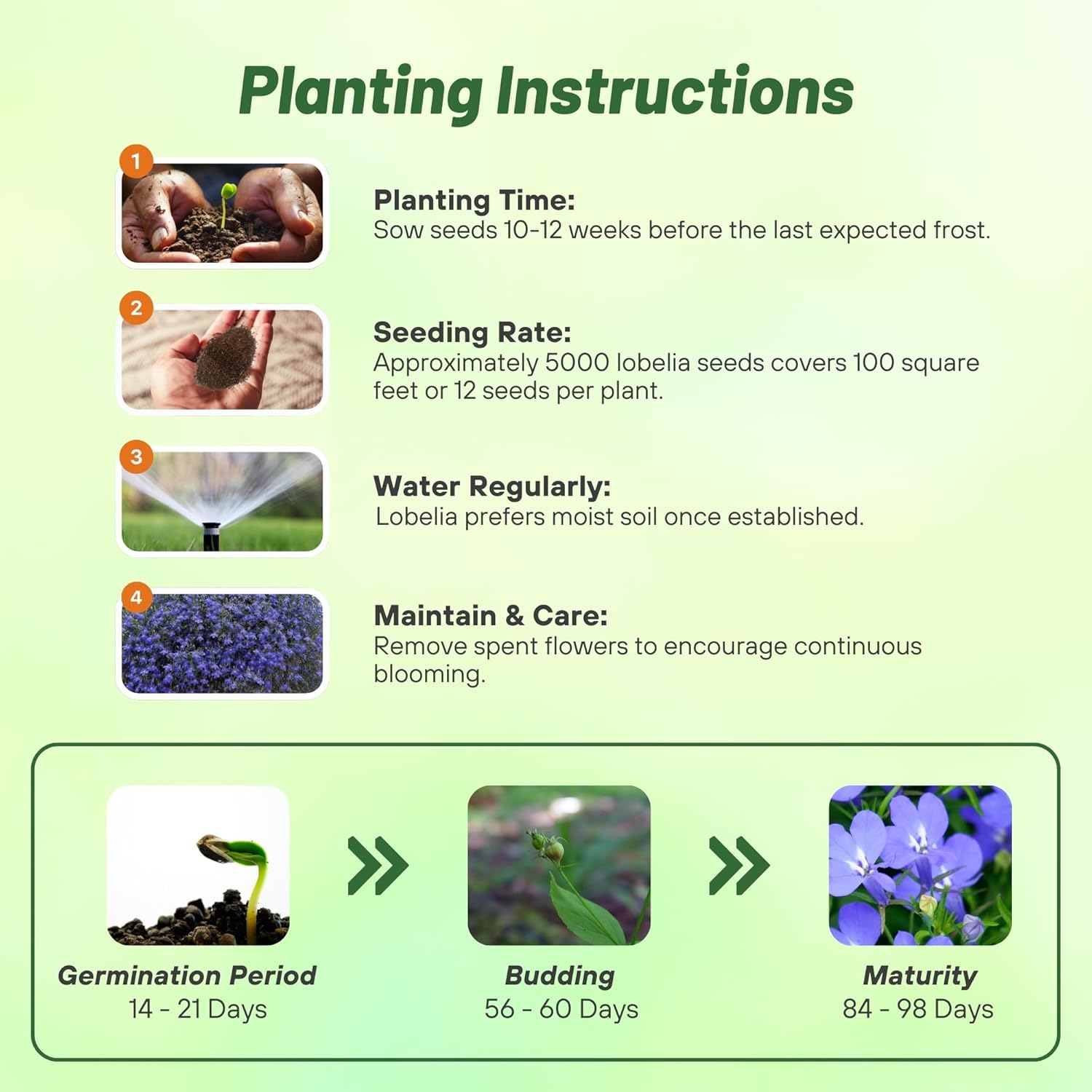
14 - 21 days

LIGHT REQUIRED

Yes

DEPTH

Press lightly into the soil but do not cover

SOWING RATE

Approximately 5000 lobelia seeds covers 100 square feet or 12 seeds per plant

MOISTURE

Keep soil slightly moist, but not wet until germination

PLANT SPACING

6 inches

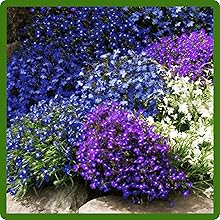
Lobelia Low Growing Ground Cover Plants
Lobelia Seed Packets For Sale
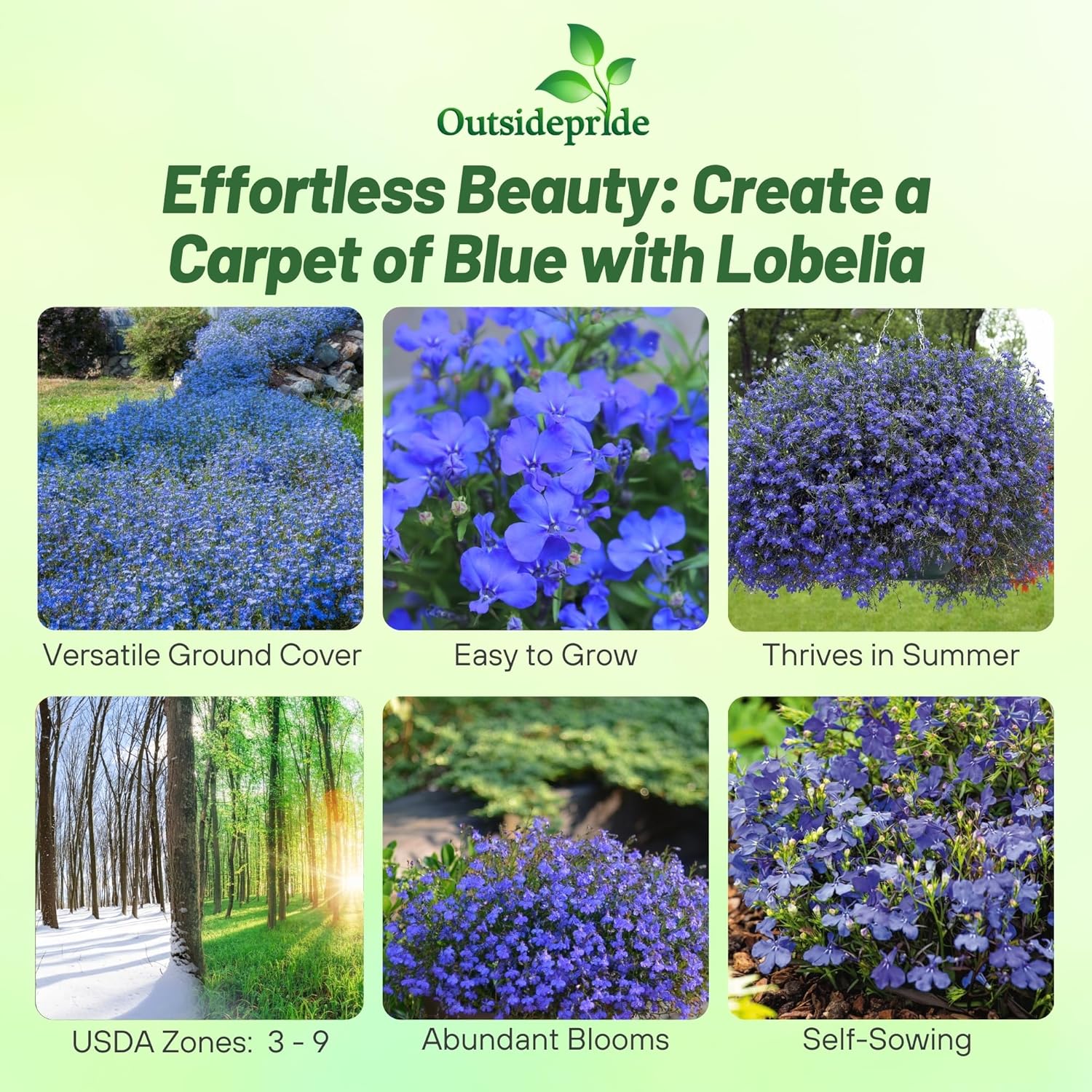
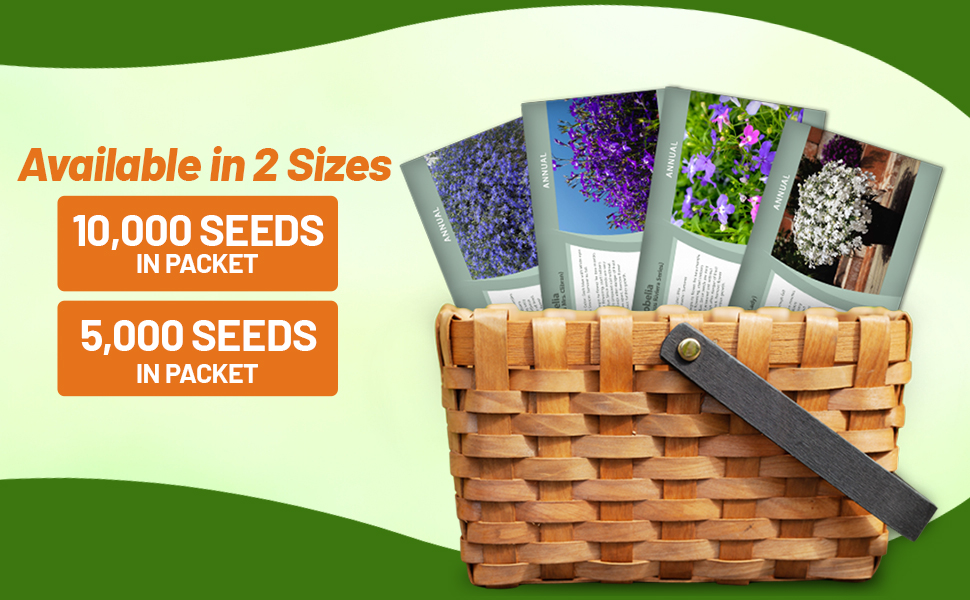
Outsidepride Lobelia Seeds (Lobelia Erinus) are annual ground cover plants that are well-suited for small spaces such as containers, hanging baskets, and ground covers. Our garden seeds grow in USDA Zones 3-9, performing well in full sun to partial shade. With a compact height of 4-5 inches and a spread of 6 inches, our plants bloom from summer to fall. Available in 2 packaging sizes: 5000 & 10000 flower seed packs, providing vibrant color throughout the season and adding visual interest to various garden settings.
Dwarf, Compact Lobelia Ground Cover Plants
Diverse Garden Uses
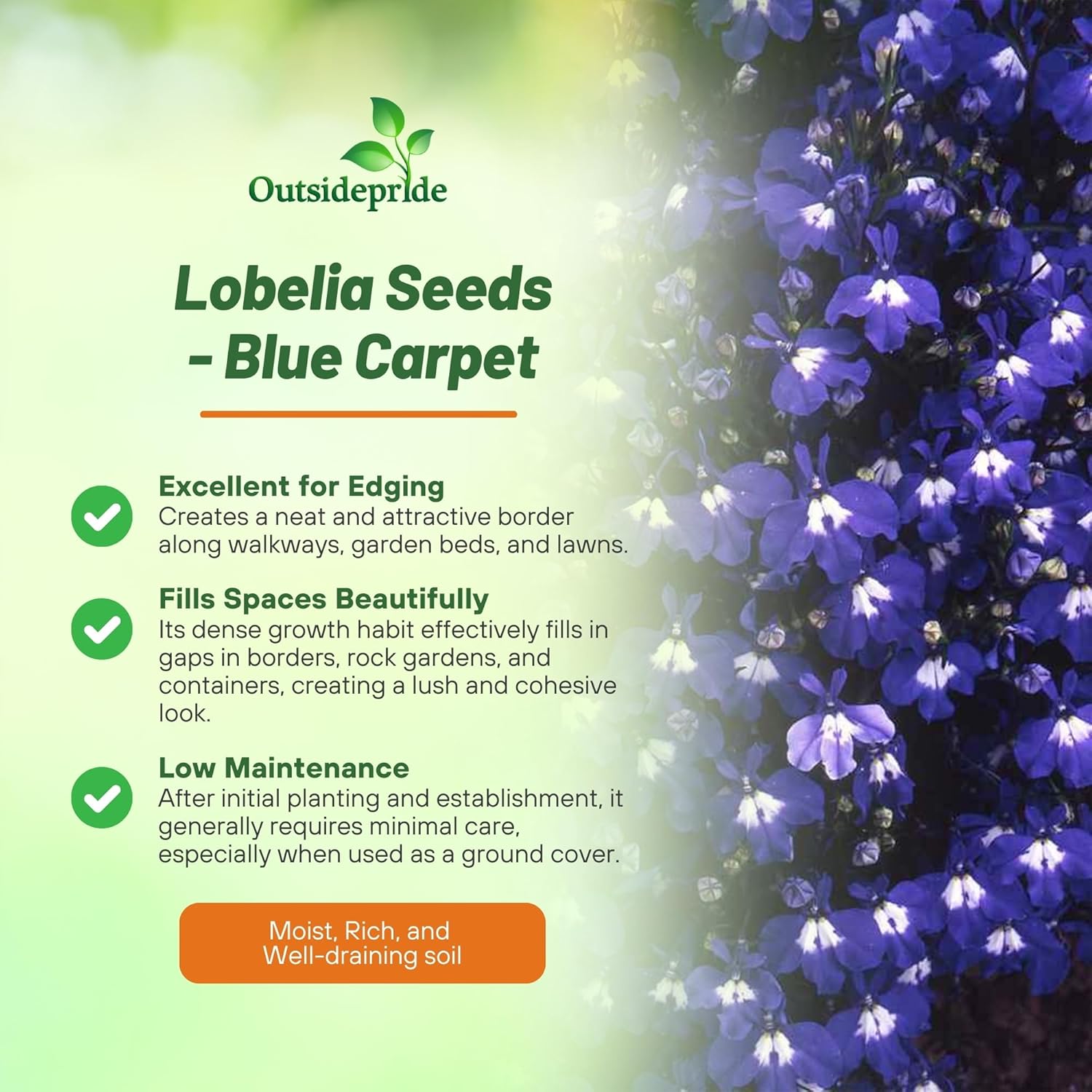
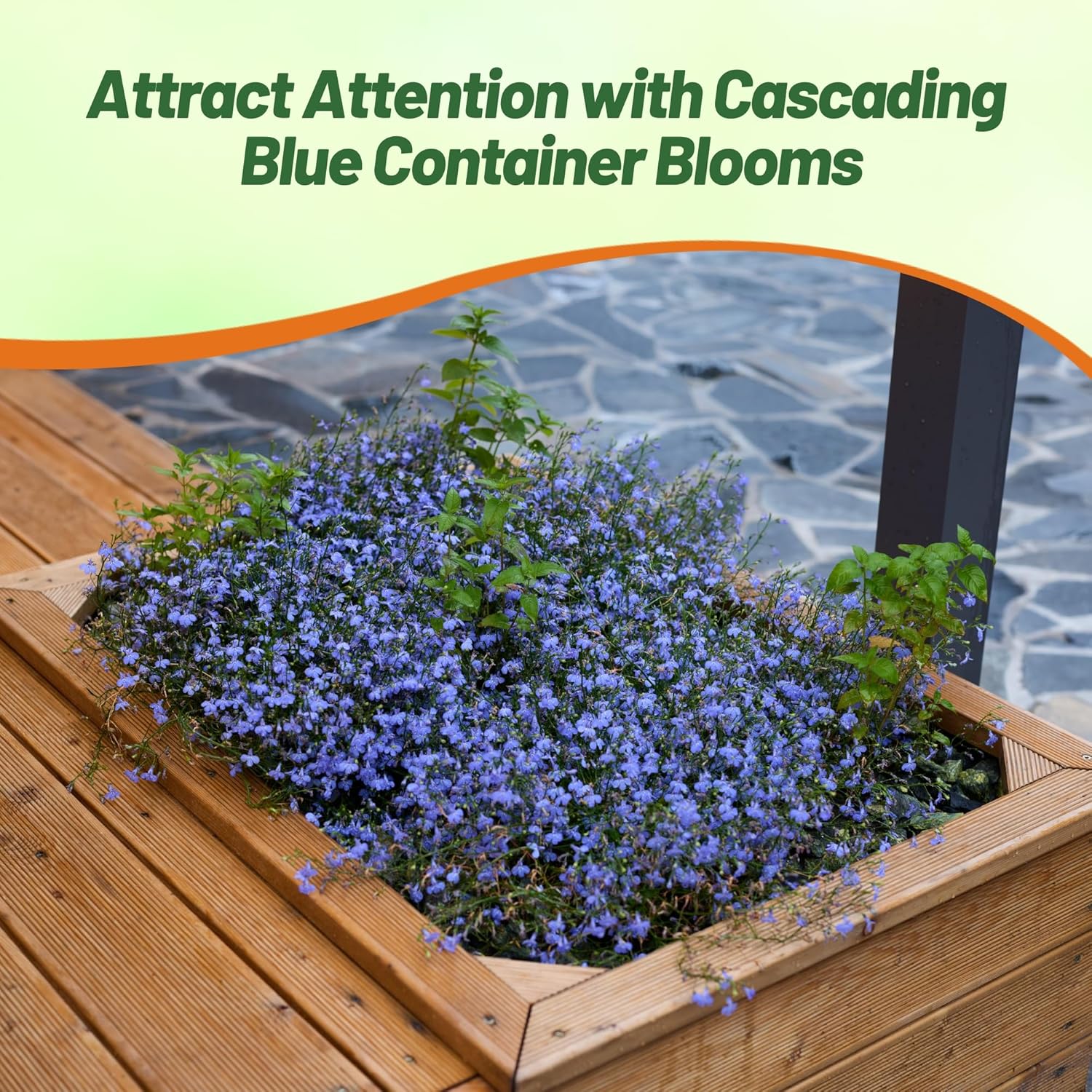
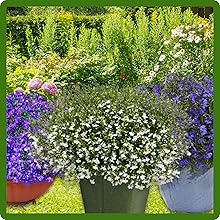
Our Lobelia can be used in various garden settings, from flower beds and borders to rock gardens. These compact flowering plant varieties are suitable for filling gaps between larger plants and also perform well in hanging baskets and window boxes, adding beauty to both indoor and outdoor spaces.
Lobelia Container Plants in Bloom
Creates Stunning Visual Combinations
The vibrant blooms of our Lobelia plants add contrast and texture, pairing well with a variety of flowers. Mixing them with taller plants brings depth to your garden, creating eye-catching displays that stand out throughout the growing season.
Long-Lasting Blooms of Lobelia Flowers
Long-Lasting Blooms
With our Lobelia annual flowers, you’ll enjoy long-lasting blooms that maintain color and vibrancy throughout the season. These flowers endure varying climates, providing consistent beauty from summer to fall. Their resilience ensures your garden stays lively with little maintenance.
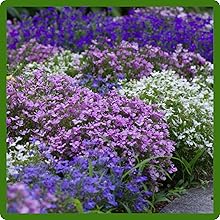
Lobelia Ground Cover in Bloom Season
Relatively Easy to Grow
Growing our Lobelia garden seeds for planting is straightforward due to their easy-care qualities. They do well in well-drained soil with moderate watering. Once established, they continue to bloom with minimal attention, making them a simple way to bring vibrant color to your garden.
Spreading Varieties of Lobelia Plants Grown From Flower Seeds
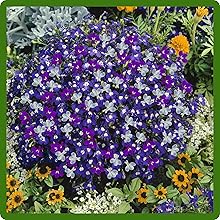
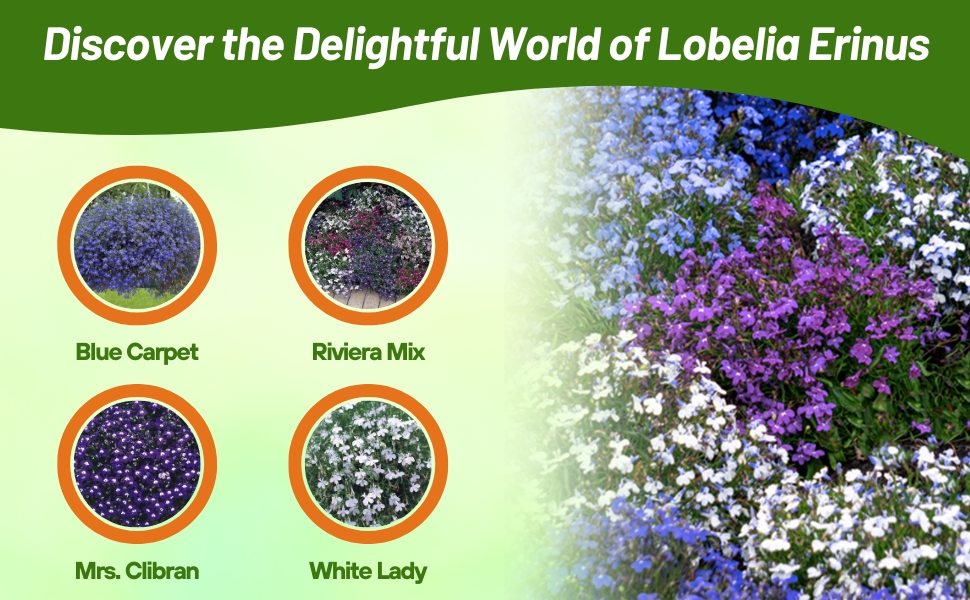
Step into the delightful world of our Lobelia Erinus, where each variety adds unique beauty to your garden. The Blue Carpet boasts vibrant blue blooms, while Mrs. Clibran dazzles with purple flowers and white eyes. Riviera Mix creates a lively display with a blend of colors, and White Lady offers elegant white flowers with a touch of blue. These varieties work well as ground cover, in containers, hanging baskets, or borders, providing lasting color and attracting pollinators for a visually stunning garden throughout the season.
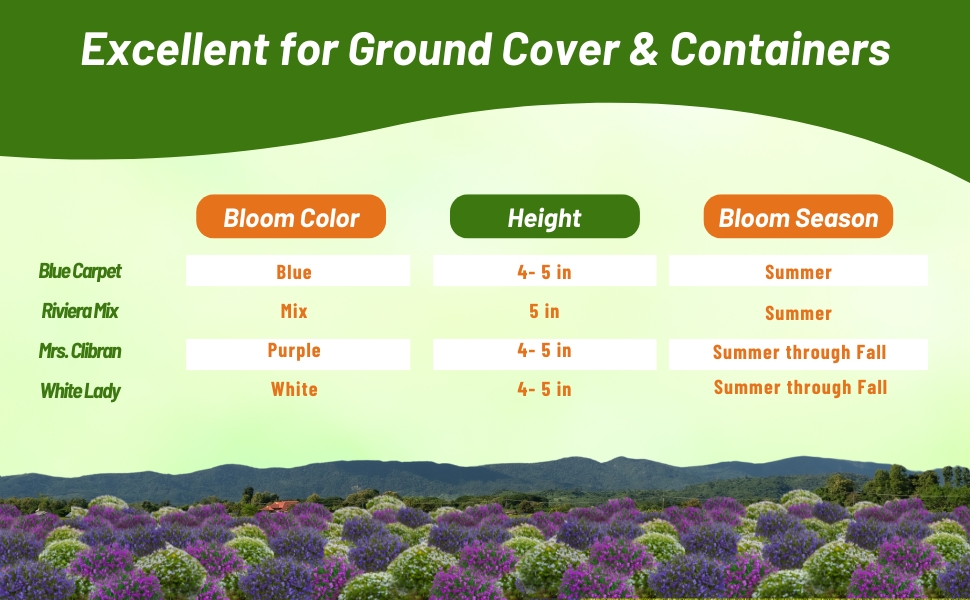
Bloom Season, Color, & Height Chart of Lobelia Plants
Our Lobelia varieties excel as both ground covers and for containers, offering versatility in any garden. With compact heights of 4-5 inches, they fit seamlessly into small spaces like edging, containers, and hanging baskets. Blooming from summer to fall, they provide vibrant color for months. Lobelias prefer full sun to partial shade and grow well in well-drained soil, making them adaptable seeds for planting outdoors in various environments. Whether in flower beds or containers, they provide consistent blooms and help fill gaps in garden landscapes, adding texture and visual interest.
Floral Display of Lobelia Groundcovers
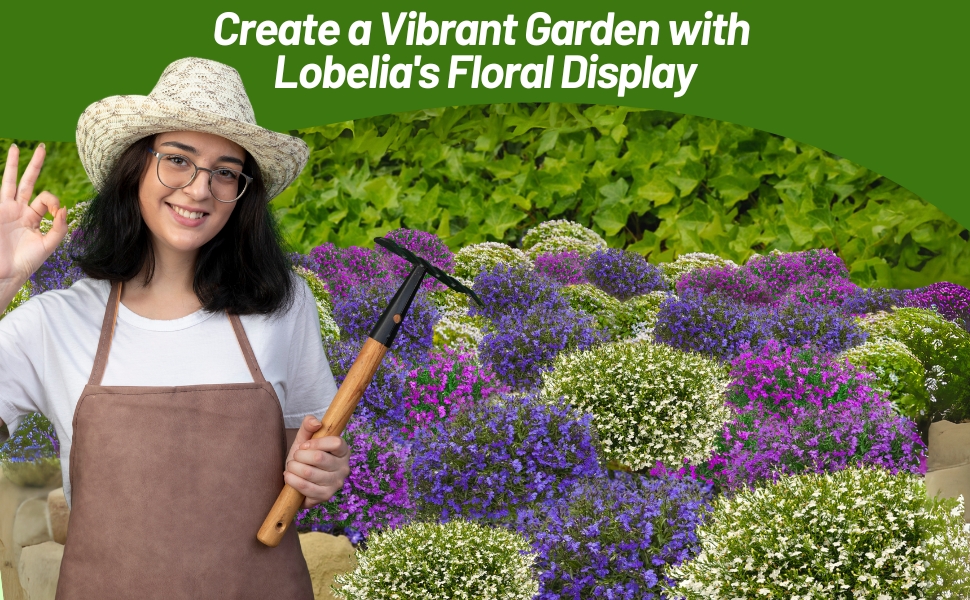
Create a vibrant garden with Lobelia's stunning floral display. To plant seeds, sow 12 seeds per plant or 5000 seeds per 100 square feet, spacing plants 6 inches apart for healthy growth. They grow well in well-drained soil and should be kept slightly moist until germination. Lobelia prefers moderate temperatures, making it suitable for spring planting. Once established, they bloom from summer to fall, adding color throughout the season. These plants are low-maintenance, versatile, and attract pollinators like bees and butterflies.

Lobelia (Lobelia Erinus Blue Carpet) - You will want to have this brilliant shade of bright blue in your landscape setting! Lobelia seeds are easy to start and quick to grow. Lobelia Blue Carpet is a very popular annual that adds striking color to many diverse settings. Use Lobelia plants in containers, hanging baskets, edging along the flower garden, and as a general ground cover. It's very versatile and loves to bloom all summer long!

Blue Lobelia is not drought tolerant, so make sure you water deep and long. The roots must have plenty of moisture to endure the baking hot sun in the middle of the day. Do not let it dry out. Blue Lobelia flowers make a beautiful ground cover that performs well in full sun to partial shade.

Growing Lobelia Erinus from seed is very rewarding! If starting Lobelia seeds outdoors, it will not begin to flower for two months after seed is planted. For quicker flowering, start the ground cover seed indoors 10 - 12 weeks before the last frost is due. Since the Lobelia seeds are very small, plant them on top of finely prepared soil without covering them. Transplant Lobelia seedlings after all danger of frost is passed, spacing them 6 inches apart. Remove flower spikes after blooming to produce further growth.


Common Questions

Q

How are these lobelia plants commonly used in the landscape?

A

Lobelia eranus is most often used for beds and borders, edging plants, hanging baskets and patio containers.

Q

Are pollinators attracted to the flowers?

A

Yes, butterflies and hummingbirds are drawn to these flowers.

Q

Will deer eat my plants?

A

No, deer tend to avoid these plants.

Q

Do I need to fertilize my plants?

A

Because lobelia is known for its abundant blooms and high nutrient needs, the best results come from fertilizing it every two weeks with a liquid fertilizer designed for flowering plants. These fertilizers generally contain higher levels of phosphorus compared to nitrogen and potassium, as phosphorus encourages more blooms.

Q

Can I encourage my plants to bloom longer?

A

Lobelia erinus may occasionally pause its blooming when temperatures are hot. To stimulate a fresh wave of flowers, gently trim the plant back by about half and ensure it receives plenty of water. In a week or two, you’ll see the plant adorned once more with its charming small, white-eyed blossoms.

Videos

HOW ITS MADE