










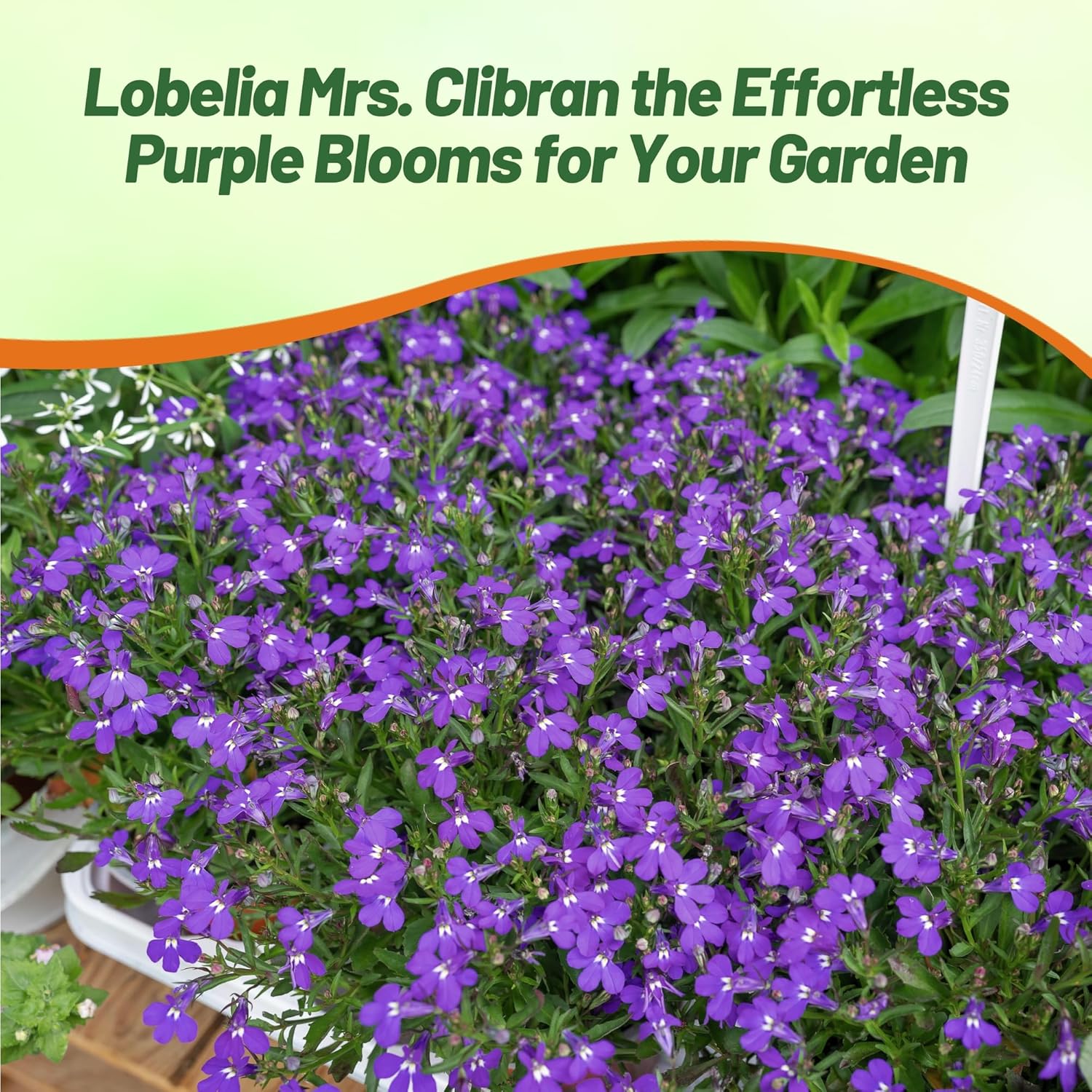

Lobelia Seeds - Mrs. Clibran

SEASON
Annual

USDA ZONES
3 - 9

HEIGHT
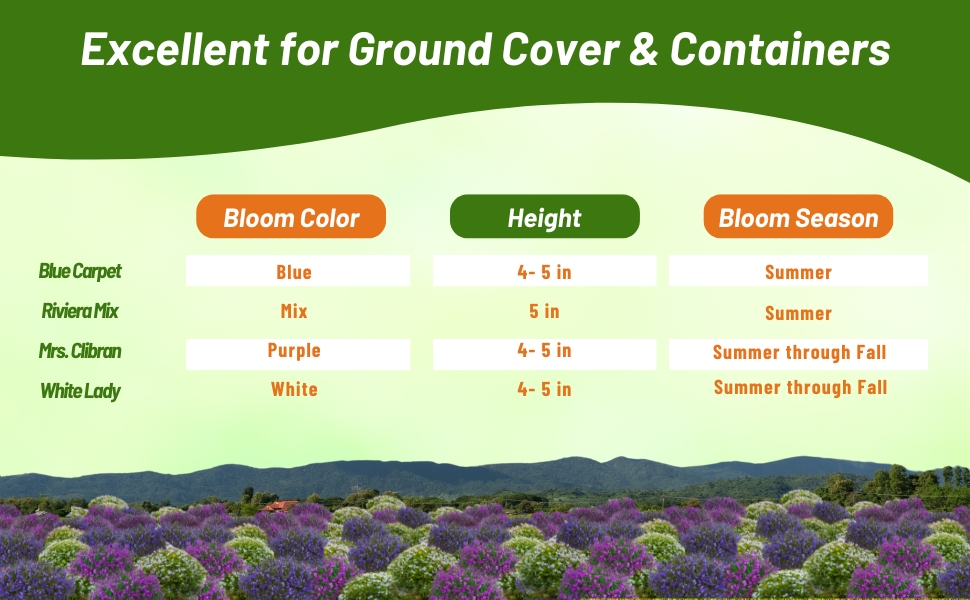
4 - 5 inches

WIDTH
6 inches

BLOOM SEASON
Summer through fall

BLOOM COLOR
Purple

GROWTH RATE
Moderate

ENVIRONMENT
Full sun to partial shade

SOIL TYPE
Well-drained soil, pH 5.5 - 6.5

DEER RESISTANT
Yes

About...
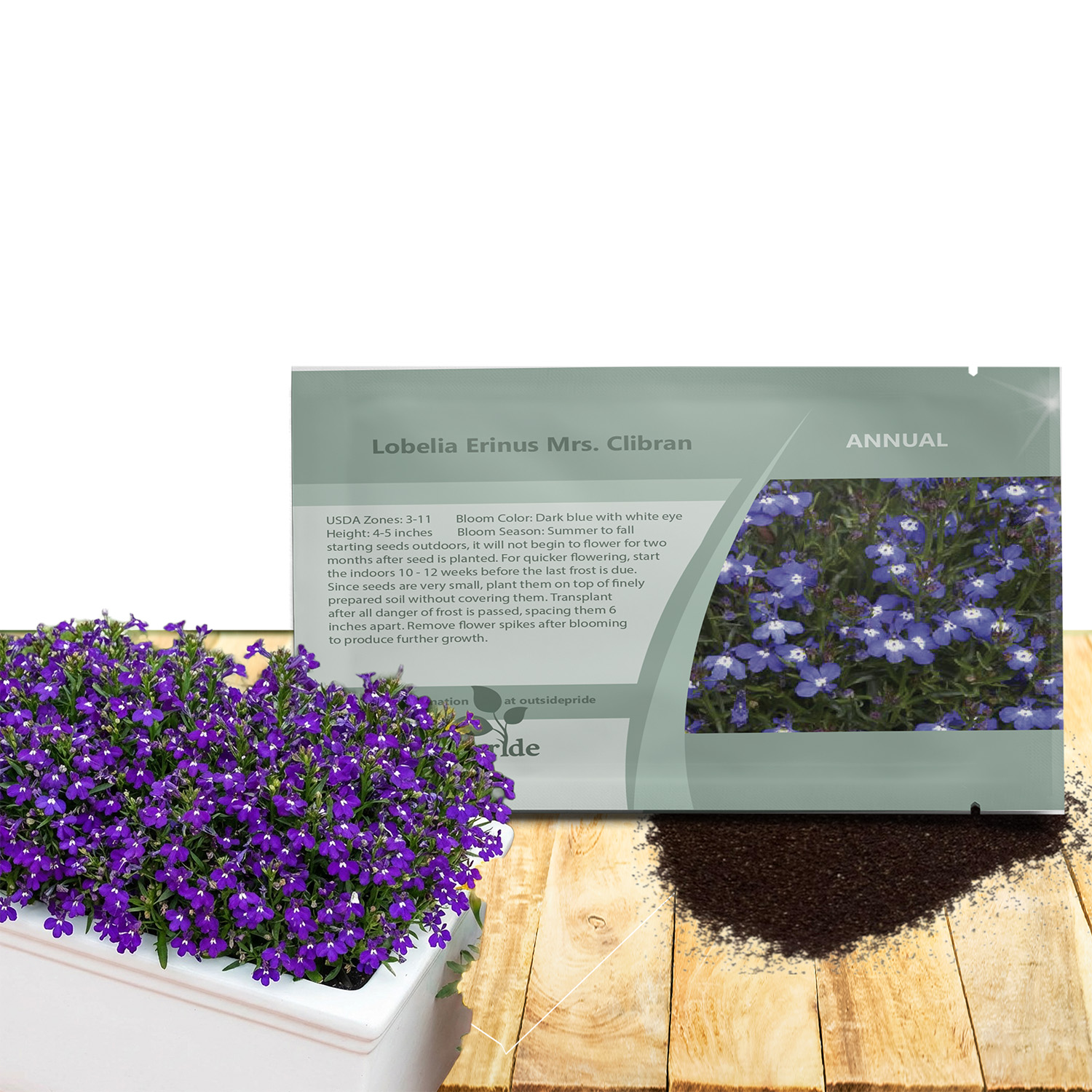
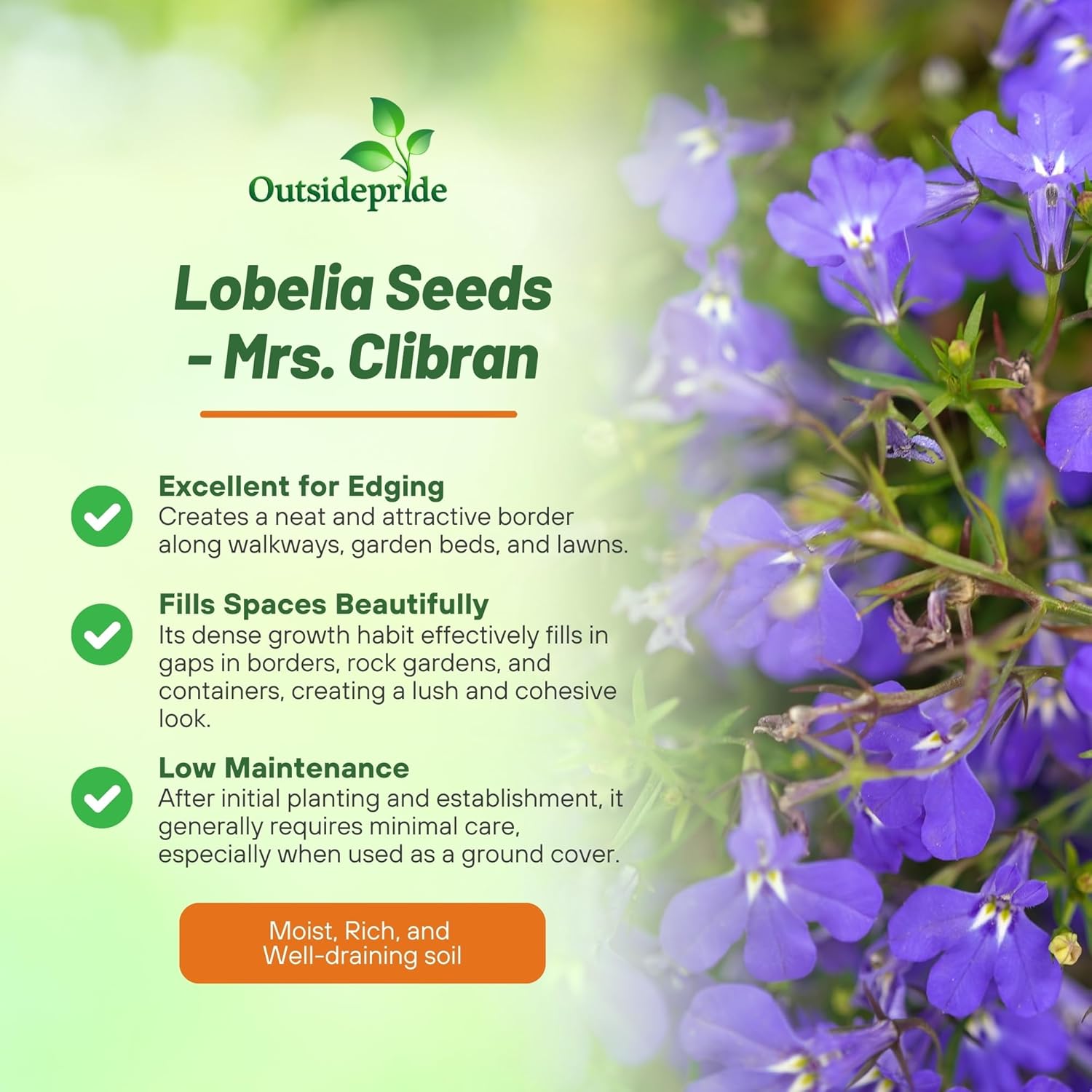
Lobelia (Lobelia Erinus Mrs. Clibran) - Easy to grow from Lobelia seeds, Mrs. Clibran Lobelia plants are compact and free-flowering making them very useful for edging and also valuable for window-boxes, hanging baskets, and for a mass planting for a flowering ground cover.
MORE LOBELIA OPTIONS

Planting Directions

TEMPERATURE
72F

AVERAGE GERM TIME
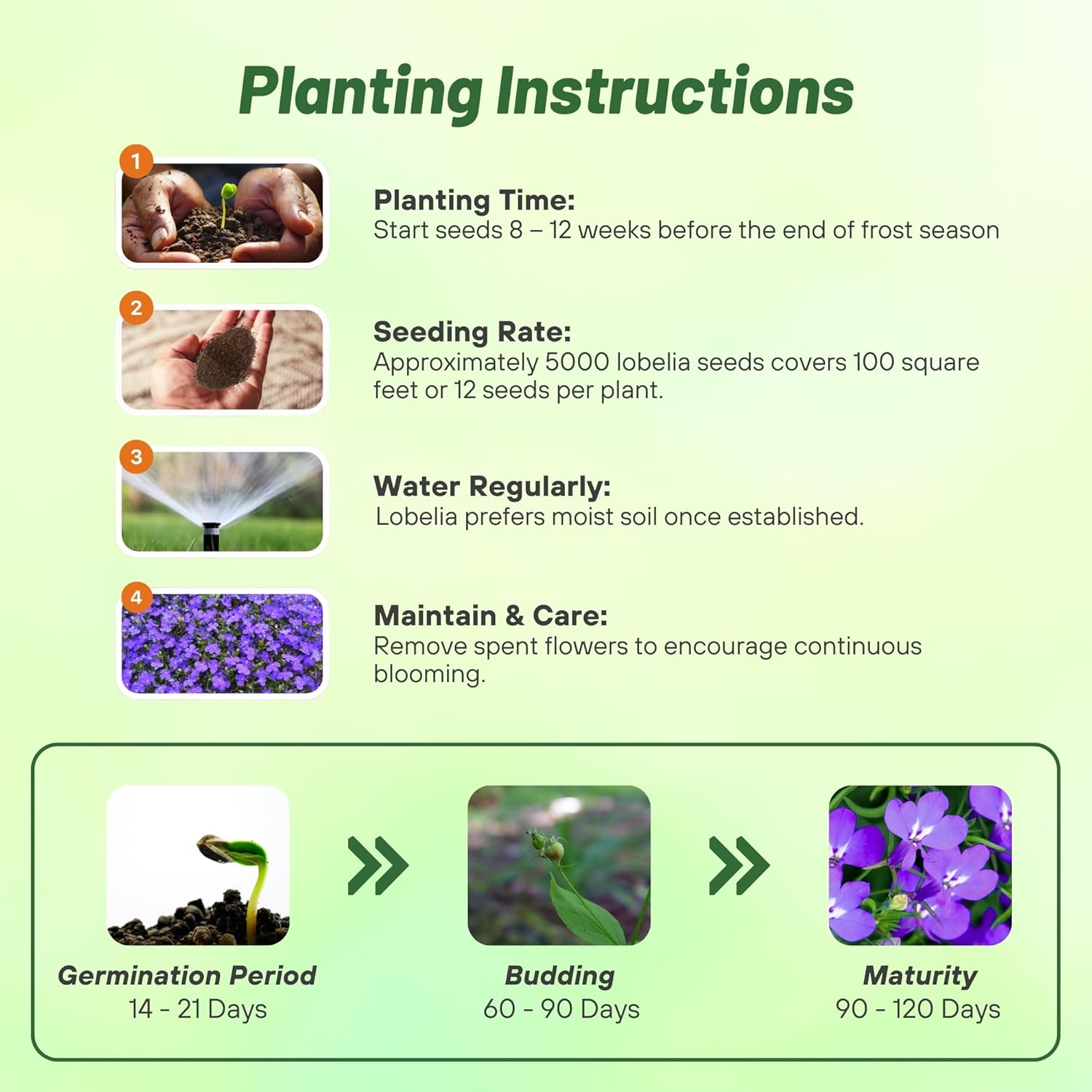
14 - 21 days

LIGHT REQUIRED
Yes

DEPTH
Press lightly into the soil but do not cover

SOWING RATE
Approximately 5000 lobelia seeds covers 100 square feet or 12 seeds per plant

MOISTURE
Keep soil slightly moist, but not wet until germination

PLANT SPACING
6 inches


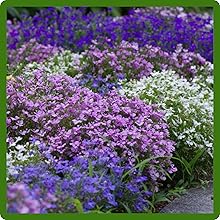
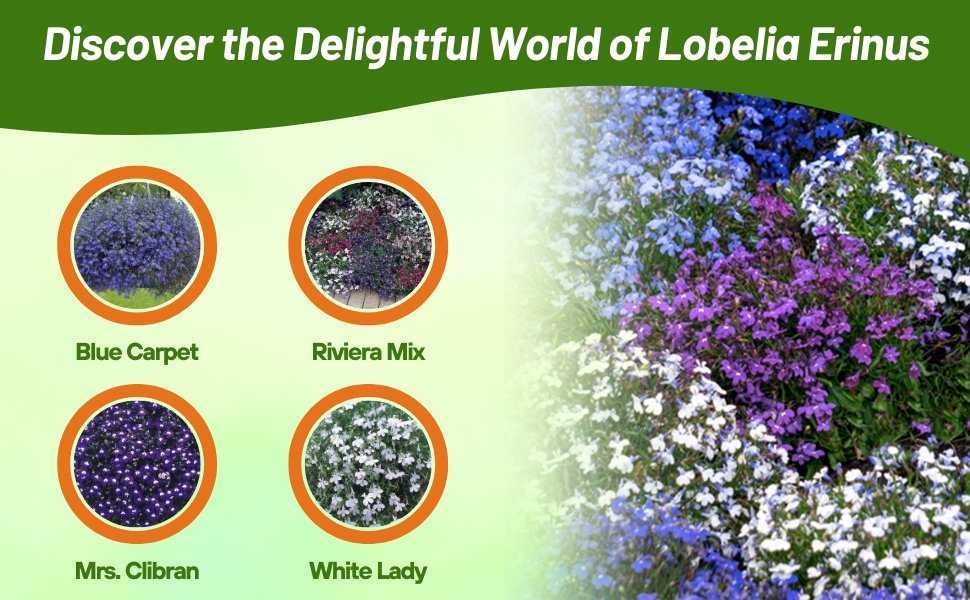

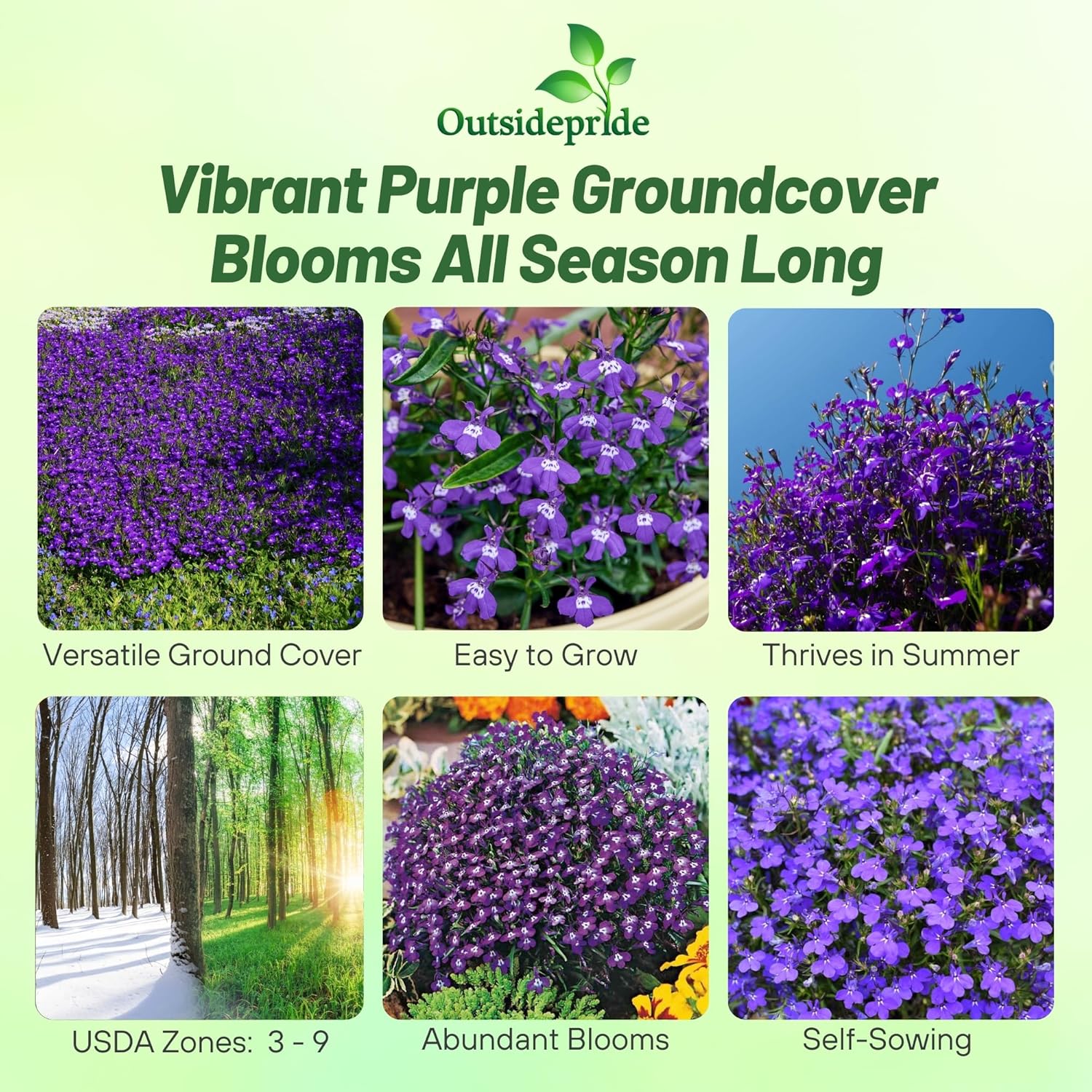
Lobelia (Lobelia Erinus Mrs. Clibran) - Easy to grow from Lobelia seeds, Mrs. Clibran Lobelia plants are compact and free-flowering making them very useful for edging and also valuable for window-boxes, hanging baskets, and for a mass planting for a flowering ground cover. This variety of Lobelia is a showy and dependable edging plant that is generally categorized as an annual. Lobelia Mrs. Clibran has a compact growth habit with leafy, branching stems covered in brilliant purple flowers with white eyes. It loves to bloom and will produce blooms all summer until the first frost. Lobelia plants will live through the winter in mild, frost free areas to grow as a perennial ground cover plant. Lobelia prefers moist, rich soil and will continue to self-sow once it is established.
Growing Lobelia Erinus from seed is very rewarding! If starting Lobelia seeds outdoors, it will not begin to flower for two months after seed is planted. For quicker flowering, start the ground cover seed indoors 10 - 12 weeks before the last frost is due. Since the Lobelia seeds are very small, plant them on top of finely prepared soil without covering them. Transplant Lobelia seedlings after all danger of frost is passed, spacing them 6 inches apart. Remove flower spikes after blooming to produce further growth.
Frequently Asked Questions
How are these lobelia plants commonly used in the landscape?
Lobelia eranus is most often used for beds and borders, edging plants, hanging baskets and patio containers.
Are pollinators attracted to the flowers?
Yes, butterflies and hummingbirds are drawn to these flowers.
Will deer eat my plants?
No, deer tend to avoid these plants.
Do I need to fertilize my plants?
Because lobelia is known for its abundant blooms and high nutrient needs, the best results come from fertilizing it every two weeks with a liquid fertilizer designed for flowering plants. These fertilizers generally contain higher levels of phosphorus compared to nitrogen and potassium, as phosphorus encourages more blooms.
Can I encourage my plants to bloom longer?
Lobelia erinus may occasionally pause its blooming when temperatures are hot. To stimulate a fresh wave of flowers, gently trim the plant back by about half and ensure it receives plenty of water. In a week or two, you’ll see the plant adorned once more with its charming small, white-eyed blossoms.
Videos