










-
CATEGORY ::
- All Seeds /
- All Ground Cover Seeds /
- All Verbena Seeds
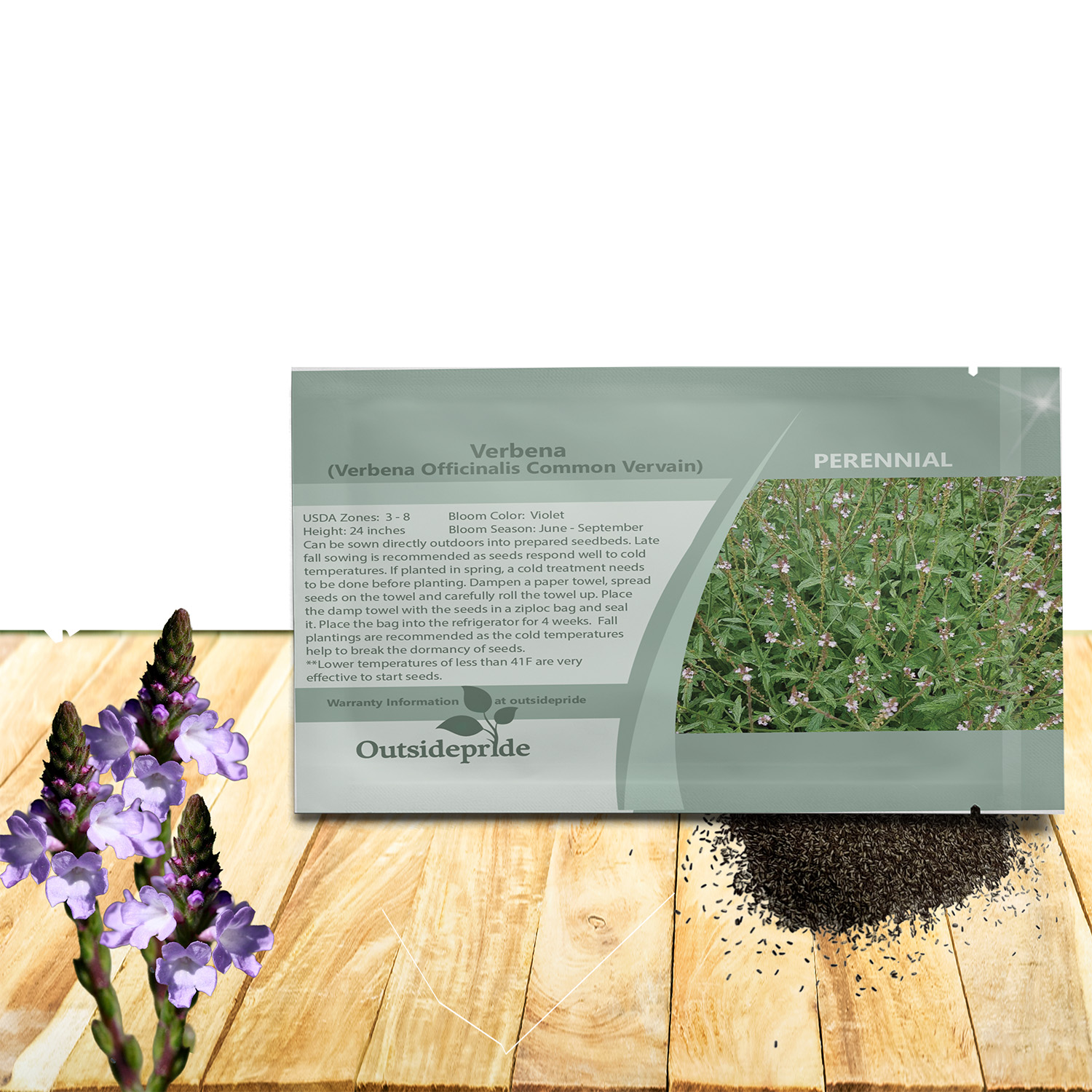



Verbena Seeds - Common Vervain

SEASON
Perennial

USDA ZONES
3 - 8

HEIGHT
24 inches

BLOOM SEASON
June - September

BLOOM COLOR
Violet

ENVIRONMENT
Full sun to partial shade

DEER RESISTANT
Yes

About...
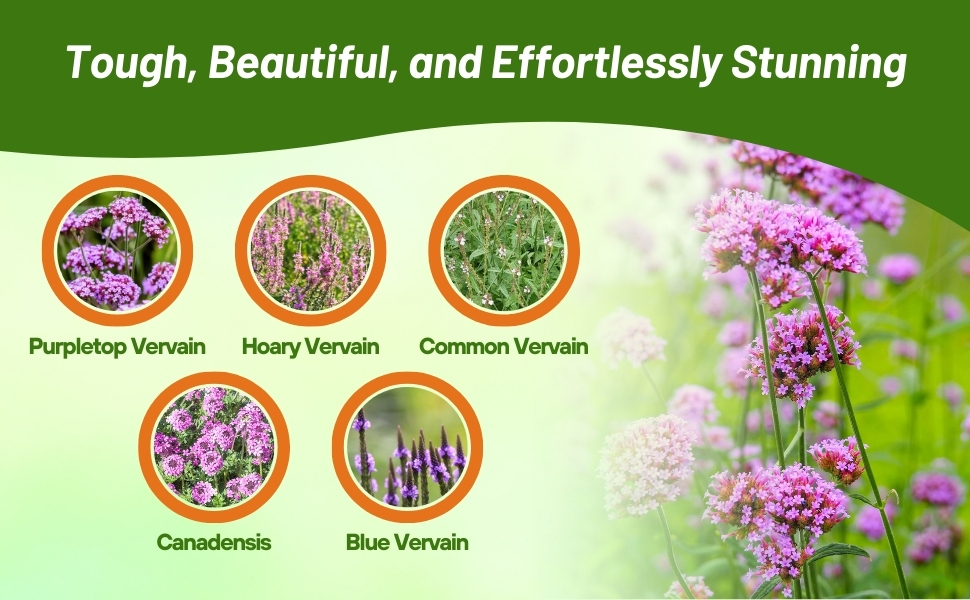
Verbena (Verbena Officinalis Common Vervain) - The Verbena family of plants are perennials which can grow up to approximately 36 inches tall. Verbenas typically have woody stalks and are pale green in color with hairy stems.Flowers are very small and blue in color. They appear on a long, slender spike.MORE VERBENA OPTIONS

Planting Directions

TEMPERATURE
Lower temperatures of less than 41F are very effective.

AVERAGE GERM TIME
Germination irregular, often several months

LIGHT REQUIRED
No

DEPTH
Cover seeds lightly

SOIL TYPE
Well-drained, pH 5.8 - 7.2

SOWING RATE
3 - 4 seeds per plant

MOISTURE
Keep seeds moist until germination


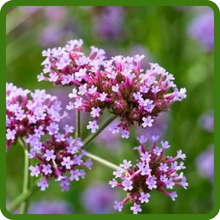
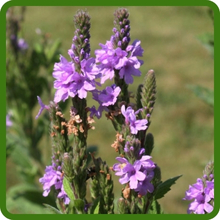
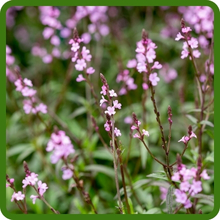
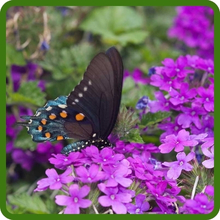
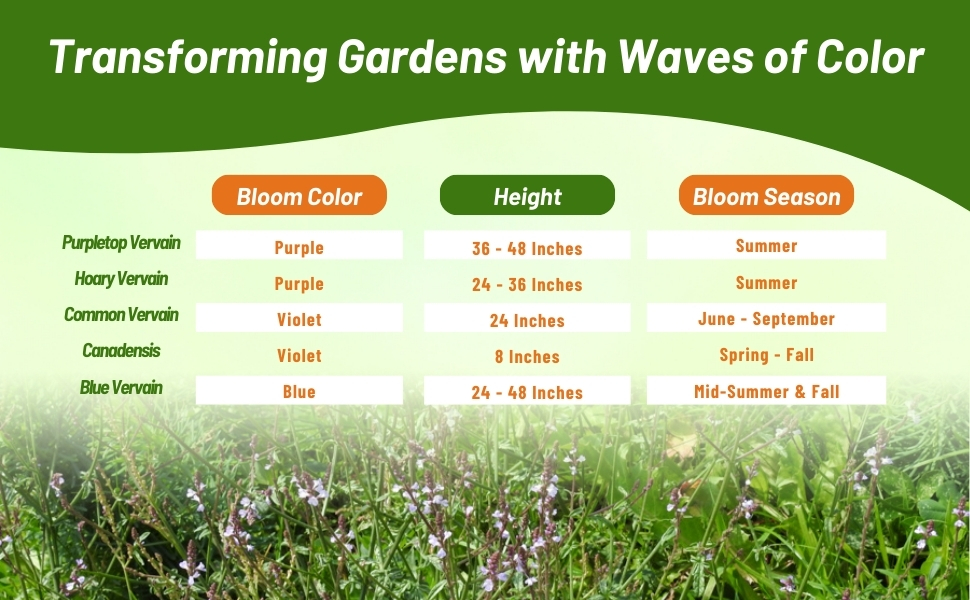
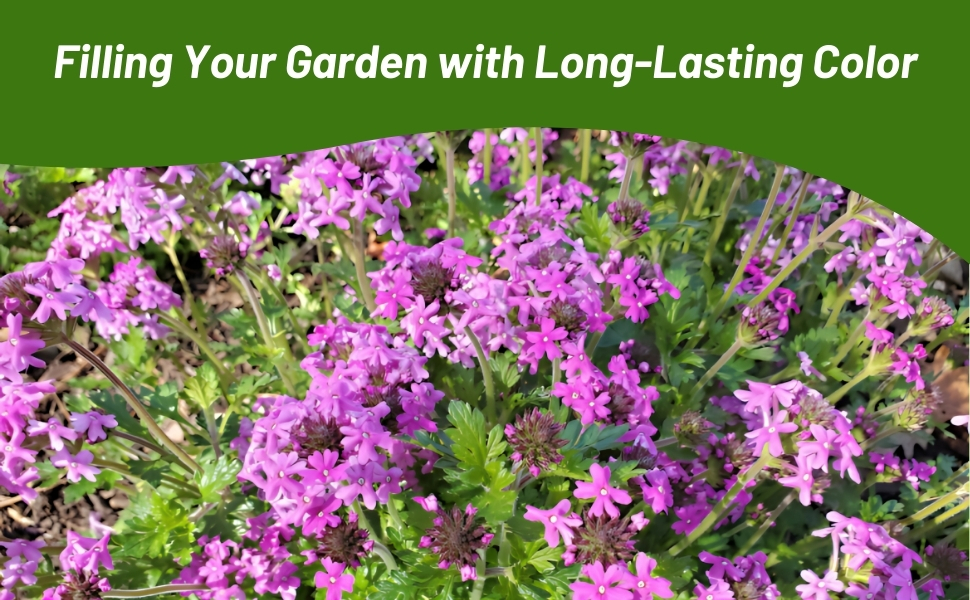
Verbena (Verbena Officinalis Common Vervain) - The Verbena family of plants are perennials which can grow up to approximately 36 inches tall. Verbenas typically have woody stalks and are pale green in color with hairy stems. Flowers are very small and blue in color. They appear on a long, slender spike.
As with any herb, you should always consult a doctor before using it for any type of medicinal value. Traditionally, it is reported that Common Vervain is considered to be a very powerful relaxant, diaphoretic antispasmodic and emenagogue. It can be used in the treatment of depression, melancholia, asthma, migraines, insomnia and nervous cough. Some people consider it to be an effective remedy for infected gums, tooth decay, halitosis and tonsillitis. Some people apply Common Vervain to insect bites, sprains and bruises. As an ointment, it acts as a beneficial remedy against eczema, wounds, weeping sores and painful neuralgia.
Common Questions
How long do verbena plants live?
When cultivated as perennials, verbenas typically have a short lifespan, often lasting only two to three years. However, if you are growing a species type instead of a hybrid, these plants can self-seed freely, potentially establishing themselves in such a way that they seem to thrive indefinitely.
How is this plant used in landscaping?
Verbenas thrive in sunny conditions and make excellent companion plants for other sun-loving varieties such as coneflowers, coreopsis, lamb's ear, phlox, and petunias. Hybrid annual verbenas are known for their consistent blooming and are often used in pots or as bedding plants in gardens. They can be planted in groups or positioned as front-edging plants, where their sprawling nature is particularly advantageous. Many hybrids exhibit a trailing growth habit, making them ideal for hanging baskets, rock gardens, or gracefully cascading over short retaining walls. Some varieties spread out, effectively covering ground in sunny locations.
My plants are getting leggy, what do I do?
When verbenas become leggy and sparse, it may indicate that the plant is reaching out for more light. Ensure that the plant gets a minimum of six hours of sunlight daily. If sunlight isn't the problem, consider pruning it back significantly and providing nourishment. This combination of pruning and feeding should encourage robust new growth and an abundance of blooms.
How can I encourage more blooms?
Deadhead your spent flowers to encourage a longer bloom season.
Can I grow in containers?
Verbena is often seen in hanging baskets combined with various flowers, serving as excellent "spillers" that cascade over the edges of the container. For container planting, any general-purpose potting mix can be used in well-draining containers of any material. Additionally, if verbena is growing in the ground, you can pot it up for indoor overwintering. Typically grown as annuals, potted verbenas generally do not need repotting and should be discarded at the end of the growing season. Perennial verbenas have a relatively short lifespan of two to three growing seasons and are not ideal as permanent houseplants. However, potted verbenas can be classified as warm-climate perennials, allowing you to bring them indoors to continue growing during winter. If you choose to move them inside, trim them back by one-third before the transition and place them in a spot that receives ample sunlight.
Videos