










Verbena Seeds - Scarlet

SEASON
Annual

USDA ZONES
3 - 10

HEIGHT
8 inches

BLOOM SEASON
Spring through fall

BLOOM COLOR
Scarlet

ENVIRONMENT
Full sun

SOIL TYPE
Well-drained, pH 5.8 - 7.2

DEER RESISTANT
Yes

About...
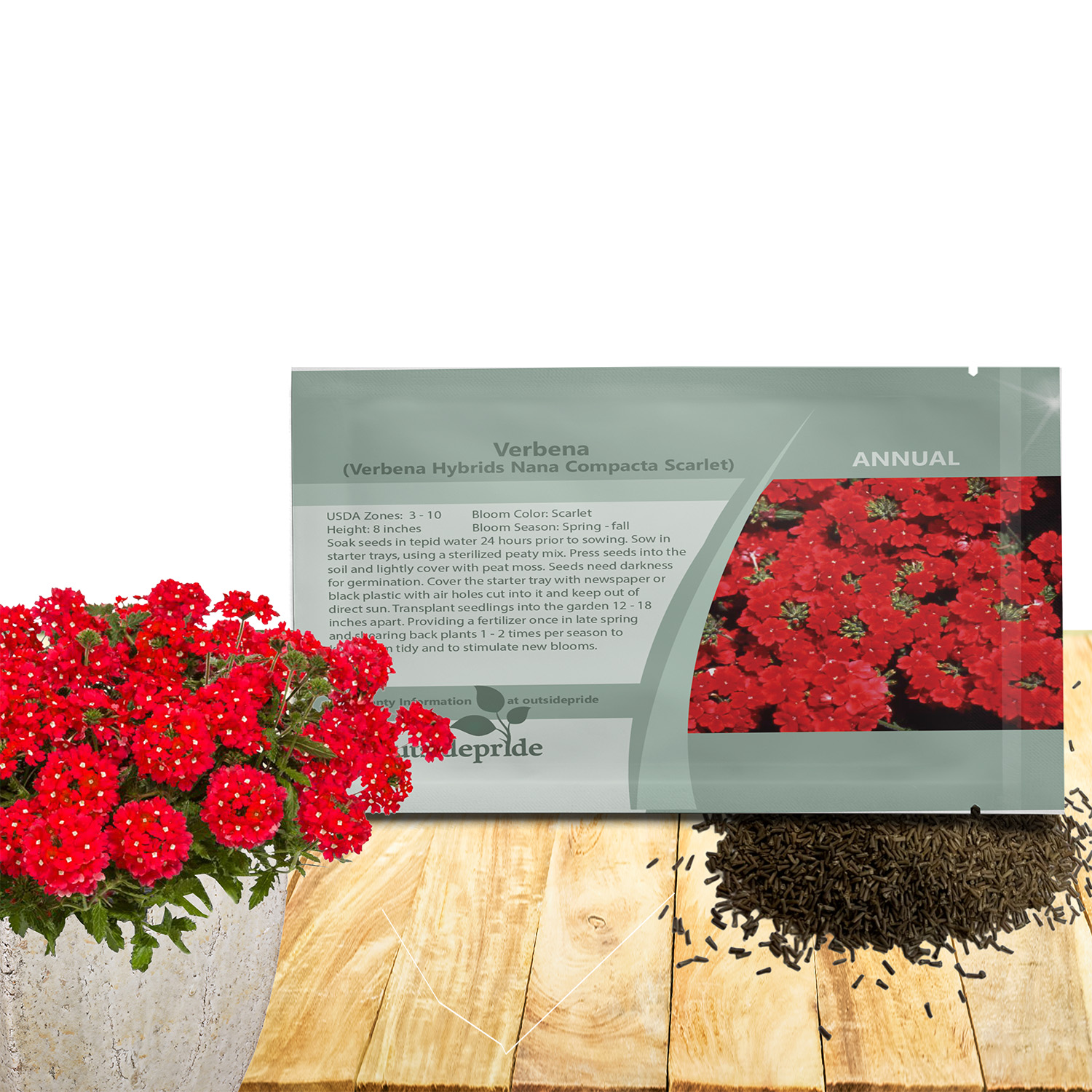
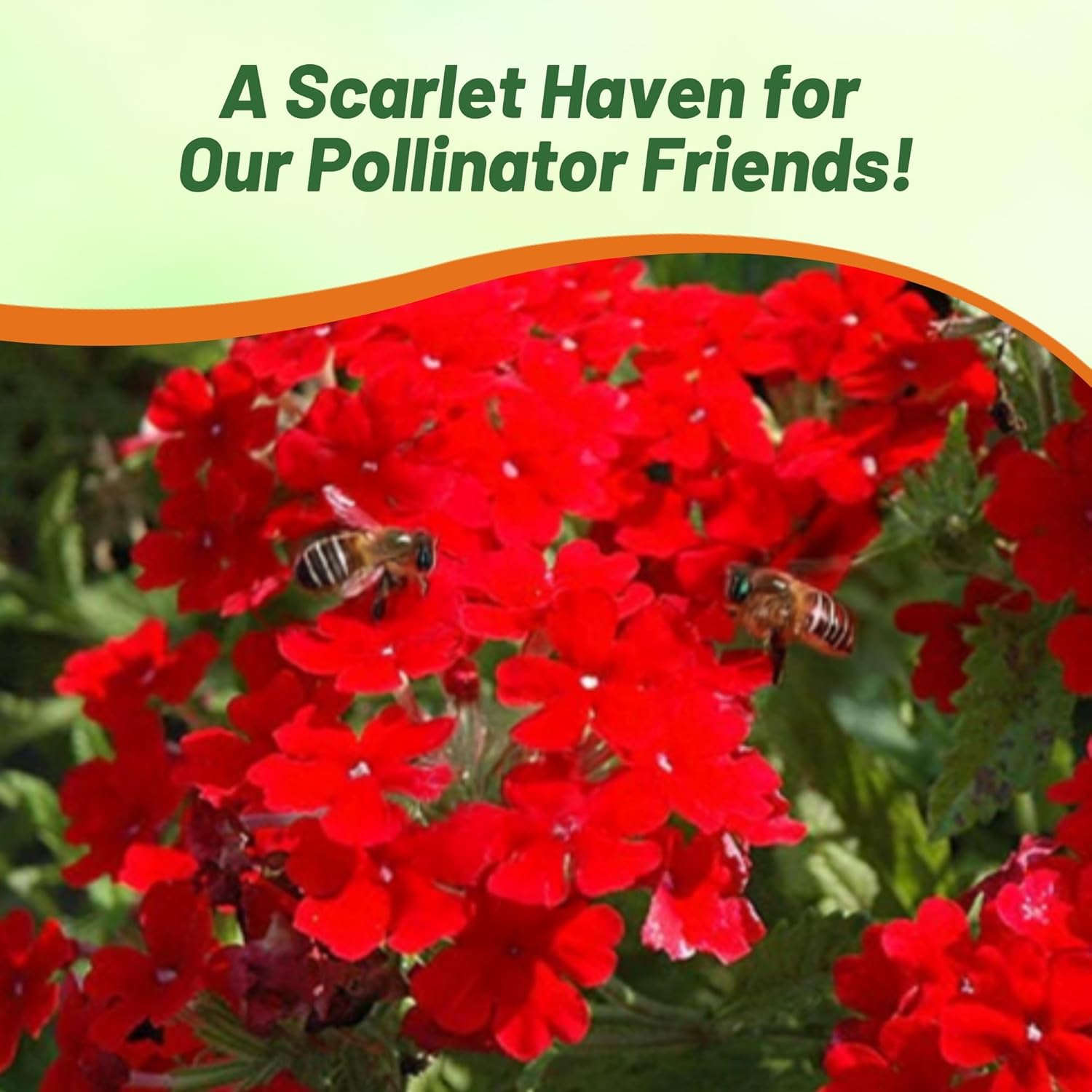
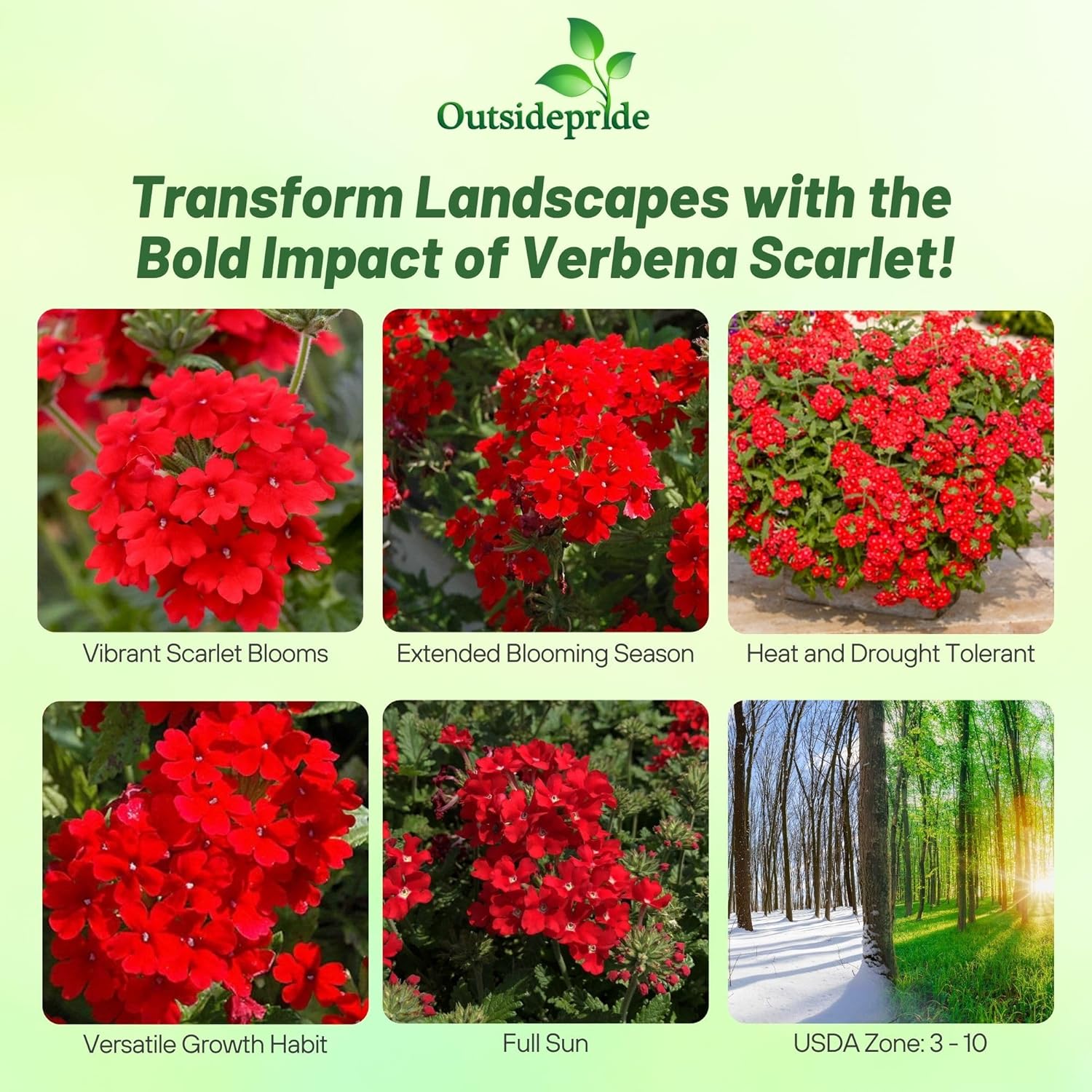
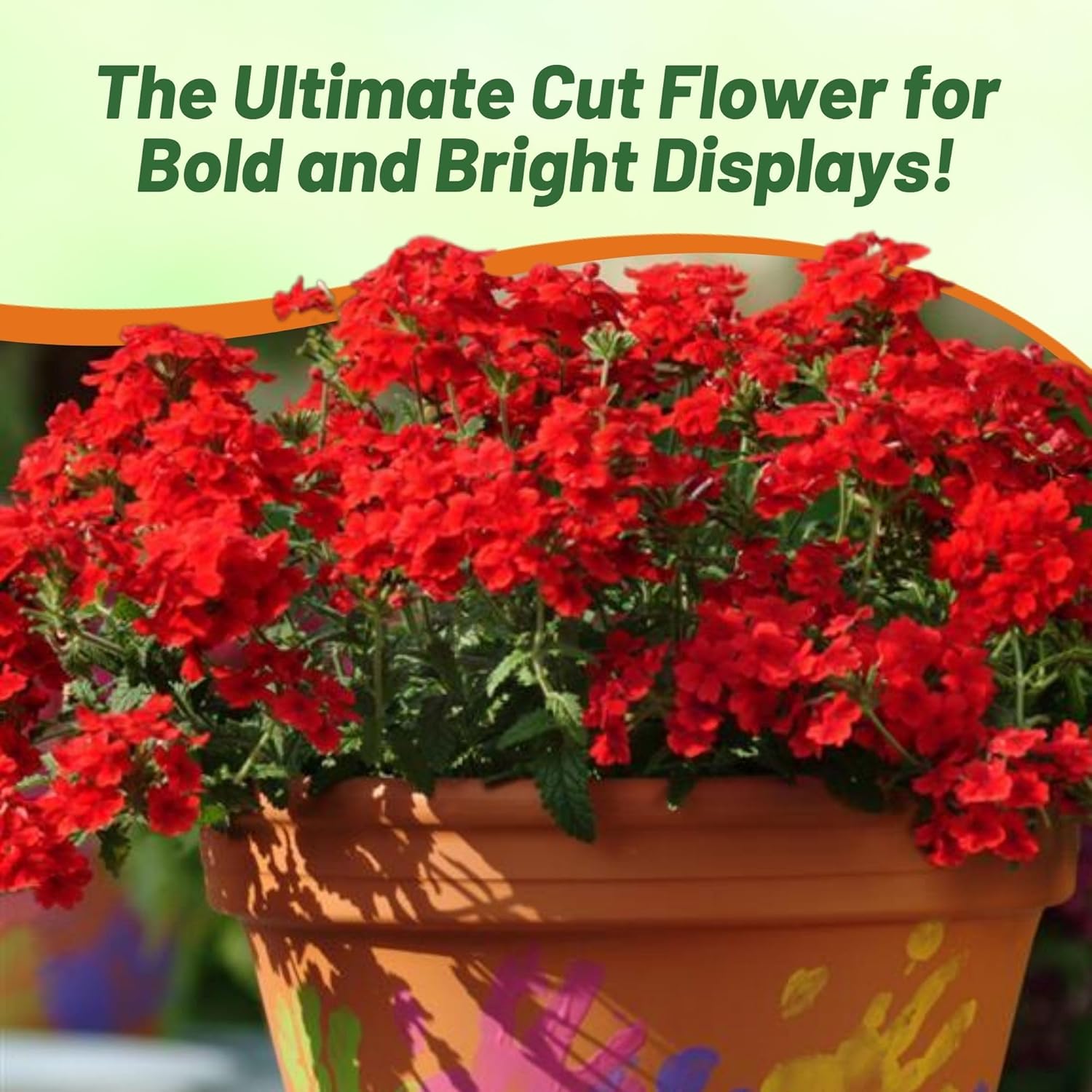
Verbena (Verbena Hybrids Nana Compacta Scarlet) - These breathtaking scarlet Verbena flowers are easy to establish from Verbena seeds and they quickly form a dense mat with 2 1/2 - 3 inch bloom clusters that bloom non-stop from late spring until fall.
MORE VERBENA OPTIONS

Planting Directions

TEMPERATURE
75F

AVERAGE GERM TIME
7 - 28 days

LIGHT REQUIRED
No

DEPTH
Cover seed lightly with peat moss

SOWING RATE
2 - 3 seeds per plant

MOISTURE
Keep seeds slightly moist to dry

PLANT SPACING
12 - 18 inches
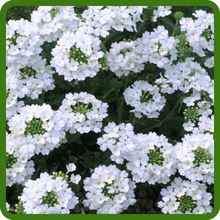
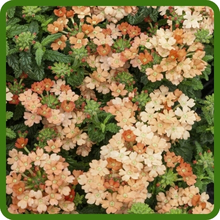
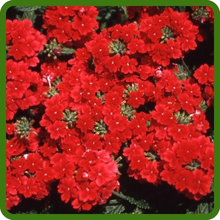
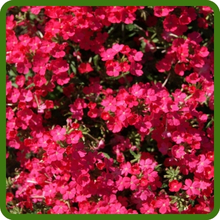
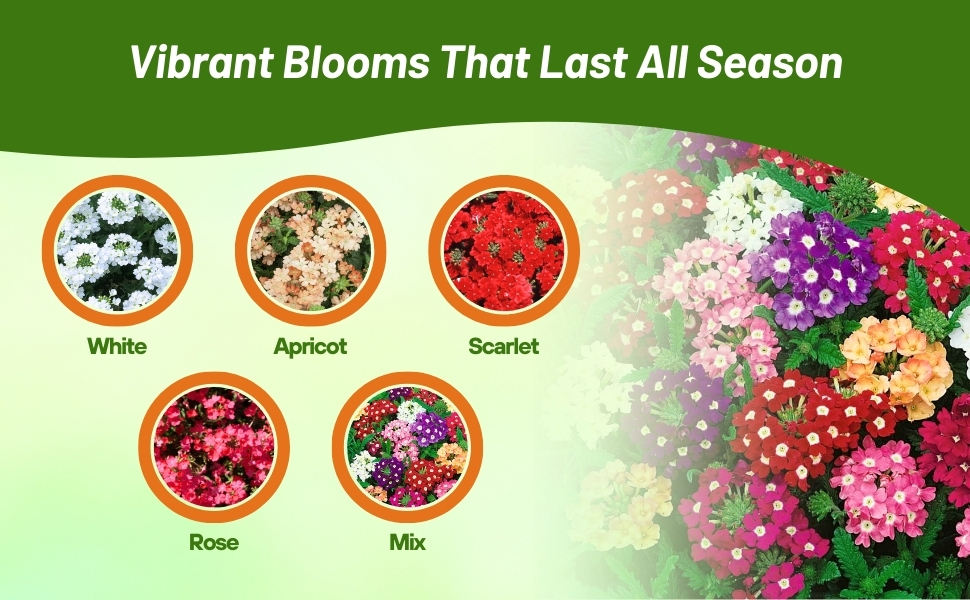
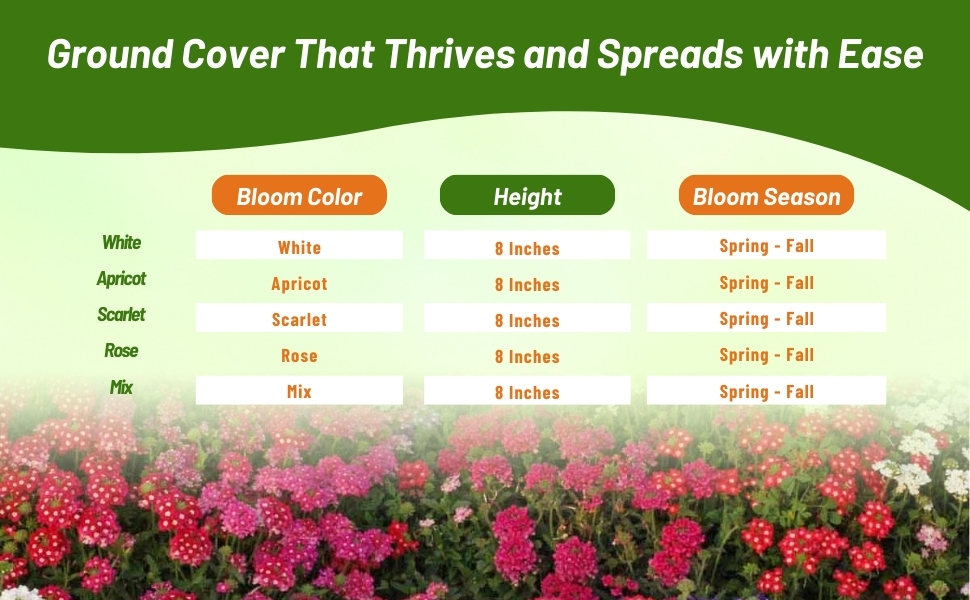
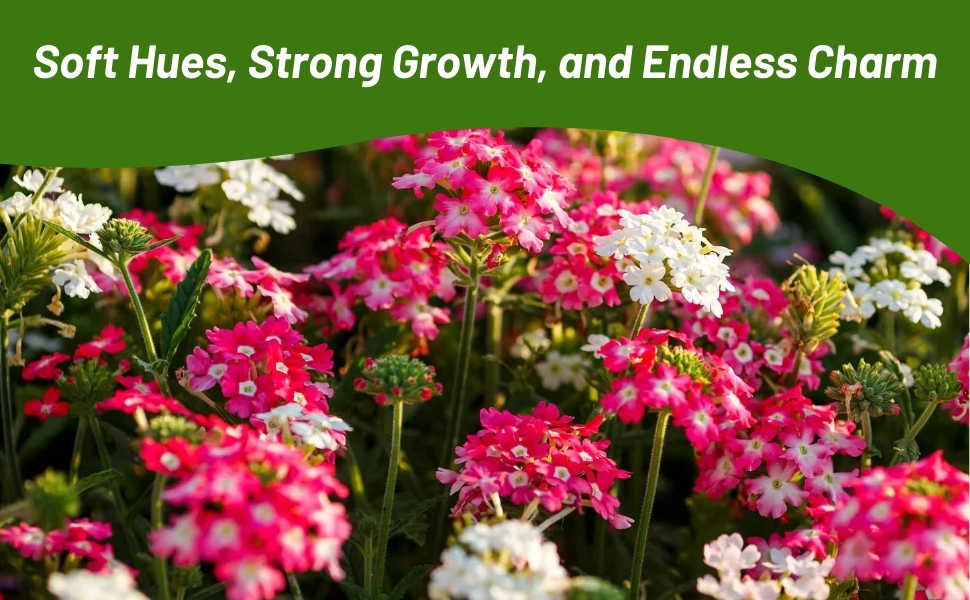
Verbena (Verbena Hybrids Nana Compacta Scarlet) - Do you need a colorful, fast growing ground cover plant for your summer landscape? Look no further than this lovely, low-growing scarlet Verbena. These breathtaking scarlet Verbena flowers are easy to establish from Verbena seeds and they quickly form a dense mat with 2 1/2 - 3 inch bloom clusters that bloom non-stop from late spring until fall.
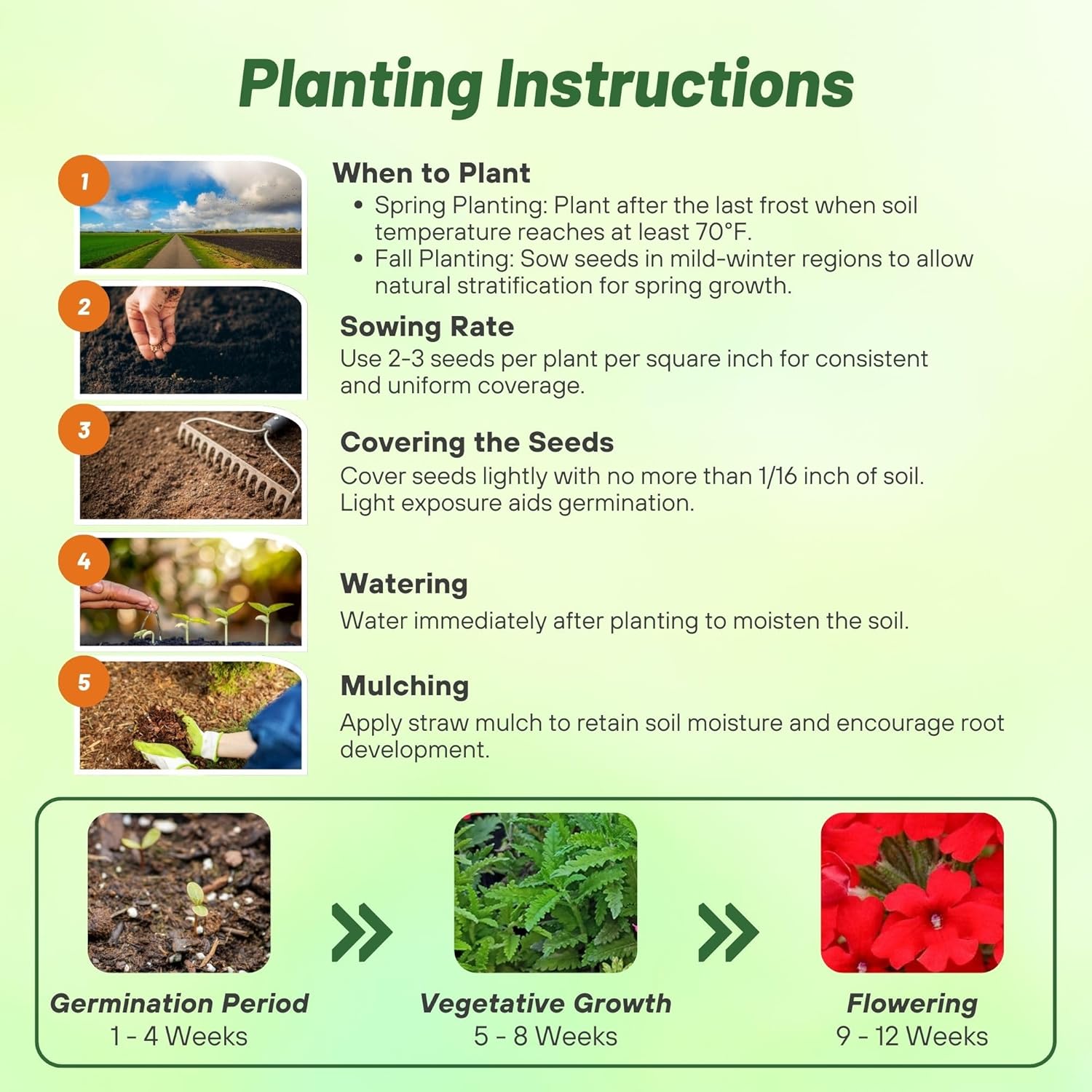
How To Grow Verbena From Seed: Soak Verbena ground cover seeds in tepid water 24 hours prior to sowing. Sow the seed in starter trays, using a sterilized peaty mix. Press Verbena seeds into the soil and lightly cover with peat moss. Verbena ground cover seeds need darkness for germination. Cover the starter tray with newspaper or black plastic with air holes cut into it and keep out of direct sun. Transplant Verbena seedlings into the garden 12 - 18 inches apart.
Want to do a mass Verbena planting? No problem! You can sow Verbena ground cover seeds directly outdoors in spring when frost season is completely over. Be patient, as these flower seeds can be slow to germinate, but just keep the seed moist with warm temperatures and before long you will have a beautiful ground cover. For the earliest blooms, start the Verbena seeds indoors for transplanting.
Frequently Asked Questions
How long do verbena plants live?
When cultivated as perennials, verbenas typically have a short lifespan, often lasting only two to three years. However, if you are growing a species type instead of a hybrid, these plants can self-seed freely, potentially establishing themselves in such a way that they seem to thrive indefinitely.
How is this plant used in landscaping?
Verbenas thrive in sunny conditions and make excellent companion plants for other sun-loving varieties such as coneflowers, coreopsis, lamb's ear, phlox, and petunias. Hybrid annual verbenas are known for their consistent blooming and are often used in pots or as bedding plants in gardens. They can be planted in groups or positioned as front-edging plants, where their sprawling nature is particularly advantageous. Many hybrids exhibit a trailing growth habit, making them ideal for hanging baskets, rock gardens, or gracefully cascading over short retaining walls. Some varieties spread out, effectively covering ground in sunny locations.
My plants are getting leggy, what do I do?
When verbenas become leggy and sparse, it may indicate that the plant is reaching out for more light. Ensure that the plant gets a minimum of six hours of sunlight daily. If sunlight isn't the problem, consider pruning it back significantly and providing nourishment. This combination of pruning and feeding should encourage robust new growth and an abundance of blooms.
How can I encourage more blooms?
Deadhead your spent flowers to encourage a longer bloom season.
Can I grow in containers?
Verbena is often seen in hanging baskets combined with various flowers, serving as excellent "spillers" that cascade over the edges of the container. For container planting, any general-purpose potting mix can be used in well-draining containers of any material. Additionally, if verbena is growing in the ground, you can pot it up for indoor overwintering. Typically grown as annuals, potted verbenas generally do not need repotting and should be discarded at the end of the growing season. Perennial verbenas have a relatively short lifespan of two to three growing seasons and are not ideal as permanent houseplants. However, potted verbenas can be classified as warm-climate perennials, allowing you to bring them indoors to continue growing during winter. If you choose to move them inside, trim them back by one-third before the transition and place them in a spot that receives ample sunlight.
Videos