

-
CATEGORY ::
- All Seeds /
- All Pasture Seed /
- All Deer
Sweet Spot Deer Food Plot Seed - Northern Mix
LATIN NAME
Brassica vulgaris
SEASON
Annual
HEIGHT
12 - 24 inches
WHEN TO PLANT
Early to mid Spring
MOISTURE REQUIREMENTS
Medium
COLD TOLERANCE
High
HEAT TOLERANCE
Moderate
SHADE TOLERANCE
Poor
DAYS TO MATURITY
90 - 120
IDEAL FOR
Cover Crop, Deer Forage
LATIN NAME
Brassica oleracea
SEASON
Annual
WHEN TO PLANT
5 - 7 weeks before frost in fall
MOISTURE REQUIREMENTS
Moderate
CROP HEIGHT
36 inches
COLD TOLERANCE
Excellent
HEAT TOLERANCE
Fair
SHADE TOLERANCE
Good
DAYS TO MATURITY
55 - 75 days
PLANT CHARACTERISTICS
Excellent regrowth, winter hardiness, erosion control
About...
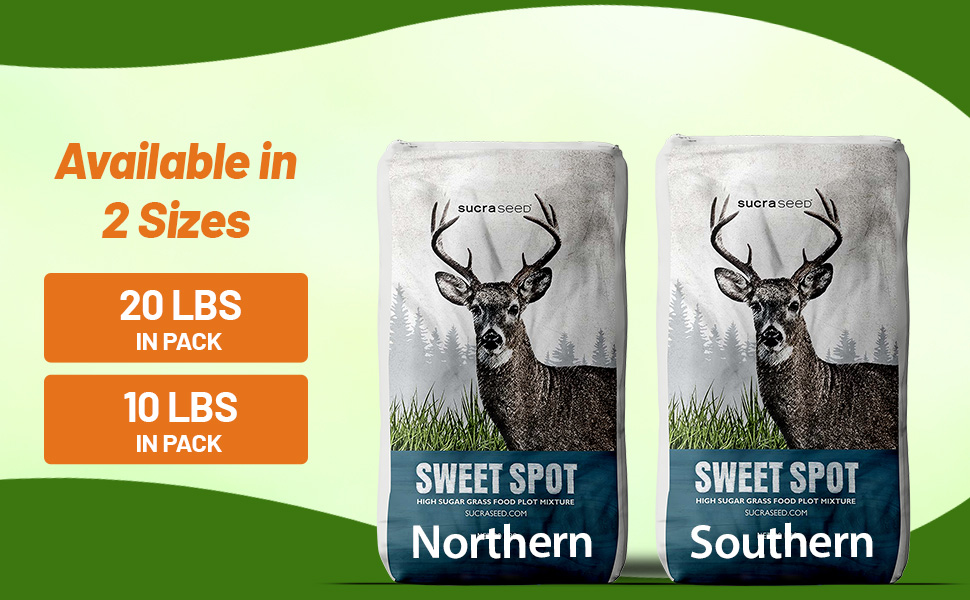
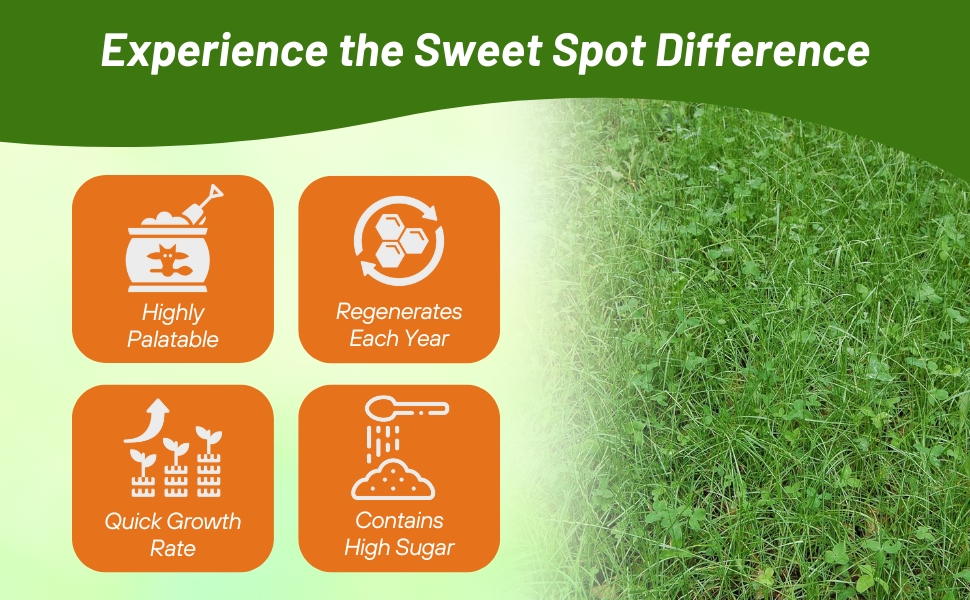
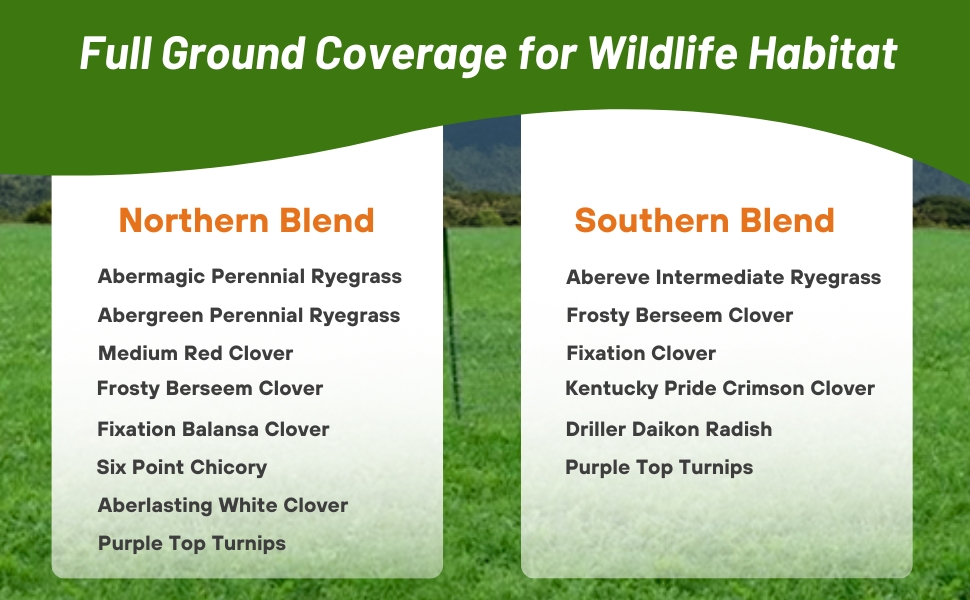
Sweet Spot - Northern Blend - Hunters and wildlife managers across the US are turning to Sweet Spot to create high-nutrition deer food plots that deer simply cannot resist. Sweet Spot mixes feature High Sugar Grasses. These unique perennial ryegrasses can produce bigger racks and as much as 20% more body mass.MORE DEER OPTIONS
Testimonials:
-
I walked thru some Northern Sweet Spot planted a year ago in the spring...wow! The clovers were knee high and it was full of deer beds! It needs to be clipped of course but we have had 12" of rain here since the first of May so it will have to wait a bit. The clovers in this mix are beautiful and the Birdsfoot Trefoil was blooming already.
Paul Knox, IowaWhitetail.com Moderator, QDMA Contributor, Independent Food Plot Evaluator, Birmingham, IA -
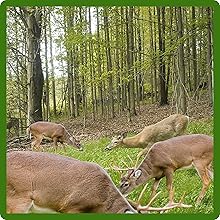
This is the first year that I tried sweet spot for my food plots and its been unreal, actual case this weekend my son killed a 140" deer chasing a doe in the rut but crossed a plot and stopped to grab a snack! Now I'm interested in sowing in my pasture as well.
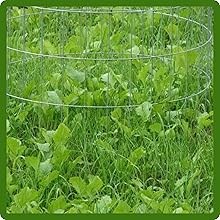
David Jordan (son Evan), Middle Tennessee - My family and I hunt in the big woods of northern Michigan, we have always had trouble finding a seed mix that would grow in sandy soil and tolerate the shade in a wooded environment. This spring we planted Sweet Spot in several of our hunting plots and boy, did it grow! The picture is a 1/4 mile long food plot we planted on an old road that winds through our property. This picture was taken 4 weeks after planting and it looks even better now. The trail cam we set up over this plot showed deer and bear using the plot on a regular basis, the plot is so lush now you can see the path the deer take while feeding. I can't wait until November! Michigan
-
This is the second year that I have planted Sweet Spot food plots. Last year I planted 1.5 acres in the fall and I now have a nice stand of clover, turnips and rye this spring. I planted additional plots this spring for a total of 2.5 acres. The plot in the pictures was planted on March 23 and the turkeys and deer are already using them. I am looking forward to bow season already!!
Alan S Williamson, Bedford County, Virginia -
Its been a hard winter out here in northwest Pennsylvania with quite a bit of snow, more than 30" still on the ground and very cold temperatures. The deer are really digging into the snow for the Sweet Spot I planted last August. I’ve been planting food plots for deer and wildlife for more than 20 years but never have I seen deer dig through so much snow so aggressively to get at the crop below. This plot is even within about 150 yards of a plot of Whitetail Institute’s Winter Forage Oats and the deer haven’t even started to dig in that plot. This was my first experience with your product but needless to say it won’t be my last.
Bob Schmid, Pittsburgh, PA
Planting Directions
SOWING TEMPERATURE
60F - 70F
SEEDING RATE
8 - 10 lbs per acre
AVERAGE GERMINATION TIME
3 - 10 days
PLANTING DEPTH
1/4 inch
SOWING METHOD
Broadcast or drill
ENVIRONMENT
Full sun
USDA ZONES
5 - 9
ESTABLISHMENT RATE
Fast
A forage brassica plant which is used extensively in deer food plots and for livestock grazing. Trophy rapeseed is a fast growing brassica that is heat, cold, and drought tolerant making it adapted to the USA. Rape becomes more attractive to deer after a frost because the sugar content will become more concentrated. Rape is a green leafy fast growing plant that produces large flat leafs that will grow between 12 to 20 inches long and 8 to 15 inches wide and may grow to a height of two to four feet. Forage produced can contain 18 - 20% crude protein. Good cold tolerance allows for harvesting or grazing late into the fall and winter.
Rapeseed also can be used effectively as a winter cover crop. Its deep tap roots are excellent at breaking soil compaction. The deep roots also help to scavenge after nutrients that are deep within the soil profile. The large amount of bio-mass that rape produces makes it a great green manure. Rape is becoming more and more widely used in cover crops and crop rotations because it establishes quickly, suppresses weed growth, and helps reduce soil erosion. Trophy is a canola type rape which produces large volumes of biomass with equal or higher feed values than alfalfa.Planting Directions
SOWING TEMPERATURE
70F - 95F
SEEDING RATE
30 - 90 lbs per acre
AVERAGE GERMINATION TIME
7 - 10 days
PLANTING DEPTH
1/2 - 1 inch
SOWING METHOD
Broadcast or drill
ENVIRONMENT
Full sun to partial shade
USDA ZONES
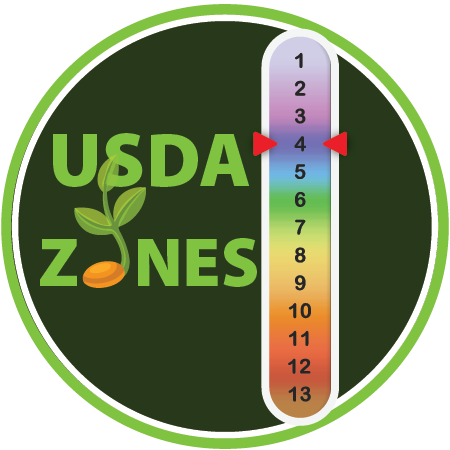
5 - 10
ESTABLISHMENT RATE
Fast
Cowpeas (Vigna Unguiculata) - Cowpeas grow 24 - 36 inches tall and are very heat and drought tolerant. They are very hardy, making them an excellent choice for food plots in the southern United States. Deer, pheasant, turkey, quail and other wildlife eagerly seek out the foliage and grain produced by cowpeas as they grow to maturity. Other animals such as: cattle, hogs, poultry, goats and other upland game birds will also enjoy feeding on cowpeas.
Cowpeas are the most heat loving legume found in the United States. They thrive in hot, moist climates, but are also very drought tolerant. Adapted to a wide range of soil types. Commonly used by farmers for silage and as a cover crop, but also widely planted as a high protein forage. Cowpeas are adapted to a wide range of soils, but prefers well drained soils with a pH between 6.0 - 7.0. Like all cowpeas, they can be consumed by humans in the form of snap beans and dry beans.
Cowpeas are perennial in USDA Zones 7 - 10, but are often grown in the midwest as an annual in USDA Zone 5 and 6.
Seeding Rate: 30 - 90 lbs per acre
Planting Depth: 1/2 - 1 inch deep
Planting Directions
SOWING TEMPERATURE
68F +
SEEDING RATE
8 - 10 lbs/acre
AVERAGE GERM TIME
5 - 10 days
PLANTING DEPTH
1/8 - 1/4 inch
SOWING METHOD
Broadcast or drill
ENVIRONMENT
Full sun
USDA ZONES
5 - 9
ESTABLISHMENT RATE
Fast
WHEN TO PLANT
Spring or fall
Persian Clover (Trifolium resupinatum) - eNhance Persian Clover is an annual legume that originated in the eastern Mediterranean area. It has a semi-upright growth habit. Persian clover will perform well on a wide range of soils and will tolerate poorly drained soils. It works well in grazing situations, but care should be taken as it can cause bloat. eNhance Persian Clover is possibly the most fragrant of all the clover species with a pleasantly sweet scent that may attract wildlife and livestock alike.
eNhance Persian Clover features improved root development speed, which in turn makes it more suitable for sandy soils than the typical persian clover. eNhance prefers soils that are slightly alkaline but is suitable for use in soils with a pH between 5.0 and 8.0. It has a moderate tolerance to salinity and a notable root development speed that is similar to that of Daikon Radish making it highly suitable for sandier soils.
Improved seedling vigor allows eNhance to establish at a rate similar to Cereal Rye. The low C:N ratio makes it a good choice to mix with Cereal Rye as the contrasting ratios provide balance and help reduce the yield drag often experienced in corn following a cereal rye crop
Regrowth - eNhance Persian Clover has high forage yield and excellent regrowth following grazing or cutting. eNhance can be cut 2 to 3 times, but not closer than 4 inches to allow for vigorous regrowth. In irrigated fields the optimum cutting interval is approximately 6 weeks in the growing season, allowing dry matter yields of 5-6.5 tons an acre.
Grazing - eNhance is a very palatable and nutritious clover that works well in close grazing situations, but care should be taken as it may cause bloat. Sowing eNhance in a mixture with things like ryegrass or oats may reduce this risk. In trials, eNhance performed incredibly well, generating over 3,000 lbs. of dry matter per acre.
Wildlife Plots - eNhance Persian Clover is known to be highly digestible with excellent forage yield and feed value with crude protein levels ranging from 18-24%. . With high protein levels, the ability to regrow when grazed, and abundant flowers, eNhance is a great addition to food plots and wildlife habitat
Versatality - eNhance Persian Clover can be used as a cover crop for nitrogen production and weed control or as a forage in mixtures with other legumes and grasses.
Moisture Requirements - eNhance Persian Clover is best adapted to areas receiving 17+ inches of precipitation. eNhance is also tolerant of moderate periods of waterlogged soils.
Fertilizer & Establishment - eNhance is adapted to a wide range of soils from clay loams to heavy clay soils and tolerates poor drainage. The best growth is on alkaline soils, but it will grow well with a pH range of 5.0 to 8.0.
Later Maturity - eNhance Persian Clover matures approximately 21 days later than Dixie Crimson Clover, while still producing greater overall growth throughout the growing cycle. This later maturity allows for multiple cuttings or grazing.
Cold Tolerance - While most Persian clovers are not very cold tolerant, eNhance Persian Clover was bred to endure low temperatures and harsh conditions. In trials at our Southern Iowa Research Farm, eNhance performed exceptionally well, enduring temperatures as low as -15° F.
Planting Directions
SOWING TEMPERATURE
40F +
SEEDING RATE
10 - 15 lbs/acre
AVERAGE GERMINATION TIME
5 - 12 days
PLANTING DEPTH
1/4 - 1/2 inch
SOWING METHOD
Broadcast or drill
ENVIRONMENT
Full sun
USDA ZONES
3 - 9
Sugar Beets (Brassica vulgaris) - Not only do the roots of sugar beets supply a good shard of the U.S. table sugar, but they also make great annual deer food plots. Deer relish both the foliage and the large, sugar laden root. Sugar beets can be a very useful cover crop, especially on salty soils where few other plants succeed. Sugar beets can be finicky to establish, requiring very good seed to soil contact to germinate. This can be accomplished with good planting eqipment, such as seed firmers, on the planter or drill. Pure stand seeding rate is 10 - 15 lbs per acre, and seeding depth is 1/4 - 1/2 inch. Planting date for cover crop or deer forage can range from late spring through August, with earlier plantings giving higher yields. Mature plant heights range from 1 to 2 feet and grow best in full sun.
Sugar beets are increasingly used as a late summer planted, winter killed cover crop to manage soil compaction, help to suppress weeds, and fixate nitrogen. Their deep taproots penetrate hard or clay compacted soils making them ideal for aerating and improving soil structure before planting new crops. They provide high-quality forage for livestock and wildlife and thrive when planted in late summer, with a minimum germination temp of 40F for planting and a cold kill temp around 25F.
Planting Directions
SOWING TEMPERATURE
45F+
SEEDING RATE
6 - 10 lbs per acre
AVERAGE GERMINATION TIME
3 - 14 days
PLANTING DEPTH
1/4 inch
SOWING METHOD
Broadcast or drill
ENVIRONMENT
Full sun
USDA ZONES
3 - 10
ESTABLISHMENT RATE
Fast
Bayou Kale (Brassica oleracea) - is a winter hardy member of the Brassica family that is highly digestible. It is known for its large, palatable leaves. and can provide up to 25% protein. High digestible forage for deer that is ideal for extended grazing in wildlife food plots providing quality winter forage. Kale has the highest cold tolerance of all the Brassicas, good winter hardiness and a high leaf to stem ratio. It may be grown both as a spring and early fall crop for winter grazing. Kale grows best in cooler weather with cold days and nights which will sweeten the leaves especially if subjected to a fall frost. Remember that Kale grows large leaves and may over shade other plants in your food plot. Kale prefers a pH of 5.5 to 7.0.
Bayou kale is a mid-maturing forage brassica with a smooth leaf, and a nutty flavor that is sweet to human taste. This kale variety has a smaller stem but can grow up to 3 feet tall. Bayou has excellent regrowth when rotationally grazed, and the stems are more palatable than forage rapes for cattle and sheep. Used in food plots for deer as well as upland game birds, animals will eat the Bayou first when planted beside other food plots.
When planted in late summer or early fall, it is considerably more winter-hardy than radishes and helps control erosion. The spring green-up of Bayou kale is similar to forage rapes, while its seed size and crop management are similar to other brassicas, like turnips. Seed should be planted at 6 - 10 lbs/ac when planted as a single specie and 2 - 3 lbs/ac when mixed with other crops. Recommended planting time for Northern Regions is summer when night time temperatures are consistently below 65 degrees. Planting should occur July - September for the Midwest and September - October for the South.
Forage Kale has show to help in opening up the soil because of its tap roots. As a cover crop kale can be planted in late summer or early fall; using it as a winter crop helps protect the soil longer from erosion.
Product Specifications:
- Excellent regrowth
- Forage brassica
- Good winter hardiness
- Great for food deer food plots
- Protects soil from erosion
- Use for: pasture, food plot, cattle forage, livestock grazing, cover crop
Planting Directions
SOWING TEMPERATURE
65F+
SEEDING RATE
25 - 50 lbs per acre
AVERAGE GERMINATION TIME
3 - 7 days
PLANTING DEPTH
1/4 - 1 inch
SOWING METHOD
Broadcast or drill
ENVIRONMENT
Full sun
USDA ZONES
8 - 11
ESTABLISHMENT RATE
Fast
Sunn hemp (Crotalaria juncea L.) - is a legume commonly used as a cover crop for southern and sub-tropical and tropical farming systems. It has recently been more adopted in the Midwestern United States cropping systems. Sunn hemp has high rates of biomass production — over 20 percent greater than crimson clover and hairy vetch in research trials. In as little as 60 to 90 days it can produce 120 pounds of nitrogen per acre and can suppress weeds up to 90 percent.
Sunn Hemp is adapted to a wide variety of soil and environmental conditions, thriving through hot, dry summers and continuing to grow until the first frost. But sunn hemp isn’t just a soil builder — it also offers benefits as a forage producer. Sunn hemp is easy to grow and amazingly productive.
Because plants can reach 3 to 9 feet in height, wide spacing between rows (6 inches is recommended) may make plants susceptible to lodging. With adequate moisture, temperature and fertility, researchers have recorded a growth rate of 1 foot per week. Plants can return to or exceed this growth rate if slowed by temporary drought.
Sainfoin (Onobrychis Viciifolia) - A deep rooted perennial legume similar to alfalfa, but usually cut once a year. The hay is very desirable to many animals. It can be grazed or pastured and Sainfoin is relished by wildlife, especially deer and elk. A prolific flower producer that is excellent for nectar and honey production and pollinators generally. With its extended flowering period and the fact that sainfoin produces more honey than any other legume makes it invaluable to pollinators, attracting a wide range of bumble and honey bees, butterflies and many other invertebrates. Bees feeding on sainfoin produce higher yields of honey.
Sainfoin grows taller than alfalfa, its stem is hollow, there are many leaflets (like a vetch) and its flowers, which are pink, are borne on a raceme. The "seed" used to establish this crop is, in fact, a pod which contains a single seed. Even without the pod, the true seed is large (for a legume); there are only 28,000 seeds per pound.
Sainfoin has good drought resistance and grows well on a variety of soils, it does especially well on high lime, well-drained soils of high fertility. However it does not do well on soils which are wet or have a high water table. It has a low tolerance to flooding, waterlogging or even high water table. It’s intolerant of acidity and salinity; however, it has good drought tolerance and winter hardiness.
Sainfoin is very palatable and is grazed by livestock in preference to alfalfa. It is relished by deer and elk. Although very coarse, the herbage is highly nutritious. Compared with alfalfa, forage dry-matter yields of sainfoin are about 20 percent lower under dryland conditions, and may be 30 percent or more lower in irrigated areas. Onobrychis species have never been known to cause bloat nor is it attacked by alfalfa weevil. It is highly palatable to both sheep and cattle, being preferred over alfalfa. It may be grazed or used for hay, either alone or in mixtures with grasses.
Sainfoin is a natural nitrogen fixator, so Rhizobia in root nodules of sainfoin fix nitrogen and boost soil nitrogen. The roots penetrate to great depths and pull nutrients up from the subsoil. Sainfoin has been found to increase the sequestration of nutrients such as phosphate. It is the ideal crop to sow ahead of cereals or brassicas in the rotation. It takes a year to get established so ideally in the first year it must not be grazed, or if necessary lightly grazed in autumn, and left ungrazed through winter.
Seeding Rate: 30 - 40 lbs per acre
Great For: Cattle, hogs, poultry, sheep, goats, deer, elk, bees/pollinators
Primary Usage: Hay, pasture, wildlife, pollinators