










-
CATEGORY ::
- All Seeds /
- All Ground Cover Seeds /
- All Verbena Seeds
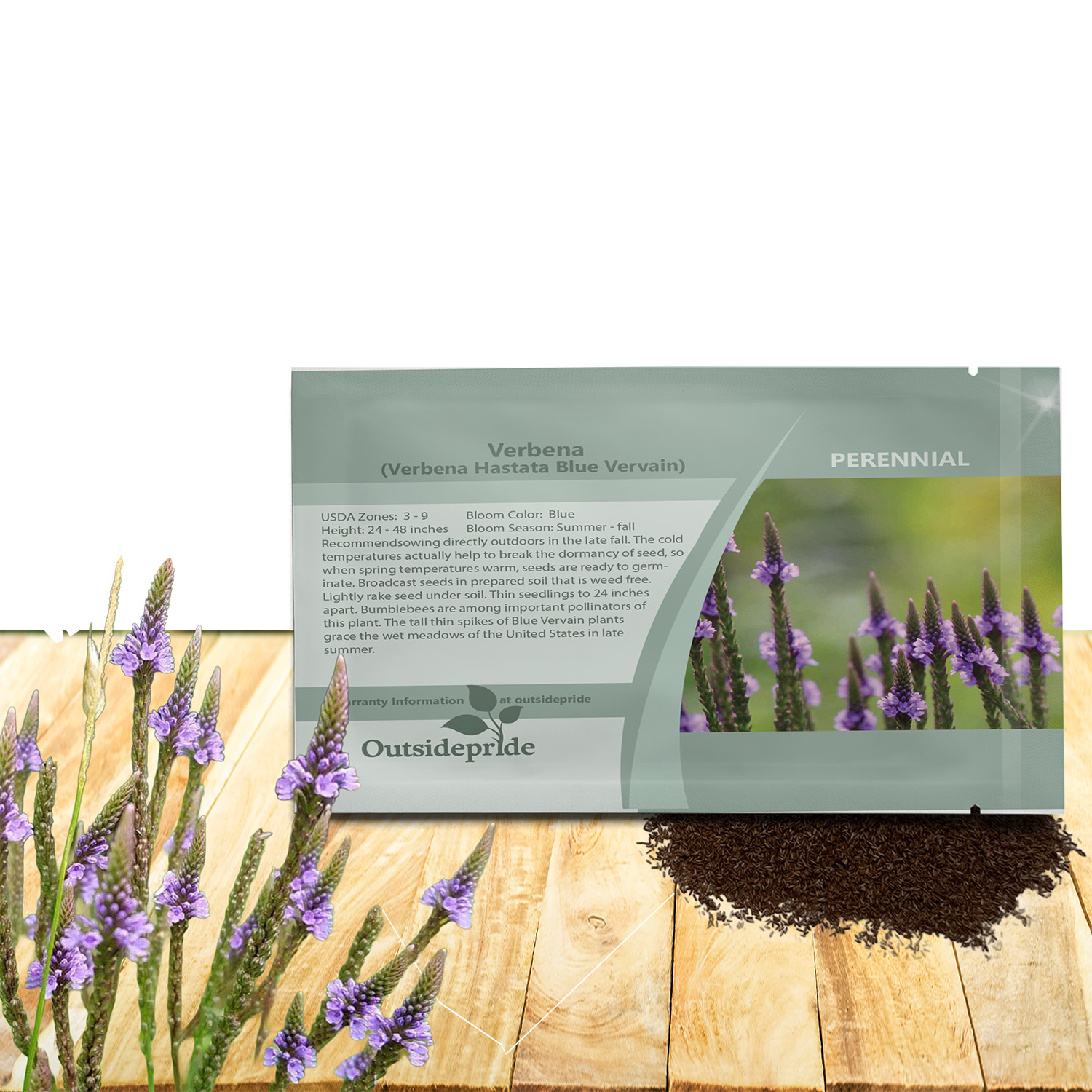

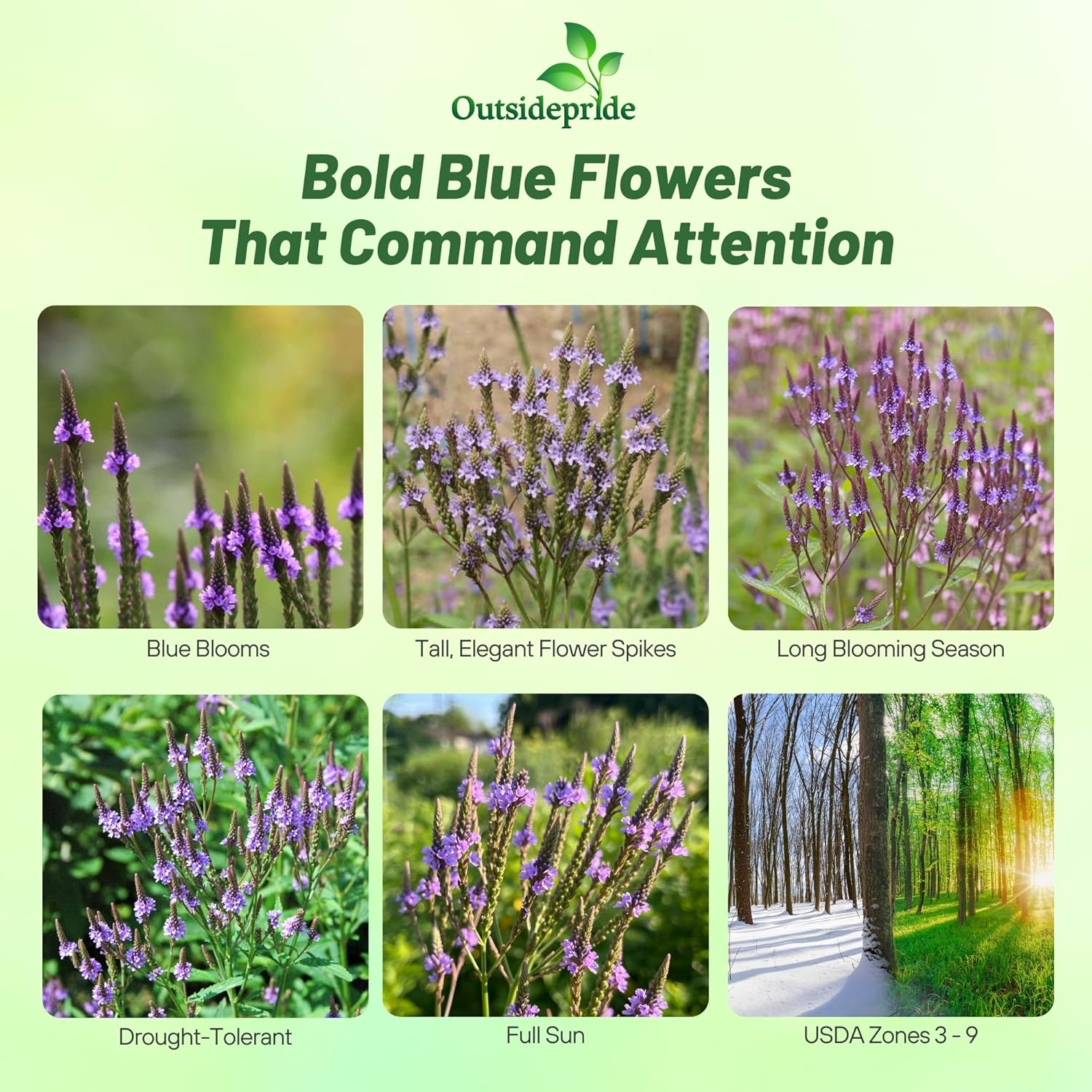
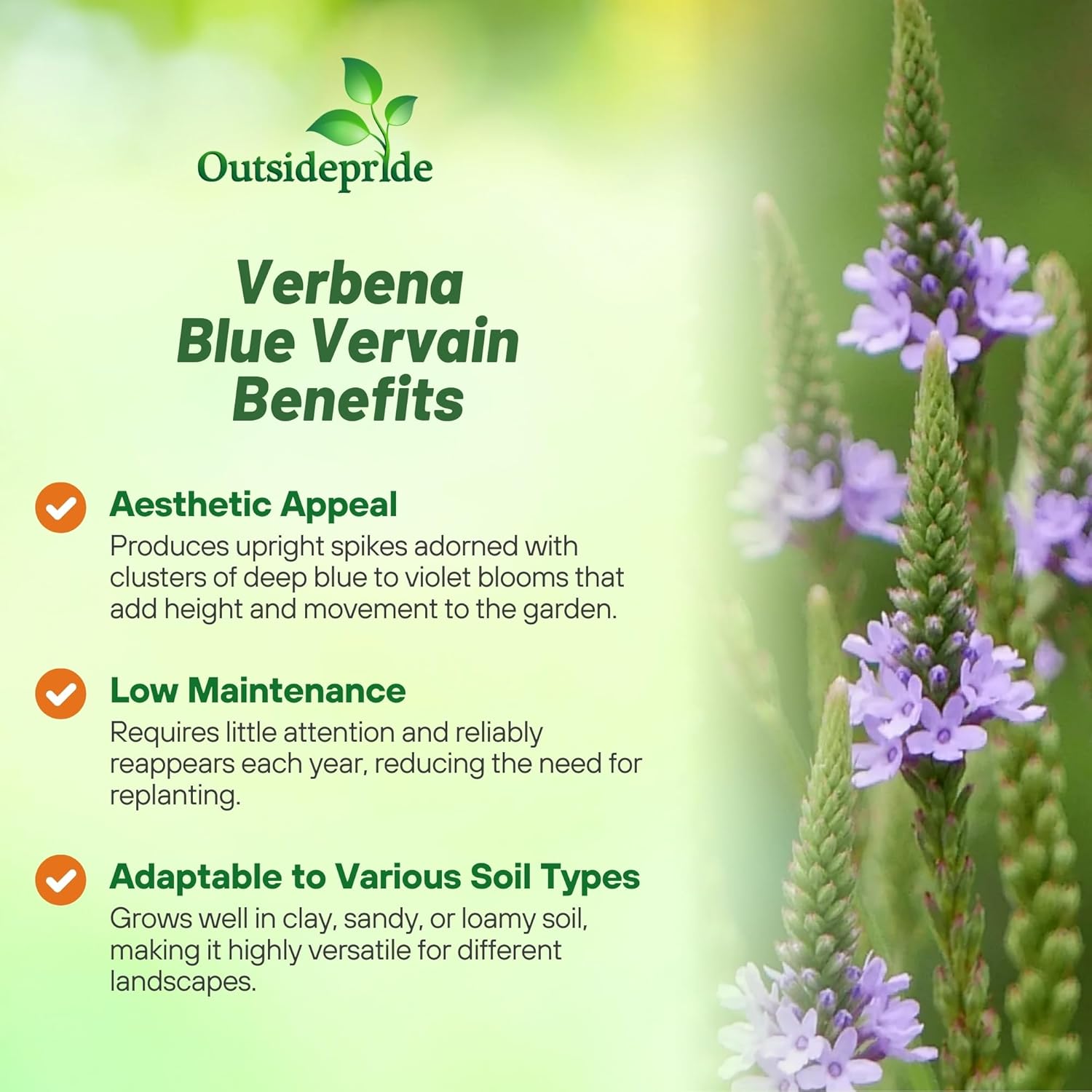

Verbena Seeds - Blue Vervain

SEASON
Perennial
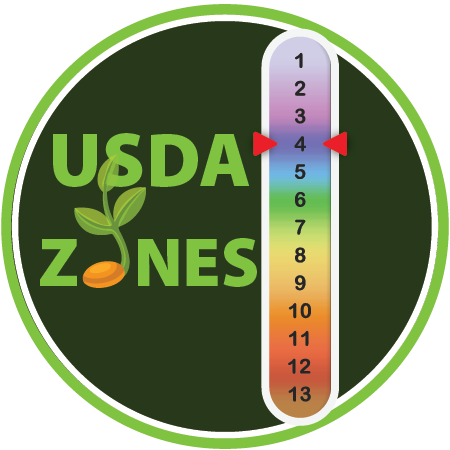
USDA ZONES
3 - 9

HEIGHT
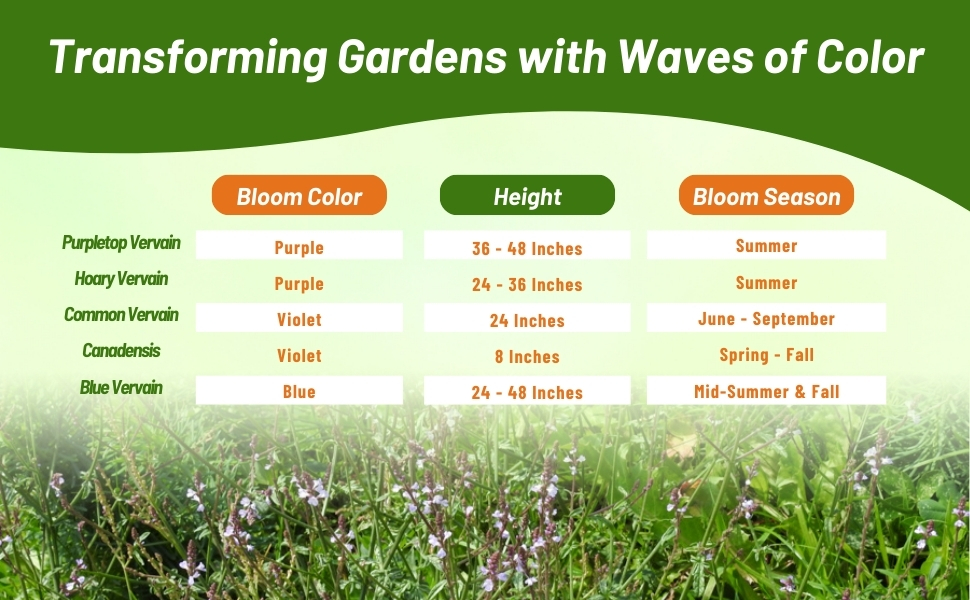
24 - 48 inches

BLOOM SEASON
Mid-summer and fall

BLOOM COLOR
Blue

GROWTH RATE
Medium

ENVIRONMENT
Full sun

SOIL TYPE
Moist, well-drained, pH 5.8 - 7.2

DEER RESISTANT
Yes

FOLIAGE COLOR
Dark green
About...
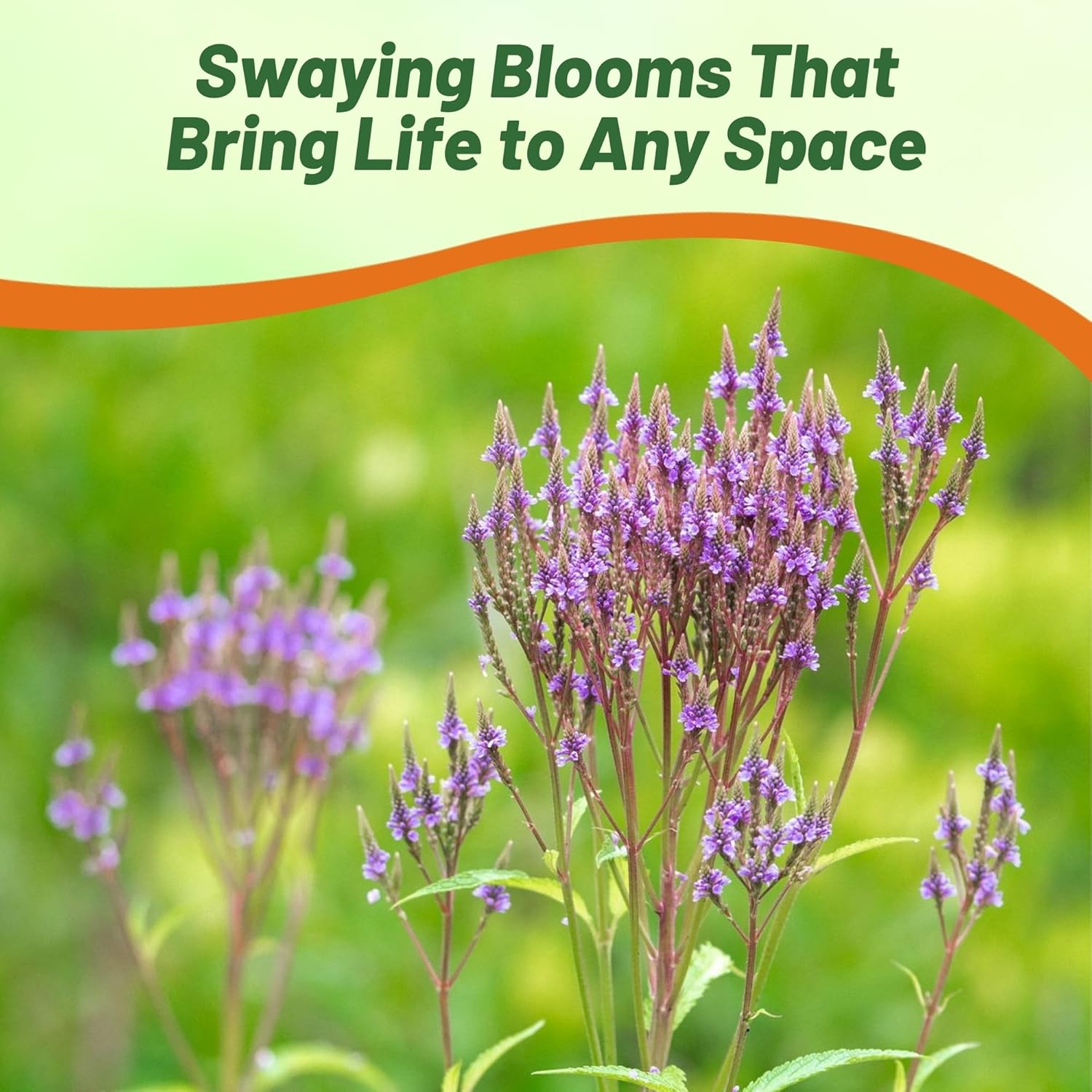
Verbena (Verbena Hastata Blue Vervain) - Start Verbena seeds and grow this flowering plant with numerous, pencil-like flower spikes that branch upwards like the arms of a candelabra. Commonly called Blue Vervain, some say the plant resembles a candelabra with blue flames!MORE VERBENA OPTIONS

Planting Directions

TEMPERATURE
65F
AVERAGE GERM TIME
10 - 25 days

LIGHT REQUIRED
No

DEPTH
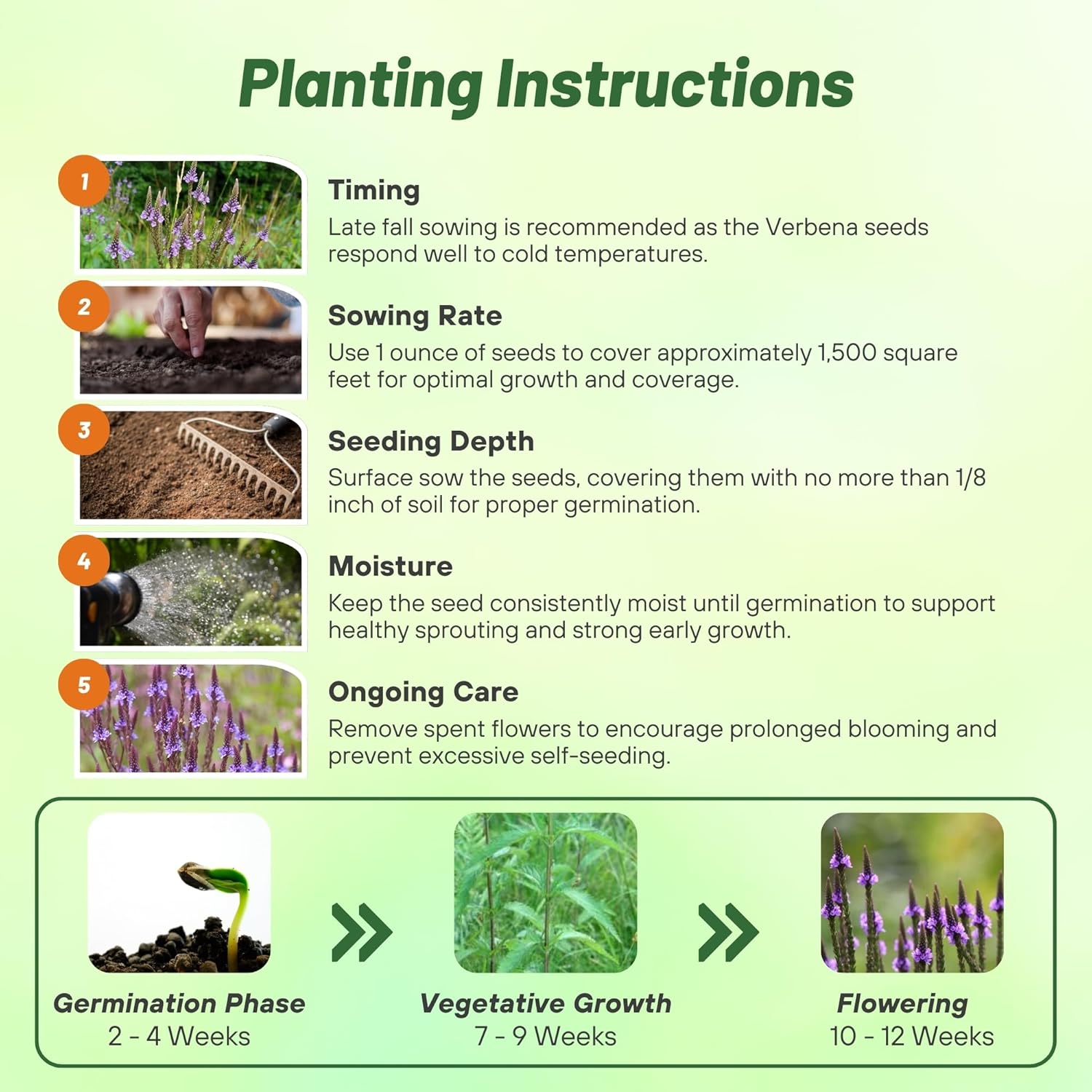
Surface sow no more than 1/8 inch

SOWING RATE
1 ounce per 1,500 square feet

MOISTURE
Keep seeds moist until germination

PLANT SPACING
24 inches

CARE & MAINTENANCE
Verbena...less

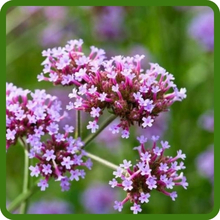
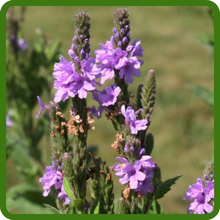
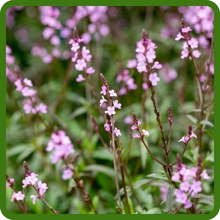
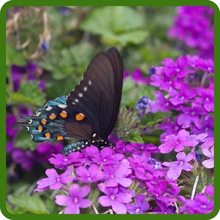
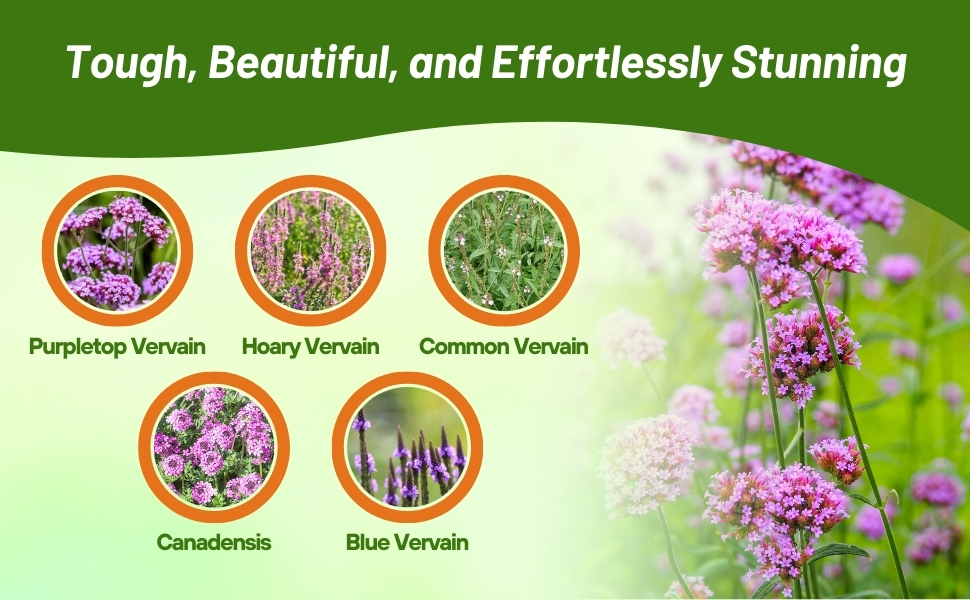
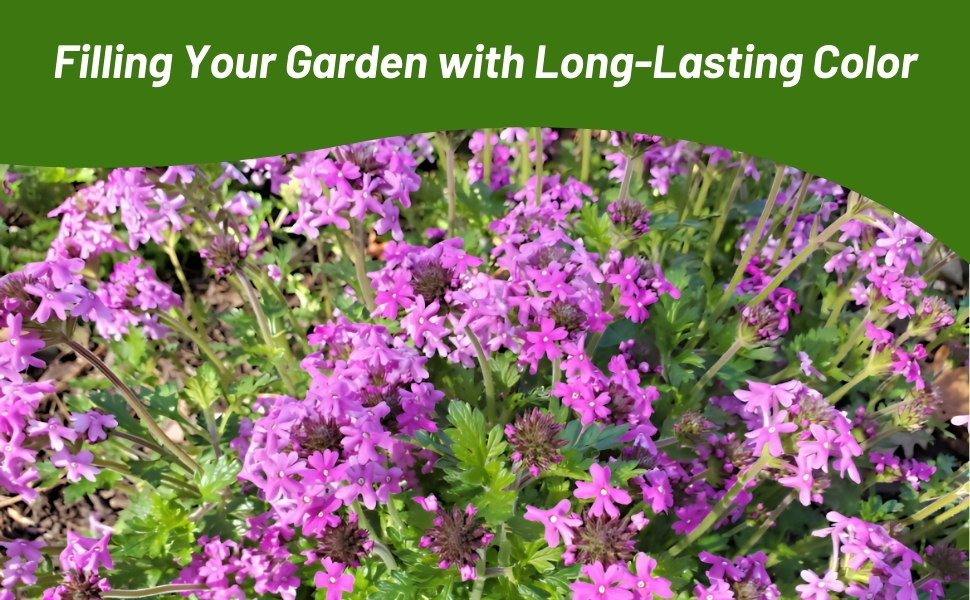
Verbena (Verbena Hastata Blue Vervain) - Start Verbena seeds and grow this flowering drought tolerant plant with numerous, pencil-like flower spikes that branch upwards like the arms of a candelabra. Commonly called Blue Vervain, some say the plant resembles a candelabra with blue flames! Each flower spike has a band of blue-purple flowers that begin opening at the bottom of the spike first, and then gradually open all the way to the top of the spike.
Bumblebees are among the important pollinators of this important Verbena Blue Vervain. The tall thin spikes of Blue Vervain plants grace the wet meadows of the United States in late summer. Verbena Hastata flowers are short-lived perennials that readily self-sow, and they can be found in wet meadows, wet river bottom lands, stream banks, slough peripheries, fields and waste areas.
Growing Blue Vervain seed is greatly rewarding! It is recommended to sow Verbena Hastata seeds directly outdoors in the late fall. The cold temperatures actually help to break the dormancy of the flower seed, so when spring temperatures warm, the Verbena seeds are ready to germinate. Broadcast the Verbena seeds in prepared soil that is weed free. Lightly rake the seed under the soil. Thin the Blue Vervain seedlings to 24 inches apart.
Approximately 100,000 seeds per ounce.
Common Questions
How long do verbena plants live?
When cultivated as perennials, verbenas typically have a short lifespan, often lasting only two to three years. However, if you are growing a species type instead of a hybrid, these plants can self-seed freely, potentially establishing themselves in such a way that they seem to thrive indefinitely.
How is this plant used in landscaping?
Verbenas thrive in sunny conditions and make excellent companion plants for other sun-loving varieties such as coneflowers, coreopsis, lamb's ear, phlox, and petunias. Hybrid annual verbenas are known for their consistent blooming and are often used in pots or as bedding plants in gardens. They can be planted in groups or positioned as front-edging plants, where their sprawling nature is particularly advantageous. Many hybrids exhibit a trailing growth habit, making them ideal for hanging baskets, rock gardens, or gracefully cascading over short retaining walls. Some varieties spread out, effectively covering ground in sunny locations.
My plants are getting leggy, what do I do?
When verbenas become leggy and sparse, it may indicate that the plant is reaching out for more light. Ensure that the plant gets a minimum of six hours of sunlight daily. If sunlight isn't the problem, consider pruning it back significantly and providing nourishment. This combination of pruning and feeding should encourage robust new growth and an abundance of blooms.
How can I encourage more blooms?
Deadhead your spent flowers to encourage a longer bloom season.
Can I grow in containers?
Verbena is often seen in hanging baskets combined with various flowers, serving as excellent "spillers" that cascade over the edges of the container. For container planting, any general-purpose potting mix can be used in well-draining containers of any material. Additionally, if verbena is growing in the ground, you can pot it up for indoor overwintering. Typically grown as annuals, potted verbenas generally do not need repotting and should be discarded at the end of the growing season. Perennial verbenas have a relatively short lifespan of two to three growing seasons and are not ideal as permanent houseplants. However, potted verbenas can be classified as warm-climate perennials, allowing you to bring them indoors to continue growing during winter. If you choose to move them inside, trim them back by one-third before the transition and place them in a spot that receives ample sunlight.
Videos