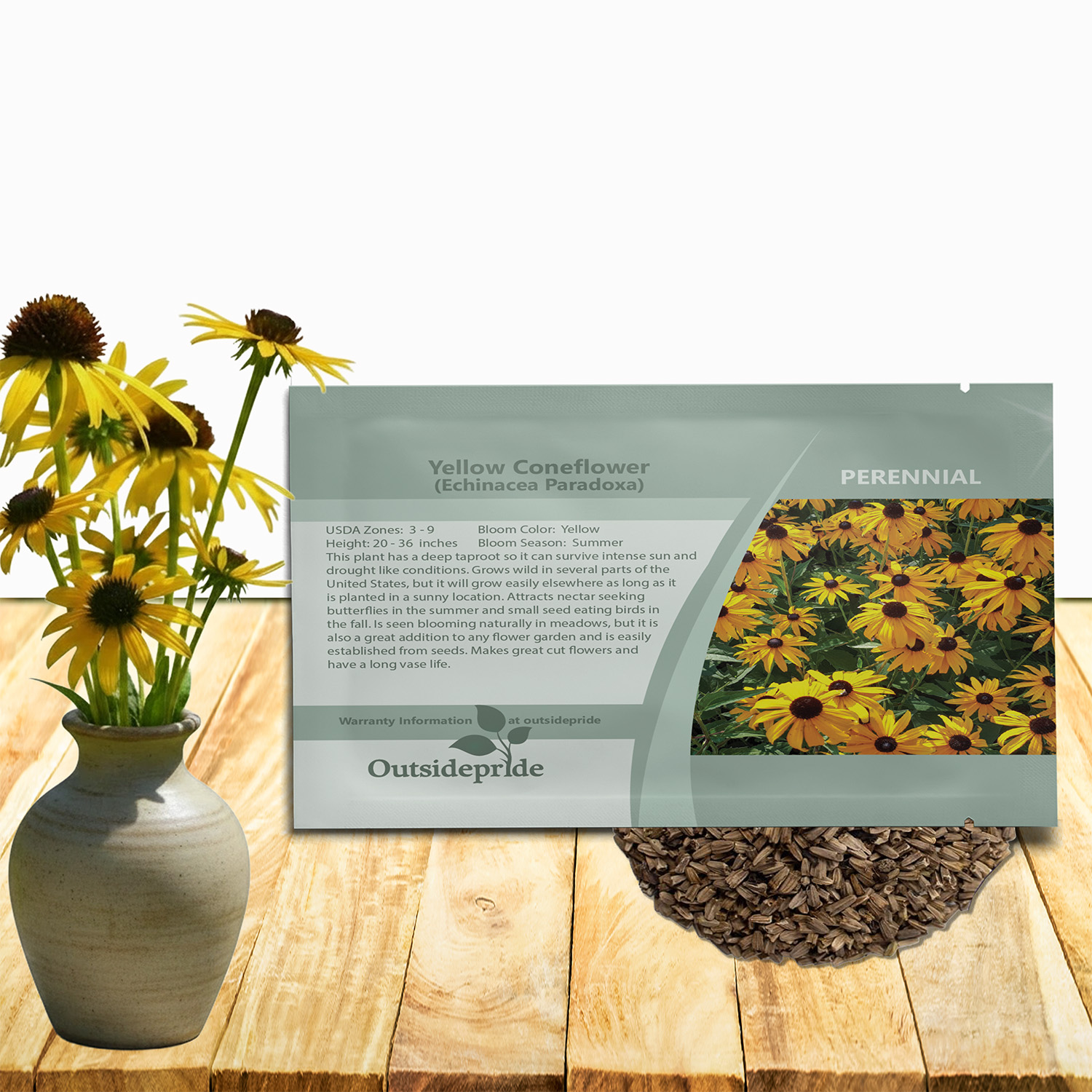

Echinacea Paradoxa Drought Tolerant Xeriscaping Yellow Coneflower Flower Seed

Echinacea Seeds - Yellow Coneflower

100 Seeds
.......................................................................................................................................................
4.99
200 Seeds
.......................................................................................................................................................
8.99

SEASON

Perennial

USDA ZONES

3 - 9

HEIGHT

20 - 36 inches

BLOOM SEASON

Summer

BLOOM COLOR

Yellow

ENVIRONMENT

Full Sun

SOIL TYPE

Loam, clay, or rocky material, pH 6.1 - 7.8

DEER RESISTANT

Yes
HOUSE PLANT

No

About...

Yellow Coneflower (Echinacea Paradoxa) - This drought tolerant perennial attracts nectar seeking butterflies in the summer and small seed eating birds in the fall. Typically, this species is seen blooming naturally in meadows, but it is also a great addition to any xeriscape flower garden.
ABOUT
FAQ's
VIDEOS

Planting Directions

TEMPERATURE

70F

AVERAGE GERM TIME

21 - 28 days

LIGHT REQUIRED

No

DEPTH

1/8 - 1/4 inch

SOWING RATE

3 - 4 seeds per plant

MOISTURE

Keep seeds moist until germination

PLANT SPACING

12 - 24 inches

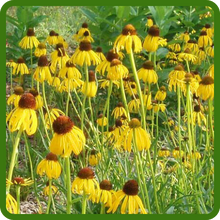
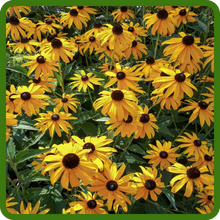
Echinacea paradoxa Yellow Coneflower Meadow
Echinacea paradoxa Yellow Coneflower Seed Packet For Planting
Outsidepride Yellow Echinacea coneflower seeds (Echinacea paradoxa), commonly called Ozark coneflowers, is a stunning perennial grown from seeds, featuring daisy-like yellow petals surrounding a brown central cone. It grows 20-36 inches tall and thrives in USDA zones 3-9. Ideal for full intense sunny locations, it withstands drought and heat due to its deep taproot. Available in 2 sizes, it blooms in summer, attracts butterflies, and provides seeds for birds in fall. Low-maintenance, it tolerates poor soil and requires minimal care. Perfect for gardens and as long-lasting cut flowers.
Echinacea paradoxa Yellow Coneflower Yellow Petals
Bright Yellow Petals
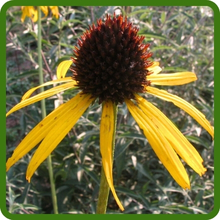
This Yellow Coneflower closely resembles the Pale Purple Coneflower in size and shape, but it stands out with its bright yellow petals instead of the typical purple hues. The flower features daisy-like petals encircling a brown central cone, offering a striking contrast to the more common purple varieties.
Pollinator Support
Pollinator Support
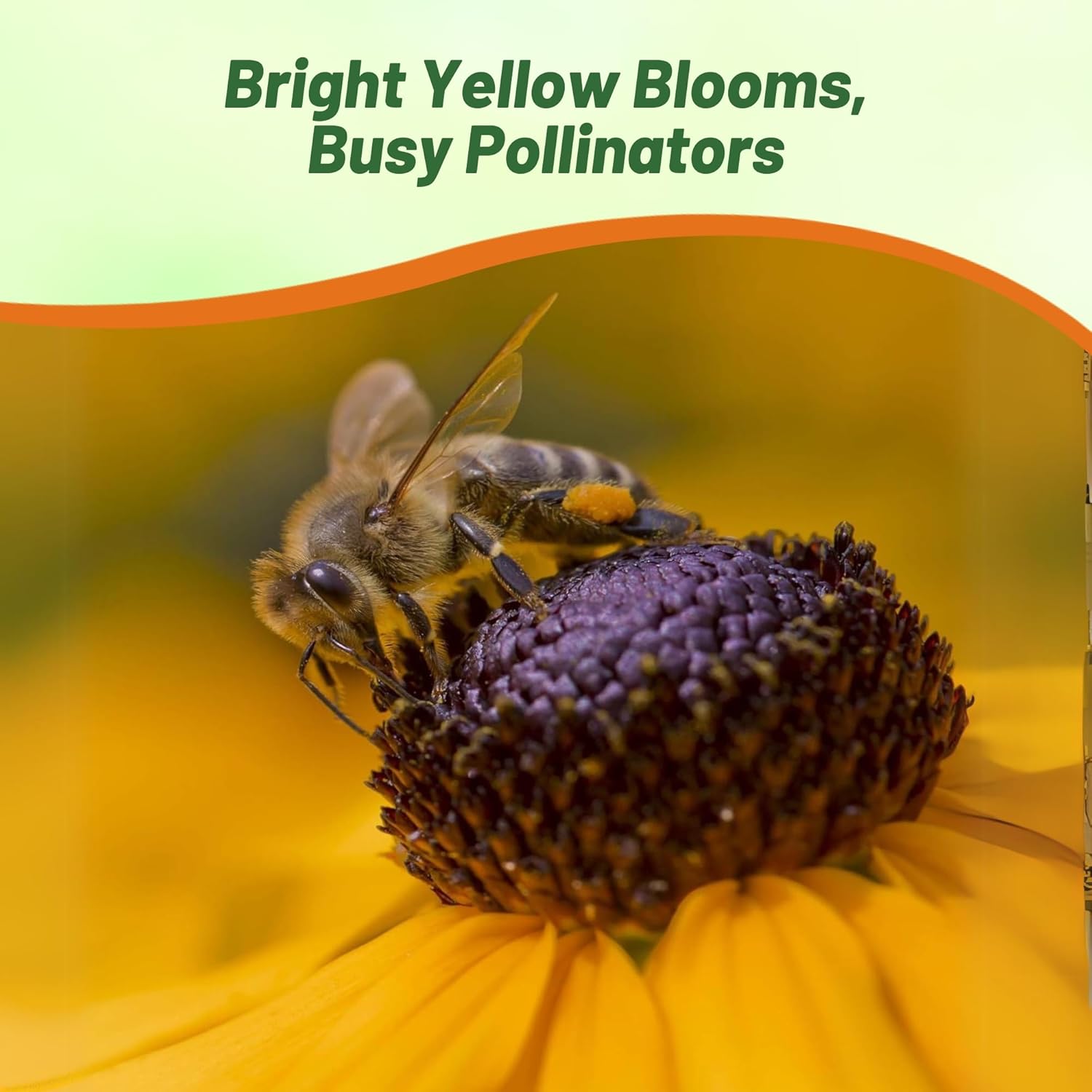
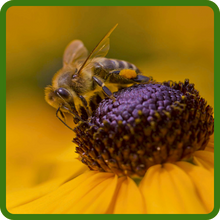
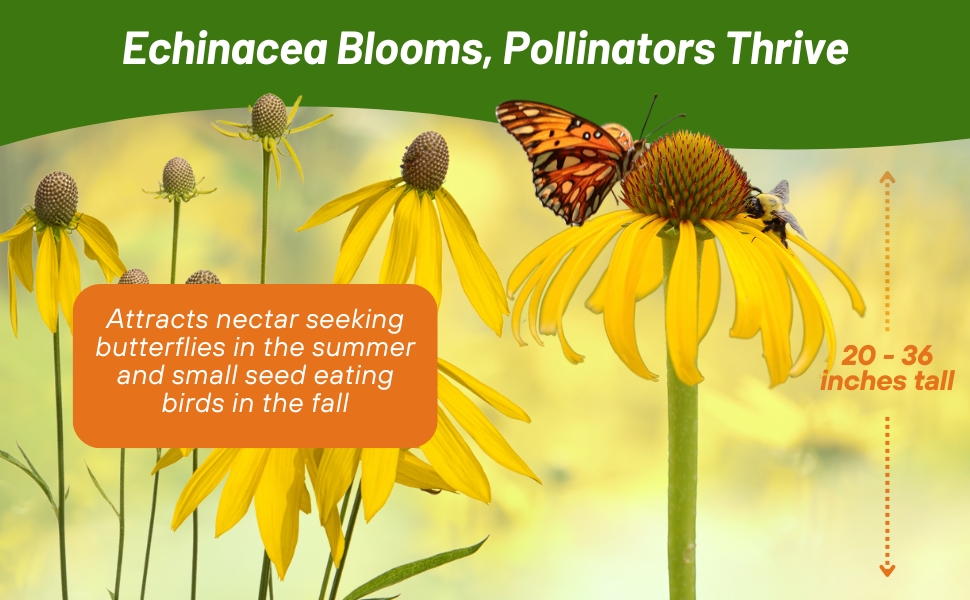
Yellow coneflowers provide excellent support for pollinators, attracting nectar-seeking butterflies and bees throughout the blooming season. Its vibrant flowers offer a reliable food source in the summer, while the seed heads serve as nourishment for birds in the fall, making it an ideal choice for promoting health in gardens and outdoor spaces.
Drought Tolerant Echinacea paradoxa Yellow Coneflower Flowers
Drought Tolerant
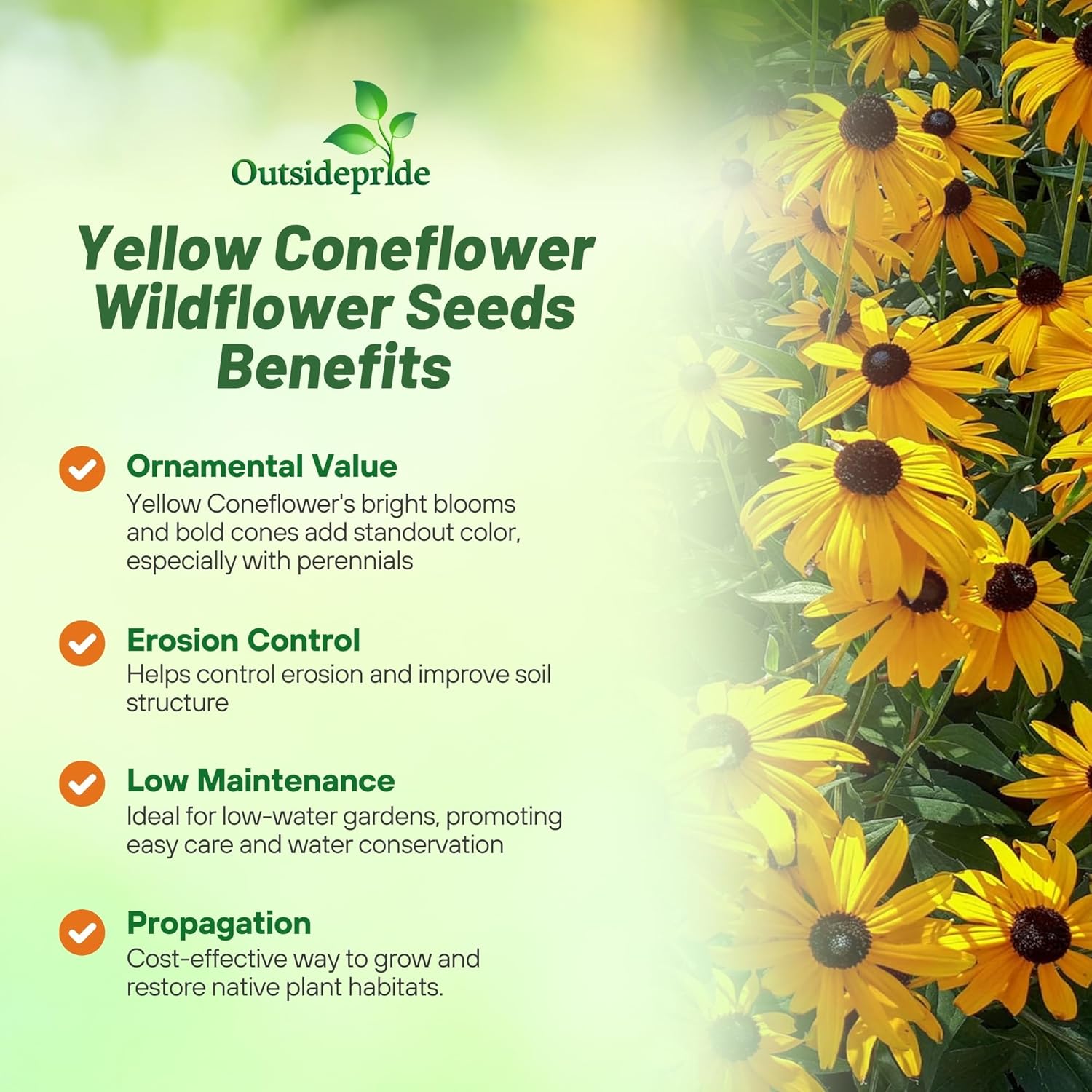
This wildflower is highly drought-tolerant, making it an ideal choice for low-maintenance gardens and is perfect for xeriscape landcapes where water conservation is desired. Its deep taproot allows it to thrive in hot, dry conditions without the need for frequent watering. This ensures the plant remains vibrant and healthy, even in challenging areas.
Echinacea paradoxa Yellow Coneflower For Landscaping
Landscaping and Aesthetic Appeal
Yellow Coneflower adds exceptional aesthetic appeal to any landscape with its vibrant yellow petals and daisy-like blooms. Its striking contrast against greenery makes it a focal point in garden beds, borders, and meadows. Ideal for naturalized landscaping, it enhances visual interest while providing a low-maintenance, healthier garden.
Echinacea paradoxa Yellow Coneflower For Pollinating Birds, Butterflies, & Bees
As flowers bloom from echinacea seeds, it creates a thriving environment for pollinators, drawing nectar-loving butterflies during the summer months and attracting seed-eating birds in the fall. Growing to a height of 20 to 36 inches, this plant offers beauty, providing vital nourishment for a variety of wildlife throughout the growing season. Its striking flowers ensure that butterflies and birds have essential food sources, making it a perfect addition to any garden focused on supporting local habitat.
Echinacea paradoxa Yellow Coneflower Cut Flowers
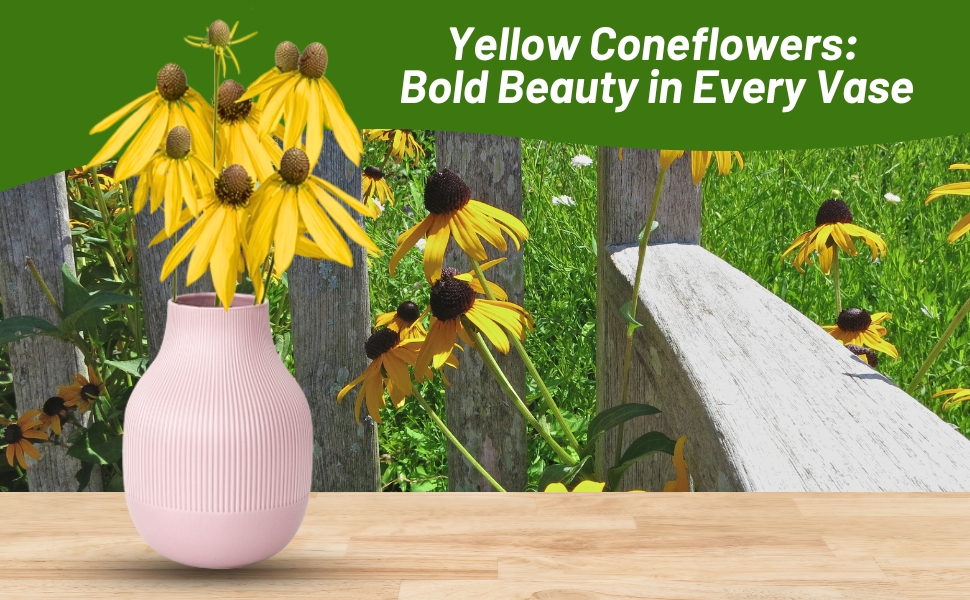
Cone flowers bring bold beauty to any arrangement, making them an excellent choice for cut flowers. Their vibrant, daisy-like blooms add striking color and texture to bouquets, and their sturdy stems ensure a long vase life, allowing them to remain fresh and appealing for extended periods. Whether displayed alone or mixed with other flowers, Coneflowers maintain their stunning appearance, enhancing the elegance of any indoor space. Their longevity and visual impact make them a favorite for floral displays.
Echinacea paradoxa Yellow Coneflower Planting Directions
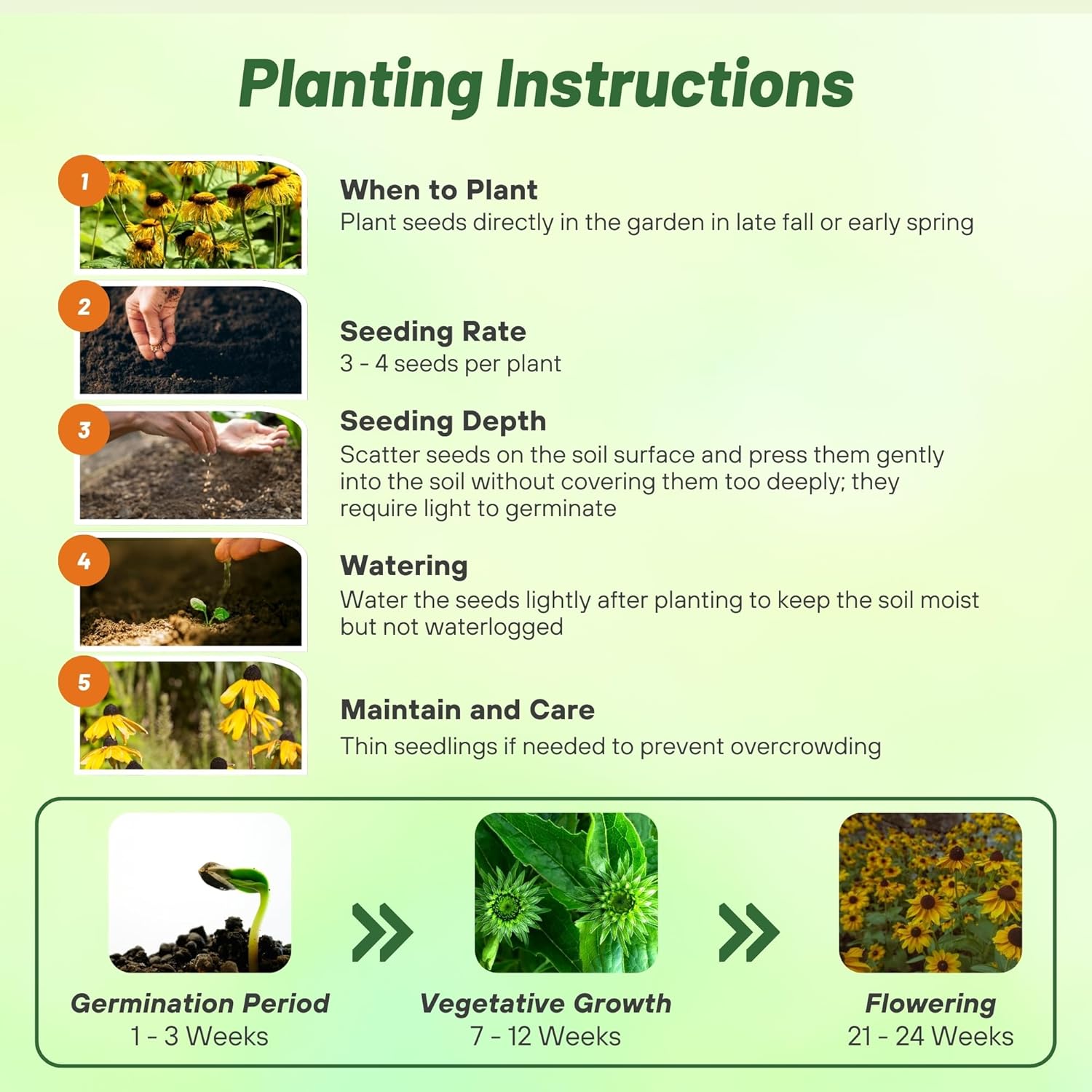
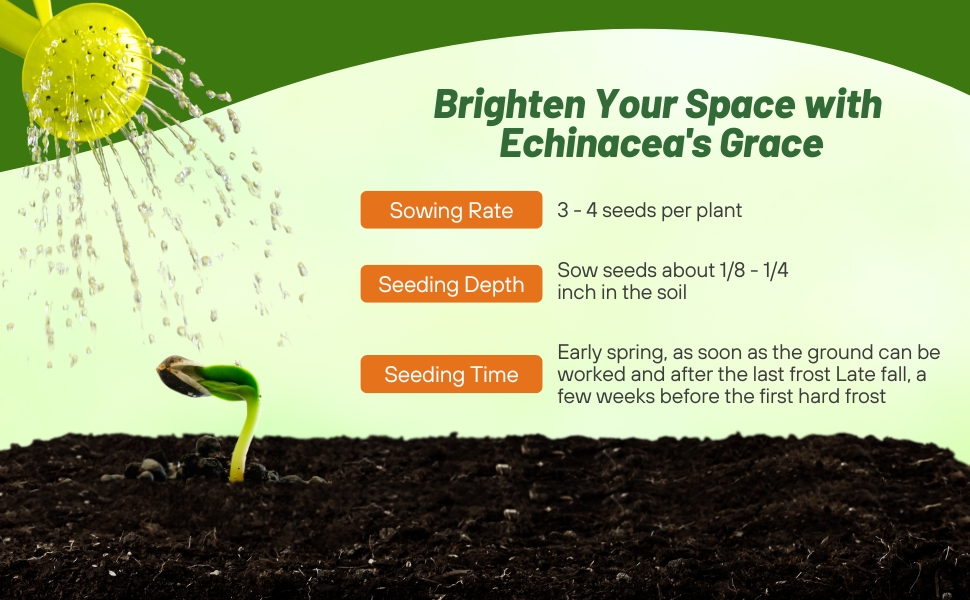
Enhance your surroundings with the graceful charm of Echinacea. For optimal growth, sow 3 to 4 cone flower seeds per plant, planting them about 1/8 to 1/4 inch deep in the soil. Begin sowing in early spring as soon as the soil can be worked, right after the last frost, or opt for late fall planting a few weeks before the first hard frost. Echinacea's resilience ensures it thrives with proper timing, adding natural beauty to your garden or landscape. With its easy-to-follow sowing rate, you'll be on your way to a vibrant, colorful display in no time.

Yellow Coneflower (Echinacea Paradoxa) - Grown from flower seeds, this Yellow Coneflower is very similar in stature and form to Pale Purple Coneflower; however, it has brilliant yellow petals instead of the characteristic purple shades that are most often seen. It has daisy-like petals around a brown central cone, and this Echinacea plant has a deep taproot so it can survive intense sun and drought like conditions. Perfect for xeriscaping.

Common Questions

Q

Does Echinacea need full sun?

A

The Echinacea plant grows best in full or partial sun. Give the plant at least six hours of sun a day.

Q

Do I need to deadhead my coneflowers?

A

Yes, to keep your purple coneflowers blooming you need to deadhead them as they fade.

Q

Will Echinacea spread?

A

Echinacea spreads because it is naturally self-seeding, but only if you do not deadhead the blooms. If you don't want it to spread too much, you will need to weed out the volunteer seedlings.

Q

Do I need to divide my plants?

A

Coneflowers all become dense, and root bound over time causing blooms to be sparse. Dig up, divide and replant every 3 – 4 years to keep your plants thriving.

Videos

HOW ITS MADE