

Echinacea Pallida Drought Tolerant Pale Purple Coneflower Flower Seeds

Echinacea Seeds - Pale Purple Coneflower

1000 Seeds
.......................................................................................................................................................
4.99
1/4 LB
.......................................................................................................................................................
9.99
1 LB
.......................................................................................................................................................
24.99

SEASON

Perennial

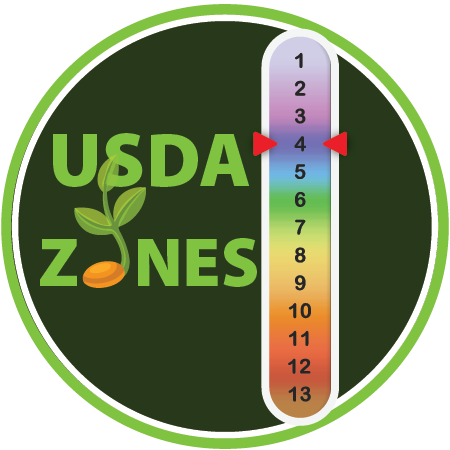
USDA ZONES

3 - 9

HEIGHT

24 - 36 inches

BLOOM SEASON

Early summer

BLOOM COLOR

Pale lavender

ENVIRONMENT

Full sun

SOIL TYPE

Loam, clay, or rocky material, pH 6.1 - 7.8

DEER RESISTANT

Yes
HOUSE PLANT

No

About...

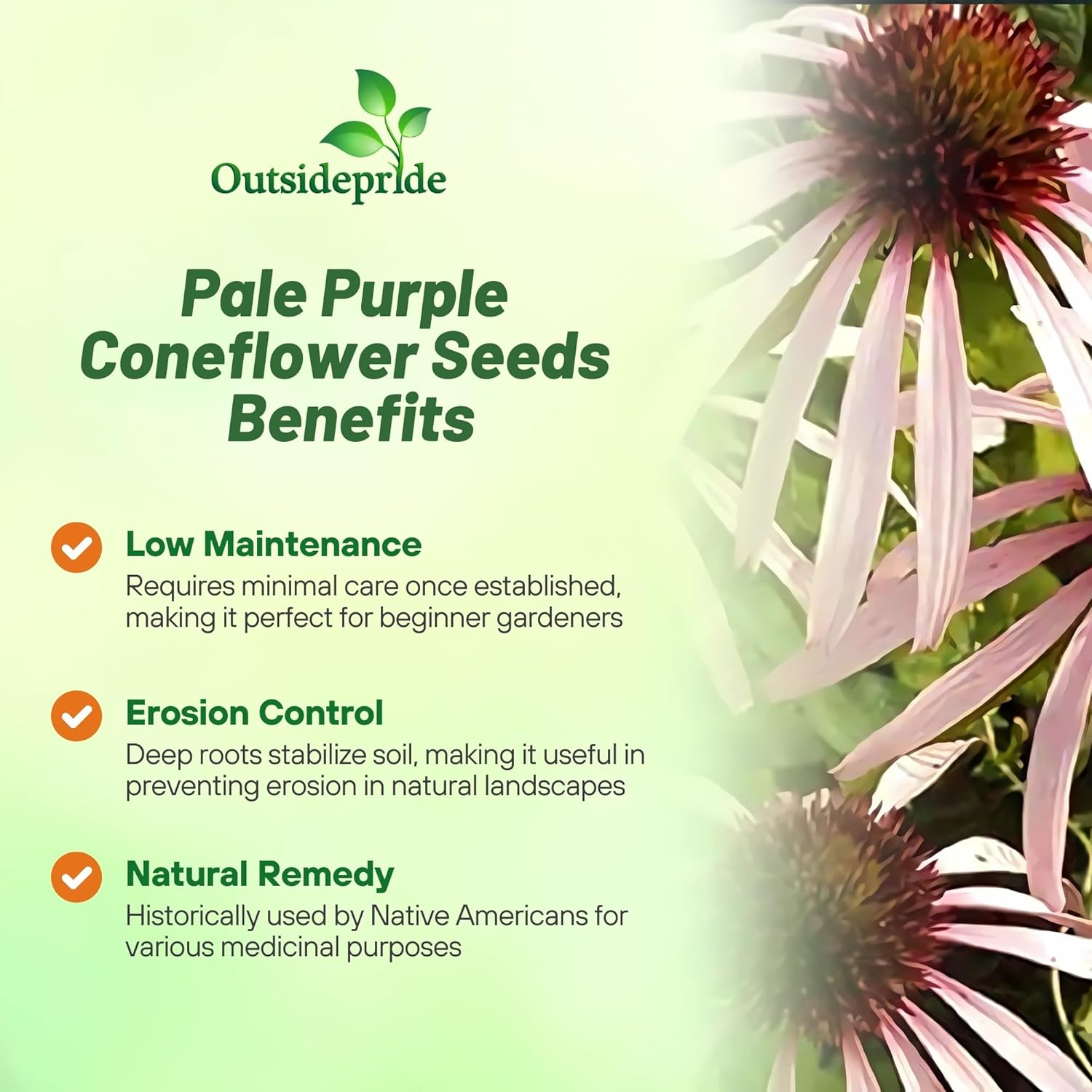
Pale Purple Coneflower (Echinacea Pallida) - Start flower seed for this perennial wild flower that many people also consider to be an herb for its numerous medicinal purposes. It is believed that this flowering, drought tolerant plant has the ability to boost the immune system. It also attacts beneficial pollinators to the xeriscape garden!
ABOUT
FAQ's
VIDEOS

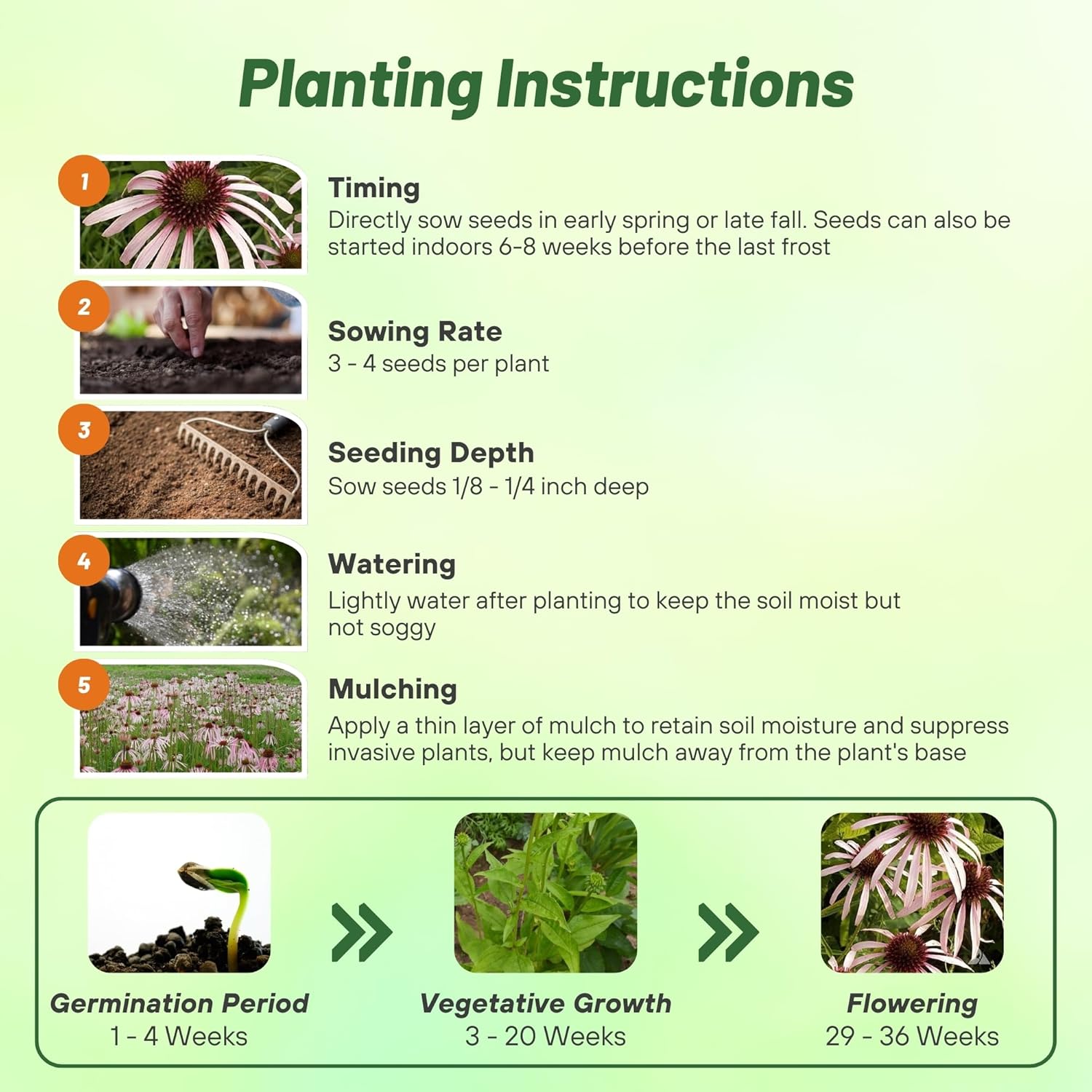
Planting Directions

TEMPERATURE

70F

AVERAGE GERM TIME

21 - 28 days

LIGHT REQUIRED

No

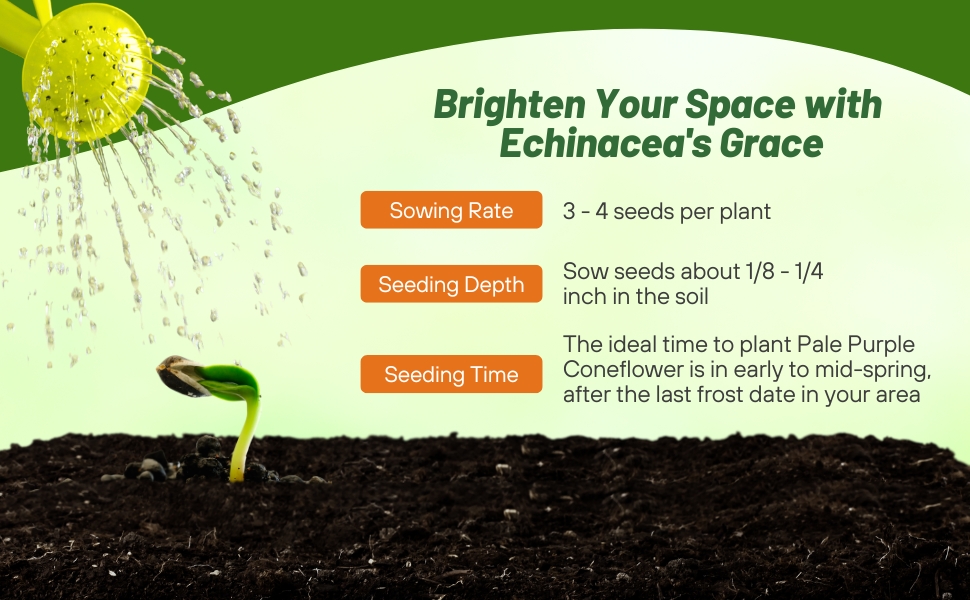
DEPTH

1/8 - 1/4 inch

SOWING RATE

3 - 4 seeds per plant

MOISTURE

Keep seeds moist until germination

PLANT SPACING

12 - 18 inches
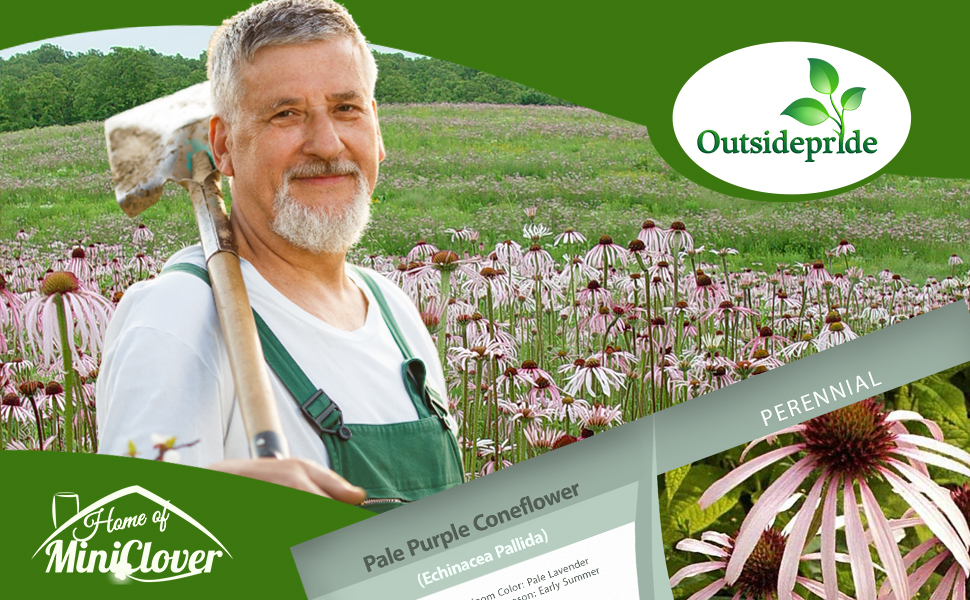
Pale Purple Coneflower Wildflower Meadow
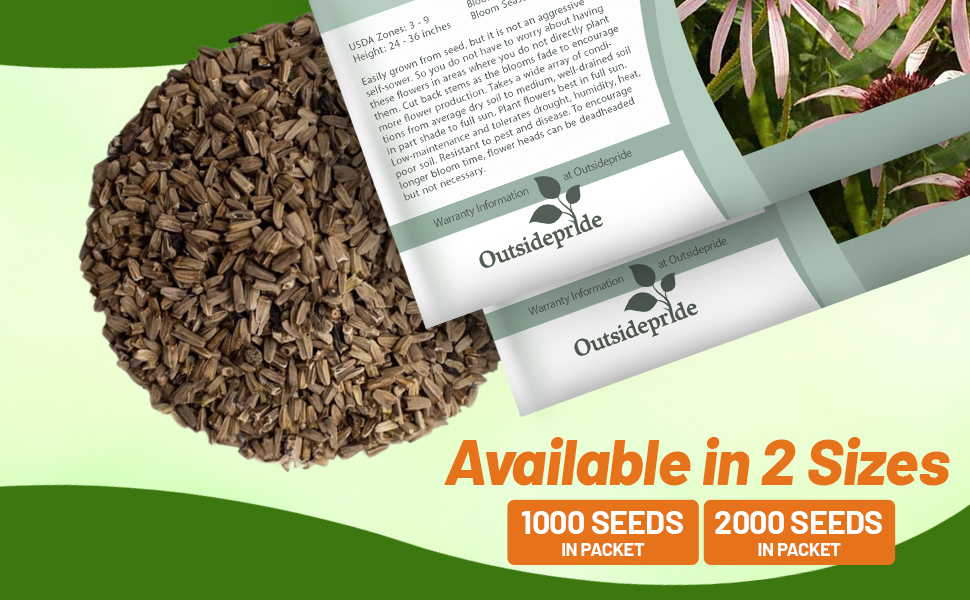
Echinacea Pale Purple Coneflower Flower Seed Packet For Planting
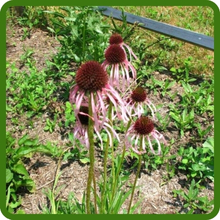
Echinacea pallida, or Pale Purple Coneflower, is a resilient perennial native to the U.S. It thrives outdoors in full sun, reaching a height of 2 to 3 feet and blooming in summer. With drooping, daisy-like pink petals surrounding a reddish-brown center, this flower attracts bees and butterflies, making it ideal for naturalizing landscapes. Start seeds in spring after frost, pressing them into the soil and keeping it moist; germination typically occurs in 28 days. This low-maintenance flower tolerates various soil types and conditions.
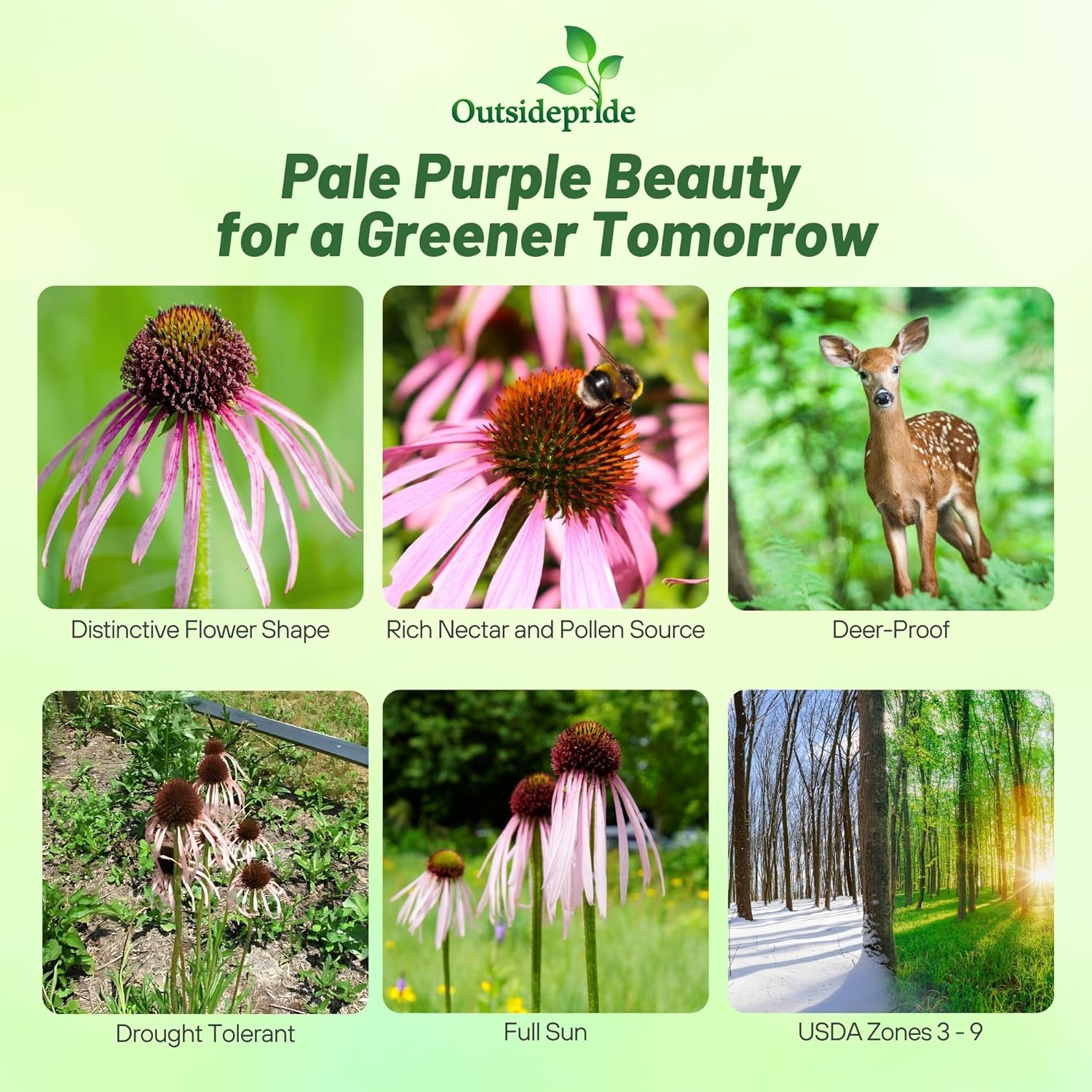
Distinctive Flower Shape of Pale Purple Coneflower
Distinctive Flower Shape
The Pale Purple Coneflower features a distinctive flower shape and is simple to grow from seeds. However, it is not an aggressive self-sower, so you won't have to worry about it spreading to areas where you haven’t intentionally planted the seeds. This makes it easy to manage in your garden while still enjoying its beauty.
Rich Nectar of Echinacea Pale Purple Coneflower Flowers
Rich Nectar and Pollen Source
It is visually striking and a rich source of nectar and pollen. Its abundant blooms attract beneficial pollinators like bees and butterflies, making it a valuable addition to any garden. By planting this perennial, you support your landscape with vibrant colors, creating a beautiful and lively outdoor space.
Drought Tolerant Pale Purple Coneflower Echinacea Flowers
Drought Tolerant
The Pale Purple Coneflower is highly drought-tolerant, making it an excellent choice for gardens in regions with limited water availability. This hardy perennial thrives in dry conditions while still producing vibrant blooms that add beauty to any landscape including dry black soil prairies, savannas, abandoned fields, and areas adjacent to railroads.
Deer Resistant Pale Purple Coneflower Flowers
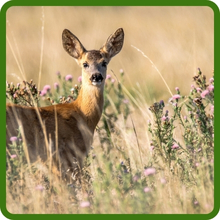
Deer-Proof
It is considered unpalatable to deer, making it a smart choice for gardeners looking to protect their plants from hungry wildlife. Its tough, unpalatable foliage helps keep deer at bay while still providing vibrant blooms that attract beneficial pollinators, ensuring a beautiful and thriving garden without the worry of damage from deer.
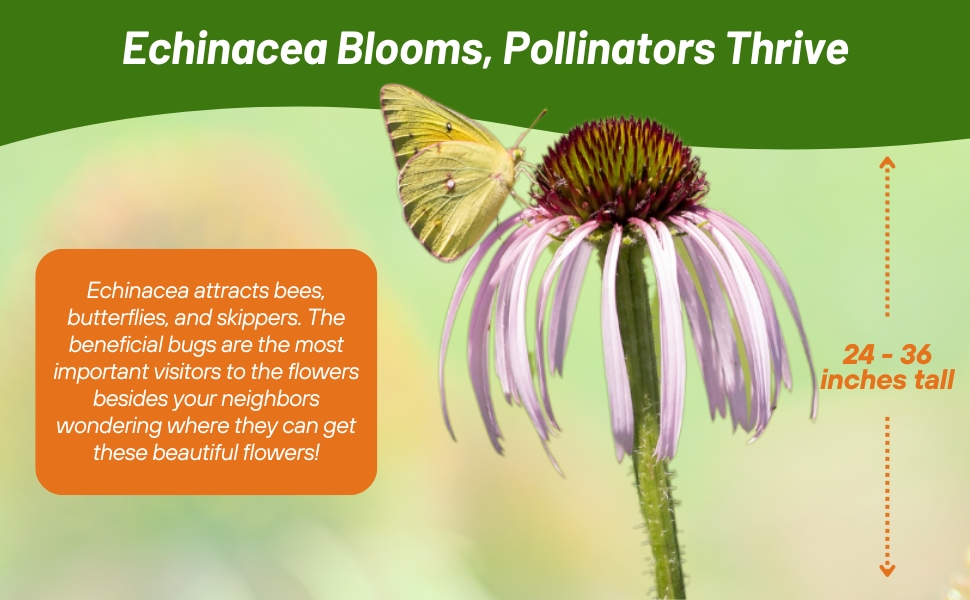
Pollinating Butterfly on Pale Purple Coneflower Flower
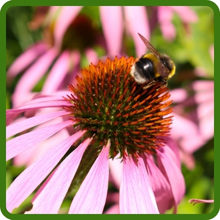
Echinacea pallida flowers not only enhance the garden but also create a thriving environment for pollinators. This plant draws in bees, butterflies, and skippers, which are essential visitors to the blooms. In addition to the beneficial insects, your neighbors will likely admire these stunning flowers, standing tall at 24 to 36 inches. The presence of Echinacea in your landscape not only adds beauty but also supports local ecosystems by providing vital resources for these important pollinators.
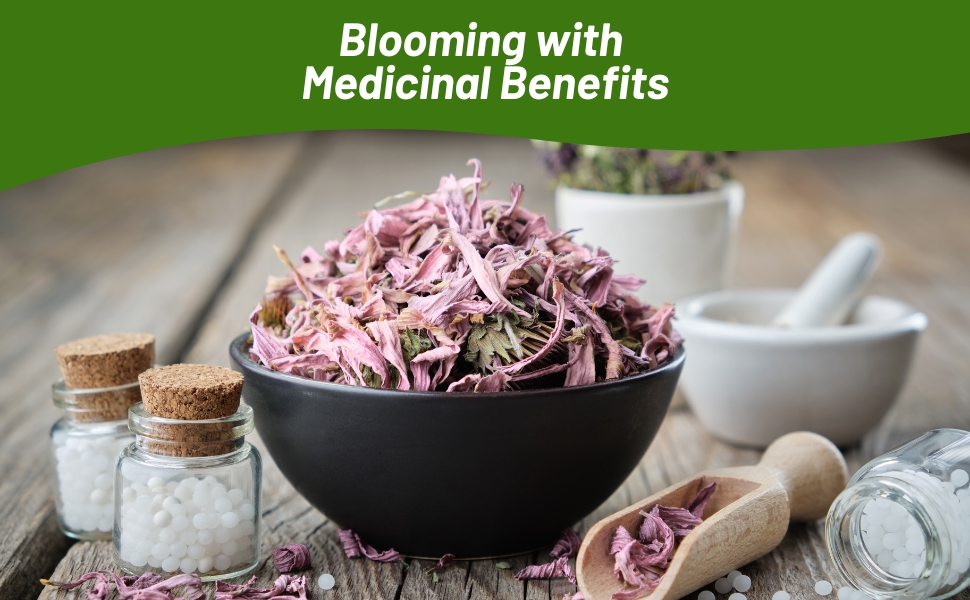
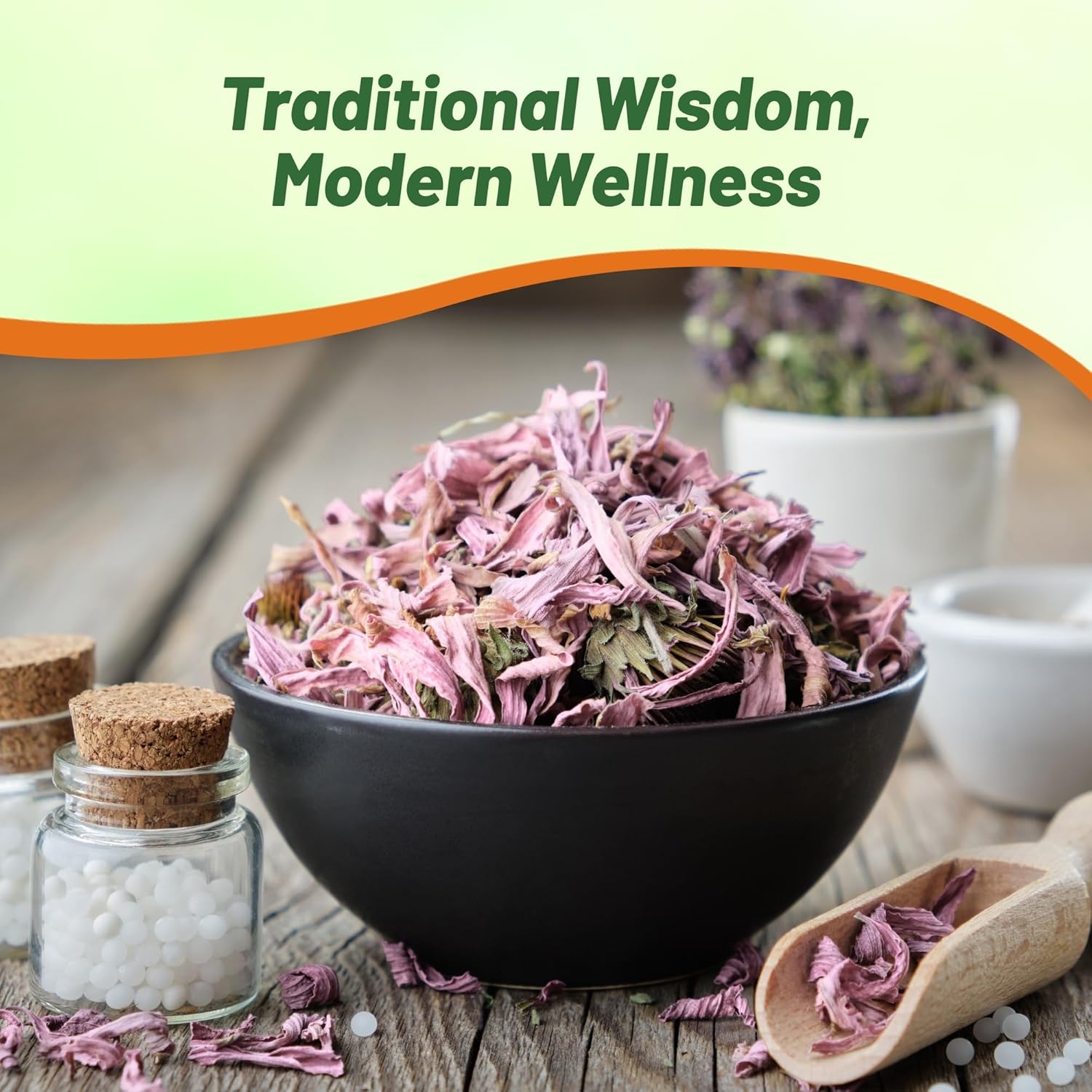
Medicinal Benefits of Pale Purple Coneflower Flowers
Begin by planting Echinacea seeds for this perennial wildflower, which is often regarded as an herb due to its various medicinal benefits. It is believed that this flowering plant has the ability to protect the immune system. The Pale Purple Coneflower experiences its peak growth during the spring and summer months. Compared to many other plants, it has a long lifespan and a moderate growth rate, making it a resilient choice for gardeners. With its attractive blooms and practical uses, this flower not only enhances your landscape but also provides valuable resources for health and wellness throughout its life.
Pale Purple Coneflower Planting Directions For Flower Seeds
Enhance your garden's beauty with the elegance of Echinacea pallida. For optimal growth, plant 3 to 4 seeds per plant, burying them approximately 1/8 to 1/4 inch deep in the soil with 12 - 18 inches spacing each plant. The best time to sow Pale Purple Coneflower seeds is in early to mid-spring, once the danger of frost has passed in your region. This timing ensures that your plants have the best chance to thrive and flourish, bringing vibrant color and charm to your outdoor space as they grow throughout the season.

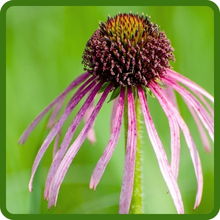
Pale Purple Coneflower (Echinacea Pallida) - Start Echinacea seed for this perennial, drought tolerant, wild flower that many people also consider to be an herb for its numerous medicinal purposes. It is believed that this flowering plant has the ability to boost the immune system. Pale Purple Coneflower is native to the U.S. and has its most active growth period in the spring and summer. It has a long life span relative to most other plant species and a moderate growth rate. At maturity, typical Echinacea Pallida plants will reach up to 3 feet high and can live 20 years. The flower itself is about 3 inches across, consisting of a prominent reddish brown cone of disk florets, which are surrounded by 12 - 20 light purple ray florets. Grow any place where water conservation is important.

Common Questions

Q

Does echinacea need full sun?

A

The echinacea plant grows best in full or partial sun. Give the plant at least six hours of sun a day.

Q

Do I need to deadhead my coneflowers?

A

Yes, to keep your purple coneflowers blooming you need to deadhead them as they fade.

Q

Will echinacea spread?

A

Echinacea spreads because it is naturally self-seeding, but only if you do not deadhead the blooms. If you don't want it to spread too much, you will need to weed out the volunteer seedlings.

Q

Do I need to divide my plants?

A

Coneflowers all become dense, and root bound over time causing blooms to be sparse. Dig up, divide and replant every 3 – 4 years to keep your plants thriving.

Videos

HOW ITS MADE