










-
CATEGORY ::
- All Seeds /
- All Ground Cover Seeds /
- All Sedum Seeds

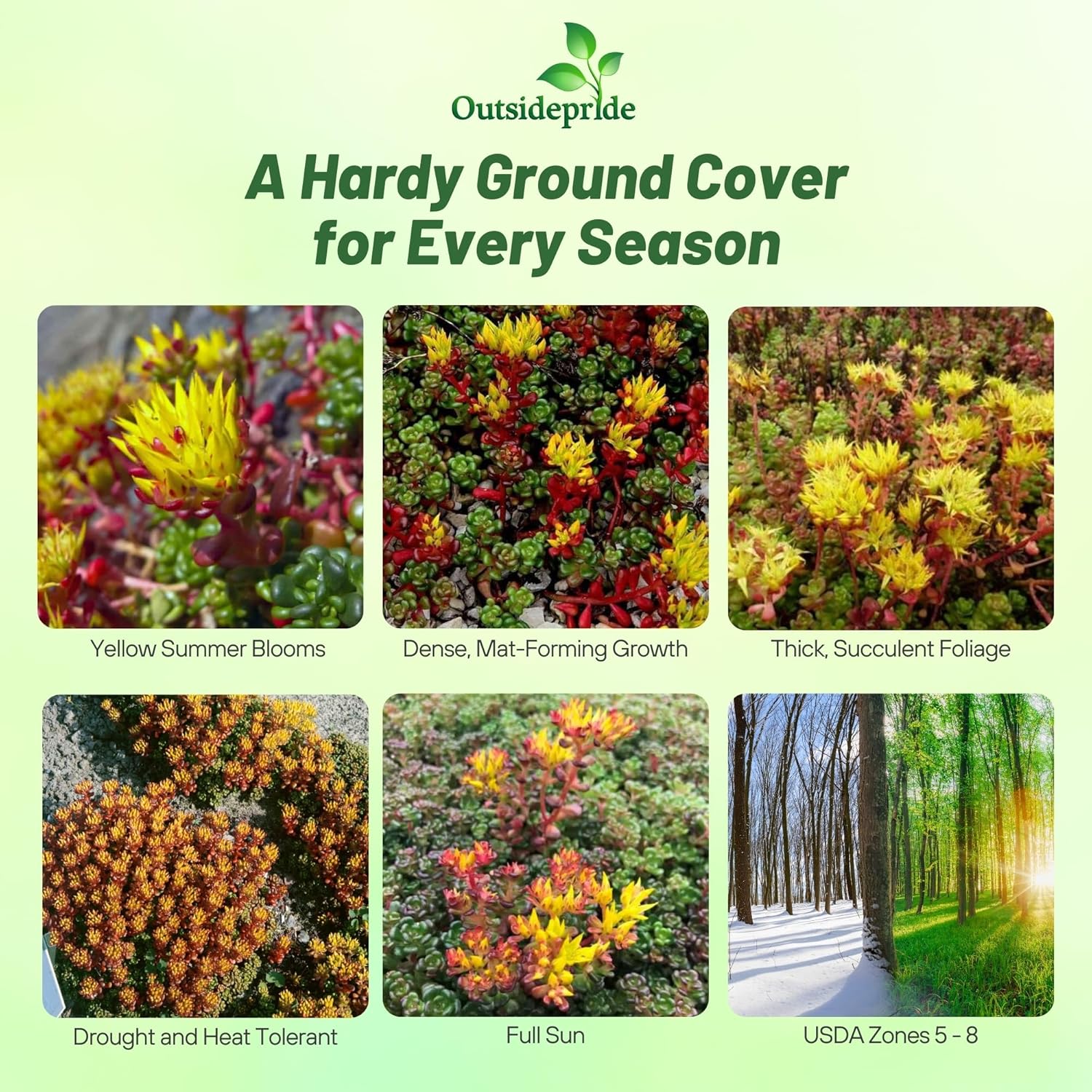
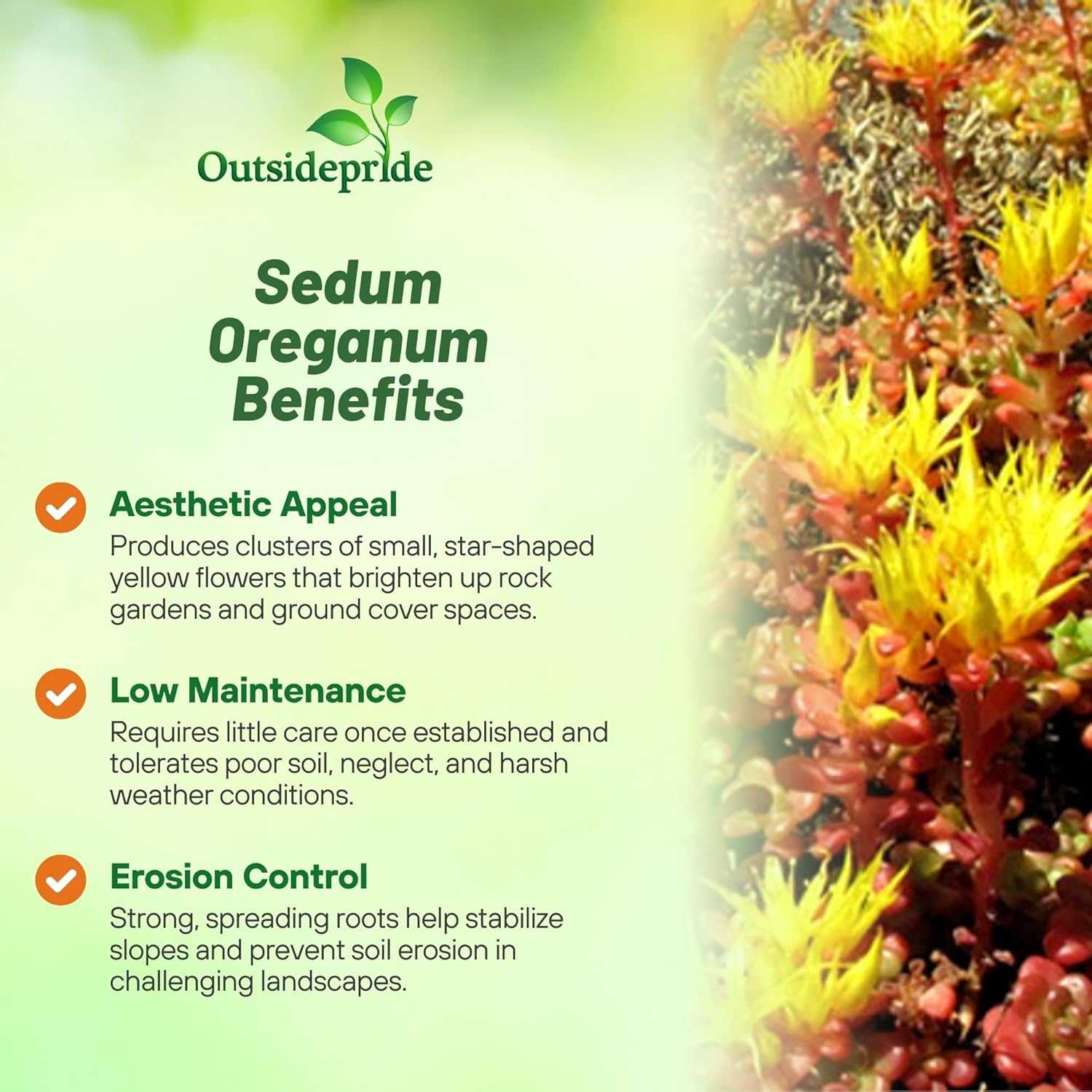

Sedum Oreganum Seeds

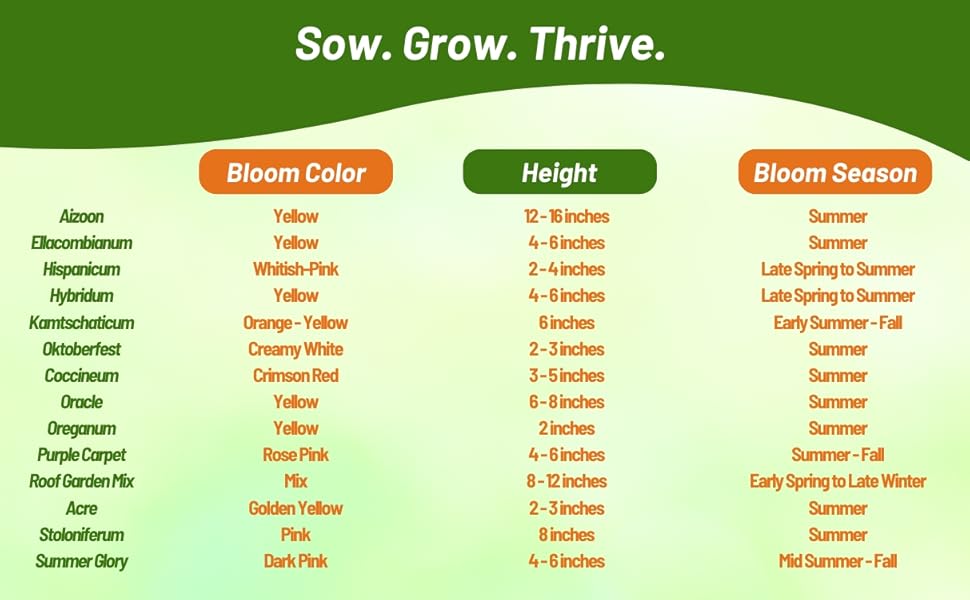
SEASON
Perennial

USDA ZONES
5 - 8

HEIGHT
2 inches

BLOOM SEASON
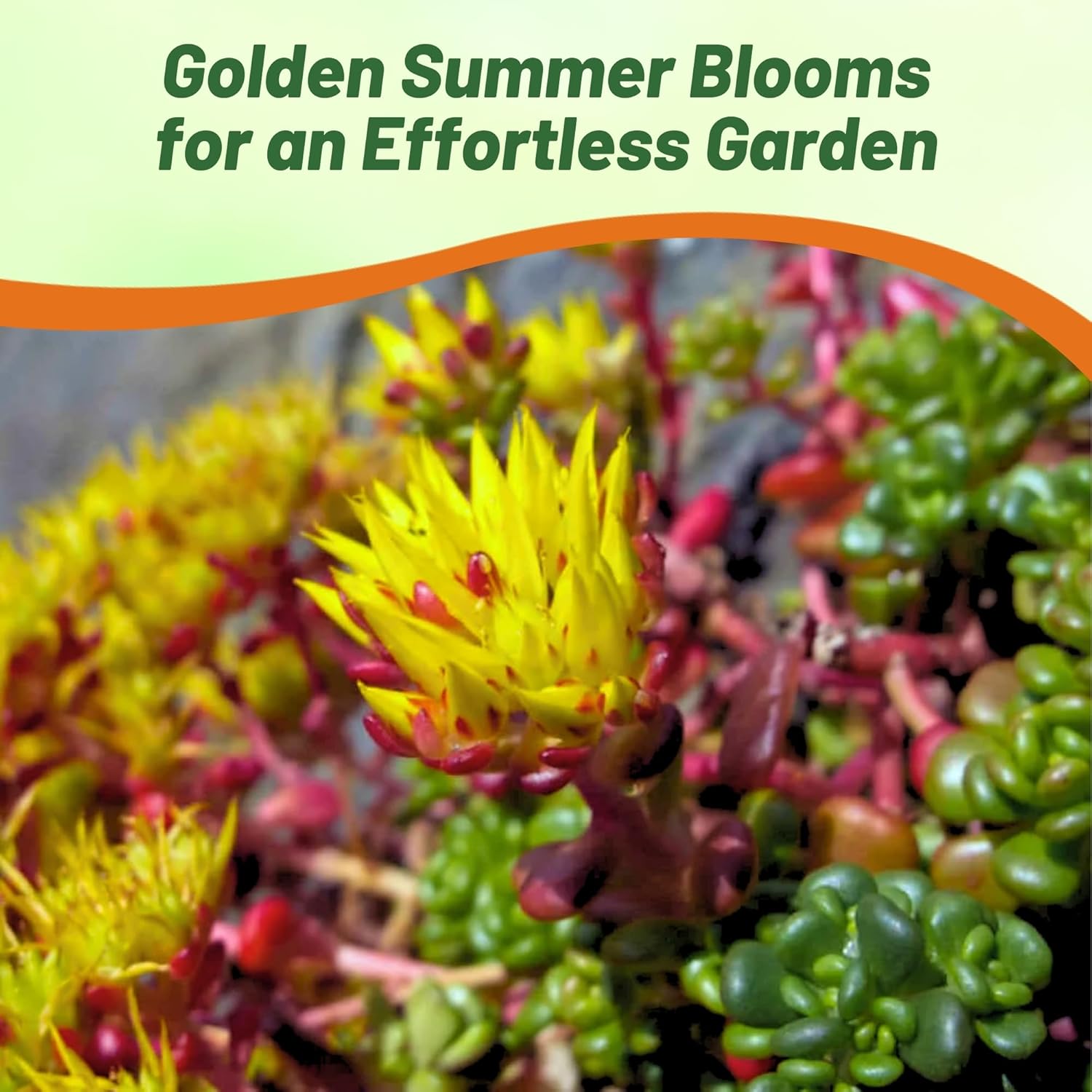
Summer

BLOOM COLOR
Yellow

ENVIRONMENT
Full sun

FOOT TRAFFIC
None

DEER RESISTANT
Yes

SOIL TYPE
Moist, well-drained soils, pH 5.8 - 6.8

FOLIAGE COLOR
Glossy evergreen

About...
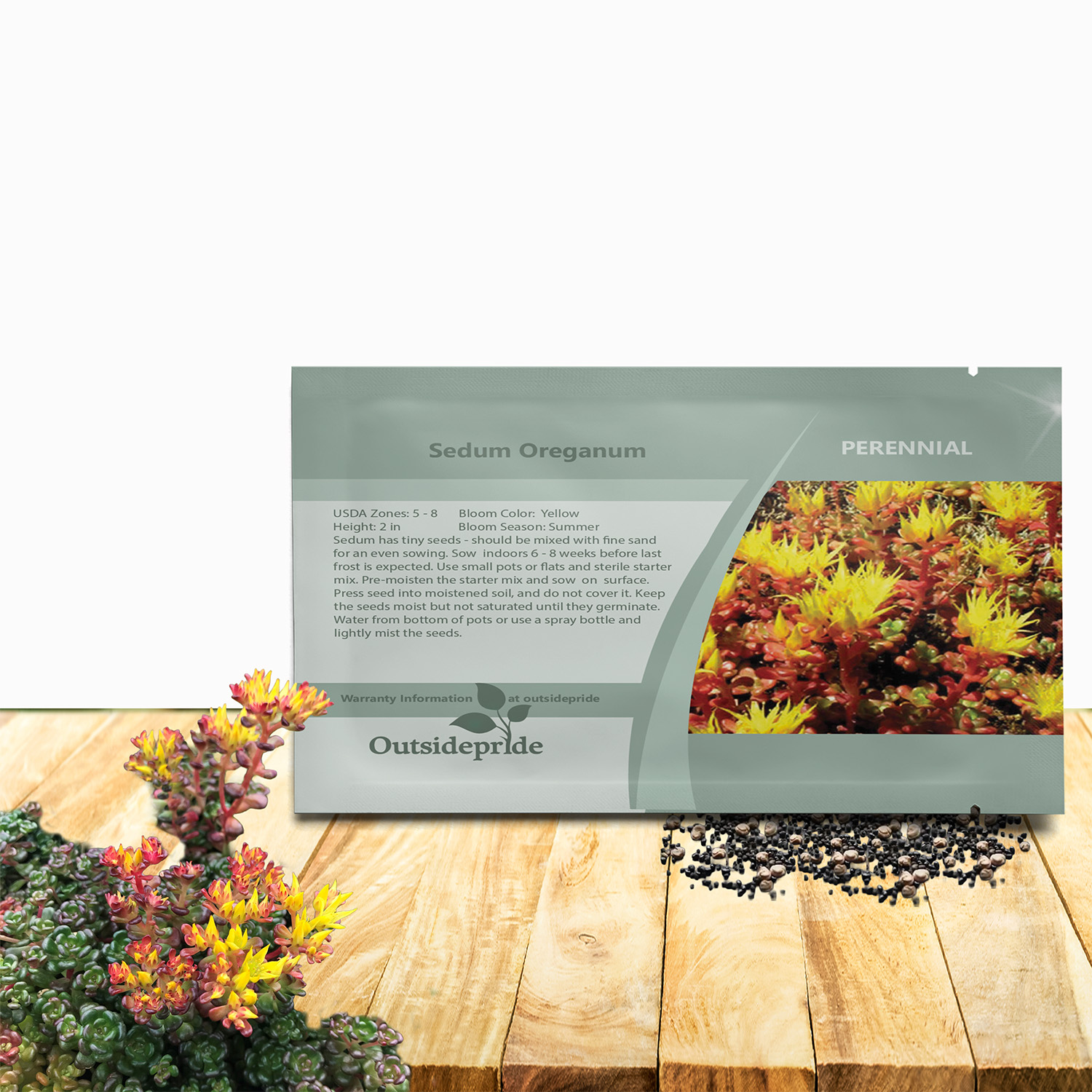
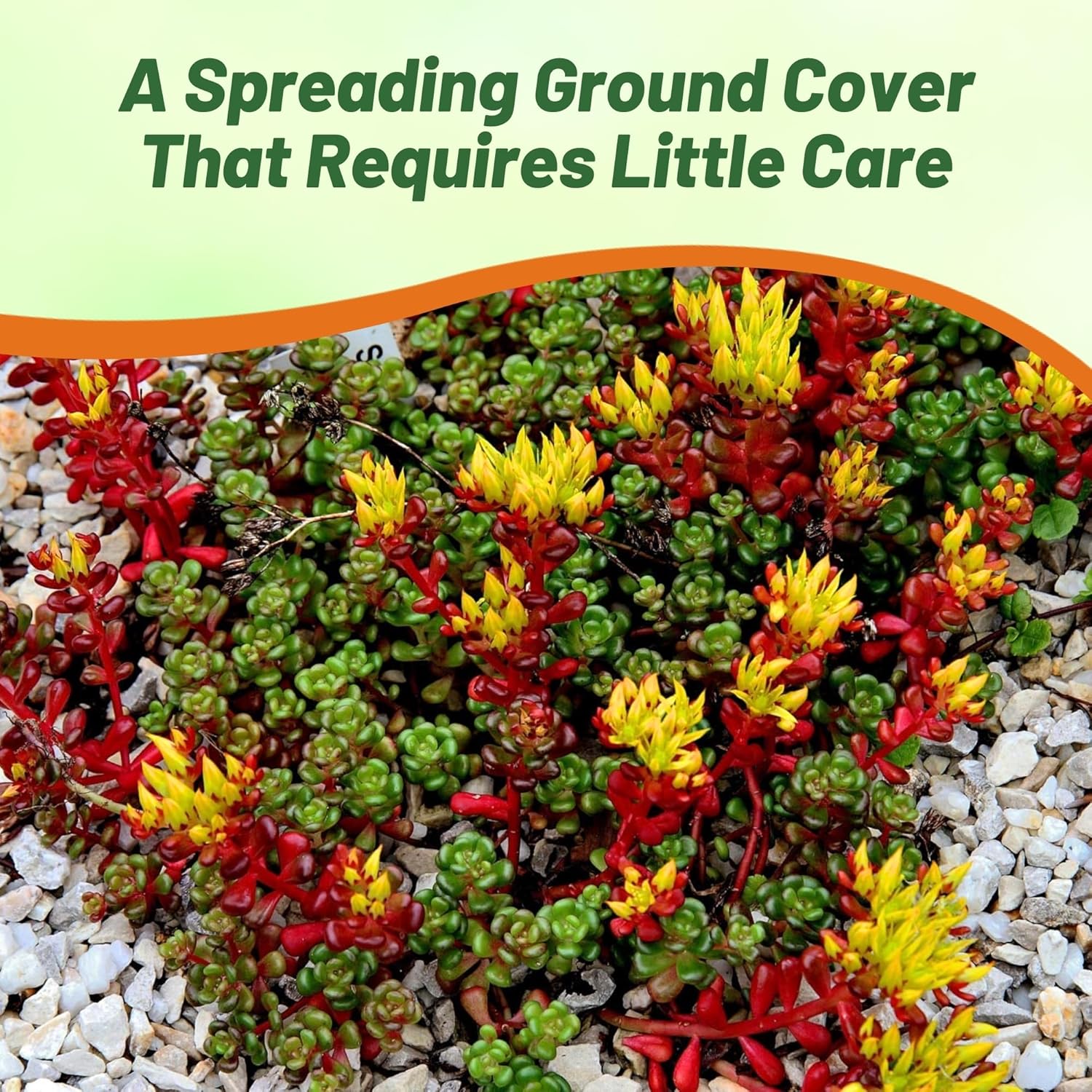
Sedum (Sedum Oreganum) - In the fall, the foliage can turn shades of orange or red. The bright yellow flowers appear in early summer on stems. It is lovely spilling over the edge of rocks, or planted along walkways or in-between stepping stones. Oregon Stonecrop easily establishes from Sedum Oreganum seeds.
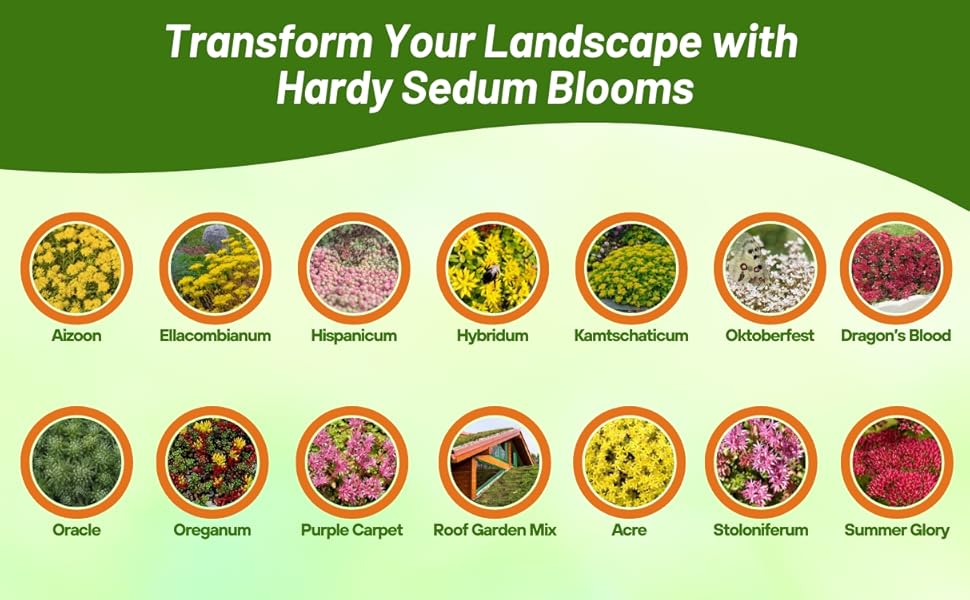
MORE SEDUM OPTIONS

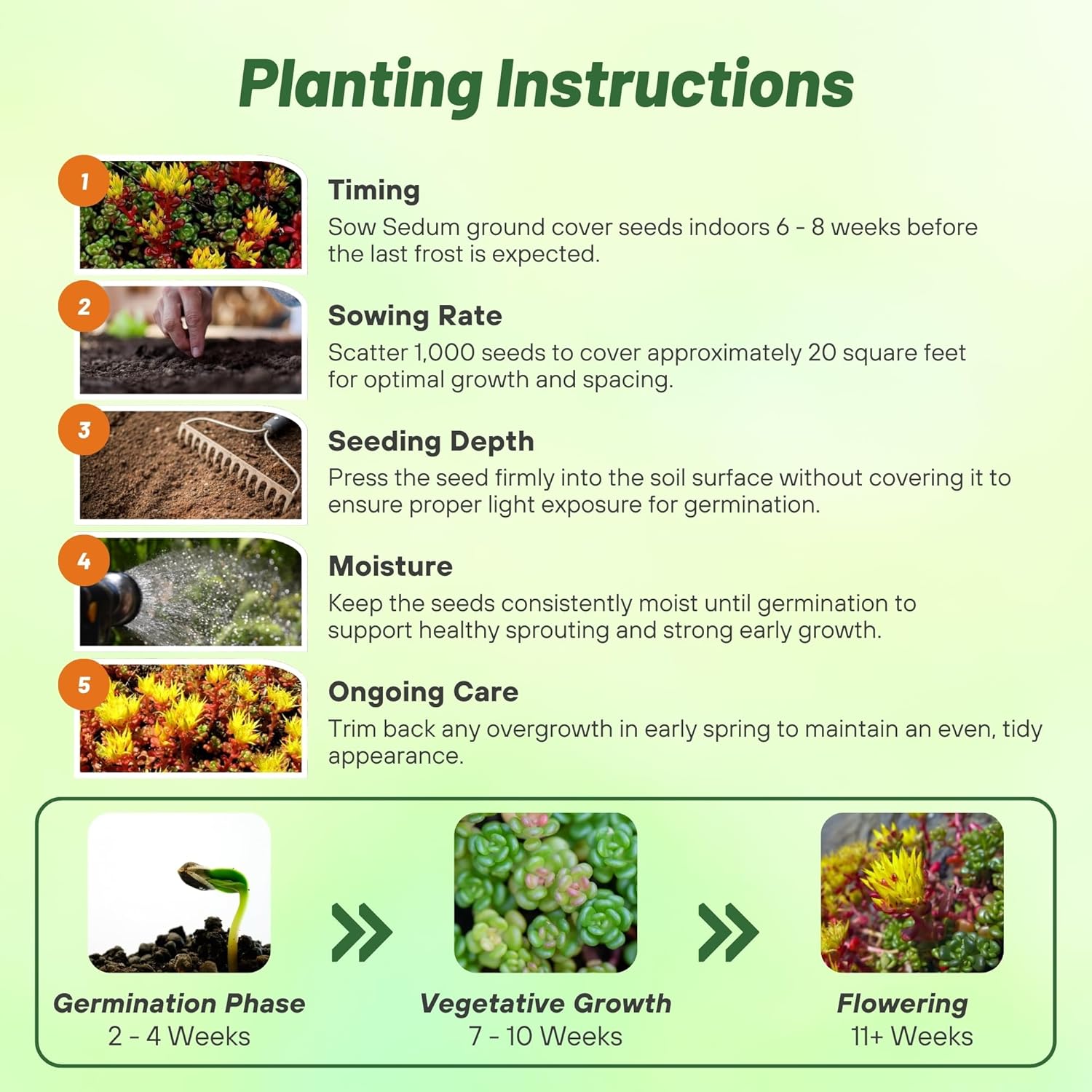
Planting Directions

TEMPERATURE
68 - 72F

AVERAGE GERM TIME
14 - 28 days

LIGHT REQUIRED
Yes

DEPTH
Do not cover the seed but press into the soil

SOWING RATE
1000 seeds covers approximately 20 square feet

MOISTURE
Keep seeds moist until germination

PLANT SPACING
24 inches
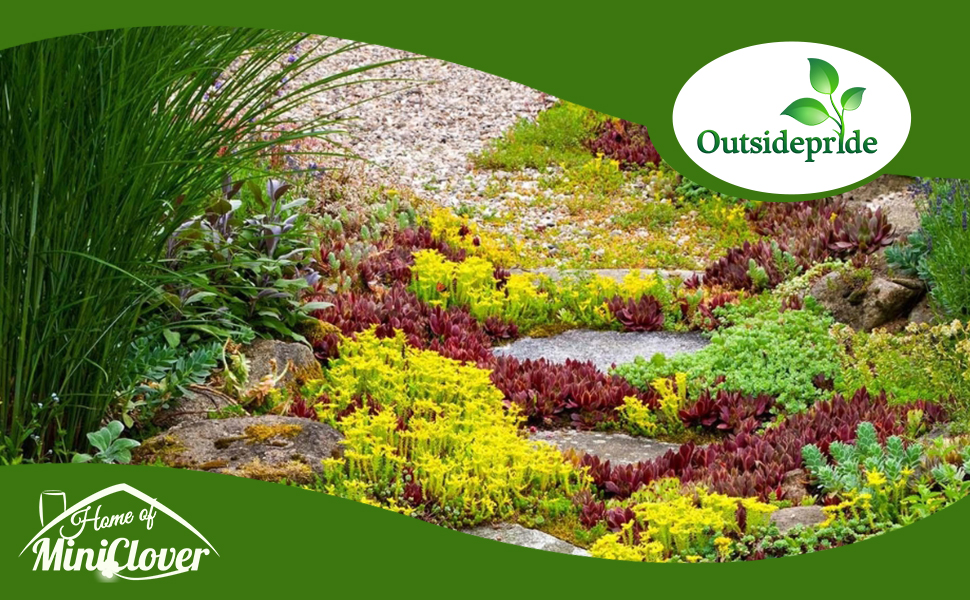

Sedum (Sedum Oreganum) - This is a versatile little perennial! Sedum ground cover plants work well in rock gardens, containers, window boxes, planters and xeriscape gardens. This Sedum is commonly referred to as Oregon Stonecrop as it is a native in the Pacific Northwest, but it adapts to a wide range of regions and can grow in zones 5 - 8. Oregon Stonecrop Sedum features succulent foliage that forms little rosettes. In the fall, the foliage can turn shades of orange or red. The bright yellow flowers appear in early summer on stems. It is lovely spilling over the edge of rocks, or planted along walkways or in-between stepping stones. Oregon Stonecrop easily establishes from Sedum Oreganum seeds and is very drought tolerant making it perfect for xeriscaping.
Well-drained soil is an absolute essential for growing Oregon Stonecrop, and full sun is the best environment. The more sun this Sedum Stonecrop plant gets, the more brilliant red the foliage will become. Most Oregon Stonecrop plants develop a reddish or purplish tinge when grown in dry sunny locations, or where it experiences extremes of temperatures. Fall brings out the best changes in foliage color.
Sedum has tiny seeds which should be mixed with fine sand for an even sowing. Sow Sedum ground cover seeds indoors 6 - 8 weeks before the last frost is expected. Use small pots or flats and sterile starter mix. Pre-moisten the starter mix and sow Sedum seeds on the surface. Press the seed into the moistened soil, and do not cover it. Keep the seeds moist but not saturated until they germinate. Water from the underside of the pots or use a spray bottle and lightly mist the seeds.
Common Questions
Will sedum attract pollinators to my gardens?
Yes, these are a great choice to attract pollinators such as butterflies to your garden.
Do I need to deadhead my plants?
No, sedum does not need any deadheading.
Do I need to prune my plants in the fall?
Yes, cutting back plants after flowering helps to maintain a tidy appearance and encourage bushier, studier growth.
Do I need to fertilize my sedum plants?
No, sedum does not need supplemental fertilization. Plants prefer nutrient poor soil and can become weak and leggy in soil that is too rich.
Can I grow in containers?
Yes, sedum does well in containers as long as you provide excellent drainage.
Videos