







-
CATEGORY ::
- All Seeds /
- All Pasture Seed /
- All Pasture Grasses
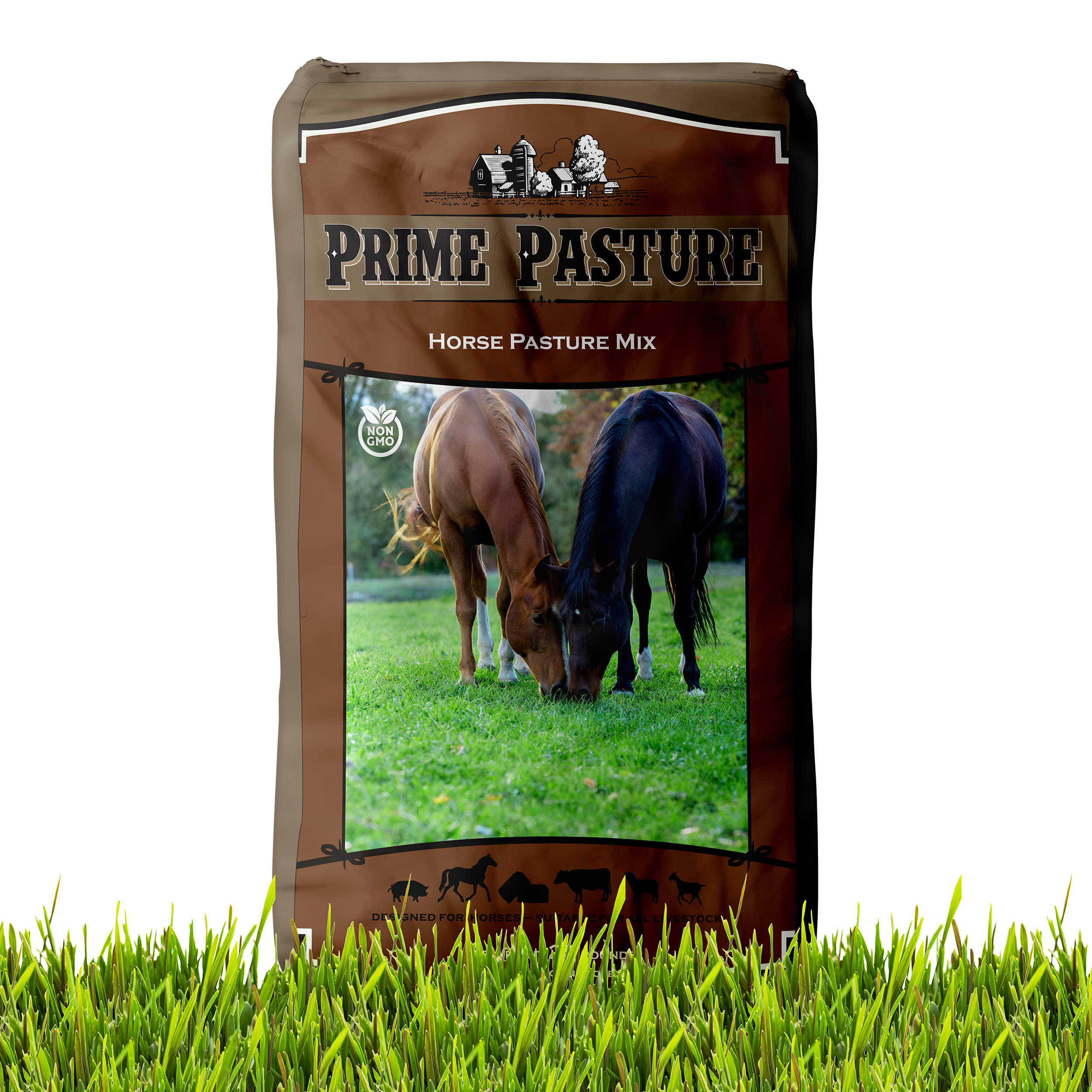

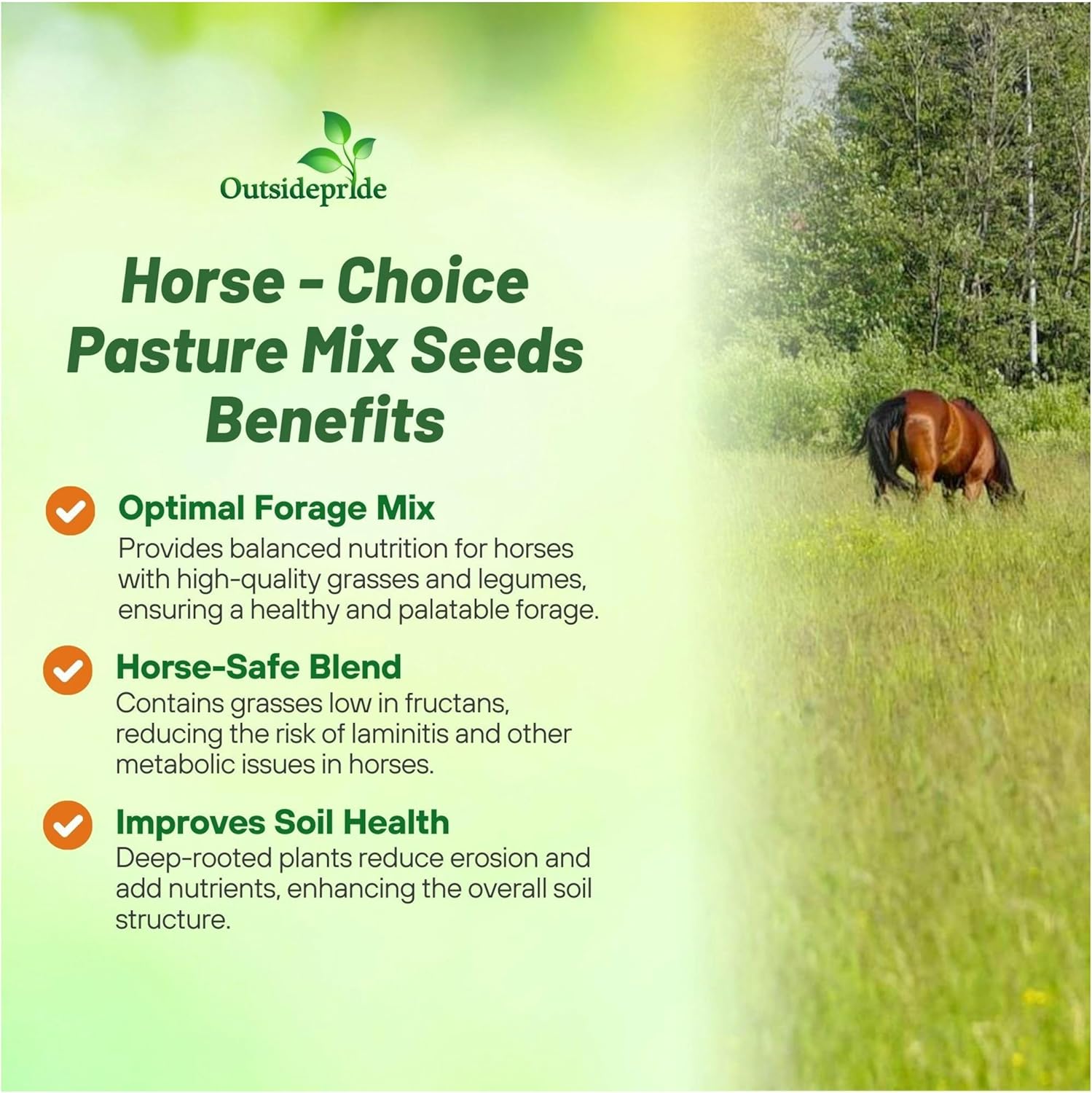
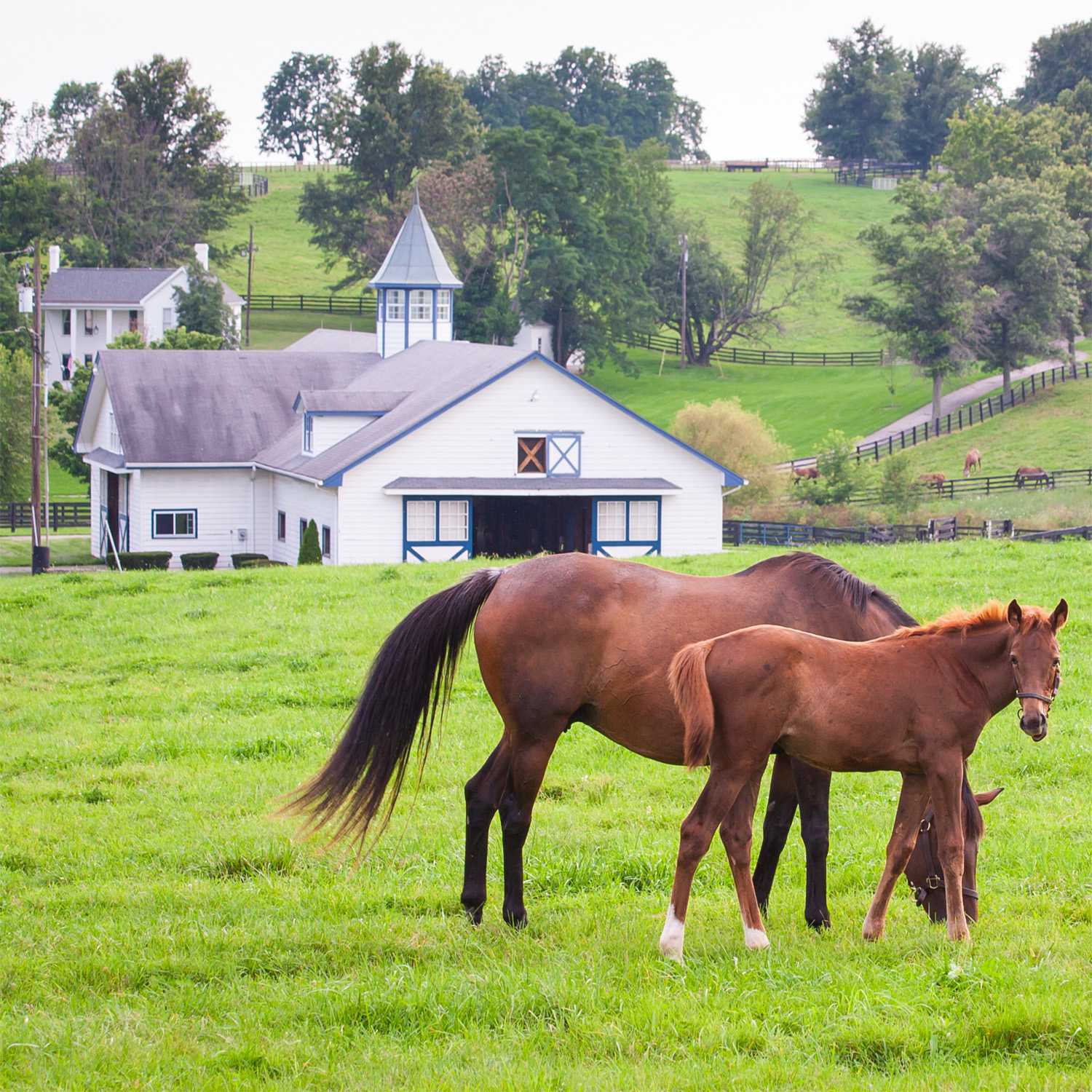
Horse - Choice Pasture Seed Mix

SEASON
Perennial

HEIGHT
36 - 60 inches

ENVIRONMENT
Full sun to partial shade
USDA ZONES
3 - 8


LATIN NAME
Lolium multiflorum
SEASON
Annual

WHEN TO PLANT
Spring - 6 weeks before first frost

MOISTURE REQUIREMENTS
Moderate
CROP HEIGHT
12 - 36 inches

COLD TOLERANCE
Excellent

HEAT TOLERANCE
Moderate - high

SHADE TOLERANCE
Fair - moderate
DAYS TO MATURITY
80 - 100 days

PLANT CHARACTERISTICS
Palatable, quick establishment, high yield
LATIN NAME
Echinochloa esculenta
SEASON
Annual
HEIGHT
36 - 60 inches
WHEN TO PLANT
Late Spring to early Fall
MOISTURE REQUIREMENTS
High
COLD TOLERANCE
Poor
HEAT TOLERANCE
Excellent
SHADE TOLERANCE
Poor
DAYS TO MATURITY
50 - 60 days

IDEAL FOR
Grain, waterfowl, food plots
LATIN NAME
Koeleria macrantha
SEASON
Perennial
USDA ZONES
3 - 9
ENVIRONMENT
Full sun to partial shade
HEIGHT
6 - 24 inches
IDEAL FOR
Lawns & pastures
PLANT CHARACTERISTICS
Warm season

ESTABLISHMENT RATE
Fast
MOISTURE REQUIREMENTS
Low

ACIDIC SOIL TOLERANCE
Excellent

SALINITY TOLERANCE
Good
COLD TOLERANCE
Moderate
SHADE TOLERANCE
Poor

WEAR TOLERANCE
Moderate

THATCH TENDENCY
Low

FERTILIZER NEEDS
Low
HEIGHT
12 - 24 inches
SEASON
Perennial
LATIN NAME
Festuca idahoensis
SEASON
Perennial
USDA ZONES
4 - 8
ENVIRONMENT
Full sun to partial shade
HEIGHT
14 inches
LATIN NAME
Elymus glaucus
SEASON
Perennial
USDA ZONES
3 - 9
ENVIRONMENT
Full sun to partial shade
HEIGHT
24 - 60 inches
LATIN NAME
Poa pratensis
SEASON
Perennial
HEIGHT
12 - 36 inches
ENVIRONMENT
Full sun to partial shade
USDA ZONES
2 - 7
About...
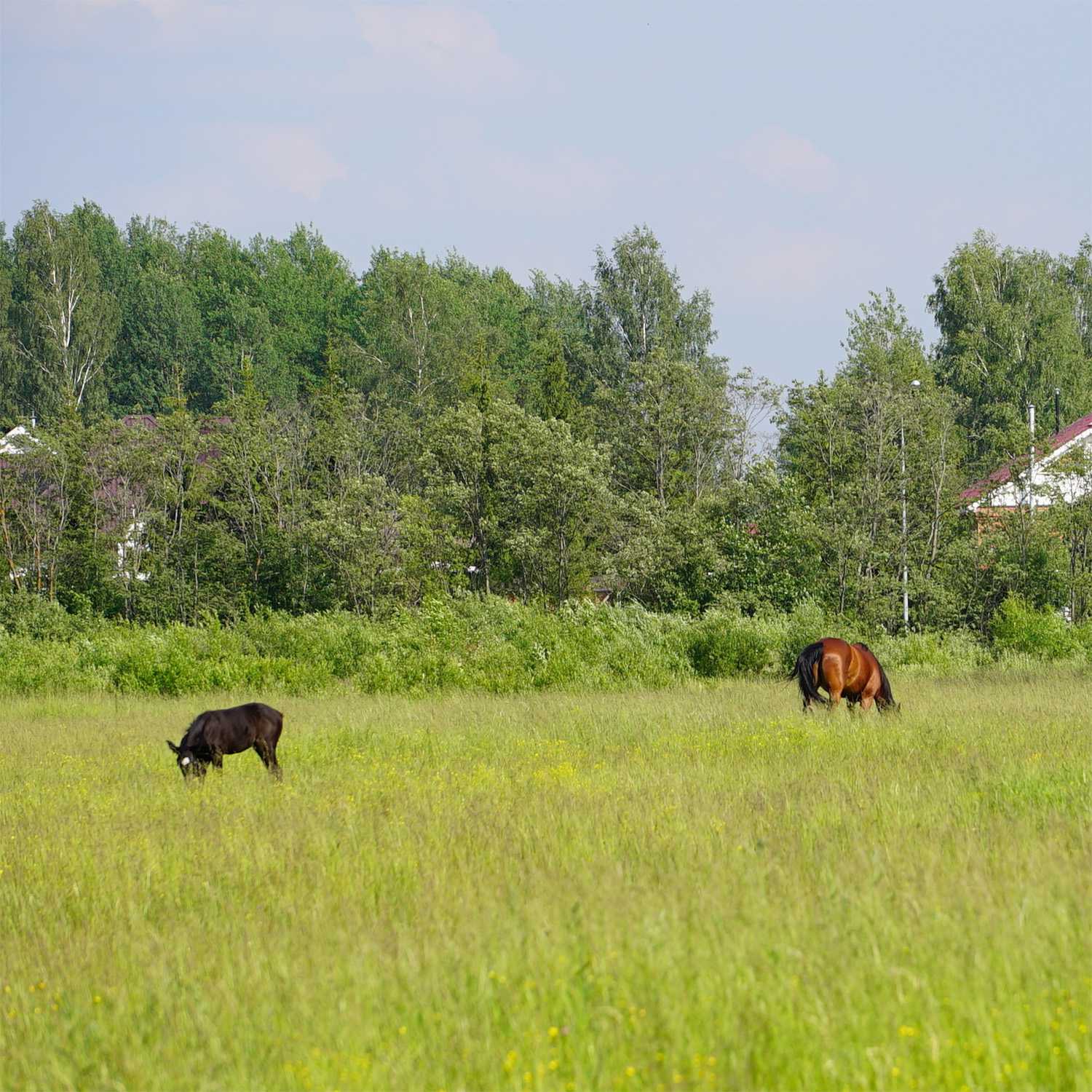
Professional's Choice horse pasture grass seed mixture was designed for horse pastures but is often used other livestock when legumes are not desired.
MORE PASTURE GRASSES OPTIONS
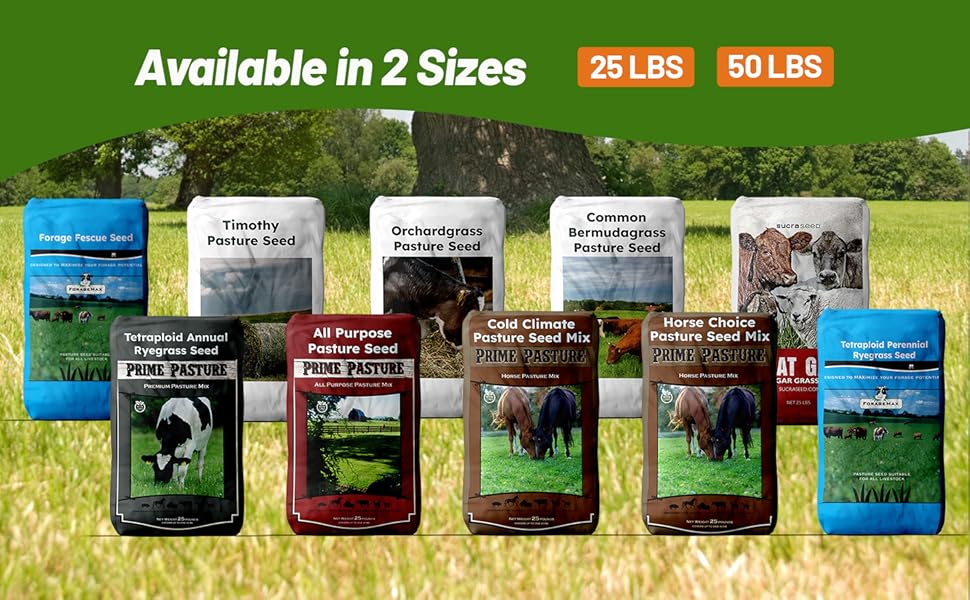
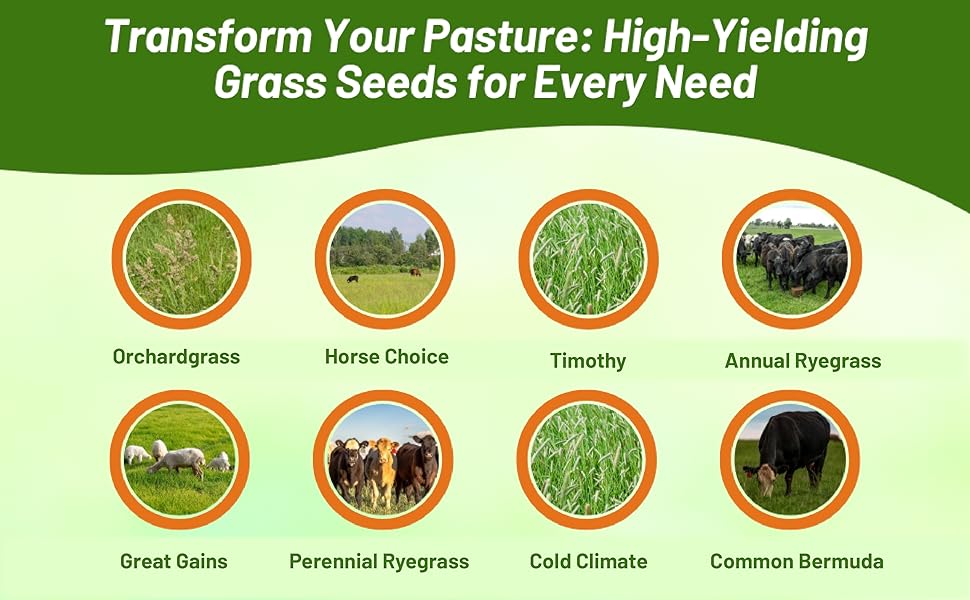
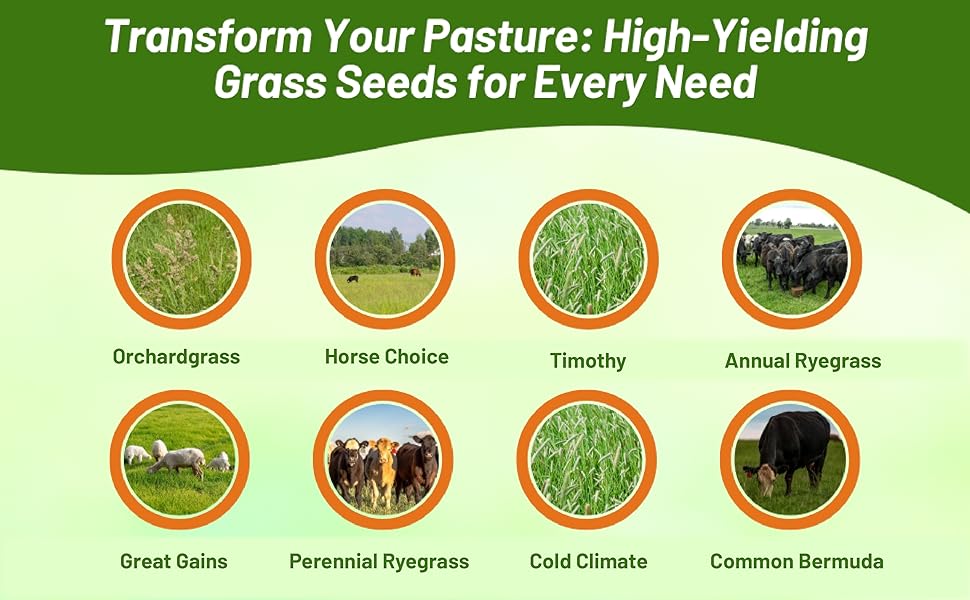
Professional's Choice horse pasture mixture consists of orchardgrass, timothy, endophyte-free tall fescue, and Italian ryegrass. While designed primarily for horse pasture, this mixture is often used for other livestock pastures where legumes are not desired.
When you put orchardgrass, timothy, fescue, and Italian ryegrass together you have a winning pasture combination with high production for years to come. Works well in any region of the United States except the deep South unless fall overseeding.
Approximate Percentages:
- 35% Amba Orchard Grass
- 25% Safe Tall Fescue
- 25% Corral II Intermediate Ryegrass
- 15% Climax Timothy
Timothy
Timothy is a winter-hardy bunchgrass that is easy to establish, and is well known for premium horse hay. Adapted to fertile, moist, medium heavy soils around the country. Responds rapidly to fertilization. Timothy mixes well in combination with other grasses and legumes. Timothy is easy to establish new pastures, and to over-seed old pastures that need rejuvenated.
Safe Tall Fescue
Safe is adapted to about the same area as Kentucky-31 but matures about 7 to 10 days earlier. The two varieties have similar disease resistance. Safe has consistently been the highest yielding tall fescue variety in North Carolina tests for the past several years, generally producing 8,000 to 12,000 lb of dry forage, and one year producing 14,400 lb.
Corral II Intermediate Ryegrass
Intermediate ryegrasses are generally longer lived than common annual and western types and tend to be bi-annual in nature. They are quick to establish, high yielding and being tetraploid, they are highly digestible. They are very suitable for silage, hay production and grazing. Heading dates are usually late in May. Benefits include increased animal production, increased yields, palatability & intake, quick utilization of forage. Ryegrass does well in soils with a wide pH range from 5 - 8.
Orchard Grass
Orchard grass is a rapid growing bunch grass which has the ability to grow on relatively poor soils. Orchard grass is generally the earliest maturing cool season grass. It is usually one week earlier in maturity than tall fescue and two weeks earlier than smooth brome grass. When selecting a variety consider finding a cultivar that is later in maturity and has resistance to rust. If adequately fertilized, production is distributed well through the growing season. It does well in drought and in dry land conditions. Needs lime on acidic soils.
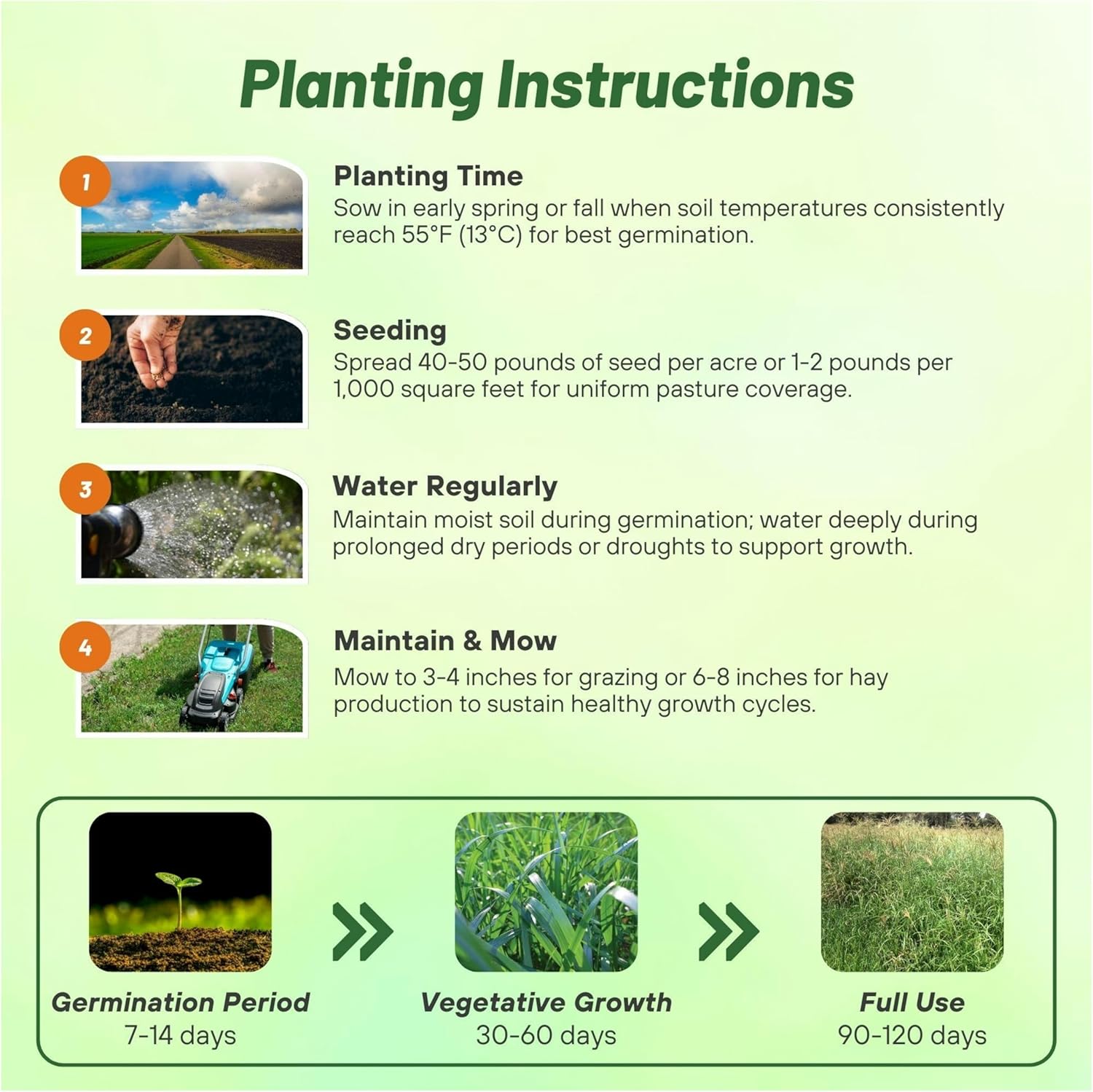
Seeding Rate
40 to 50 lbs/acre.

Planting Directions

SOWING TEMPERATURE
50F - 65F

SEEDING RATE
30 - 40 lbs per acre
AVERAGE GERMINATION TIME
5 - 14 days

PLANTING DEPTH
1/4 inch

SOWING METHOD
Broadcast or drill
ENVIRONMENT
Full sun
USDA ZONES
3 - 9
ESTABLISHMENT RATE
Rast
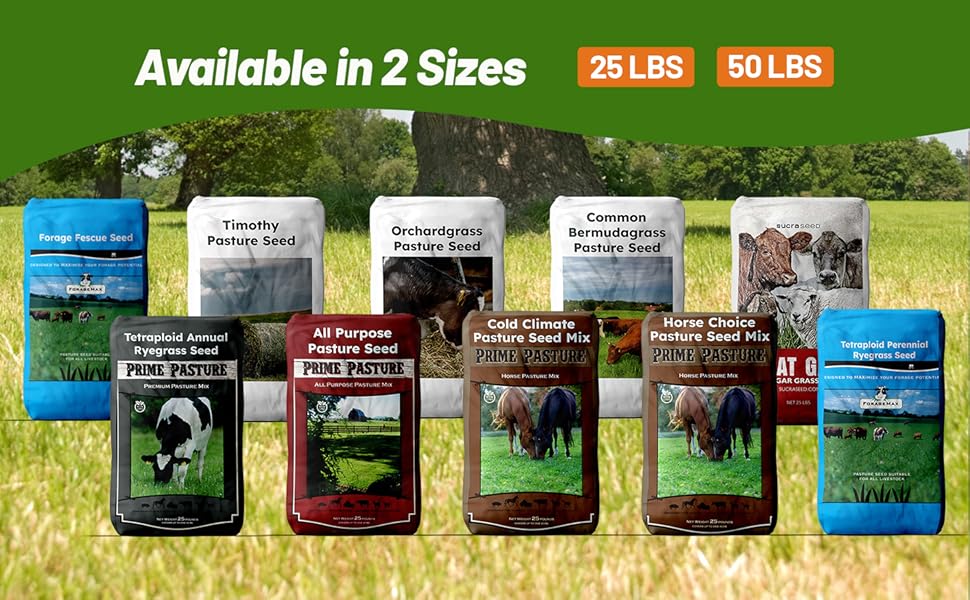
Tetraploid annual ryegrass that has larger leaves, a higher water content, and better palatability than many diploid varieties. This ryegrass will produce high quality feed for use as pasture, hay or silage. It was bred for vigor, disease resistance, and high performance. It is highly resistant to the major forage diseases including crown and leaf rust, leaf spot/scald, powdery mildew, and pythium blight.
Produces excellent succulant long-term grazing if sown alone or in combination with fall-sown small grains and annual clovers. It is a new generation ryegrass with exceptional plant vigor, forage yielding ability, stress tolerance, and disease resistance.
Protein content is in the 24 to 40% range depending on nitrogen levels applied and stage of growth at harvest.
Annual ryegrass can be used to quickly stabilize disturbed sites subject to erosion because seedling establishment and root growth are rapid. This makes this rye grass and excellent choice for quick erosion control, a cover crop, or for pasture uses.
Specifications
- New Seeding Rate: 30-40 lbs/acre/broadcast
- Grazing Use: Beef, Dairy, Sheep, Horse, Ratite
- Maturity: Late
- Hay: Excellent
- Silage/Green Chop: Excellent
- Controlled Grazing: Excellent
- Set Stocking: Excellent
- Crop Land Pasture: Good
- Drought Tolerance: Low
- Wet Soil Tolerance: Moderate
- pH Range: 5.0 - 8.0
- Fertility Requirements: Medium-High
Planting Directions
SOWING TEMPERATURE
65F +
SEEDING RATE
25 - 35 lbs / acre
AVERAGE GERMINATION TIME
3 - 5 days
PLANTING DEPTH
1/2 - 3/4 inch
SOWING METHOD
Broadcast or Drill
ENVIRONMENT
Full sun
USDA ZONES
3 - 9
ESTABLISHMENT RATE
Fast
A common practice is to plant Japanese millet in a low area or slough, then allowing it to flood after it gets large enough to stand above the water level; however, soil temperatures should be above 65F when planting this warm season annual. Although Japanese millet is most commonly used for waterfowl, it is also quite drought and heat tolerant and will produce grain with very little rainfall. Many wildlife species will utilize the grain as the millet matures and falls over, making the grain easily accessible.
Japanese millet can also be used for a cover crop, forage and grazing, and many types of wildlife besides birds.
- Upright, warm-season, summer annal grass that grows 3 to 5 ft tall
- Quick germination and emergence in 3-5 days under ideal growing conditions
- Tolerates wet soils prone to flooding or ponding better than other millets
- Excellent at scavenging nitrogen and preventing erosion
- Finer stems than pearl millet or sorghums, great for grazing
- Wait to plant until soil is 65 degrees Fahrenheit
Seeding Rate: 25 - 35 lbs per acre
Prairie Junegrass (Koeleria macrantha) - Also known as June Grass. This native, widely-distributed cool-season, perennial prairie grass will flower earlier than many other upland prairie grasses. Its plumes of silvery-green seed heads turn tan by mid-summer. The foliage supporting these seeds is also an attractive green-gray color. June Grass actively grows during the spring and fall when soil temperatures are cool and likes full sun and dry, medium to moderately fine soil textures that are well-drained. Often used for green roofs.
It usually grows between 6 and 24 inches tall. This is one of the first grasses to green-up in the early spring. It is used for reclamation, range improvement, and as an ornamental. Mostly found in elevations from 4,000 – 12,000 feet. Drought-tolerant; deer resistant; landscape uses include rangeland revegetation, grazing, meadowscapes, pollinator gardens and rock gardens. It grows well under Black Walnut trees; tolerates air pollution making it a good fit for the urban environment which is why it is used for green roofs.
Due to its early spring greenup, it provides good early spring forage and fair late spring forage for livestock. It is considered a fair to good forage for elk throughout the year and is desirable forage for deer and antelope in the spring and early summer. Prairie junegrass is used as a component of native seed mixtures in revegetation of mined lands, heavy use areas and other surface disturbed lands. Prairie junegrass is cold, heat and drought tolerant and grows on rangeland meadows, plains, mountain foothills and open forestlands.
- Sun Requirements: Best in full sun, but tolerates partial shade or light shade.
- Habitat: Commonly found in dry prairies, open forestlands, and rocky slopes, indicating adaptability to dappled light. Also used for green roofs.
- Soil/Moisture: Thrives in dry to medium-moisture, well-drained soils, including rocky or sandy soils. Short-lived on wet, poor draining soils.
- Performance: It is considered good forage in early spring, but as it matures in later spring, it becomes tough and less palatable. This grass has moderate to high tolerance to grazing. Prairie junegrass tends to increase in percent cover following fire events and is very resistant to fire.
- Usage: Often used in landscaping for its fine texture, high drought resistance, and ability to handle, to a small extent, some shade and foot traffic. Also used for ecological restoration, soil stabilization on disturbed sites, and sustainable landscaping.
- Seeding Rate: 0.5 to 1 lb PLS (Pure Live Seed) per acre for restoration, to 1 - 2 lbs per 1,000 square feet for, intensive planting or landscaping. For larger areas, 6 - 8 lbs per acre is used for drilling, while 12 - 16 lbs is recommended for broadcasting. Plat very shallow: 1/8 to 1/4 inch deep
Planting Directions
SOWING TEMPERATURE
65F +
WHEN TO PLANT
Recommended planting time is spring and summer when night time tempera...more Recommended planting time is spring and summer when night time temperatures are consistently 65+ degrees and 3 months prior to first frost...less

AVERAGE GERM TIME
21 - 30 days

DAYS TO FIRST MOWING
4 - 8 weeks
PLANTING DEPTH
1/4 inch
SOWING METHOD
Broadcast or drill

MOWING HEIGHT
3 to 5 inches
ENVIRONMENT
ZONES
- Adaptability: Thrives in acidic, sandy soils and tolerates both cold and heat, making it more cold-tolerant than other Bahiagrass varieties.
- Drought Tolerance: Known for an extensive root system that can reach 7 – 10 feet deep, requiring little to no supplemental watering or fertilizer.
- Low Maintenance: Requires less fertilizer and water than other grasses, though it produces many seed heads, requiring frequent mowing (every 10 days or so) to manage.
- Growth Rate: Rapid, aggressive growth during warm weather allows it to form a dense sod that resists disease and pests.
- Seeding Rate: For new lawns, use 4 to 8 lbs per 1,000 sq ft. For pastures, 25 - 50 lbs per acre is recommended.
Bahiagrass is a warm-season grass that produces more grazing in the summer than winter mainly for cattle. Bahiagrass is established by seeds and can tolerate drought, sporadic flooding, low soil fertility, and close grazing. Most forage production occurs from April through September. Stands can be overseeded with cool season annuals in the fall to extend the grazing season.
- Application or Use: Lawns, Pasture, Ground Cover, Livestock Grazing, Cover Crop, Erosion Control
- Germination Time: 21 - 30 days, under optimal conditions
- Growing Locations: Warm Season Zone, Transition Zone
- Height: Lawn: 3 - 5 inches - Pasture: 8 - 20 inches
- Sunlight Requirements: 8+ hours, full sun for best results
- Tolerance: Drought tolerance, and exceptional insect and disease resistance; moderate tolerance to sandy soils.
- When to Plant: Recommended planting time is spring and summer when night time temperatures are consistently 65+ degrees and 3 months prior to first frost.
- Watering: It is highly drought-tolerant, entering a brown, dormant state during extreme dry spells rather than dying, but it prefers roughly 1 - 1.5 inches of water per week.
- Fertilization: Requires very little; one application in spring and one in early summer is usually sufficient.
Idaho Fescue (Festuca idahoensis) - This grass is an attractive, fine bladed tufted perennial bunchgrass. Idaho fescue is tolerant of weakly saline, weakly alkaline and acidic soil conditions. One of the most common and widely distributed grasses throughout the Western U.S. It prefers silt loam or sandy loam soils and is occasionally found on loamy sand soils. Exposed benchlands, hillsides and ridges, parks, meadows, forestlands, and open ponderosa and lodgepole pine stands are common habitats. It is an excellent range grass and useful in erosion control and is frequently a component of native seed mixtures. This versatile grass is an excellent choice for planting under oaks and other trees as it is moderately shade tolerant. It provides valuable forage for wildlife while adding texture and color contrast to the landscape.
It grows on all exposures and under a wide variety of soil conditions. It has excellent cold tolerance, moderate drought tolerance, and moderate shade tolerance. It is not as drought tolerant as sheep fescue and its drought tolerance is similar to that of hard fescue. It is not tolerant of high water tables or flooding. It produces an extensive, deep root system an is excellent for erosion control. Its drought tolerance, combined with extensive root systems and good seedling vigor, make this species ideal for reclamation in areas receiving 14 to 20 inches of annual rainfall.
Idaho fescue is a good forage for all types of domestic livestock especially cattle. It is good year-around forage for elk and is grazed in spring by deer. Idaho fescue matures later in the growing season than most other range plants; therefore, it is particularly useful for late season grazing. All classes of livestock relish it in the spring, as well as later in the season where it grows on north slopes or in cooler, moister sites and where the herbage remains tender. It is sensitive to overgrazing; therefore, it is recommended to leave at least 50% of the annual growth (or a 2 – 3 inch stubble height). Idaho fescue habitat extends from 1,000 to over 13,000 ft, though most prevalent from about 5,000 to 8,000 ft.
- Choice forage grass for cattle and wildlife
- Habitat extends from 1,000 to over 13,000 ft.
- Grows in full sun to partial shade
- Adapted to a wide variety of soil conditions
- Excellent cold tolerance
- Moderate drought tolerance
- Moderate shade tolerance
- Seeding Rate: 5 - 10 lbs per acre
Blue Wildrye (Elymus glaucus) - It is a native, perennial, cool season bunchgrass native to North America which can can grow up to 5 feet tall. It can be used as a cover crop, particularly for conservation purposes, site rehabilitation, and erosion control. It establishes rapidly, making it effective for stabilizing soil on logging roads, burned areas, and steep hillsides. Blue wildrye can also provide excellent wildlife habitat for mammals, birds, and waterfowl.
Blue wildrye grows well in both disturbed and undisturbed areas. It tolerates wide variations in soil and weather conditions, though grows best in good soils. Blue wildrye is a slow spreading grass that grows in dry, sunny areas or shaded areas. Unlike its name suggest, blue wildrye is not a ryegrass. It was given the common name "wildrye"for the bluish-gray hue of its leaves which is common among true ryegrasses.
Blue wildrye’s native range extends across much of North America; however, it is most popular in the western United States of Washington, Oregon, California, Nevada, Utah, Colorado, Arizona, and New Mexico. Branching out from these more concentrated populations in the west, small corridors of blue wildrye stretch east, making their way as far as New York state. This wide range of native habitat suggests blue wildrye is versatile with its requirements. Consider planting blue wildrye on slopes to prevent soil erosion, add them to a mix of full sun or full shade loving plants to add texture, line paved or rocky areas to create a border, or plant it near shrubs to give birds easy access to blue wildrye’s seeds.
Seeding Rate: 20 - 25 lbs per acre
Filly Kentucky Forage Bluegrass - A premiere forage-type bluegrass, Filly is an enhanced variety produced for its supreme yielding abilities and drought resiliance. Exhibiting robust coverage, exceptional disease resistance and a fine stem, Filly is your ideal addition for both dryland and irrigated pasture mixes. It is very palatable with underground rhizomes that combat the traffic of livestock and weather. Filly is a prolific forage that produces excellent forage with highly digestible nutrients.
Filly is a versatile grass that can be used for grazing, silage, or hay. It is excellent for planting alone or blended with other forage grasses. This variety is suitable for all species of livestock. It’s very persistent grass and with early spring maturation and great leaf yields. Filly Kentucky Bluegrass is rated as high yield, so this makes it great with tall growing mixes. It is one of the hardiest forage varieties on the market. It can survive below zero climates to hot summers.
- Very quick establishment
- Early maturing
- Good persistence & winter hardiness
- Growth for a bluegrass is considered medium
- Excellent resistance to crown rust & other diseases
- High yielding and palatability
- Drought and cold tolerant
- High grazing tolerance
High Nutritional Value: Filly provides high-quality nutrition similar to other cool-season grasses, with crude protein levels often between 15% and 20%.
Persistent & Durable: Evaluated by the University of Kentucky, Filly has shown excellent persistence in forage trials, including a 98% stand after four years.
Grazing & Hay Potential: While bluegrass is typically low-yielding for hay, Filly is bred to be more productive. It is highly palatable for horses and cattle and holds up well under intense grazing.
Resilience: It shows high disease resistance, good summer stress tolerance, rapid recovery in the fall and well as snow tolerance.
Seeding Rate: 25 - 30 lbs per acre
Videos