










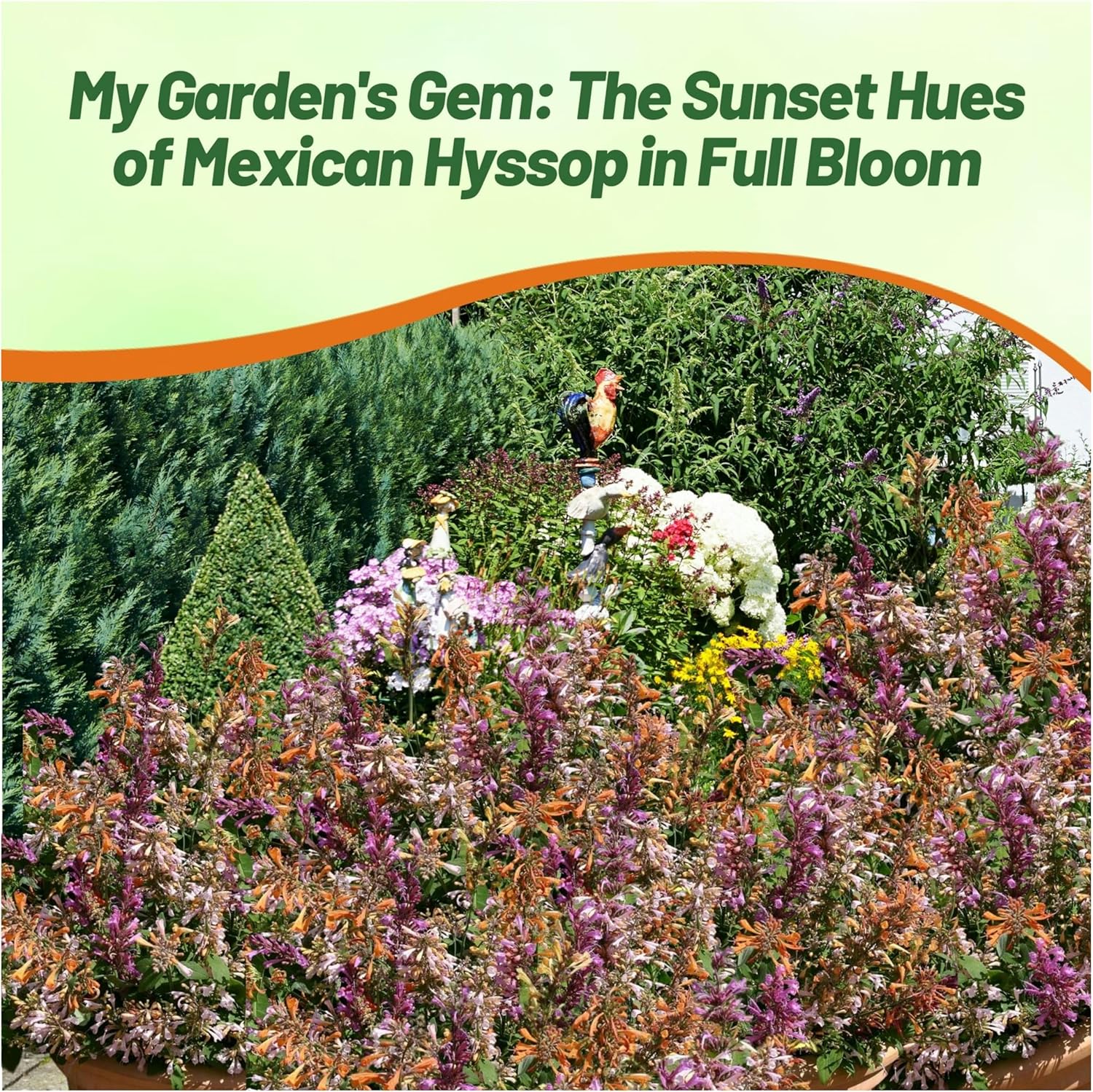

Agastache Seeds - Fragrant Delight Mix

SEASON
Perennial

USDA ZONES
7 - 10

HEIGHT
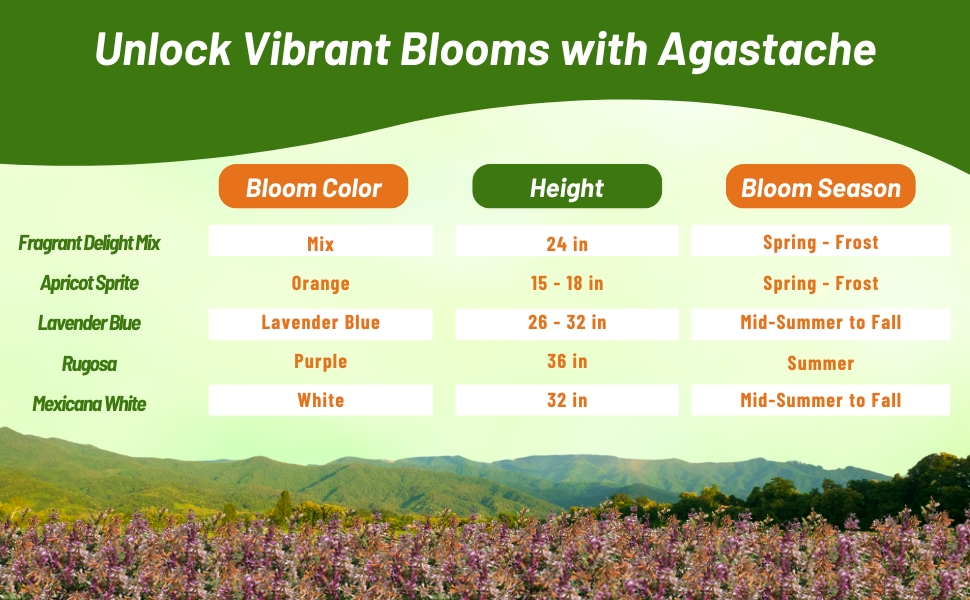
24 inches

BLOOM SEASON
Spring until frost

BLOOM COLOR
Mix

ENVIRONMENT
Full sun to partial shade

SOIL TYPE
Well-drained, pH 5.8 - 7.2

DEER RESISTANT
Yes
HOUSE PLANT
No

About...
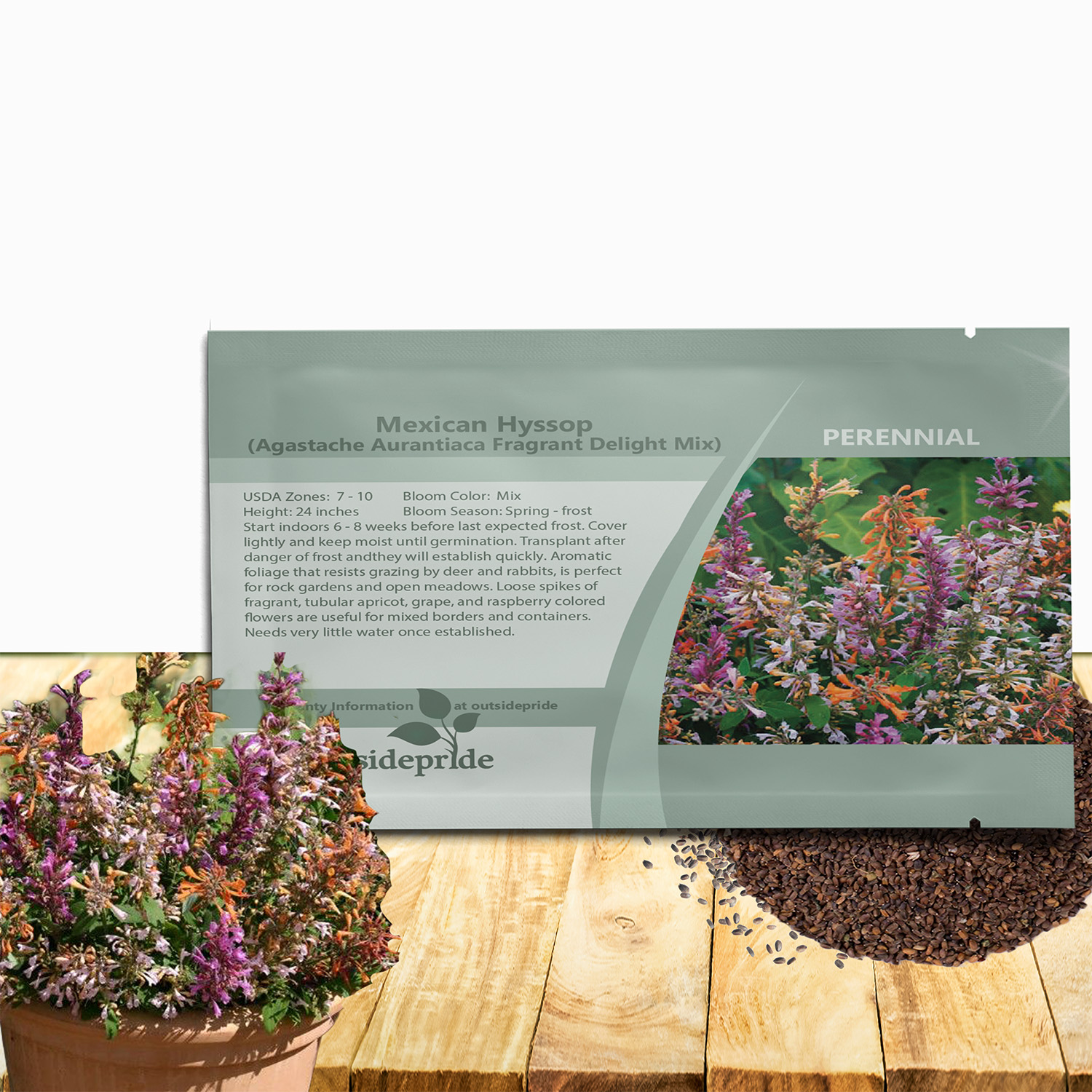
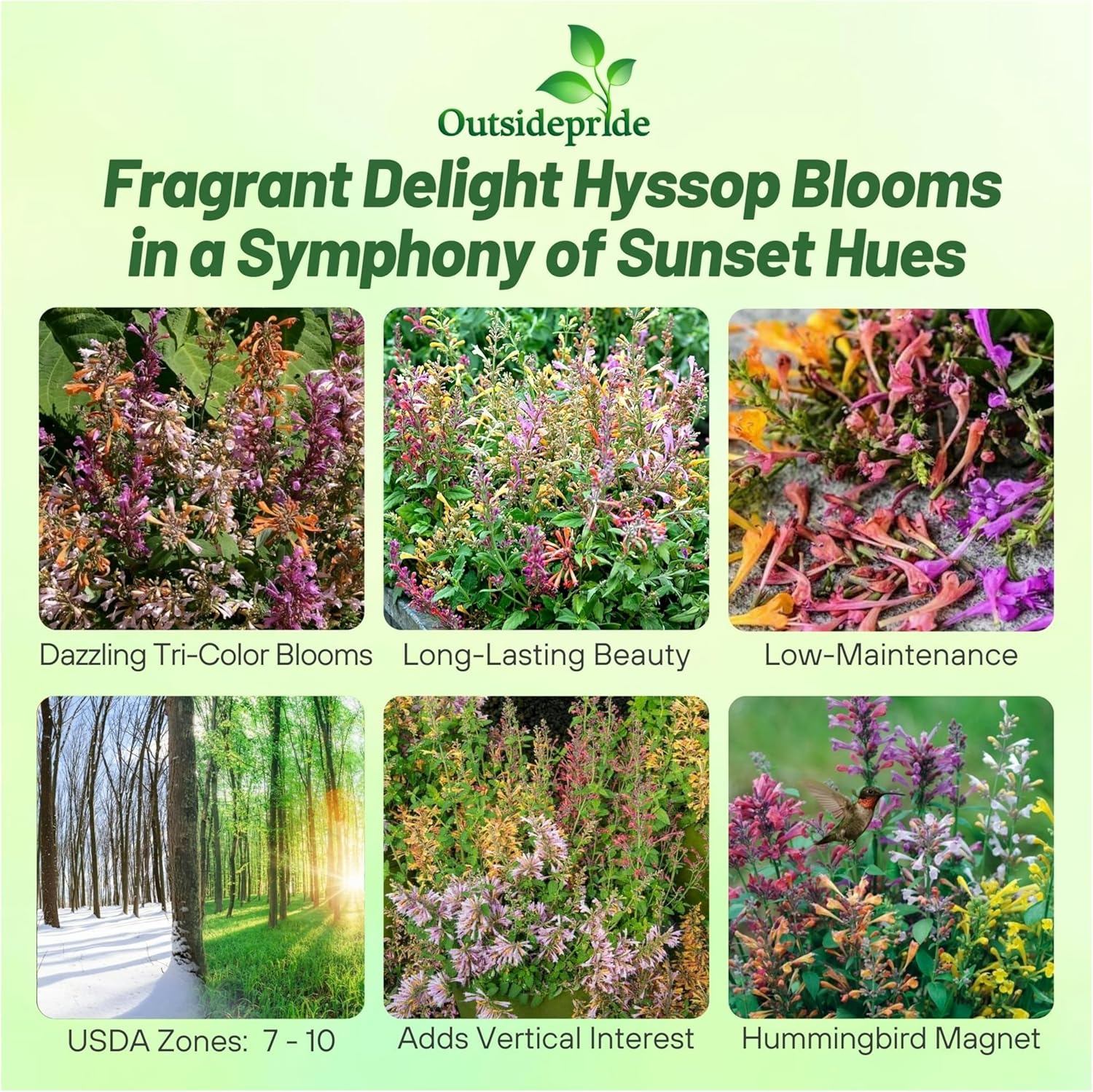
Mexican Hyssop (Agastache Aurantiaca Fragrant Delight Mix) - Perennial zones 7 - 10, typically grown as an annual in colder climates. Deliciously fragrant flower spikes in apricot, grape and raspberry colors! Prepare for the buzz of a diversity of beneficial insects and hummingbirds!MORE AGASTACHE OPTIONS

Planting Directions

TEMPERATURE
68F

AVERAGE GERM TIME
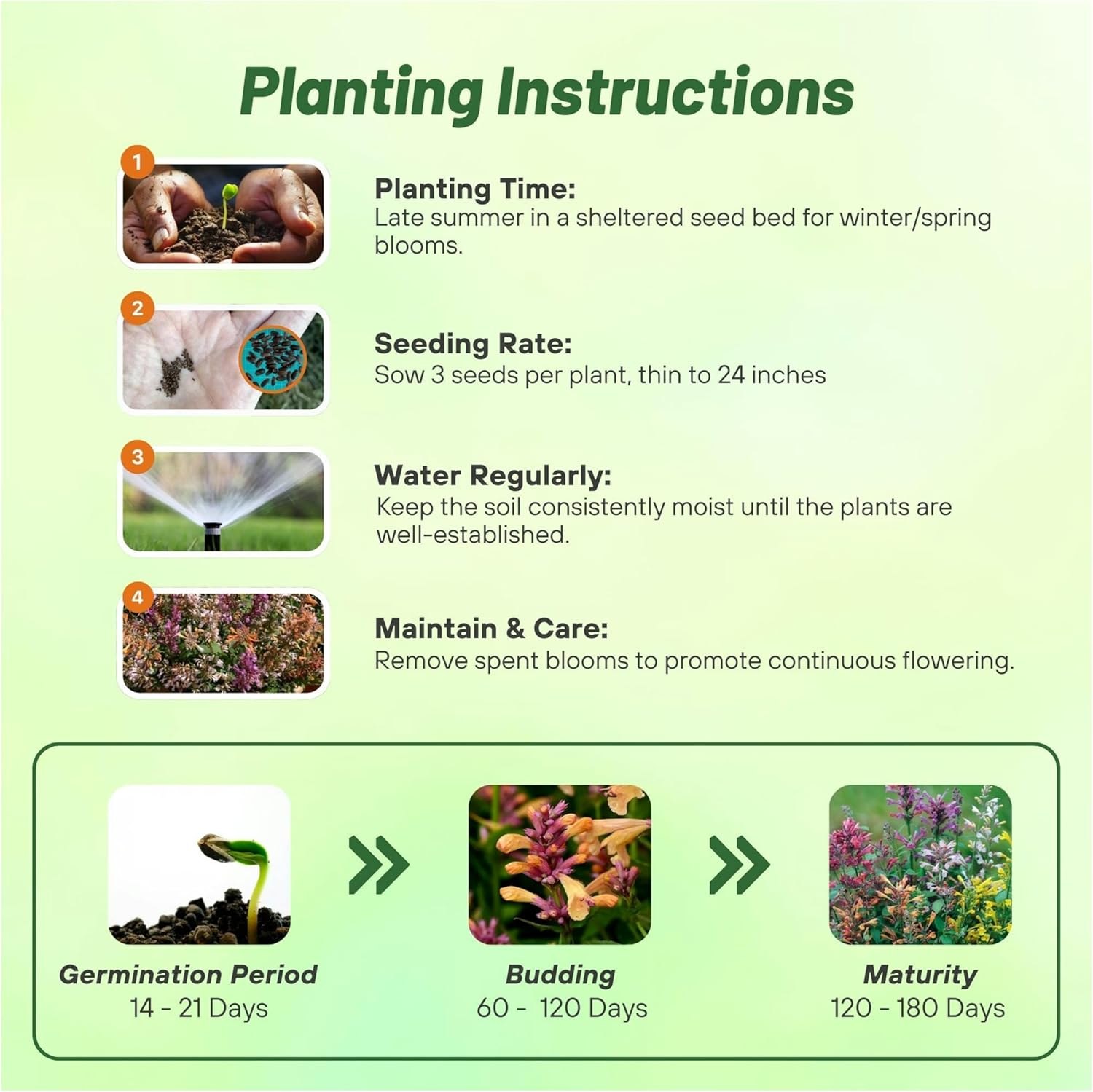
14 - 21 days

LIGHT REQUIRED
No

DEPTH
Seeds must be covered thinly

SOWING RATE
3 seeds per plant

MOISTURE
Keep seeds moist until germination

PLANT SPACING
24 inches
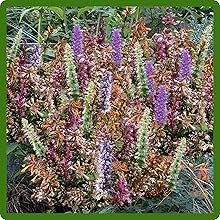
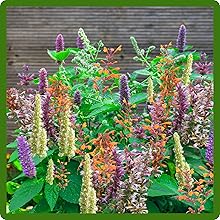
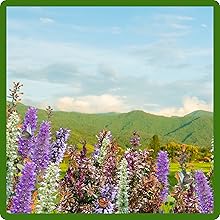
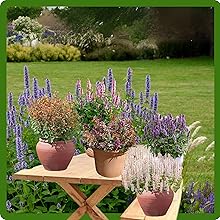
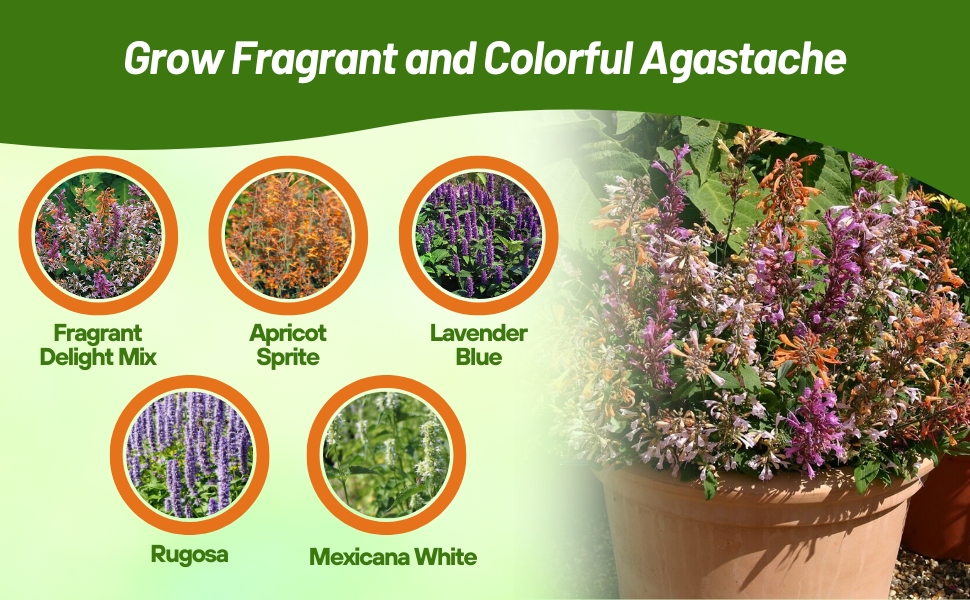
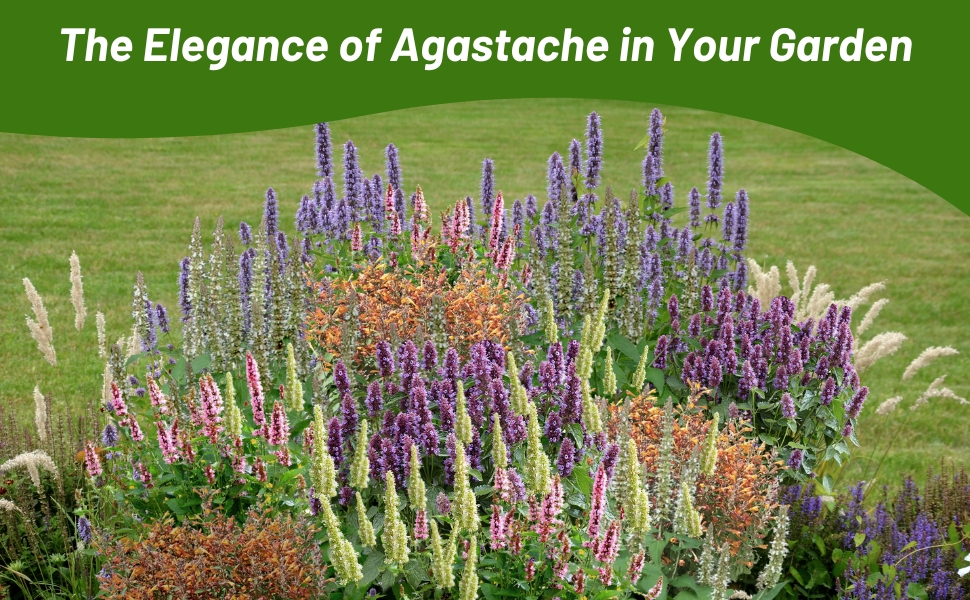
Mexican Hyssop (Agastache Aurantiaca Fragrant Delight Mix) - Perennial zones 7 - 10, typically grown as an annual in colder climates. Deliciously fragrant flower spikes in apricot, grape and raspberry colors! Prepare for the buzz of a diversity of beneficial insects and hummingbirds! These 24 inch tall plants are a welcome addition to the pollinator garden. Grow in moderately fertile, well-draining soils and in full sun to partial shade.
Start the Agastache flower seeds indoors 6 - 8 weeks before the last expected frost. Cover the flower seeds lightly and keep them moist until germination. Transplant after danger of frost and the Hyssop plant will establish quickly in the garden. Aromatic foliage that resists grazing by deer and rabbits, this showy, water-wise perennial is perfect for rock gardens and open meadows. Loose spikes of fragrant, tubular apricot, grape, and raspberry colored flowers on a dwarf form make it useful for mixed borders and containers. Needs very little water once established.
Frequently Asked Questions
How can I encourage my Agastache to continue to bloom?
Trim the tips of the growth in spring when the plants reach around 6 inches tall to promote branching. Regularly remove spent flowers during the growing season to ensure continuous blooming.
Do I need to deadhead my Agastache?
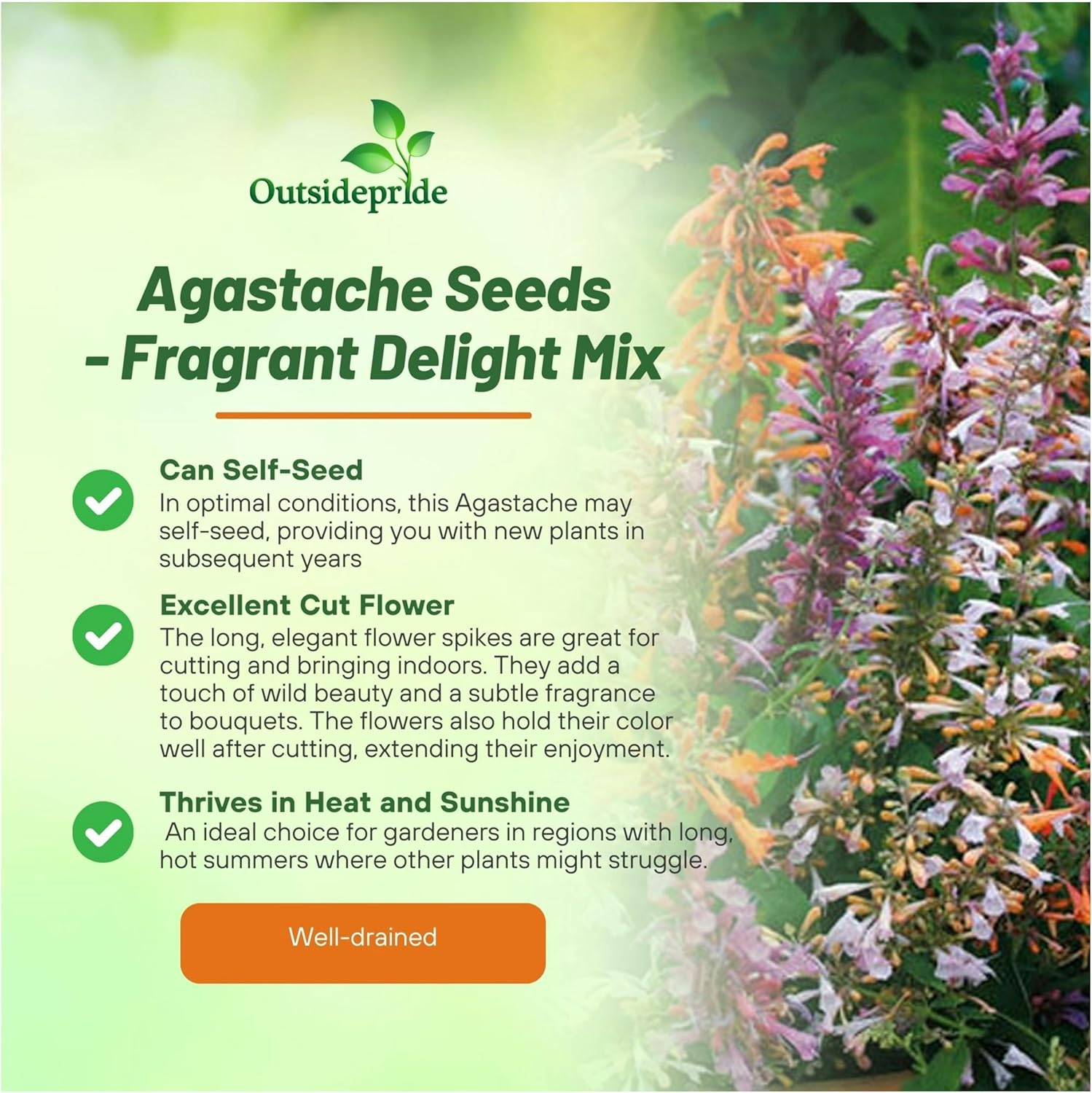
Deadheading agastache flowers promotes more blooms and helps manage the plant's tendency to self-seed. While not essential, removing spent flowers maintains plant neatness and prevents excessive self-seeding by agastache.
For further pruning, consider whether you are cultivating agastache as a perennial or annual plant. For perennials, trim back about one-third of the plant in spring to stimulate fresh growth. Continue pinching and deadheading until midsummer, as new growth is sensitive to cold and could jeopardize the plant's survival in winter. If growing agastache as an annual, ongoing pinching and deadheading throughout the season is suitable.
Are agastache invasive?
If you have planted hummingbird mint, or any other type of agastache, in your garden, you may notice that it spreads similar to mint. This plant tends to self-seed abundantly, but removing the seedlings is a simple task. Additionally, you can prevent seeds from dropping by removing the spent flowerheads. Despite its tendency to spread, agastache is not classified as invasive, especially if you choose a variety native to your region.
Is it easy to grow agastache from seed?
Agastache can be grown from seed quite easily, but the seeds need cold stratification and light for germination. For this reason, it is recommended to start agastache seeds in the fall or winter with minimal covering.
Videos