








Agrostemma Seeds - Rose

SEASON
Annual
USDA ZONES
4 - 10

HEIGHT
36 inches

BLOOM SEASON
Mid Spring to mid summer

BLOOM COLOR
Rose

ENVIRONMENT
Full sun to partial shade

SOIL TYPE
Free draining sandy loams

DEER RESISTANT
Yes
HOUSE PLANT
No

About...
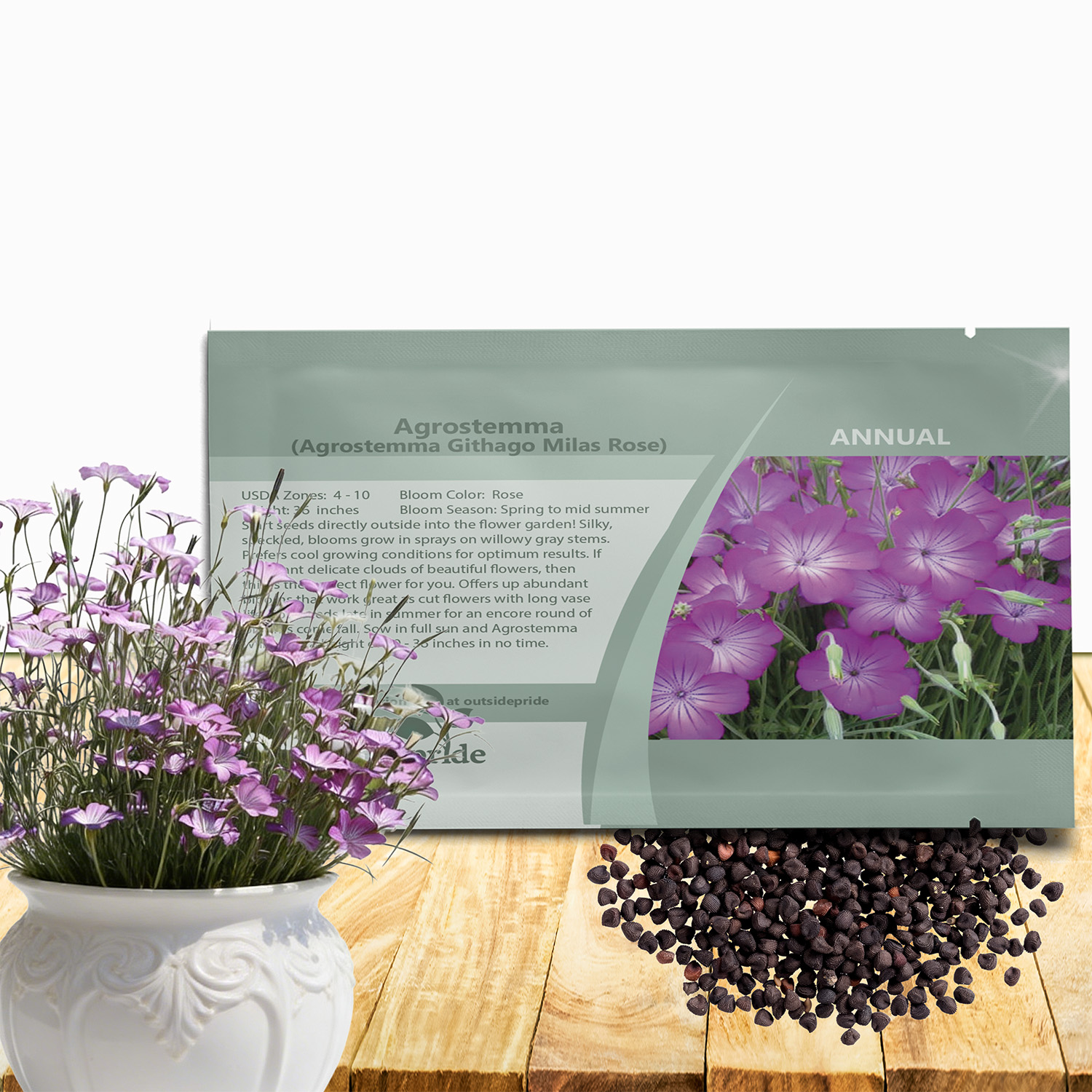
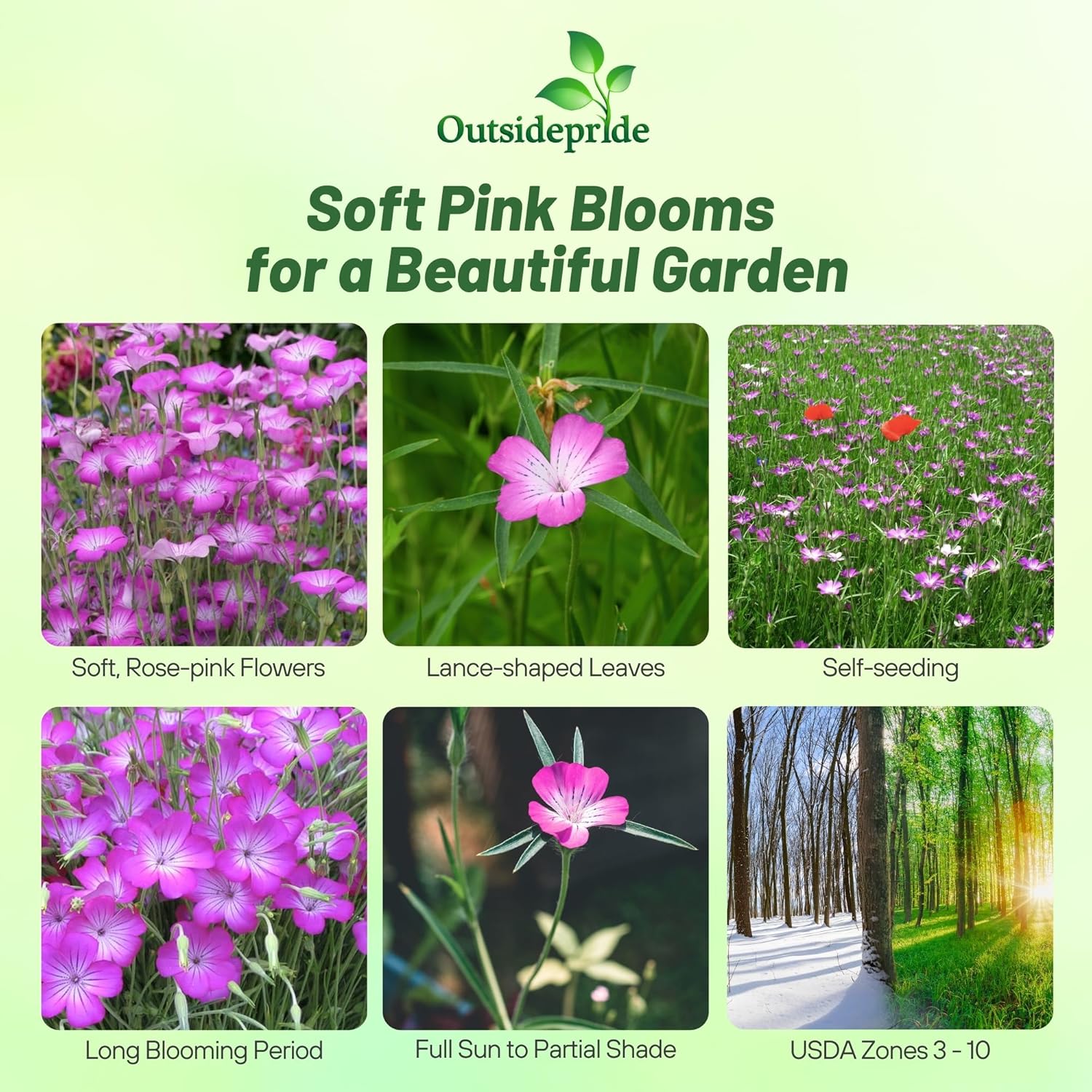
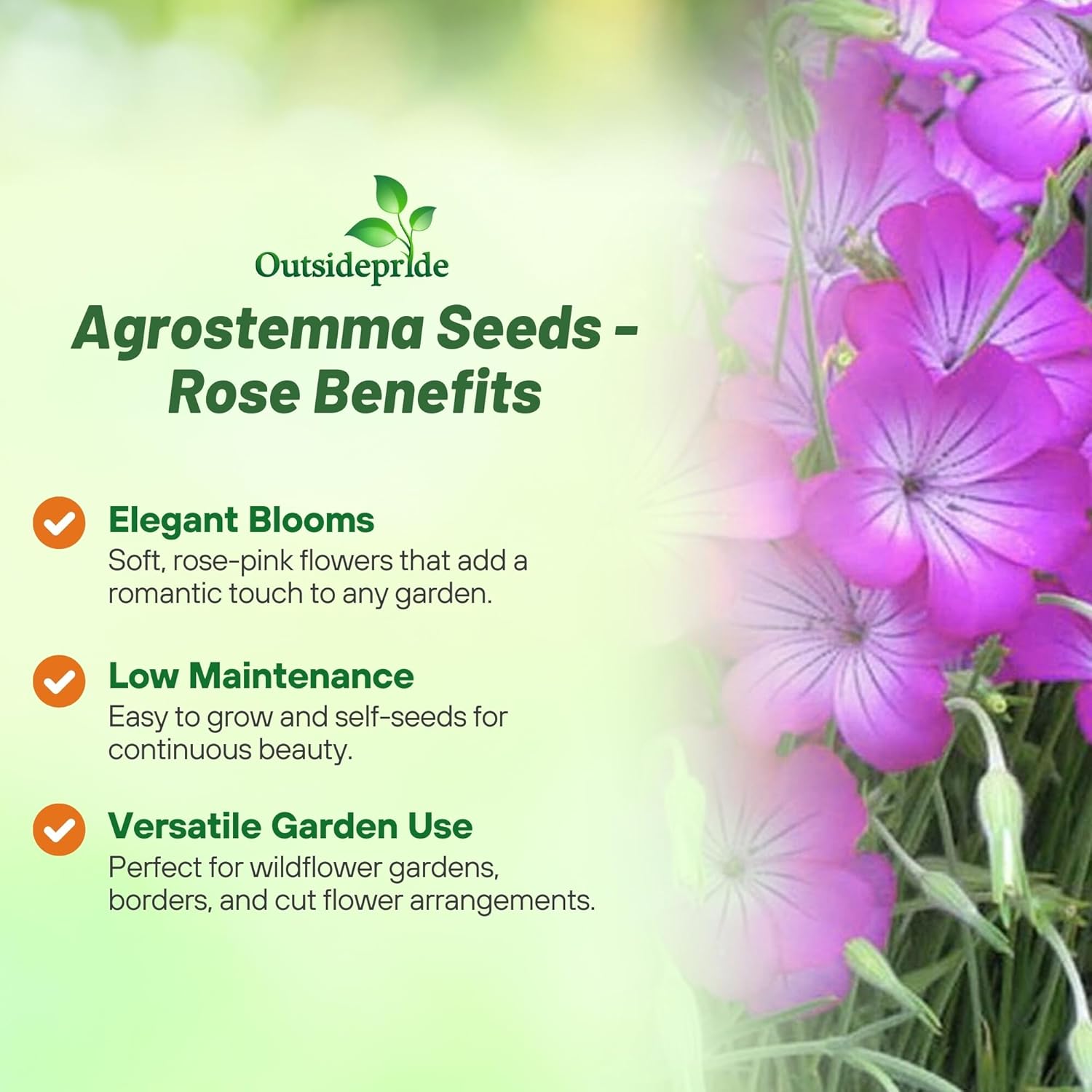
Agrostemma (Agrostemma Githago Milas Rose) - This wild flower has five petals, hairy leaves and stems. Agrostemma is very easy to grow from flower seeds which makes it a favorite among many home gardeners. It flowers with grace and charm, sways in the slightest breeze and makes a great cut flower.
Planting Directions
TEMPERATURE
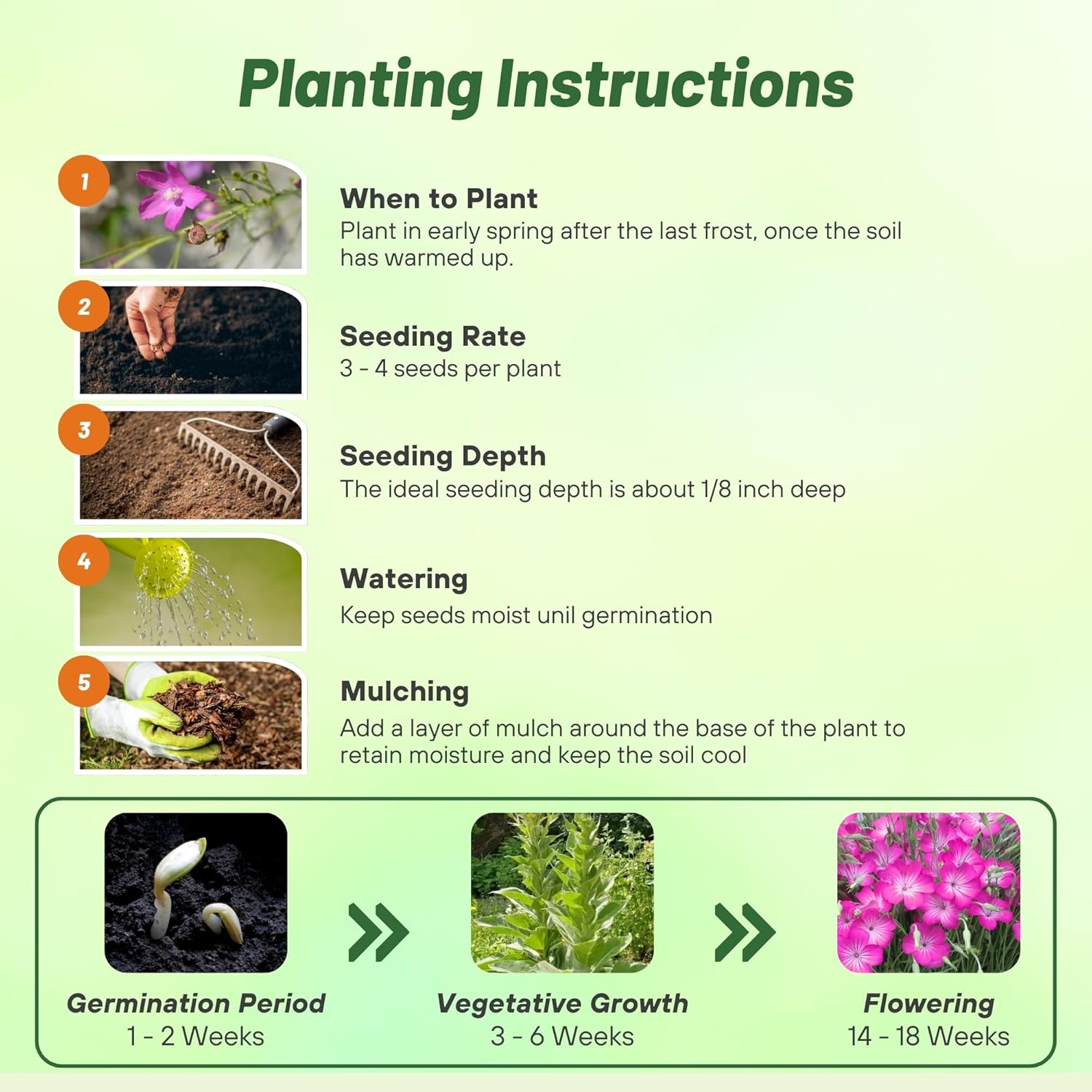
55 - 65F
AVERAGE GERM TIME
1 - 2 weeks

LIGHT REQUIRED
No

DEPTH
1/8 inch

SOWING RATE
3 - 4 seeds per plant

MOISTURE
Keep seeds moist unil germination

PLANT SPACING
9 - 12 inches
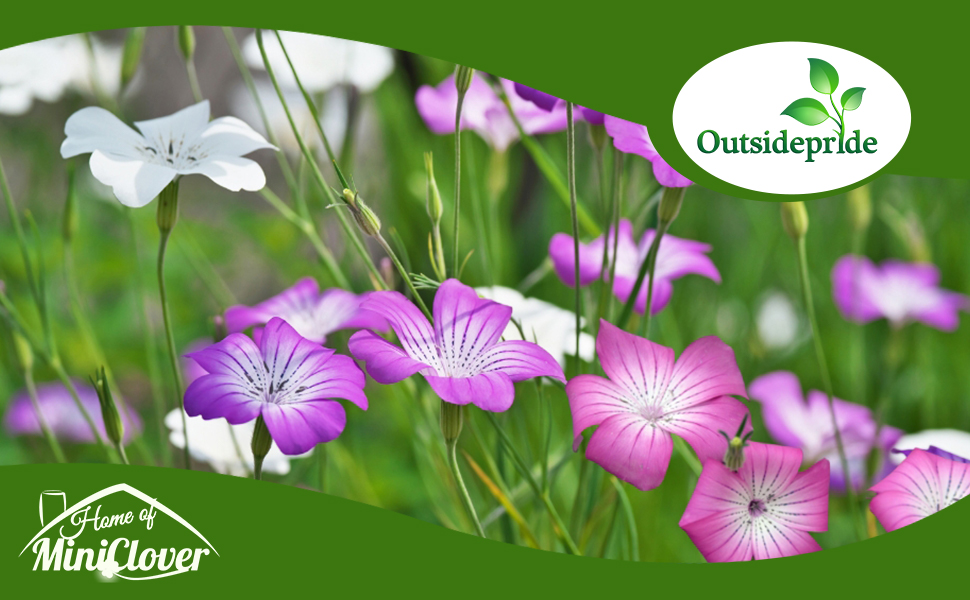

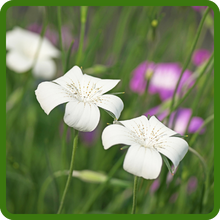
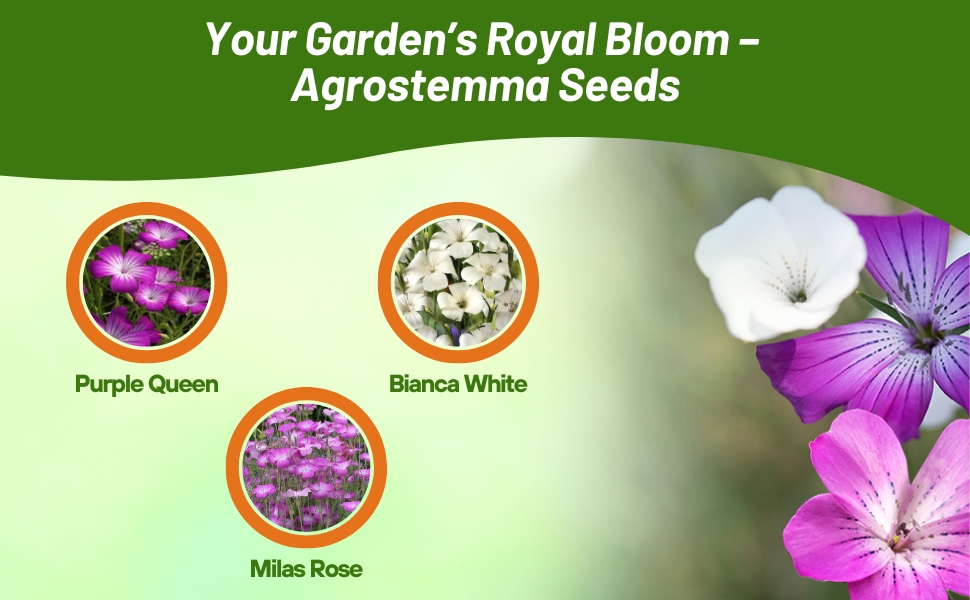
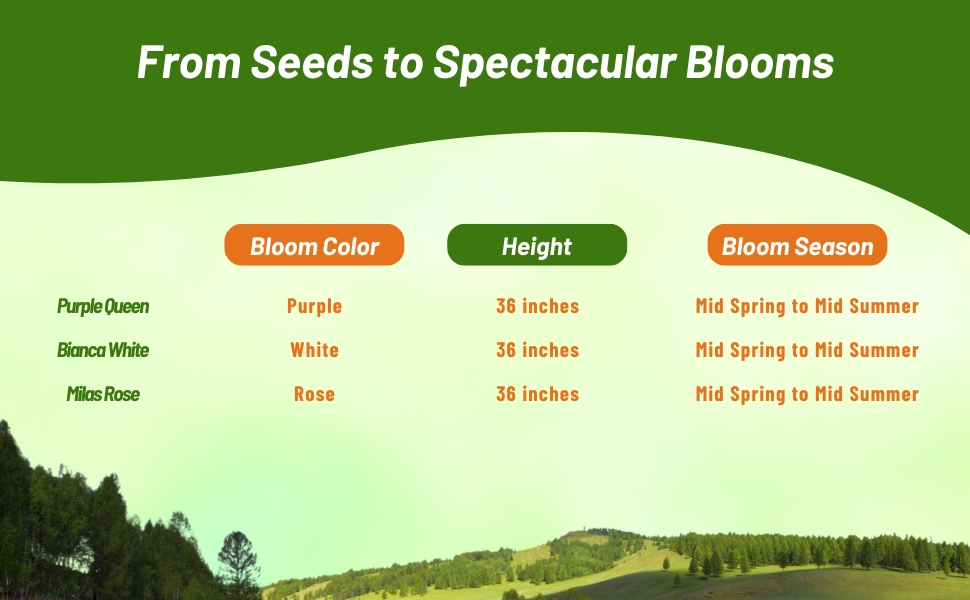
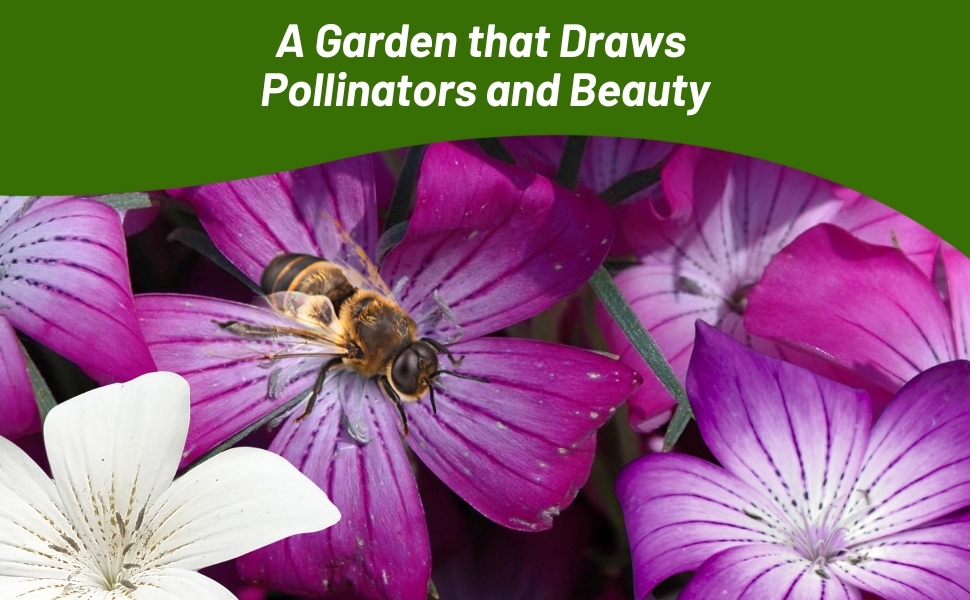
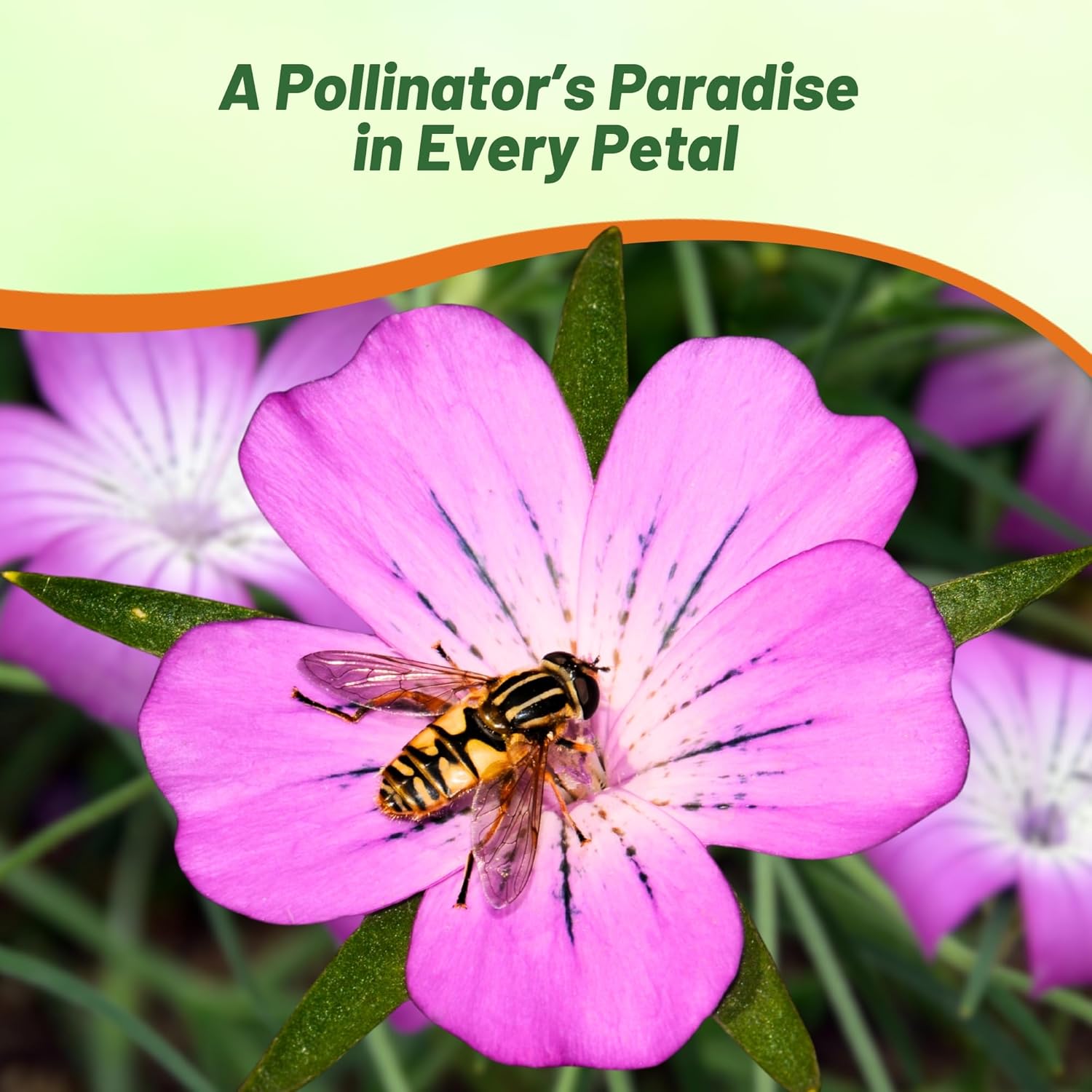
Agrostemma (Agrostemma Githago Milas Rose) - This wild flower has five petals, hairy leaves and stems. Agrostemma is very easy to grow from flower seeds which makes it a favorite among many home gardeners. It sways in the slightest breeze, and brings a charm to any flower garden. Agrostemma seeds turn in to a great cut flower, and it will bring bees and hummingbirds to the garden as well. Even though Agrostemma is an annual, it will self-seed, giving you even more flowers the following year. In USDA zones 9 and 10, it blooms year round. Agrostemma Milas bears 2 inch satiny, bright rose blossoms with a white throat and subtle radiating black dotted lines. Producing a hundred or more blooms on slender, upright stems, you will love this graceful plant. This flower is easy to establish from Agrostemma seeds, and it will grow to be about 36 inches tall and 18 inches wide.
Frequently Asked Questions
Do Agrostemma flowers bloom every year?
No, Agrostemma flowers are annuals so they will only give you one growing season. You will need to plant a new crop each year for more flowers.
Do Agrostemma make a good garden or landscaping plant?
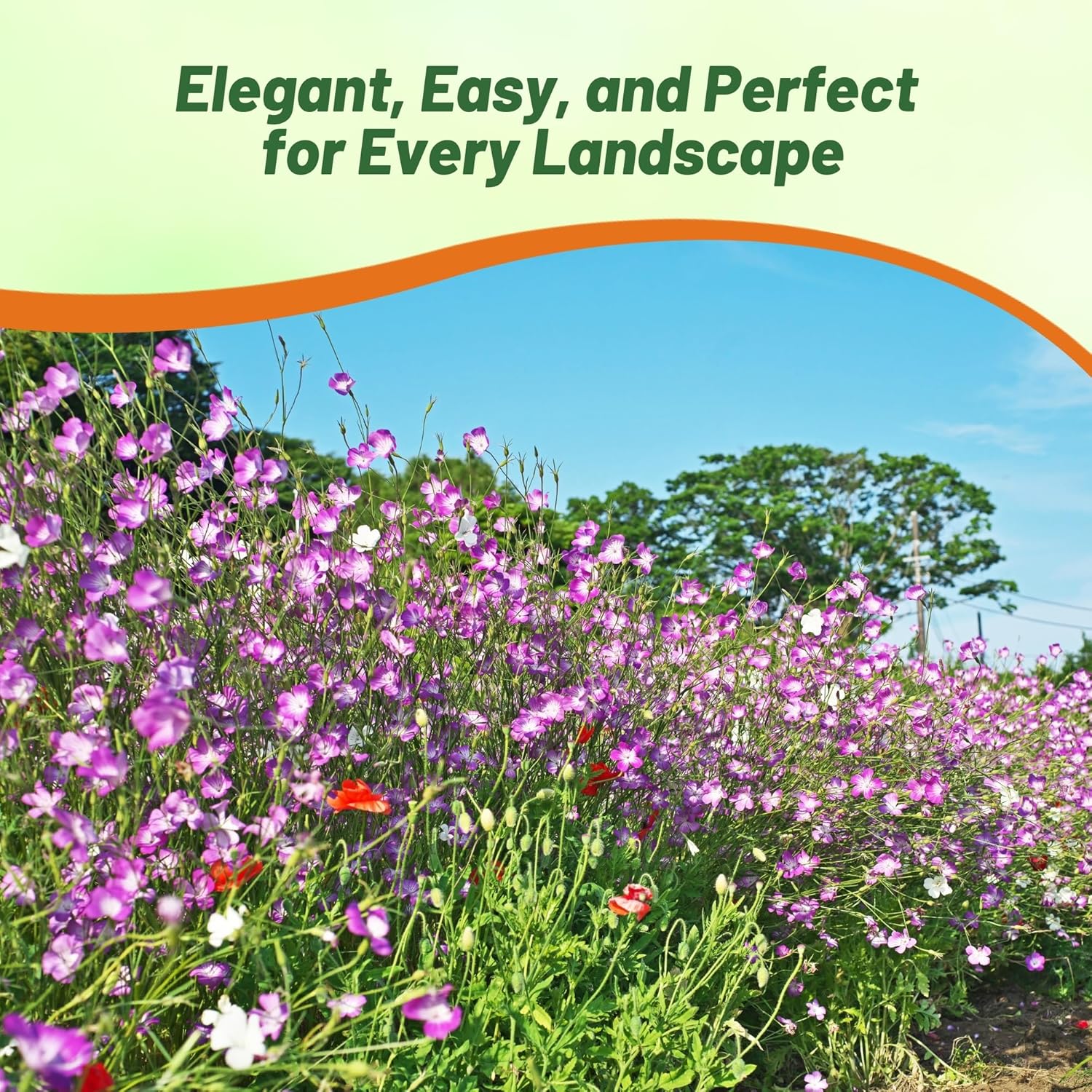
Yes, Agrostemma, or Corncockle, is popular for its tall, slender stems and vibrant flowers. It's great for wildflower meadows.
Are Agrostemma fragrant?
Agrostemma flowers are not typically known for their fragrance.
What is best location to grow Agrostemma?
Agrostemma prefers full sun and well-drained soil. It does well in poor soils and tolerates dry conditions.
Videos