







Morning Glory Seeds - Sunrise Serenade

SEASON
Annual
USDA ZONES
3 - 10

HEIGHT
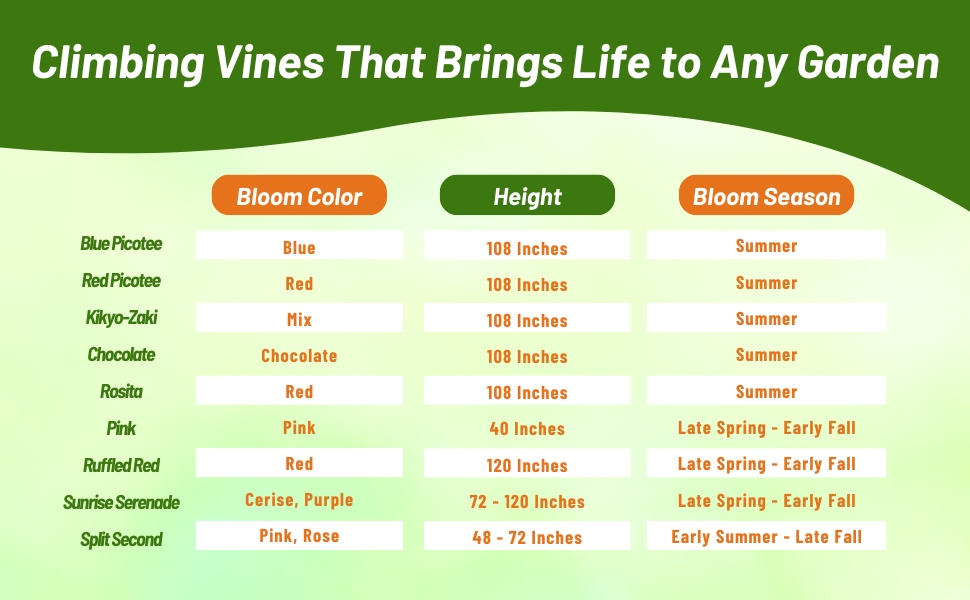
72 - 120 inches

BLOOM SEASON
Late spring to early fall

BLOOM COLOR
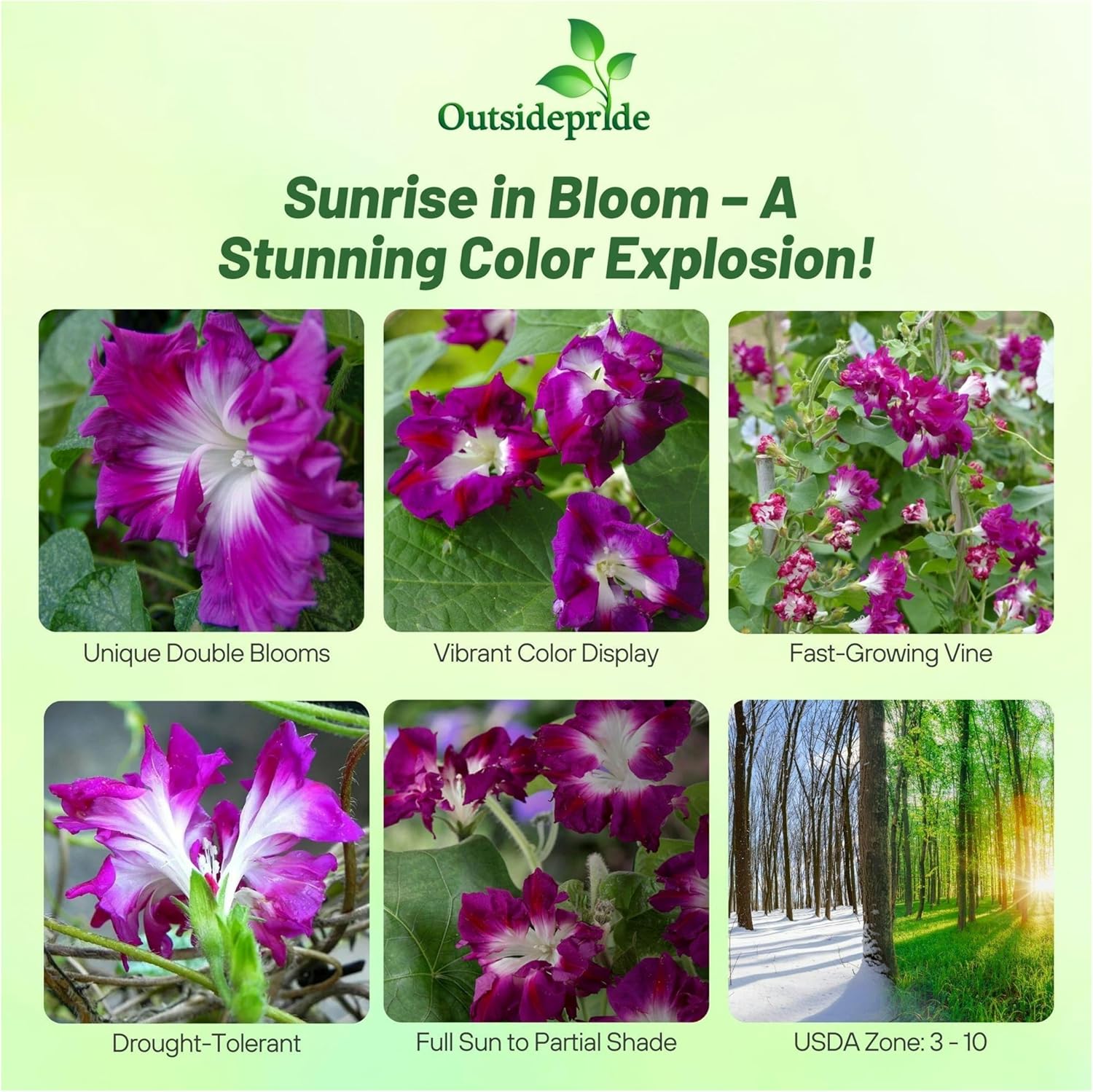
Cerise, Purple

ENVIRONMENT
Full sun to partial shade

SOIL TYPE
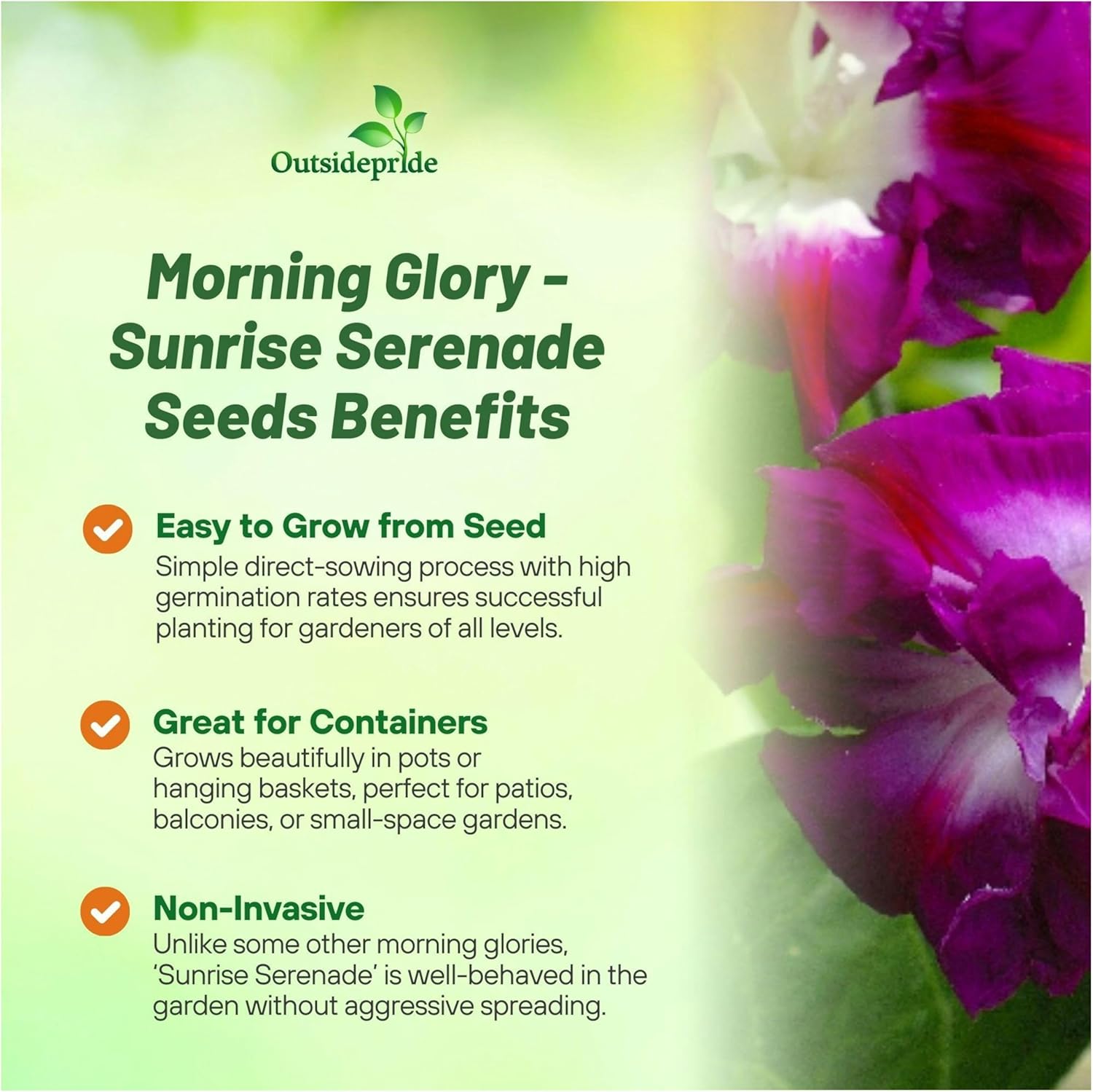
Not picky about soil type, pH 6.1 - 7.8

DEER RESISTANT
No
HOUSE PLANT
No

About...
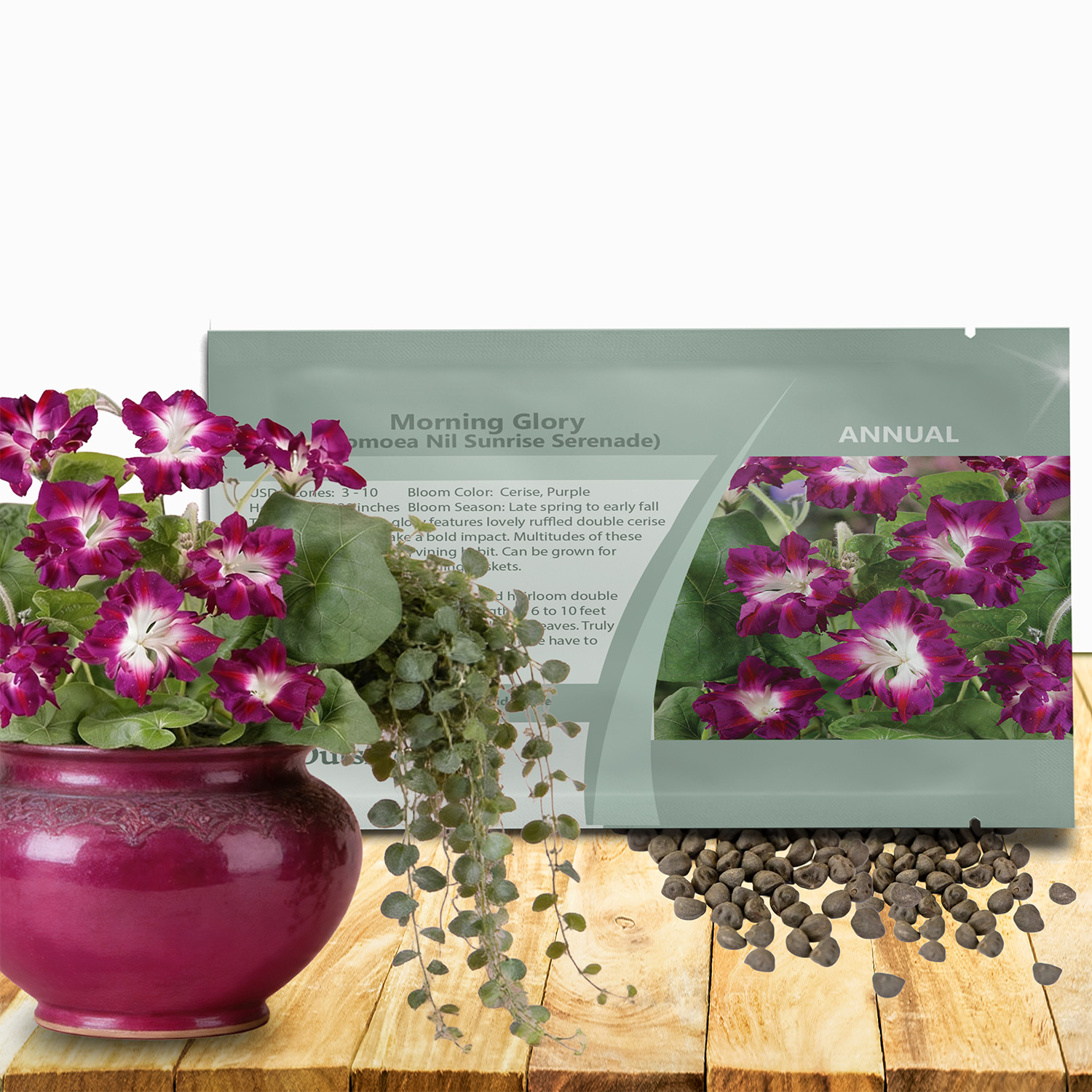
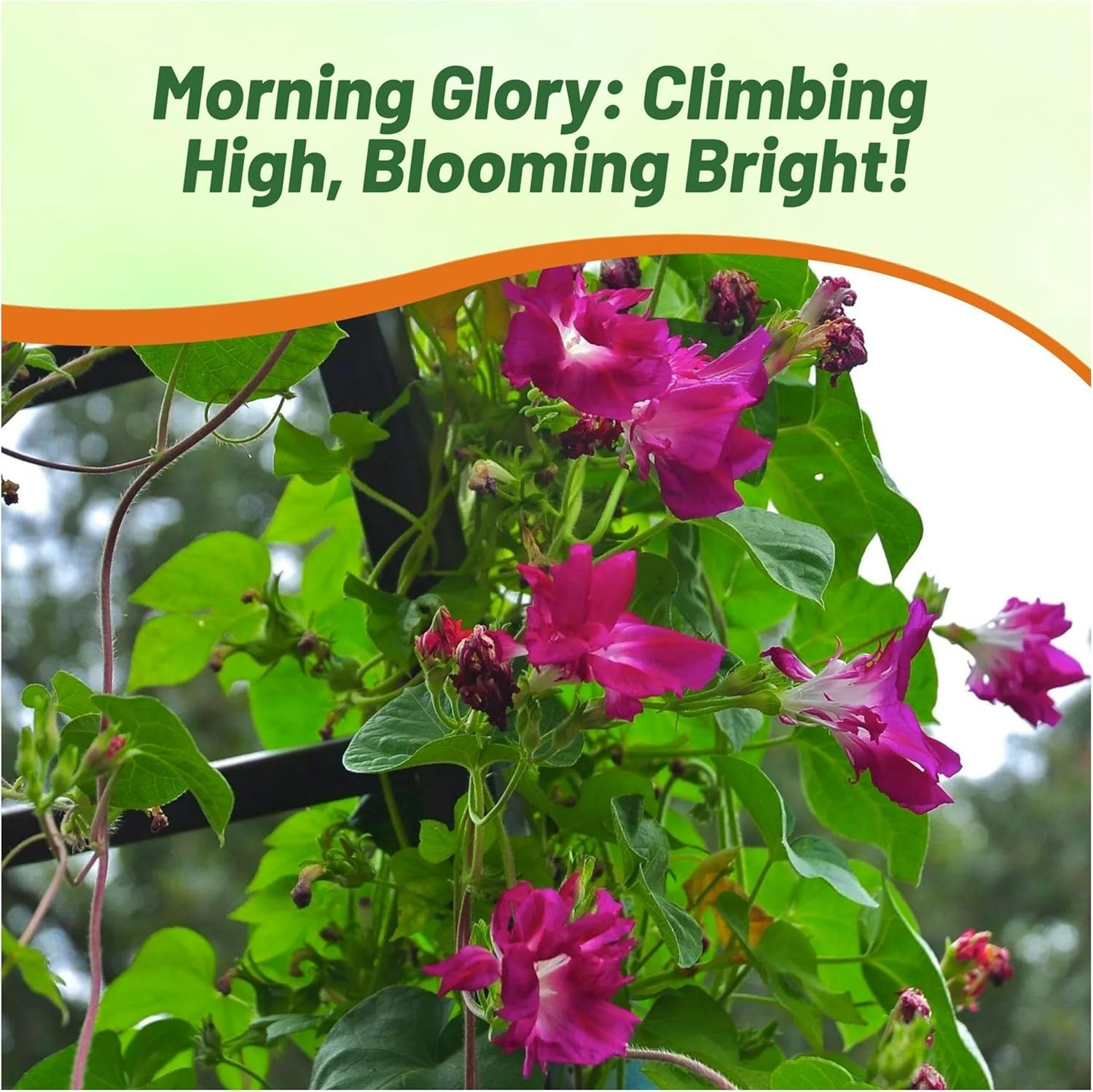
Morning Glory (Ipomoea Nil Sunrise Serenade) - This unique morning glory features lovely ruffled double cerise 3 inch flowers that make a bold impact. Multitudes of these beautiful blooms cover the strong vining habit. Can be grown for trellises, containers and hanging baskets.MORE MORNING GLORY OPTIONS

Planting Directions

TEMPERATURE
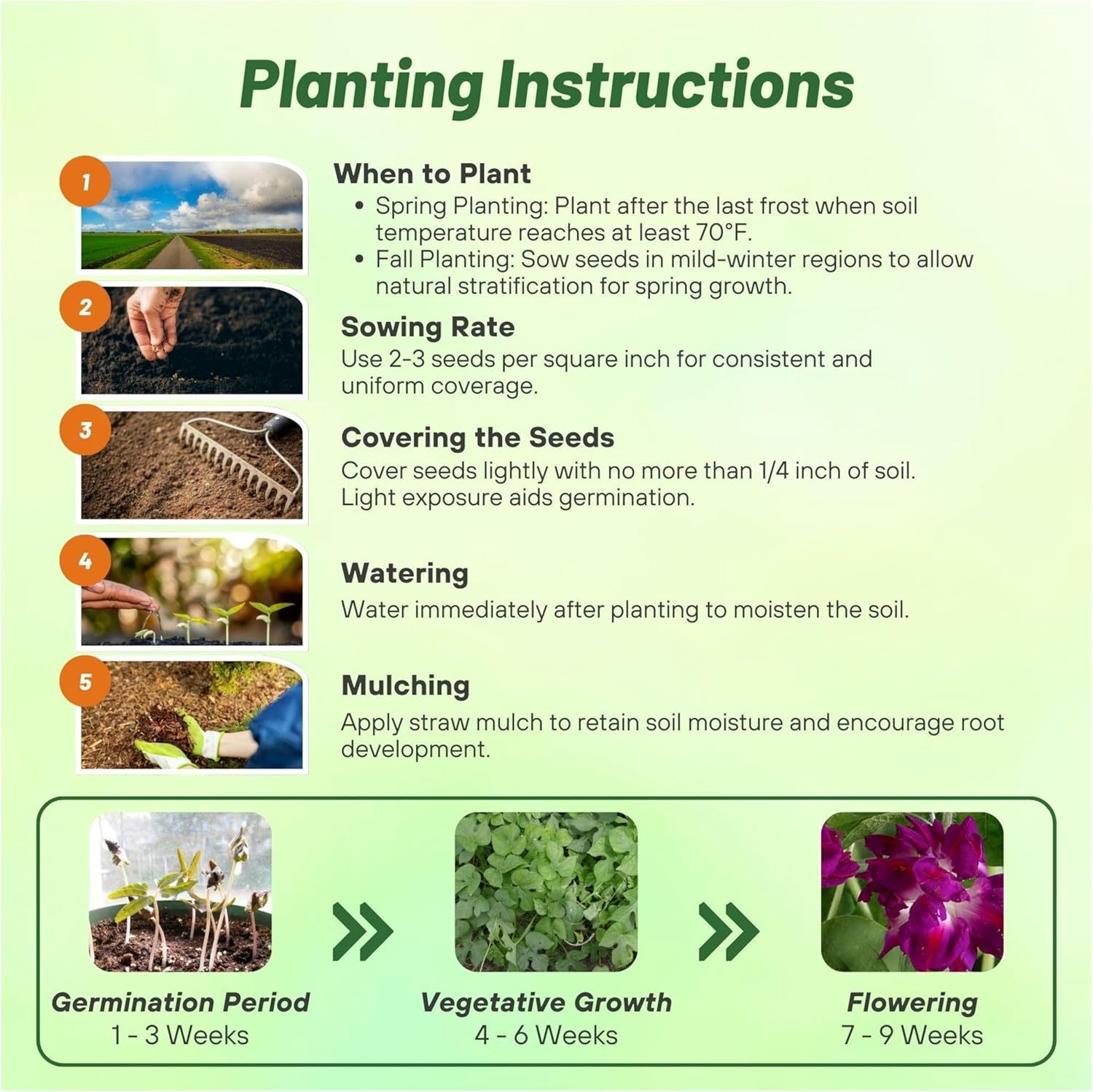
70F

AVERAGE GERM TIME
7 - 21 days

LIGHT REQUIRED
No

DEPTH
1/4 inch

SOWING RATE
2 - 3 seeds per plant

MOISTURE
Keep seeds moist until germination

PLANT SPACING
12 inches
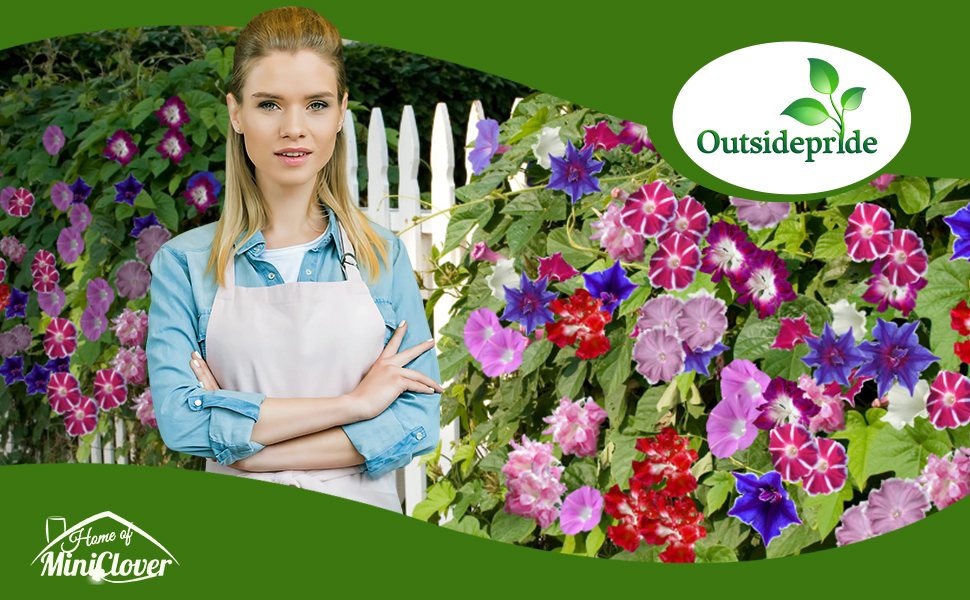
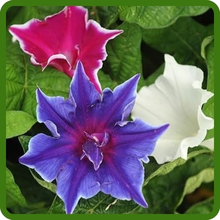
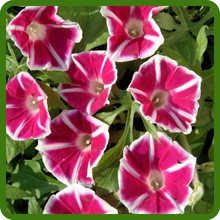
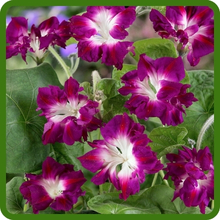
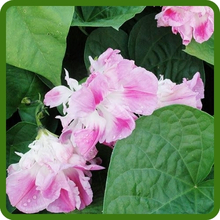
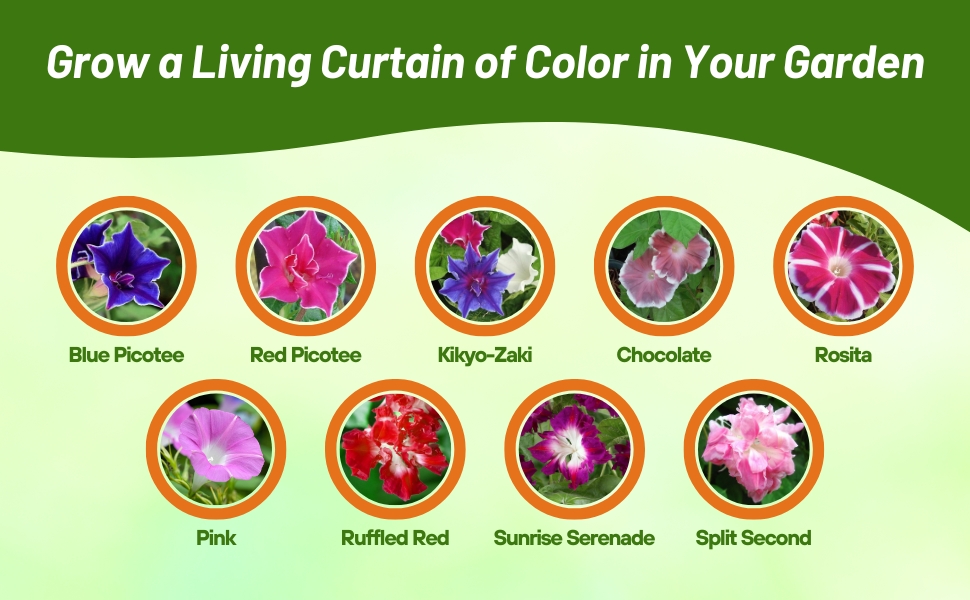
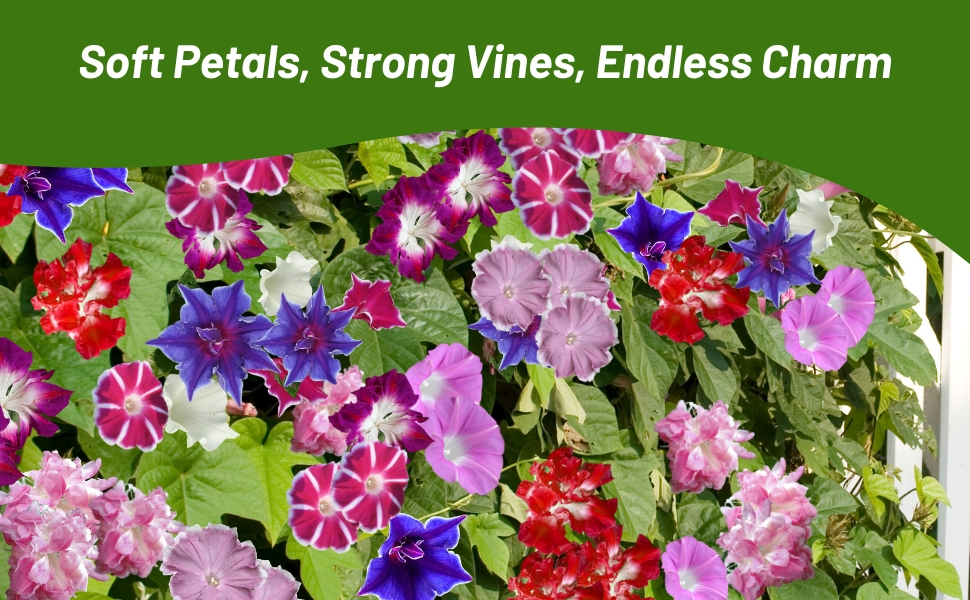
Morning Glory (Ipomoea Nil Sunrise Serenade) - This unique morning glory features lovely ruffled double cerise 3 inch flowers that make a bold impact. Multitudes of these beautiful blooms cover the strong vining habit. Can be grown for trellises, containers and hanging baskets.
The vines of this recently rediscovered heirloom double morning glory grow to a mature length of 6 to 10 feet long, displaying hundreds of heart shaped leaves. The Sunrise Serenade Morning Glory, truly is one of the most stunning varieties that we have to offer and worthy of any flower garden.
Frequently Asked Questions
Is morning glory an invasive plant?
Morning glories freely reseed themselves and are rapid growers. Because of these traits it can become invasive.
Do morning glories come back every year?
Morning glories are grown as annuals in most climates.
Where is the best place to plant morning glory?
Plants grow best when planted in a spot with at least eight hours of unfiltered sunlight per day.
Should I fertilize my morning glory plants?
Yes, you should feed your plants with a low nitrogen fertilizer every 4-5 weeks throughout the growing season. If you notice a lack of blooms use a fertilizer that is high in phosphorus.
Do I need to provide a support structure for morning glory?
Yes, having a trellis or other support wherever you start your seeds, so the vines have something to grow up.
Do morning glories attract pollinators?
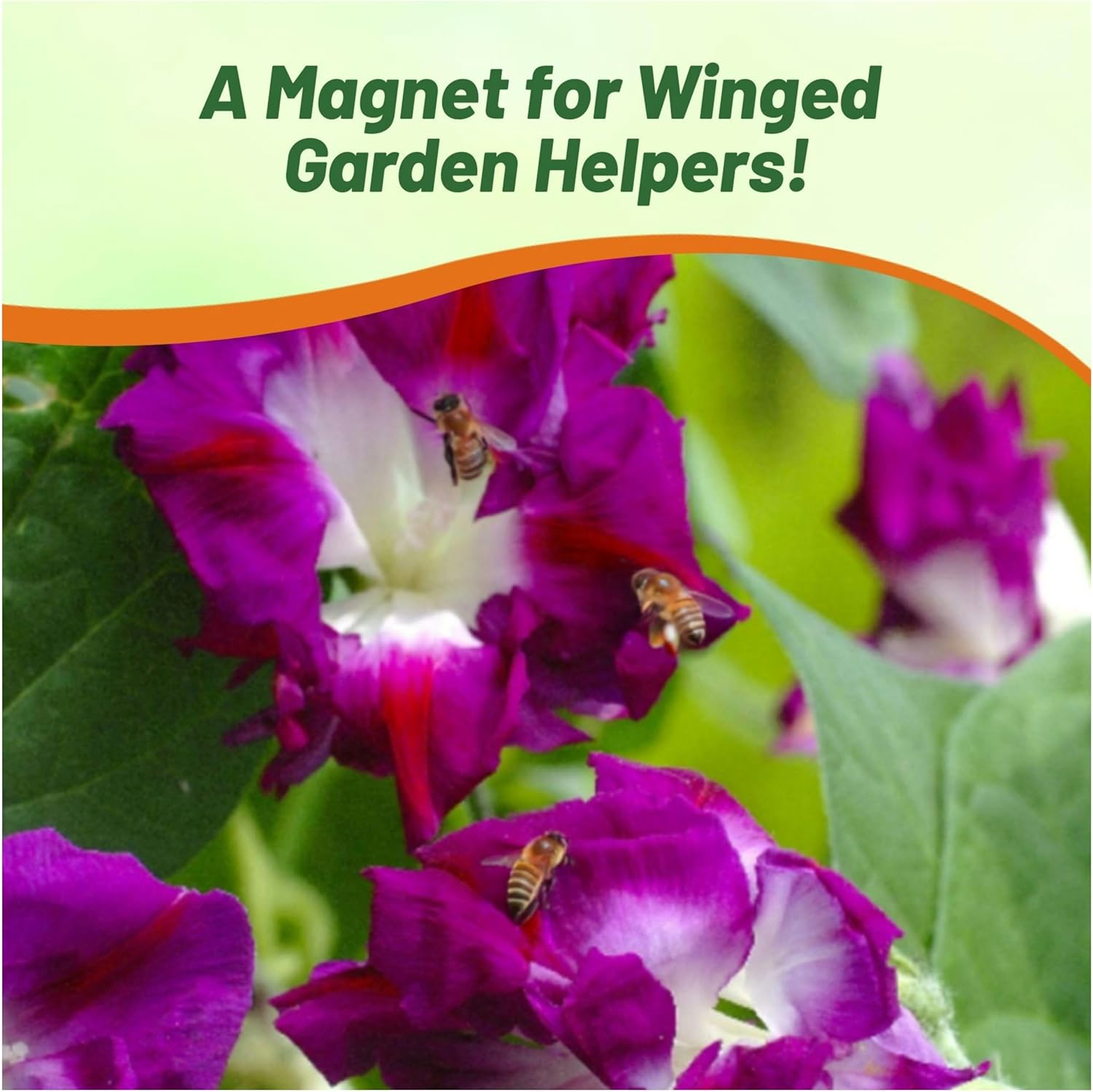
Yes, they are popular with butterflies and hummingbirds.
Videos