








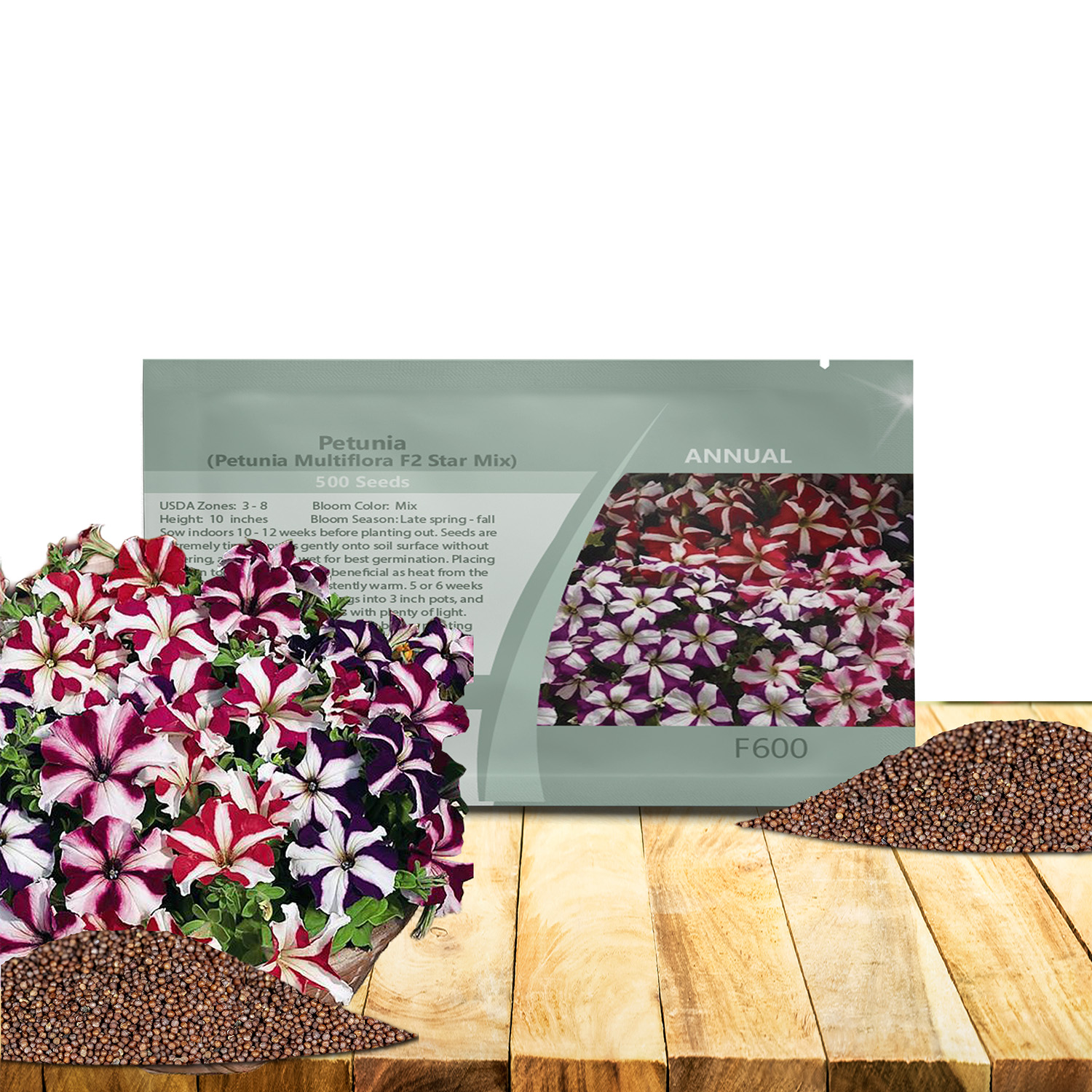


Petunia Multiflora Seeds - Star

SEASON
Annual

USDA ZONES
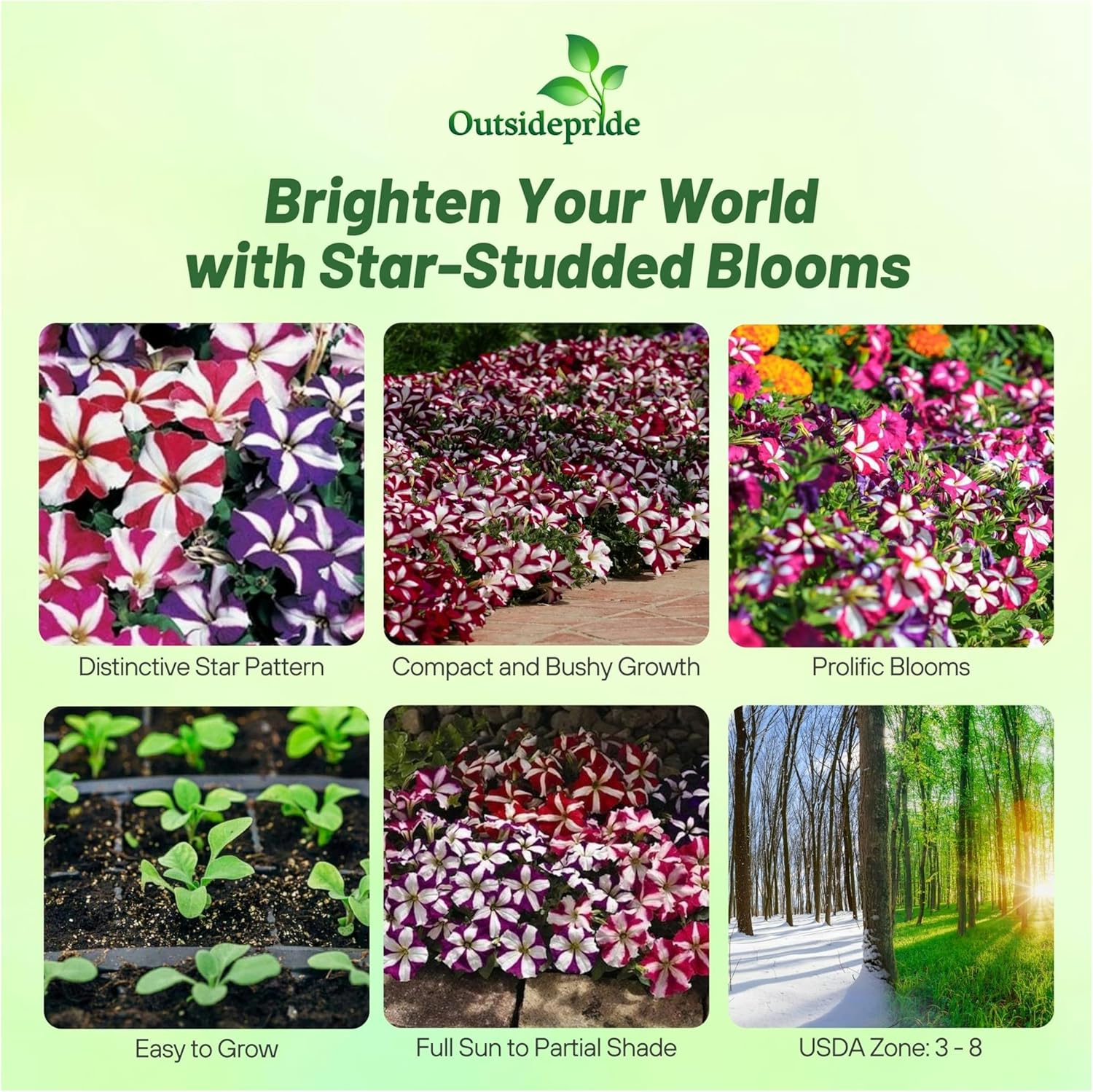
3 - 8

HEIGHT
10 inches

BLOOM SEASON
Late spring through fall

BLOOM COLOR
Mix

ENVIRONMENT
Full sun to partial shade

SOIL TYPE
Well-drained, pH 5.6 - 6.6

DEER RESISTANT
No

HOUSE PLANT
Yes

About...
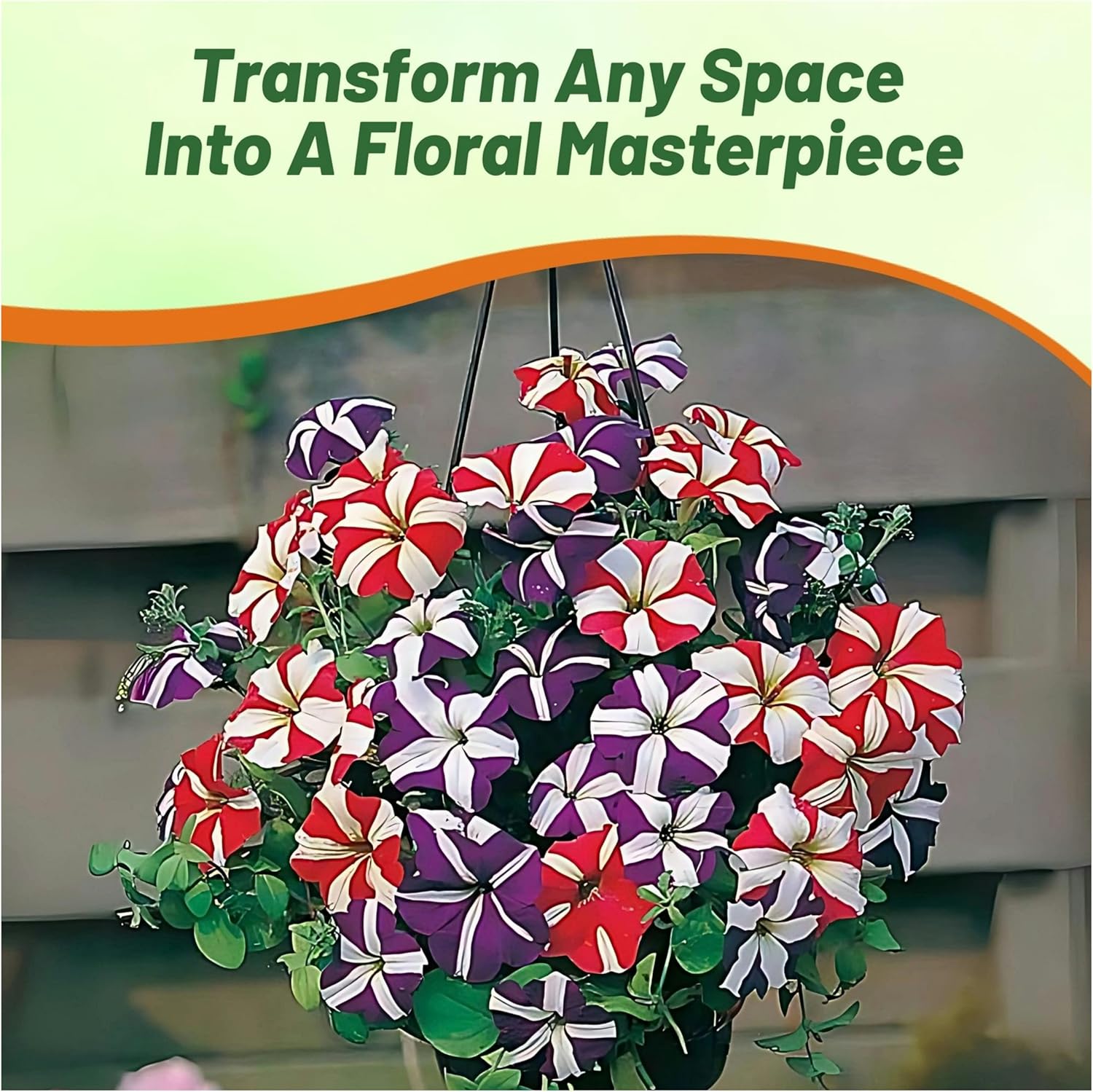
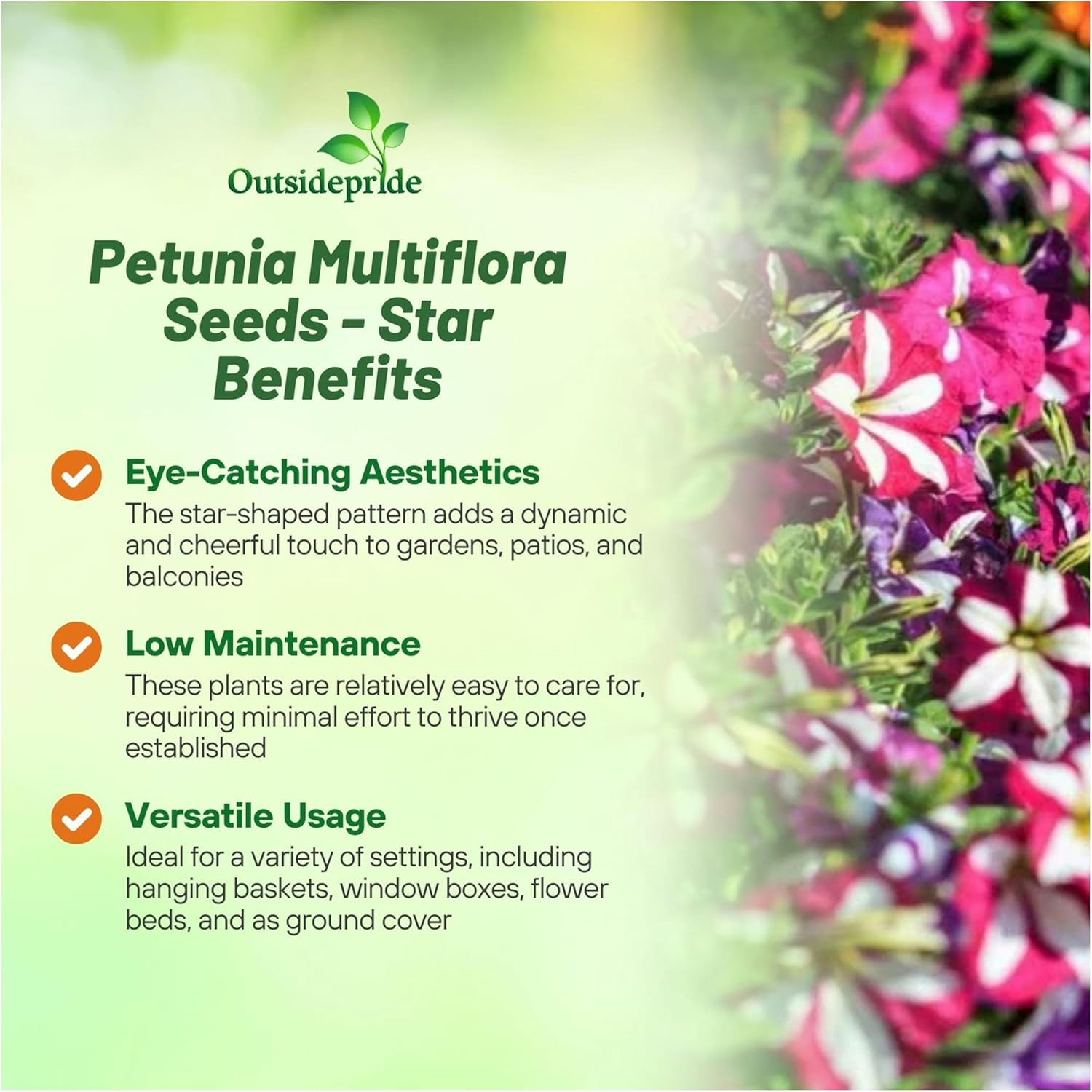
Petunia (Petunia Multiflora F2 Star Mix) - These flowers have a crisp look and are good for beds, hanging baskets, window boxes and tubs. Start Petunia seeds for brilliant long-lasting color and flowers that feature a white central star inside each brightly colored trumpet-shaped bloom.MORE PETUNIA OPTIONS

Planting Directions

TEMPERATURE
72 - 76F

AVERAGE GERM TIME
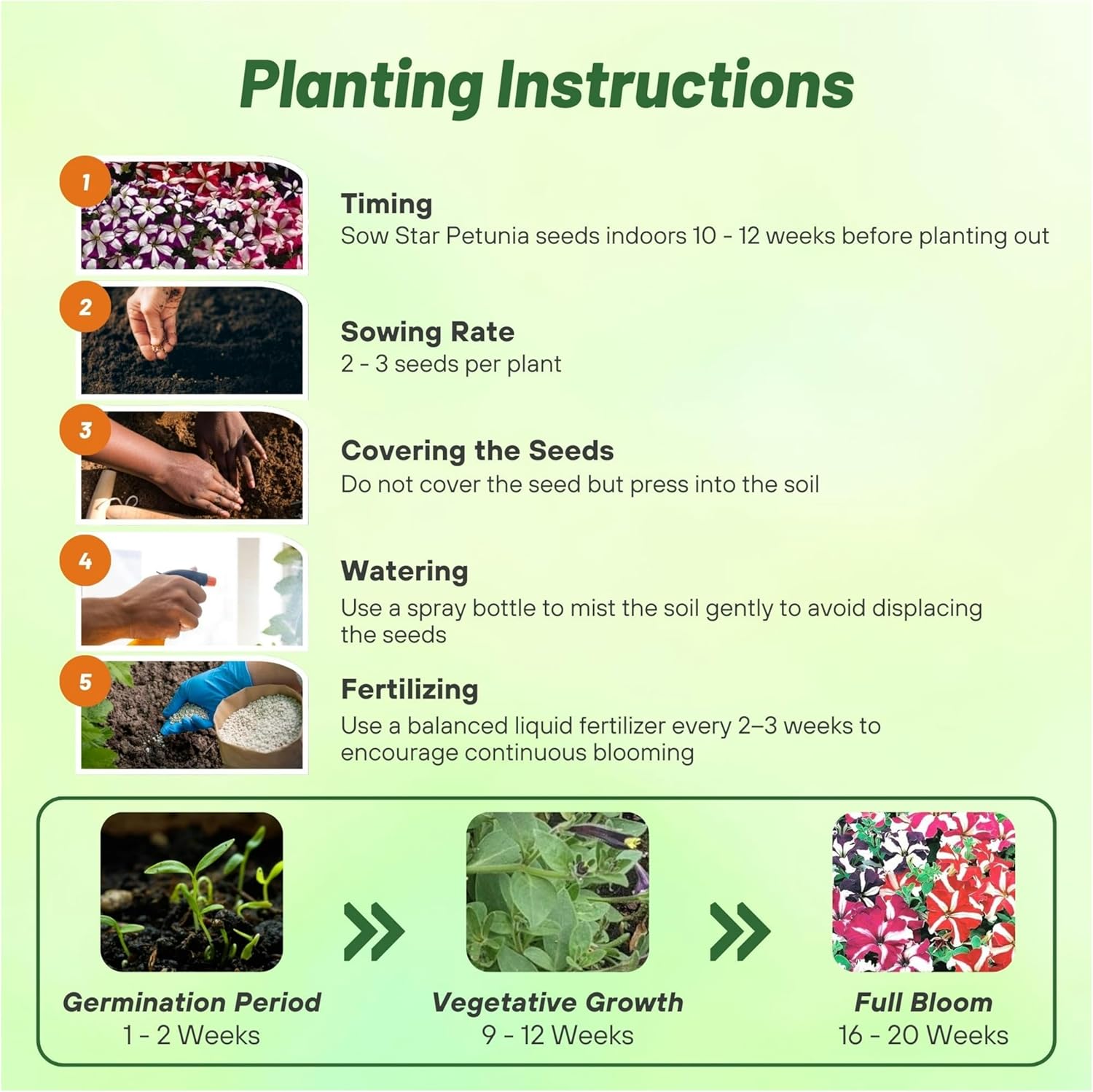
7 - 14 days

LIGHT REQUIRED
Yes

DEPTH
Do not cover the seed but press into the soil

SOWING RATE
2 - 3 seeds per plant

MOISTURE
Keep soil wet for best germination

PLANT SPACING
9 - 12 inches
Petunia (Petunia Multiflora F2 Star Mix) - These flowers have a crisp look and are good for beds, hanging baskets, window boxes and tubs. Start Petunia seeds for brilliant long-lasting color and flowers that feature a white central star inside each brightly colored trumpet-shaped bloom. Petunias are a good choice for fall and winter planting in warm, frost-free zones. In colder regions, plant the flower seeds indoors for transplanting out after danger of frost has passed in the spring.
Sow Star Petunia seeds indoors 10 - 12 weeks before planting out. The flower seeds are extremely tiny, so press them gently onto the soil surface without covering, and keep the soil wet for the best germination. Placing the trays or containers on top of the refrigerator is beneficial as the heat from the appliance keeps the flower seeds consistently warm. Five or six weeks after sowing the Petunia seeds, transplant the seedlings into 3 inch pots, and grow on in cooler temperatures with plenty of light. Harden young plants for 10 - 14 days before planting outdoors after last frost date. Plant Petunias in full sun and well-drained soil. When planting outdoors, pinch the young seedlings back to encourage branching. Flower care includes regular fertilization and deadheading the spent blooms. With care, these flowers will perform all season long.
Frequently Asked Questions
Do I need to deadhead my flowers?
Yes, you will need to deadhead your flowers to encourage more blooms.
Do petunia’s attract any pollinators?
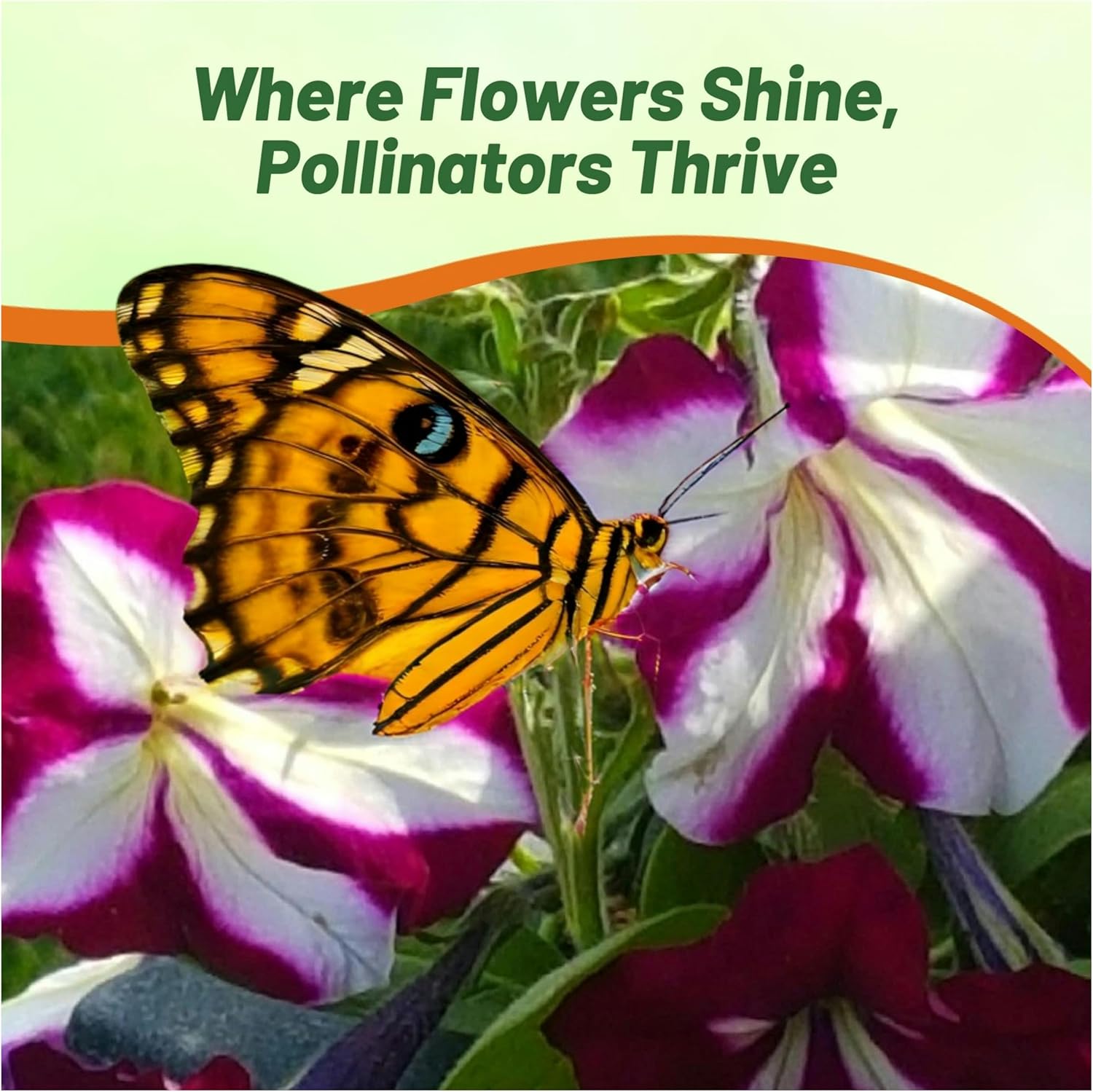
Yes, butterflies and hummingbirds both enjoy these flowers.
What are some good ways to use in my landscape?
Beds, borders, edging, ground cover, hanging baskets or containers are all wonderful ways to use petunia’s around your garden or landscape.
My plants leaves are turning yellow, why?
Yellow leaves are a sign of low nitrogen or iron, not enough water, not enough sunlight or poor drainage. Review your growing conditions to try and determine the cause.
My flowers and leaves are looking wilted, what do I do?
Check soil moisture, it is most likely that your plant needs more water.
What are some common companion plants?
Geraniums, osteopermum, verbena and salvia all are beautiful companion plants.
Videos