











Ratibida Seeds - Grey-Headed Coneflower

SEASON
Perennial
USDA ZONES
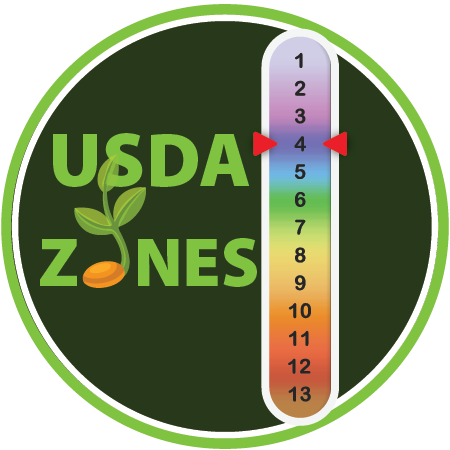
3 - 10

HEIGHT
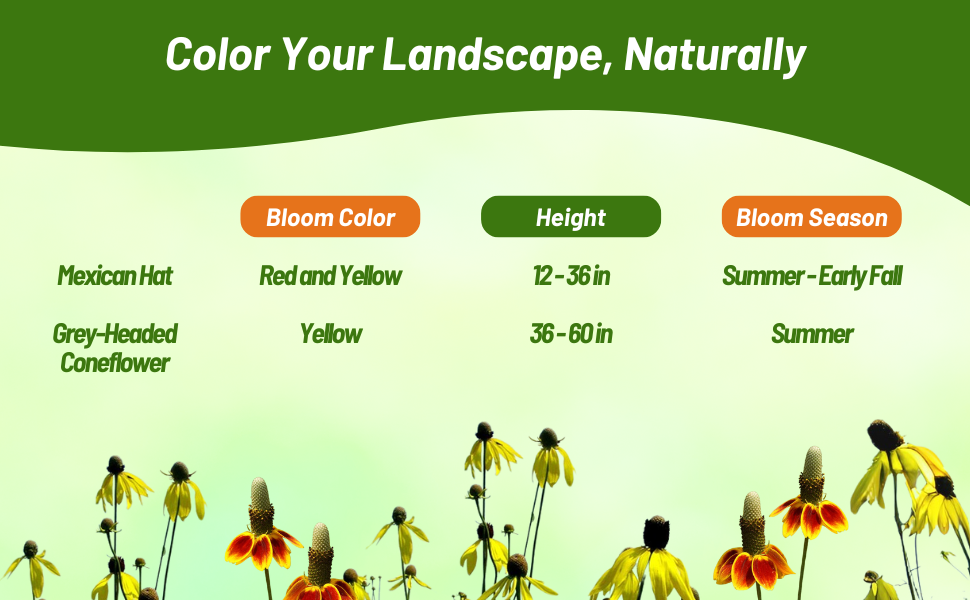
36 - 60 inches

BLOOM SEASON
Summer

BLOOM COLOR
Yellow

ENVIRONMENT
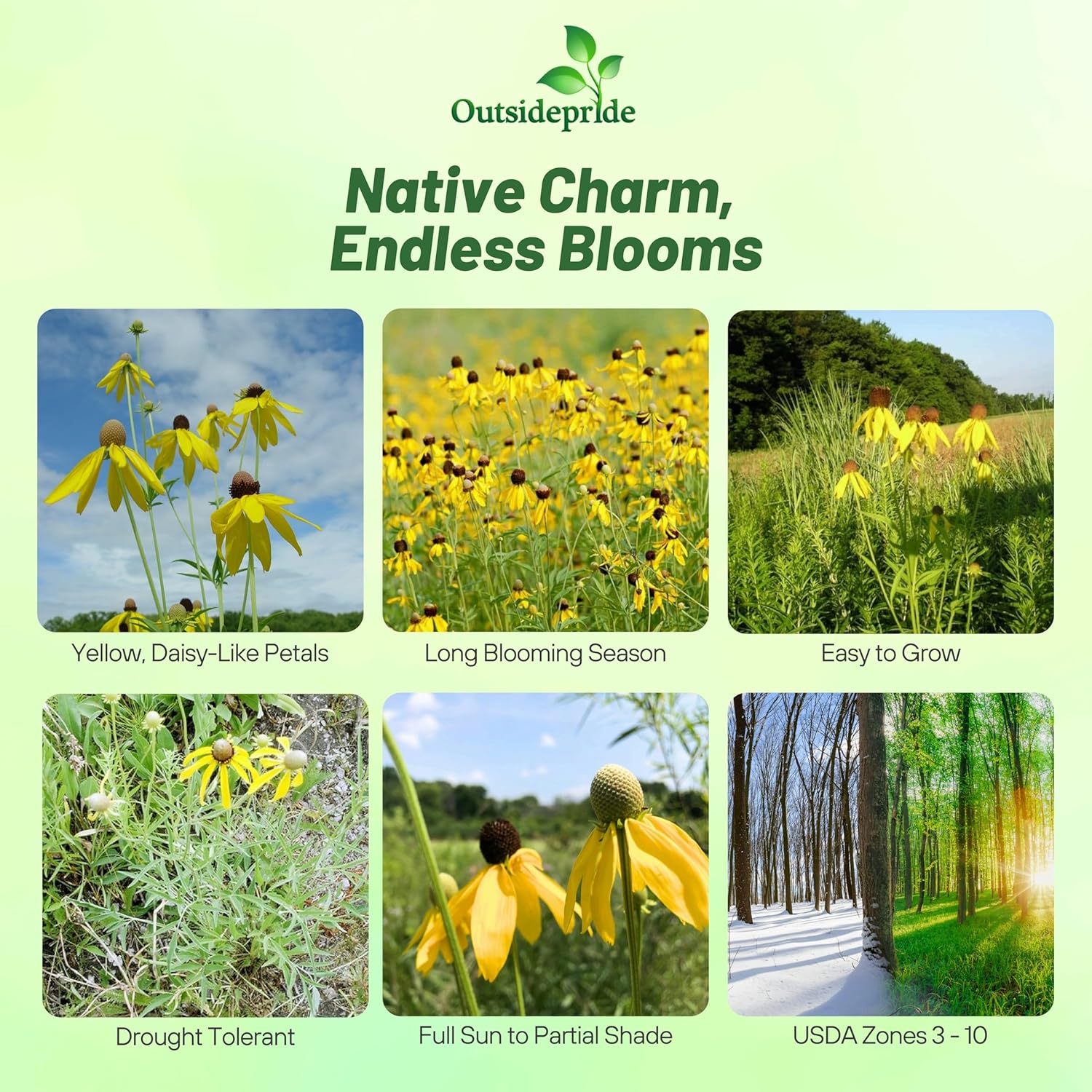
Full sun to partial shade

SOIL TYPE
Rich, well-drained, pH 6.0 - 7.0

DEER RESISTANT
Yes

FOLIAGE COLOR
Dark green

About...
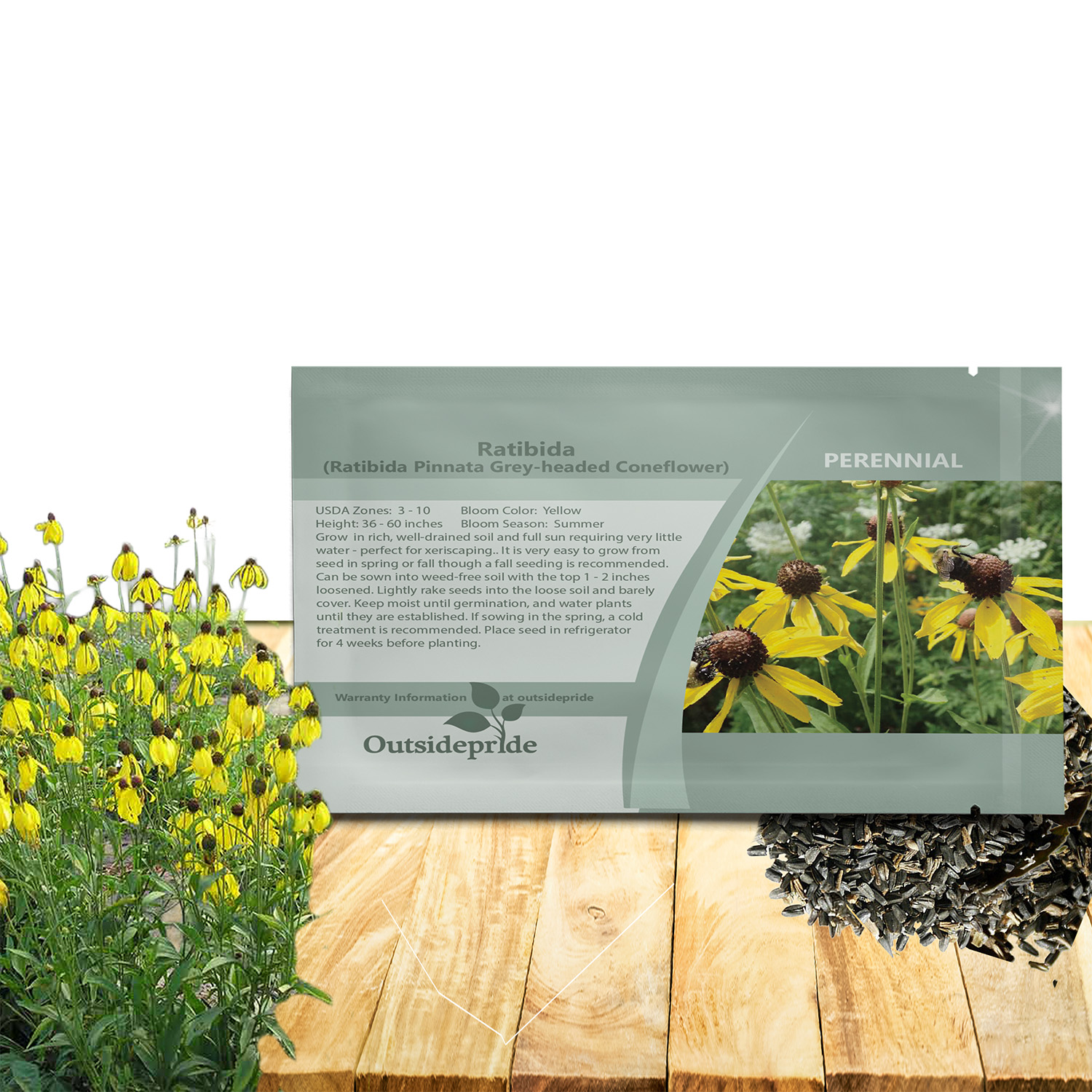
Ratibida (Ratibida Pinnata Grey-headed Coneflower) - Here is a great meadow flower that is easily propagated by Ratibida seeds. The drought tolerant Yellow Coneflower plant is a tall perennial that features attractive blooms that have yellow petals drooping downward, and the petals are arranged around a grayish-brown central cone.MORE RATIBIDA OPTIONS

Planting Directions

TEMPERATURE
68 - 75F

AVERAGE GERM TIME
20 - 30 days

LIGHT REQUIRED
Yes

DEPTH
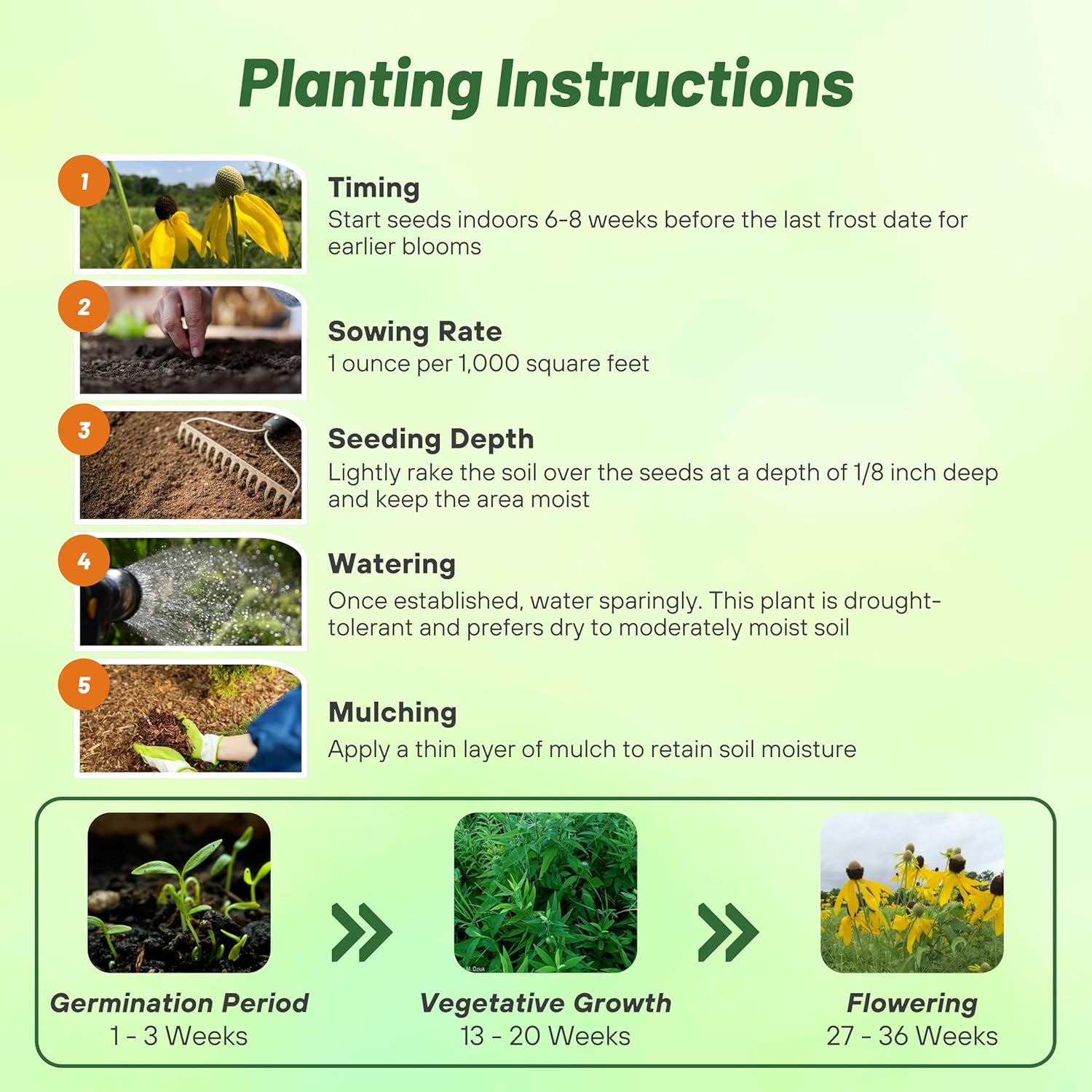
1/8 inch

SOWING RATE
1 ounce per 1,000 square feet

MOISTURE
Keep seeds moist until germination

PLANT SPACING
12 - 24 inches

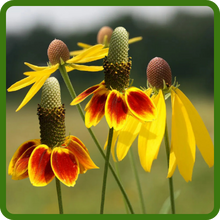
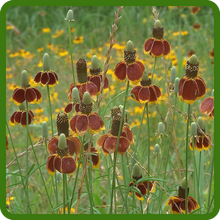
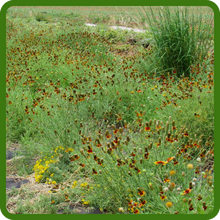
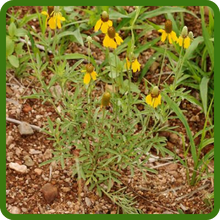
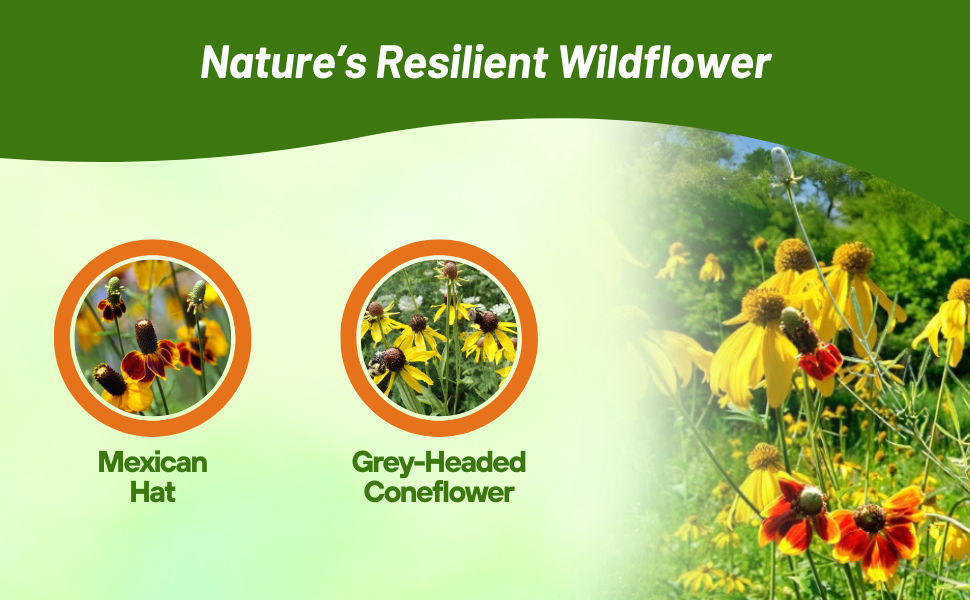
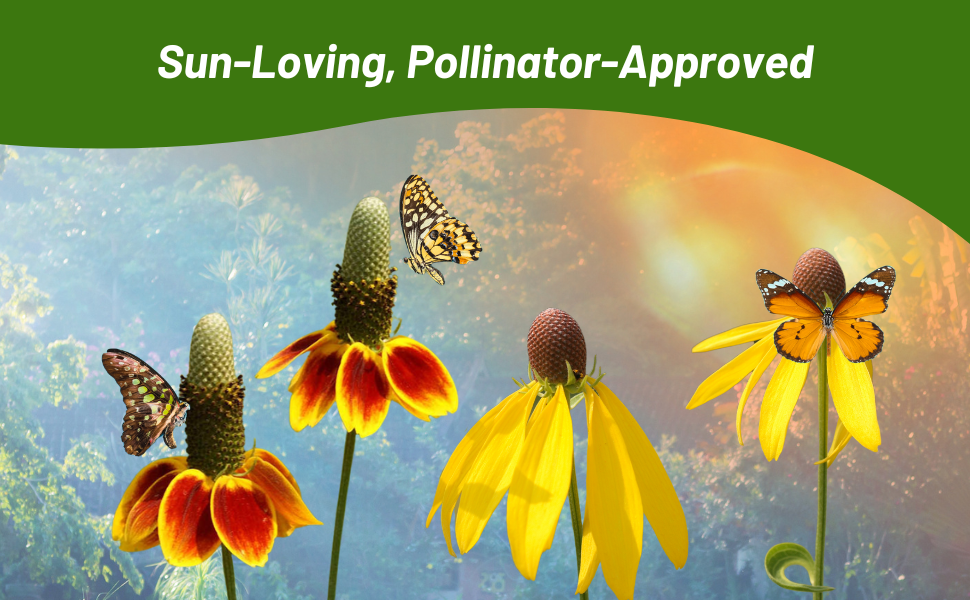
Ratibida (Ratibida Pinnata Grey-headed Coneflower) - Here is a great meadow flower that is easily propagated by Ratibida seeds. The Yellow Coneflower plant is a tall perennial that features attractive blooms that have yellow petals drooping downward, and the petals are arranged around a grayish-brown central cone. Also known as Prairie Coneflower, these lovely blooms attract butterflies, and as the cone dries, the seeds are eaten by songbirds. Very attractive and showy! Yellow Coneflowers also makes great cut flowers and are resistant to drought.
Grow Ratibida in rich, well-drained soil and full sun requiring very little water which makes the plants perfect for xeriscaping. It's native to many regions of the United States and can be found growing in prairies, thickets, roadsides, railroad right-of-ways, and borders of woods. It is very easy to propagate from Yellow Coneflower seeds in spring or fall though a fall seeding is recommended. Ratibida seeds can be sown into weed-free soil with the top 1 - 2 inches loosened. Lightly rake the flower seeds into the loose soil and barely cover. Keep the seeds moist until germination, and water the plants until they are established. If planting the flower seeds in the spring, a cold-treatment is recommended. Place seed in the refrigerator for 4 weeks.
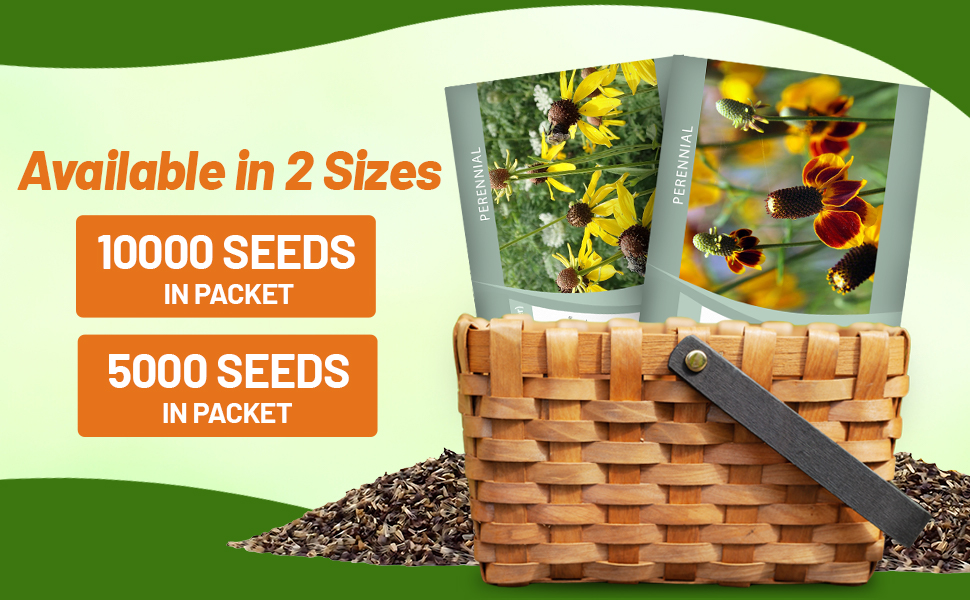
Approximately 28,000 seeds per ounce.
Frequently Asked Questions
Will flowers attract any pollinators?
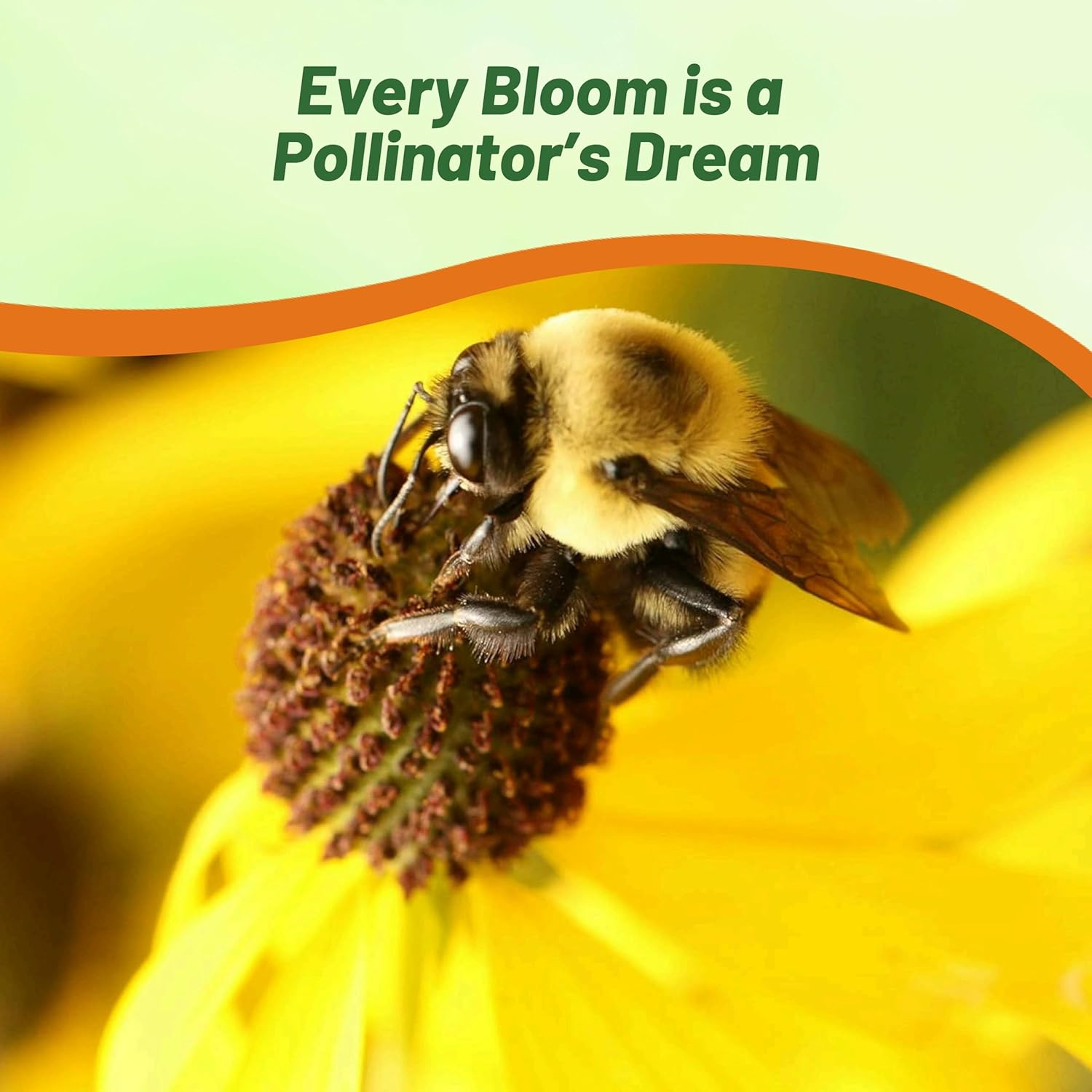
Yes, birds and butterflies love these blooms.
What are some recommended companion plants?
Red hot poker, gayfeather, helenium are all wonderful companion plants for Mexican hat.
What are some ways to use in the landscape?
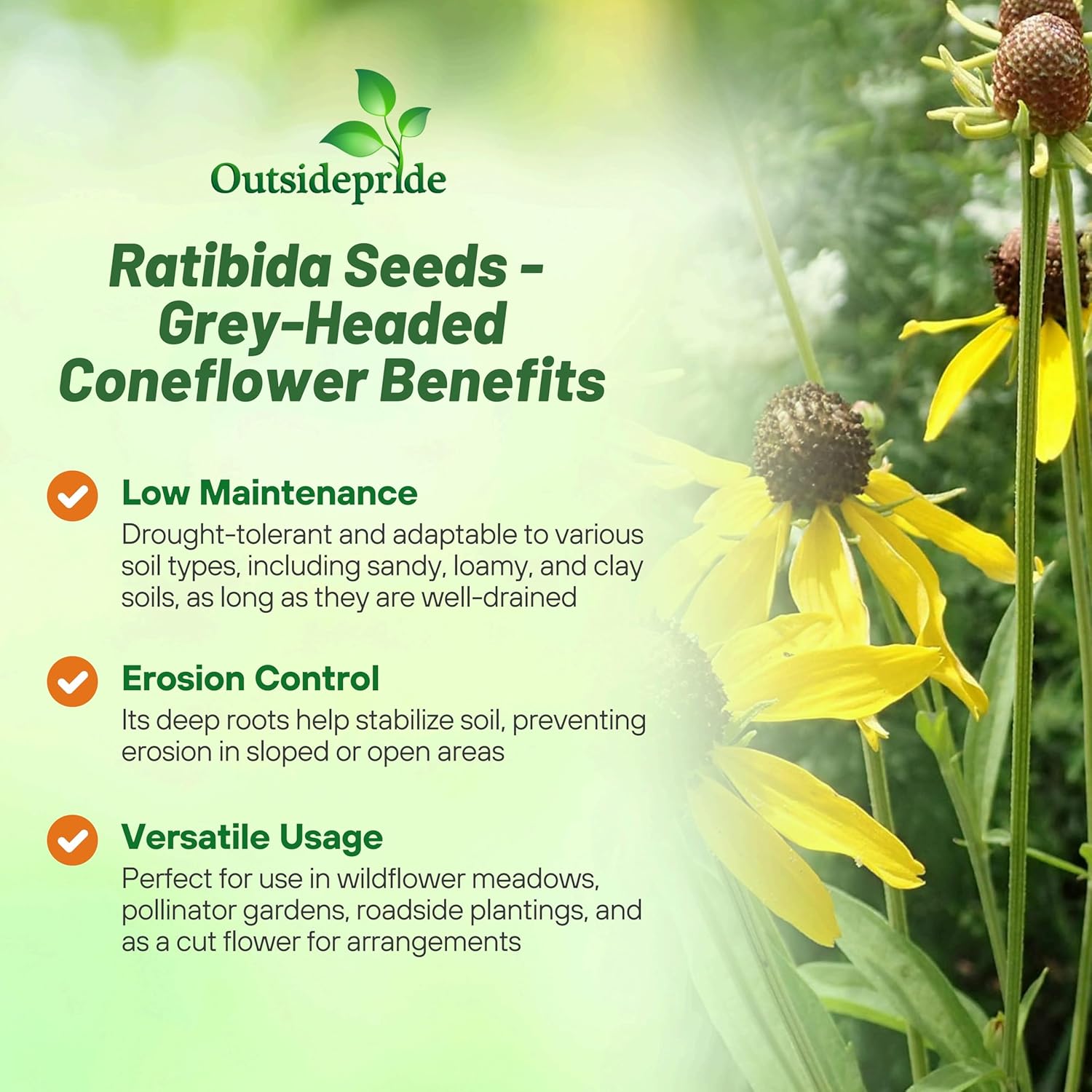
Along borders, xeriscape, pollinator garden, prairies, meadows, erosion control, cottage gardens, mass plantings or use as a cut flower.
Videos