








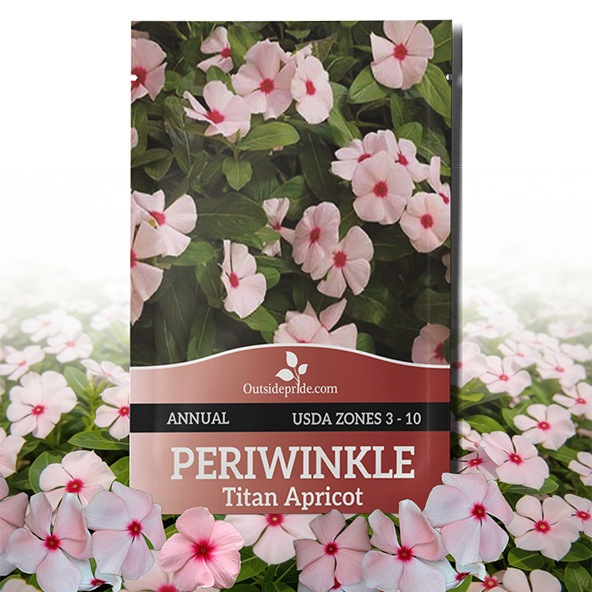

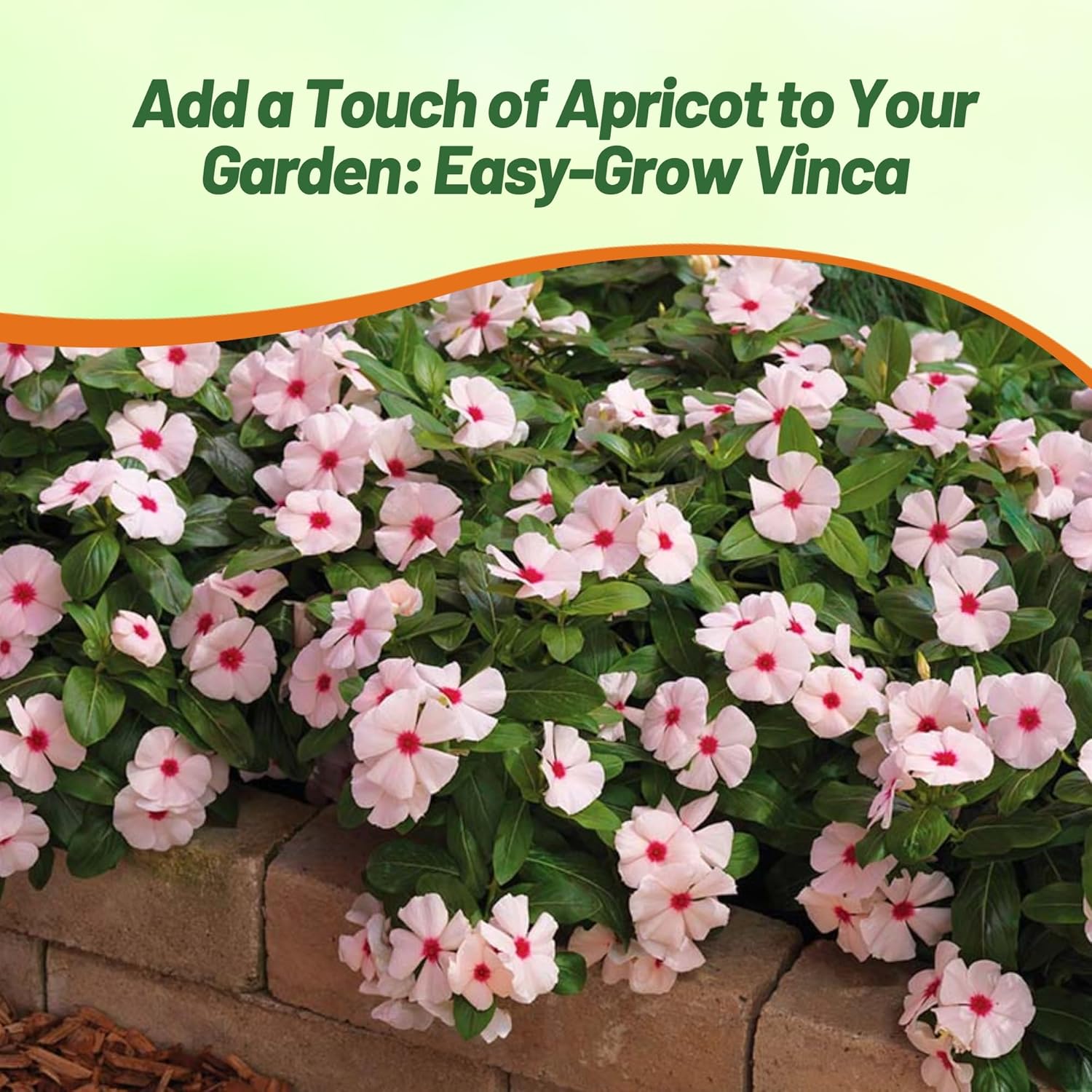
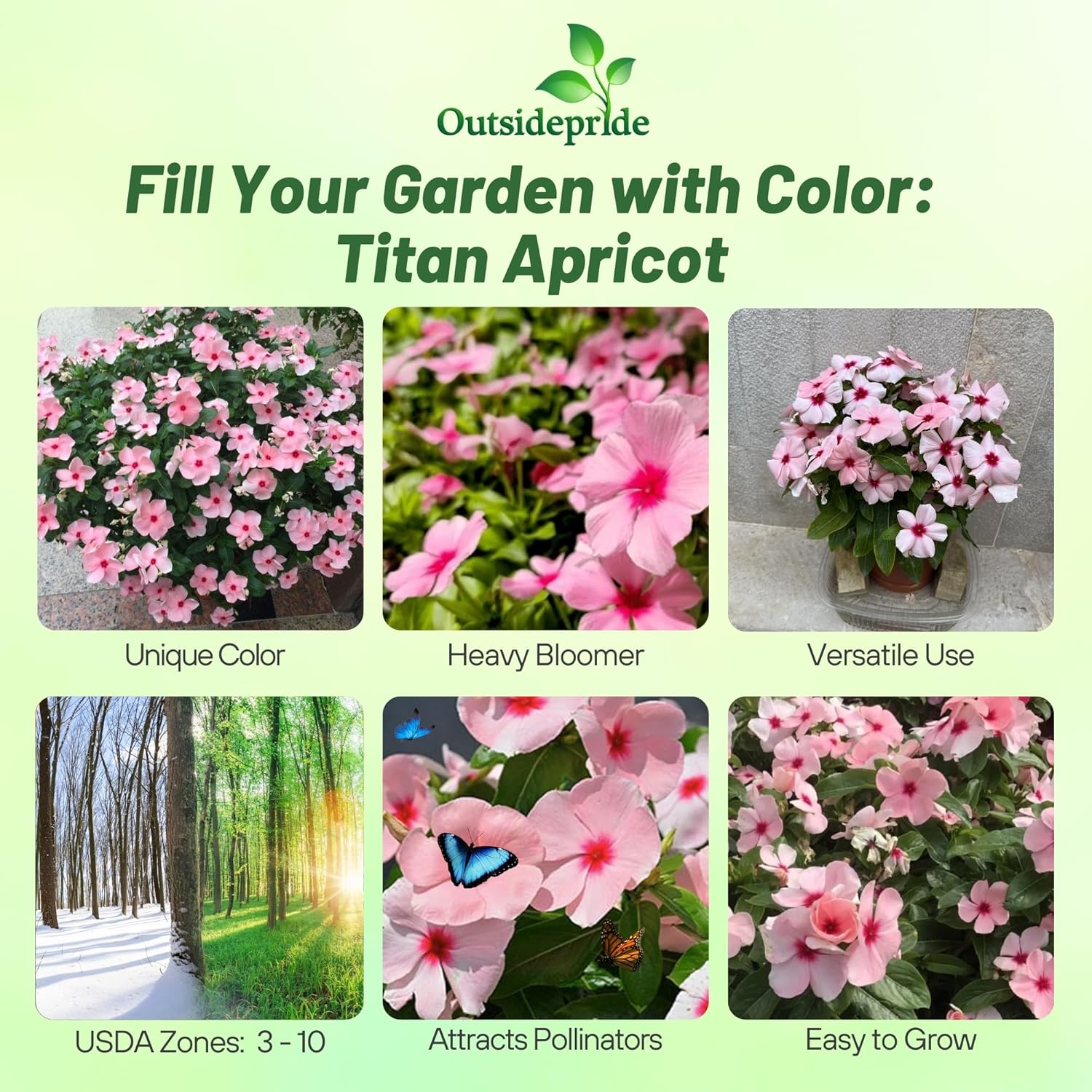
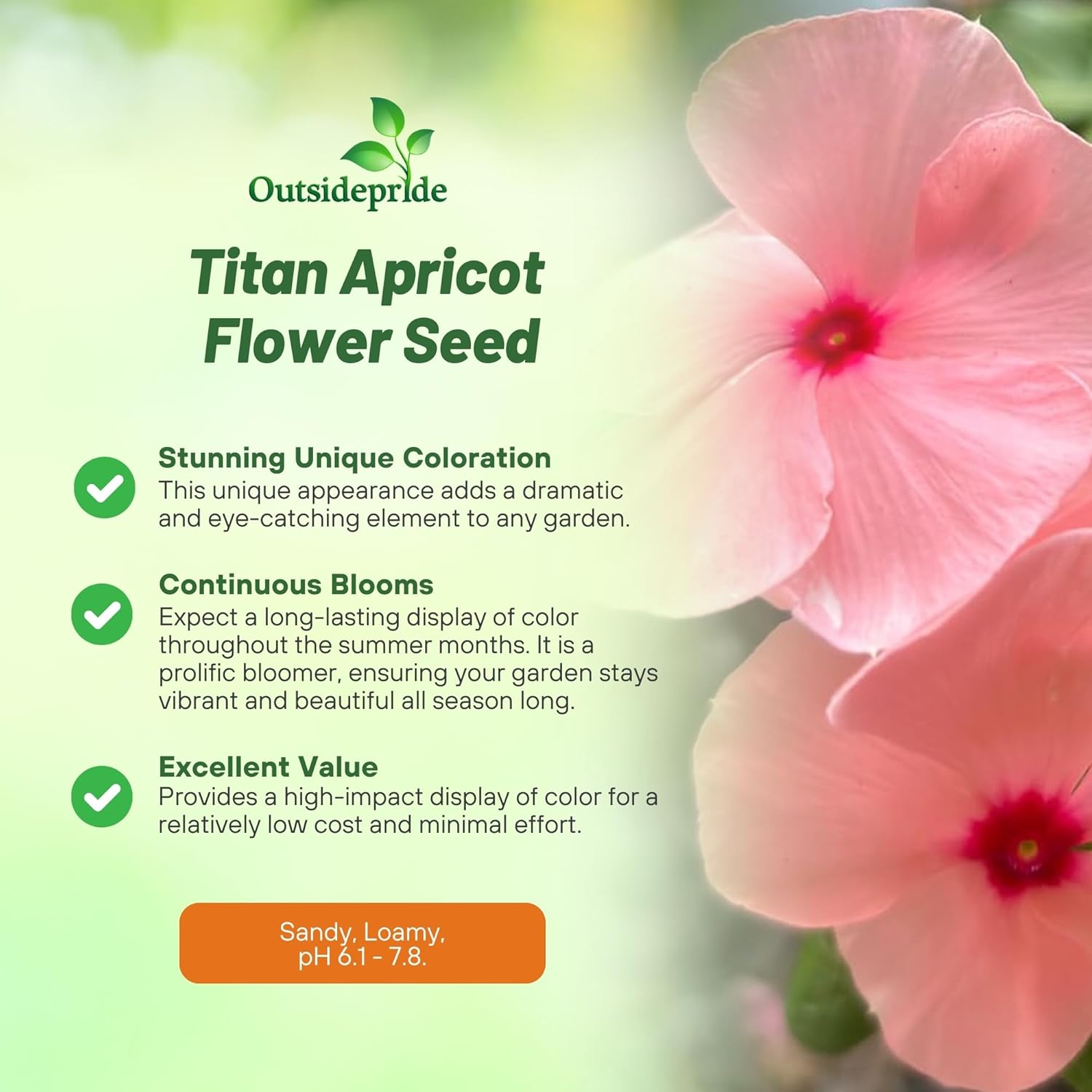

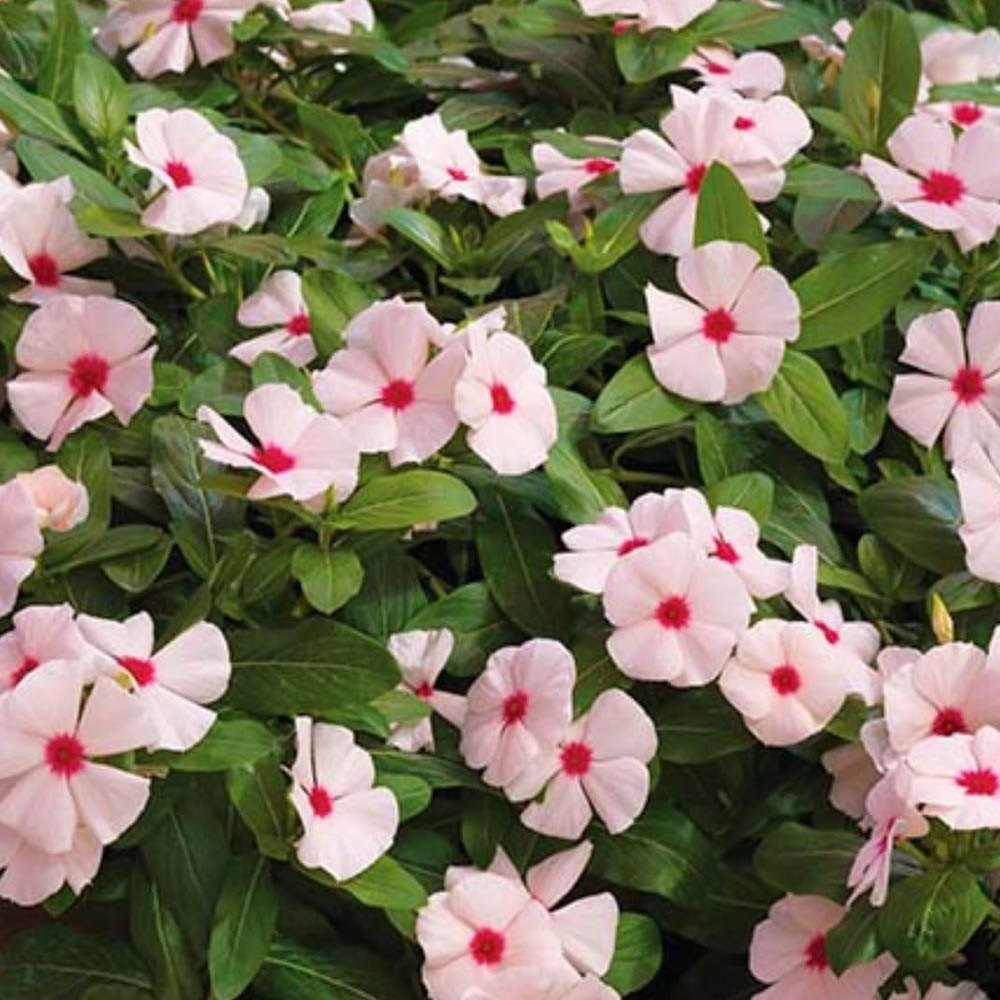
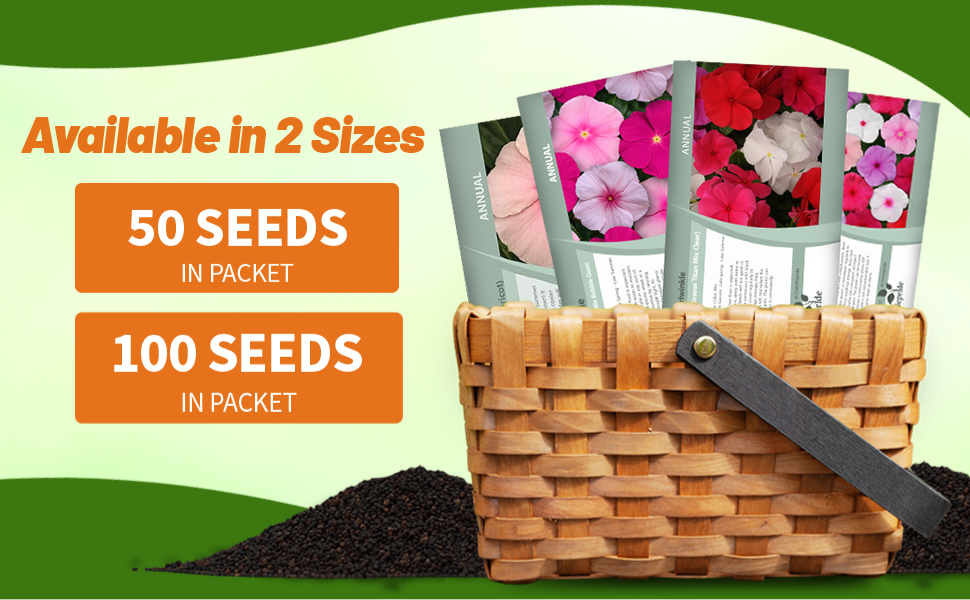
Periwinkle Seeds - Titan Apricot

SEASON
Annual

USDA ZONES
3 - 10

HEIGHT
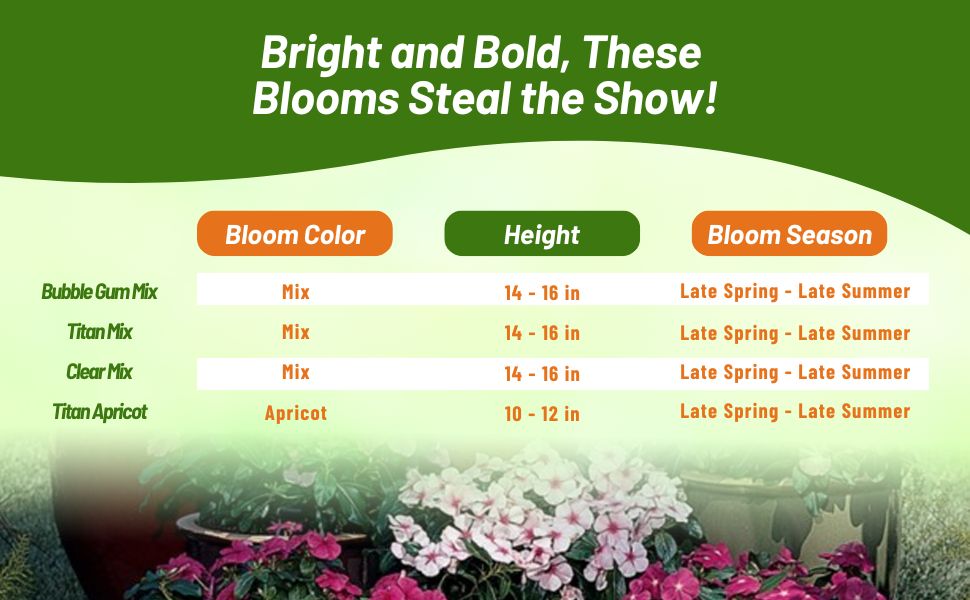
10 - 12 inches

WIDTH
12 - 16 inches

BLOOM SEASON
Late spring to late summer

BLOOM COLOR
Apricot

GROWTH RATE
Fast

ENVIRONMENT
Full sun

FOOT TRAFFIC
Light

DEER RESISTANT
Yes

About...
(Catharanthus Roseus Titan Apricot) - Harsh climate changes will not slow this Vinca down! It holds up beautifully to heat, humidity, rain and even cooler temperatures. Lovely apricot blooms with a dark center will reach 1 to 2 inches.MORE PERIWINKLE OPTIONS

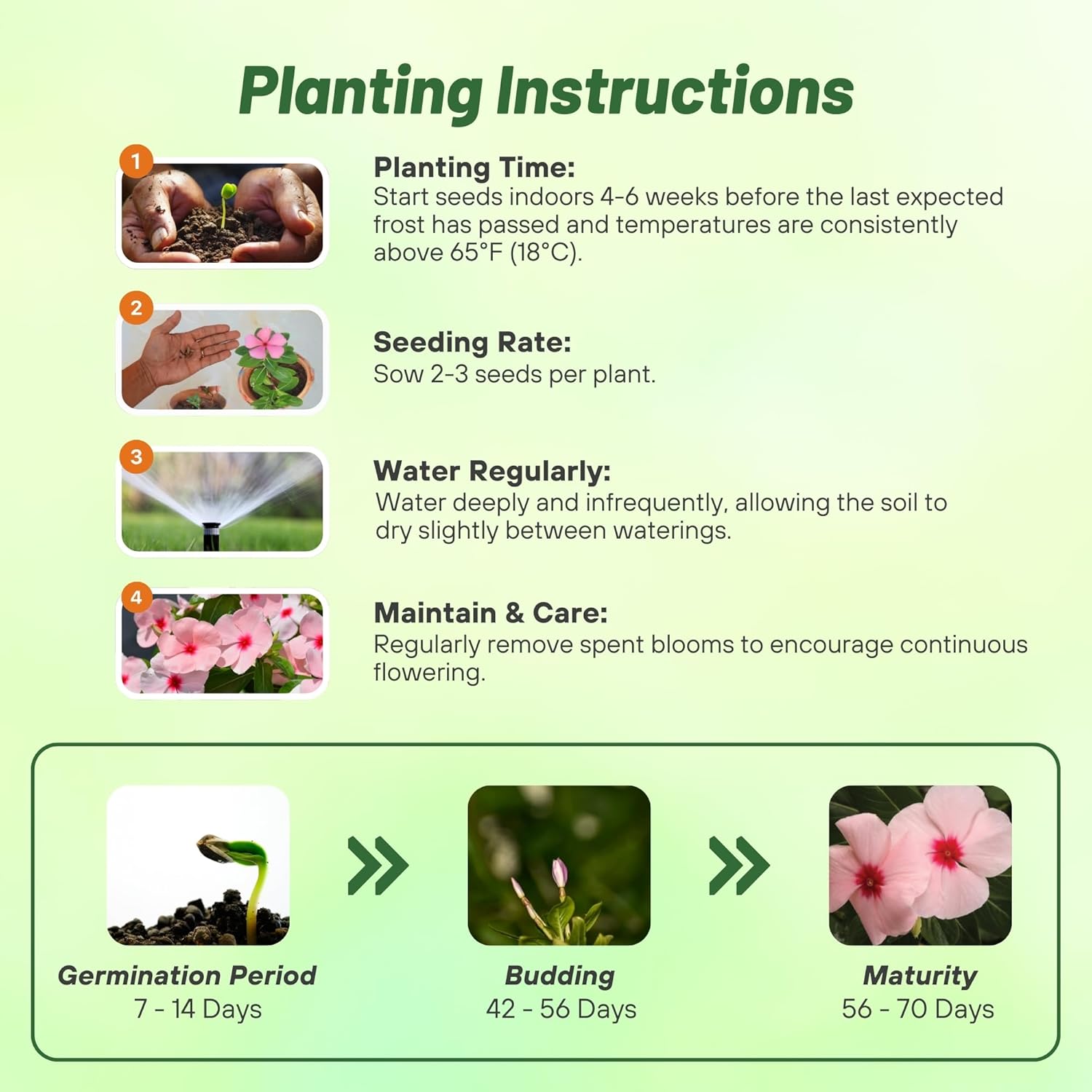
Planting Directions

TEMPERATURE
65 - 70F

AVERAGE GERM TIME
10 - 14 days

LIGHT REQUIRED
No

DEPTH
1/4 inch

SOIL TYPE
Moist, well-drained, pH 6.1 - 7.8

SOWING RATE
2 - 3 seeds per plant

MOISTURE
Keep seeds moist until germination
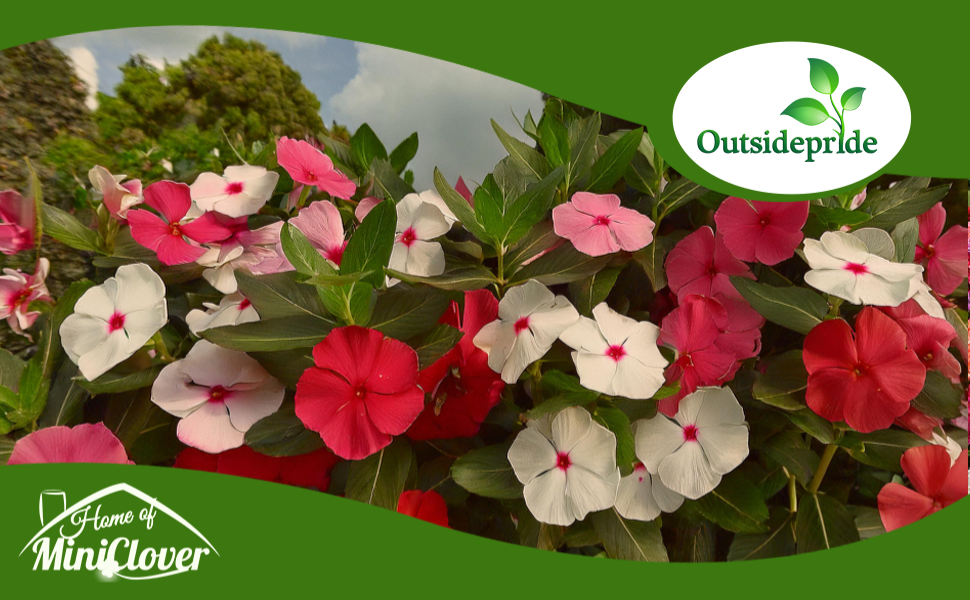
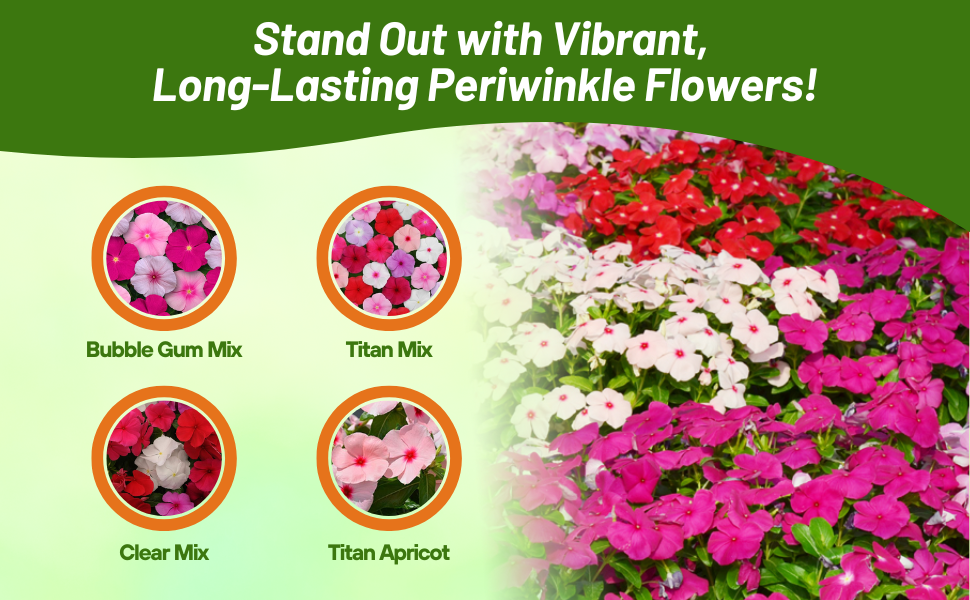

Periwinkle (Catharanthus Roseus Titan Apricot) - Harsh climate changes will not slow this Periwinkle down! It holds up beautifully to heat, humidity, rain and even cooler temperatures. Lovely apricot blooms with a dark center will reach 1 to 2 inches. It's a heavy-bloomer even when the weather doesn't cooperate. Fill the borders and containers with this versatile annual Vinca!
Periwinkle seeds should be started indoors 6 - 10 weeks prior to the end of frost season. Sowing these flower seeds directly outdoors is not recommended. These drought resistant plants need for little water after establishment making them perfect for xeriscaping.
Frequently Asked Questions
How quickly do annual vincas grow and spread?
Very fast. Annual vinca seedlings will reach full-size by mid-summer.
What plants pair well with annual periwinkle?
Plants that complement annual periwinkle enhance the striking eye of the vinca flower. For instance, consider combining white vincas with a burgundy eye alongside burgundy zinnias, or pairing peach vincas featuring a red eye with bold wine-hued celosia plants. Additionally, other heat and sun-loving plants that work well with vinca include moss rose and penta flowers.
How should you use it in your garden?
Utilize the rapid growth habit of annual vinca to enhance your garden. Purchase a six-pack of vinca plants to fill any empty sunny areas in your garden border where your perennials are still growing. Trailing annual vincas, such as the 'Cora Mix', may not take up much space in the soil, but they will gracefully spill over pathways and emerge from leggy shrubs, bringing a vibrant splash of color to your landscape.
Does vinca get downy mildew like impatiens?
No, many gardeners use it as a substitute for impatiens to brighten shady areas because it is not susceptible to downy mildew.
Can I grow in a container?
Absolutely, they are perfect for containers.
Does vinca attract pollinators?
Yes, they attract bees, butterflies and hummingbirds.
Videos