







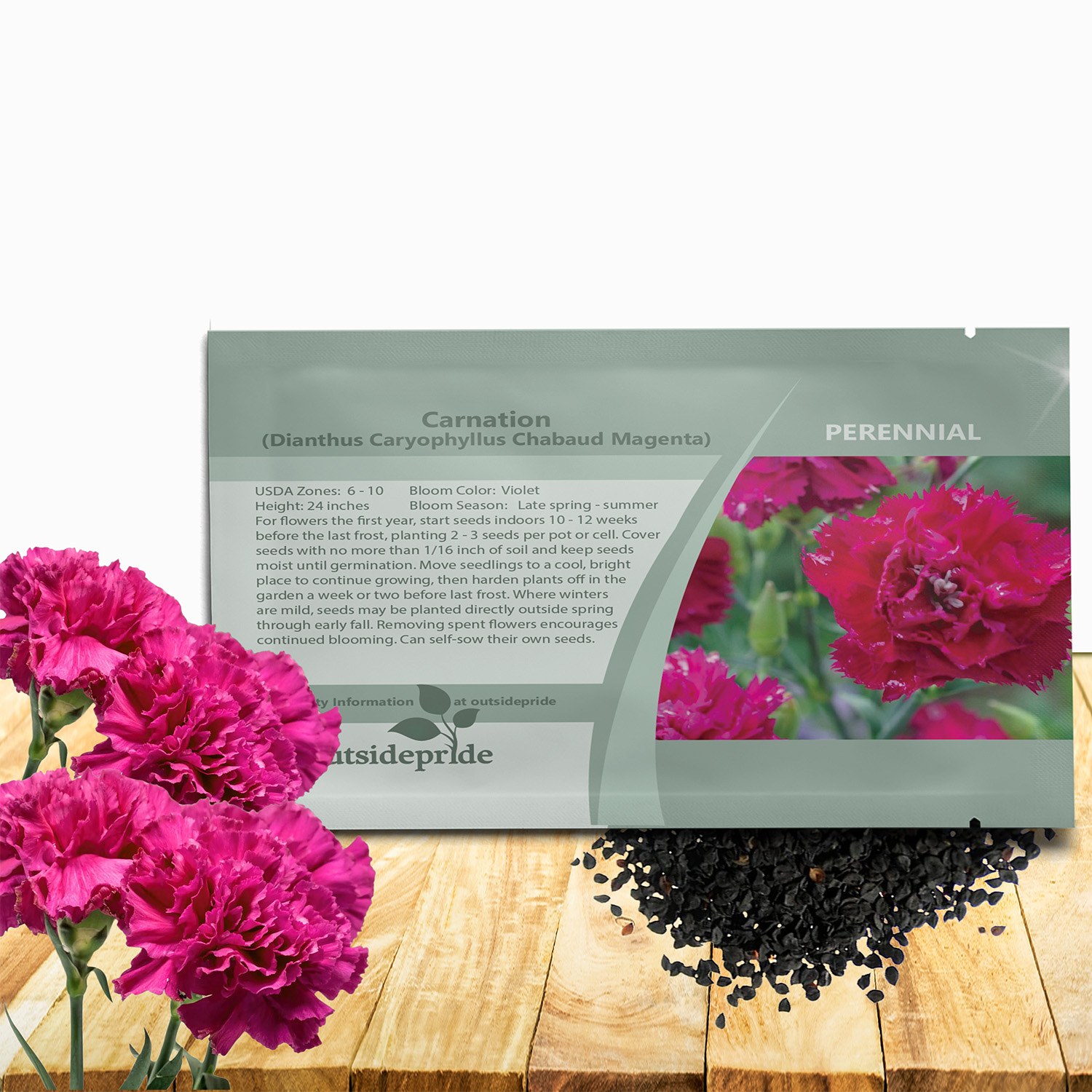

Carnation Seeds - Chabaud Magenta

SEASON
Perennial
USDA ZONES
6 - 10

HEIGHT
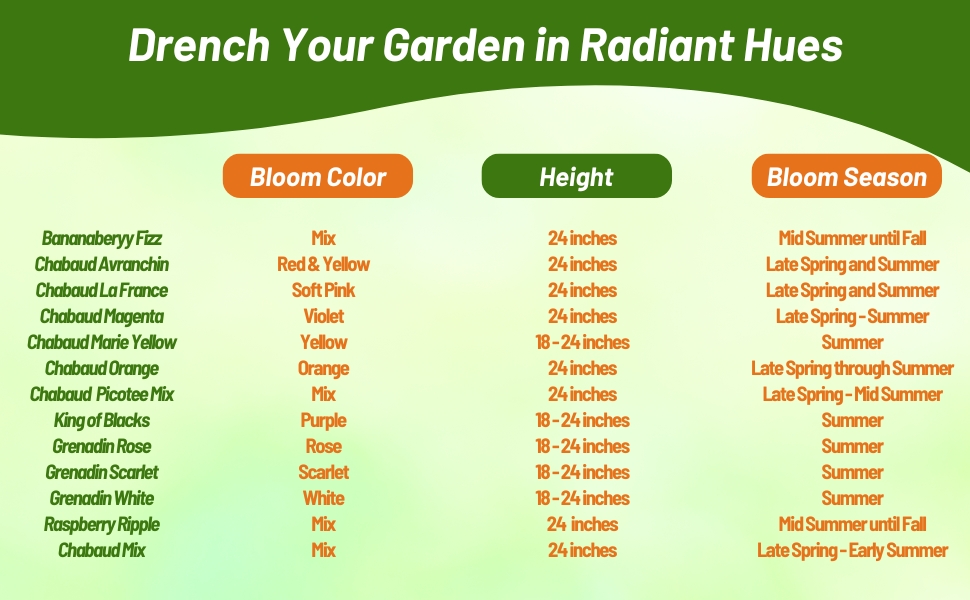
24 inches

BLOOM SEASON
Late spring through mid summer

BLOOM COLOR
Violet

ENVIRONMENT
Full sun to partial shade

SOIL TYPE
Well-drained, pH 6.6 - 7.8
DEER RESISTANT
Yes
HOUSE PLANT
No

About...
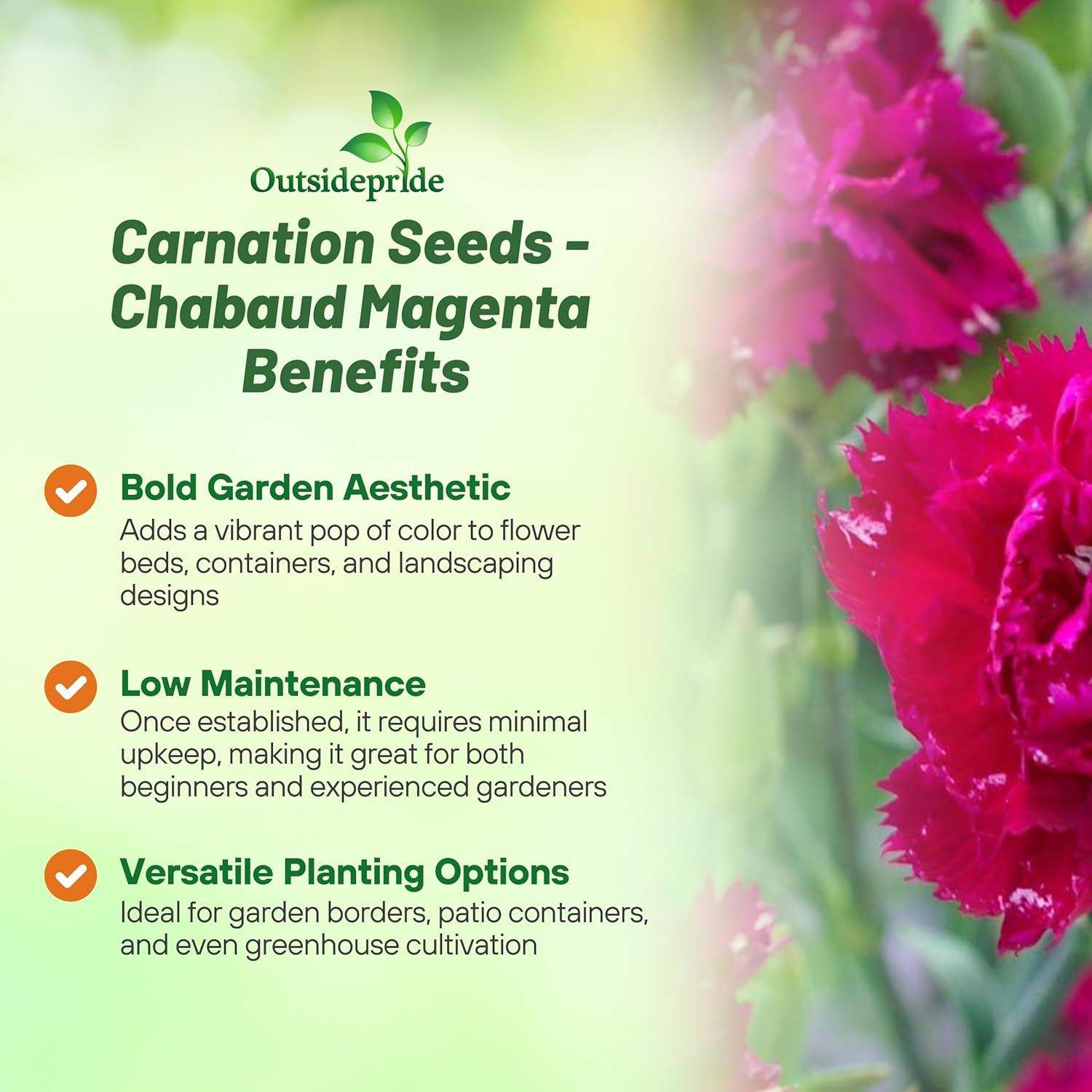
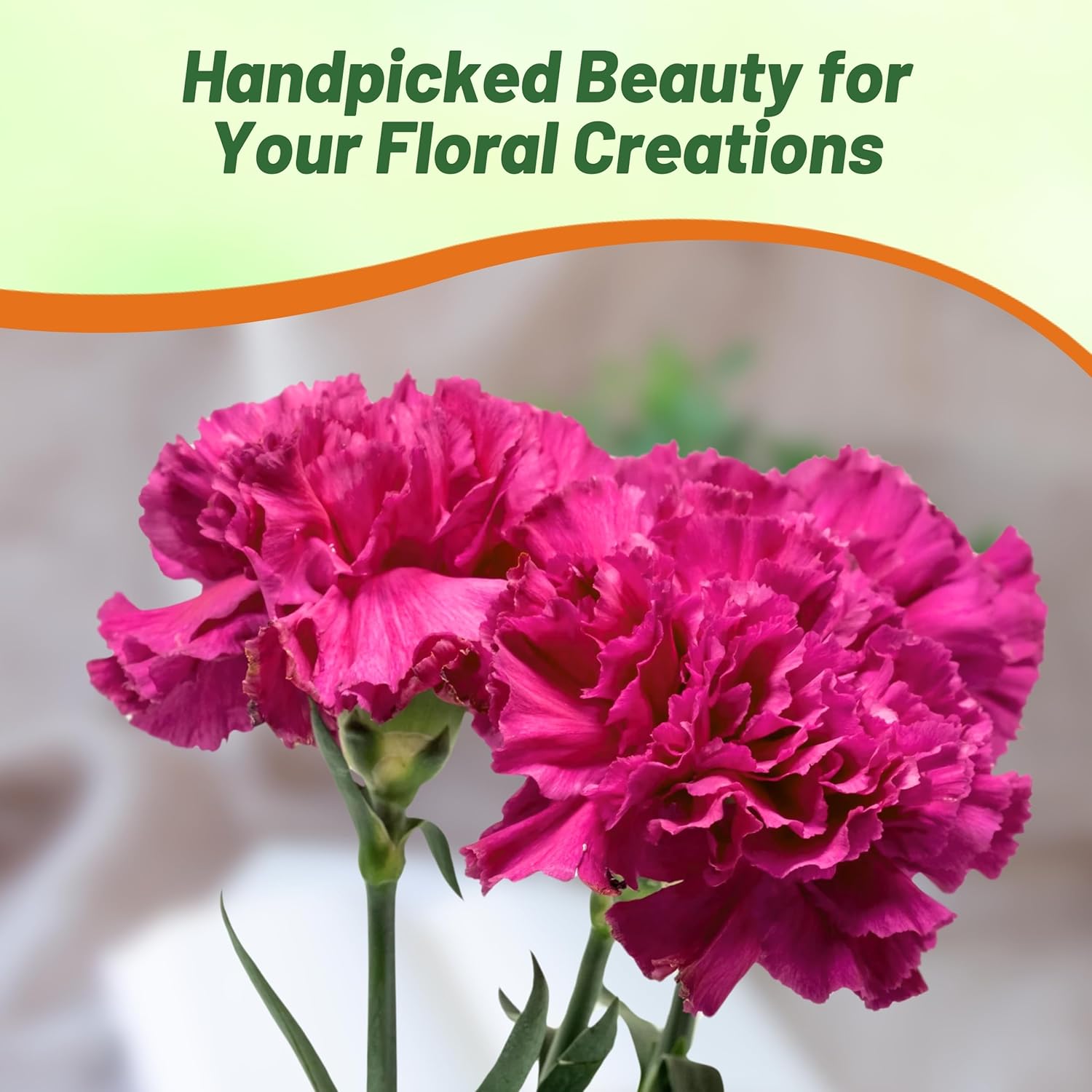
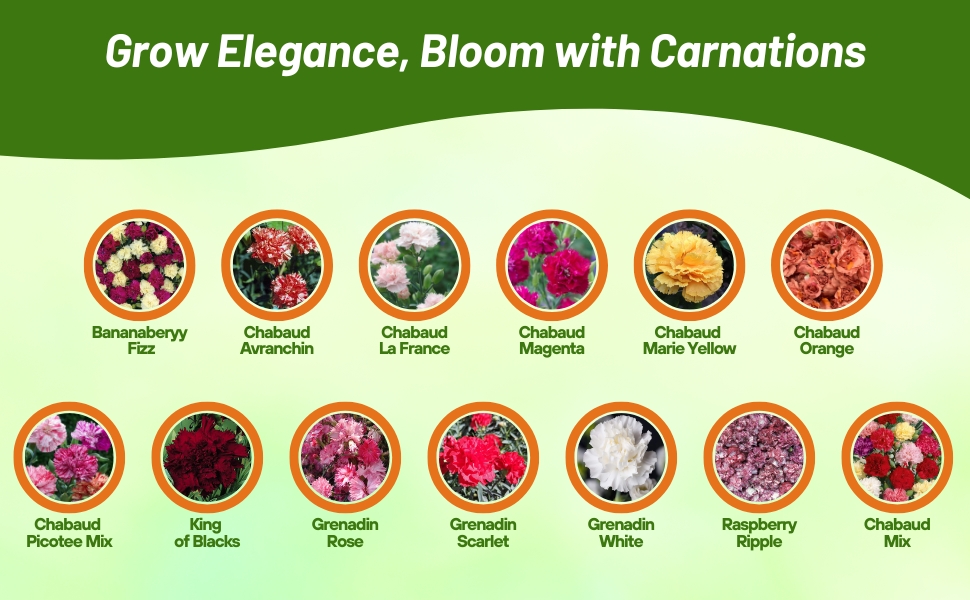
Carnation (Dianthus Caryophyllus Chabaud Magenta) - Your neighbors will ask for some of your Carnation seeds so that they can grow some of the most beautiful cutting flowers for themselves! Dianthus Caryophyllus Chabaud is a tall Carnation that has a long stem making it excellent for cutting and arranging in fresh bouquets.MORE CARNATION OPTIONS

Planting Directions

TEMPERATURE
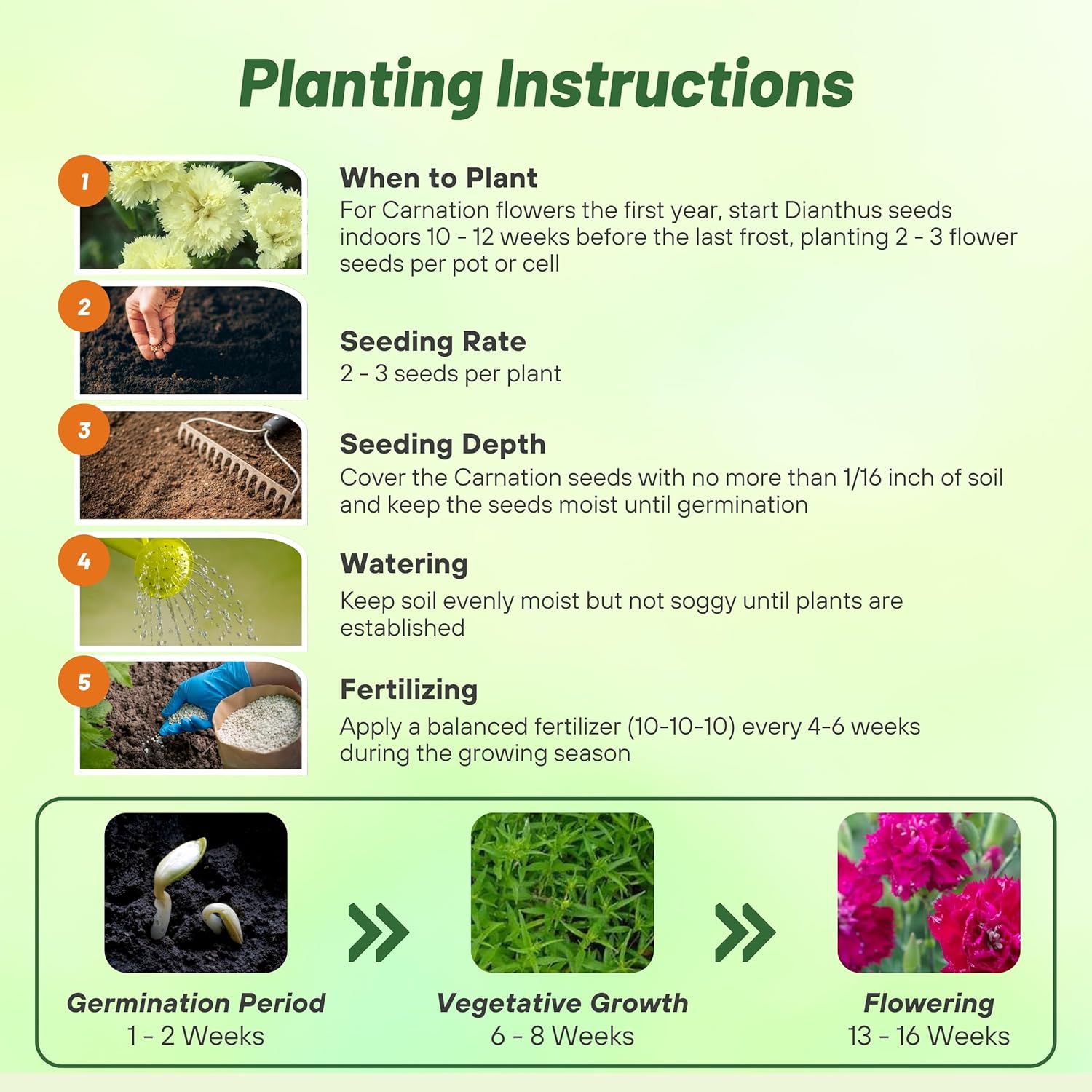
68 - 75F
AVERAGE GERM TIME
7 - 14 days

LIGHT REQUIRED
No

DEPTH
Sow seeds 1/16th inch deep

SOWING RATE
2 - 3 seeds per plant
MOISTURE
Keep moist until germination

PLANT SPACING
12 - 18 inches
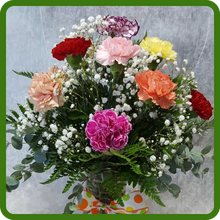
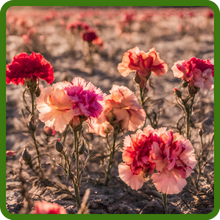
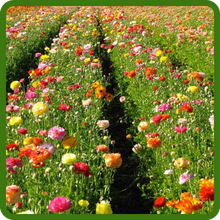
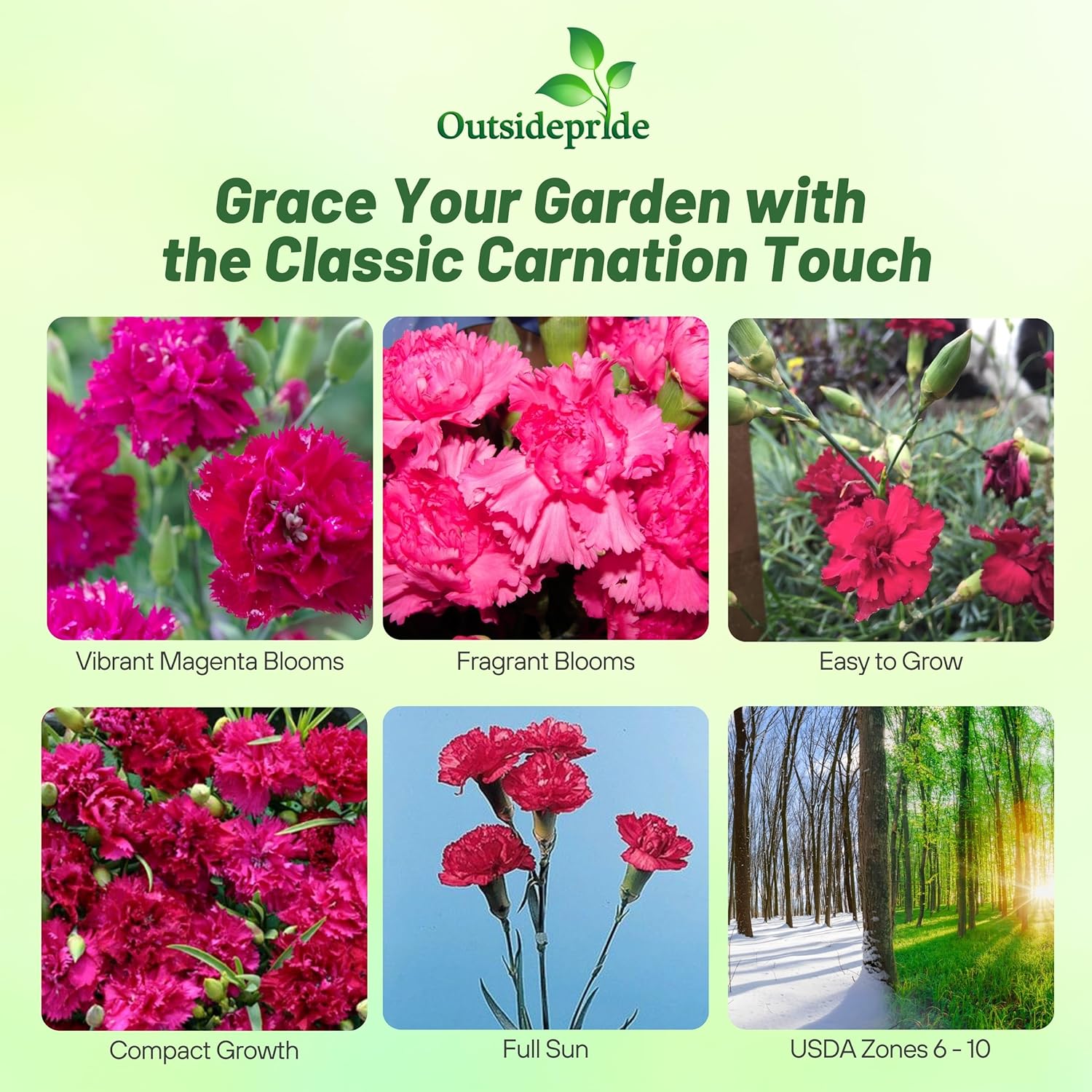
Carnation (Dianthus Caryophyllus Chabaud Magenta) - Your neighbors will ask for some of your Carnation seeds so that they can grow some of the most beautiful cutting flowers for themselves! Dianthus Caryophyllus Chabaud is a tall Carnation that has a long stem making it excellent for cutting and arranging in fresh bouquets. This magenta Carnation flower is intense in color and long-lasting both in the garden and in the vase. A Chabaud Carnation has double, beautifully scented, fringed flowers, and it can grow as a perennial in frost free zones. For areas with cold winters, start Carnation seeds each spring indoors as an annual. Every cutting garden needs this Dianthus Chabaud Carnation!
For Carnation flowers the first year, start Dianthus seeds indoors 10 - 12 weeks before the last frost, planting 2 - 3 flower seeds per pot or cell. Cover the Carnation seeds with no more than 1/16 inch of soil and keep the seeds moist until germination. Move seedlings to a cool, bright place to continue growing, then harden the Carnation plants off in the garden a week or two before the last frost. Where winters are mild, Carnation seeds may be planted outdoors spring through early fall. Removing spent flowers encourages continued blooming. Carnations can self-sow their own flower seeds.
Frequently Asked Questions
What are the best places to use carnation flowers in landscape?
This is a great flower for beds and borders, cottage gardens and containers.
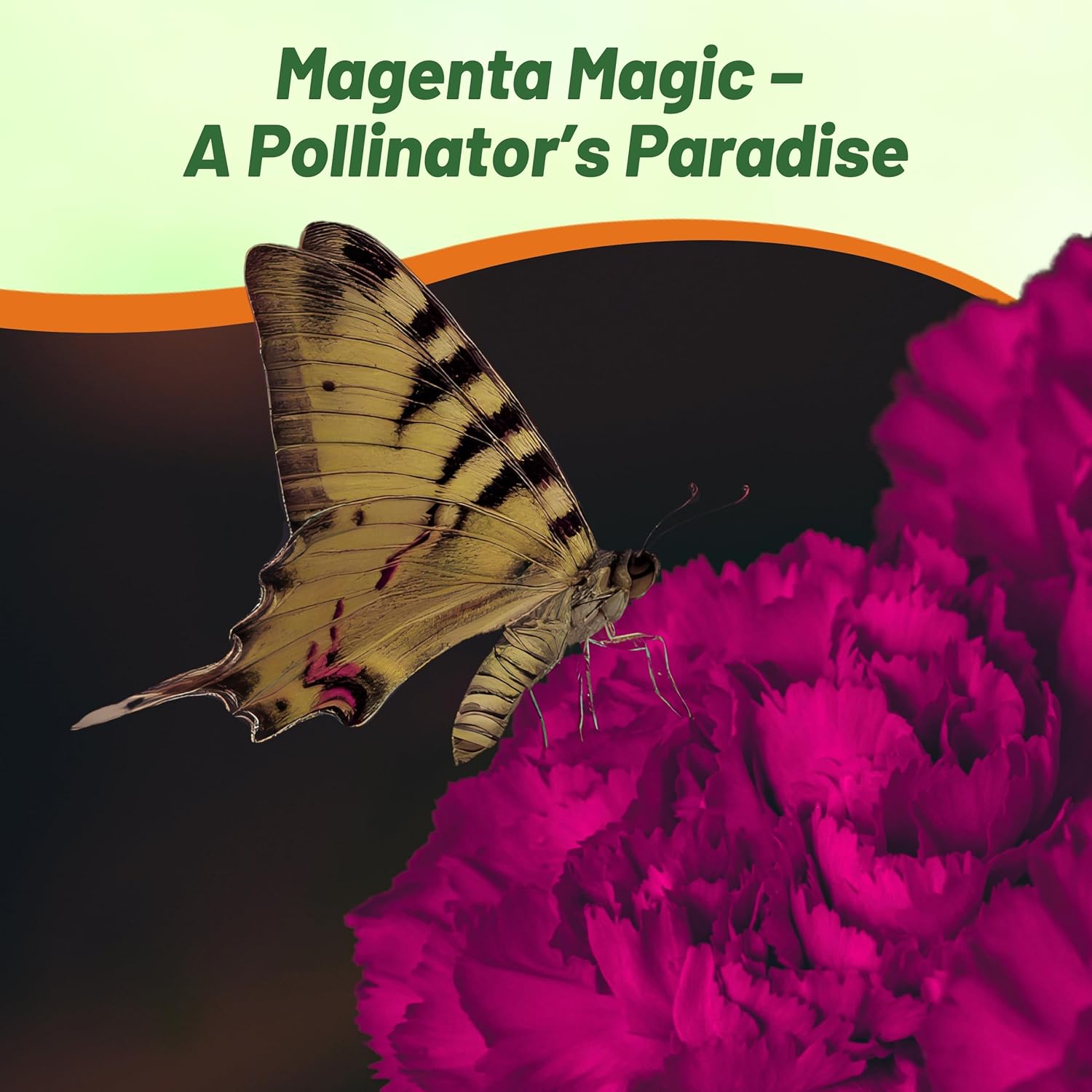
Does this flower attract pollinators?
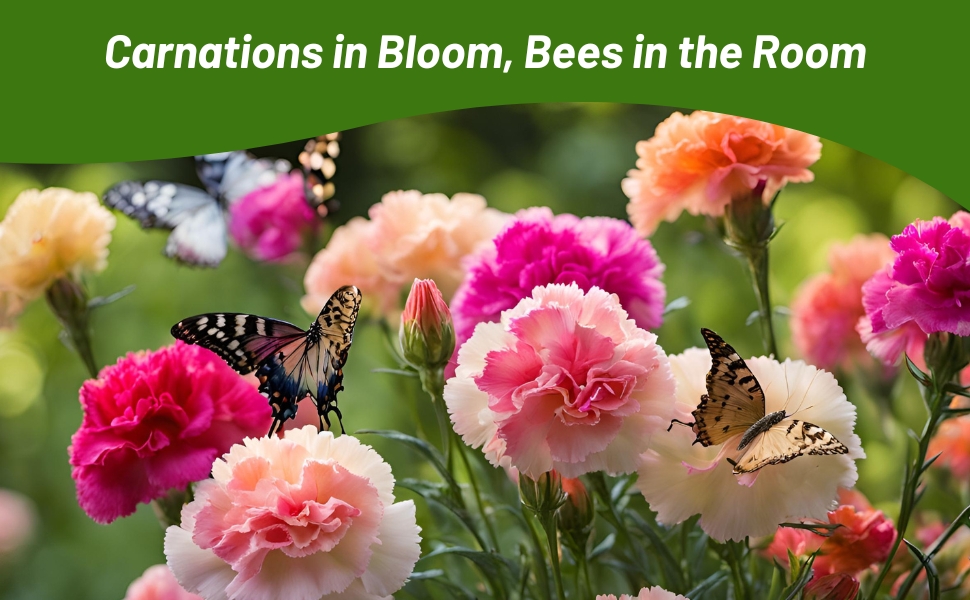
Yes, carnations attract bees and butterflies as well as some beneficial insects to your garden.
Do I need to deadhead my flowers?
To promote extended bloom time and compact growth you will need to deadhead your flowers.
Do I need to divide my plants?
Yes, you should divide your carnation plants every second spring or plant new ones to maintain vigor.
Are carnations toxic to animals?
Yes, this plant is toxic to dogs, cats and horses.
Videos