


Gypsophila Seed - Baby's Breath Crimson Flower Seeds

Gypsophila Seeds - Crimson

5000 Seeds
.......................................................................................................................................................
4.99
10000 Seeds
.......................................................................................................................................................
8.99

SEASON

Annual

USDA ZONES

3 - 10

HEIGHT

10 - 20 inches

BLOOM SEASON

Summer

BLOOM COLOR

Crimson

ENVIRONMENT

Full sun

SOIL TYPE

Well drained, pH 6.6 - 7.8

DEER RESISTANT

Yes

About...

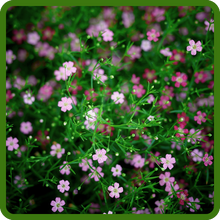
Gypsophila (Gypsophila Elegans Crimson) - Annual Baby's Breath is one of the very easiest flowers to grow from Gypsophila seeds, and it gives so much beauty and complements other flowers so nicely in the flower garden. Crimson Baby's Breath is an annual, so it grows quickly, blooms heavily, and dies.

MORE GYPSOPHILA OPTIONS

ABOUT
FAQ's
VIDEOS

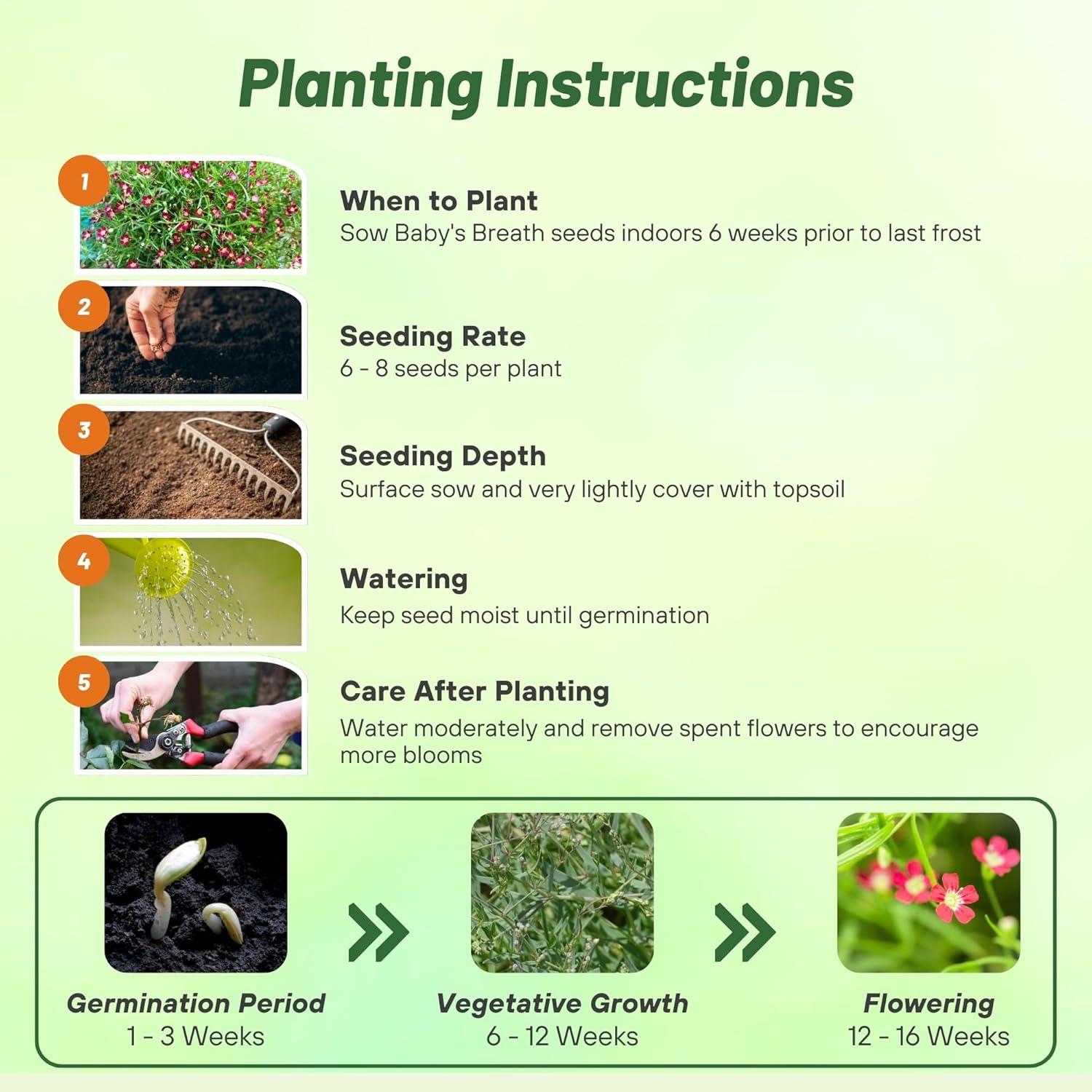
Planting Directions

TEMPERATURE

70F

AVERAGE GERM TIME

10 - 20 days

LIGHT REQUIRED

Yes

DEPTH

1/16 inch

SOWING RATE

6 - 8 seeds per plant

MOISTURE

Keep moist until germination

PLANT SPACING

10 inches
Gypsophila Baby's Breath Flower Mixture
Gypsophila Seed Packets & Bulk Bags For Planting Wildflowers & Ground Cover
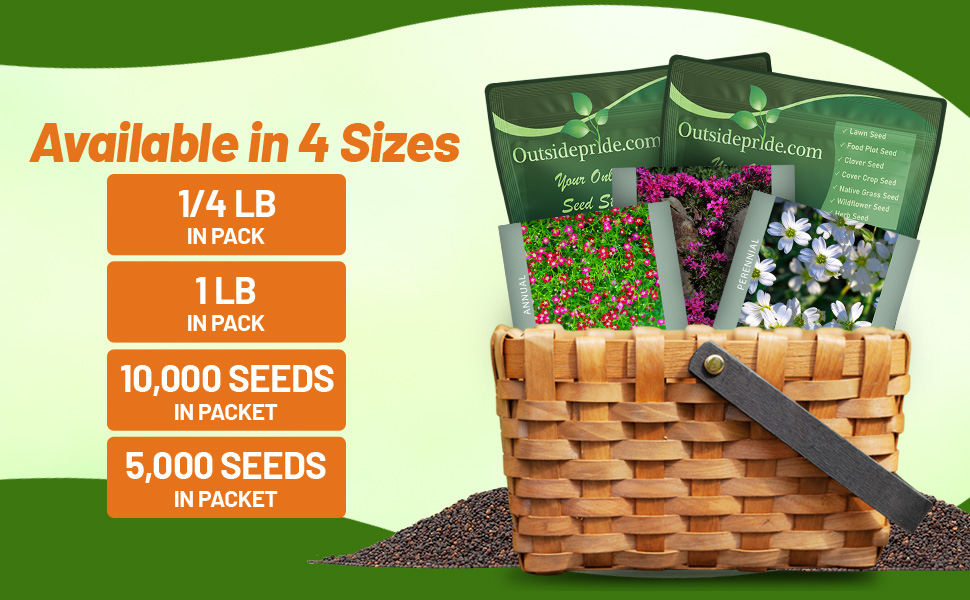
Outsidepride Gypsophila Wild Flower Seeds for Planting (Gypsophila spp.) provide a variety of blooms with our Baby's Breath seeds, offering colors ranging from crimson to rose and white. Growing in USDA zones 3-10, they require full sun and well-drained soil, with heights ranging from 6 to 20 inches. Our easy-to-grow seeds are suited for cutting flower arrangements, borders, or filling flower beds. Available in 4 different sizes of flower seed packets, our seeds bloom throughout the summer and fall seasons, making them valuable additions to any flower garden.
Vibrant Blooms of Gypsophila
Vibrant Blooms
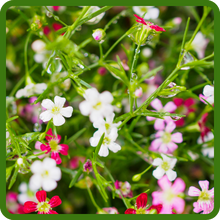
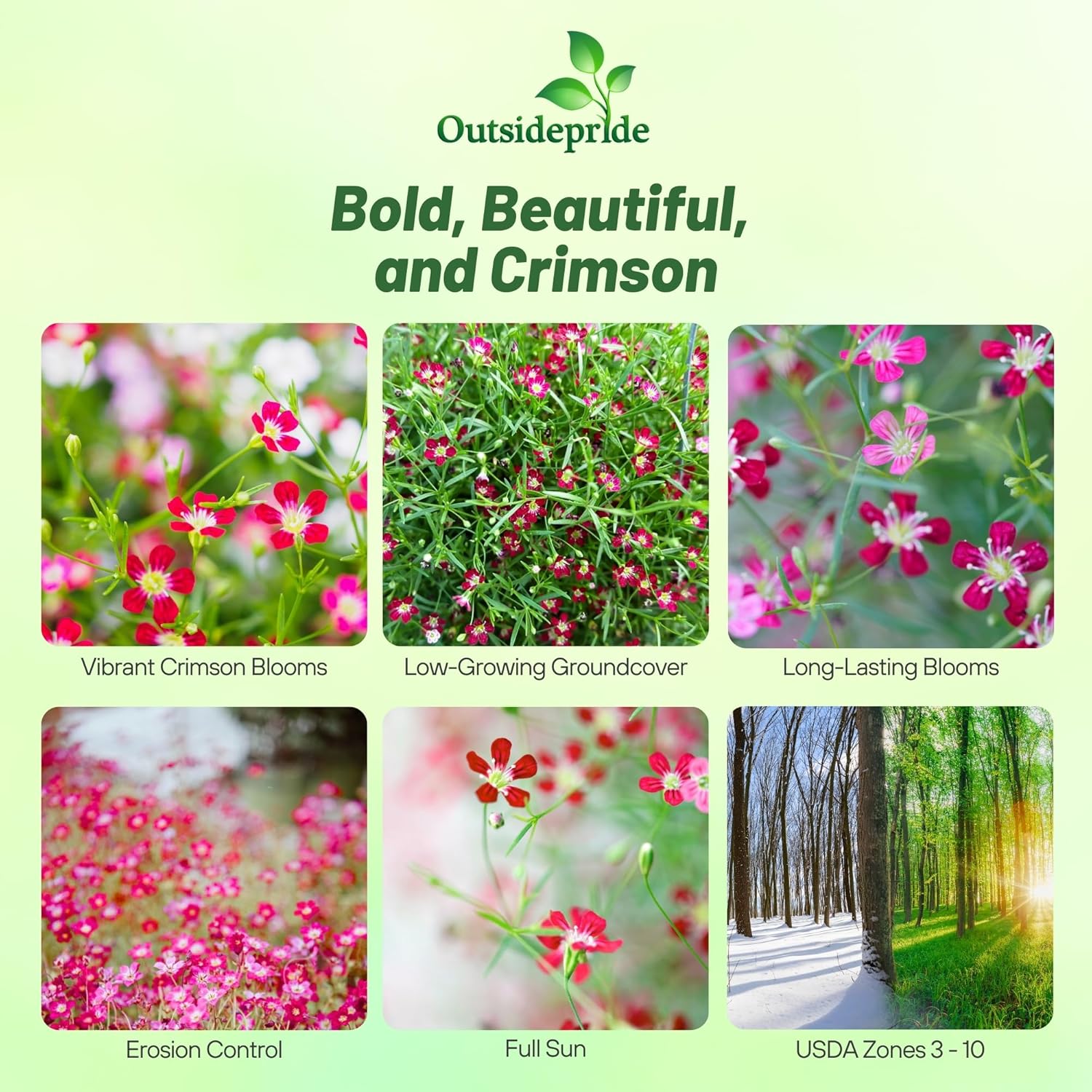
Bright blooms for our Gypsophila wild flowers attract pollinators and add beauty to your garden with their vivid colors and fine petals. These flowers create a lively atmosphere, complementing surrounding plants and bringing charm to your outdoor space throughout the season.
Gypsophila Low Growing Ground Cover Plants
Low-Growing Groundcover
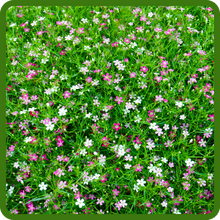
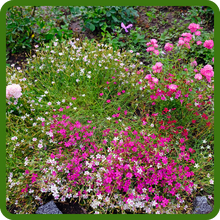
Our Gypsophila are low-growing ground cover plants that form a soft, flowing carpet of delicate flowers, filling empty spaces and adding texture to your garden. Their spreading growth fills gaps while providing a light, airy contrast to taller plants, creating a balanced and inviting garden.
Long Lasting Blooms of Gypsophila
Long-Lasting Blooms
Our Gypsophila’s long-lasting blooms bring consistent color to your garden, with delicate flowers that last for weeks. These plants bloom throughout the season, making them a dynamic addition of flower seeds to plant outside for flower beds, borders, and floral arrangements.
Gypsophila Erosion Control Plants
Erosion Control
Our Gypsophilas are ground cover seeds that contribute to erosion control by covering exposed soil with their spreading growth. Once established, their roots stabilize the soil, limiting its movement during rainfall. They minimize soil displacement, promoting the stability of your garden landscape.
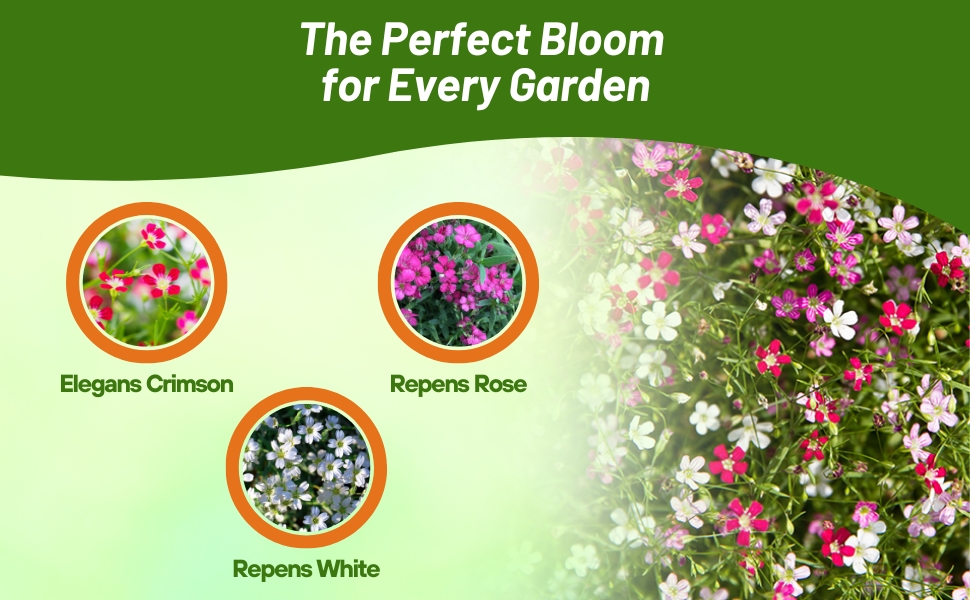
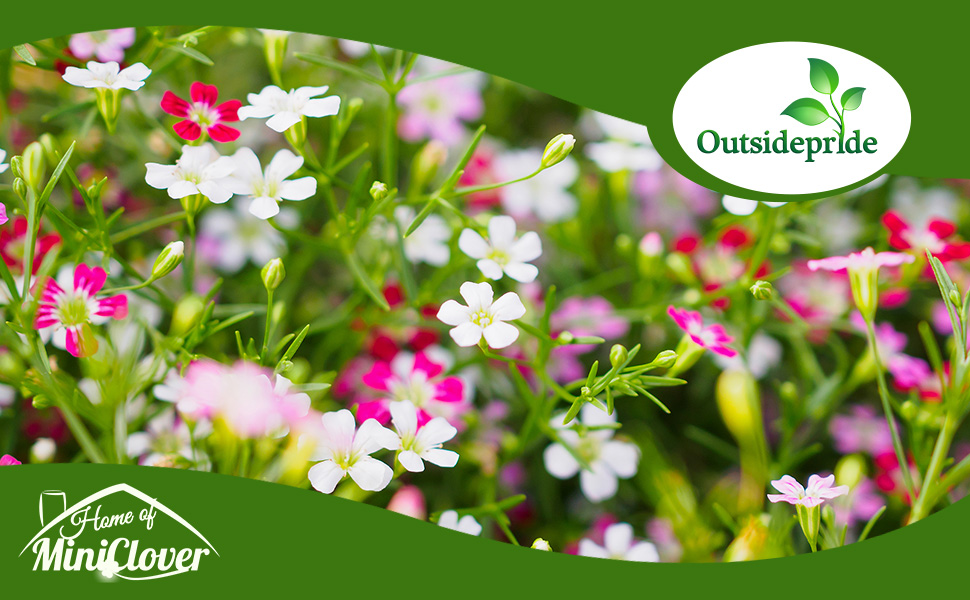
Crimson, Rose, & White Gypsophila Flower Varieties
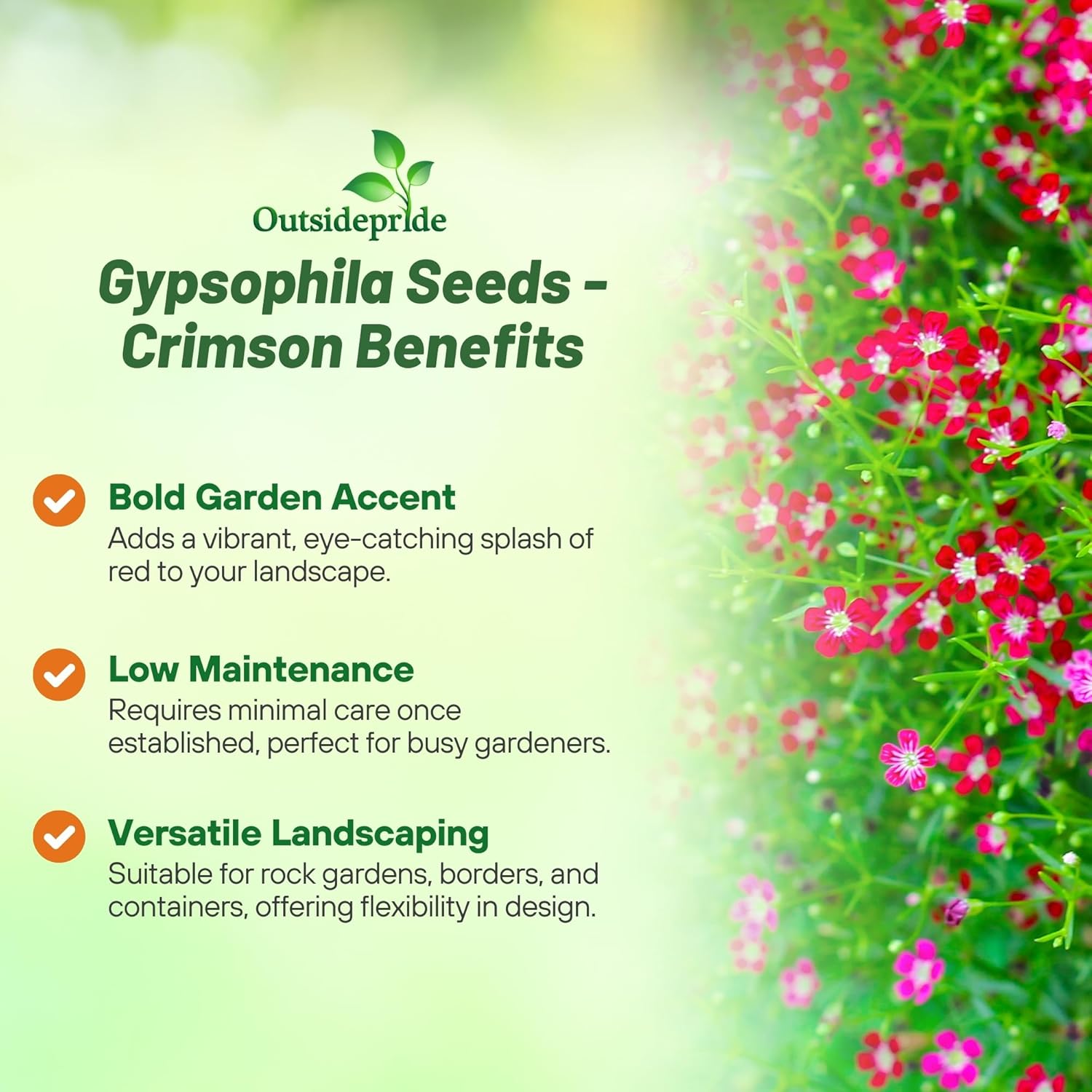
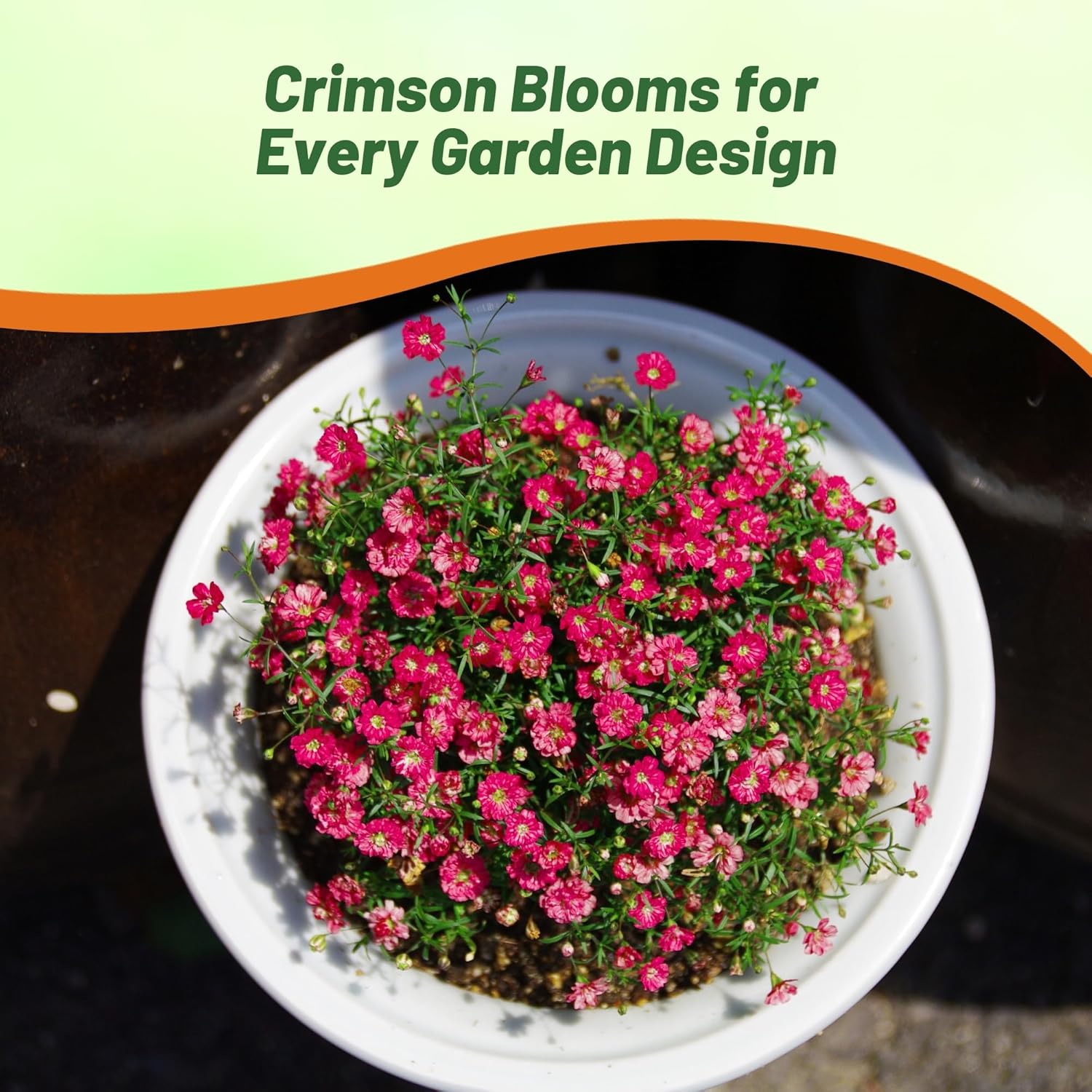
Our Gypsophila provides a bloom for every garden, offering delicate flowers that add beauty and versatility to any landscape. The Crimson variety features vibrant red blooms, the Rose variation adds soft pink tones, and the White variety delivers a fresh, classic appearance. Each color complements various plants, creating a balanced garden display. These blooms attract pollinators, making them suitable for a bee and butterfly garden, and are useful for flower beds, borders, or containers throughout the growing season.
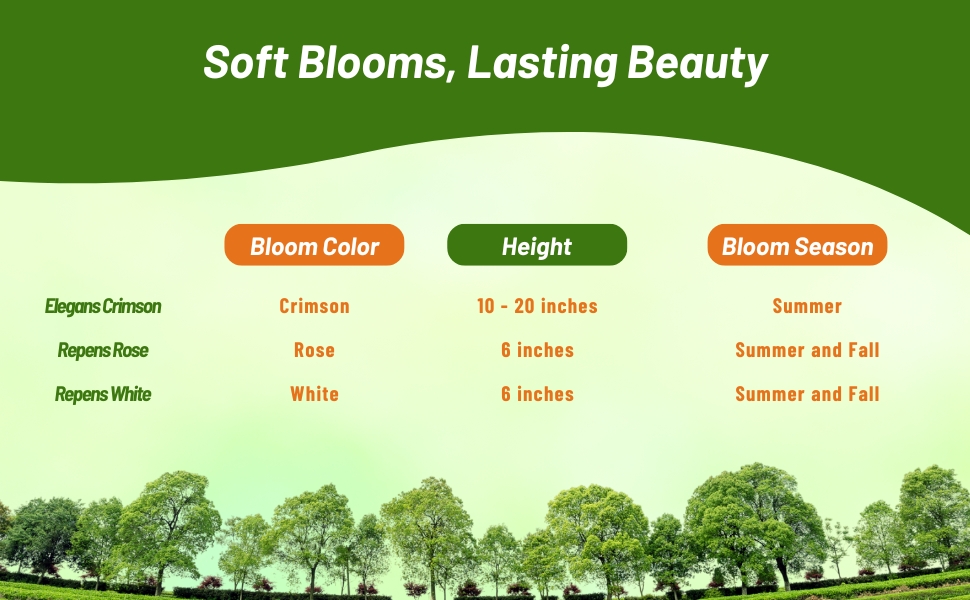
Bloom Season, Color, & Height Chart of Gypsophila Varieties
Gypsophila’s soft, delicate blooms offer lasting beauty in any garden. Available in Crimson, Rose, and White, these flowers create a striking contrast in your landscape. Growing 6-20 inches tall, they flourish in full sun and well-drained soil. Blooming in summer and fall, Gypsophila is suitable for USDA zones 3-10. Whether planted in flower beds, borders, or containers, it brings a light, airy texture to your garden. With months of blooms, it’s well-suited for adding visual interest, attracting pollinators, and complementing other garden plants throughout the growing season.
Gypsophila Attracting Pollinator Butterflies
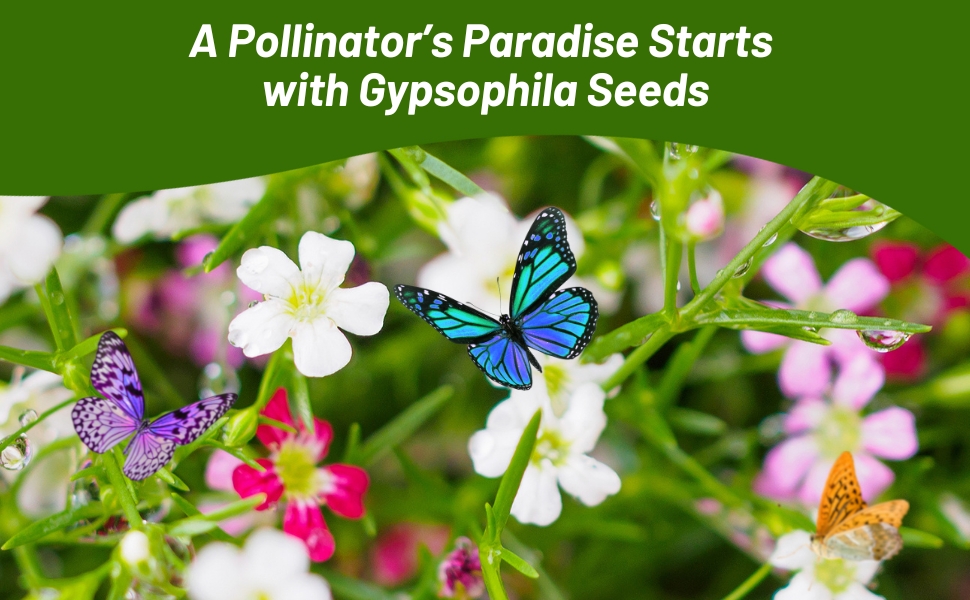
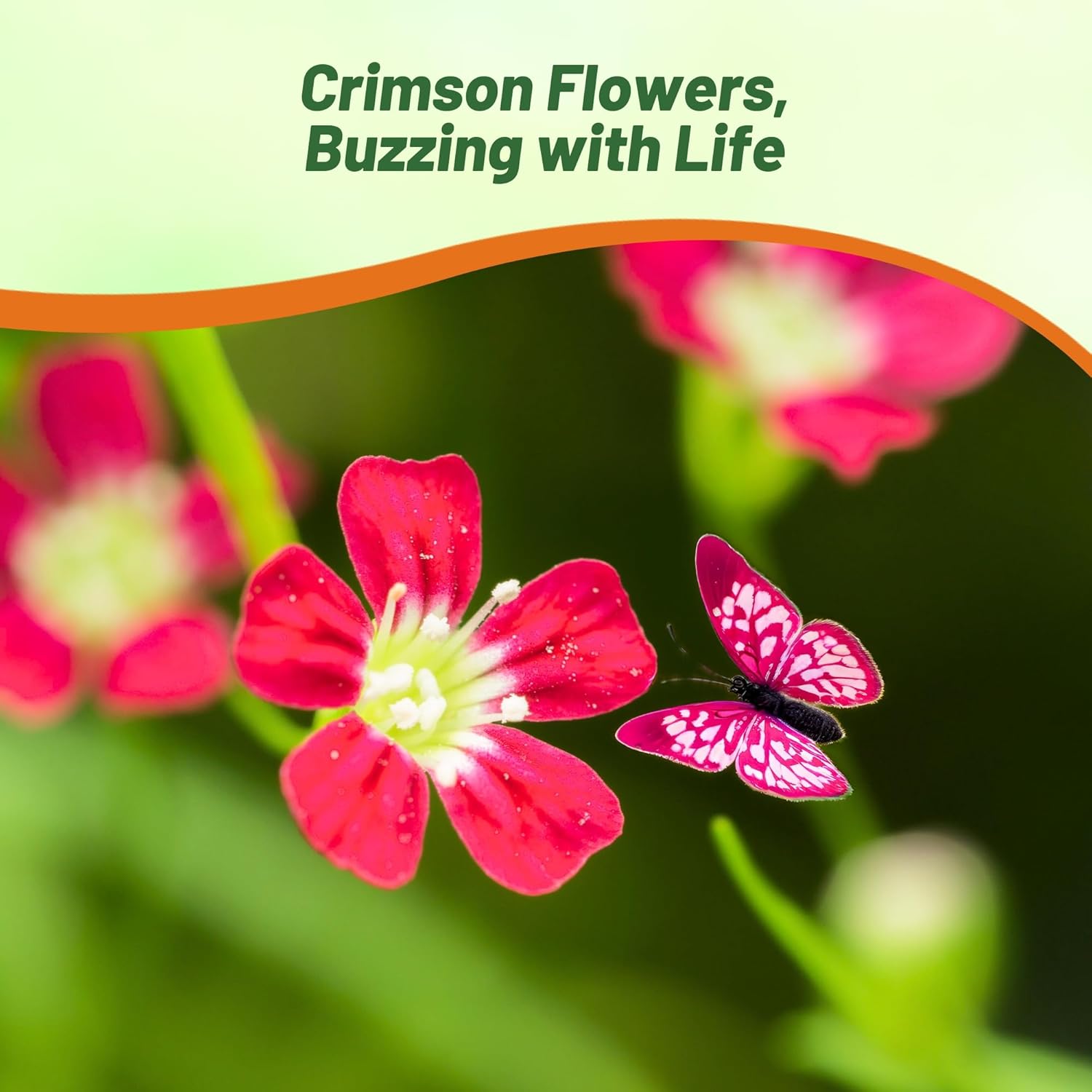
A pollinator’s paradise starts with our Gypsophila seeds, attracting bees and butterflies with their delicate, airy blooms. Plant seeds in well-drained soil and full sun, ensuring a height of 6-20 inches at maturity. For healthy results, sow seeds 1/16 inch deep, spacing plants 10 inches apart. Keep the soil moist until germination, which typically occurs within 10-20 days. Blooming in summer and fall, Gypsophila creates a vibrant, pollinator-friendly environment that flourish in USDA zones 3-10, filling your garden with life.

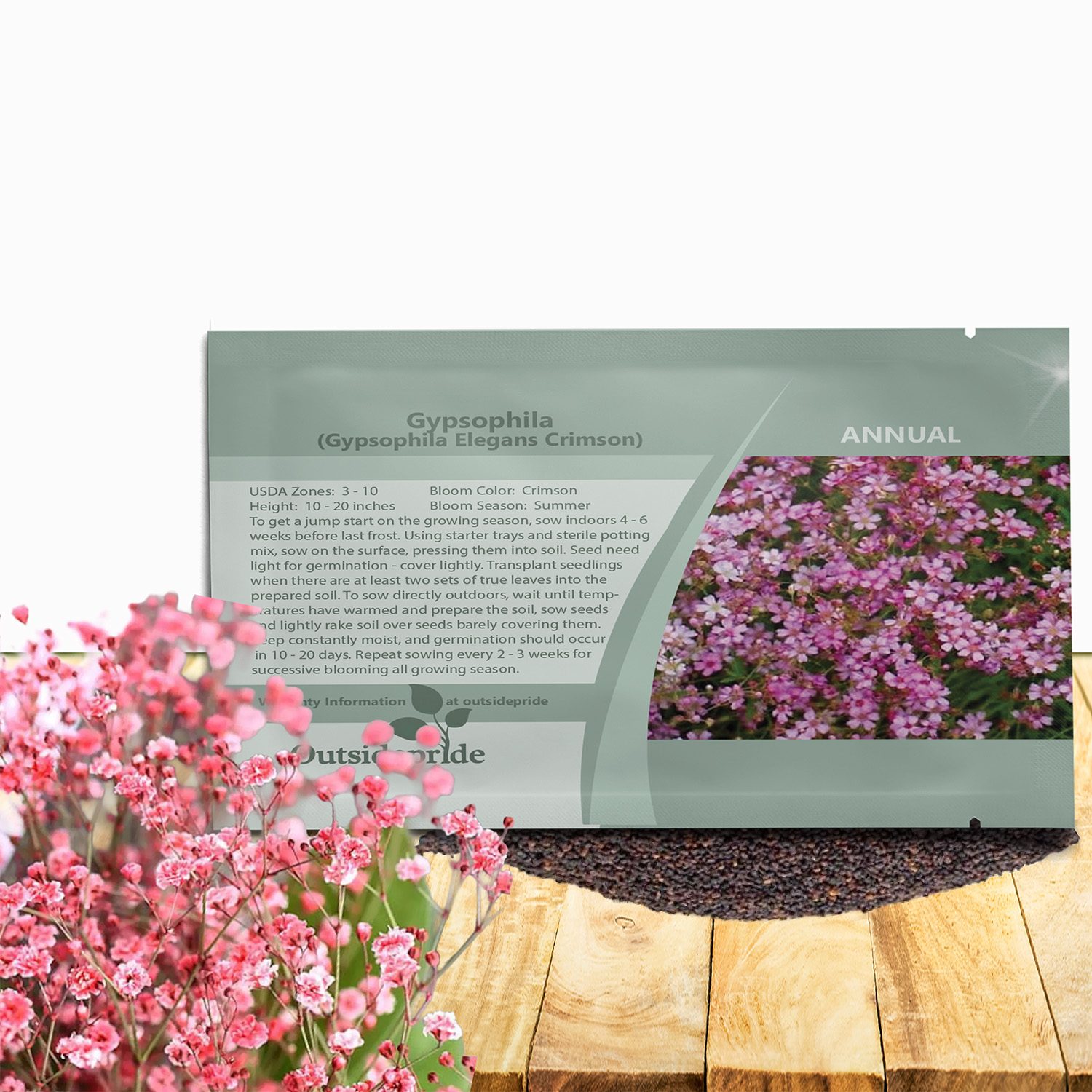
Gypsophila (Gypsophila Elegans Crimson) - Annual Baby's Breath is one of the very easiest flowers to grow from Gypsophila seeds, and it gives so much beauty and complements other flowers so nicely in the flower garden. Crimson Baby's Breath is an annual, so it grows quickly, blooms heavily, and dies. Many gardeners plant Baby's Breath seeds successively every 2 - 3 weeks to keep a continuous supply of color in the garden and blooms for cutting to make flower arrangements. Baby's Breath plants are fairly hardy, tolerating some drought and light shade. It does well everywhere, coastal areas to high elevations; it is widely adaptable.

If you would like to get a jump start on the growing season, sow Baby's Breath seeds indoors 4 - 6 weeks before the last frost is expected. Using starter trays and sterile potting mix, sow the flower seeds on the surface, pressing them into the soil. Baby's Breath flower seeds need light for germination so do not cover heavily. Transplant the Baby's Breath seedlings when there are at least two sets of true leaves into the flower garden in prepared soil. To sow Gypsophila seeds directly outdoors, wait until temperatures have warmed and prepare the soil, sow the flower seeds and lightly rake the soil over the flower seeds barely covering them. Keep Baby's Breath flower seeds constantly moist, and germination should occur in 10 - 20 days. Repeat sowing the flower seeds every 2 - 3 weeks for successive blooming all growing season.

Common Questions

Q

How long does baby's breath last after being picked?

A

Freshly picked baby's breath will last up to eight to 10 days in a vase with fresh water.

Q

Do I need to deadhead my gypsophila flowers?

A

Deadheading the spent blooms will promote repeat blooming, especially early in the blooming season.

Q

Do I need to prune my plants at the end of the growing season?

A

Yes, after their final bloom, prune back your plants to about 1 inch above the ground. This will encourage your plant to grow back in a nice bushy formation the following spring.

Q

Will pollinators be attracted to gypsophila?

A

Yes, various pollinators are attracted to these flowers. Bees and butterflies are drawn to their nectar rich flowers.

Q

What are some good companion plants for gypsophila?

A

Plants such as lupine, verbena, anthemis, lavender and poppy all look lovely with gypsophila.

Videos

HOW ITS MADE