












Impatiens Seeds - Baby Carmine

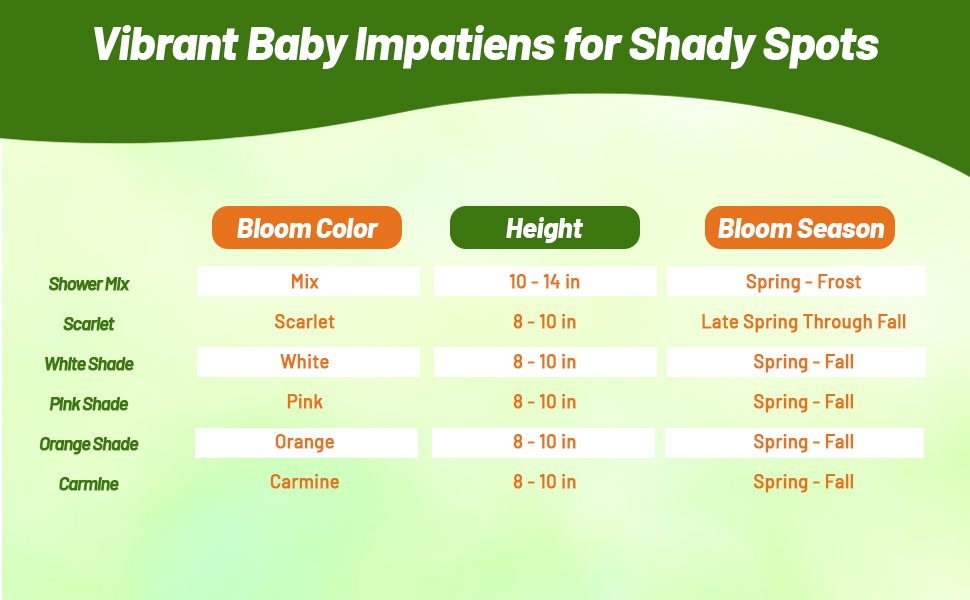
SEASON
Annual

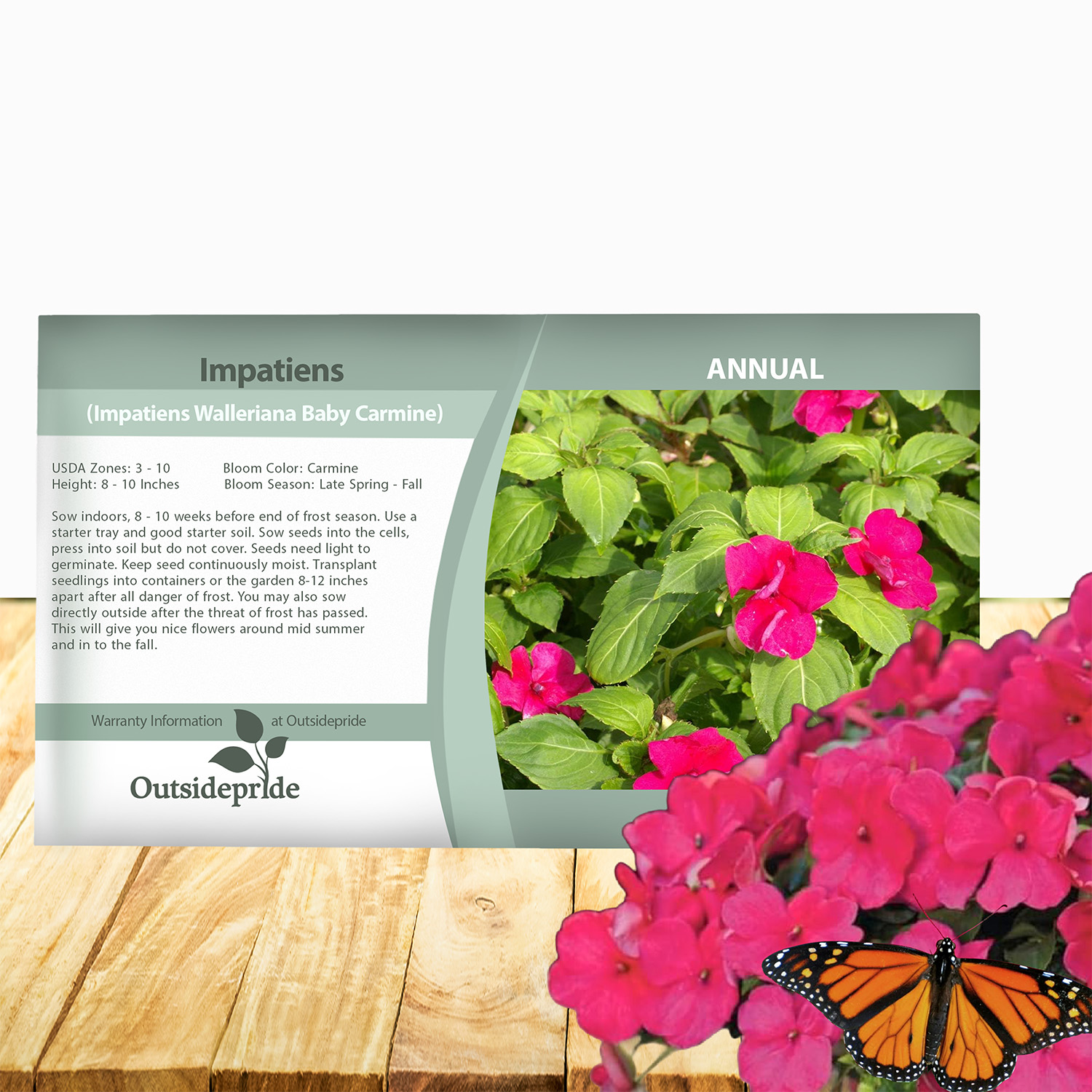
USDA ZONES
3 - 10

HEIGHT
8 - 10 inches

BLOOM SEASON
Late spring through fall

BLOOM COLOR
Carmine

ENVIRONMENT
Partial shade to full shade

SOIL TYPE
Moist, well-drained, pH 6.1 - 7.8

DEER RESISTANT
No

HOUSE PLANT
Yes

About...
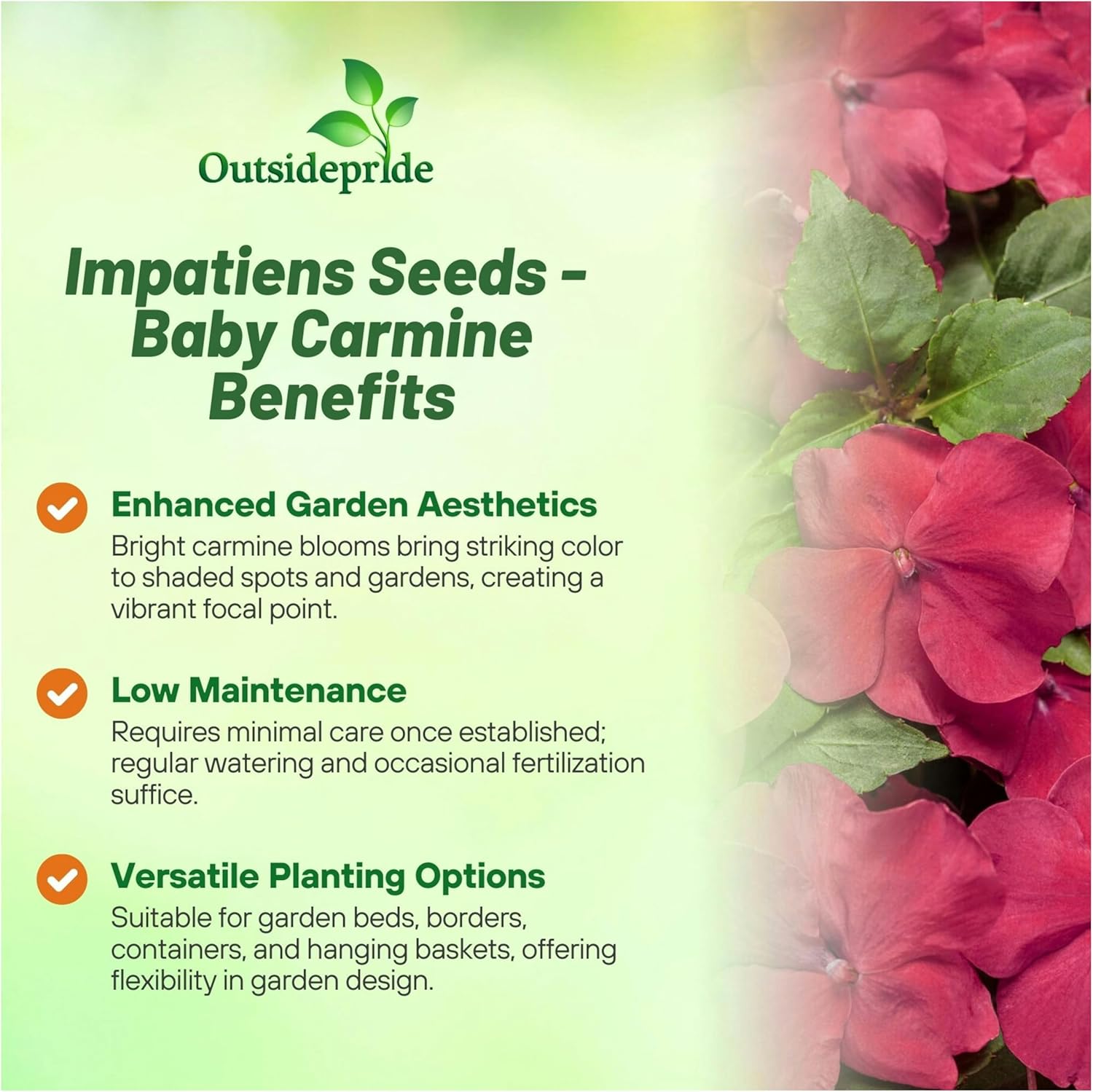
Impatiens (Impatiens Walleriana Baby Carmine) - What would we do without Impatiens to add interest and color to the shady areas or our gardens? This Carmine Impatiens, grown from flower seed, is probably one of the most sought after flowers in the United States. They are a tender perennial that is usually treated as an annual.
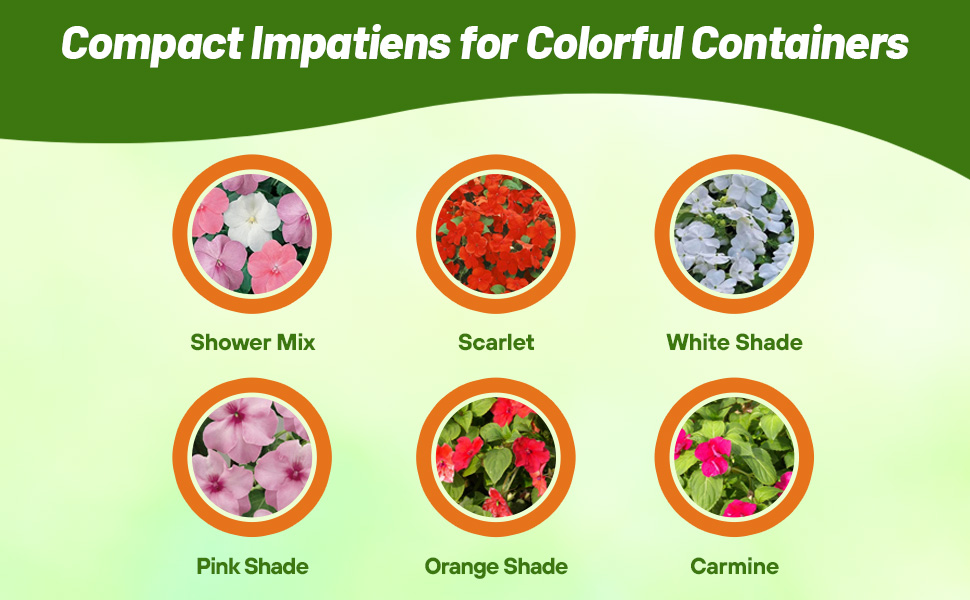
MORE IMPATIENS OPTIONS

Planting Directions

TEMPERATURE
72 - 76F

AVERAGE GERM TIME
3 - 10 days

LIGHT REQUIRED
Yes

DEPTH
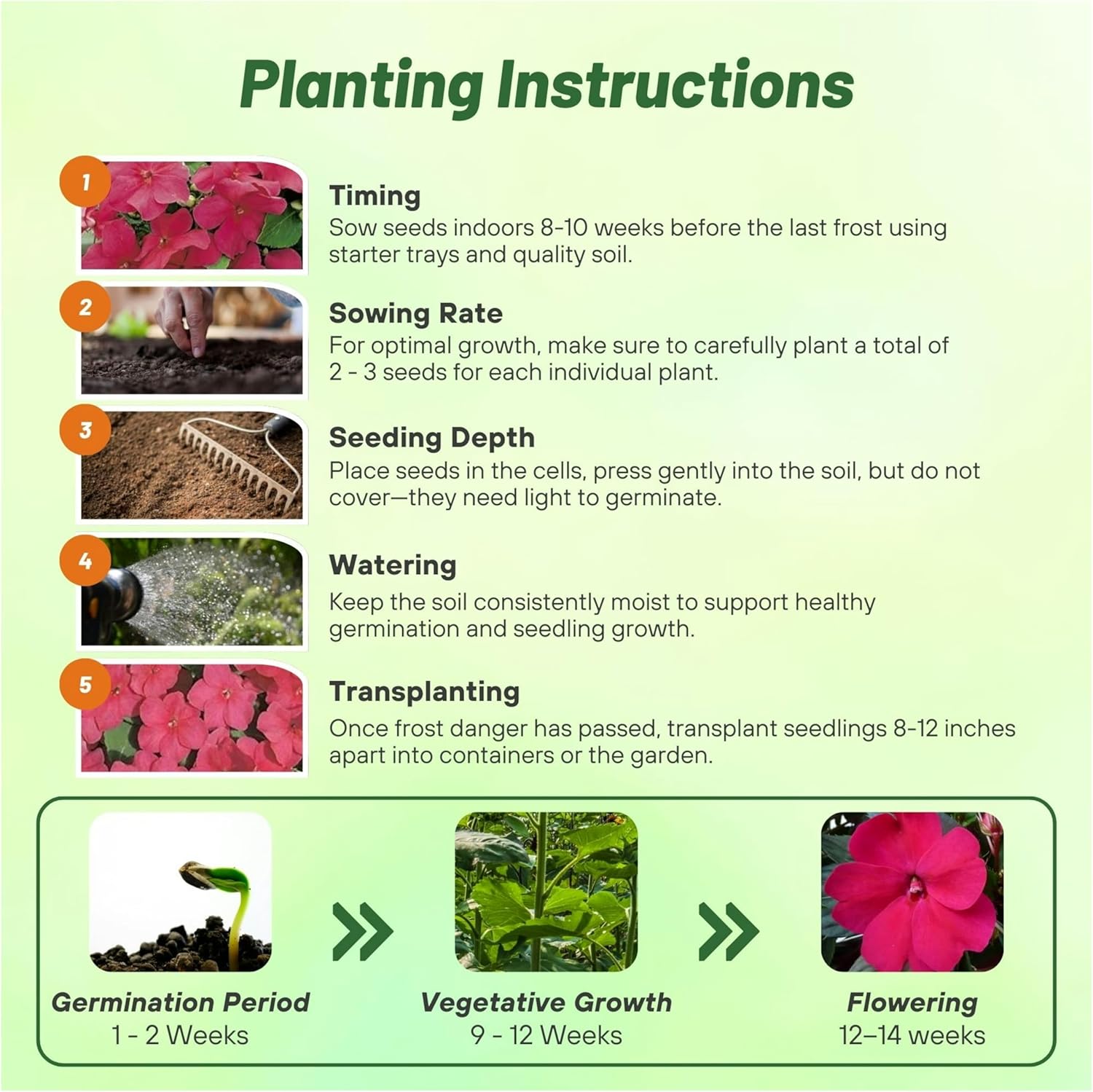
Do not cover the seed but press into the soil

SOWING RATE
2 - 3 seeds per plant

MOISTURE
Keep seed moist until germination

PLANT SPACING
8 - 12 inches

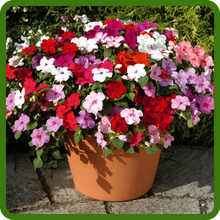



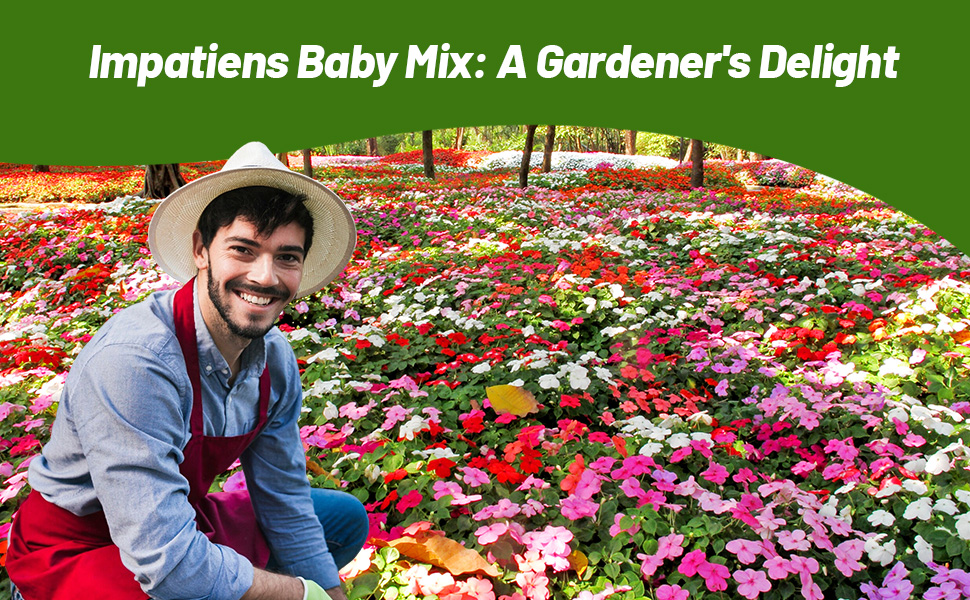
Impatiens (Impatiens Walleriana Baby Carmine) - What would we do without Impatiens to add interest and color to the shady areas or our gardens? This carmine Impatiens, grown from flower seed, is probably one of the most sought after flowers in the United States. They are a tender perennial that is usually treated as an annual. This dwarf Impatiens plant has dark green, glossy, narrow 1 - 3 inch leaves on light green stems. The plants are 8 -10 inches tall and wide. The ease of germination and culture makes them a great plant to grow. They are perfect for either containers or directly in the landscape. When sowing dwarf Impatiens seeds, it takes about 10 weeks to have blooms.
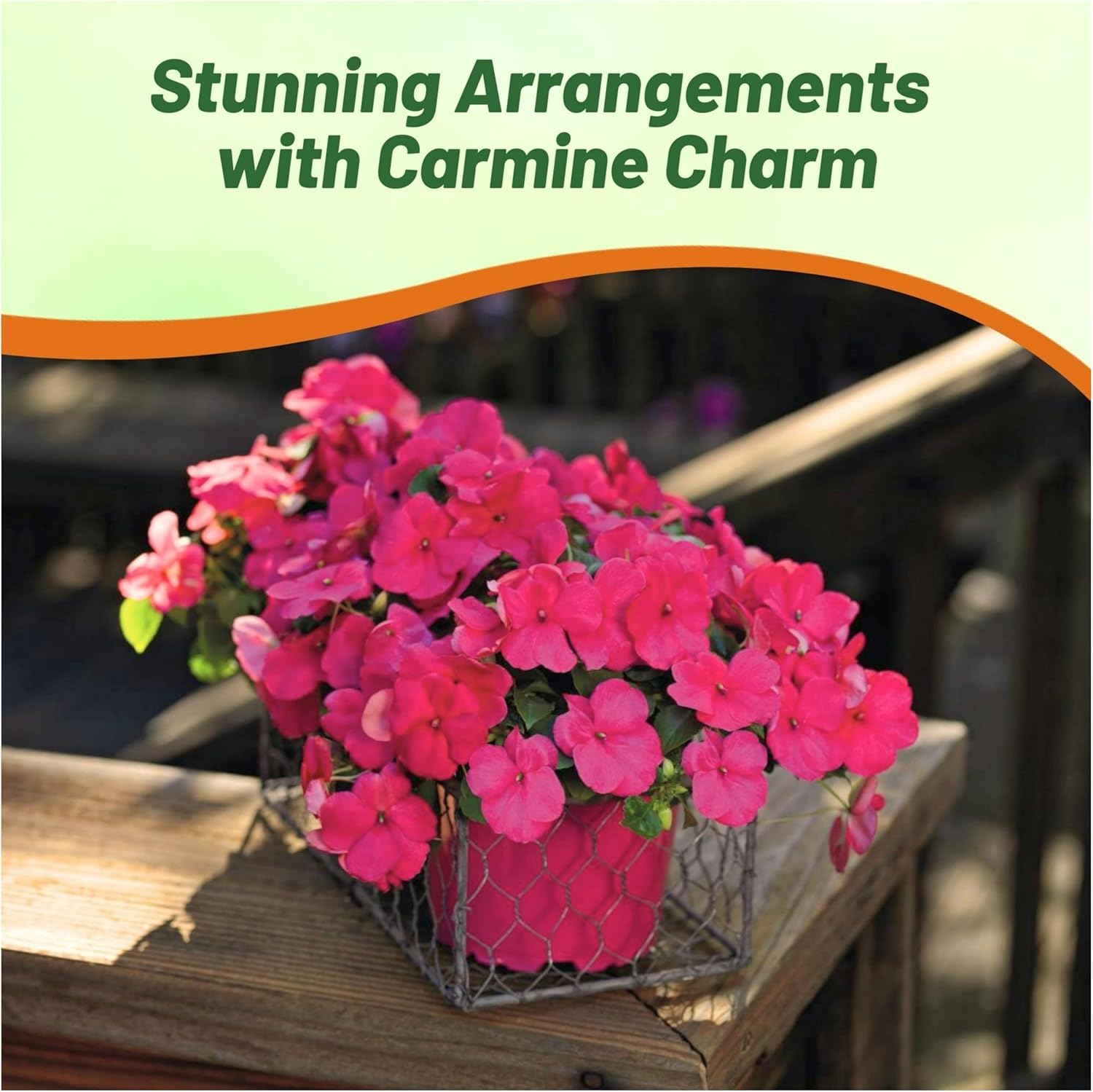
Dwarf Impatiens flowers are early bloomers with a medium growing intensity. They are perfect in planters and hanging baskets. In full or partial shade gardens, Impatiens grow more colorfully than most any other flower. Impatiens are very carefree and need less water when they are grown in shade.
Sow Impatiens seeds indoors, 8 - 10 weeks before the end of frost season. Use starter trays and good starter soil. Sow flower seeds into the cells, press into soil but do not cover. Impatiens seeds need light to germinate. Keep the seed continuously moist. Transplant the Impatiens seedlings into containers or the garden 8 - 12 inches apart after all danger of frost. You may also sow Impatiens seeds directly into the soil after the threat of frost has passed. This will still give you nice flowers around mid summer and in to the fall.
Common Questions
How can I use impatiens in my landscape?
Impatiens are great bedding plants, especially for shady areas. They are also great for container gardens such as hanging baskets or window boxes.
Do I need to fertilize my impatiens?
Yes, plants flower best when regularly fertilized with water soluble fertilizer. Every couple of weeks during the growing season. Another option is a slow-release granular fertilizer used at the beginning of spring and then about ½ way through the summer. Follow product instructions.
How much water do I need to use to keep my plants thriving?
Impatiens in the ground typically take about 2 inches of water per week (this will vary with soil and temperature). When temperatures are hot, they may need double the amount of water as normal. When used in containers they need daily watering.
Do I need to prune my impatiens?
If your plants become leggy during summer, use sharp scissors or shears to cut off the top third of the vegetation. This keeps the plants looking neat and promotes more blooms.
Do I need to do anything with my plants at the end of the growing season.
Yes, to avoid disease in your garden pull up the dead plants and discard. For potted plants they can be brought indoors until warmer weather emerges.
Should I deadhead my impatiens?
Impatiens are self-cleaning, so you do not need to remove the spent flowers.
My impatiens are not blooming the leaves look great?
Avoid over fertilizing the plants with a high nitrogen fertilizer.
Can I overwinter impatiens in the house?
Yes, you can! They need morning sun, be sure to keep the soil evenly moist. Impatiens need high humidity so place the pot on a tray of damp pebble to raise the humidity around the plant. Over time impatiens will grow woody and you will want to start with fresh plants.
What are alternatives to impatiens?
Some other reliable shade-tolerant annuals are wax begonia, ivy geranium, and torenia.
Videos