










Rose Mallow Seeds - Tanagra

SEASON
Annual

USDA ZONES
4 - 9

HEIGHT
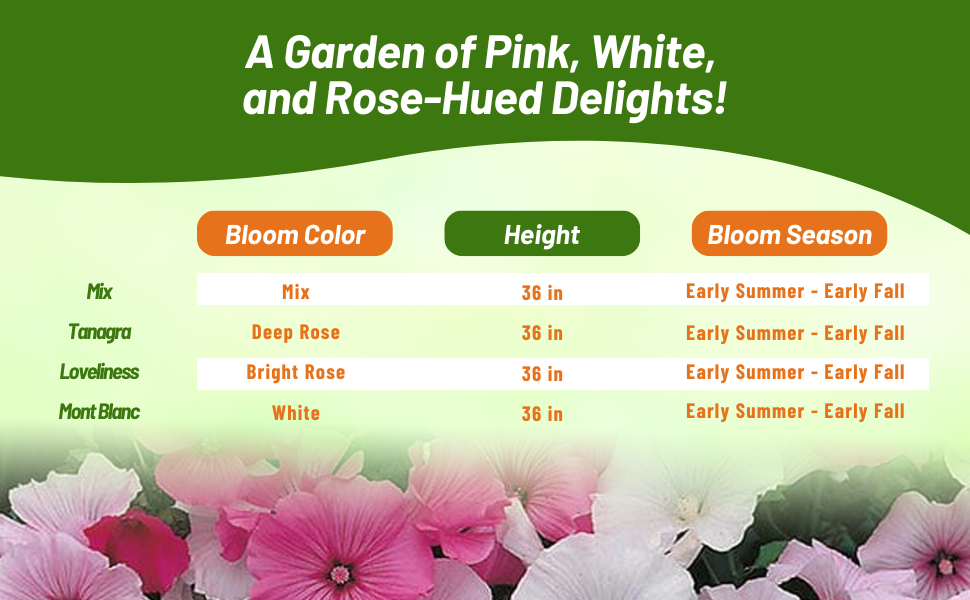
36 inches

BLOOM SEASON
Early summer to early fall

BLOOM COLOR
Deep rose

ENVIRONMENT
Full sun

SOIL TYPE
Well draining, sandy or loamy soil, but it can tolerate clay soils, pH 6.0 - 8.0

DEER RESISTANT
Yes

About...
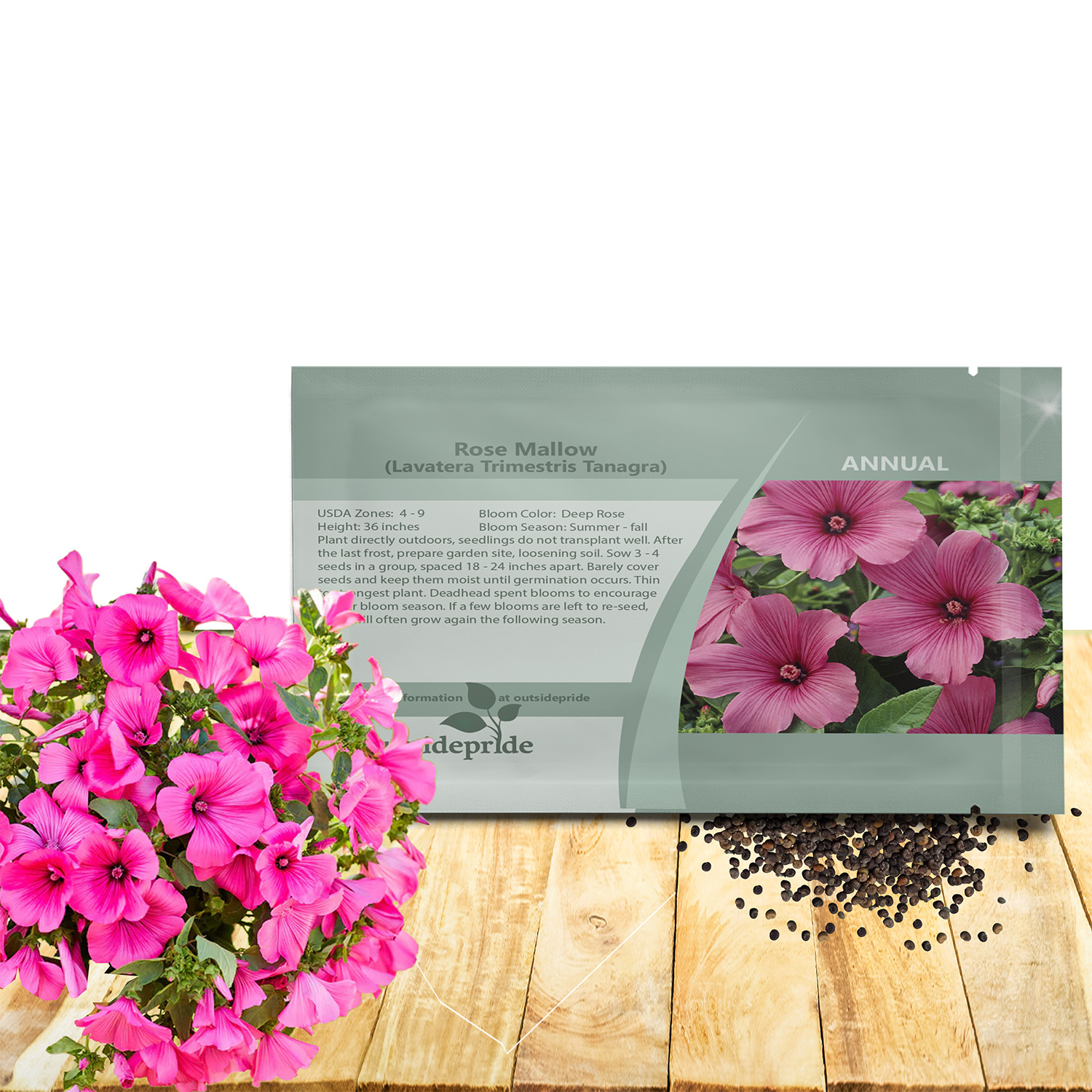
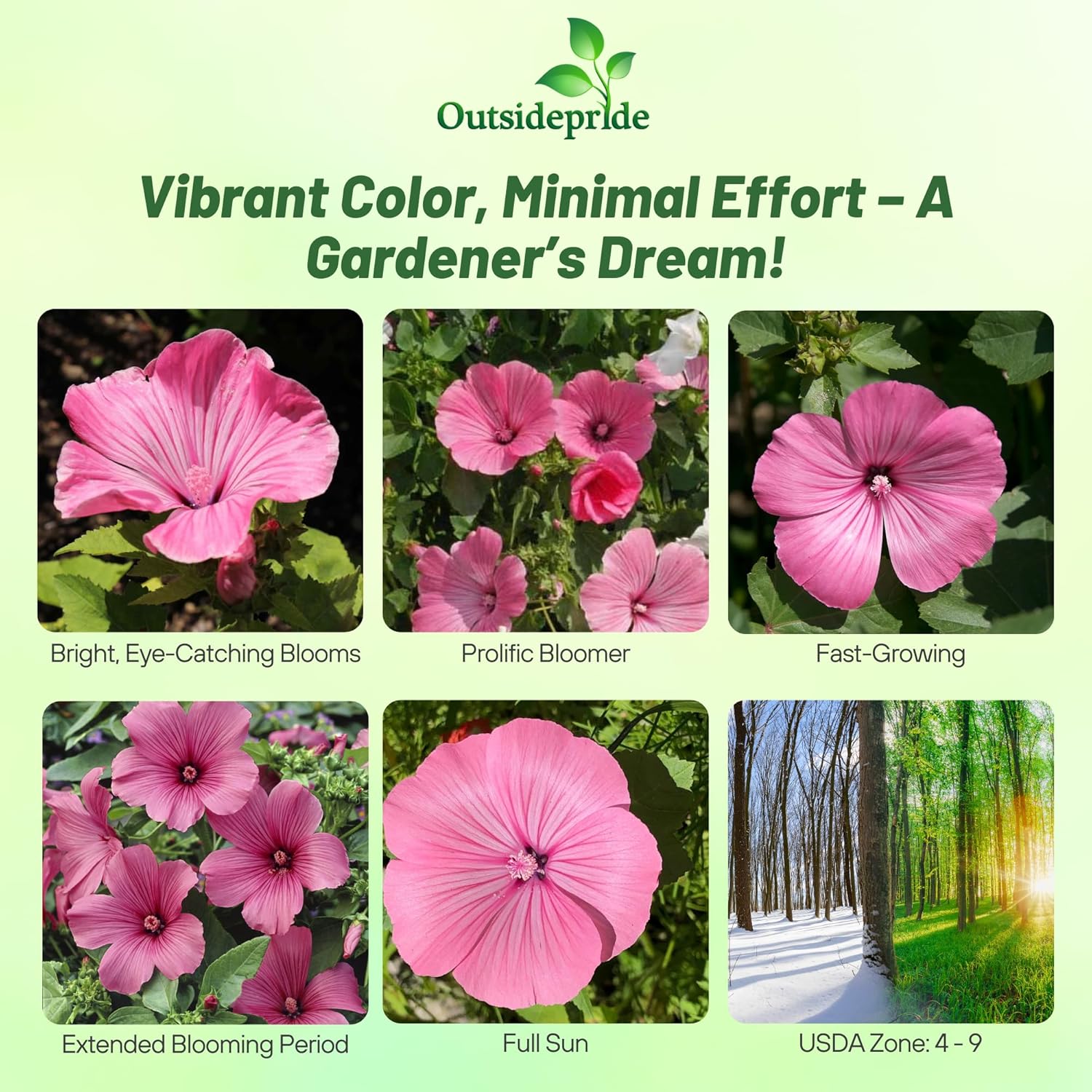
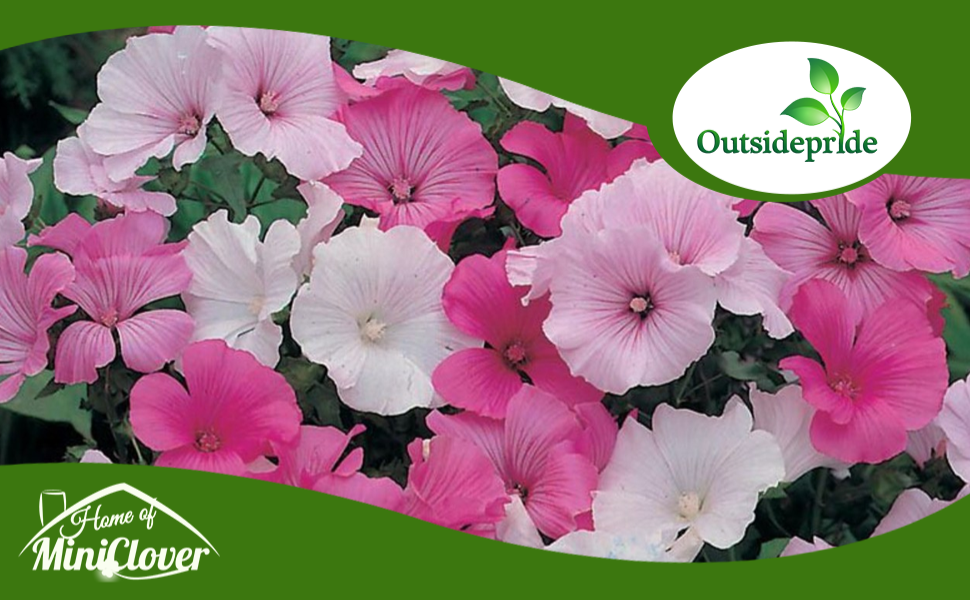
Rose Mallow (Lavatera Trimestris Tanagra) - This tropical looking flower is a joy to grow from Rose Mallow seeds! This shrub-like annual grows quickly and blooms heavily with large, deep rose colored blooms. Rose Mallow is related to Hibiscus and Hollyhocks, and it is a prolific bloomer - like a Hollyhock on steroids!MORE ROSE MALLOW OPTIONS

Planting Directions

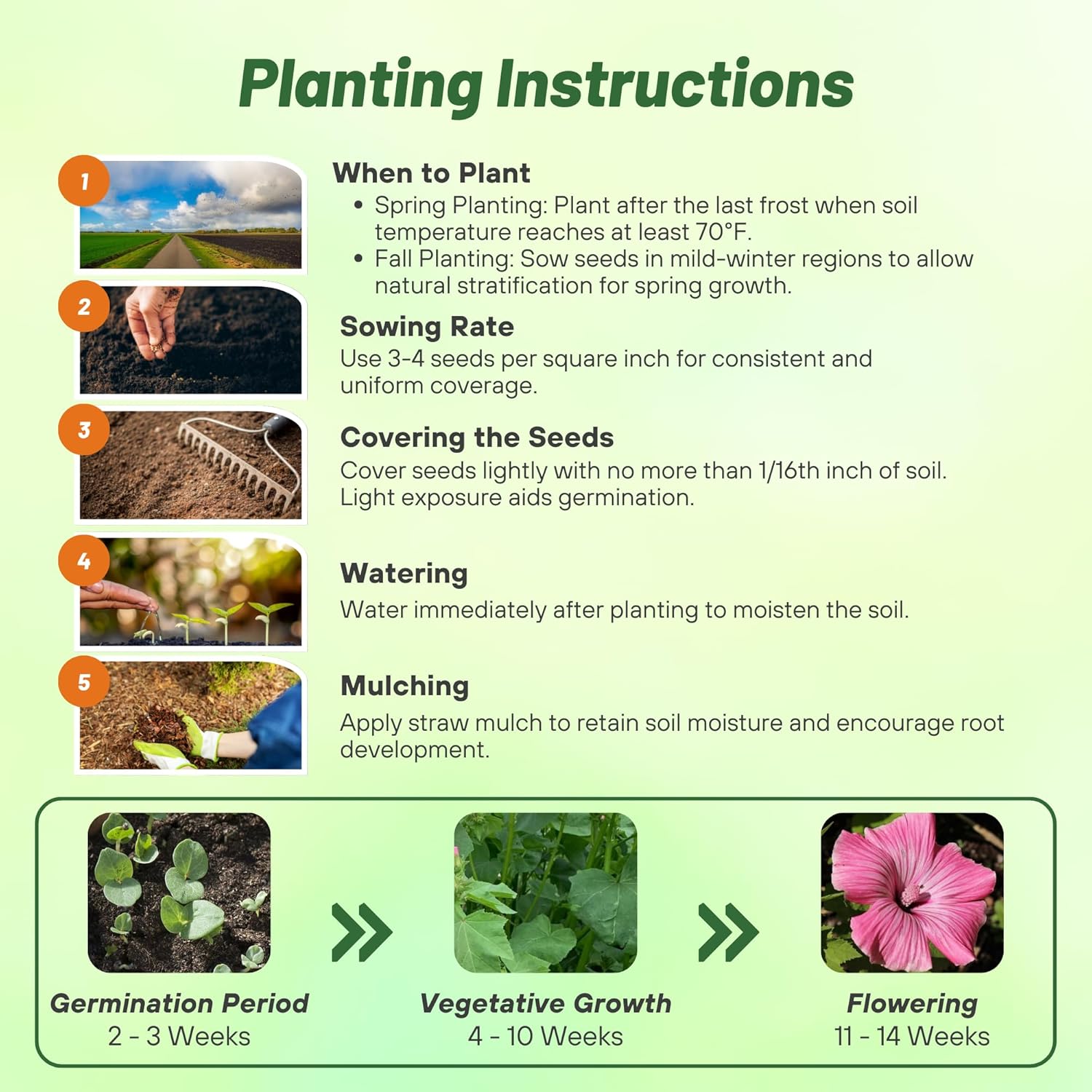
TEMPERATURE
65 - 80F

AVERAGE GERM TIME
15 - 20 days

LIGHT REQUIRED
Yes

DEPTH
Surface sow and cover seed with no more than 1/16 inch soil

SOWING RATE
3 - 4 seeds per plant

MOISTURE
Keep seeds moist until germination occurs

PLANT SPACING
18 - 24 inches
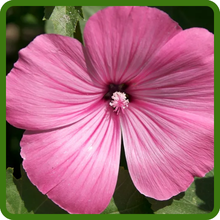
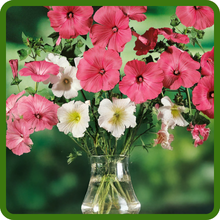
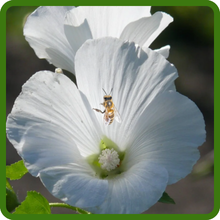
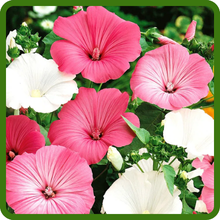
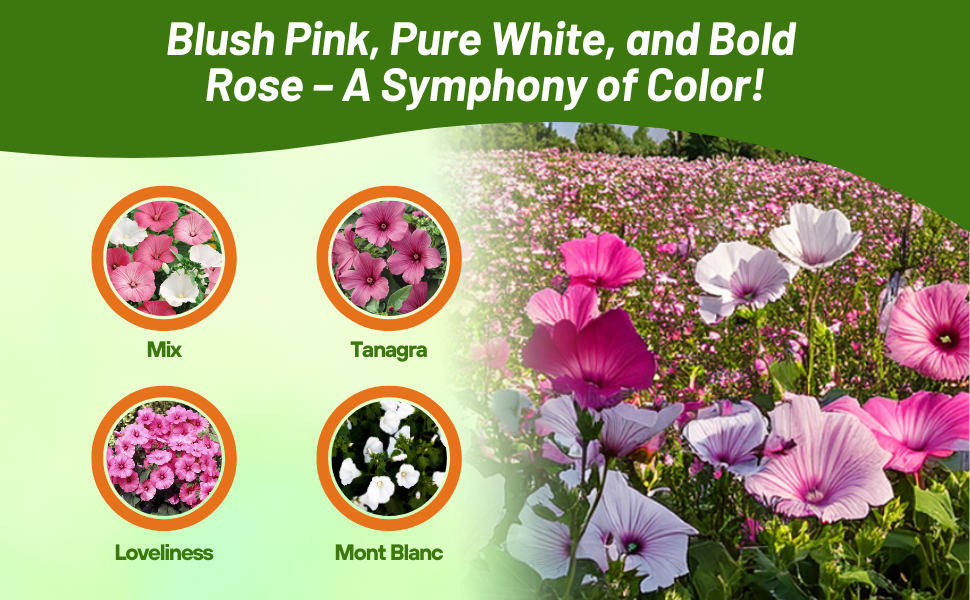
Rose Mallow (Lavatera Trimestris Tanagra) - This tropical looking flower is a joy to grow from Rose Mallow seeds! This shrub-like annual grows quickly and blooms heavily with large, deep rose colored blooms. Rose Mallow is related to Hibiscus and Hollyhocks, and it is a prolific bloomer - like a Hollyhock on steroids! It is also known as Annual Mallow. Lavatera Trimestris Rose Mallow is highly prized for its exceptional blooms. The plant does well in soils that do not drain well and in marshy areas or near ponds.
Rose Mallow is easy-to-grow from flower seeds. Plant Lavatera Trimestris seeds directly outdoors as the seedlings do not transplant well. After the last frost has passed, prepare garden site, loosening soil. Sow 3 - 4 Rose Mallow seeds in a group, spaced 18 - 24 inches apart. Barely cover the Rose Mallow flower seeds and keep them moist until germination occurs. Thin to strongest plant. Deadhead spent blooms to encourage longer bloom season. If a few blooms are left to re-seed, the Rose Mallow plant will often grow again the following season.
Common Questions
What should I plant with lavatera?
Dahlias, lavender, coneflower, rudbeckia, sedum and cleome all make good companions for lavatera plants.
Do lavatera plants attract pollinators?
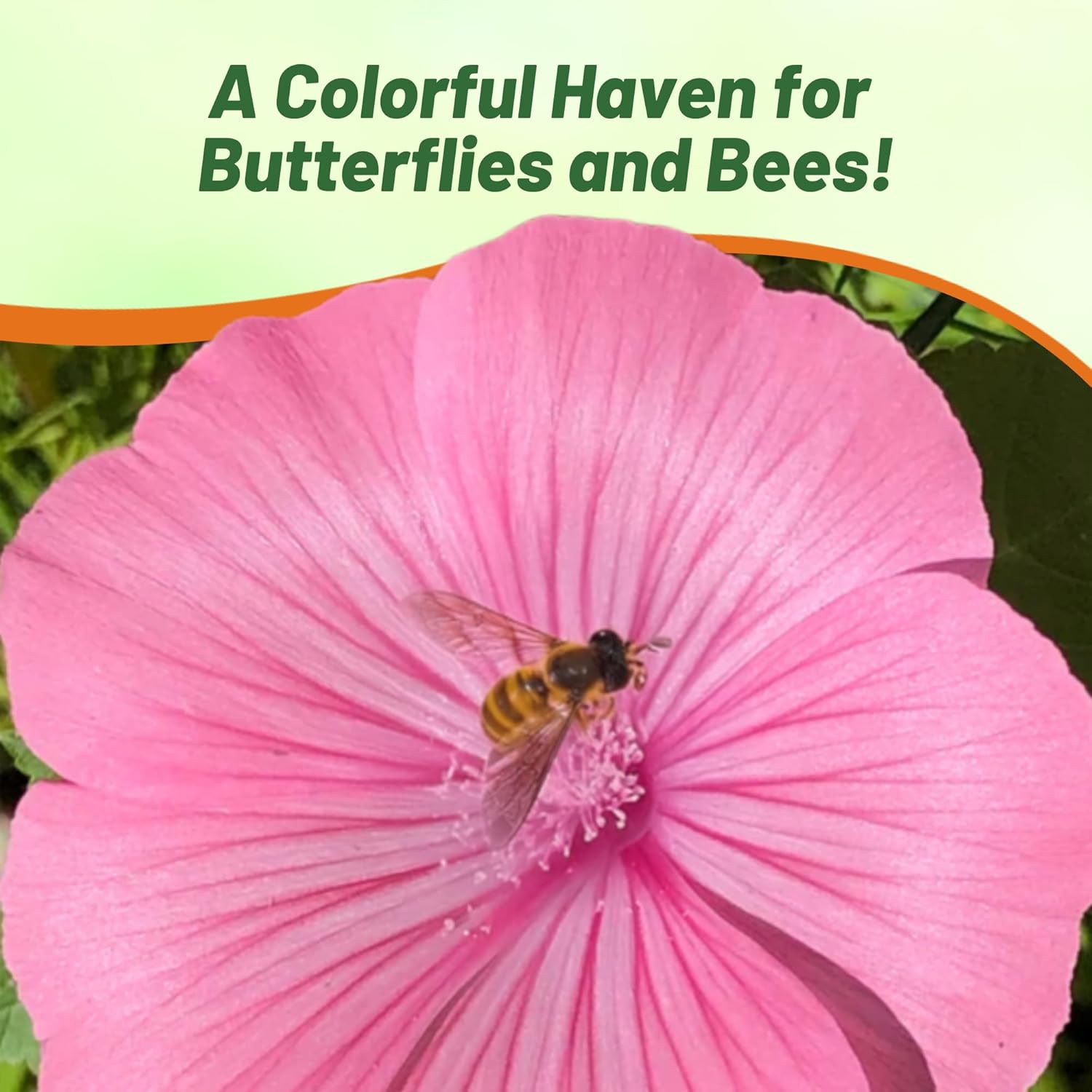
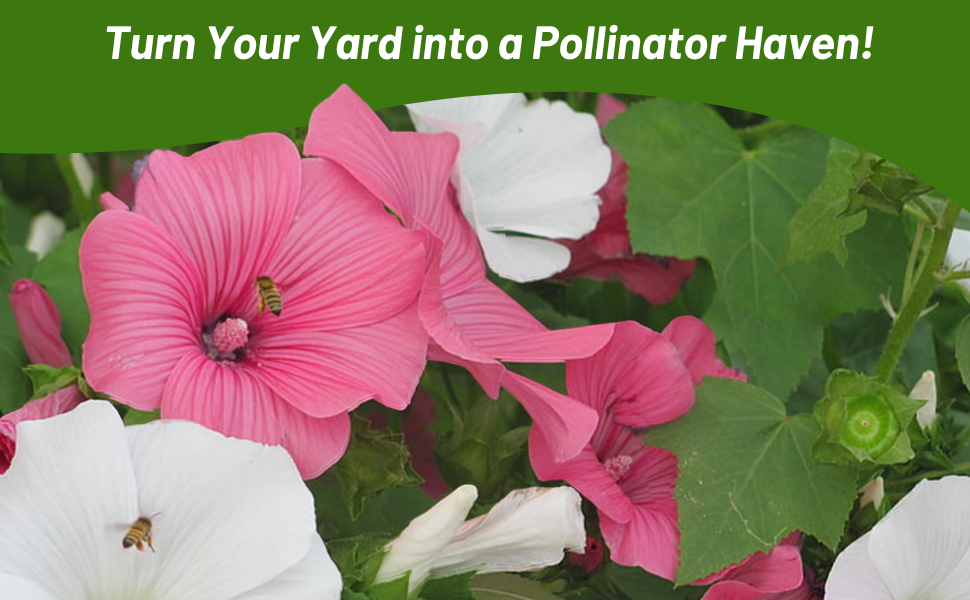
Yes, the showy flowers are particularly attractive to bees, butterflies and hummingbirds.
Can I grow it in a container?
Yes, these plants can be grown in containers but may need cut back more often to control the fast growth. It will also require more water and be sure your container is large enough that you will not need to transplant later.
Do I need to prune my plants?
Yes, an annual pruning is needed for best flowering. In the spring after your last frost but before any new growth emerges, cut out all dead, damaged or woody stems at the base. Only leave stems where you can see new growth starting to emerge or the stem is swollen indicating new growth is about to emerge. Cut these stems above the new growth about 12 inches above ground level. If you are unsure if your stem is dead, bend it. If it snaps easily, it is dead.
Do I need to fertilizer my plants?
One feeding in the spring with a slow-release complete fertilizer is all you need.
Videos