









Rudbeckia Hirta Seeds - Sahara

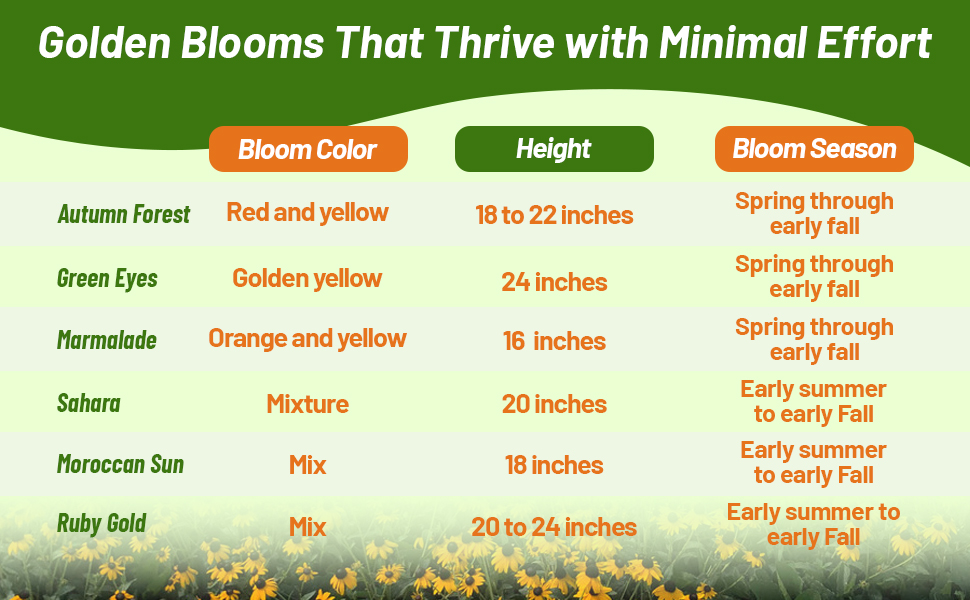
SEASON
Annual
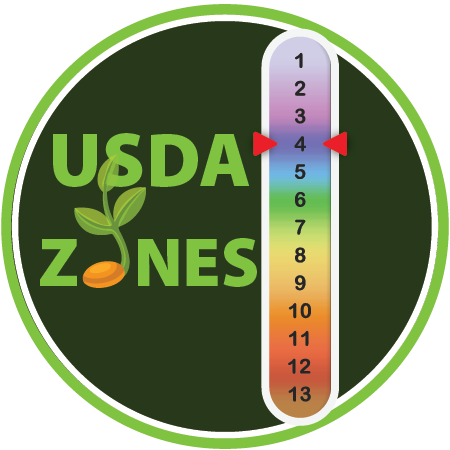
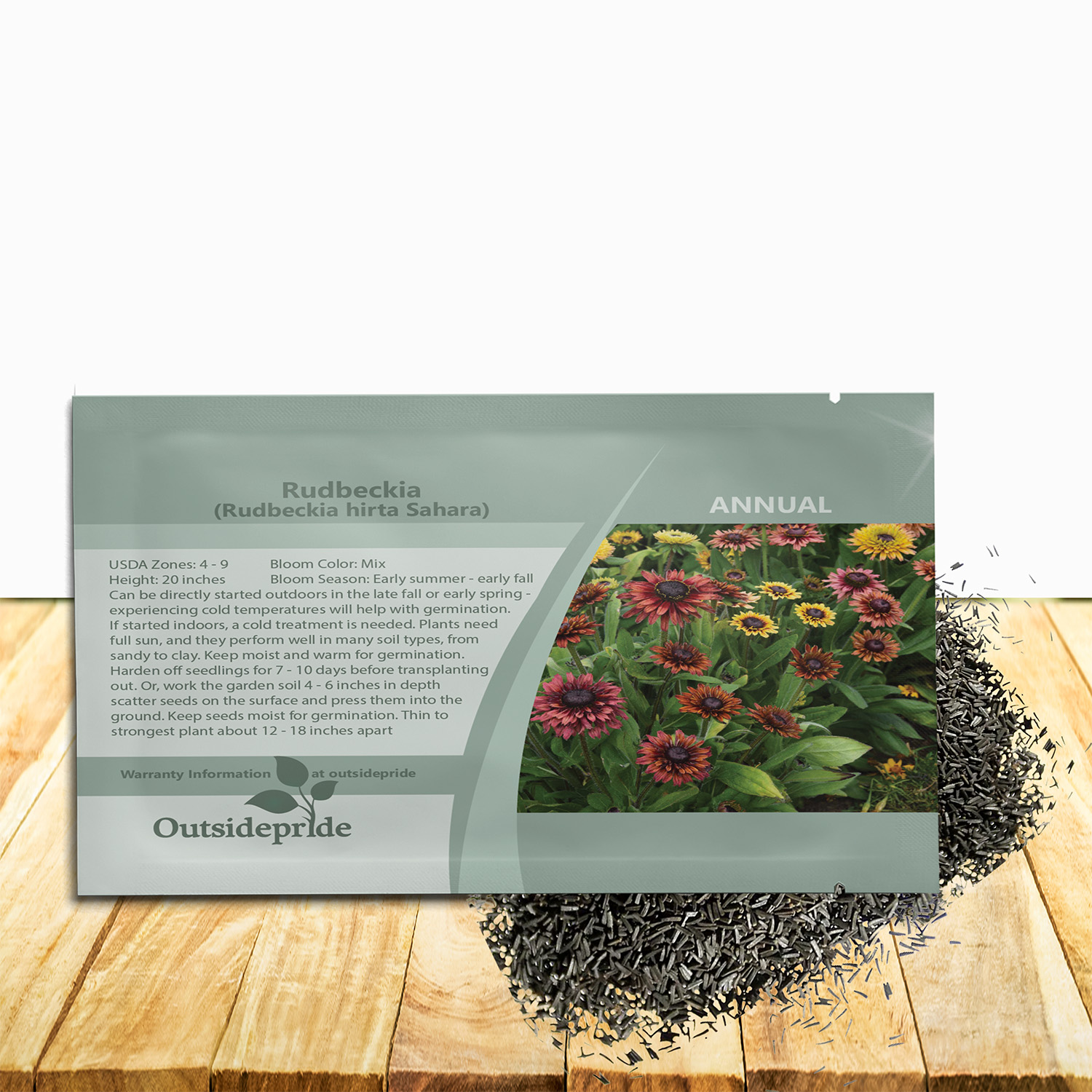
USDA ZONES
4 - 9

HEIGHT
20 inches

BLOOM SEASON
Early summer to early Fall

BLOOM COLOR
Mixture

ENVIRONMENT
Full sun

SOIL TYPE
Normal to clay soils, well drained

DEER RESISTANT
Yes

About...
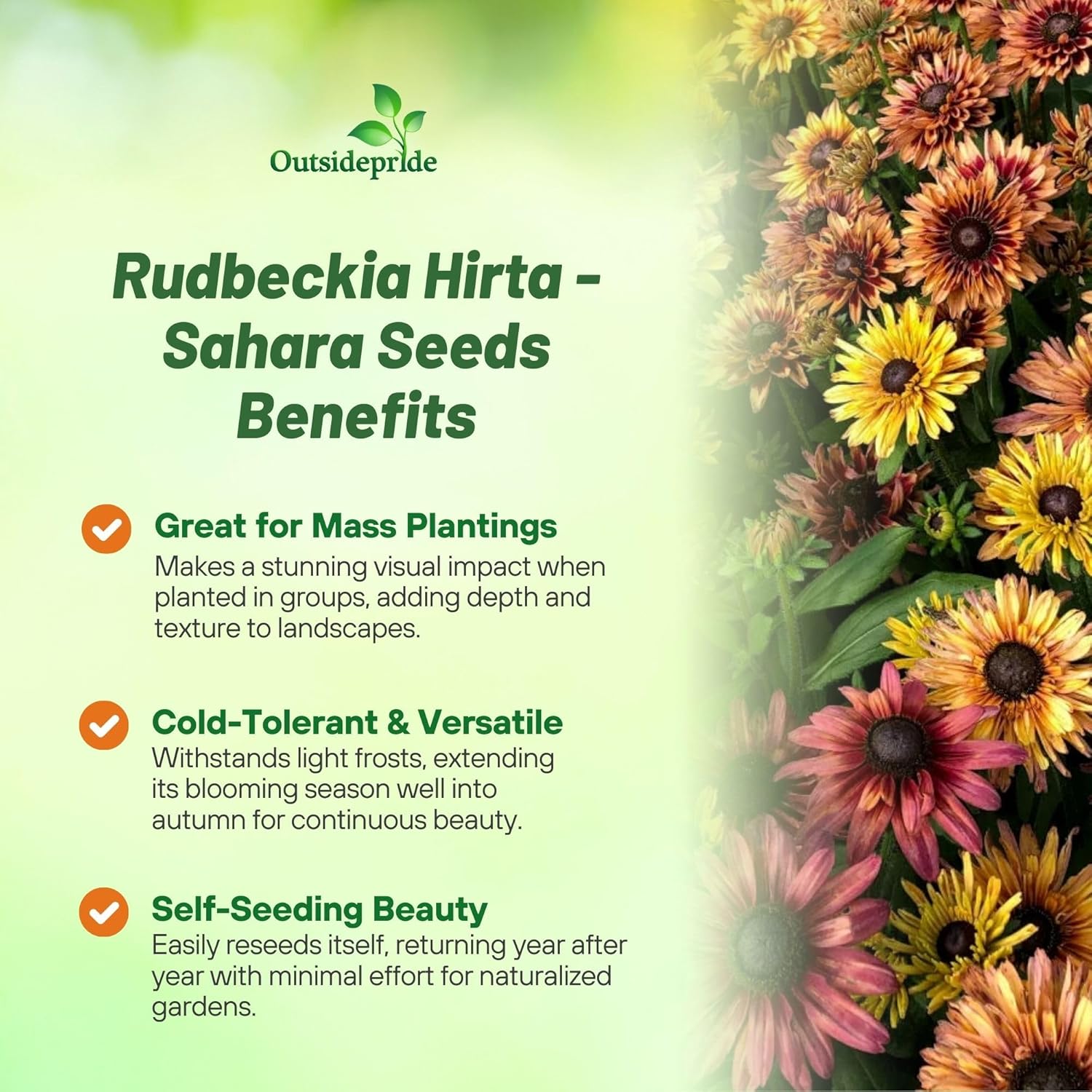
Rudbeckia (Rudbeckia hirta Sahara) - A delightful mix of blooms for the flower garden. Good heat tolerance and great for amateur cut flowers. Plant several of these beauties to add a gorgeous mix of subdued colors on large 4 inch semi double to double flowers.MORE RUDBECKIA OPTIONS

Planting Directions

TEMPERATURE
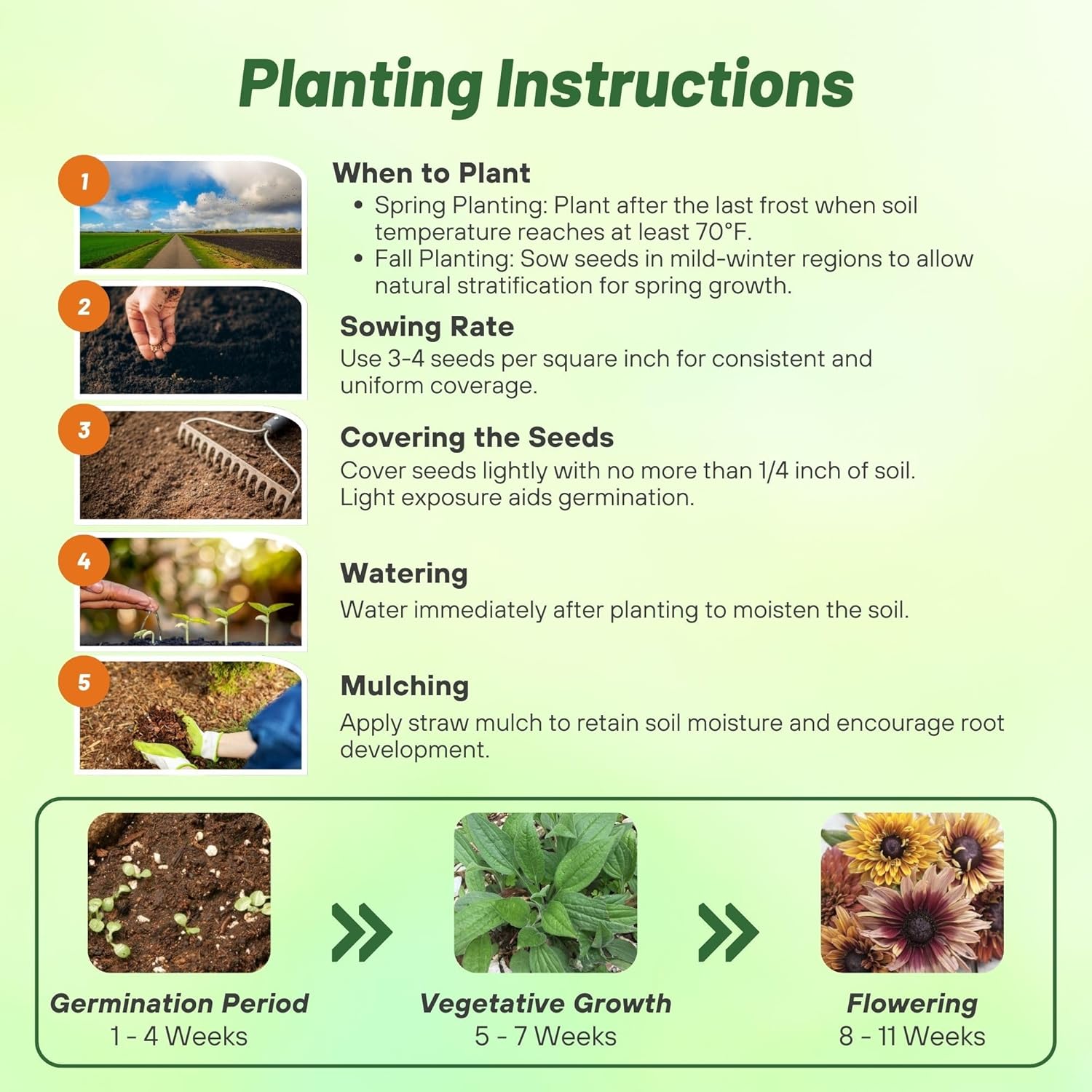
70F

AVERAGE GERM TIME
7 - 30 days

LIGHT REQUIRED
Yes

DEPTH
Do not cover seeds but press in to the soil

SOWING RATE
3 - 4 seeds per plant

MOISTURE
Keep seeds moist until germination

PLANT SPACING
18 inches
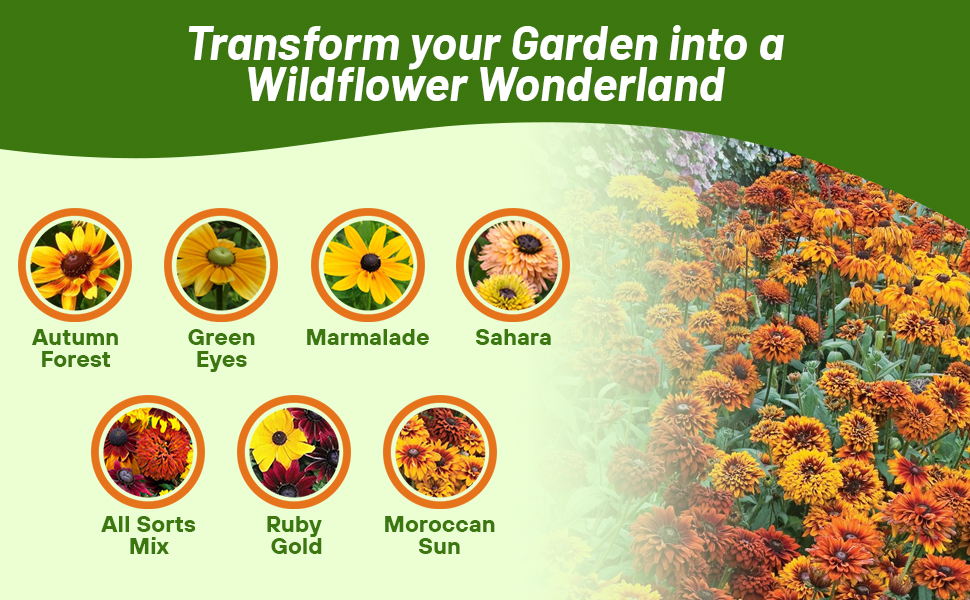
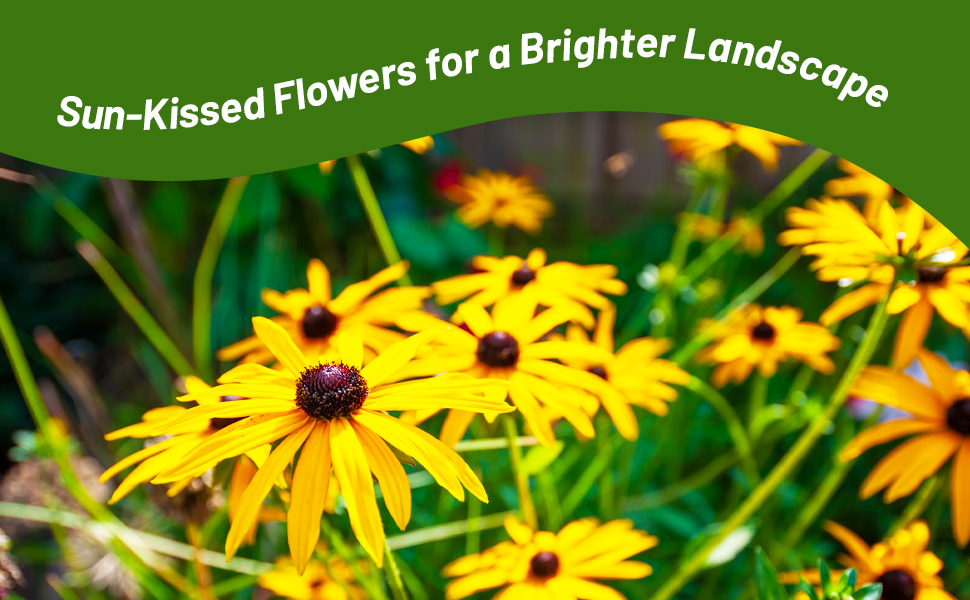
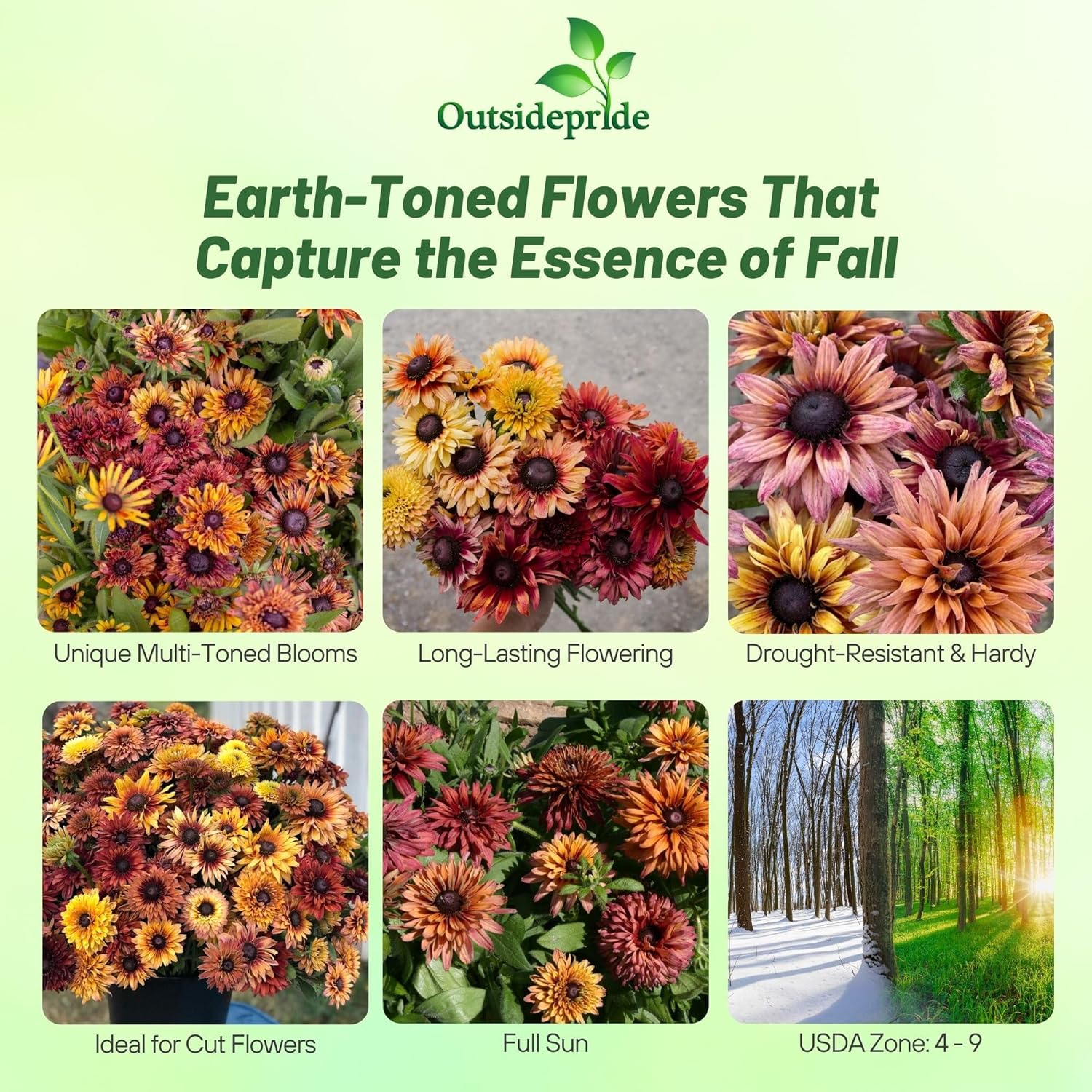
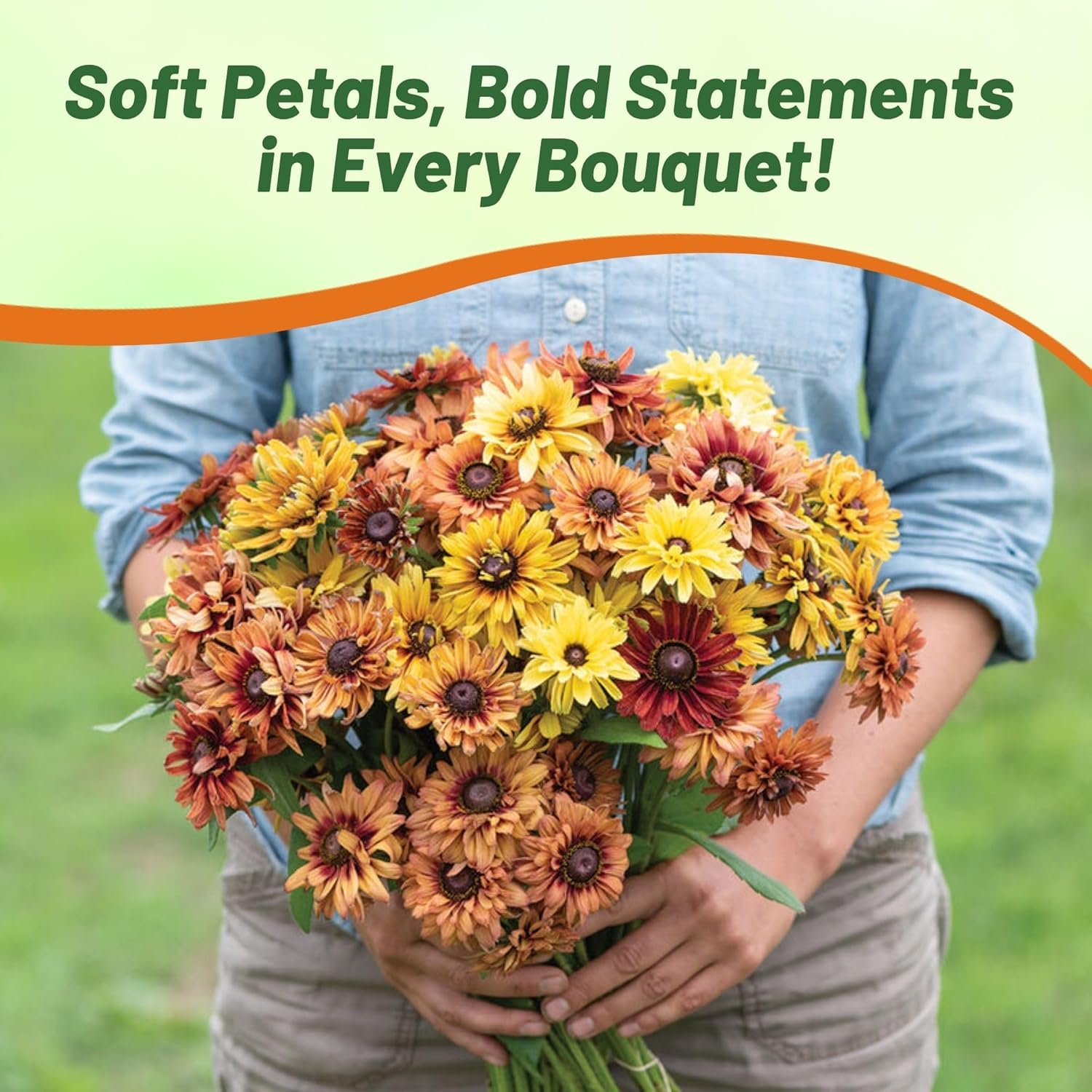
Rudbeckia (Rudbeckia hirta Sahara) - A delightful mix of blooms for the flower garden. Good heat tolerance and great for amateur cut flowers. Plant several of these beauties to add a gorgeous mix of subdued colors on large 4 inch semi double to double flowers. Flowers emerge in warm hues of caramel, antique rose, burnt sienna OR sandy yellow; each flaunt a large chocolate drop center. Long blooming plentiful flowers from mid-summer to fall. Will self-sow. Rudbeckia hirta Sahara is a favorite for cut-flower arrangements. Vases will overflow with its reliable abundant blooms. In meadows, along the roadside or in your garden bed, Rudbeckia are one of the most versatile and recognized perennials. Picture-perfect punctuated with butterflies and the goldfinches will love the seed.
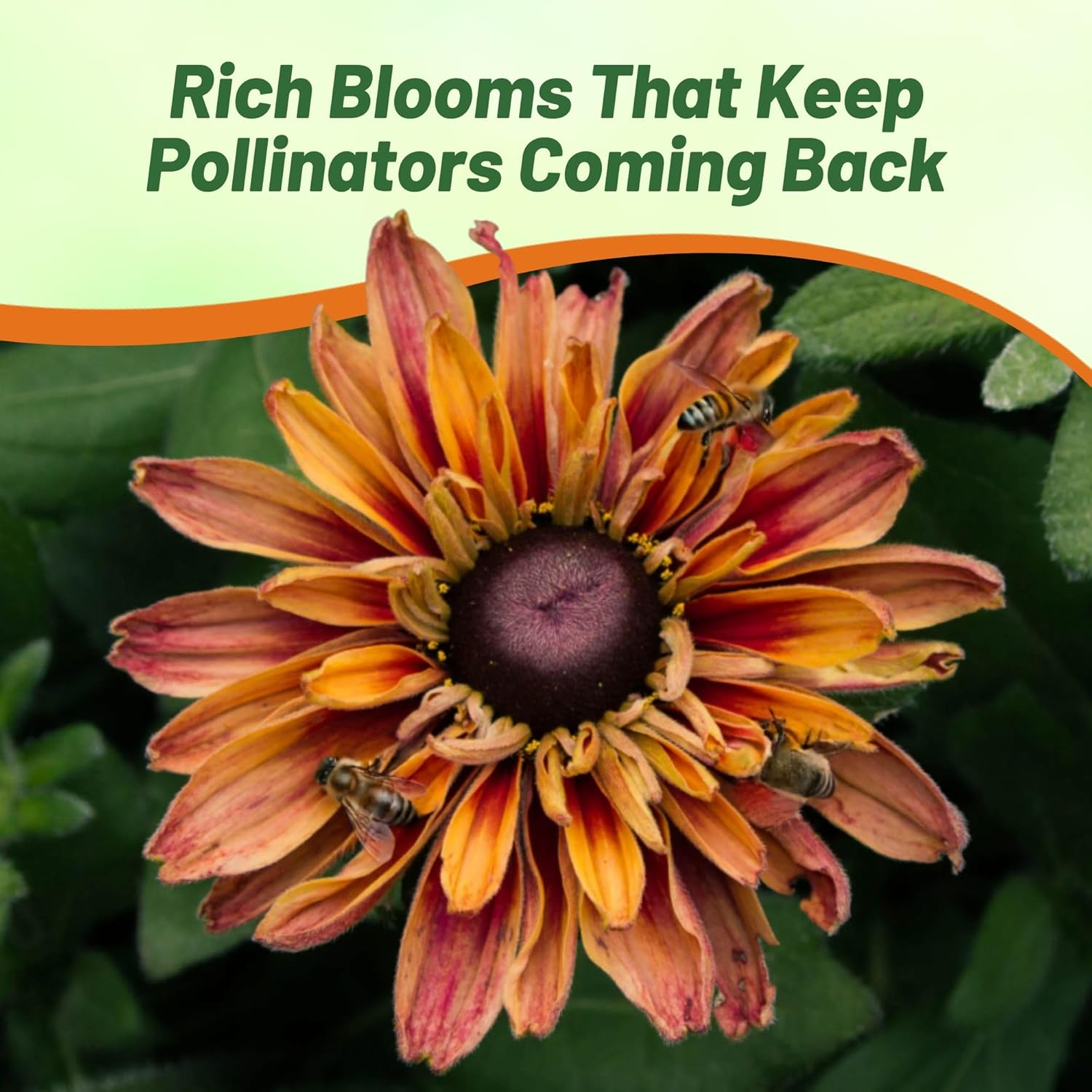
The flowers open in hot, sun-soaked conditions, and once this plant is established, it doesn't mind unseasonable levels of heat, humidity, rain, cold, or even drought. Poor soil is no problem, though best blooming will be in enriched garden soil with adequate water. This plant reaches about 20 to 24 inches high and nearly as wide, with good branching and healthy foliage. More compact than wild Rudbeckia, it is a magnet for butterflies and bees in the summer garden, and in autumn the songbirds feast on the seed-filled black centers of every bloom!
Sahara Rudbeckia is an annual or sometimes biennial growing best in USDA zones 5 through 8. It will bloom the first summer if the seeds are begun early indoors. Pick or deadhead the blooms for even faster rebloom over two long seasons of glory!
Common Questions
What are good perennial companion plants for black-eyed Susan?
Black-eyed Susans and various Rudbeckia plants beautifully enhance the vibrant hues of blue and purple flowers, such as Veronica. They also pair wonderfully with other jewel tones, including Sedum 'Autumn Joy', purple coneflowers, and New England asters.
How do you winterize black-eyed Susan?
Black-eyed Susans are resilient to winter conditions, thriving in USDA zone 3, which means they don’t require winterization. However, the plants do benefit from having their stalks cut back in the fall and being covered with a generous layer of mulch.
Can I use it as a cut flower?
Yes, these flowers are excellent for long lasting cut flowers.
Do flowers attract any pollinators?
Yes, butterflies and song birds are attracted to these flowers.
Do I need to deadhead my spent blooms?
Yes, to encourage a longer bloom season you will need to deadhead any spent blooms.
What are some good ways to use these flowers?
These are spectacular in mass plantings, perennial borders, cottage gardens, cut flower gardens, or in prairies and meadows.