








Arabis Seeds - White

SEASON
Perennial
USDA ZONES
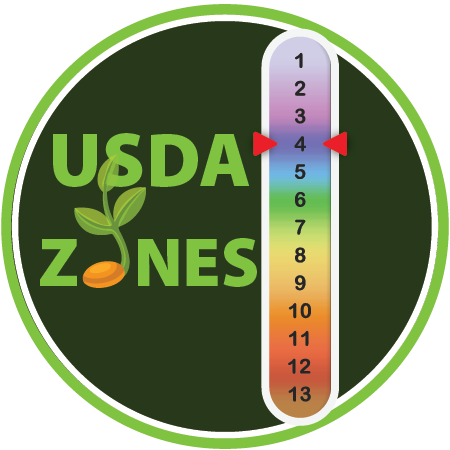
3 - 7

HEIGHT
4 - 8 inches

WIDTH
4 - 8 inches

BLOOM SEASON
Spring

BLOOM COLOR
White

ENVIRONMENT
Partial shade

DEER RESISTANT
Yes

About...
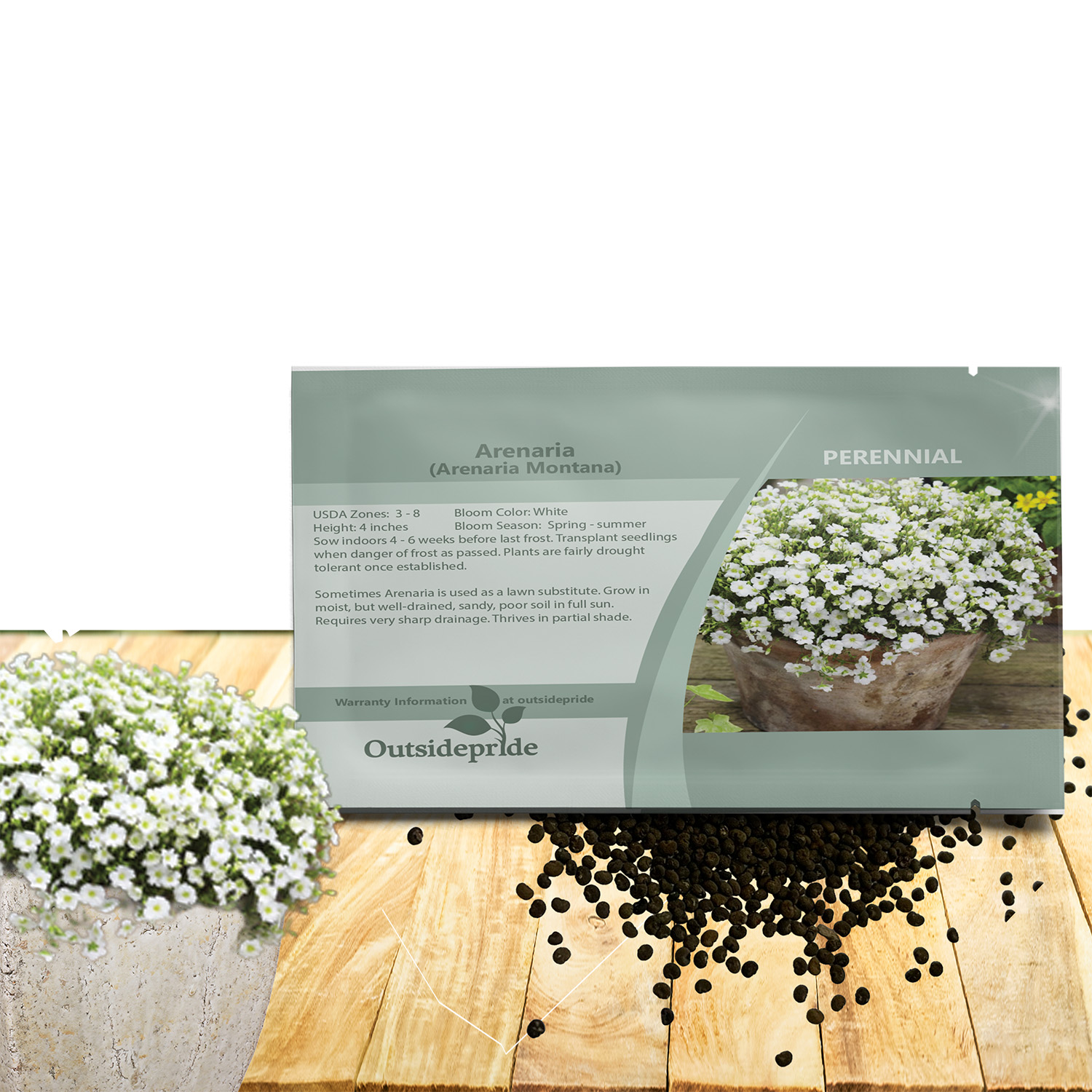
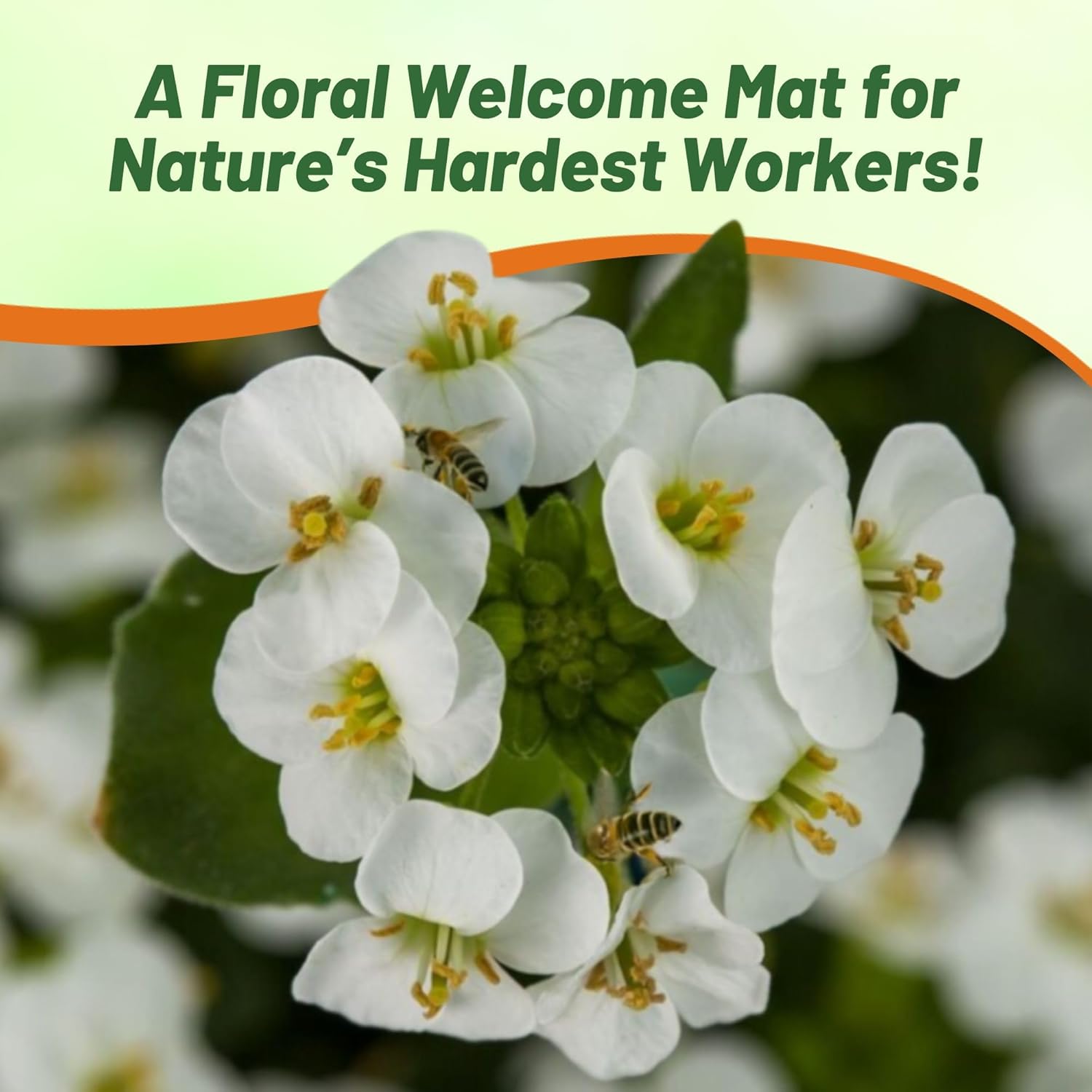
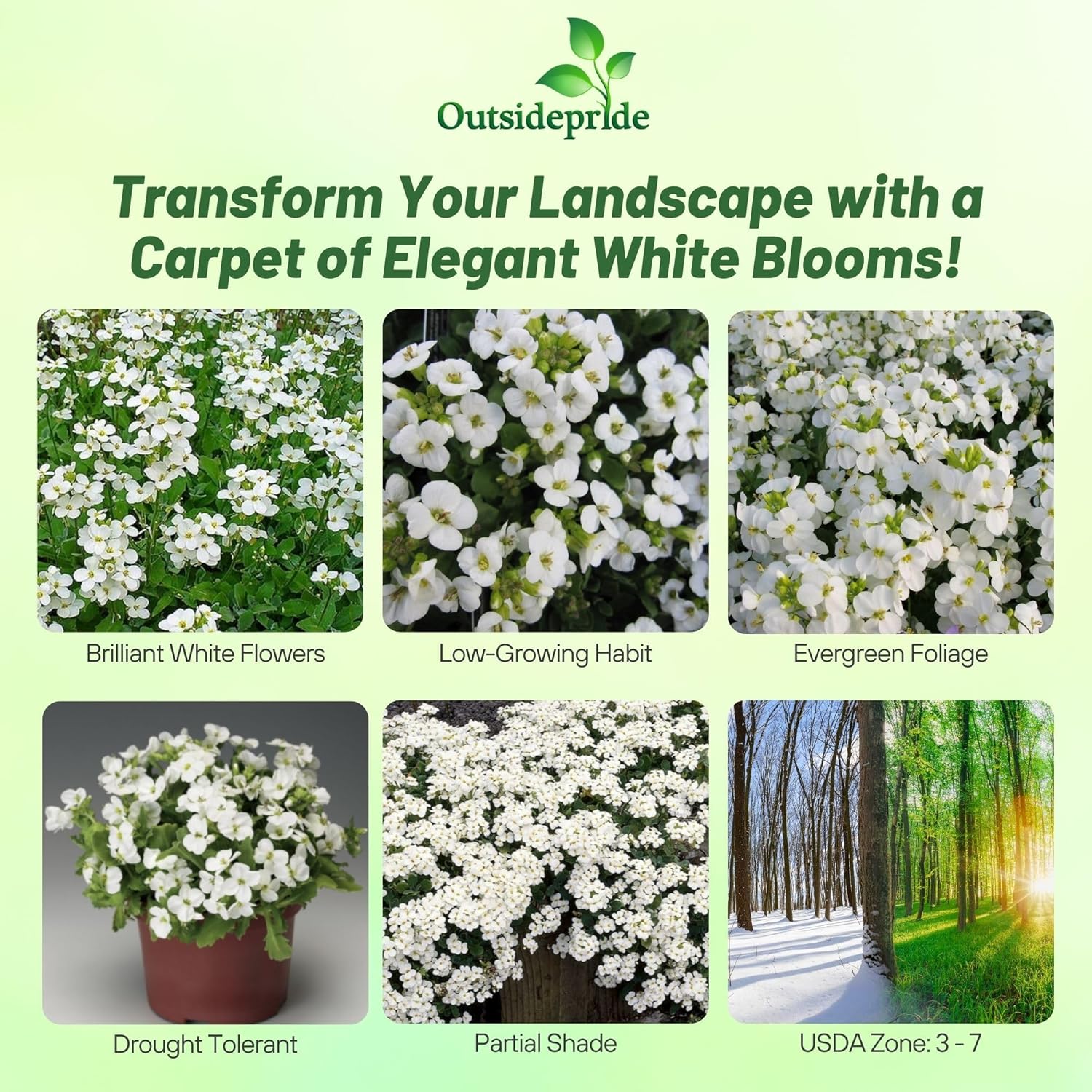
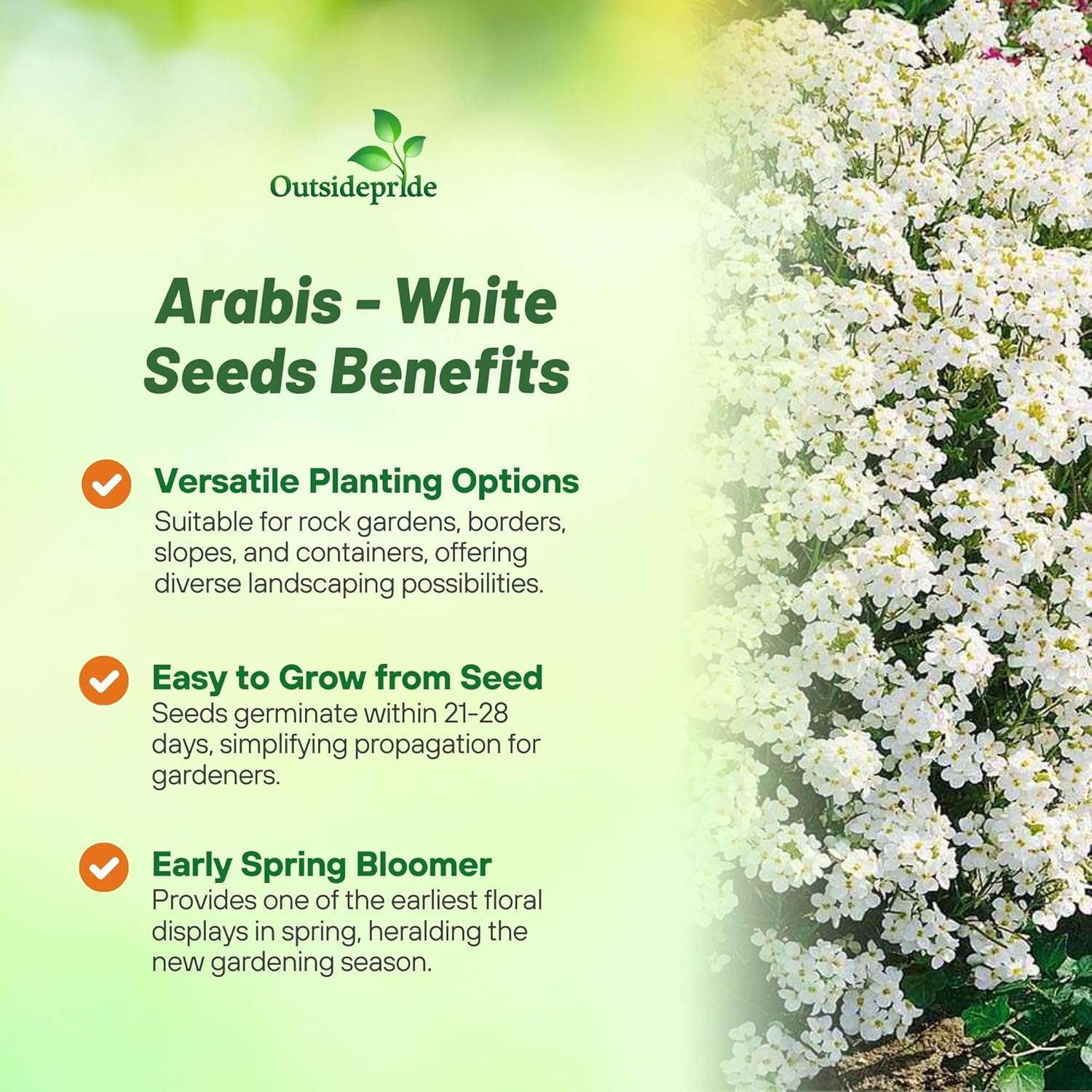
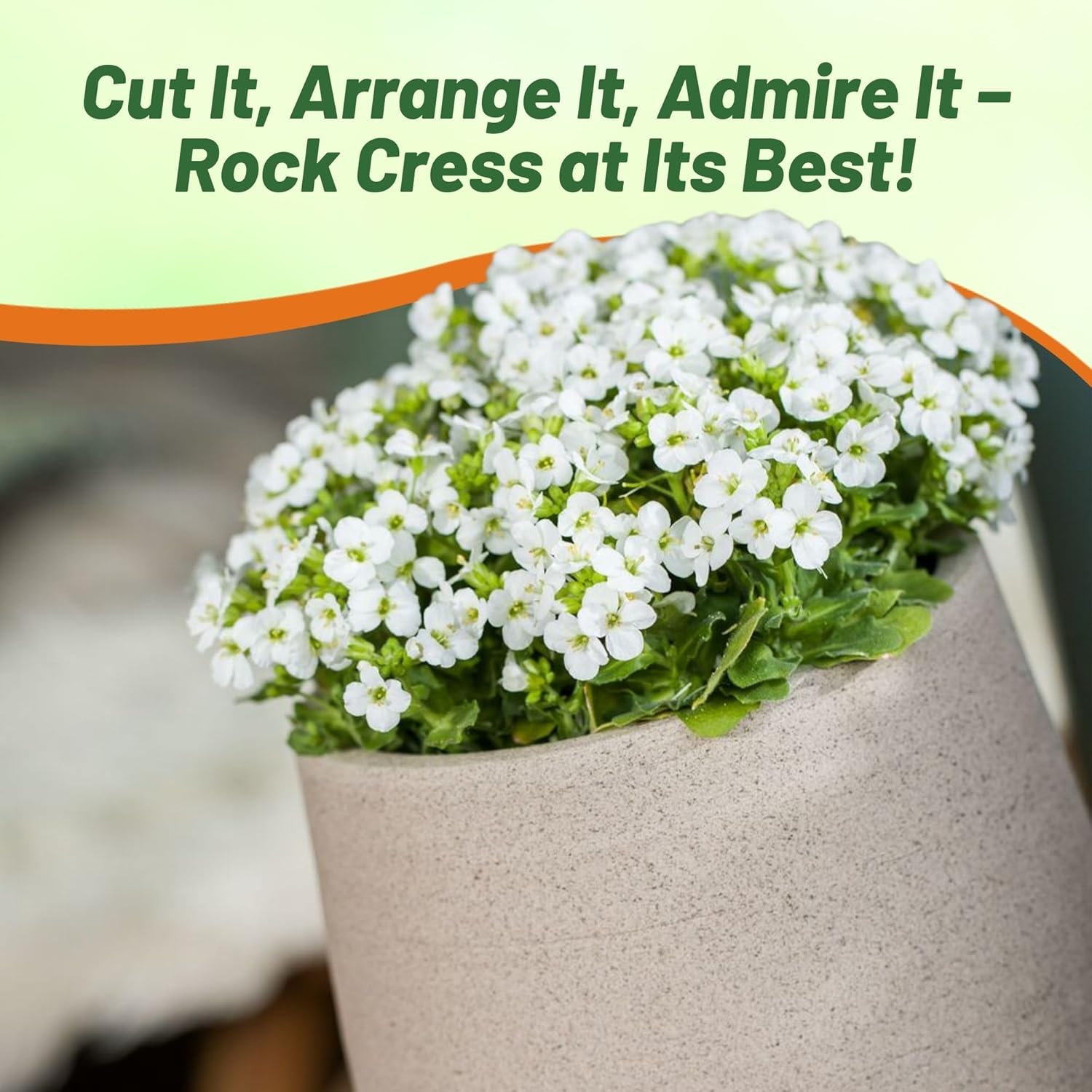
Rock Cress (Arabis caucasica Little Treasure White) - Rock Cress is a drought tolerant, widely planted perennial rock garden plant used for a used for a bright Spring showing of flowers. This selection forms a mounding cushion of gray-green leaves, bearing masses of fragrant, small, vibrant white flowers from early to mid Spring.MORE ROCK CRESS OPTIONS

Planting Directions

TEMPERATURE
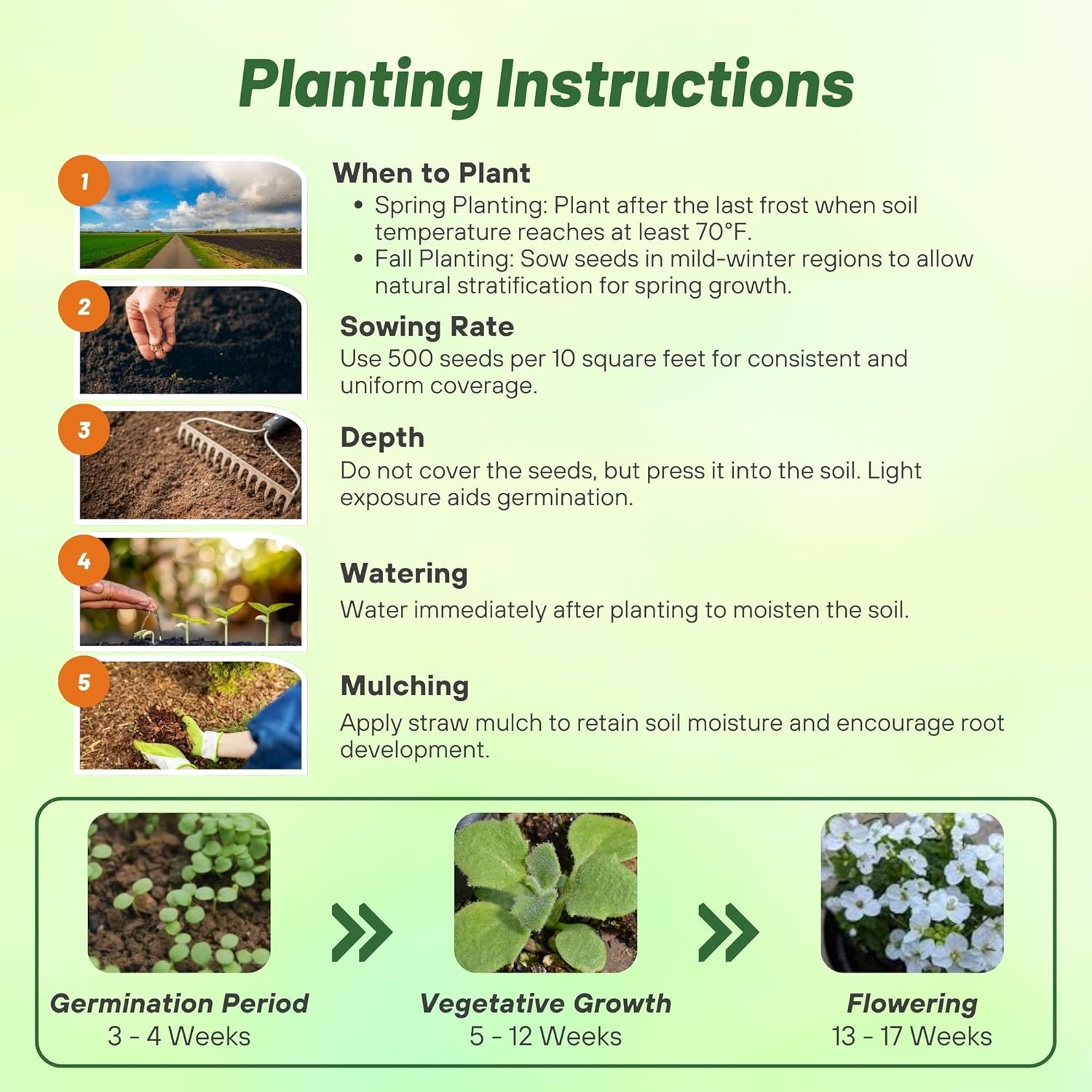
68F
AVERAGE GERM TIME
21 - 28 days

LIGHT REQUIRED
Yes

DEPTH
Do not cover the seed but tightly press into the soil

SOIL TYPE
Well-drained, pH 6.2 - 7.2

SOWING RATE
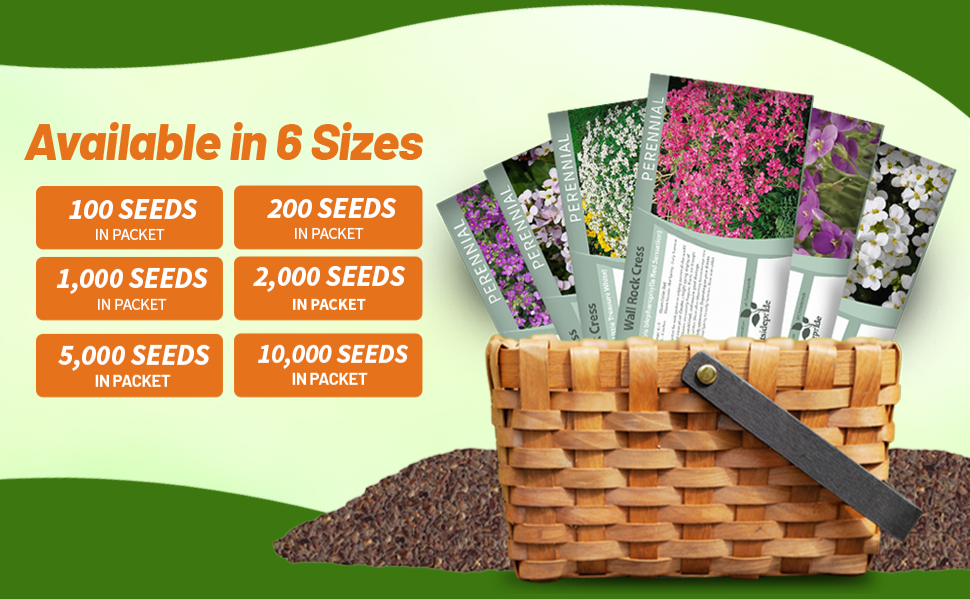
500 seeds covers approximately 10 square feet
MOISTURE
Keep seeds moist until germination
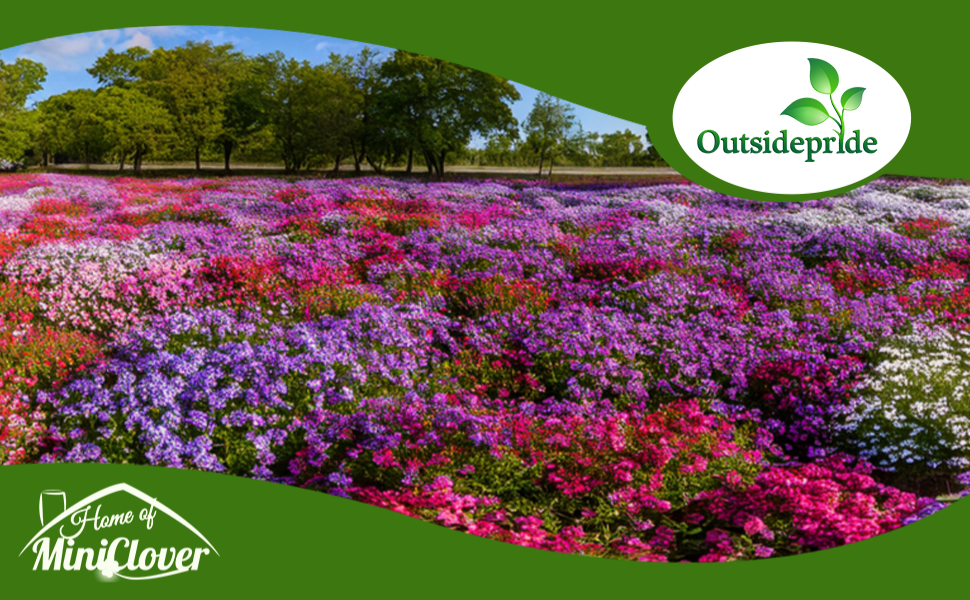
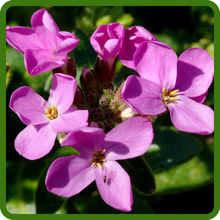
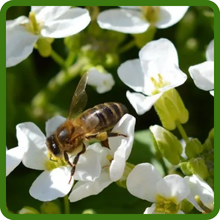
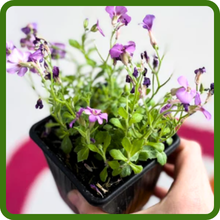
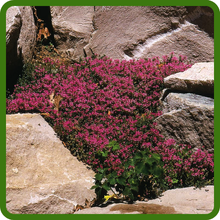
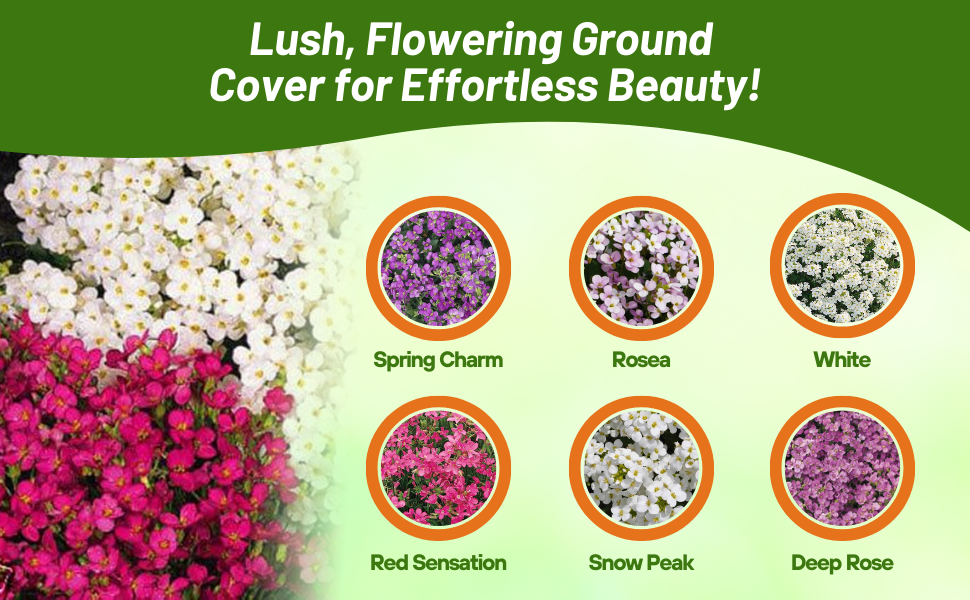
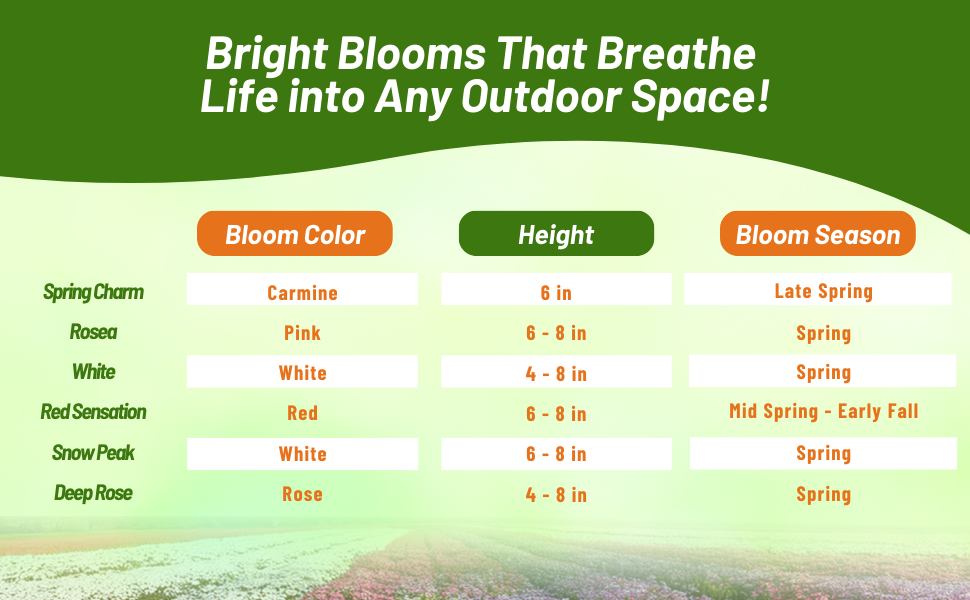
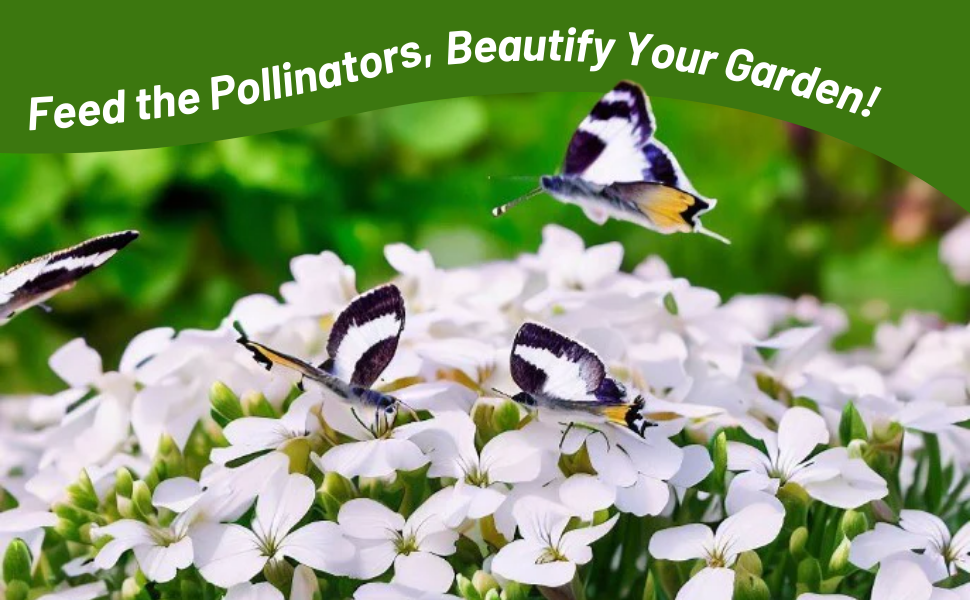
Rock Cress (Arabis caucasica Little Treasure White) - Rock Cress is a drought tolerant, widely planted perennial rock garden plant used for a used for a bright Spring showing of flowers. This selection forms a mounding cushion of gray-green leaves, bearing masses of fragrant, small, vibrant white flowers from early to mid Spring. All arabis plants require good drainage, particularly in the winter months. Shear plants lightly after blooming in order to maintain a bushy, compact habit. Deer and rabbits tend to avoid rock cress.
Rock cress is a very vibrant, ground covering, mat-forming and tough plant that will grow anywhere. Resistant to both low and high temperatures.
Common Questions
Is Rock Cress low maintenance?
Yes, rock cress is generally considered low maintenance once established.
Are Rock Cress deer resistant?
Yes, rock cress is often considered deer resistant due to its strong fragrance.
Why are my plants not bloom well?
Insufficient sunlight, improper pruning or overcrowding can all lead to a lower number of blooms. Deadheading spent blooms will encourage a longer bloom season, dividing overcrowded plants will give your plants room to thrive and make sure they are in an area of your garden with at least 6 hours of sunlight per day.
Can I grow in containers?
Yes, choose a container with good drainage and fill container with well-draining potting mix. As plants grow, they may need to be repotted in larger container.
Videos