










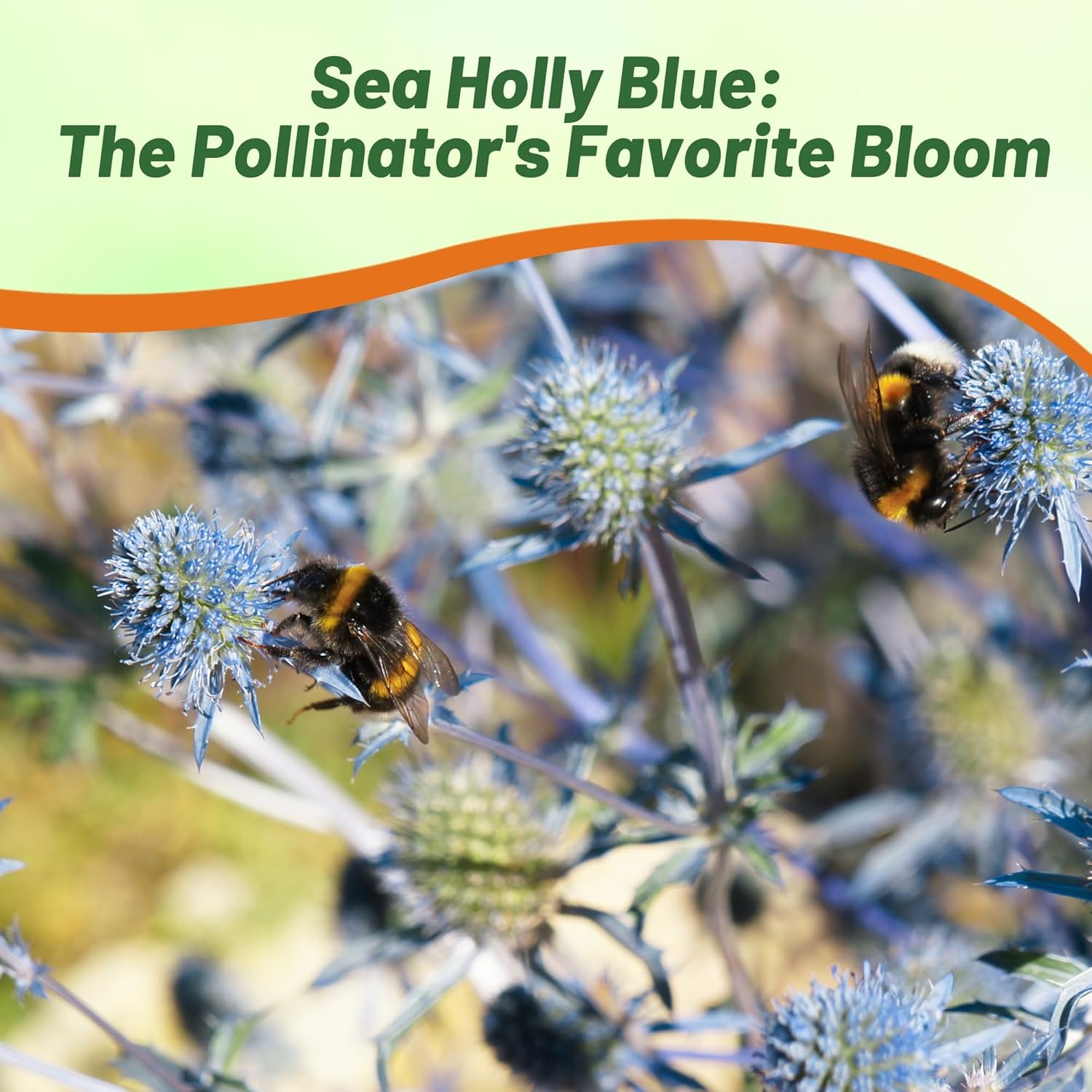

Eryngium Seeds - Planum

SEASON
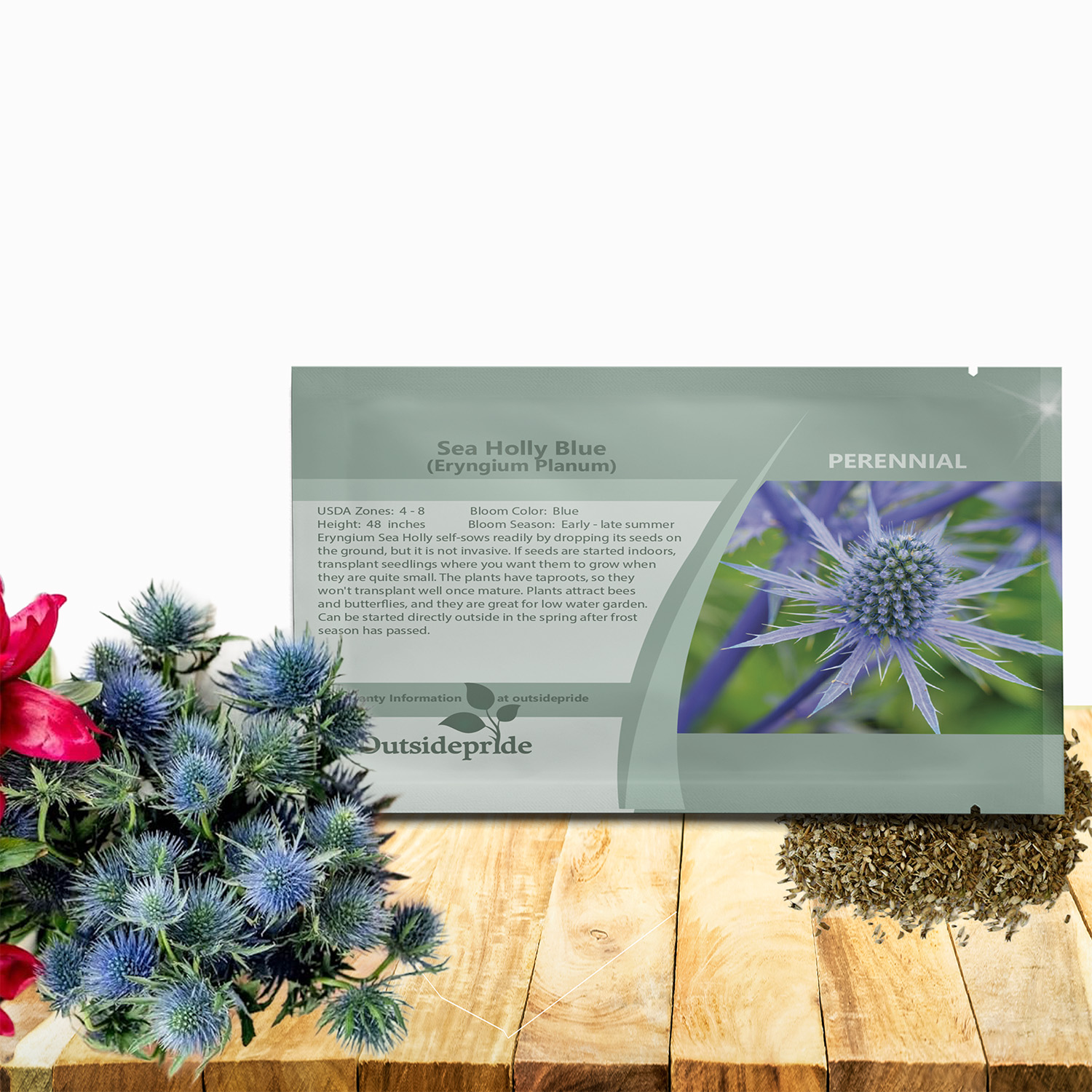
Perennial
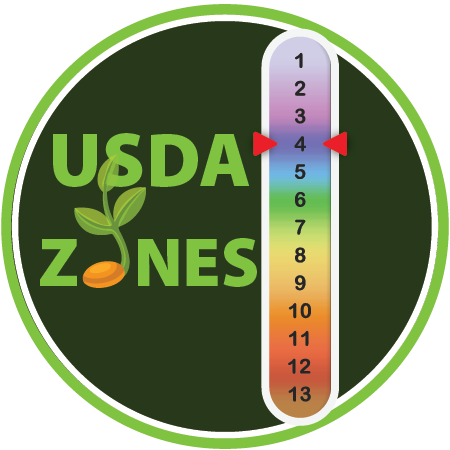
USDA ZONES
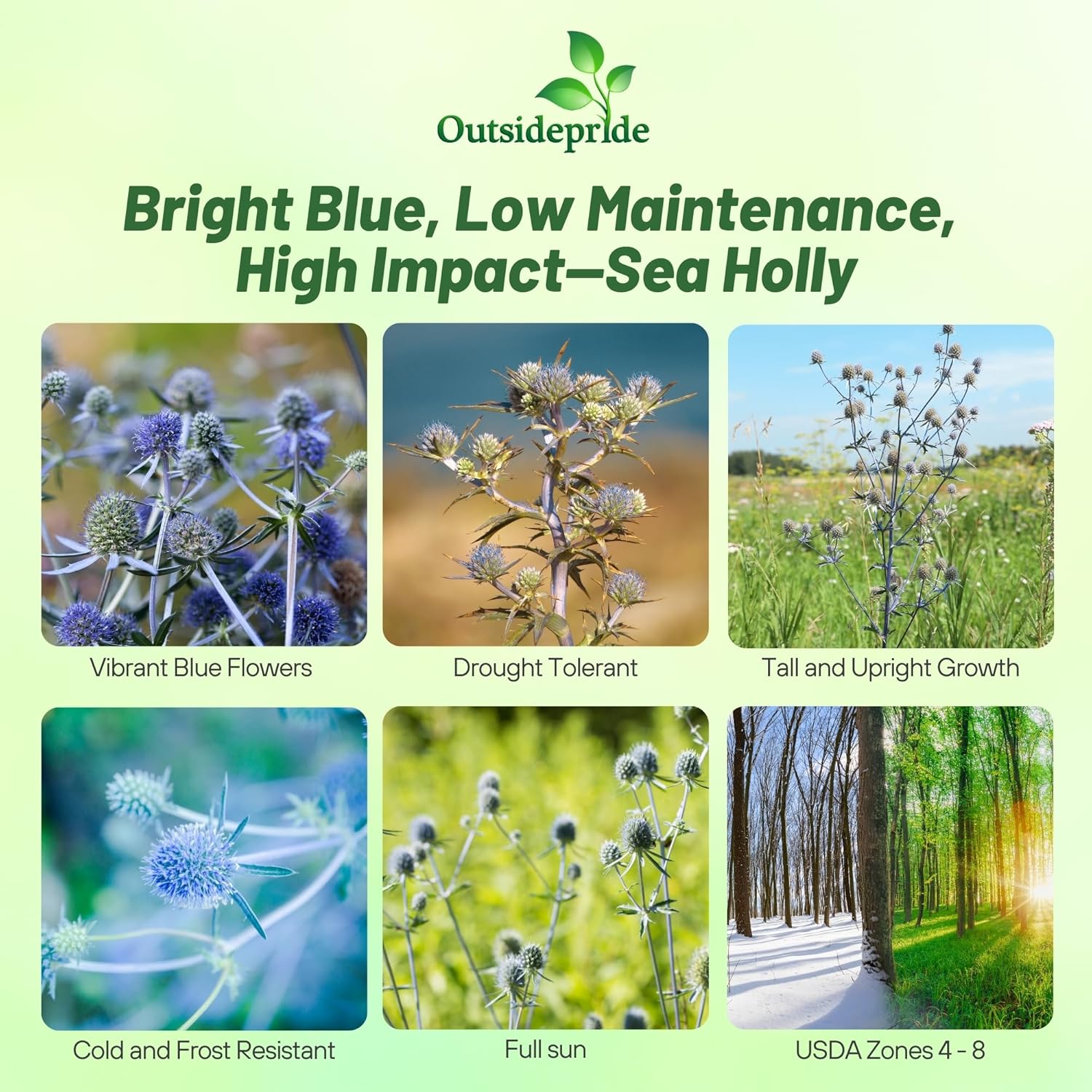
4 - 8

HEIGHT
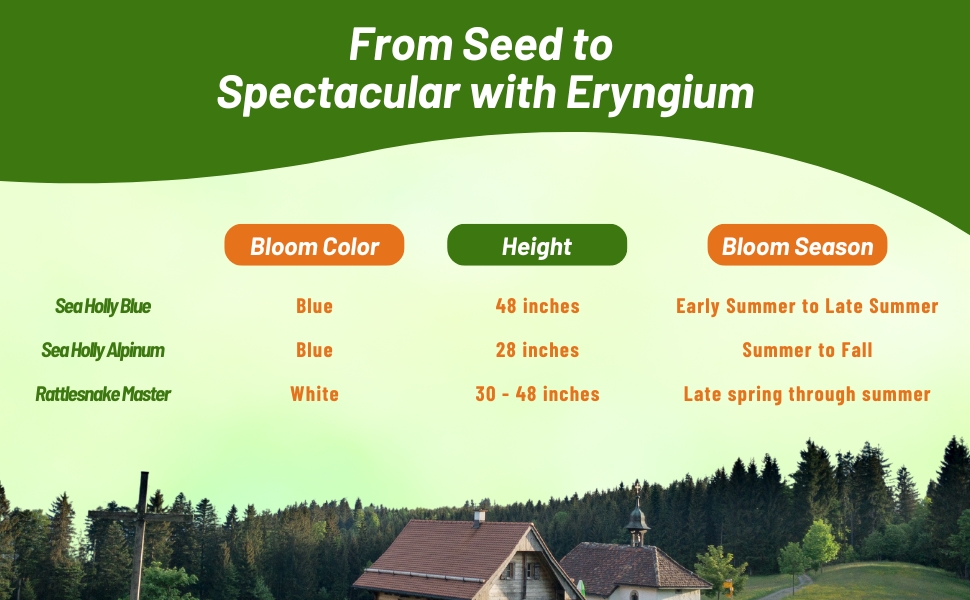
48 inches

BLOOM SEASON
Early summer to late summer

BLOOM COLOR
Blue

ENVIRONMENT
Full sun

SOIL TYPE
Any well drained soils, pH 5.8 - 6.8

DEER RESISTANT
Yes
HOUSE PLANT
No

LATIN NAME
Eryngium planum

About...
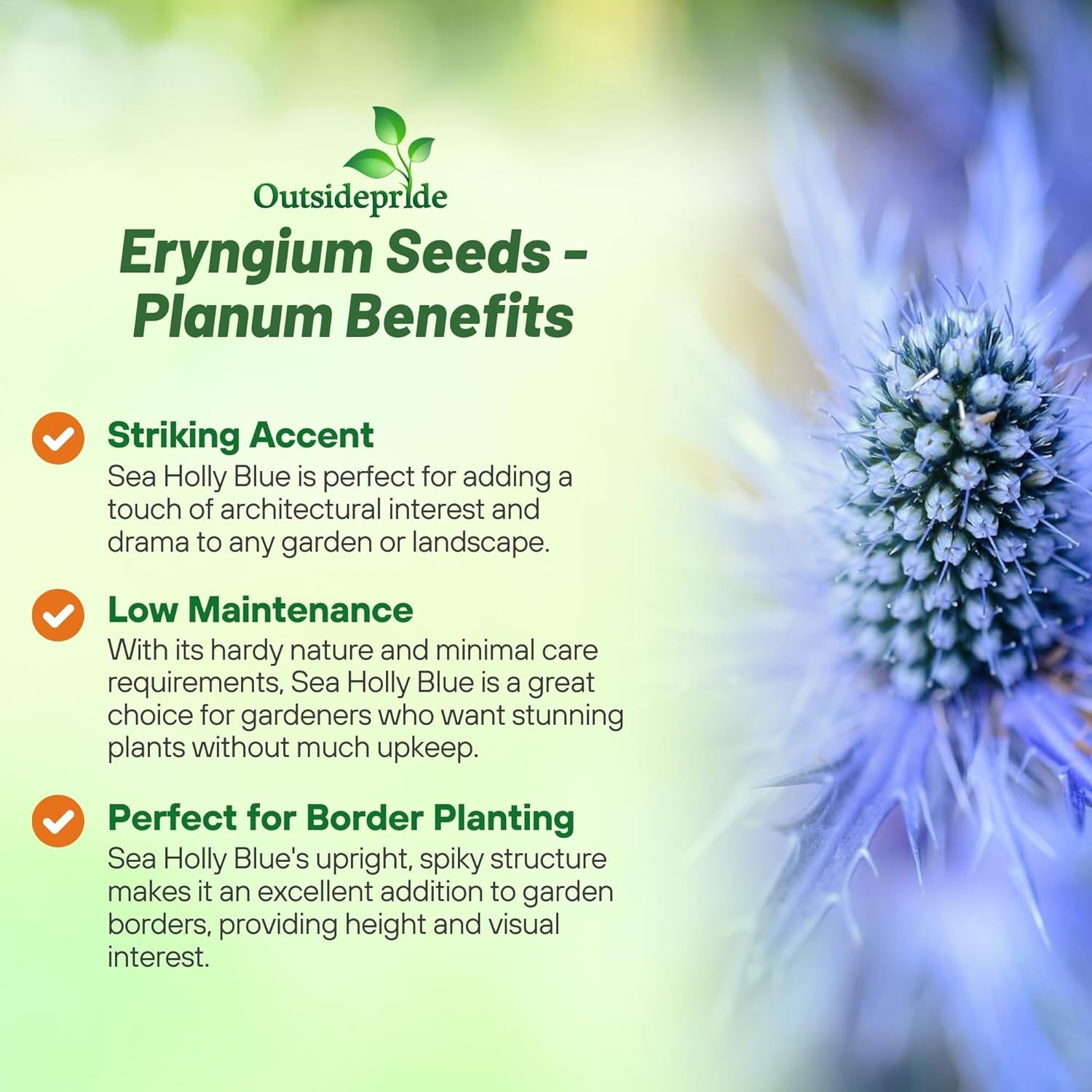
Sea Holly Blue (Eryngium Planum) - Unique and stately, Eryngium Planum, commonly called Sea Holly, has been grown from flower seeds in America since the 1800's. A drought tolerant plant once established perfect for water conservation.MORE ERYNGIUM OPTIONS

Planting Directions

TEMPERATURE
60 - 72F

AVERAGE GERM TIME
21 - 28 days

LIGHT REQUIRED
Yes

DEPTH
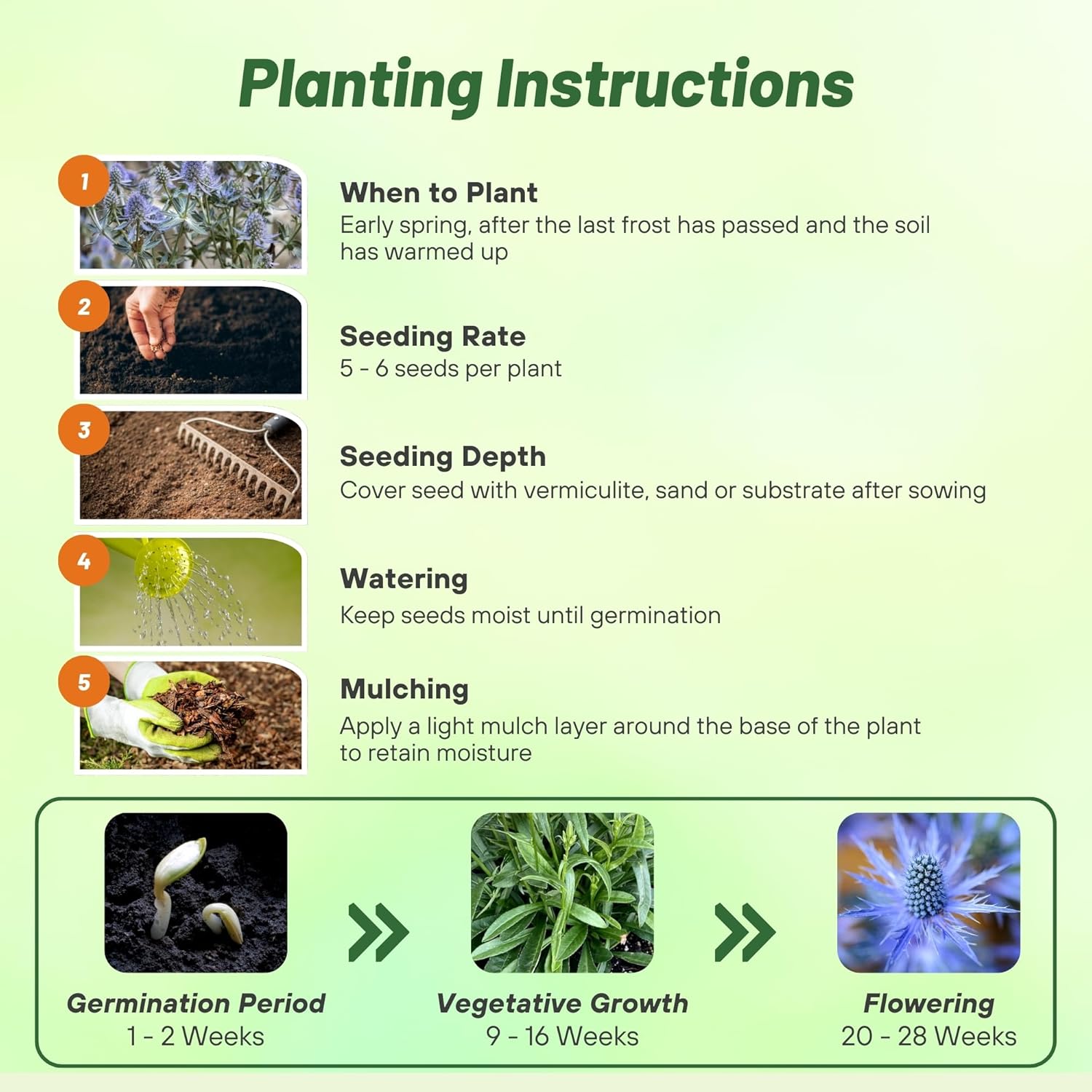
Cover seed with vermiculite, sand or substrate after sowing

SOWING RATE
5 - 6 seeds per plant

MOISTURE
Keep soil slightly moist but not wet until germination

PLANT SPACING
18 inches
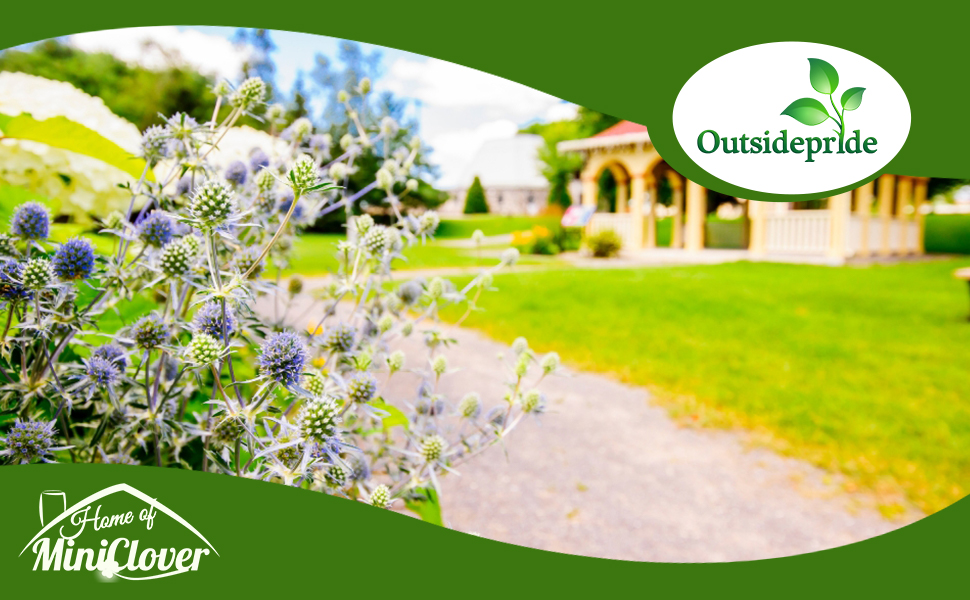
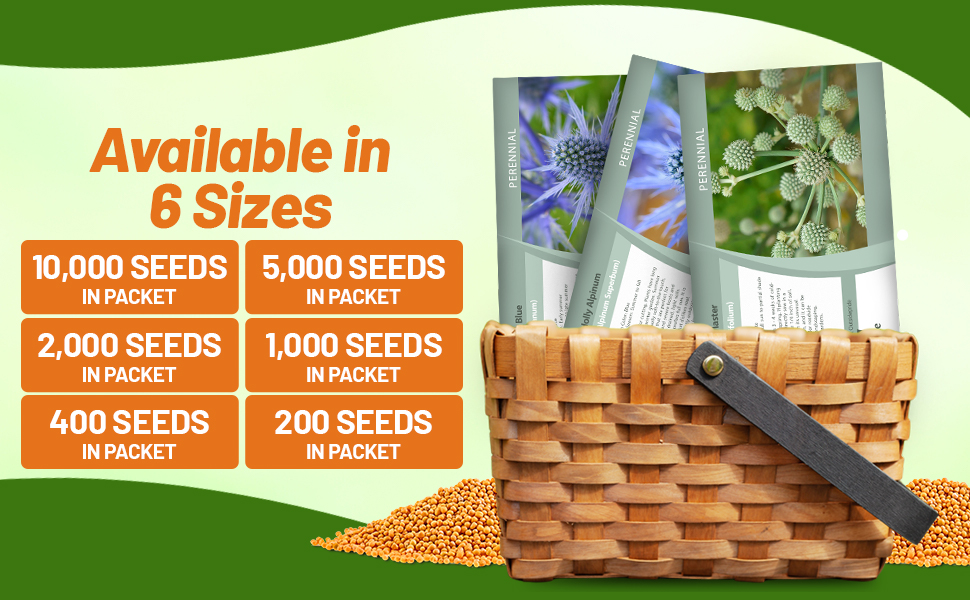
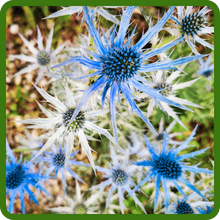
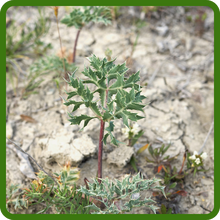
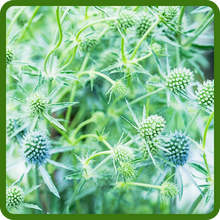
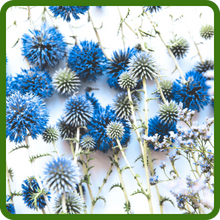
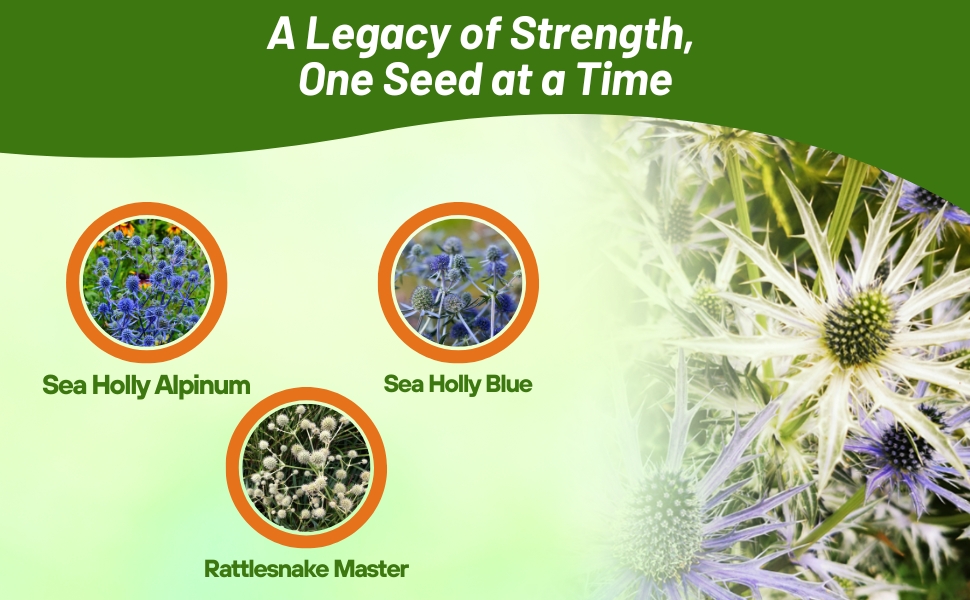
Sea Holly Blue (Eryngium Planum) - Unique and stately, Eryngium Planum, commonly called Sea Holly, has been grown from flower seeds in America since the 1800's. It can be propagated by division, flower seed and root cuttings.
Common Questions
Where are the best places to use sea holly in the landscape?
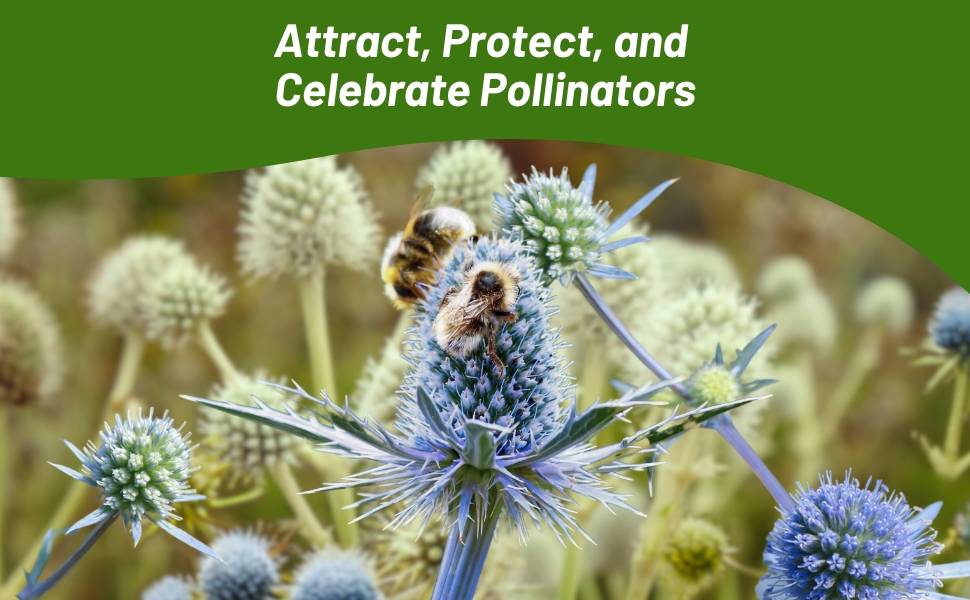
Sea holly is an excellent option for sunny garden spots that are hard to water. It can be planted alone or in small clusters. The blue and silver hues of sea holly complement various colors, particularly yellow and orange. Try combining it with rudbeckia, coreopsis, zinnia, and cosmos. Sea holly attracts bees and butterflies but deters deer and rabbits. When used in floral arrangements, the flowers remain fresh for several days.
How long does sea holly live?
With a deep taproot that enables it to thrive in unfavorable soil conditions, a mature sea holly plant can survive for many years, eventually expanding to resemble a small shrub. Interestingly, plants in nutrient-rich soil tend to have shorter lifespans.
Does sea holly self-seed?
Sea holly will self-seed in the garden if the spent flowers are not deadheaded. The seedlings that emerge are usually not troublesome. When you spot them, delicately relocate them to create new plants. It's crucial to act promptly as sea holly grows a lengthy taproot that does not transplant well once established.
How long does sea holly stay in bloom?
Sea holly typically flowers from mid-summer to fall. To extend the blooming period or promote more blooms, remove spent flowers.
Videos