










Hollyhock Seeds - Halo Pink

SEASON
Perennial
USDA ZONES
3 - 9

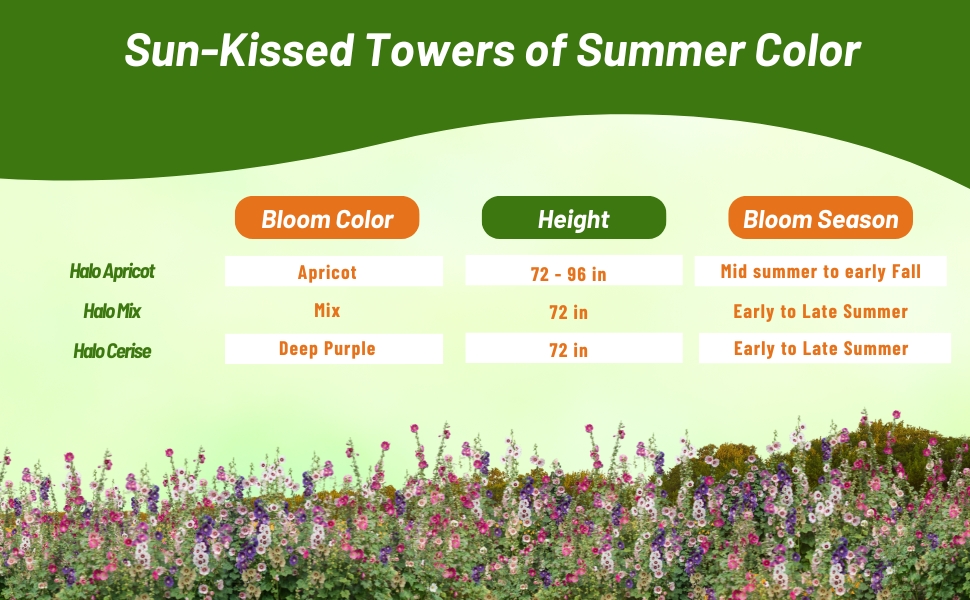
HEIGHT
72 inches

BLOOM SEASON
Early to late summer

BLOOM COLOR
Pink

ENVIRONMENT
Full sun

SOIL TYPE
Well drained, pH 6.1 - 7.8

DEER RESISTANT
Yes

About...
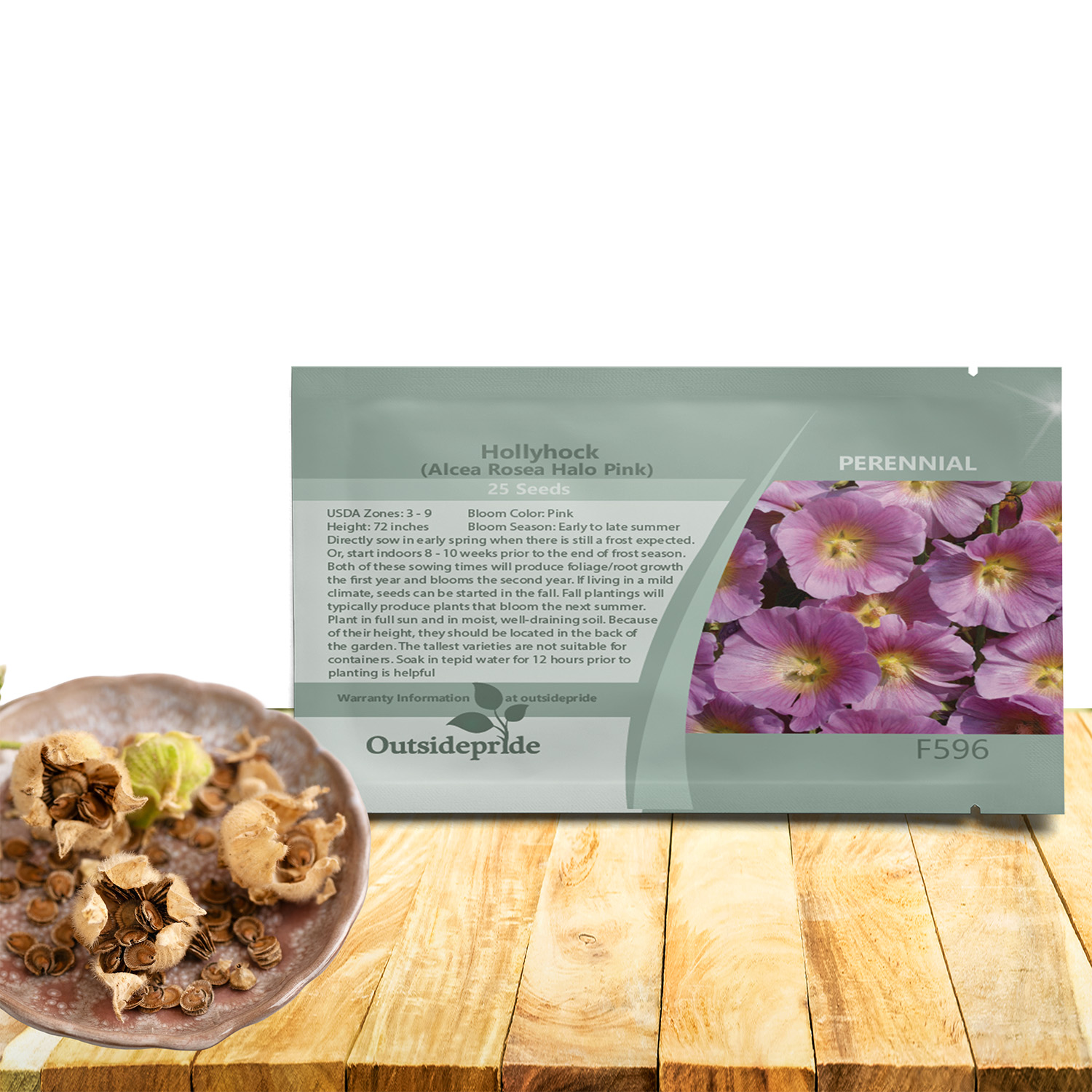
Hollyhock (Alcea Rosea Halo Pink) - This variety has impressive upright flower spikes which are ideal for cottage gardens. Hollyhocks are low maintenance and easy to grow. It will bloom from early to late summer reaching a height of 6 feet tall and 1 to 2 feet wide.MORE HOLLYHOCK OPTIONS

Planting Directions

TEMPERATURE
60 - 65F

AVERAGE GERM TIME
21 - 28 day

LIGHT REQUIRED
Yes

DEPTH
Do not cover the seed but press into the soil

SOWING RATE
2 - 3 seeds per plant

MOISTURE
Keep seeds moist until germination

PLANT SPACING
18 - 24 inches
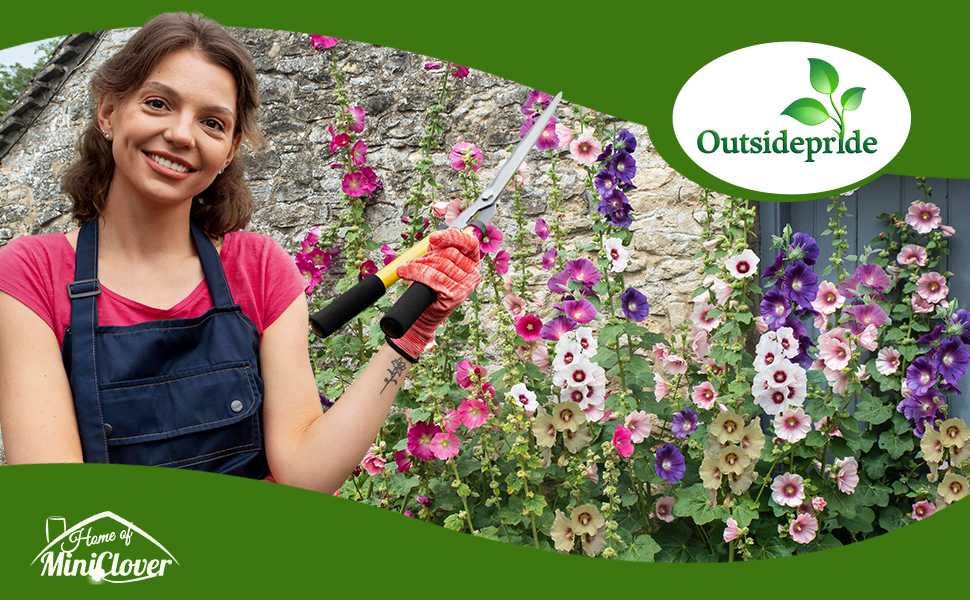
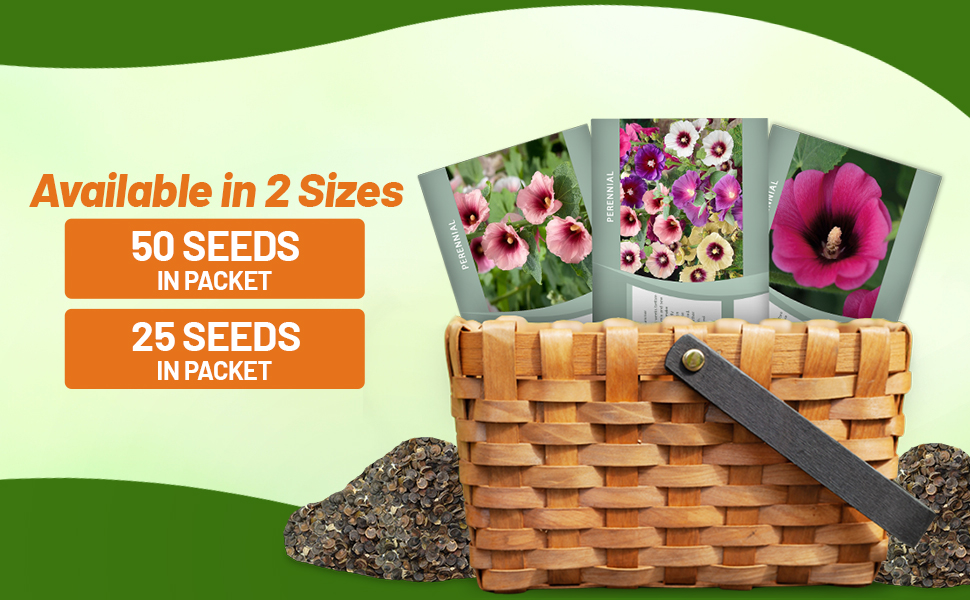
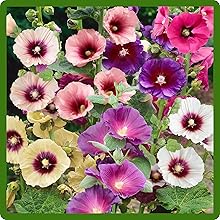
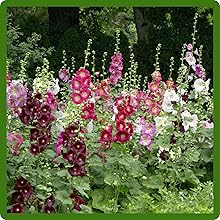
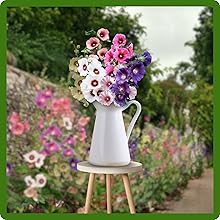
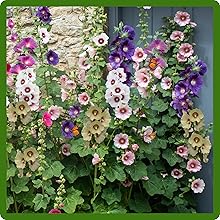
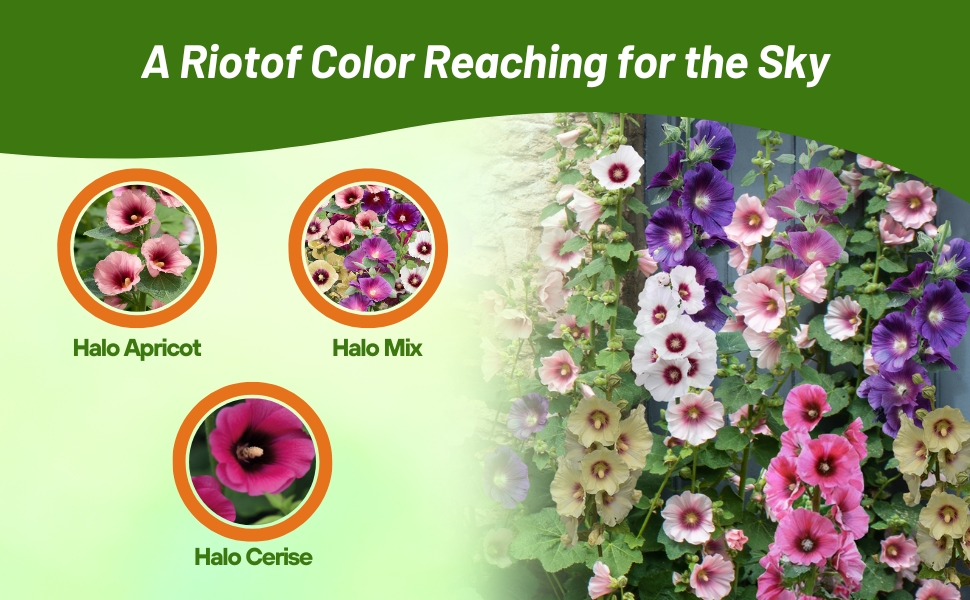
Hollyhock (Alcea Rosea Halo Pink) - This variety has impressive upright flower spikes which are ideal for cottage gardens. Hollyhocks are low maintenance and easy to grow. It will bloom from early to late summer reaching a height of 6 feet tall and 1 to 2 feet wide. Hollyhocks grow best in full sun. Members of the Halo series form a bushy clump of rugose green foliage with tall spikes carrying large, colorful blossoms in early to midsummer.
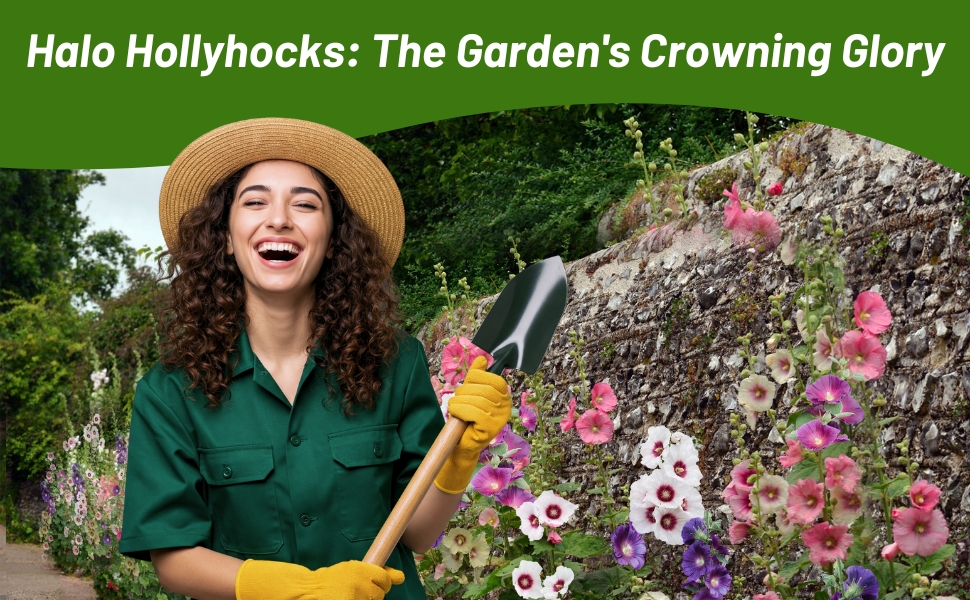
Hollyhock plants have soaring flowers which add a dynamic display to the back of your beds and borders. Hollyhock plants are happy in full sun and flower in the first year. They are hardy perennials, so will return year after year and provide perfect cut flowers for that special bouquet. Hollyhocks are edible and can be made into syrup or crystallised for cake decoration, and are perfect for pollinators too.
From the breeding work of Thompson & Morgan, Halo is a new series of hollyhocks that was 16 years in the making. These varieties were selected and hybridized over many generations for their large, single, bicolor flowers. Each displays a prominent, contrasting lighter or darker colored halo in the center of the flower.
Establishing hollyhocks from flower seeds is very rewarding. To get a jump start on the growing season, you can sow seeds indoors or in the greenhouse 6 - 8 weeks before the last frost date. Use starter trays and quality starter mix and sow the hollyhock seeds on the surface, pressing them into the soil to make good contact. Keep them consistently moist. Sowing the flower seeds directly outdoors is an option as well. Prepare soil bed, sow the seeds on the surface and dust over them very lightly with loose garden soil. Keep the seeds moist until germination has occurred. Young seedlings can be transplanted or even moved to other positions in the garden. The first year the seed is sown, they will establish their root system, and the second year the colorful show will begin and also become resistant to drought. During the bloom season, water plants well and fertilize. After bloom season, cut back the stalks hard, down to just 3 - 4 inches above ground. Depending on your location and growing season, the plants may come back for a second bloom in late summer or early fall.
Common Questions
Are hollyhocks hard to grow?
Hollyhocks are low-maintenance and easy to grow. They just need fertile soil, plenty of sun, and appropriate spacing and moisture levels to prevent problems with the fungal disease rust.
My hollyhock plants have a sickly appearance, what should I do?
If your hollyhocks appear stunted and feeble, they may be affected by the Puccinia malvacearum rust disease. This disease manifests as yellow or orange spots on the leaves, which later develop into lumps, causing the foliage to wither and fall off. Promptly eliminate the infected plants and dispose of them securely in a sealed bag.
My hollyhock’s leaves are curling, what is wrong?
Curling hollyhock leaves could indicate that the plant is under heat stress due to intense sunlight. To remedy this, consider relocating the plants to a shadier spot or installing a shade cloth for protection. Additionally, adding mulch to the soil can help maintain cooler roots for the plant.
Do I need to deadhead my hollyhock flowers?
Yes, to prolong your bloom season you will need to deadhead spent flowers. Also keeping your plants consistently moist will help encourage a good bloom season.
What are some good companion plants for alcea?
Plants such as salvia, echinacea and shasta daisy all work well with the alcea hollyhock plants.
Videos