







Nasturtium Seeds - Phoenix Mix

SEASON
Annual

USDA ZONES
3 - 10

HEIGHT
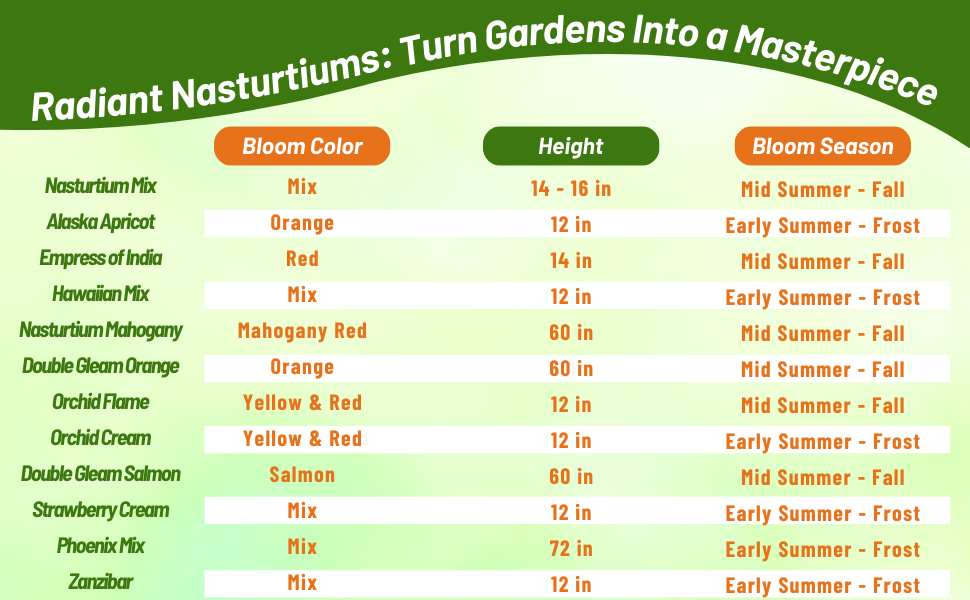
72 inches

BLOOM SEASON
Early Summer until frost

BLOOM COLOR
Mix

ENVIRONMENT
Full sun

SOIL TYPE
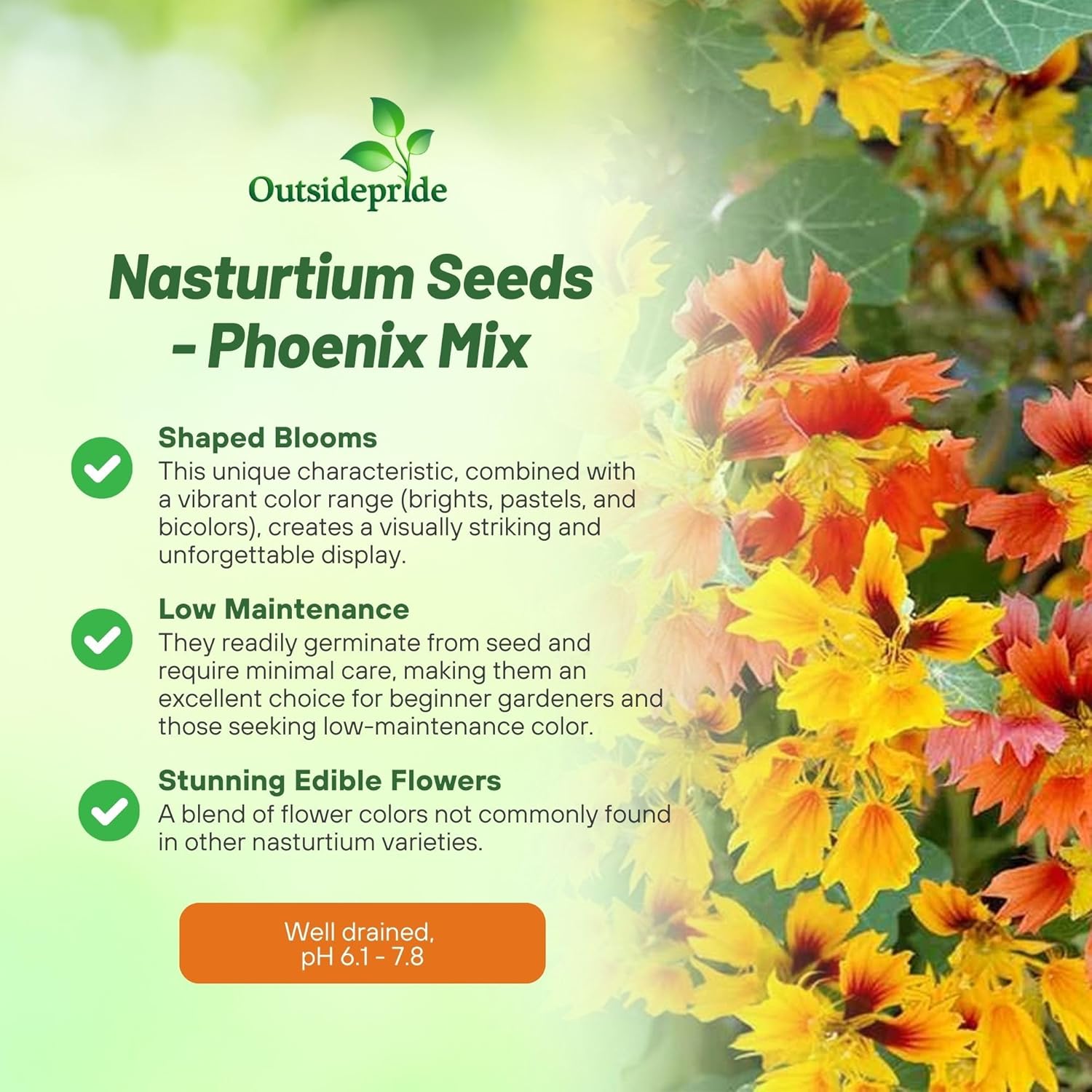
Well-drained, pH 6.1 - 7.8

DEER RESISTANT
Yes
HOUSE PLANT
Yes

About...
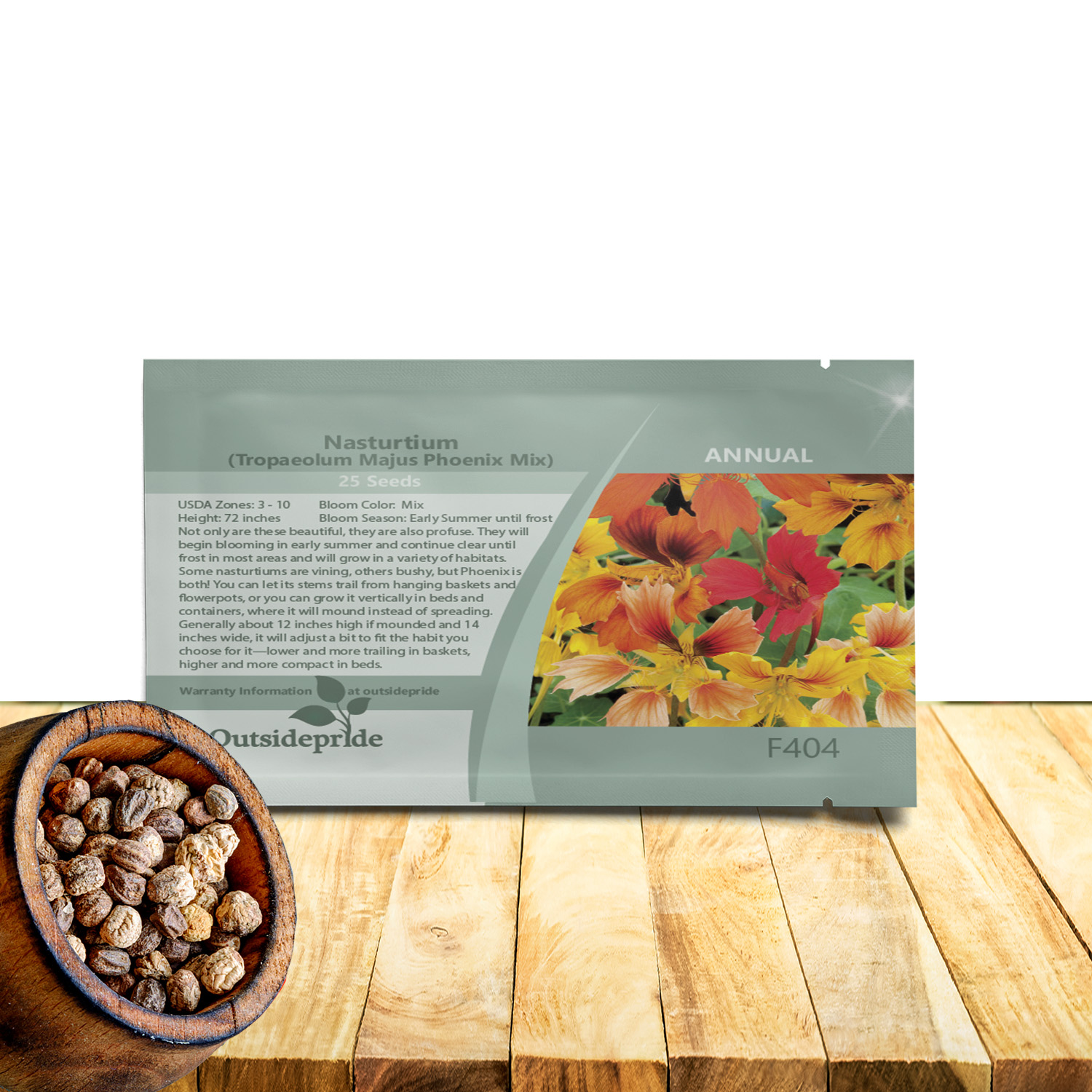
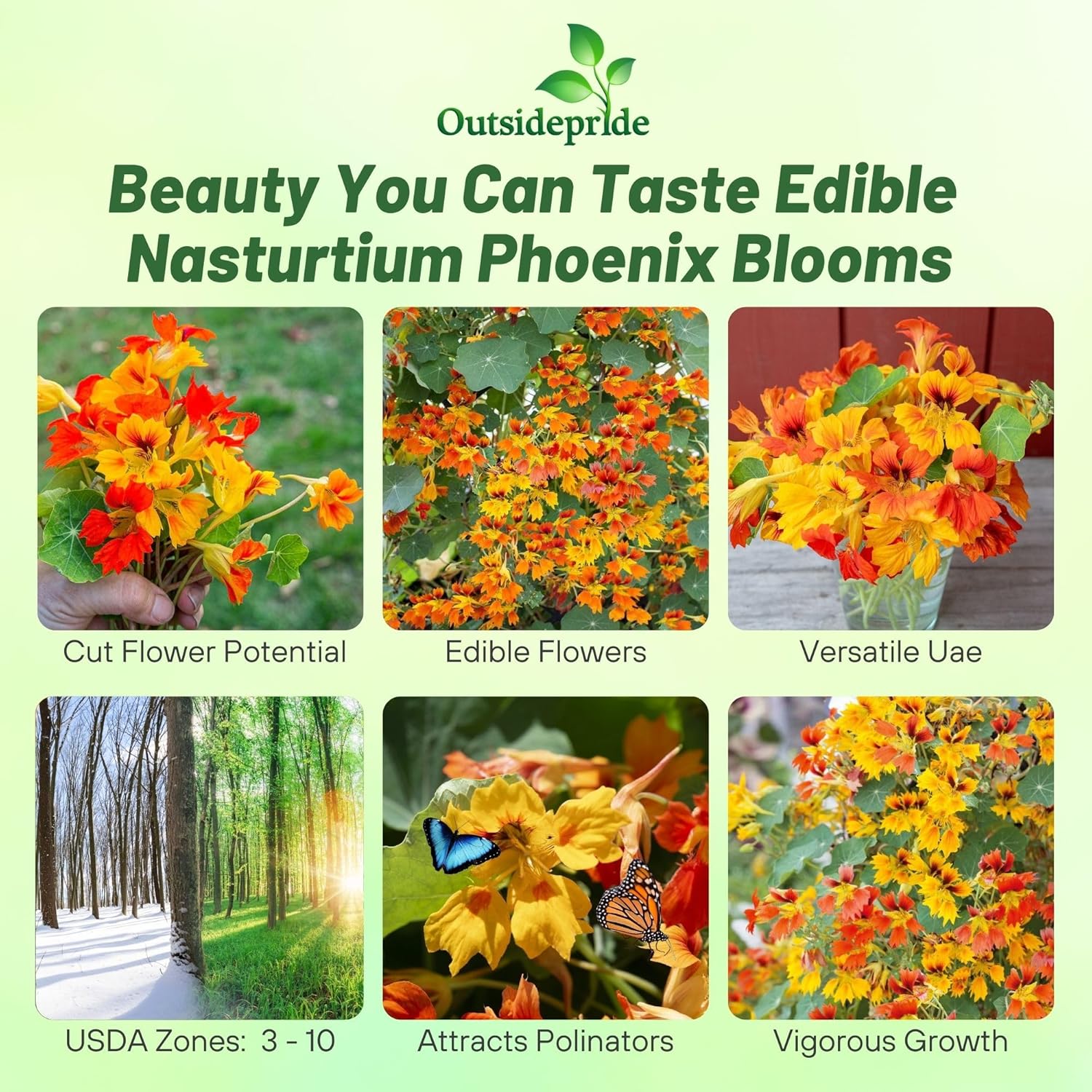
Nasturtium (Tropaeolum Majus Phoenix Mix) - It has taken us a few years, but we have finally added this very popular Phoenix nasturtium to our portfolio. Instead of the usual rounded shape, the petals of every bloom on this flowering plant are divided into 3 to 4 points, like flames or fishtails.MORE NASTURTIUM OPTIONS

Planting Directions

TEMPERATURE
65F

AVERAGE GERM TIME
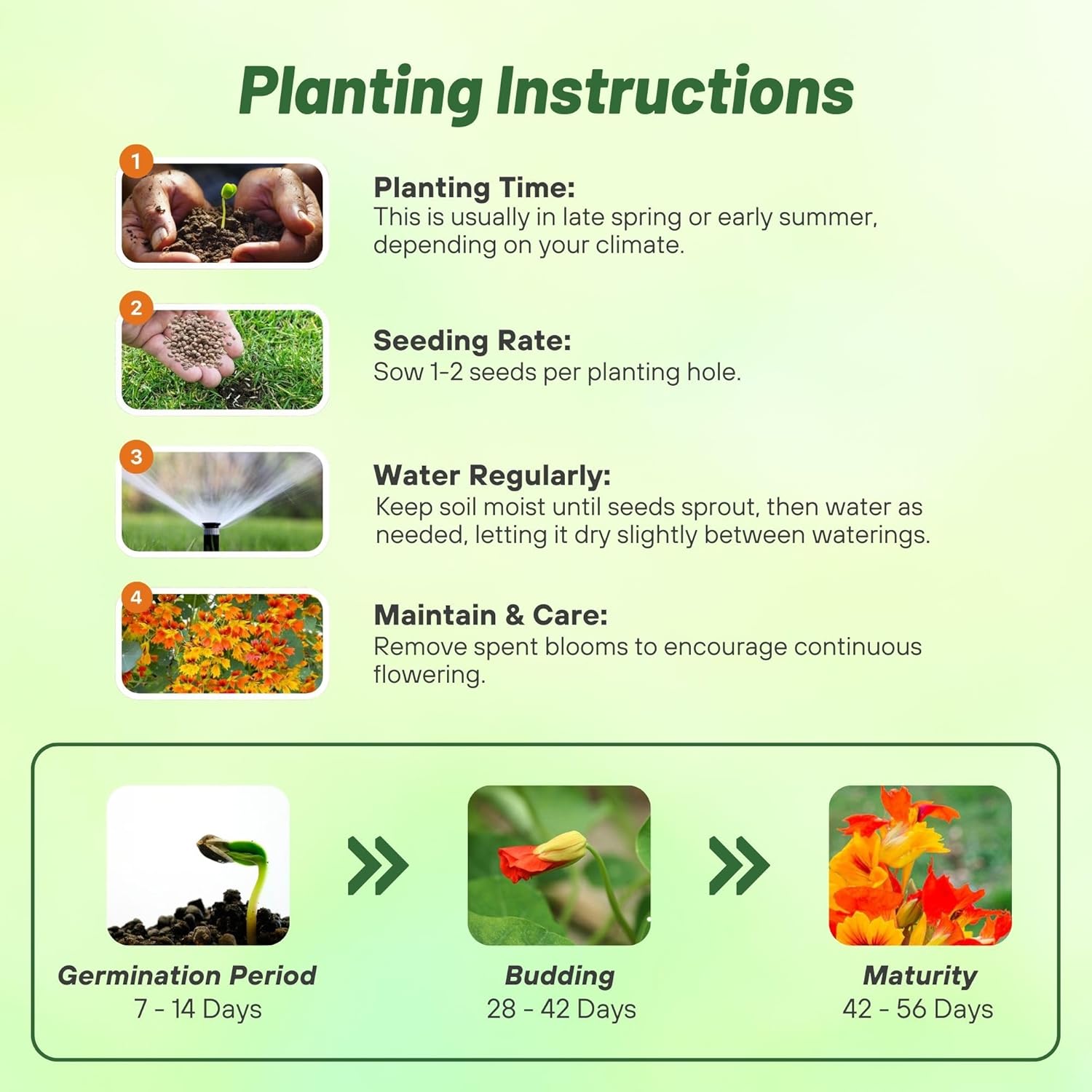
7 - 10 days

LIGHT REQUIRED
No

DEPTH
1/2 inch

SOWING RATE
1 - 2 seeds per plant
MOISTURE
Keep seeds moist until germination

PLANT SPACING
8 - 12 inches
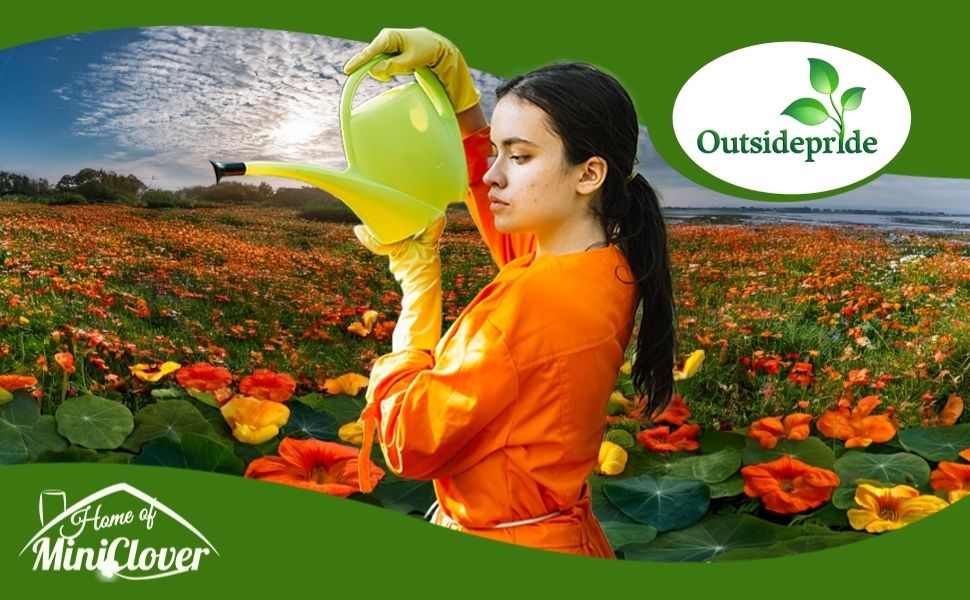
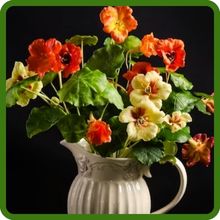
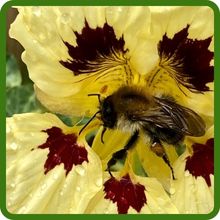
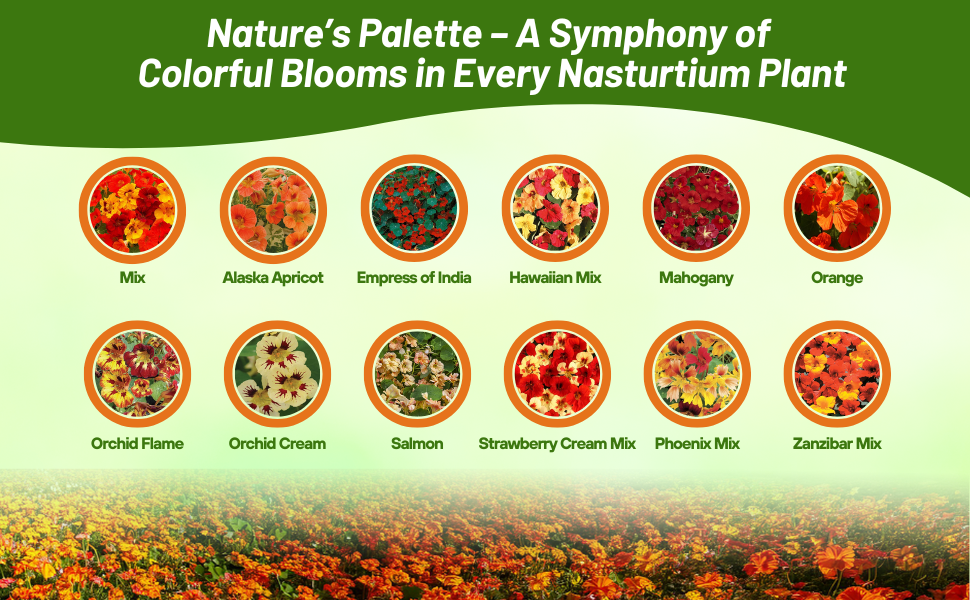
Nasturtium (Tropaeolum Majus Phoenix Mix) - It has taken us a few years, but we have finally added this very popular Phoenix nasturtium to our portfolio. Instead of the usual rounded shape, the petals of every bloom on this flowering plant are divided into 3 to 4 points, like flames or fishtails. The blooms arise in both bright and pastel shades and even some bicolors giving you the classic golds, oranges, and reds of nasturtiums as well as the less common creams, peaches, and salmons. And that's not all! Many petals even have a stroke of mahogany near the base. The ivy-leaf foliage makes this the perfect plant for trellises or trailing from a hanging basket. You might even want to test the vines out as a cutflower for draping arrangement material.
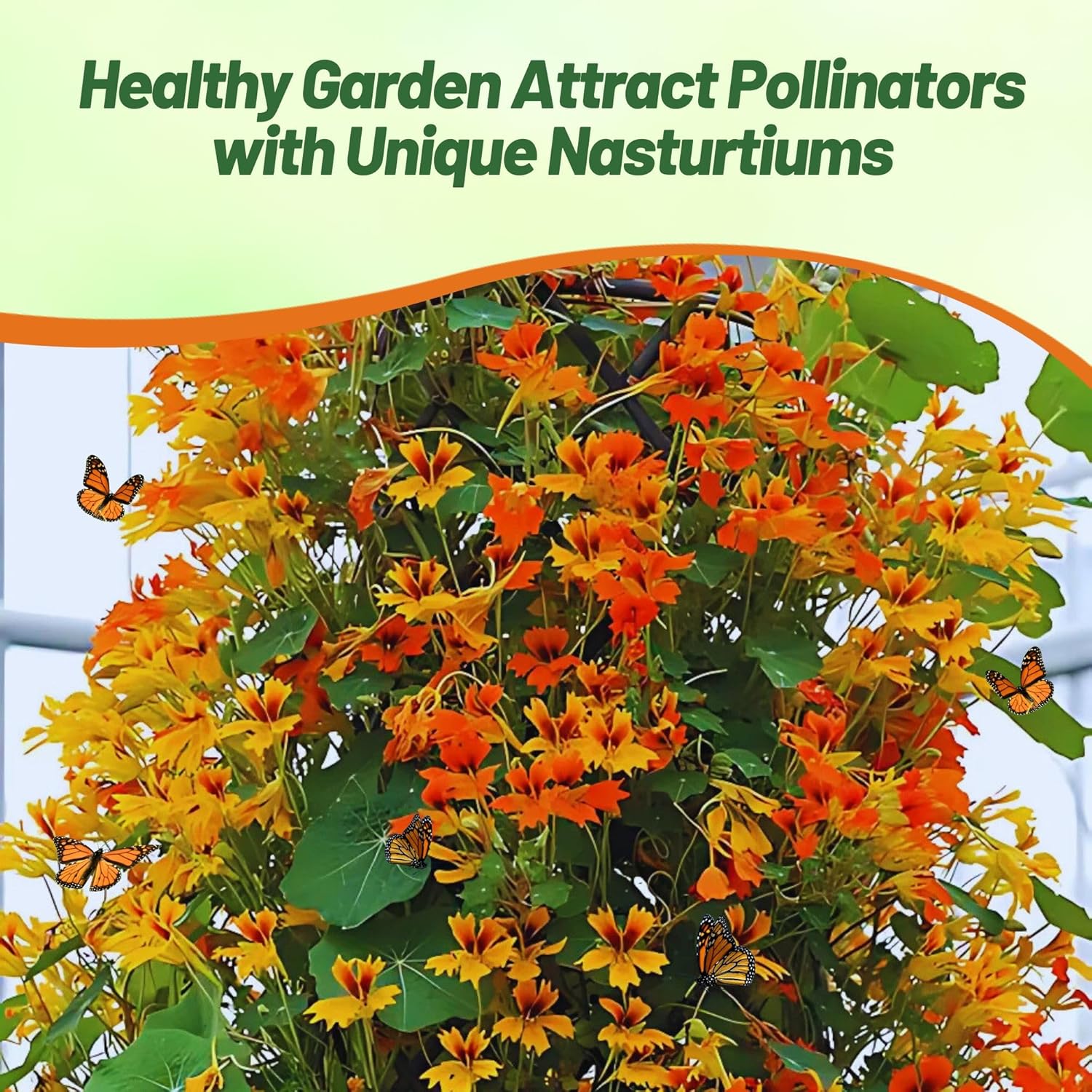
Not only are these nasturtium flowers beautiful, they are also profuse. They will begin blooming in early summer and continue clear until frost in most areas and will grow in a variety of habitats. Some nasturtiums are vining, others bushy, but Phoenix is both! You can let its stems trail from hanging baskets and flowerpots, or you can grow it vertically in beds and containers, where it will mound instead of spreading. Generally about 12 inches high if mounded and 14 inches wide, it will adjust a bit to fit the habit you choose for it—lower and more trailing in baskets, higher and more compact in beds. If allowing to vine, you can expect it to reach up to six feet!
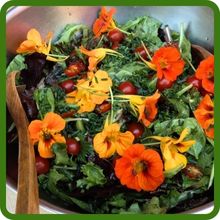
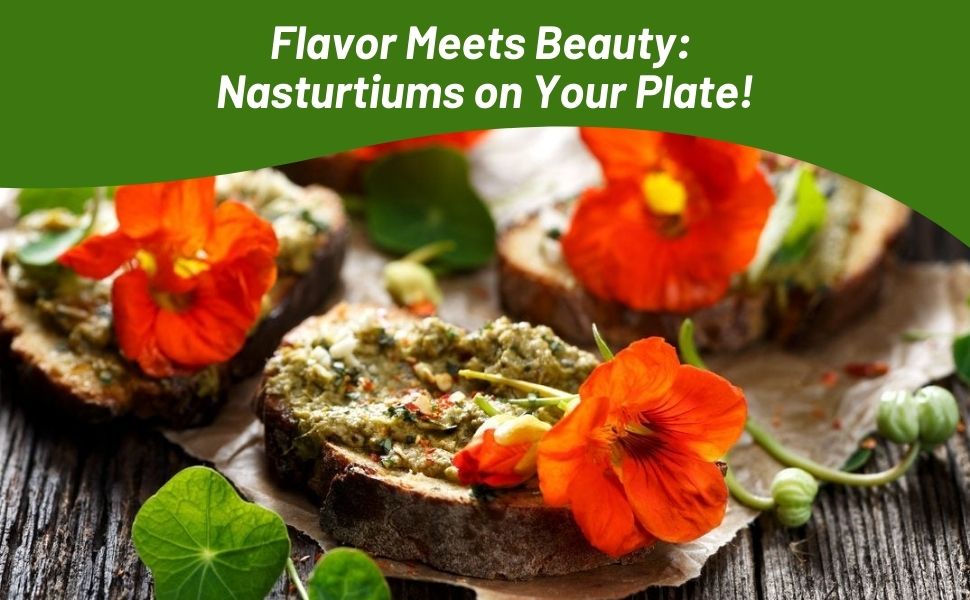
Nasturtiums are grown as a climbing vine, a flowering plant, and for its uses as an herb. The flowers and leaves are edible, making beautiful additions to salads and handsome garnishes on the plate. Nasturtium has a peppery bite not unlike watercress (one of its common names is Indian Cress), and is best used in savory dishes. Like all nasturtiums, Phoenix is a splendid companion to vegetables in the garden attracting beneficial bees to the garden and other insects.
Common Questions
Are the flowers edible?
Yes, flowers have a peppery taste and are used to garnish salads or other dishes. Young leaves have a flavor like watercress and are good in salads.
Why didn’t my nasturtiums flower?
Nasturtiums like a poor soil so be very careful not to over fertilize the plants. The result is pretty plants but no flowers.
Why didn’t my seeds germinate?
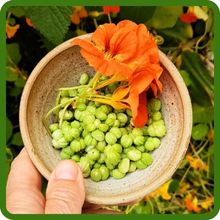
Nasturtiums have a thick seed coat and should be soaked or filed with a nail file before sowing to aid in germination.
Do nasturtiums attract pollinators to my garden?
Yes, nasturtiums attract bees, butterflies, hummingbirds and other pollinators are drawn to these flowers.
What plants will benefit from using nasturtiums as a companion plant?
Nasturtiums make a good companion for: broccoli, Brussels sprouts, cabbage, cauliflower, cucumbers, kale, kohlrabi, pumpkins, radish, squash, tomato, and potato.
What are some recommended flowers to plant with nasturtiums?
Sunflowers, lavender, marigold, cosmos, zinnia and asters all look lovely and grow well with nasturtiums.
Do I need to deadhead my flowers?
Yes, to prolong your bloom season you will need to deadhead the flowers.
Videos