










Milkweed Seeds - Common

SEASON
Perennial
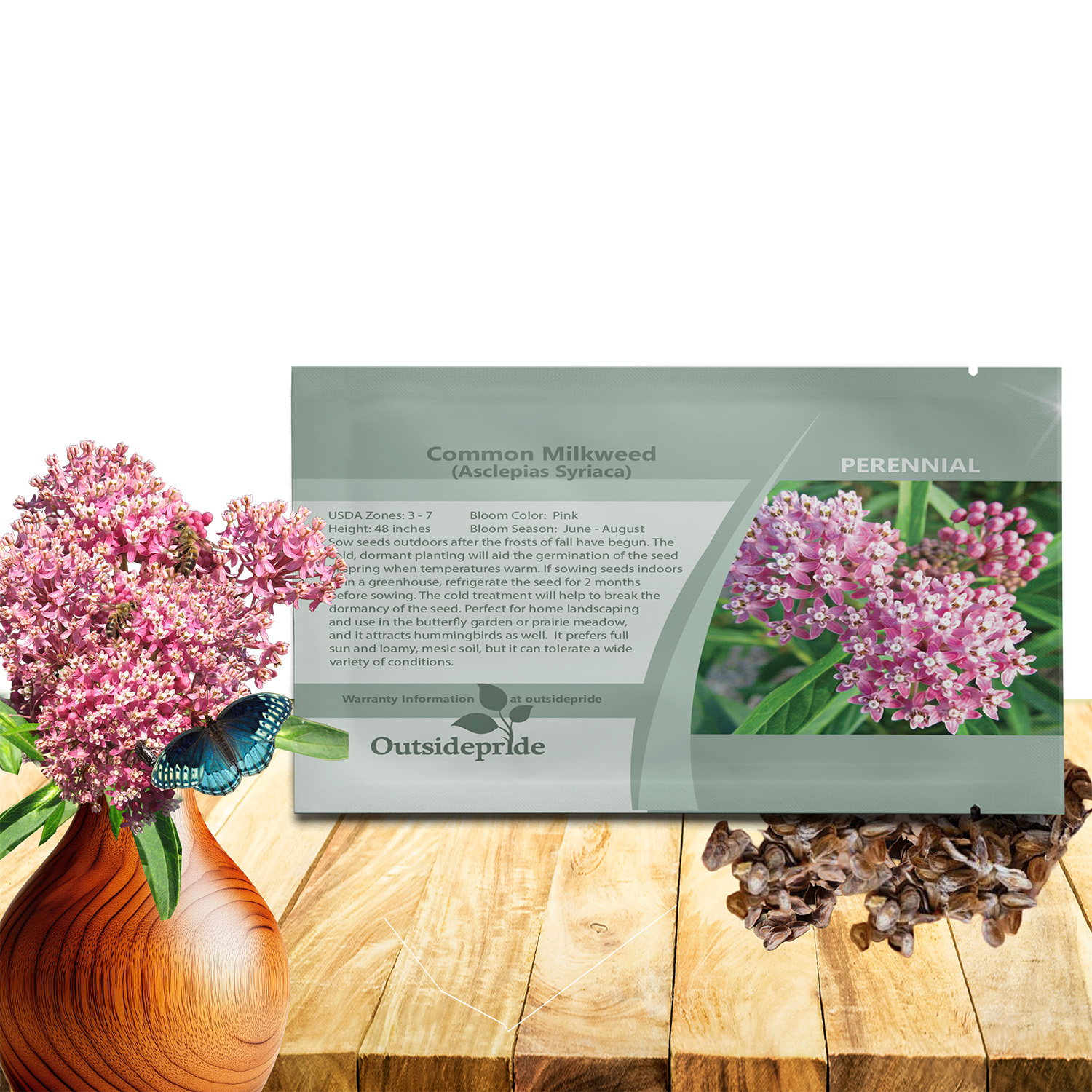
USDA ZONES
3 - 7

HEIGHT
48 inches

BLOOM SEASON
June - August

BLOOM COLOR
Pink

ENVIRONMENT
Full sun

SOIL TYPE
Tolerant of poor, dry soils, pH 5.8 - 7.2

DEER RESISTANT
Yes
HOUSE PLANT
No
About...
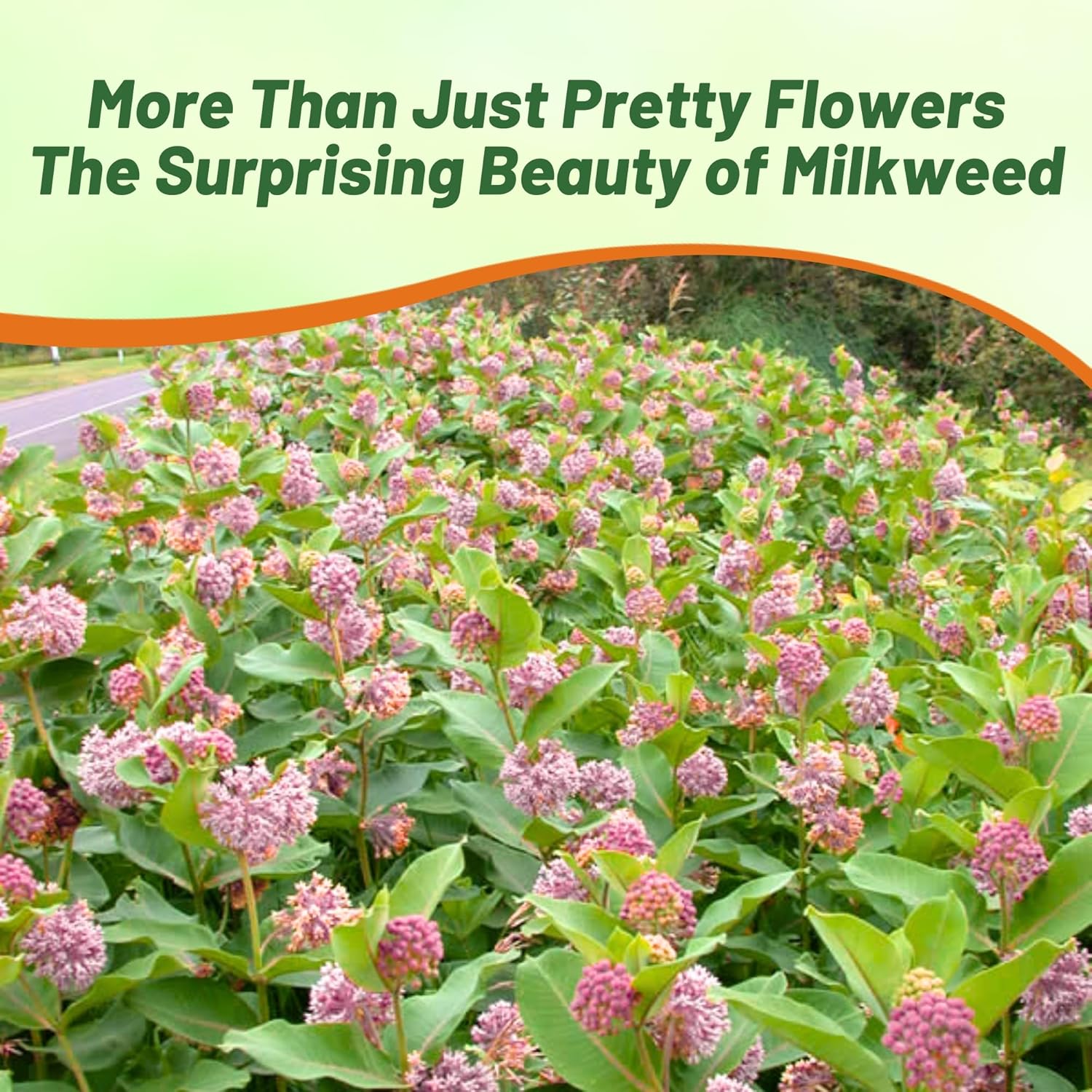
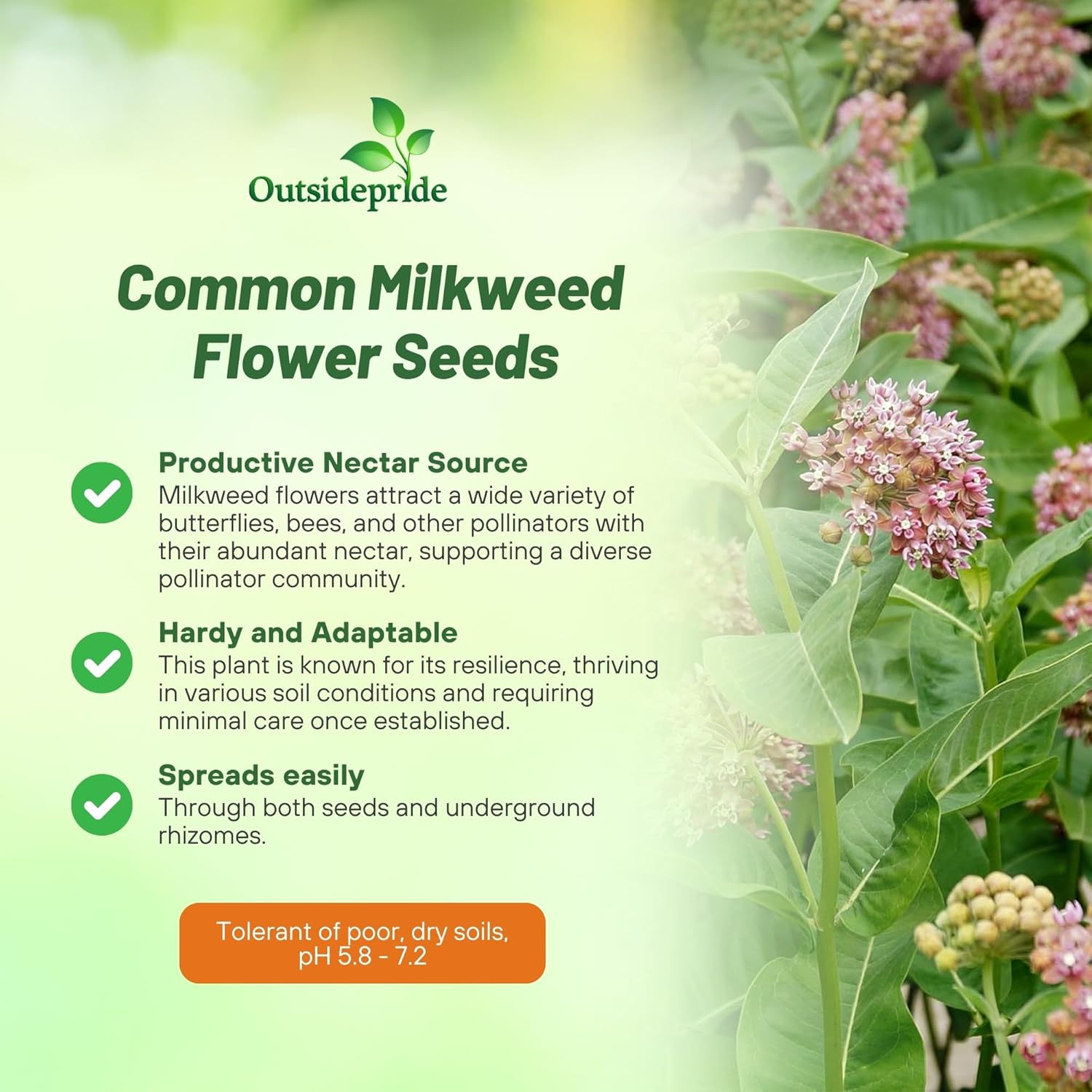
Common Milkweed (Asclepias Syriaca) - This is a bold, attractive plant with broad leaves and large clusters of pink blossoms. It can be grown from Milkweed seeds, and it is a must have for the butterfly garden. Drought resistant Asclepias Syriaca draws butterflies with its strong lilac-like fragrance and sweet nectar.MORE MILKWEED OPTIONS

Planting Directions

TEMPERATURE
68F

AVERAGE GERM TIME
21 - 28 days

LIGHT REQUIRED
Yes

DEPTH
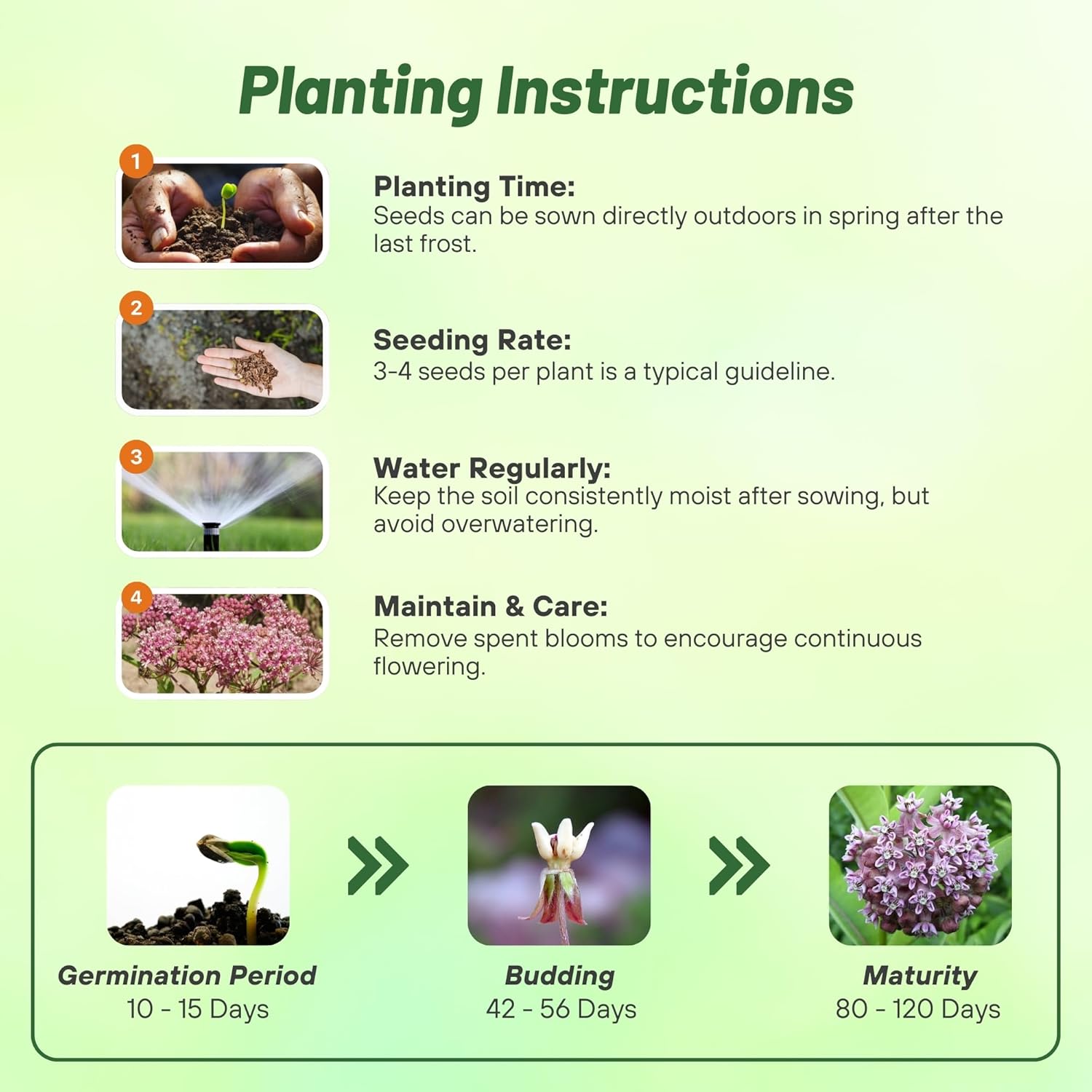
Surface sow seed, do not cover

SOWING RATE
3 - 4 seeds per plant

MOISTURE
Keep seeds moist until germination

PLANT SPACING
36 inches

CARE & MAINTENANCE


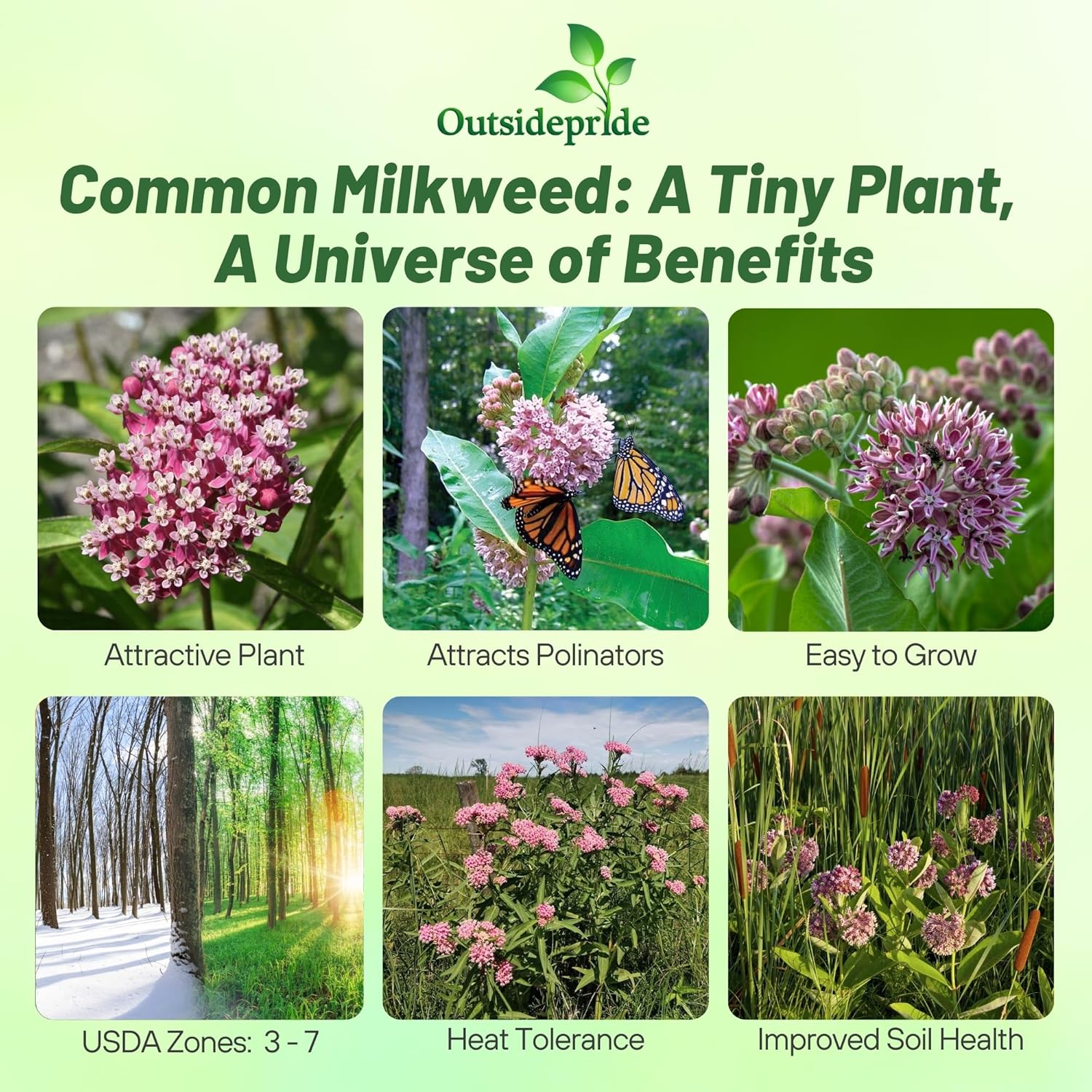
Common Milkweed (Asclepias Syriaca) - This is a bold, attractive plant with broad leaves and large clusters of pink blossoms which is resistant to drought. It can be grown from Milkweed seeds, and it is a must have for the butterfly garden. Asclepias Syriaca draws butterflies with its strong lilac-like fragrance and sweet nectar. Sometimes called Butterfly Milkweed, the perennial is a host plant for Monarch butterfly larva. The eggs are laid on the plant, and the larvae will feed on the plant and mature into a chrysalis. In addition to attracting butterflies, Common Milkweeds are perfect for a naturalized setting. It is very attractive, easily controlled, and easily grown from flower seeds. Common Milkweed has pink flowers and grows to four feet tall. It is native to the Midwest and eastern U.S. It prefers full sun and loamy, mesic soil, but it can tolerate a wide variety of conditions.
Growing Common Milkweed from flower seed is very rewarding. It is appropriate to sow Asclepias seeds outdoors after the frosts of fall have begun. The cold, dormant planting will aid the germination of the seed in spring when temperatures warm. If sowing Common Milkweed seeds indoors or in a greenhouse, refrigerate the flower seed for 2 months before sowing. The cold treatment will help to break the dormancy of the seed.
Common Questions
What are some good companion plants for butterfly weed?
Perennial such as crocosmia, anthemis, kniphofia and agapanthus all go well with common milkweed.
Do I need to fertilize my common milkweed?
No, common milkweed tolerates poor soil so there is no need to fertilize.
Will butterfly weed attract other pollinators besides butterflies?
Yes, bees and hummingbirds also enjoy the butterfly weed plant.
How do I plant common milkweed to attract butterflies?
If your goal is to attract monarch butterflies by planting common milkweed, establish a small milkweed patch with a minimum of six plants. Ensure there is a nearby water source for the butterflies; a birdbath or a large potting saucer filled with water will suffice. It's also beneficial to include other pollinator-friendly plants in a well-rounded butterfly garden.
Why not plant milkweed on the coast?
If you live in a coastal region or near a place where monarch butterflies overwinter, it is recommended to cultivate nectar plants like blazing star and bidens to aid the monarchs during their migration to and from the overwintering spot. Adult monarch butterflies rely on milkweed for reproduction, and the presence of milkweed misleads them into thinking it is a suitable location for breeding, thus disturbing their natural migration pattern.
Will common milkweed take over my garden?
Exercise caution when selecting the planting spot for milkweed. Common milkweed has a tendency to spread aggressively through seeds and rhizomes, potentially outcompeting other plants. Unless you are intentionally cultivating a butterfly garden, it may overpower a mixed border garden. To control its growth, consider planting it in a restricted area or in a backyard section where its spread is acceptable. Despite its robust nature, common milkweed, along with other native milkweeds, is a valuable wildflower and is not classified as a noxious weed or invasive species.
Videos